Rye Boulevardier
A bitter and dry whiskey cocktail ∙ Stir ∙ 3 min ∙ 25.9% ABV ∙
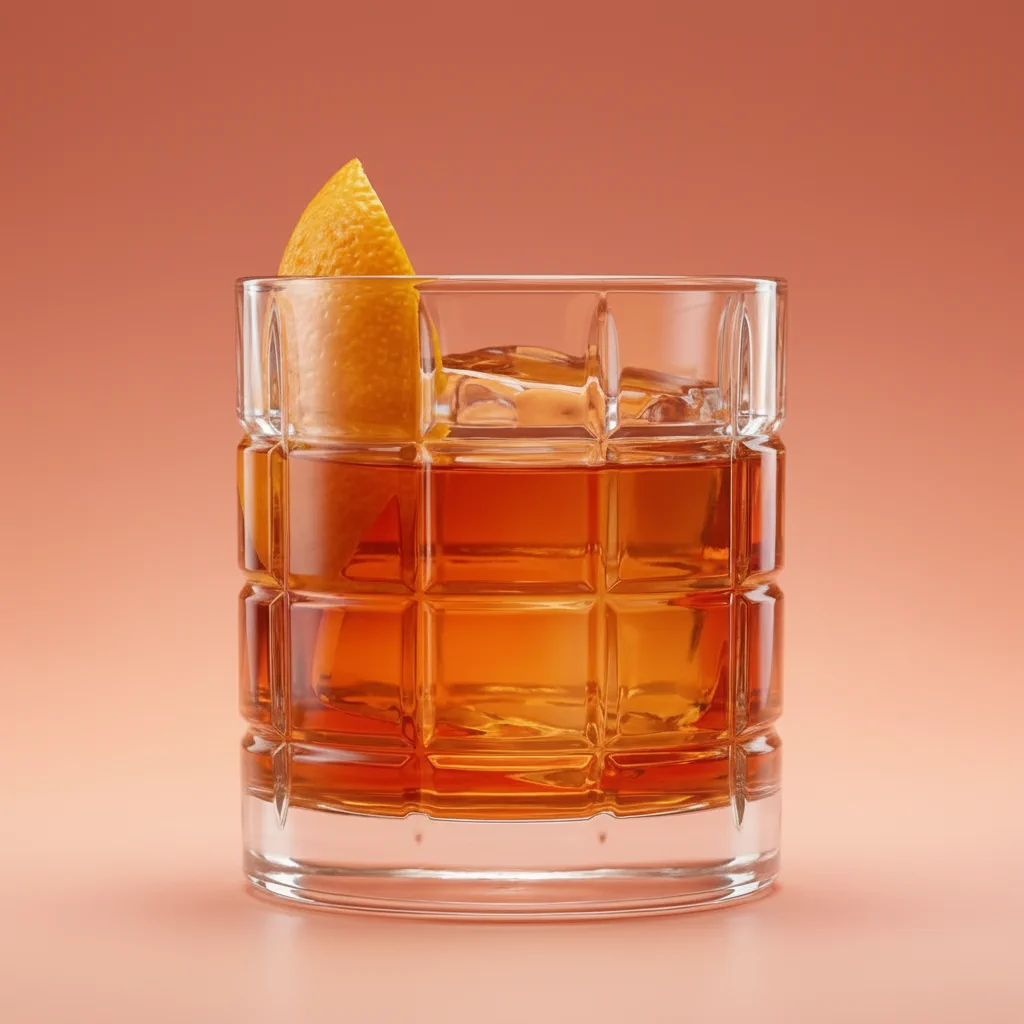
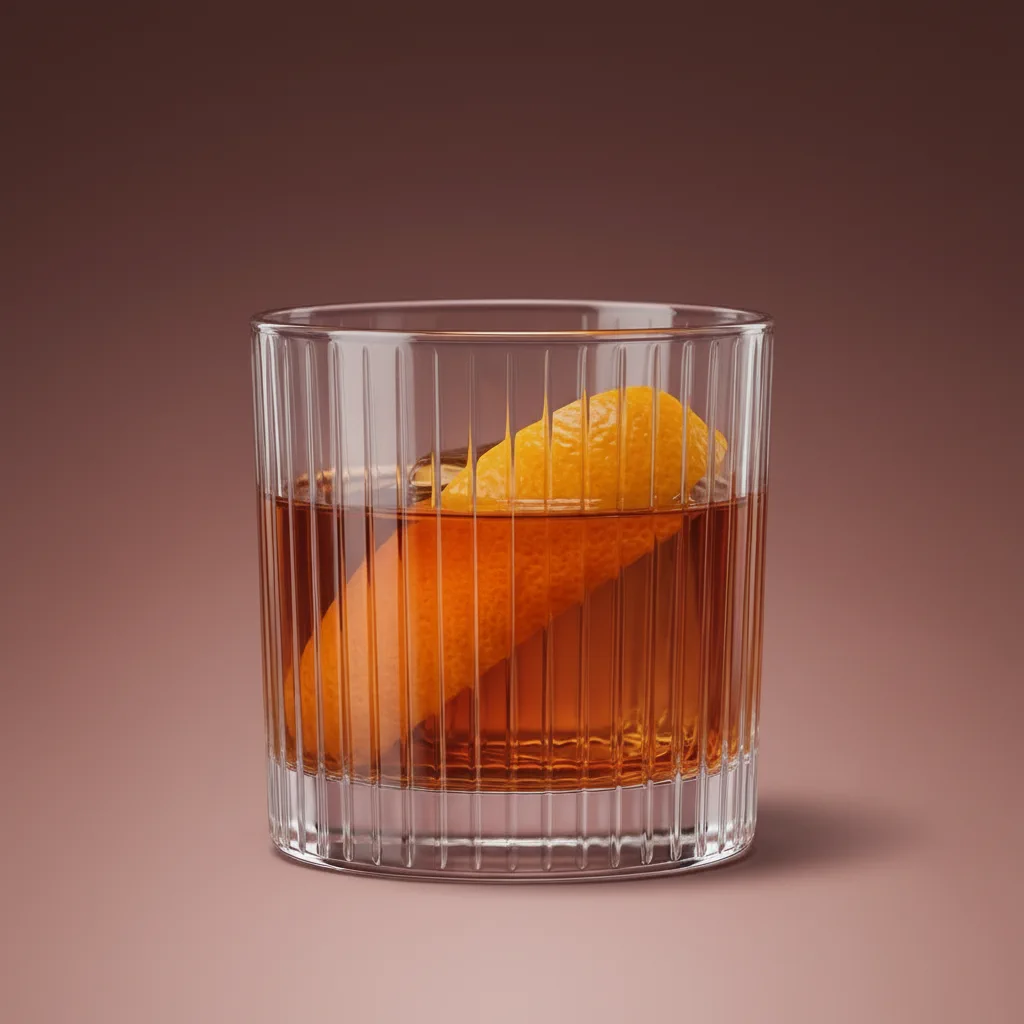
The Rye Boulevardier stirs rye whiskey with a red bitter such as Campari and sweet vermouth, served over ice with an orange twist. Rye spice drives the first sip, with a bittersweet orange-and-herb core underneath and a dry, lingering finish suited to a slow, after-dinner sip.
Ingredients
1
Servings


Garnish

Instructions for 1 serving
- Pre-chill a glass
- Stir all ingredients with ice: Rye whiskey 45 mlRed bitter 25 mlRosso vermouth 25 ml
- Strain into the ice-filled glass (preferably over a large cube or chunk of block ice)
- Express an orange twist over the cocktail and use as garnish
Tips
- Rye brings more spice and less sweetness than bourbon, so taste as you stir if you're used to a softer build.
History
The Rye Boulevardier has no single documented inventor; it is the widely used rye whiskey variant of the Boulevardier that spread as bartenders revived the cocktail in the 2010s. Contemporary accounts of the drink's comeback note that many bartenders began favoring rye over the original bourbon, with a widely cited 2015 blind tasting by bartenders across the United States finding that every top-ranked entry used rye whiskey rather than bourbon.
The Boulevardier itself first appeared in print in Harry MacElhone's 1927 Paris bar guide, Barflies and Cocktails, which credited the drink to Erskine Gwynne, an American-born writer and socialite who edited a Paris magazine called Boulevardier. The Rye Boulevardier keeps that equal-parts Negroni-style formula but swaps in rye whiskey for bourbon, giving the drink a spicier, drier edge.
FAQ
What is a Boulevardier cocktail?
A Boulevardier is a stirred, spirit-forward cocktail of whiskey, a red bitter such as Campari, and sweet vermouth, served over ice and finished with an orange twist. It is essentially a Negroni built on whiskey instead of gin, and this recipe uses rye specifically for a spicier, drier result.
Can you make a Boulevardier with rye?
Yes, this version is built with rye whiskey instead of bourbon, giving a spicier, drier drink that cuts through the sweet vermouth more sharply.
Is a Boulevardier better with bourbon or rye?
Neither is objectively better, but the two drink differently. Bourbon gives a rounder, sweeter Boulevardier since it is corn-forward and often sweeter itself, while rye, as used in this recipe, brings peppery spice and a drier profile that stands up more assertively to the Campari and vermouth.
What is the ratio for a Boulevardier?
This recipe uses a whiskey-forward build, with rye whiskey making up roughly half the drink and equal, smaller amounts of red bitter and sweet vermouth filling out the rest. That's slightly more spirit-forward than the classic equal-parts version some bartenders use.
What's the difference between an Old Fashioned and a Boulevardier?
An Old Fashioned is whiskey, sugar, and bitters built with no vermouth or Campari, while a Boulevardier adds a red bitter such as Campari and sweet vermouth in place of the sugar, giving it a bittersweet, herbal profile the Old Fashioned doesn't have.
Is a Boulevardier just a Negroni with bourbon?
It's close but not quite, since this version specifically uses rye rather than bourbon. The structure echoes a Negroni — spirit, red bitter, and sweet vermouth — though this build leans whiskey-forward rather than equal parts, and swapping in whiskey for gin gives a warmer, spicier drink than the botanical snap of a Negroni.