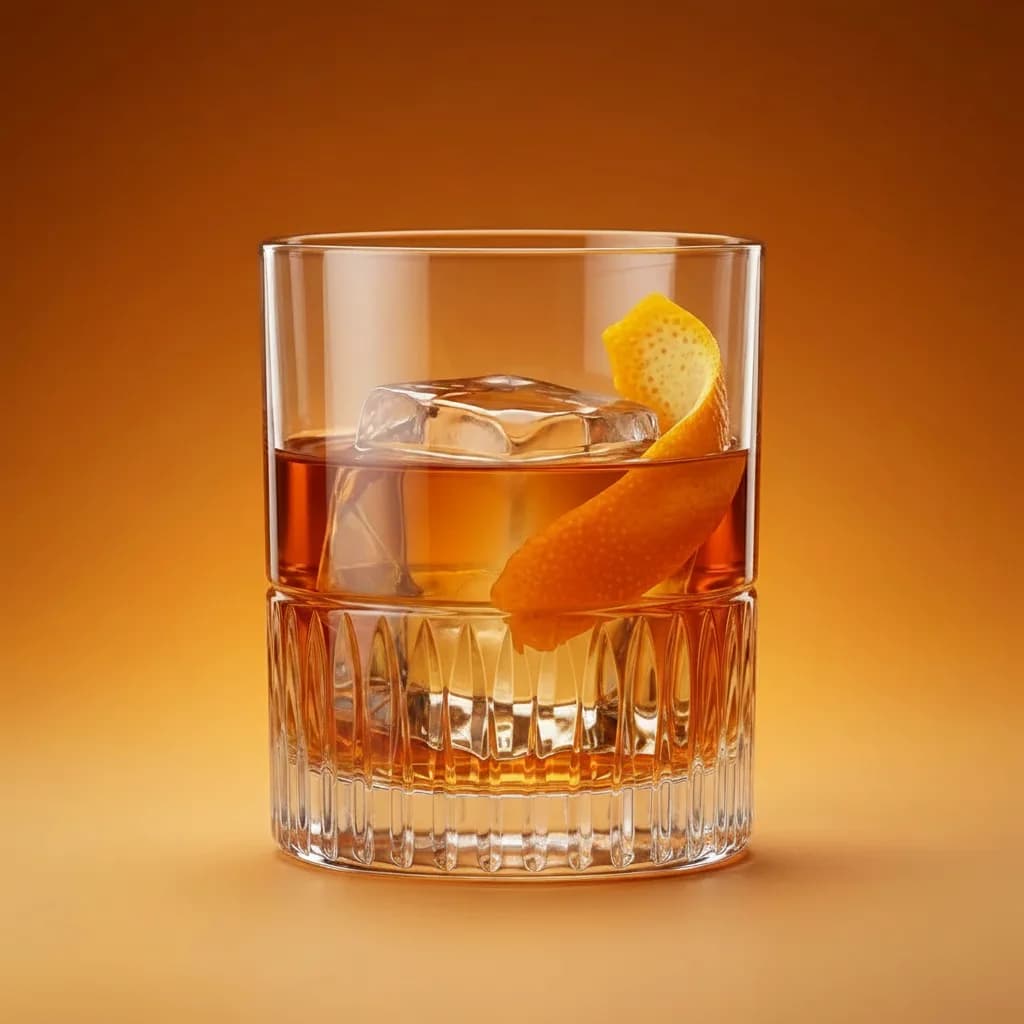
Boulevardier
Stir ∙ 3 min ∙ 26.8% ABV ∙
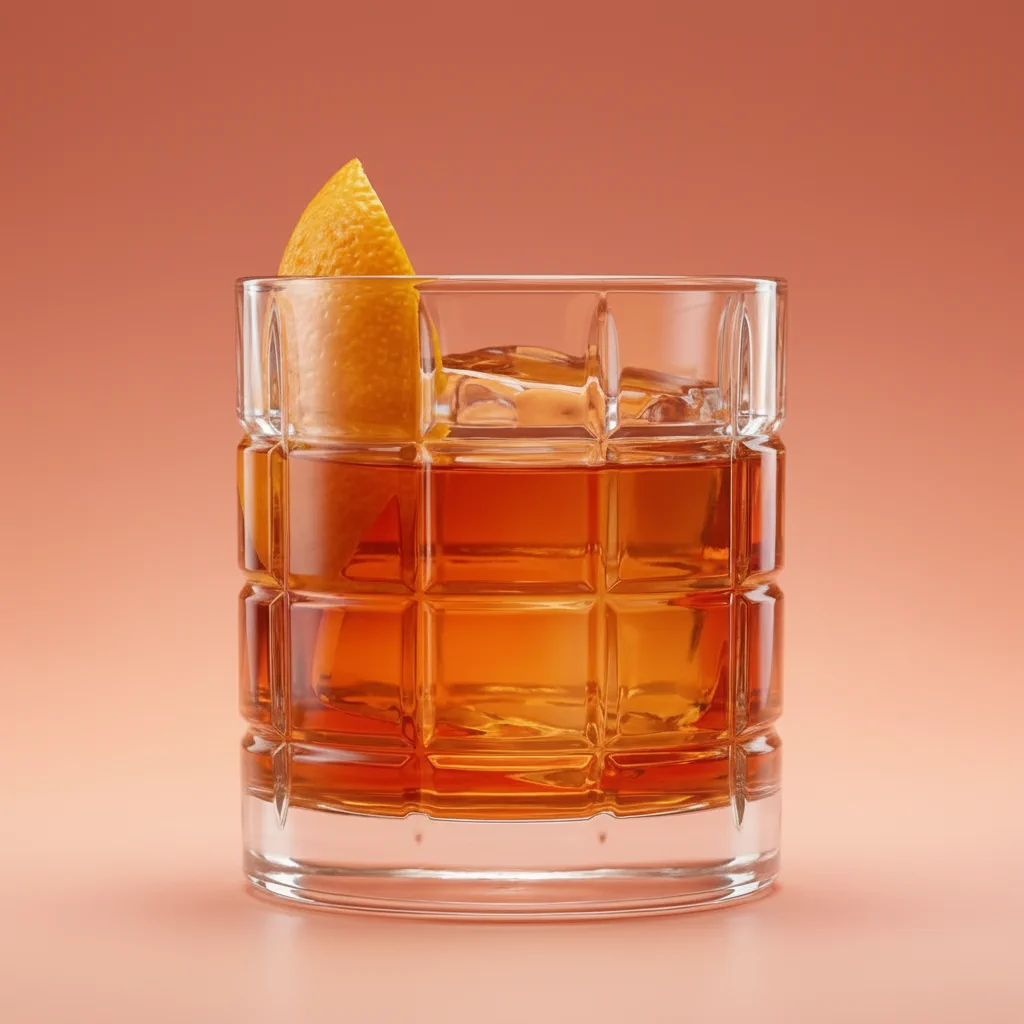
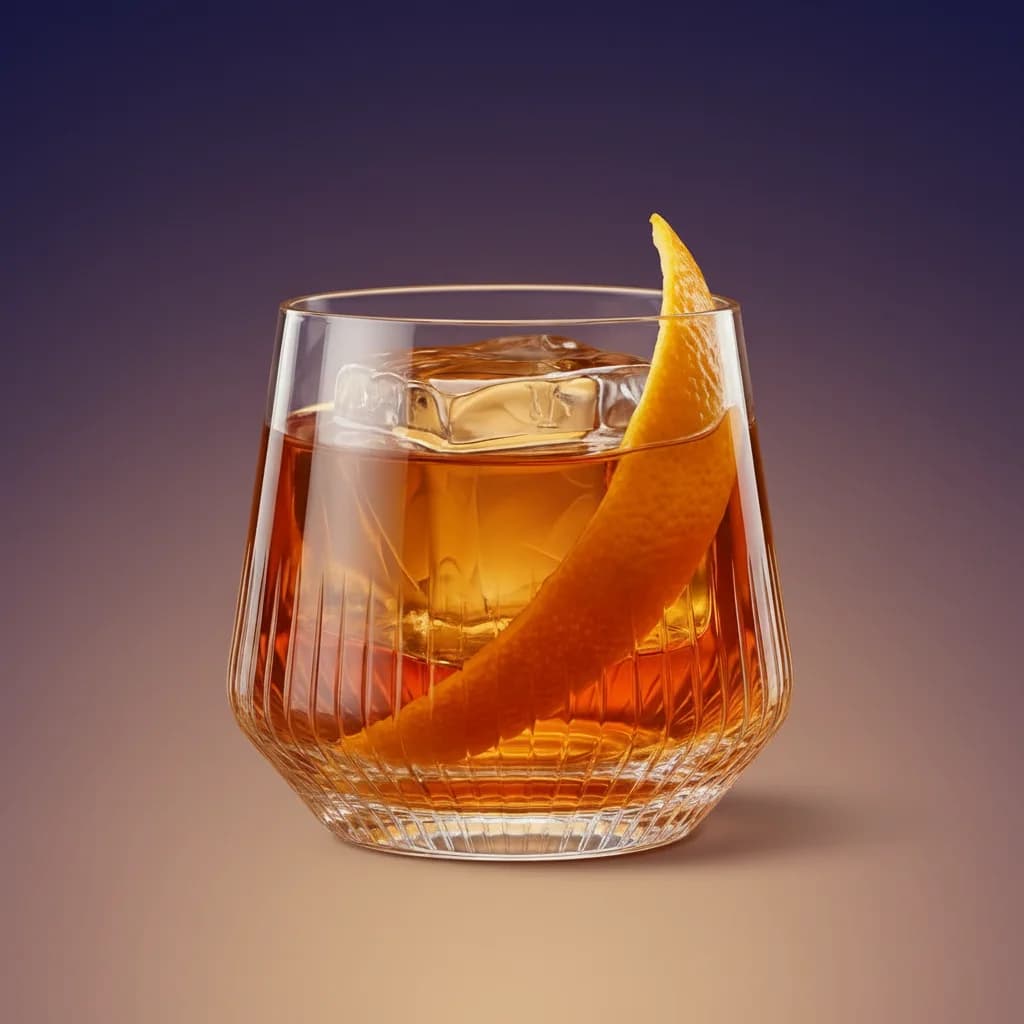
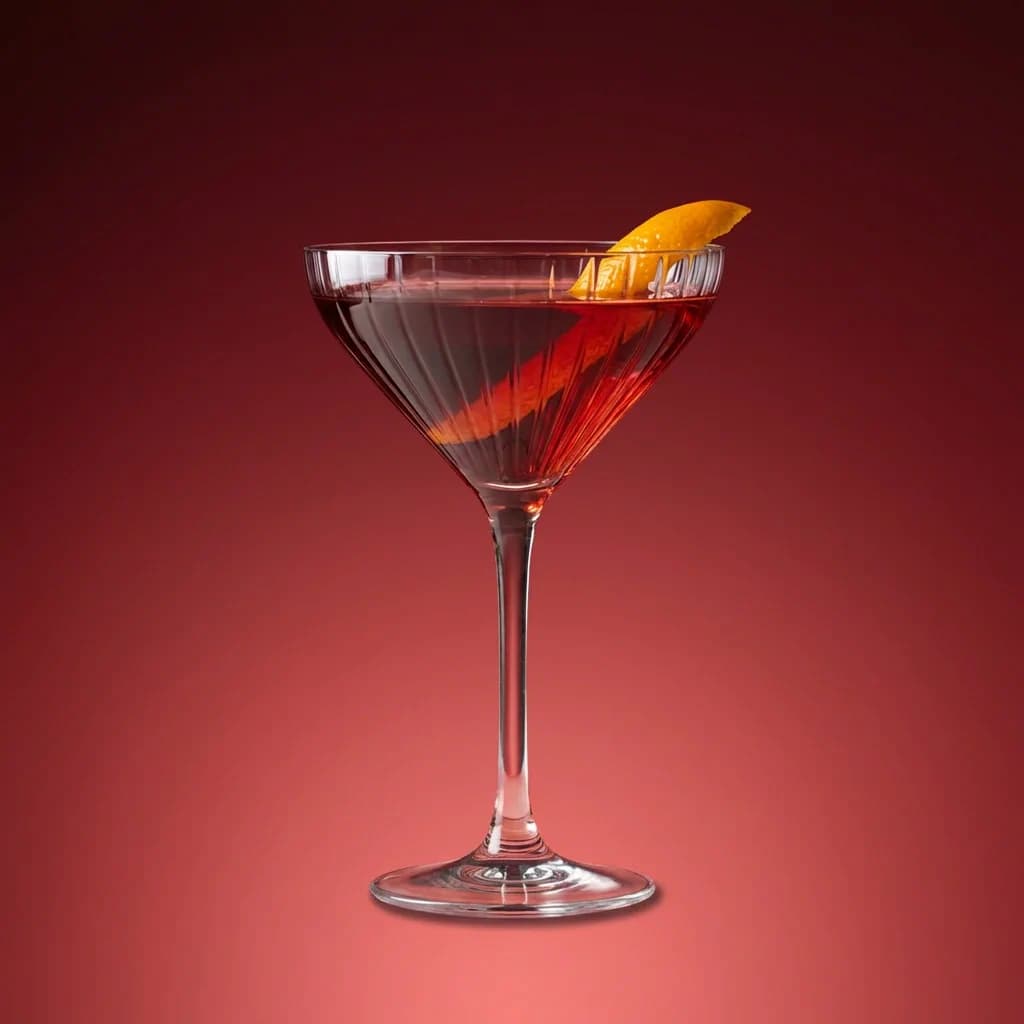
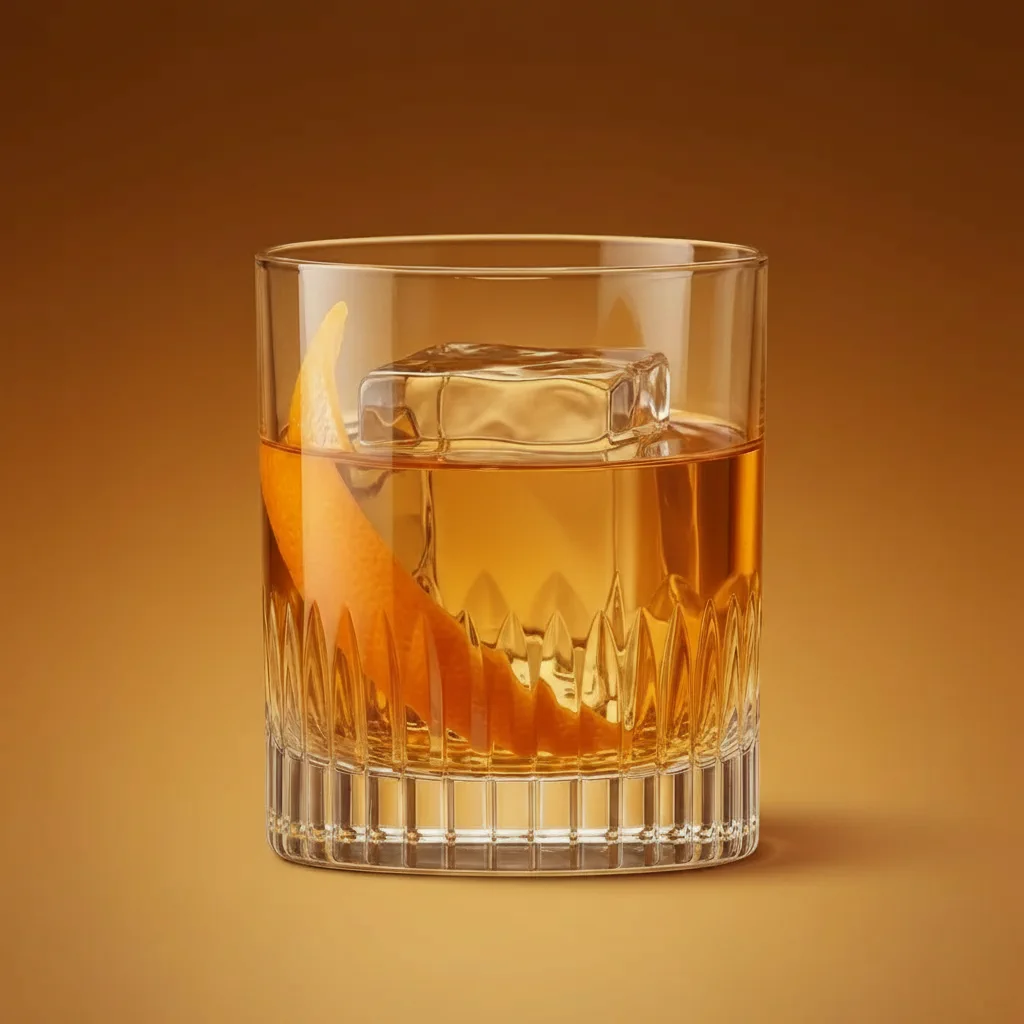
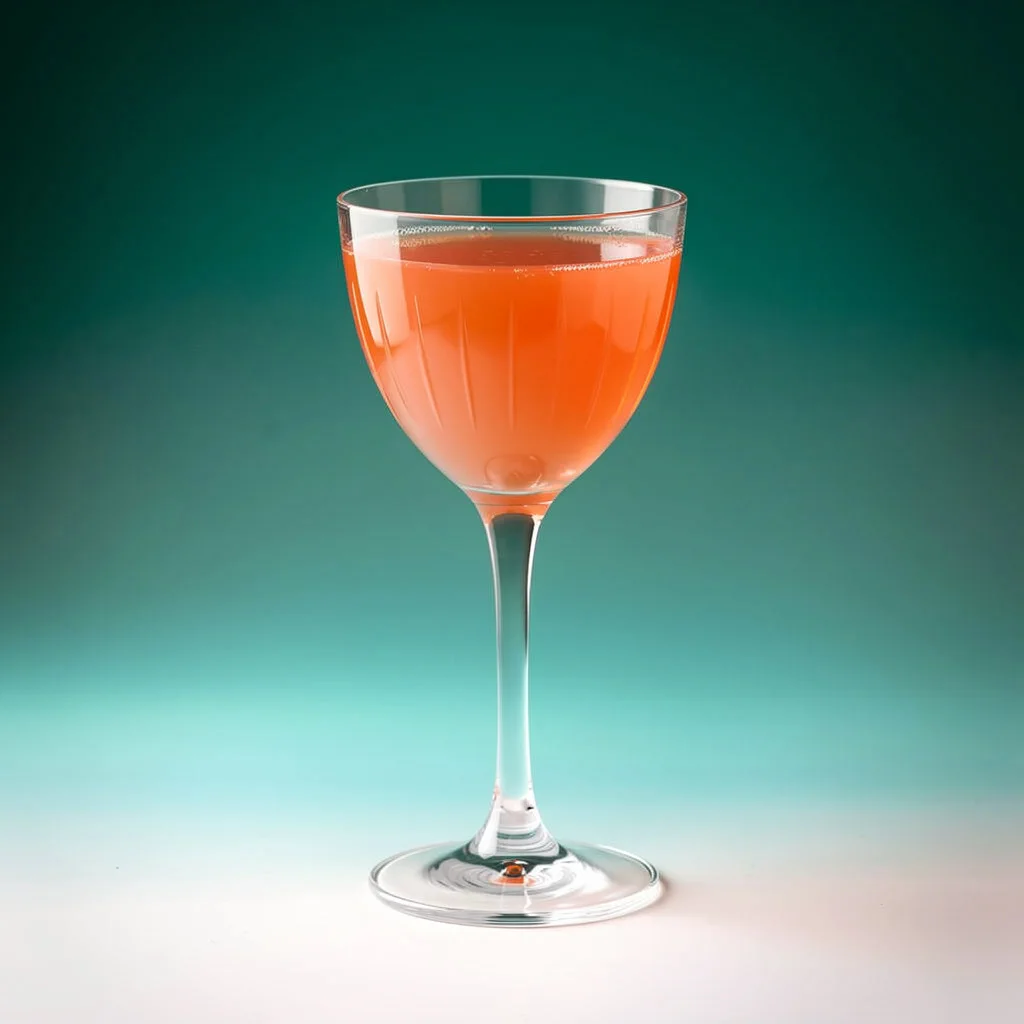
The Boulevardier is a spirit-forward stirred cocktail of bourbon, sweet vermouth, and a red bitter such as Campari, served over ice. Whiskey warmth leads, with a bittersweet orange edge and a dry, slightly bitter finish that lingers — a fitting slow sipper for a cold-weather nightcap.
Ingredients
1
Servings



Garnish

Instructions for 1 serving
- Pre-chill a glass
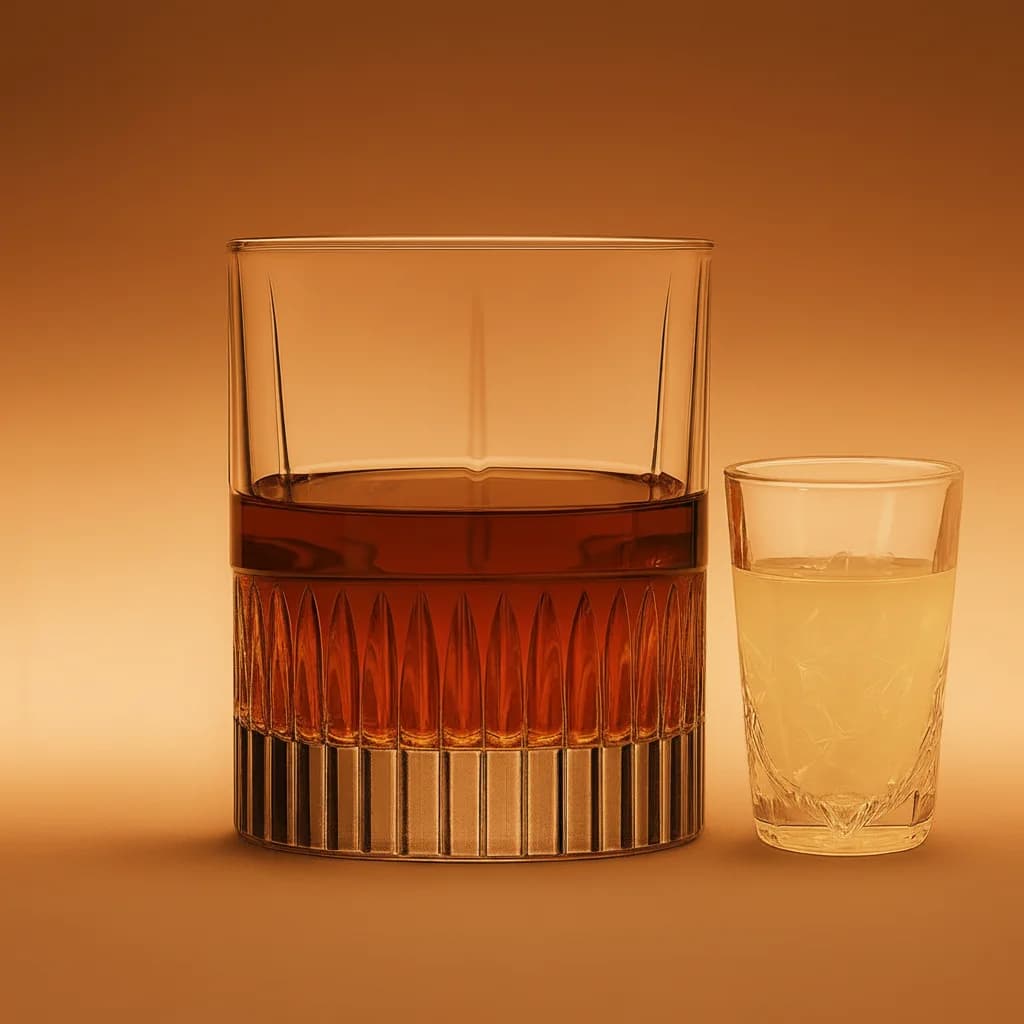
- Stir all ingredients with ice: Bourbon 45 mlRosso vermouth 20 mlRed bitter 20 ml
- Strain into the ice-filled glass (preferably over a large cube or chunk of block ice)
- Express an orange twist over the cocktail and use as garnish
Tips
- Stir with large cubes for 20-30 seconds until the mixing glass feels ice-cold; stir rather than shake, since shaking a spirit-forward build clouds it with air and ice chips.
- Bourbon leads the ratio over the vermouth and Campari, so measure 45 ml precisely to keep the whiskey backbone from being flattened by the two modifiers.
History
The Boulevardier first appeared in print in Barflies and Cocktails, a 1927 Paris cocktail book compiled by Harry MacElhone of Harry's New York Bar. The drink is not in the book's main recipe list but turns up in an essay titled "Cocktails About Town" by Arthur Moss, which credits the cocktail to Erskine Gwynne, an American-born writer and Vanderbilt family relation who had moved to Paris and founded a monthly magazine called Boulevardier, published from 1927 to 1932. The original recipe was equal parts bourbon, Campari, and Italian vermouth.
After this 1927 mention, the drink went unrecorded in cocktail literature for about 80 years, resurfacing during the craft cocktail revival of the late 2000s, when it was often served in heavier-whiskey proportions, and it became an official IBA cocktail in 2020. Because it shares two of its three ingredients with the Negroni, differing mainly by using whiskey instead of gin, it is commonly described as a whiskey-based cousin of that drink, though sources note the Boulevardier's 1927 print appearance predates the Negroni's own documented debut by roughly two decades.
FAQ
What is in a Boulevardier cocktail?
Bourbon, sweet (rosso) vermouth, and a red bitter such as Campari, stirred over ice and finished with an orange twist. This build is bourbon-forward, with the vermouth and bitter in equal, supporting amounts.
What is the best ratio for a Boulevardier?
There is no single official ratio, but a bourbon-forward build with equal, smaller parts of sweet vermouth and a red bitter, as used here, is a common and reliable starting point. Bartenders adjust it to taste: more bitter for a drier drink, more vermouth for a softer one.
What is the difference between a Negroni and a Boulevardier?
A Negroni uses gin as its base and is built equal-parts gin, sweet vermouth, and a red bitter, while a Boulevardier swaps in bourbon and leads with the spirit rather than splitting it evenly. The result is a warmer, richer drink than the crisp, herbal Negroni.
What's the difference between a Boulevardier and a Manhattan?
A Manhattan is bourbon or rye and sweet vermouth with aromatic bitters, while a Boulevardier replaces the aromatic bitters with a red bitter such as Campari, adding a bittersweet, orange-tinged edge the Manhattan doesn't have.
What's the difference between an Old Fashioned and a Boulevardier?
An Old Fashioned is just bourbon, sugar, and aromatic bitters built over ice, while a Boulevardier adds sweet vermouth and a red bitter in place of the sugar, making it more complex and less purely whiskey-forward.
Is a Boulevardier shaken or stirred?
Stirred, not shaken. Stirring chills and dilutes the all-spirit build gently while keeping the drink clear; shaking would aerate and cloud it, which isn't how a Boulevardier is meant to look or taste.