Negroni
A bitter and balanced cocktail ∙ Build ∙ 2 min ∙ 27.2% ABV ∙
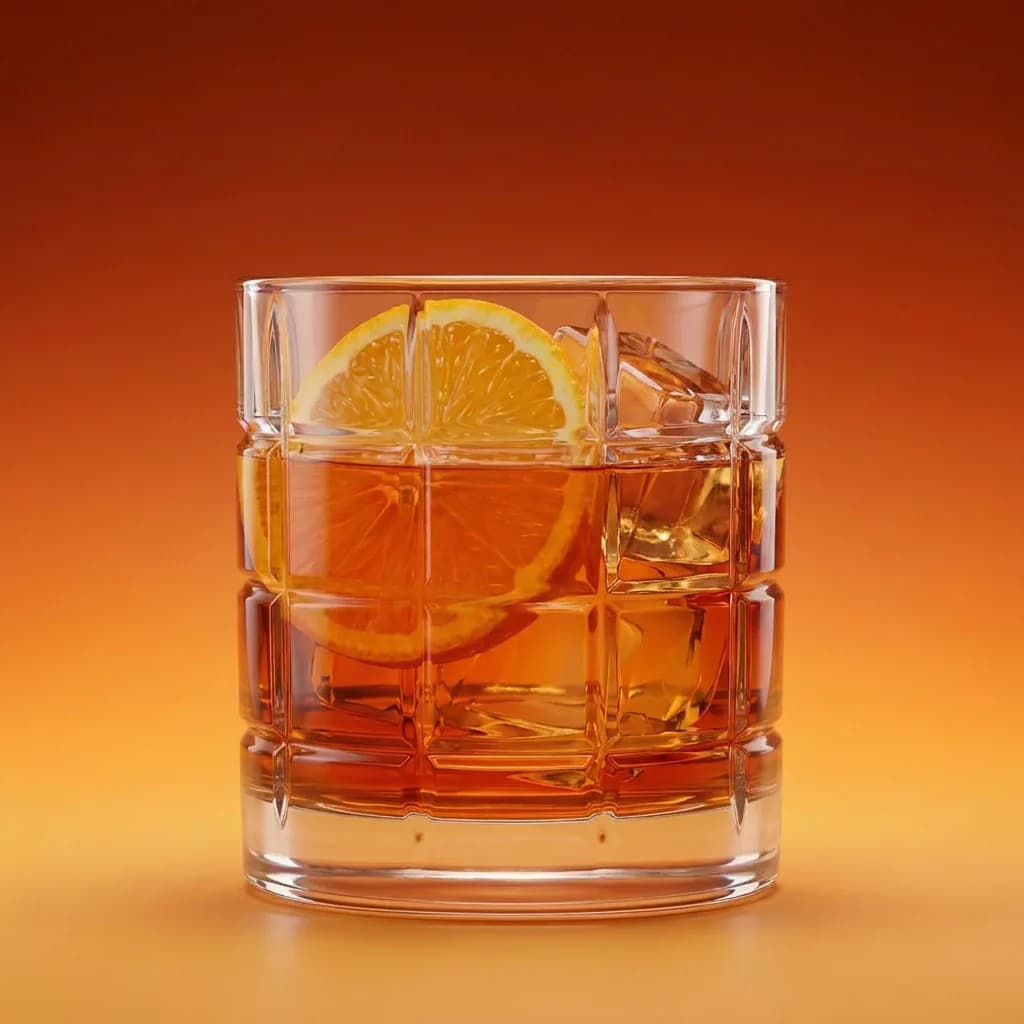
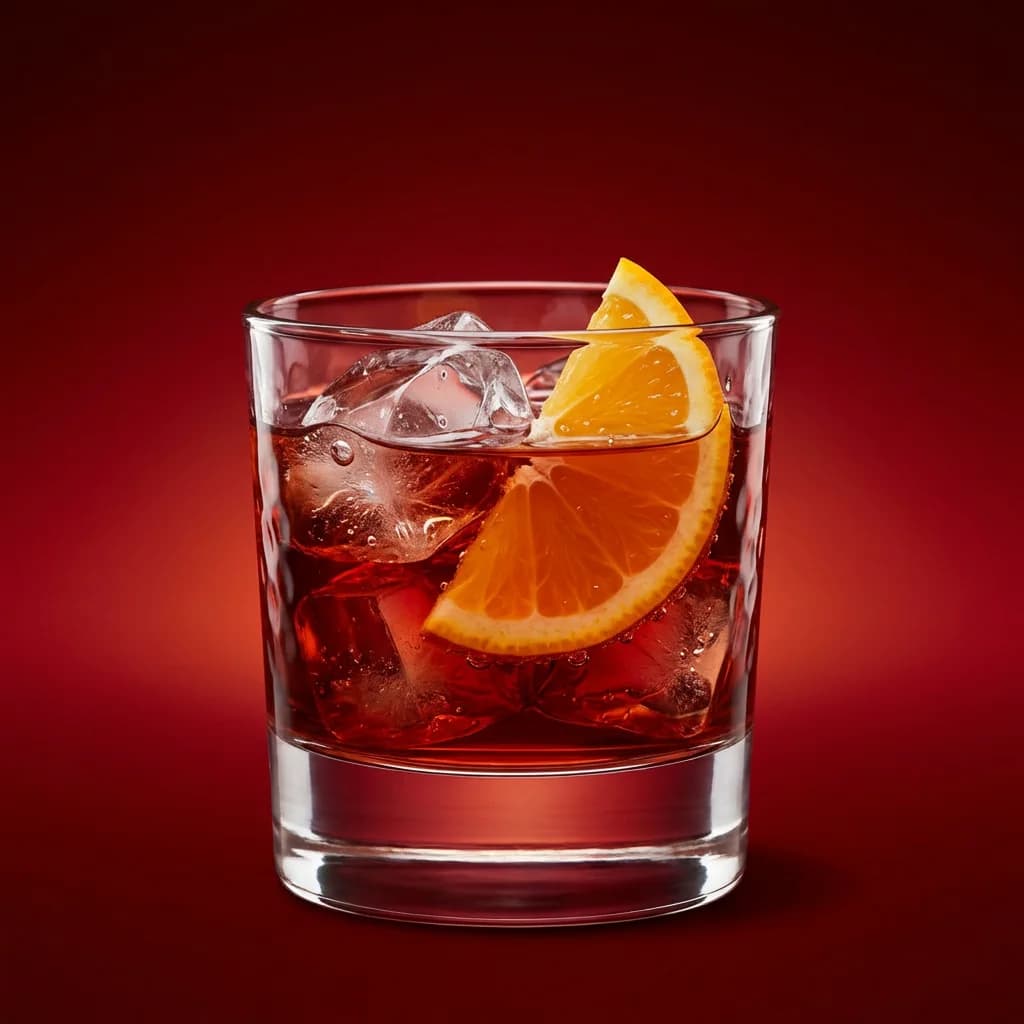
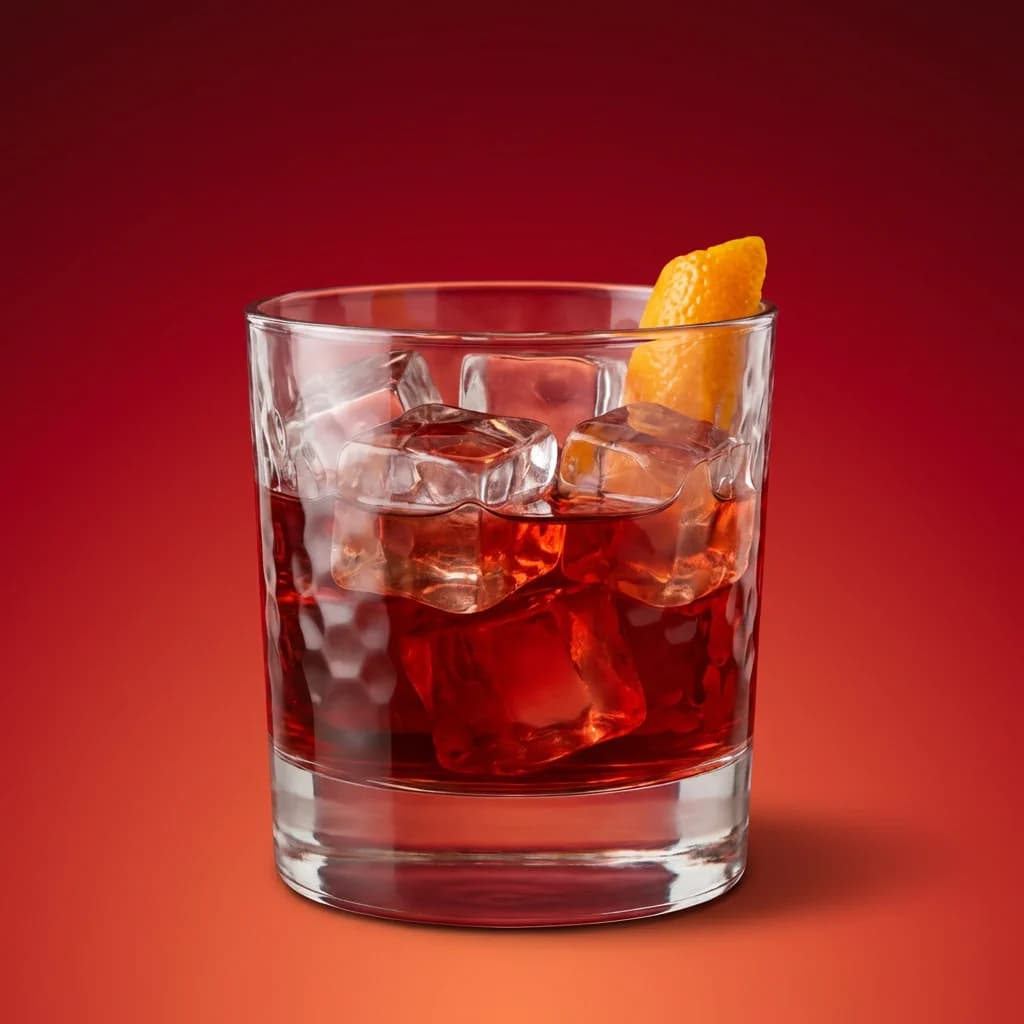
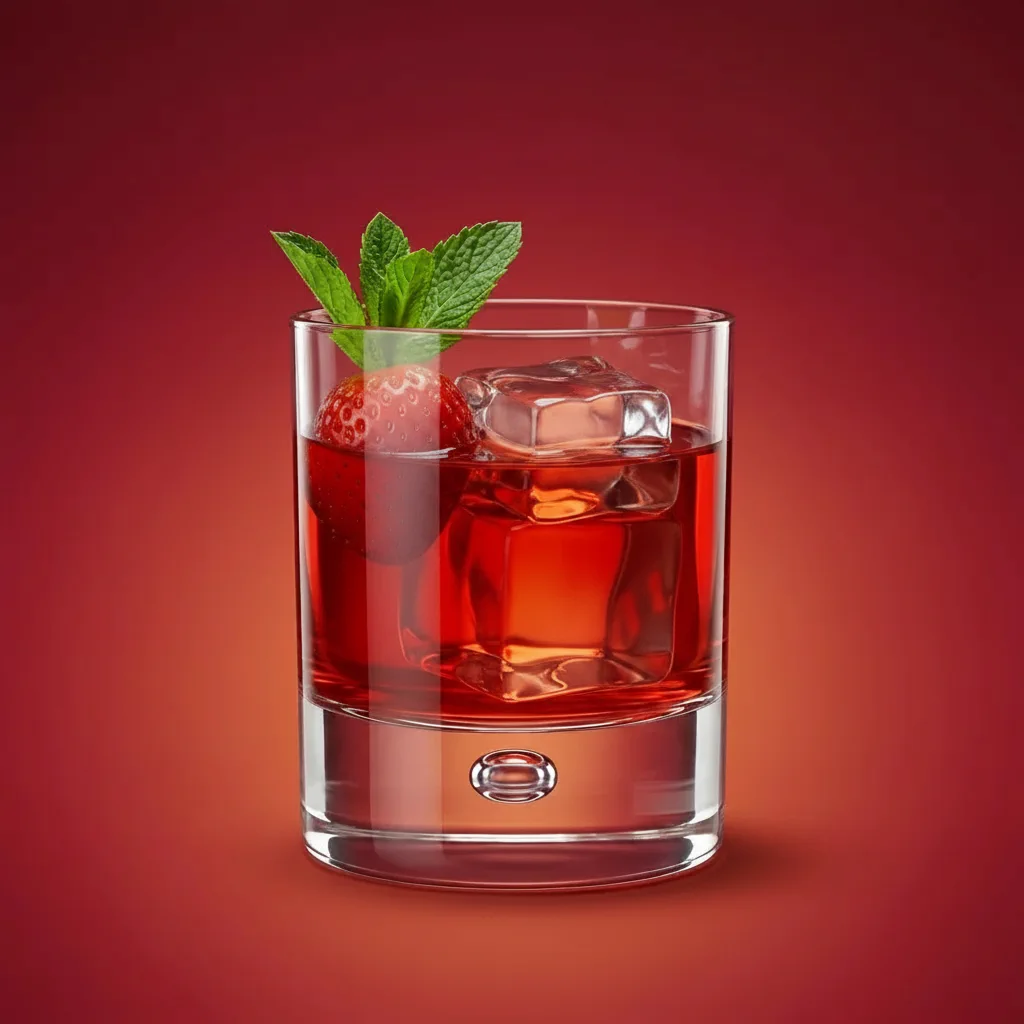
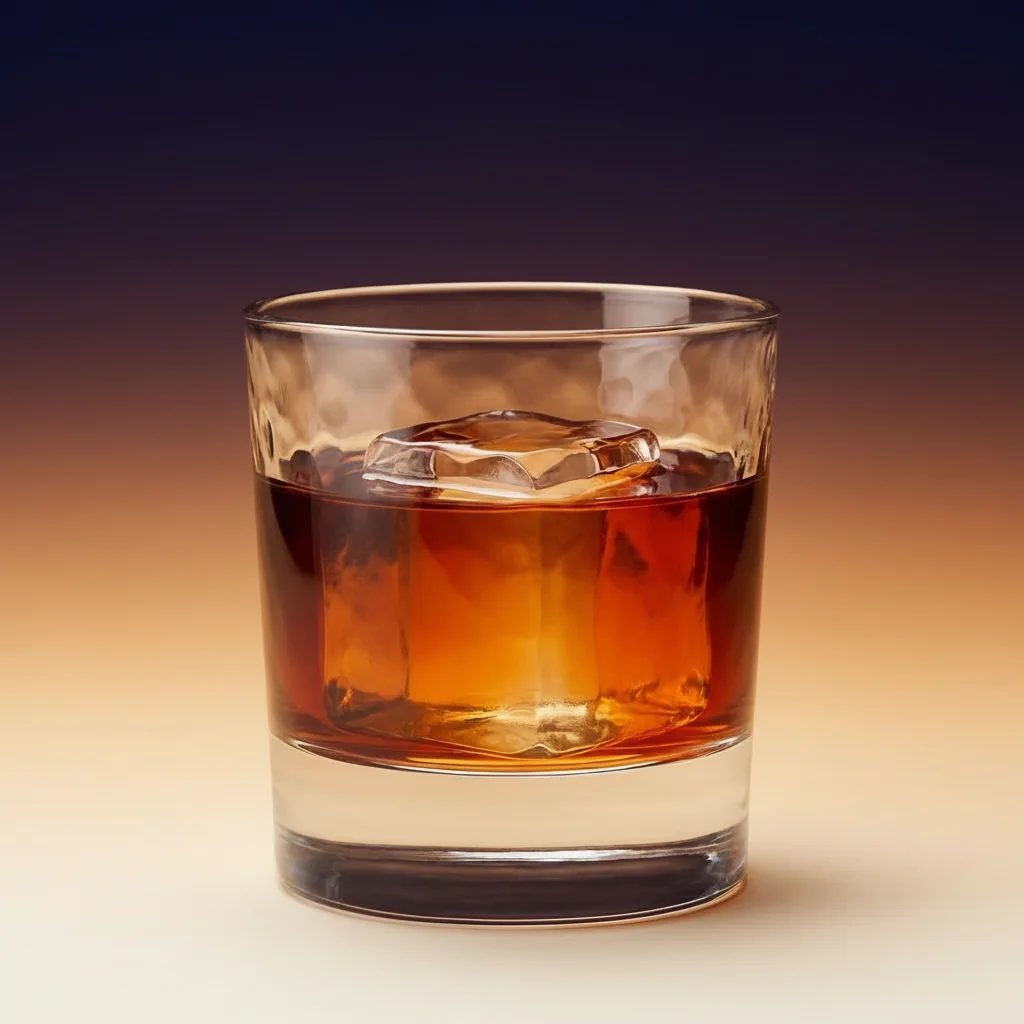
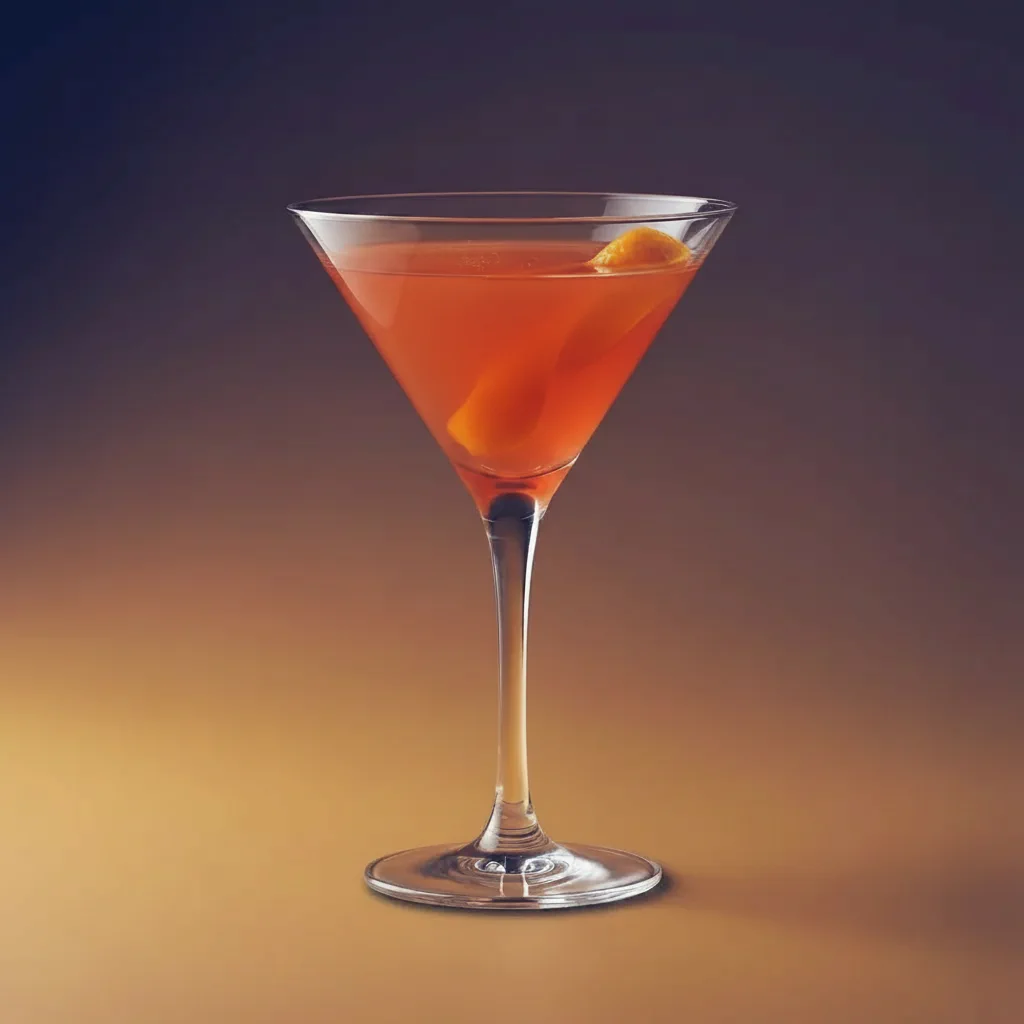
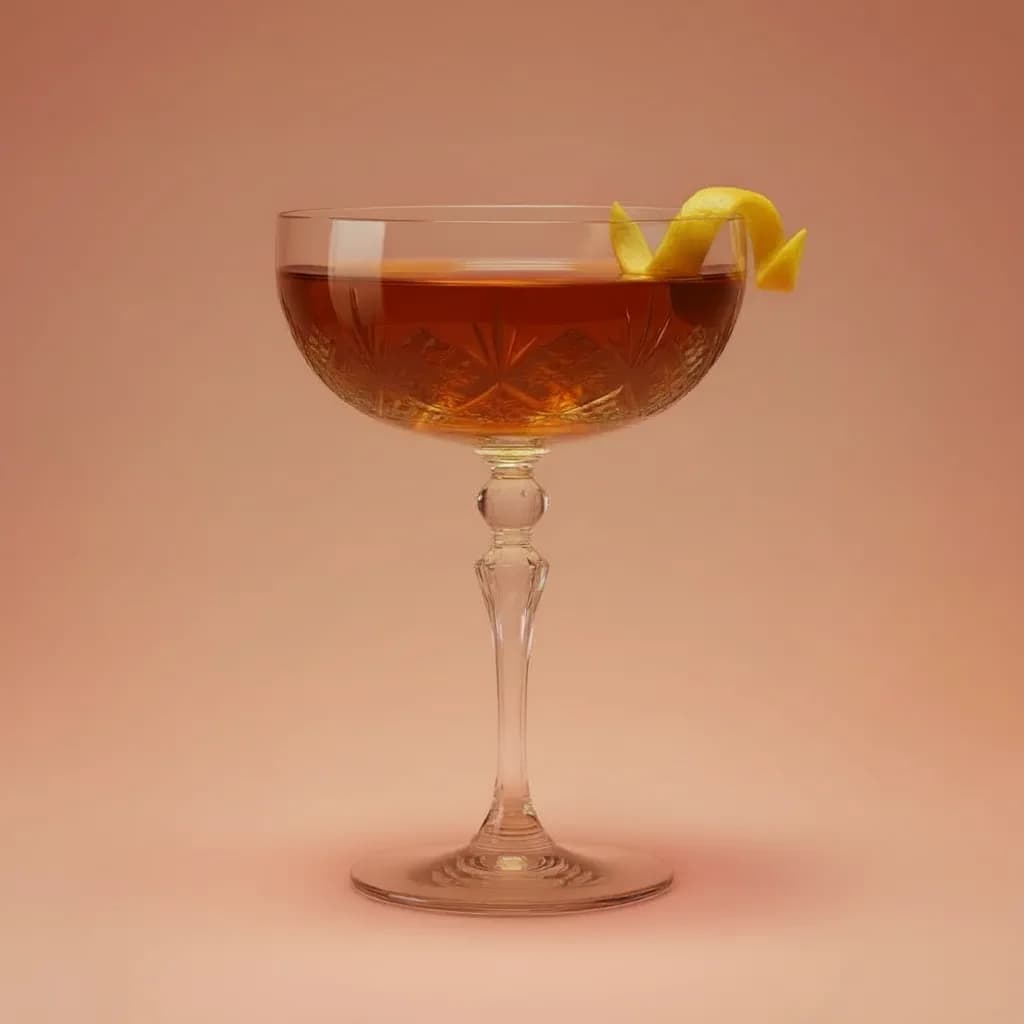
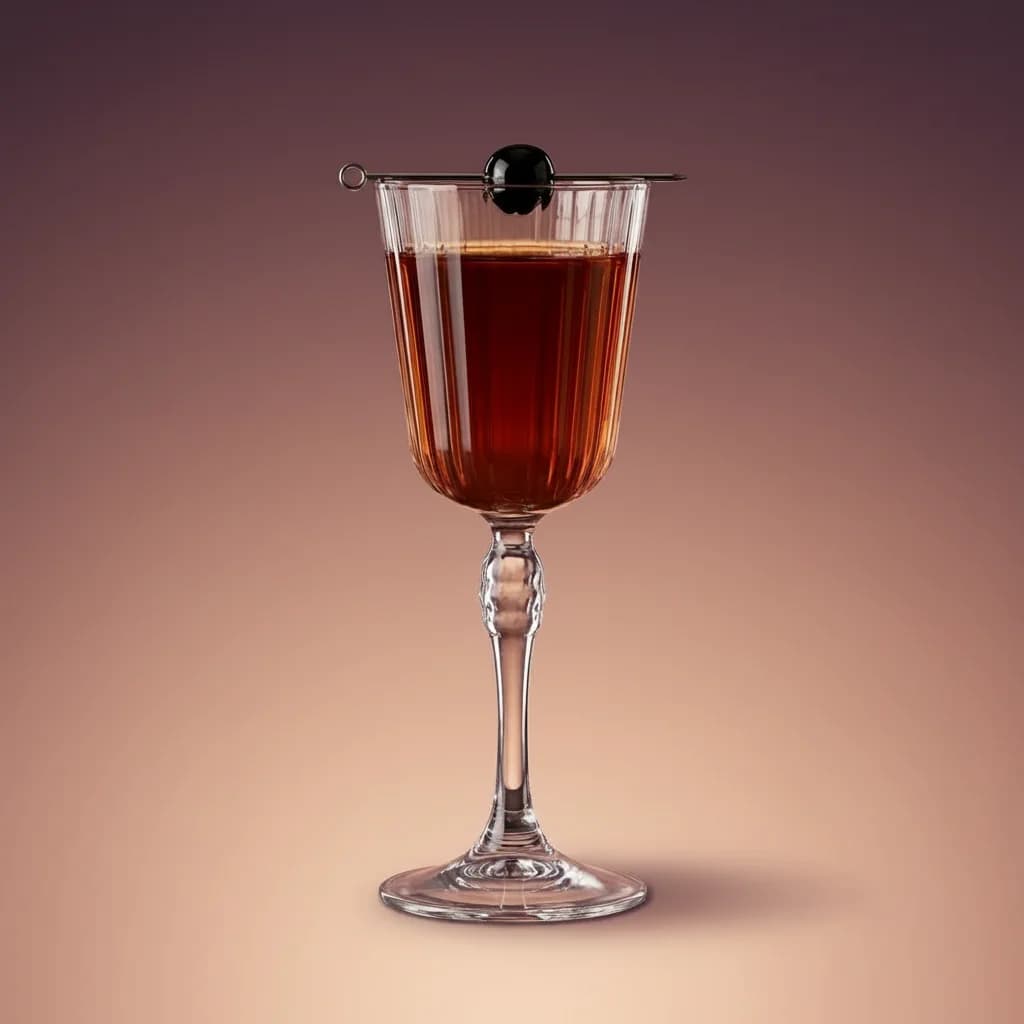
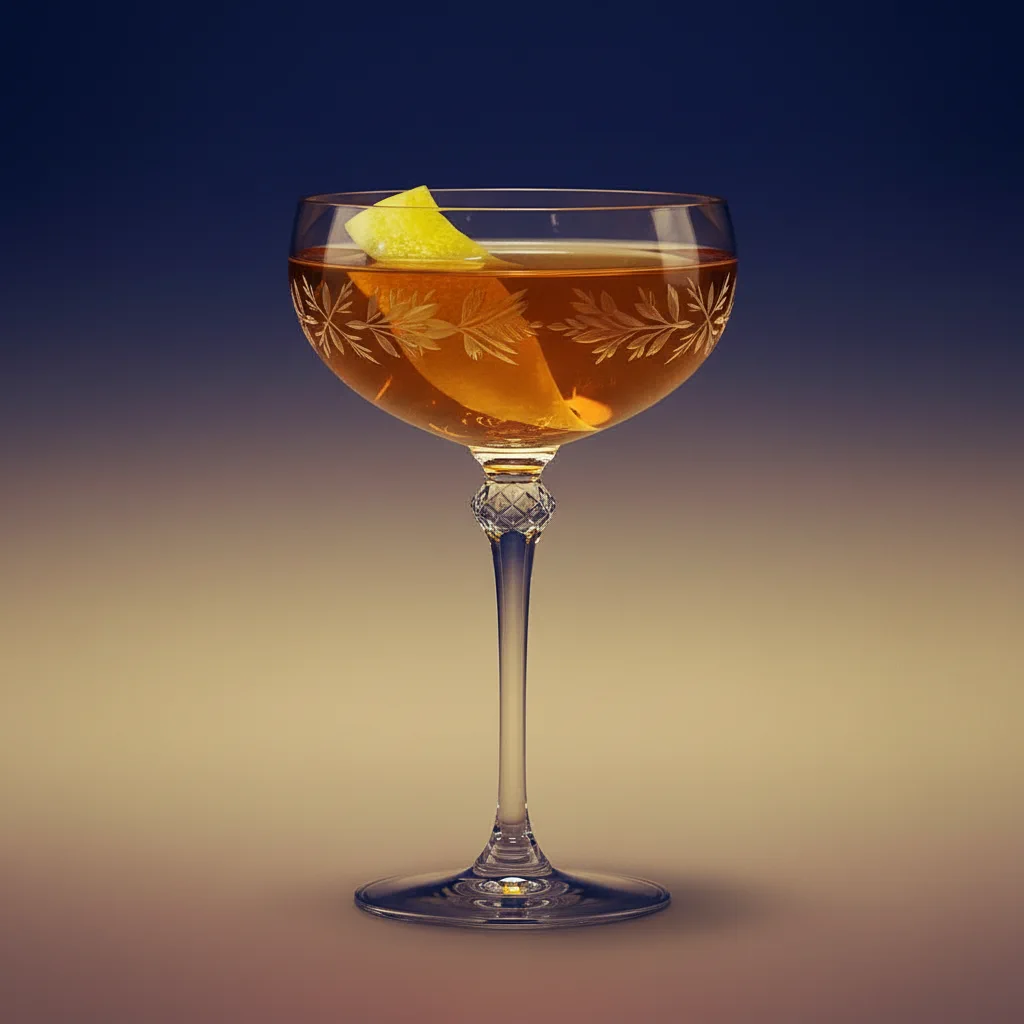
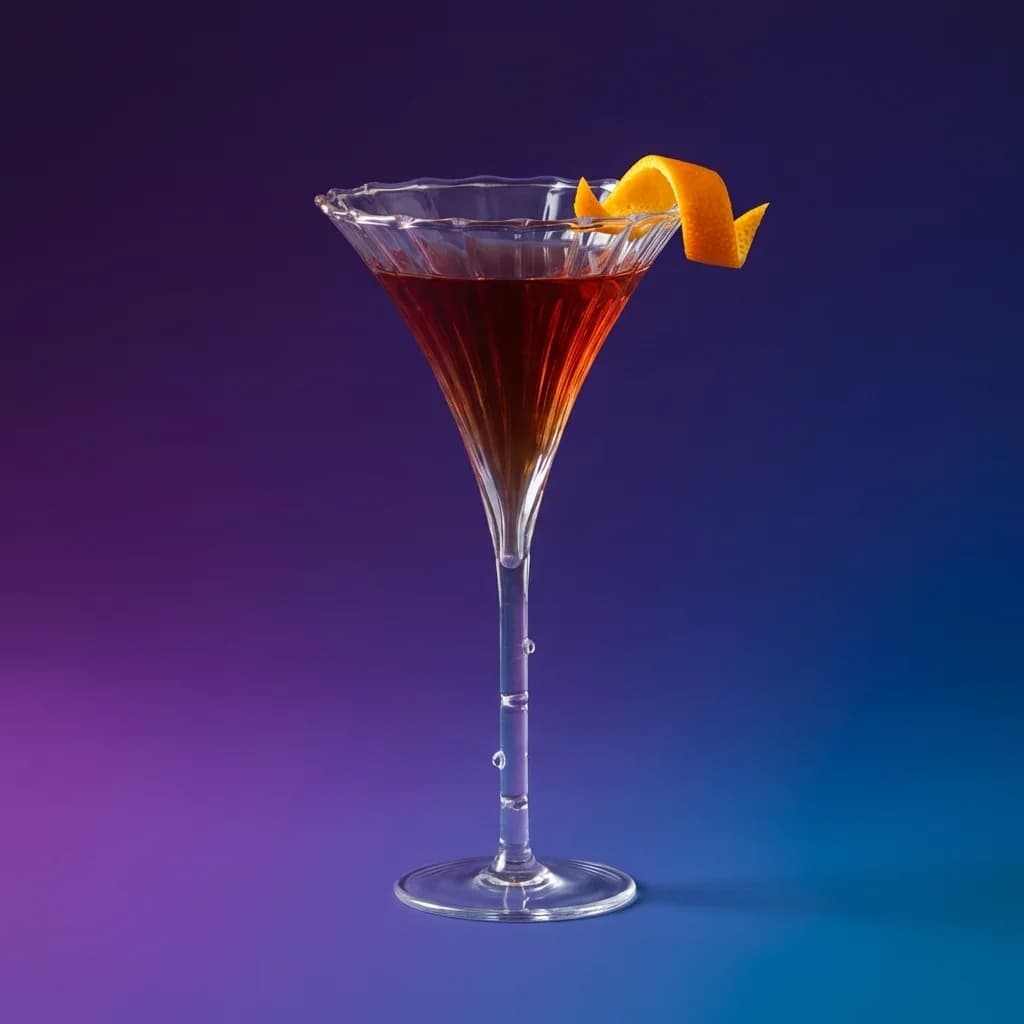
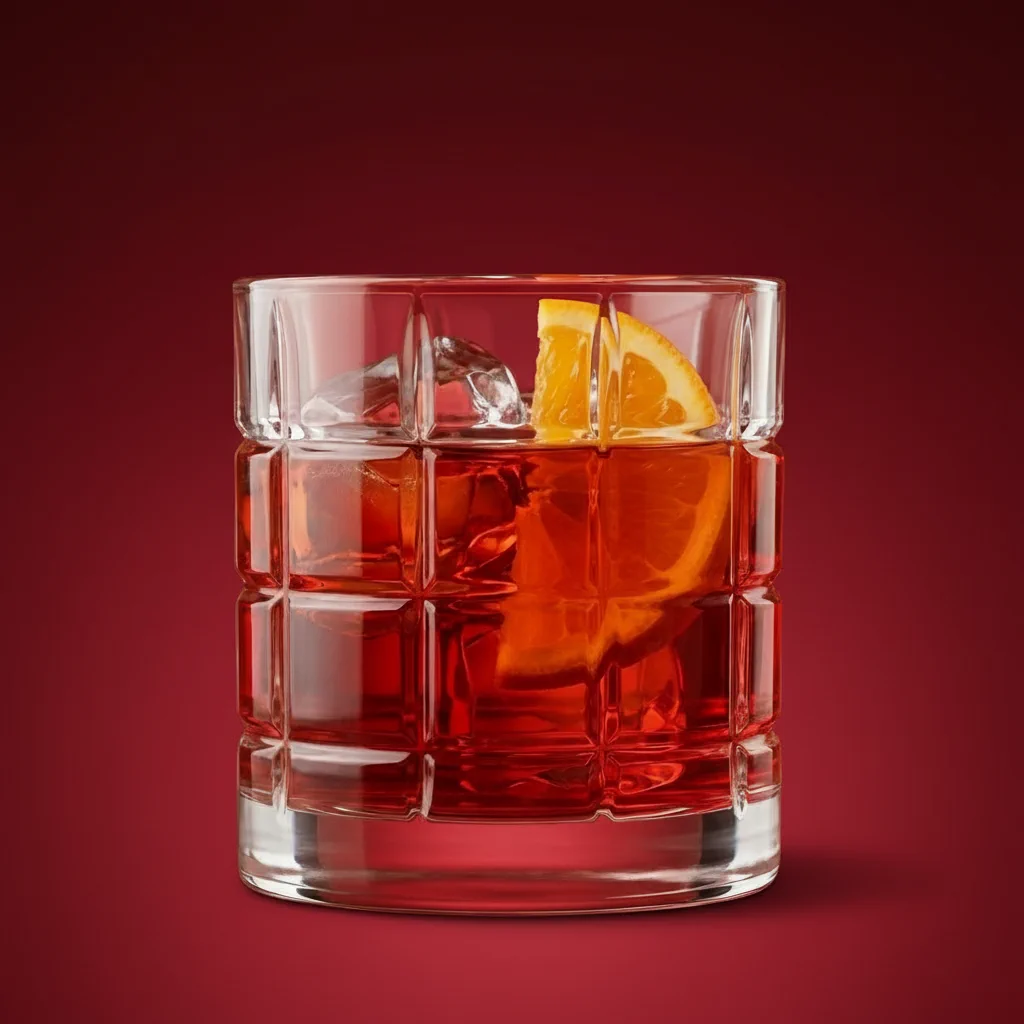
The Negroni is an official IBA classic aperitivo built on equal parts London dry gin, Campari, and sweet vermouth, served over ice in a rocks glass. A bold, bitter-orange edge and deep notes of dark dried fruit lead the palate, resting over a crisp botanical backbone for a deeply complex, lingering finish.
Ingredients
1
Servings
Garnish
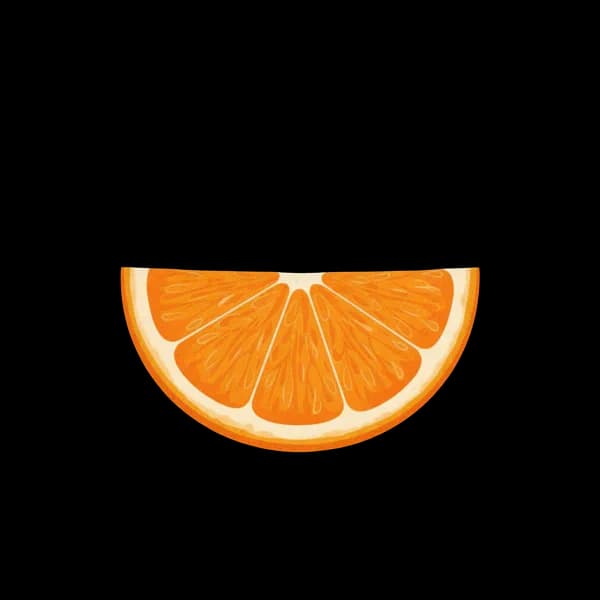
Instructions for 1 serving
- Pre-chill a glass
- Pour all ingredients: London dry gin 30 mlRed bitter 30 mlRosso vermouth 30 ml directly into chilled old fashioned glass filled with ice
- Stir gently
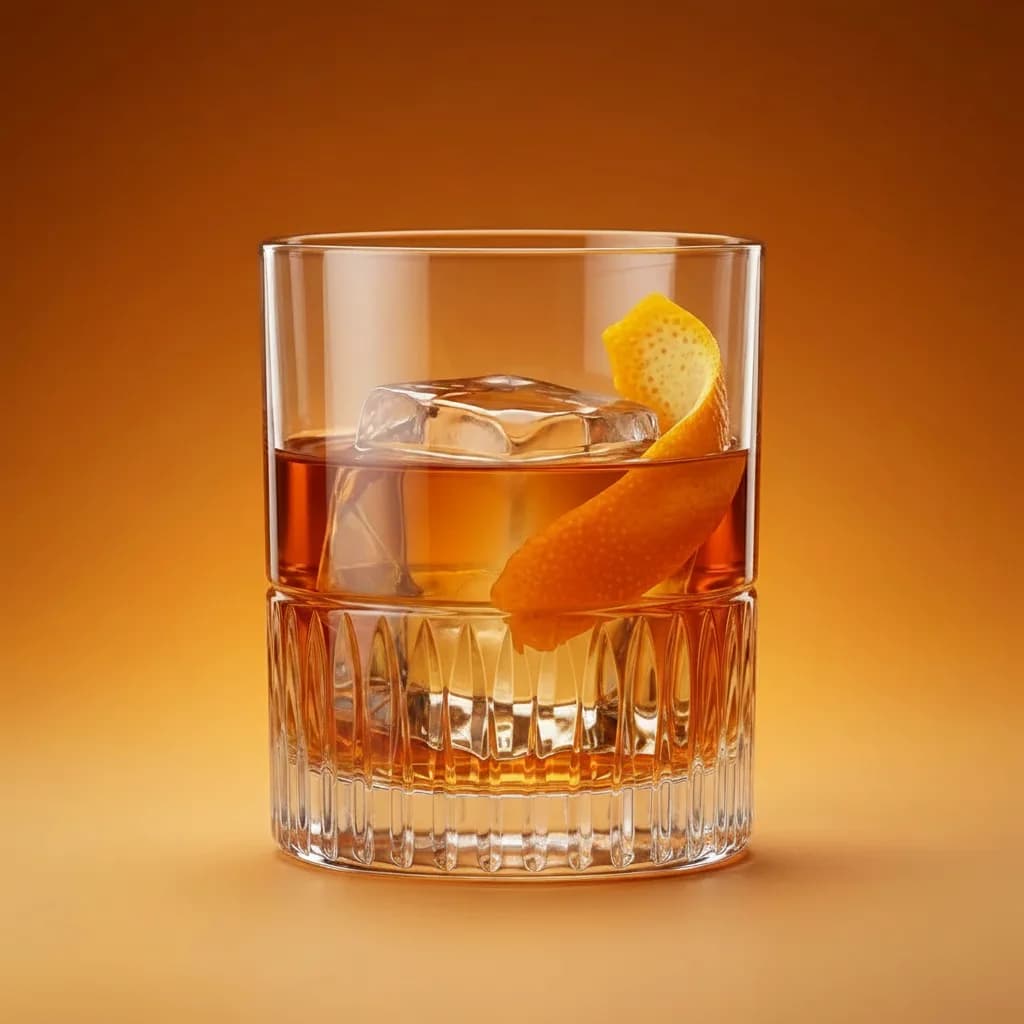
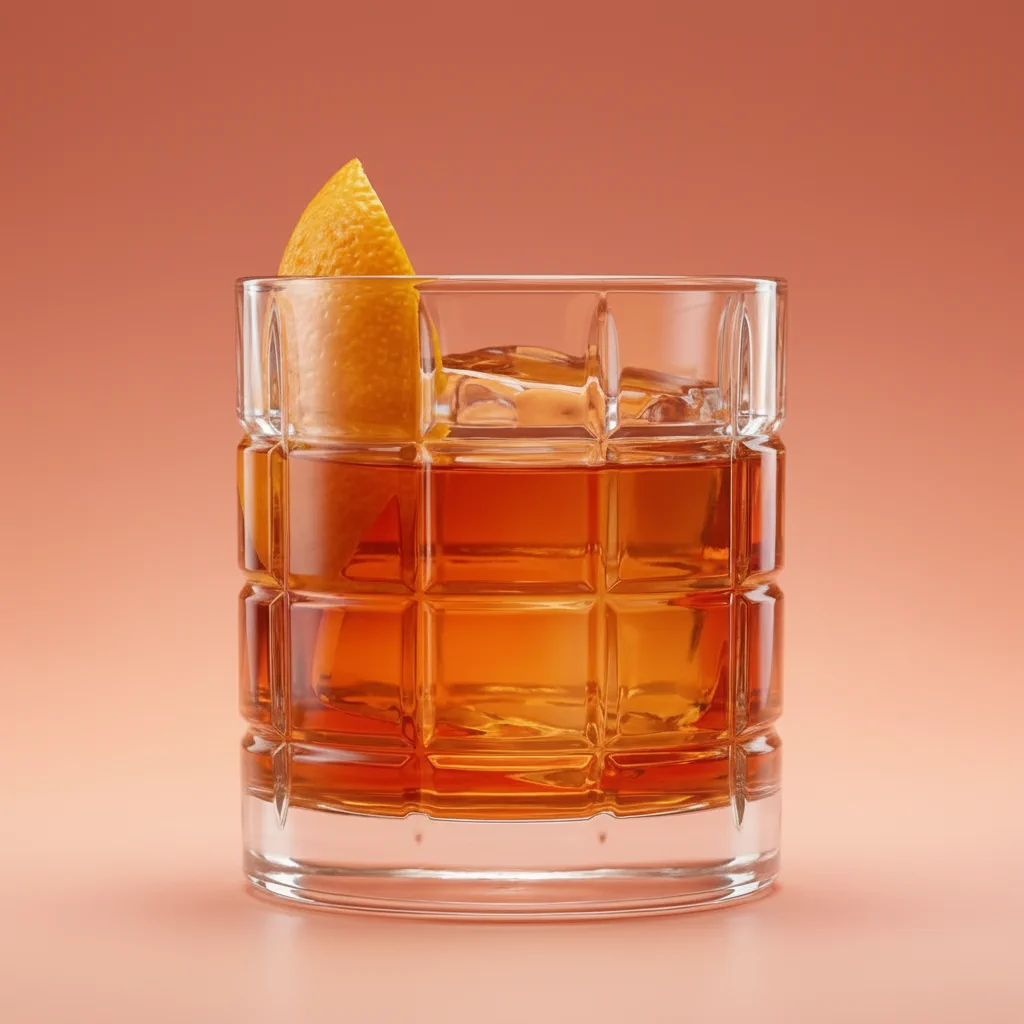
- Garnish with an orange slice
History
The Negroni's origins are debated. The most widely reported account places its creation in Florence in 1919, at the Caffè Casoni (now Caffè Giacosa) on Via de' Tornabuoni, when Count Camillo Negroni asked bartender Fosco Scarselli to strengthen his usual Americano by replacing the soda water with gin. Scarselli marked the new drink with an orange garnish instead of the Americano's typical lemon to signal the change, and other patrons began requesting "one of Count Negroni's drinks."
David Wondrich's research found Camillo's own claim to the count's title questionable, though his grandfather did hold it. A rival version, promoted by descendants of Pascal Olivier de Negroni, holds that a different Count Negroni invented the drink decades earlier, in 1857 in Senegal — an account complicated by the fact that Campari itself wasn't created until around 1860.
Documentary evidence further complicates the Florence story. A 1:1:1 gin, vermouth, and Campari drink appears as "Campari Mixte" in the French book L'Heure du Cocktail by Alimbau and Milhorat in 1929, the earliest known match to the modern equal-parts recipe. A related but differently proportioned drink, the "Camparinete" (2:1:1), appears the same year in a separate Parisian book, credited to a bartender named Albert at the Chatham hotel, and similar recipes circulated under related names through the 1930s.
The name "Negroni" itself only attached to the equal-parts drink in the late 1940s, appearing in Gandiglio's 1947 Italian text and in Trader Vic's Bartender's Guide the same year, becoming firmly established by the 1950s.
FAQ
What is a classic Negroni made of?
A classic Negroni is equal parts London dry gin, a red bitter such as Campari, and rosso vermouth, built over ice and finished with a citrus garnish. This build follows that same equal-parts formula, garnished with an orange slice.
Is Negroni a strong drink?
Yes, it is a strong, spirit-forward drink at roughly 27% ABV since it is built entirely from full-strength gin, bitter, and vermouth with no dilution beyond the stir. It drinks less sweet than its strength suggests because the bitterness balances the alcohol.
Is Negroni similar to Aperol?
No, Aperol is an ingredient used in other drinks like a Spritz, not a substitute for the whole Negroni. This build uses a red bitter such as Campari, which is notably more bitter and higher-proof than Aperol, giving the Negroni its sharper, drier edge.
Is Negroni better with Aperol or Campari?
This is a matter of preference, but they are not interchangeable in a Negroni: a red bitter such as Campari gives a sharper, more assertively bitter drink, while Aperol is lighter, sweeter, and lower-proof. Swapping in Aperol produces a milder, less bitter cocktail closer to a Spritz in character, not a true Negroni.
What is the best ratio for a Negroni?
Equal parts gin, red bitter, and rosso vermouth is the classic and most common ratio, and it is the one used here. Some bartenders adjust it slightly, upping the vermouth for a softer drink or the bitter for a sharper one, but equal parts remains the standard reference point.
What are some Negroni mistakes to avoid?
The most common mistakes are skipping the chilled glass, stirring too hard instead of gently combining, and using old, oxidized vermouth that tastes flat. Measuring loosely instead of keeping the parts equal also throws off the balance between bitterness and sweetness.
Why is Negroni so famous?
It is famous for its simplicity and balance: three equal-part ingredients that together produce a bracingly bitter, spirit-forward drink unlike almost anything else in the classic canon. Its bold red color and orange garnish also make it instantly recognizable on any bar menu.