Stir ∙ 3 min ∙ 25.1% ABV ∙
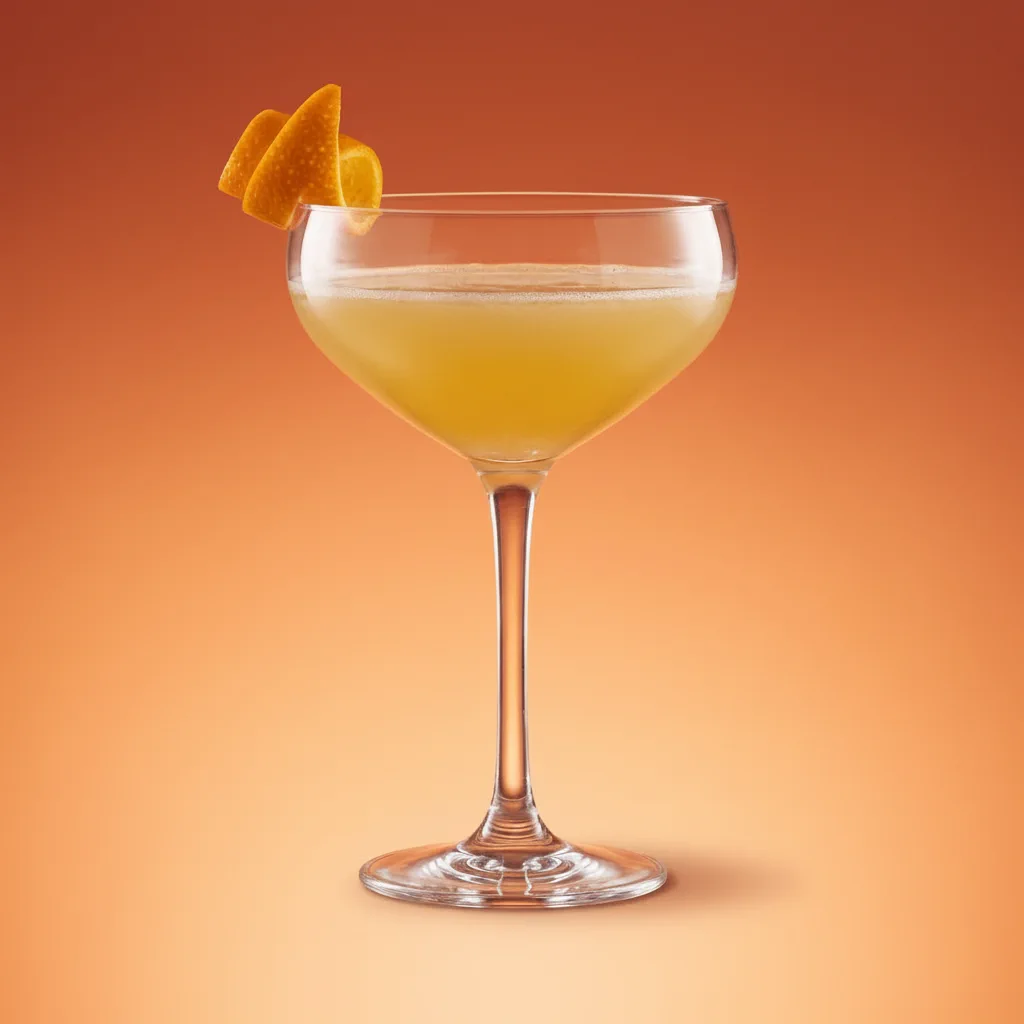
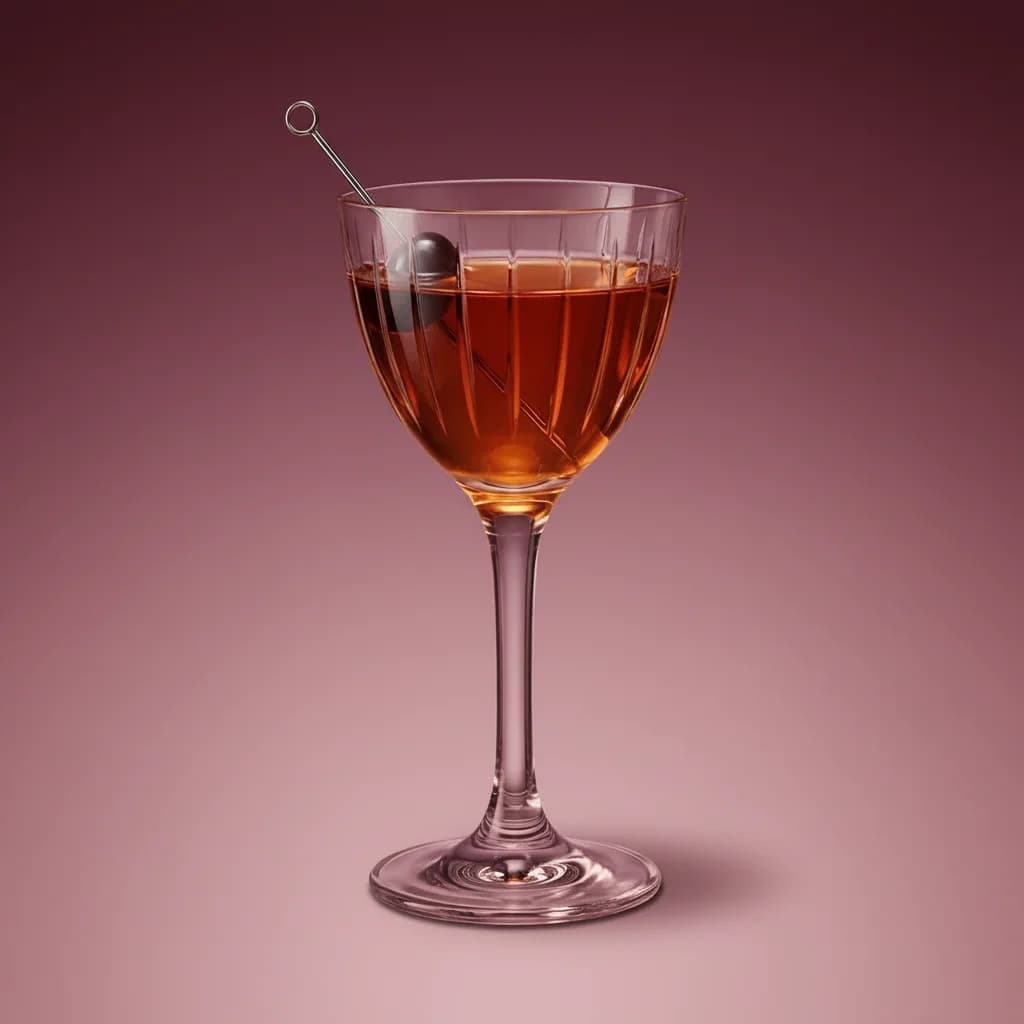
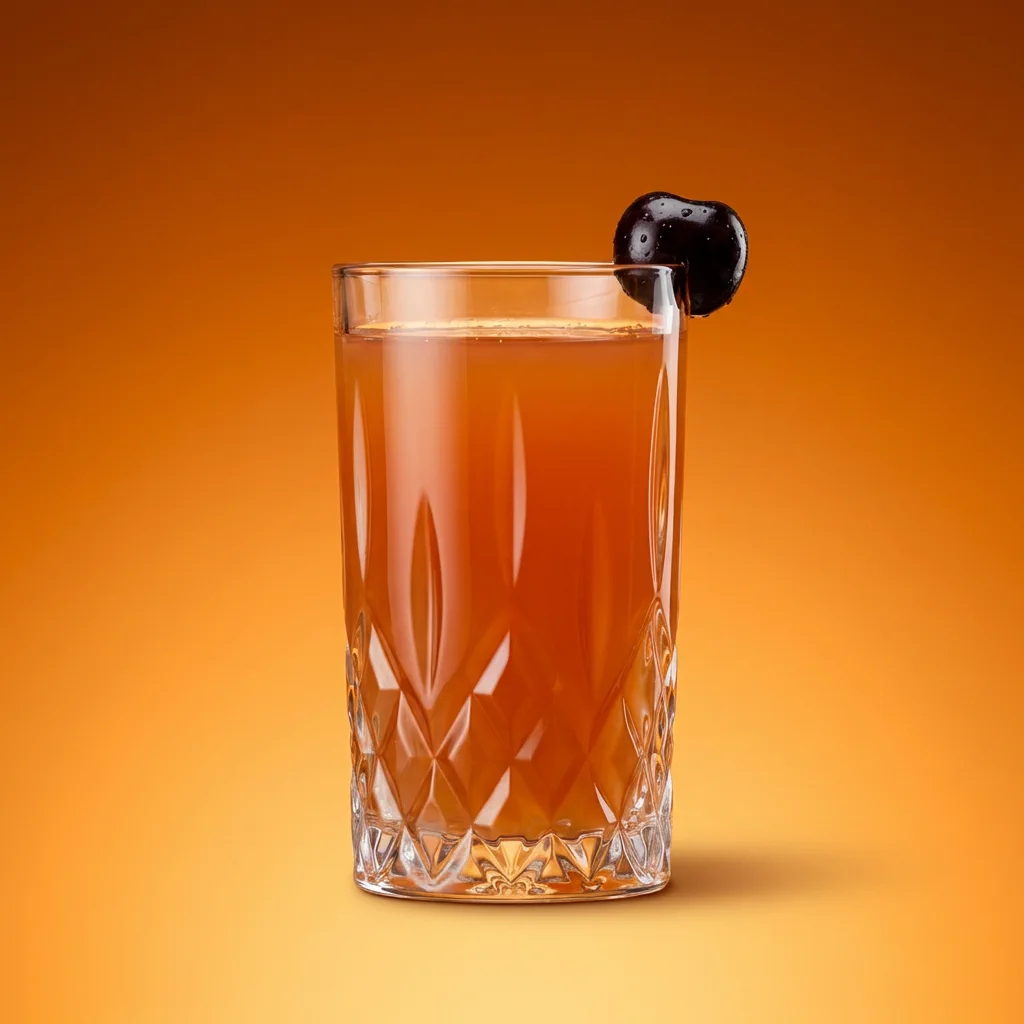
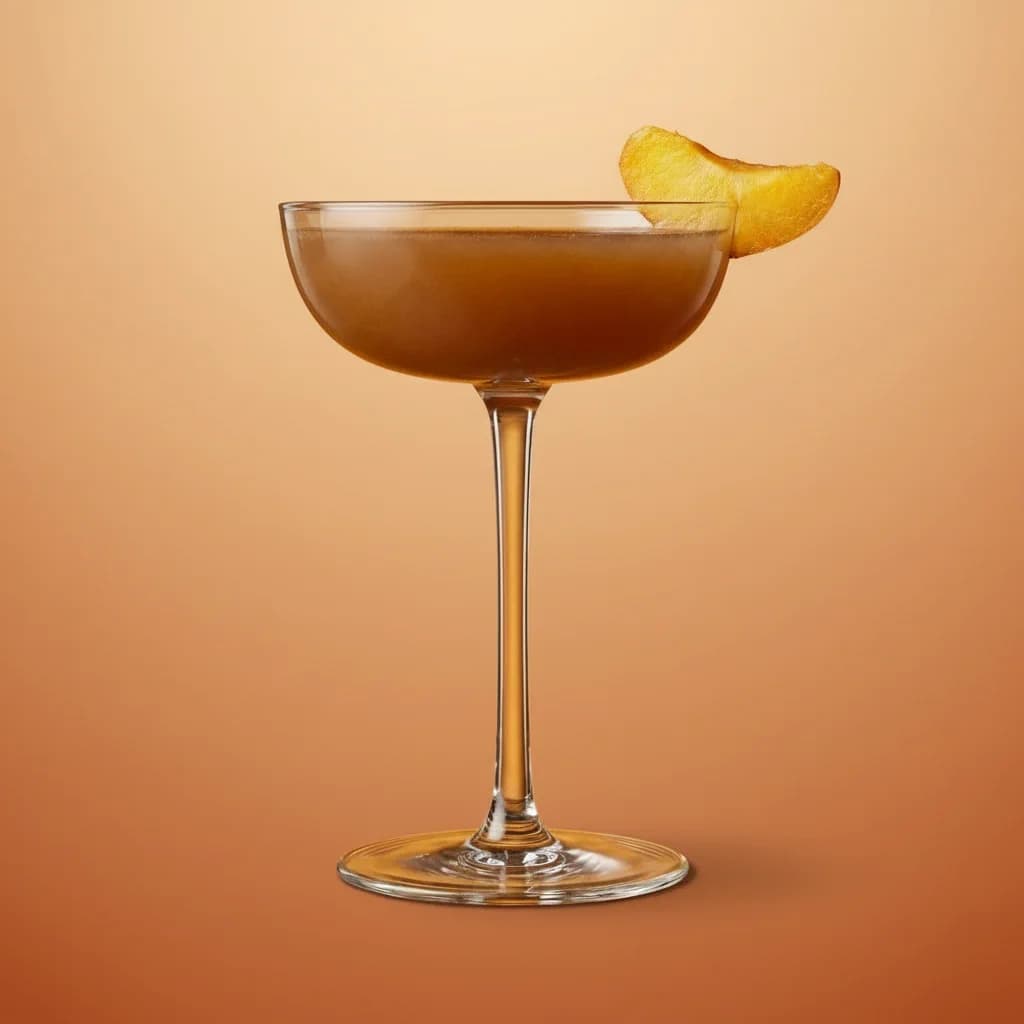
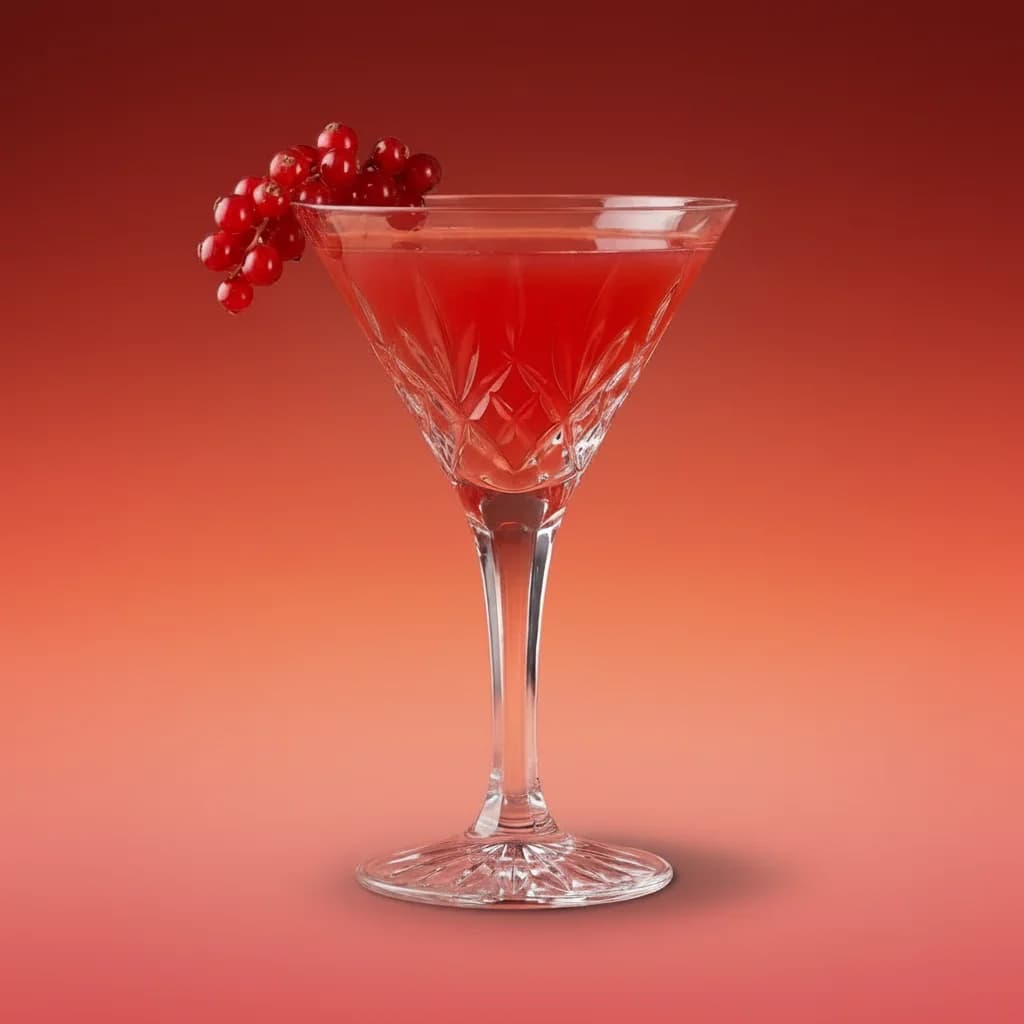
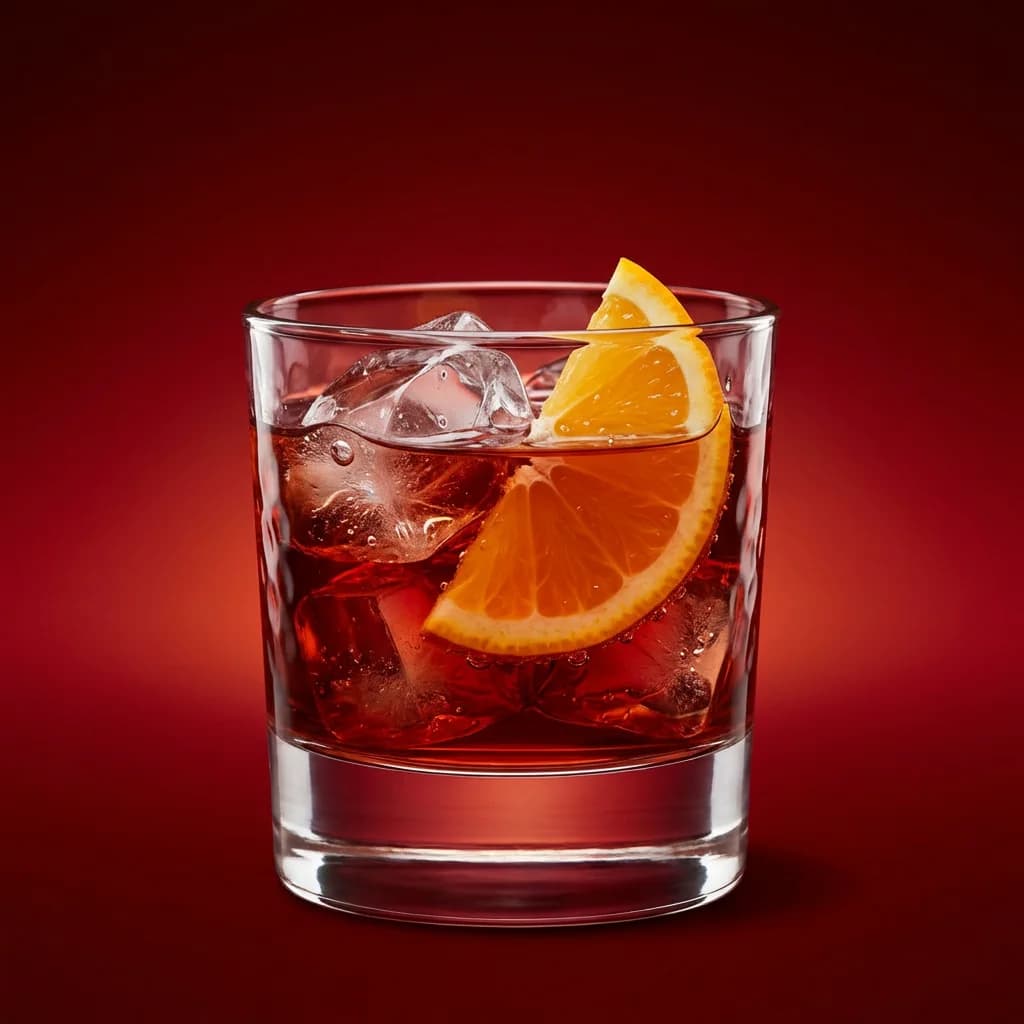
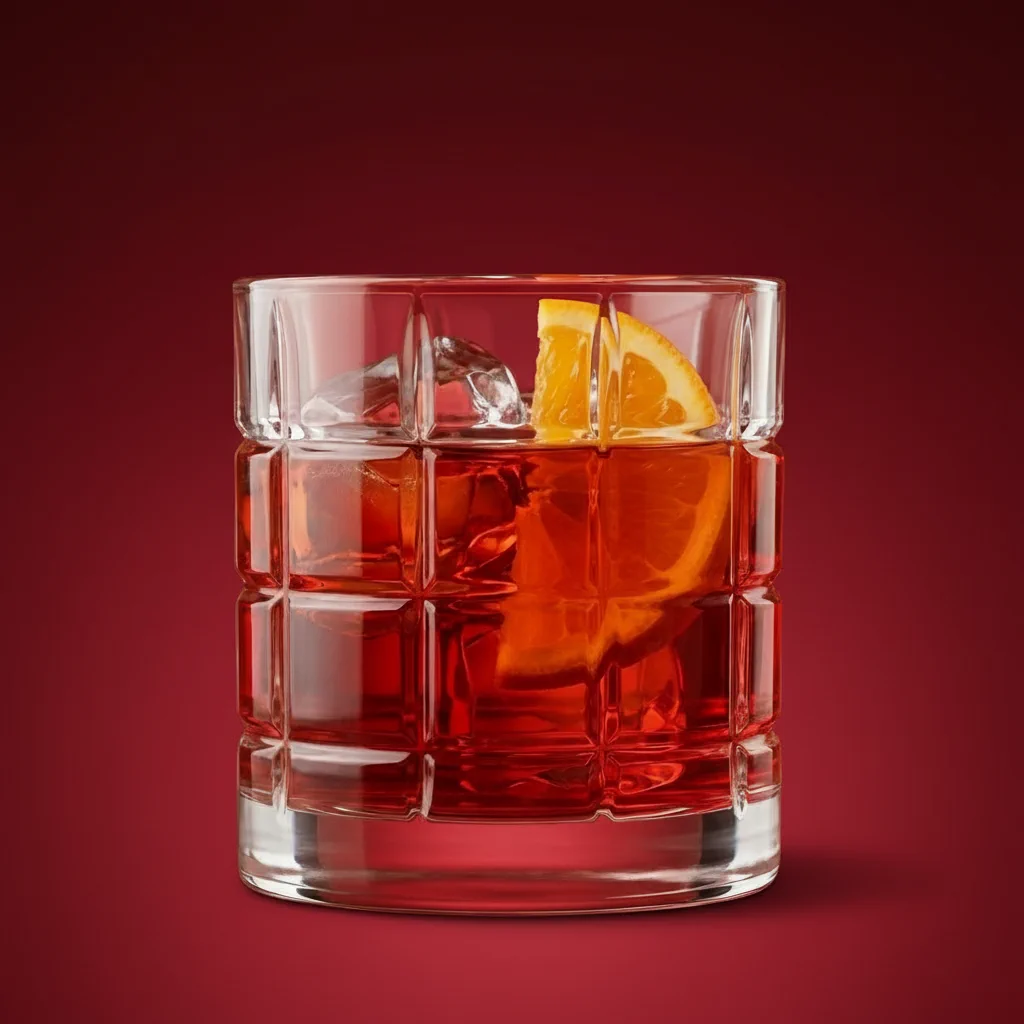
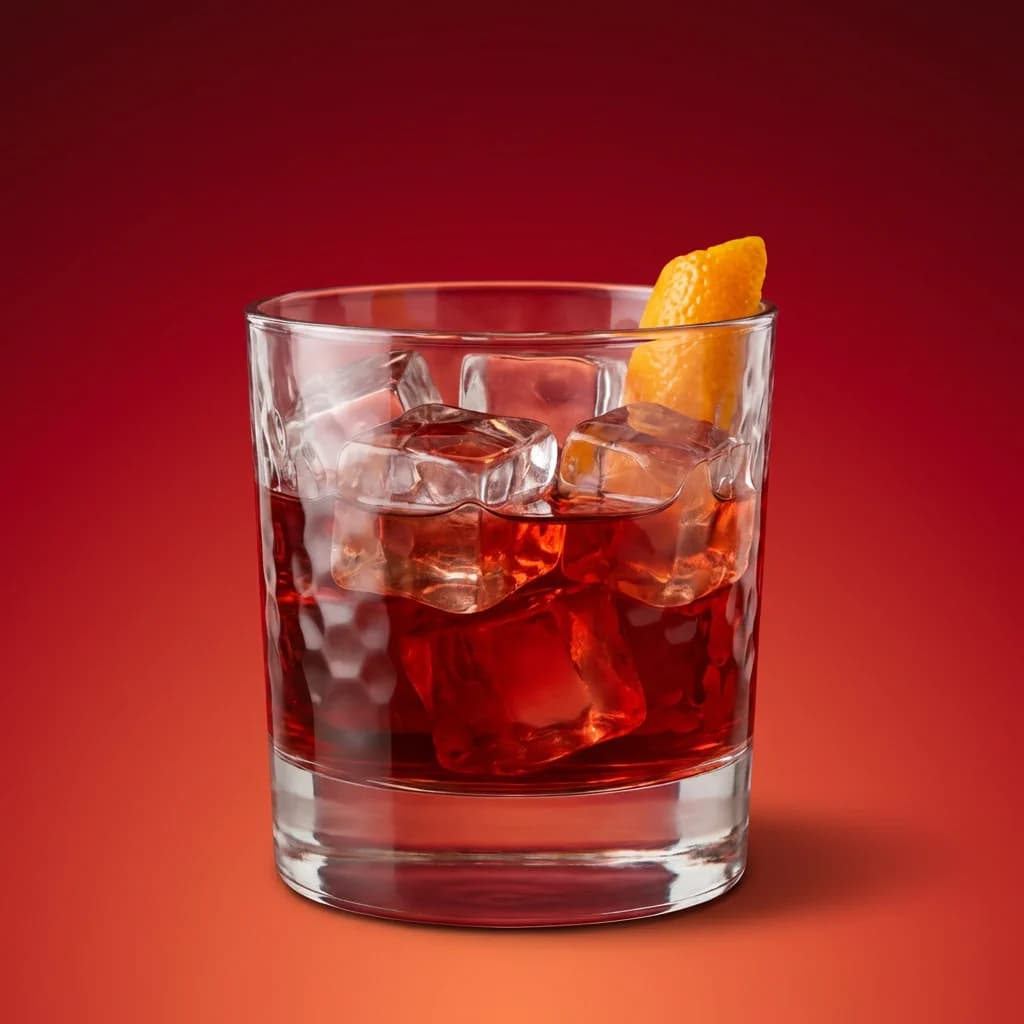
The Slow Negroni splits the gin between London dry and sloe gin alongside a red bitter and rosso vermouth, stirred and served over ice. Bittersweet and briary, with a berry-like sloe gin softening the classic bitter edge before a dry, orange-scented finish takes over.
The Slow Negroni has no independently documented creator or debut; it surfaces in modern cocktail listings simply as the classic Negroni with sloe gin folded in as a fourth ingredient, its name playing on "sloe" and "slow." The added sloe gin, a sloe-berry-infused spirit long used in British drinks, gives the mix a fruitier, softer edge than the original.
Its base, the Negroni, is generally traced to Florence, Italy, around 1919-1920, when Count Camillo Negroni is said to have asked a bartender at Caffè Casoni to strengthen his usual Americano by swapping in gin for soda water. That story remains the most widely repeated account, though the count's exact role and the drink's earliest documentation are disputed among rival claimants. The Slow Negroni simply adds sloe gin to that equal-parts formula, layering a berry-toned sweetness onto the traditional bitter, herbal profile.
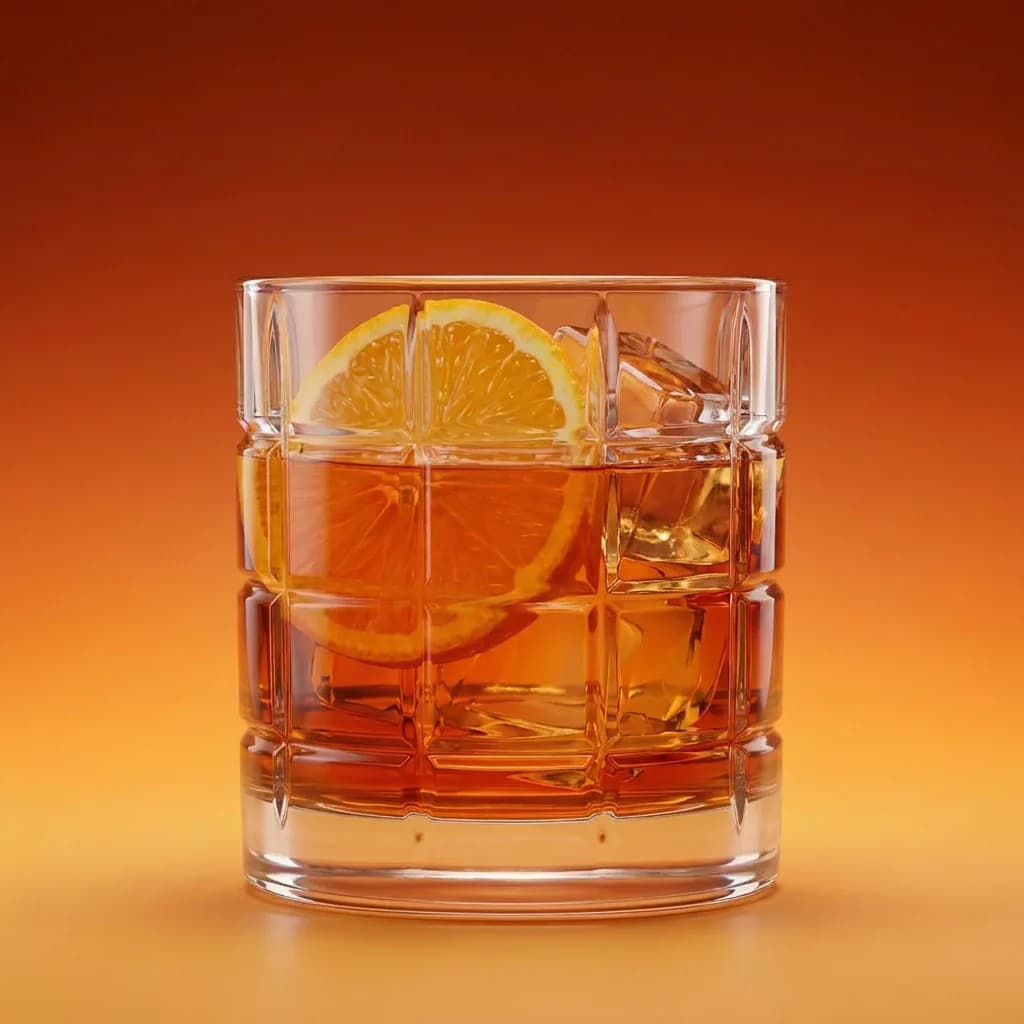
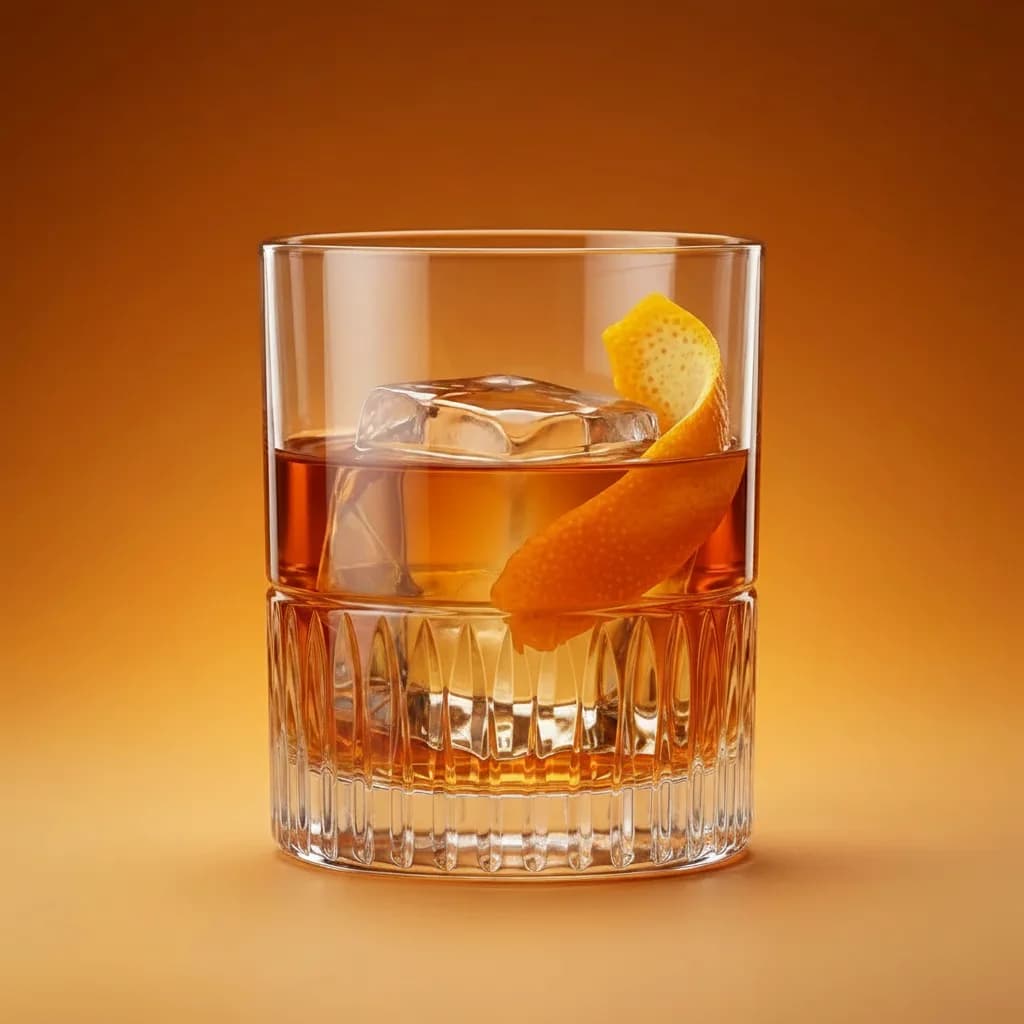
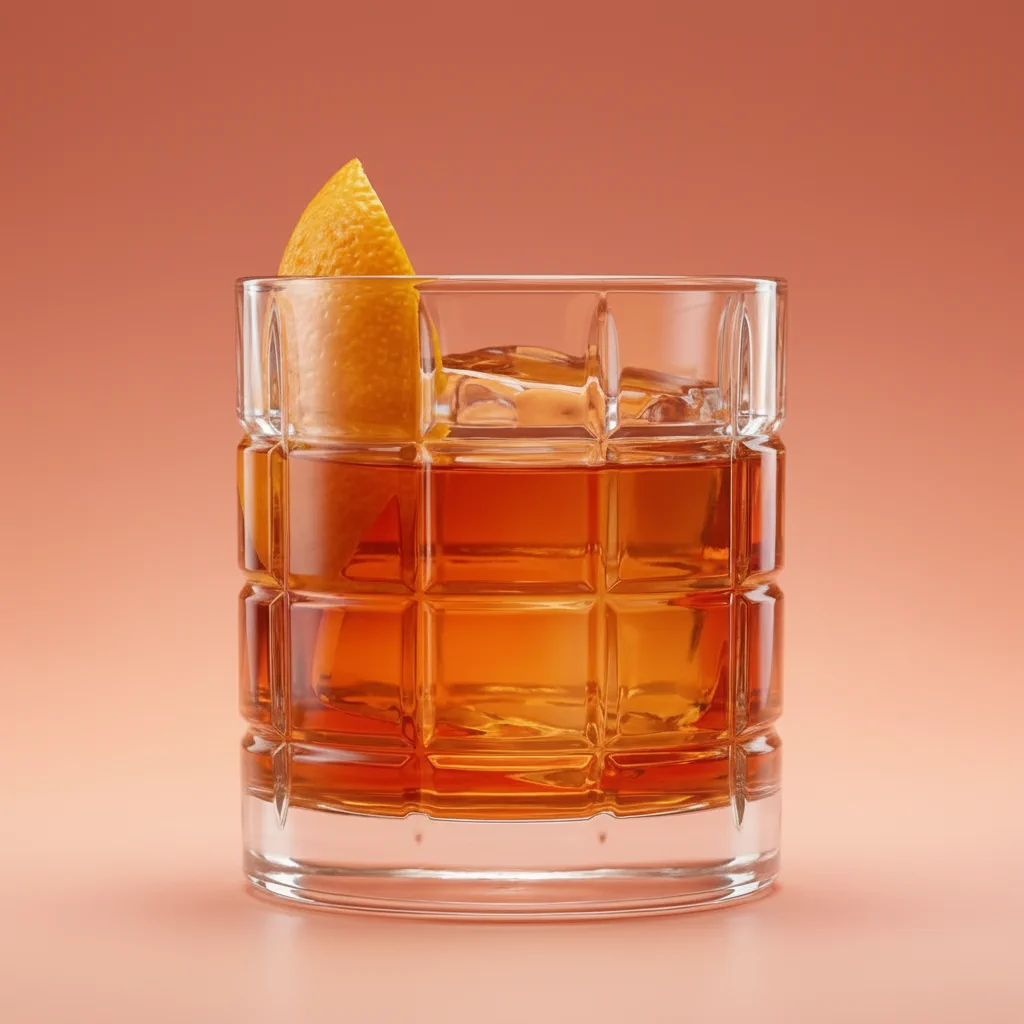
A Slow Negroni splits the gin base between London dry gin and sloe gin, combined in equal parts with a red bitter such as Campari and rosso vermouth, stirred over ice and finished with an orange twist. The sloe gin adds a fruity, slightly sweet edge that softens the bitterness of a classic Negroni.
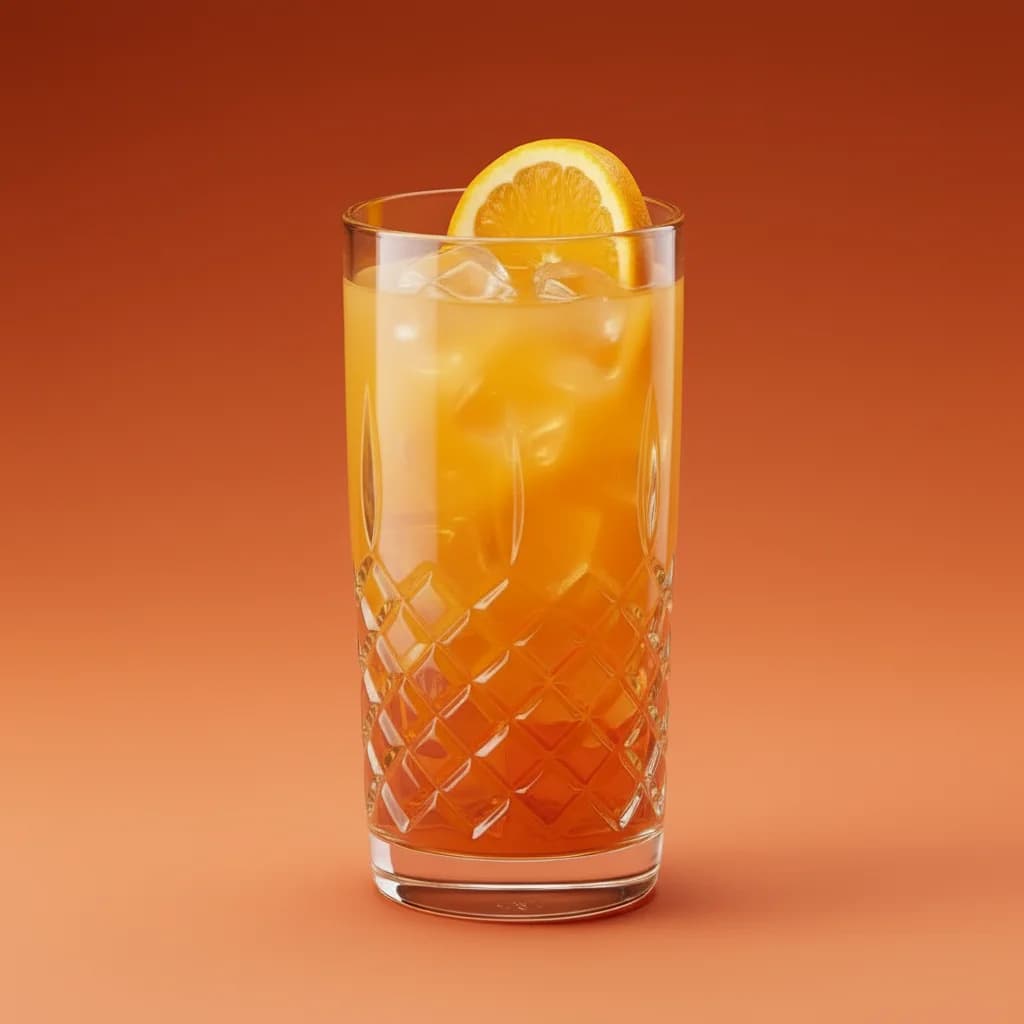
A long Negroni stretches the classic equal-parts Negroni with a splash of soda water or prosecco over ice, turning it into a lighter, highball-style drink. That differs from the Slow Negroni, which keeps the same short, stirred format but changes part of the base spirit instead of lengthening the drink.
A dirty Negroni adds a small amount of olive brine to the classic gin, red bitter, and vermouth build, giving it a savory, briny edge. It is a different variation from the Slow Negroni, which keeps the drink sweet and fruity by using sloe gin rather than brine.
The most common mistake is over-diluting during the stir, which mutes the bitter-sweet balance the drink depends on. Using warm or small ice, stirring too long, or skipping the citrus oils from the garnish twist are the usual culprits behind a flat or watery result.