IBA
Tipperary – IBA
A bitter and herbal whiskey cocktail ∙ Stir ∙ 3 min ∙ 29.1% ABV ∙
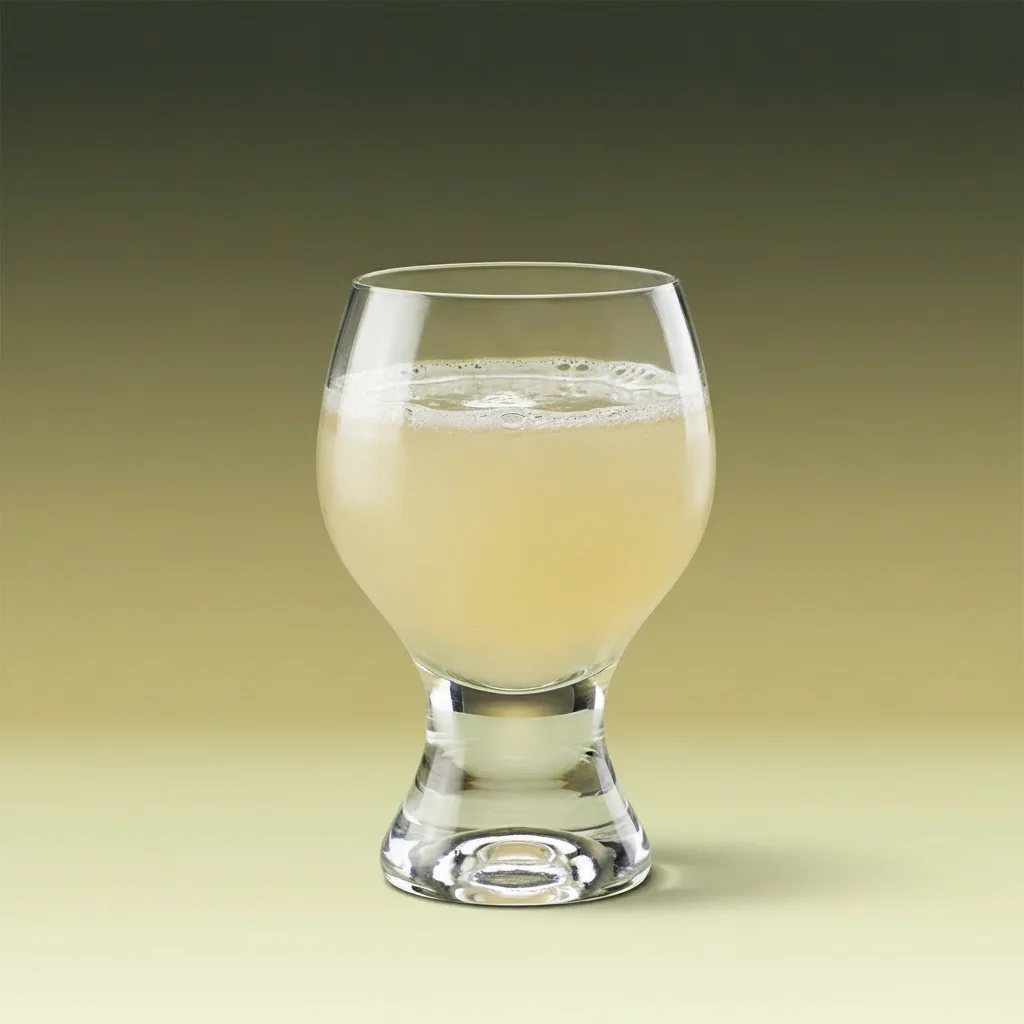
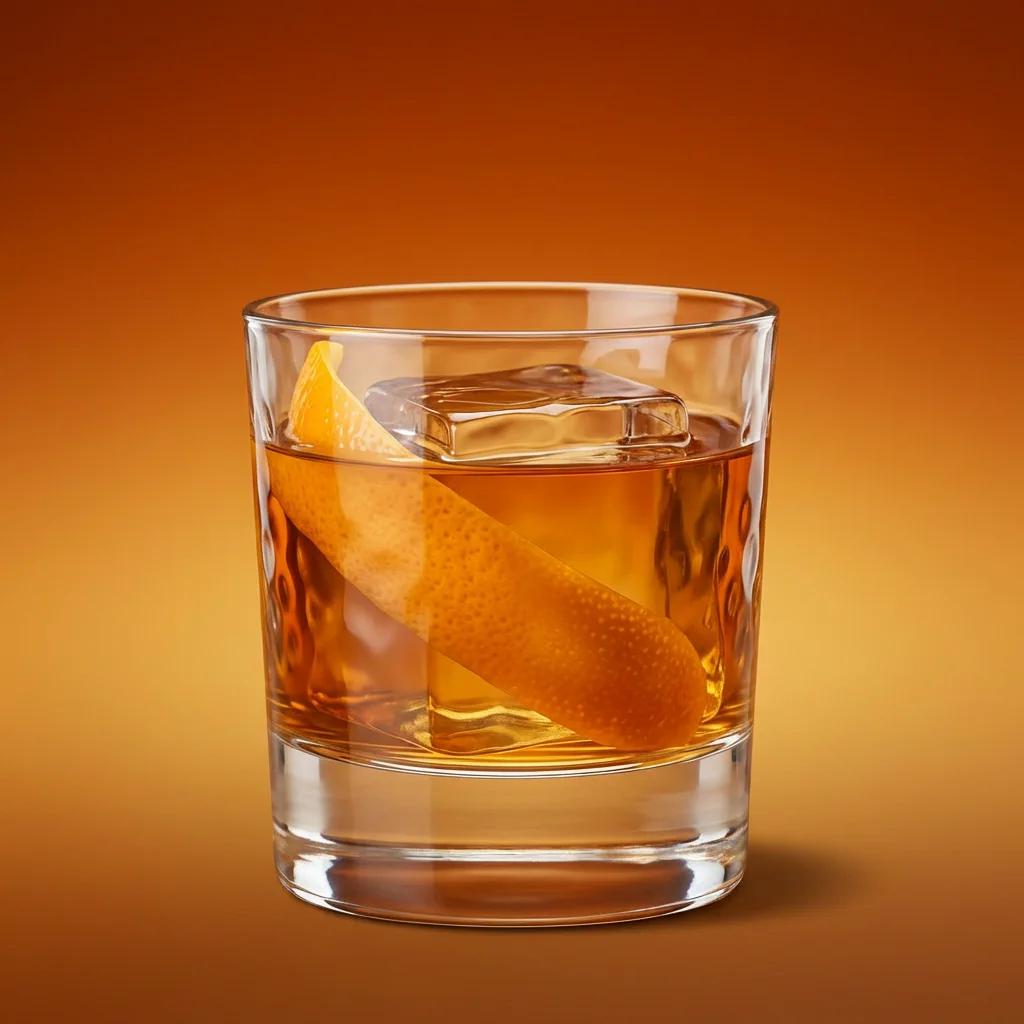
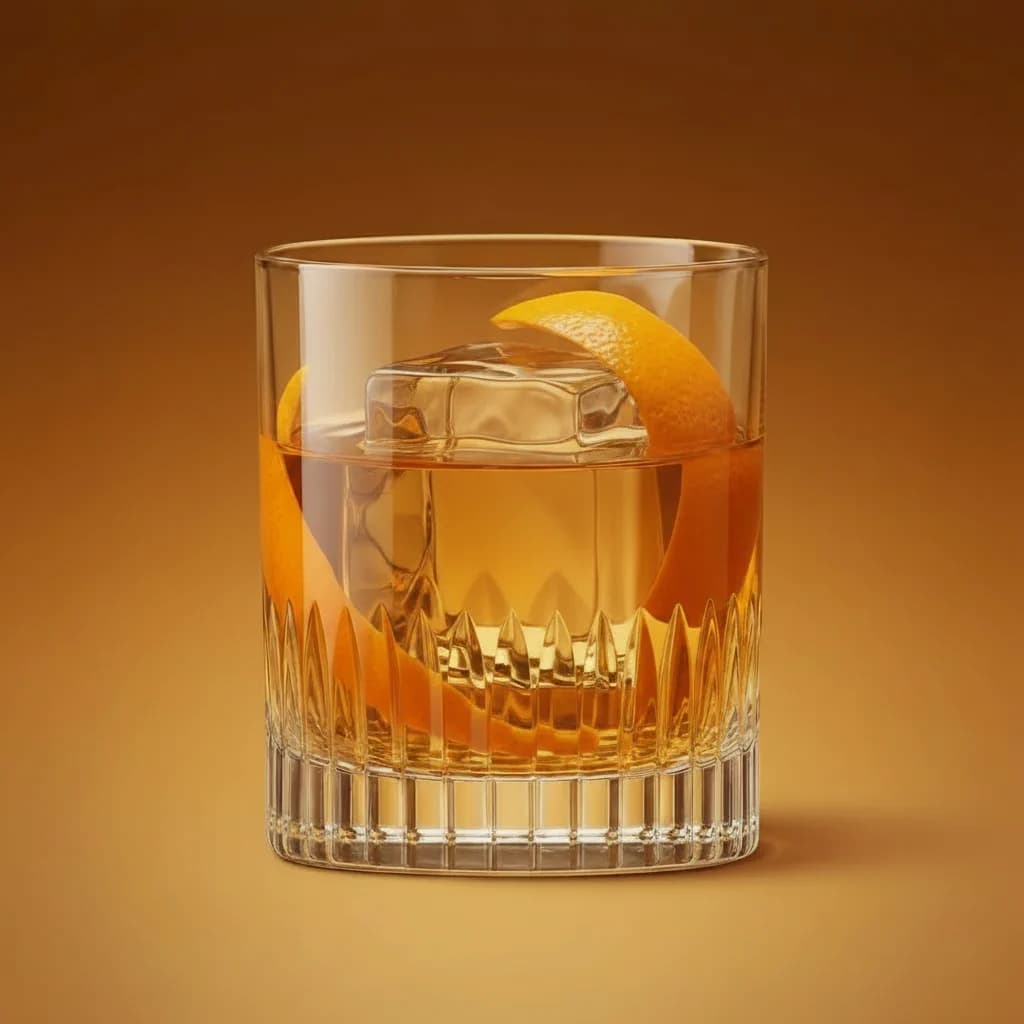
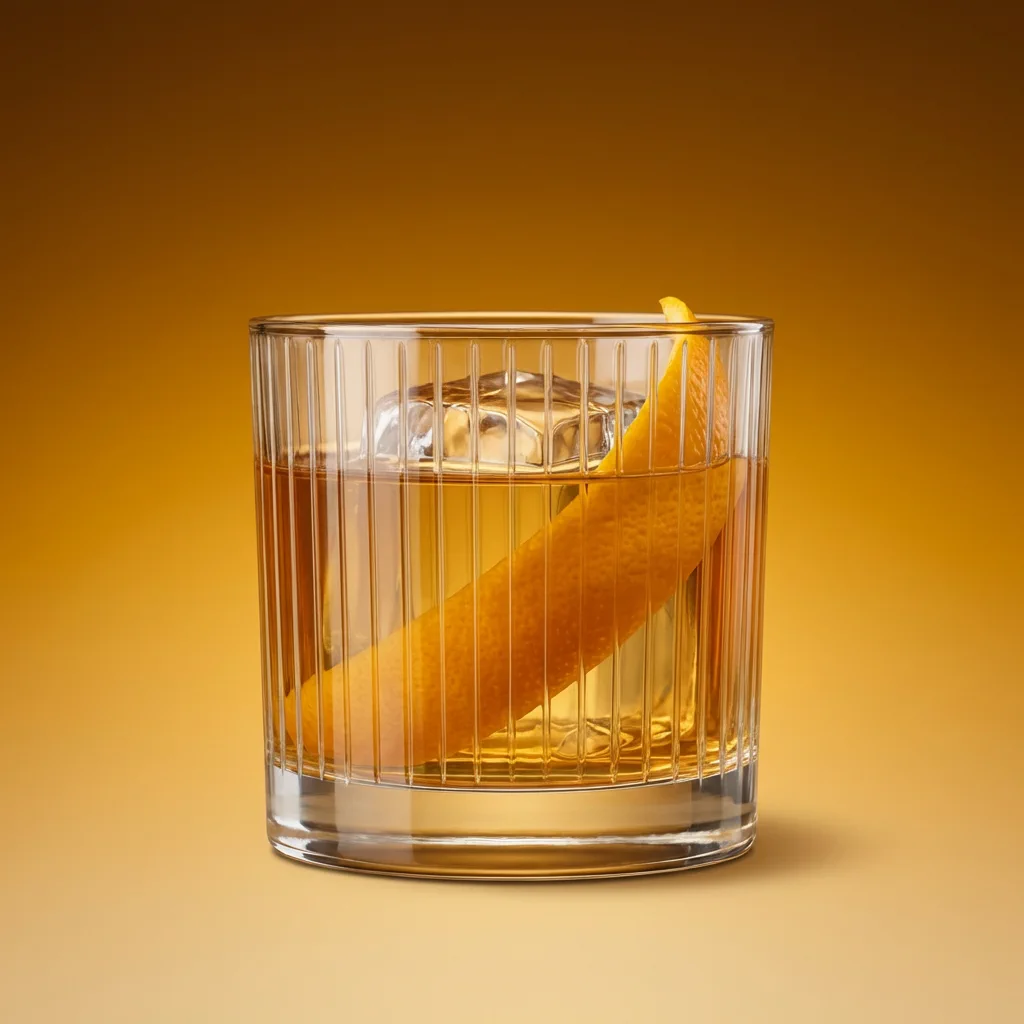
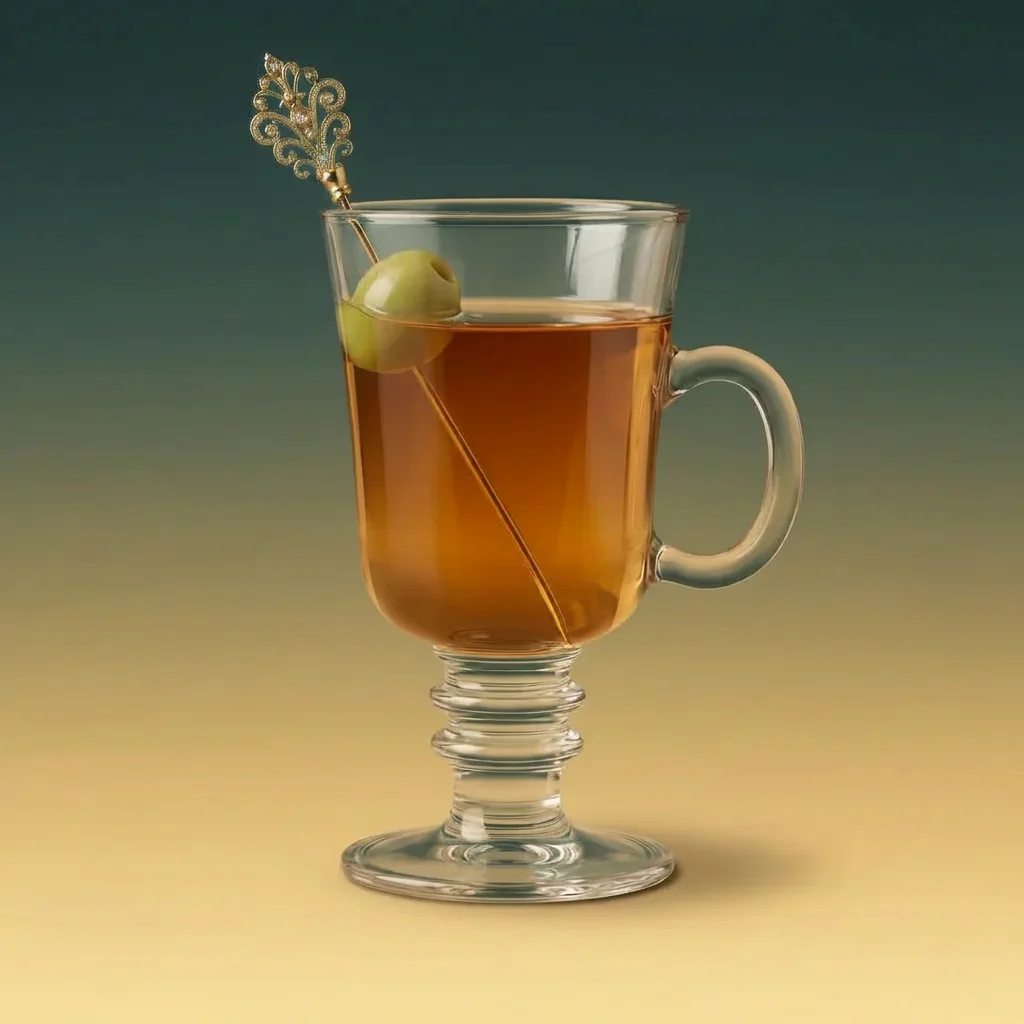
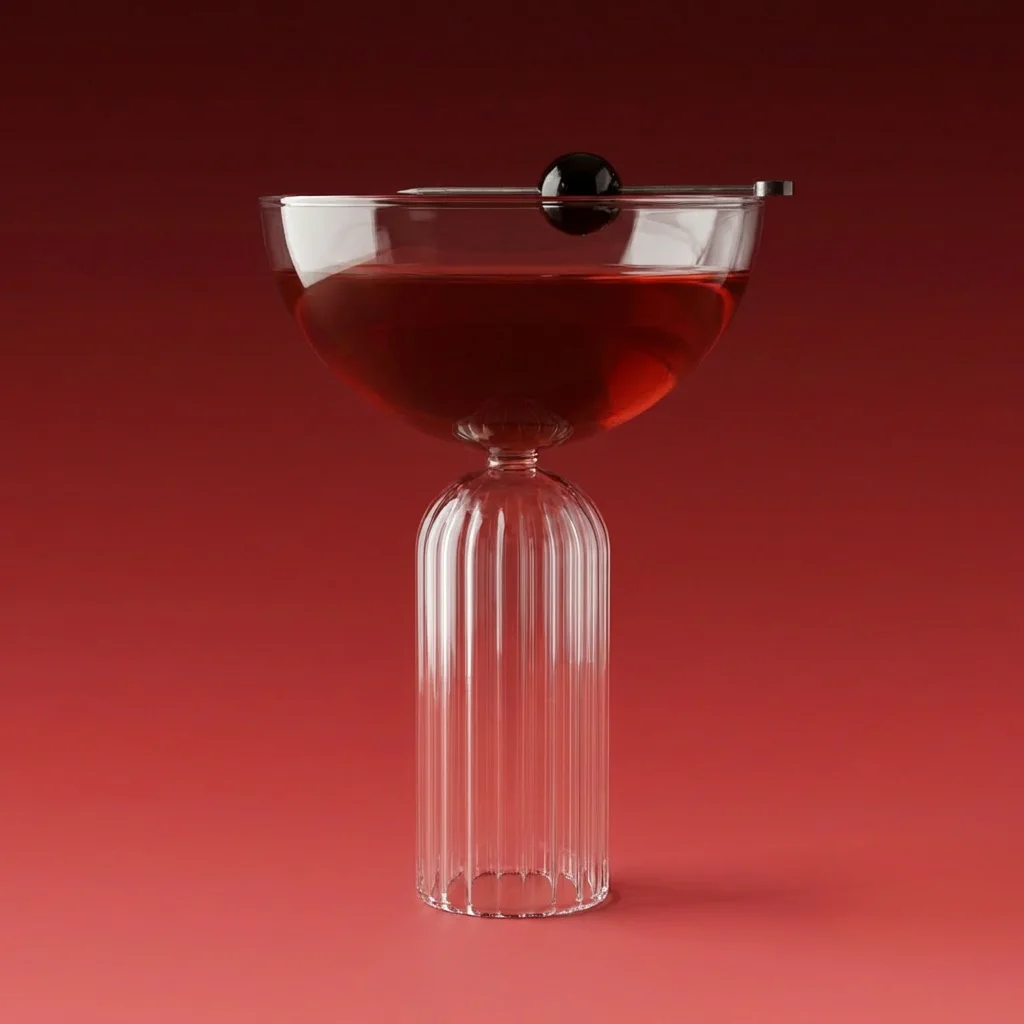
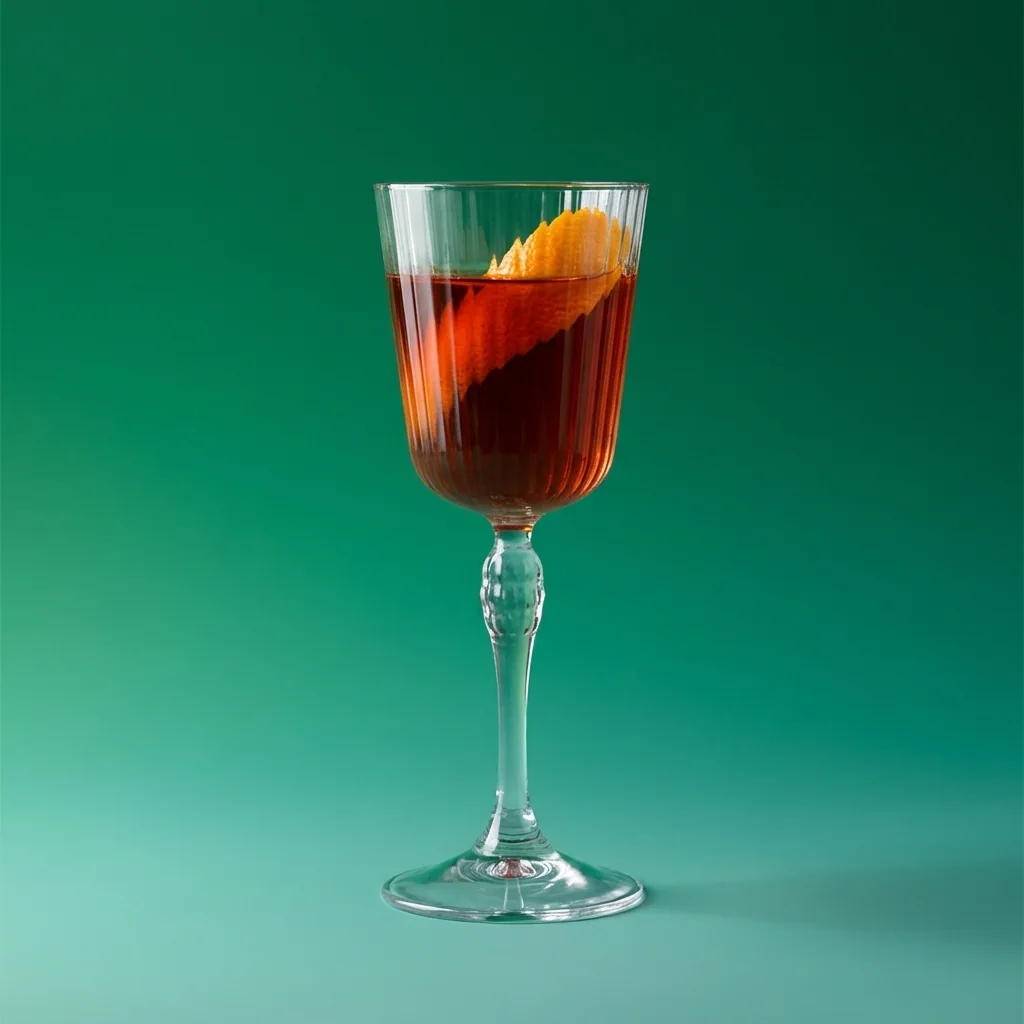
The Tipperary stirs Irish whiskey with sweet vermouth and an herbal liqueur such as green Chartreuse, finished with a dash of bitters. Silky and full-bodied, a warming herbal edge lingering through a dry, faintly bittersweet finish and a hint of orange oil.
Ingredients
1
Servings
Garnish
Instructions for 1 serving
- Pre-chill a glass
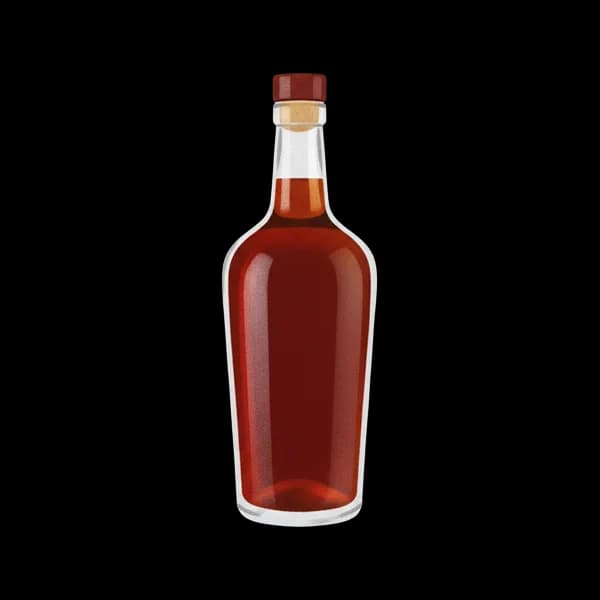
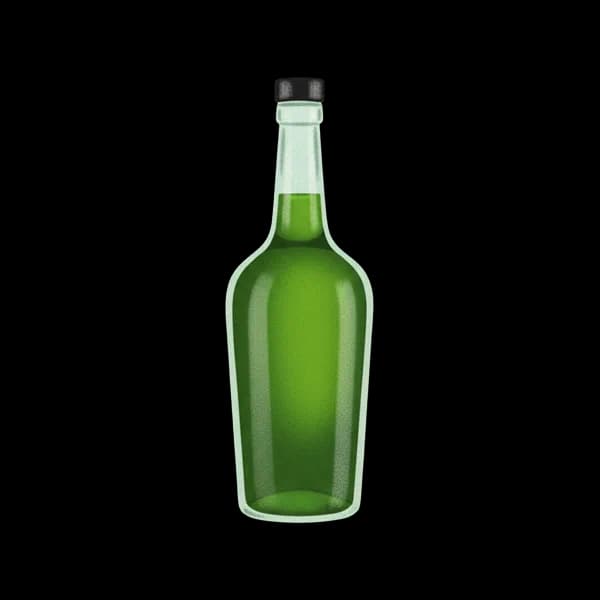
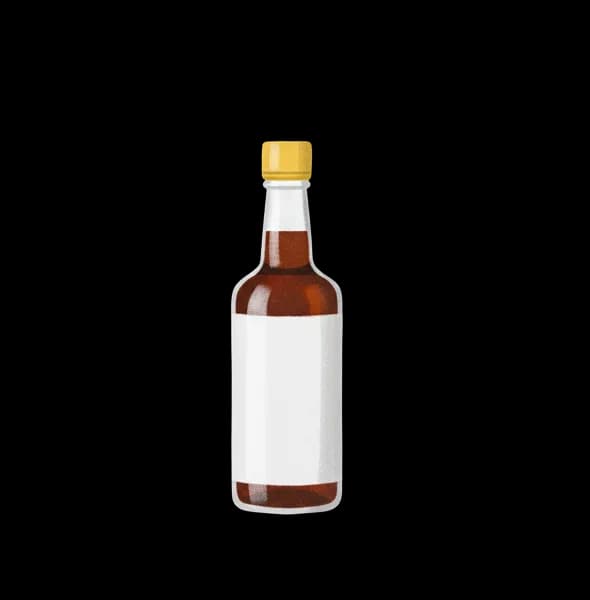
- Stir: Irish whiskey 50 mlRosso vermouth 25 mlHerbal liqueur (e.g., Green Chartreuse) 15 mlAngostura aromatic bitters 2 dashes
- Strain into the chilled martini cocktail glass
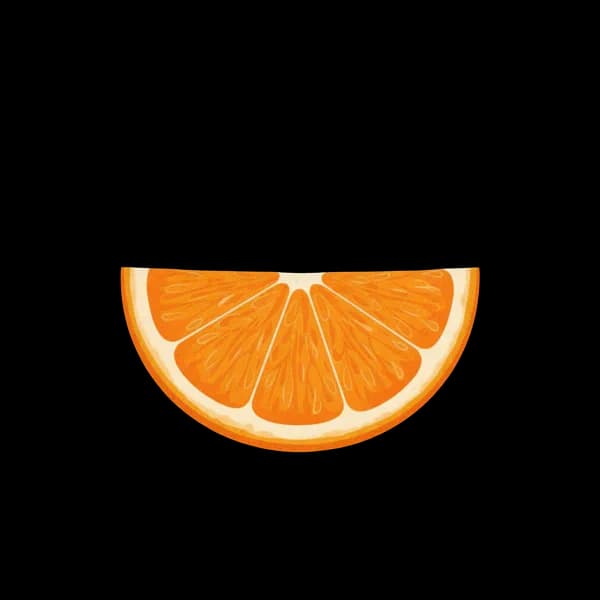
- Garnish with an orange slice
Tips
- Measure the herbal liqueur carefully — its intensity can overpower the whiskey and vermouth if over-poured.
History
The Tipperary is a pre-Prohibition cocktail first documented in New York bartender Hugo R. Ensslin's book Recipes for Mixed Drinks, with sources giving its publication as either 1916 or 1917. Ensslin's original formula called for equal parts Irish whiskey, sweet vermouth, and green Chartreuse. The name refers to the Irish town and county, popularized at the time by the World War I marching song "It's a Long Way to Tipperary," and some tellings hold that a homesick patron humming the tune inspired a bartender to name the drink on the spot, though this origin story is not confirmed by period documentation.
The drink is generally considered a whiskey-based relative of the Bijou cocktail. Later published versions varied the proportions: Harry MacElhone's ABC of Mixing Cocktails, 1922, increased the whiskey and reduced the vermouth and Chartreuse, while Harry Craddock's The Savoy Cocktail Book, 1930, returned to the original equal-parts formula and additionally listed a second, unrelated recipe also called Tipperary.
FAQ
What is an IBA cocktail?
An IBA cocktail is one of the official drinks recognized by the International Bartenders Association in its list of world-famous cocktails, used as a global reference for bartending standards and competitions. The Tipperary appears on this list, which groups drinks into categories such as unforgettables, contemporary classics, and new era drinks.
What are the classic cocktails of the IBA?
The IBA's classic category, called the Unforgettables, includes long-standing drinks such as the Martini, Manhattan, Negroni, Daiquiri, and Old Fashioned. The Tipperary is also among the IBA's official cocktails, an Irish whiskey-based entry built on the same stirred, spirit-forward structure as those classics.
Is a Tipperary cocktail similar to a Manhattan?
Yes, the Tipperary shares the Manhattan's basic structure of a base spirit stirred with sweet vermouth and bitters, but it swaps the Manhattan's rye or bourbon for Irish whiskey and adds an herbal liqueur such as green Chartreuse. The result is drier and more herbal than a Manhattan, with a cooling bite the Manhattan doesn't have.
What kind of glass is used for a Tipperary cocktail?
A Tipperary is served in a cocktail (martini) glass, strained up with no ice. The glass is pre-chilled beforehand so the stirred drink stays cold through the pour.