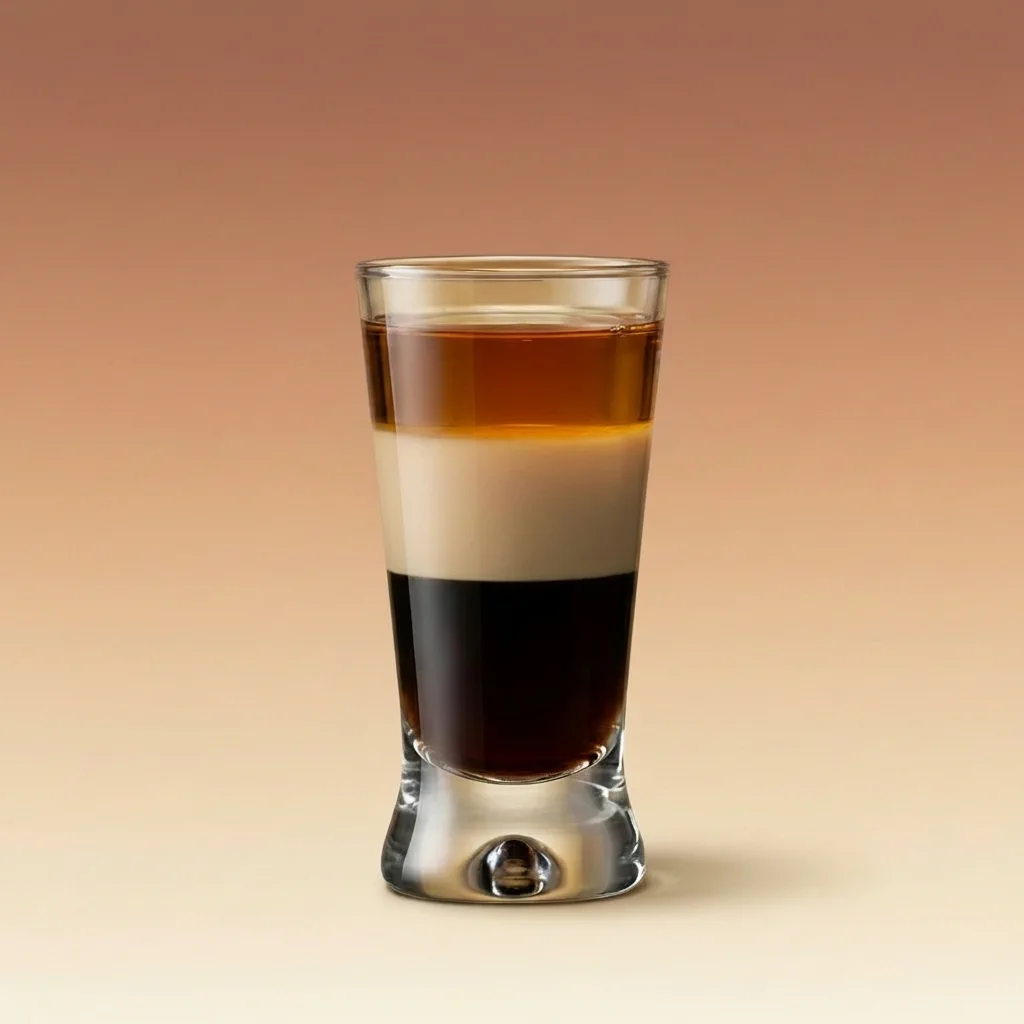
B-52 Shot
A sweet and coffee cocktail ∙ Layer ∙ 2 min ∙ 26.3% ABV ∙
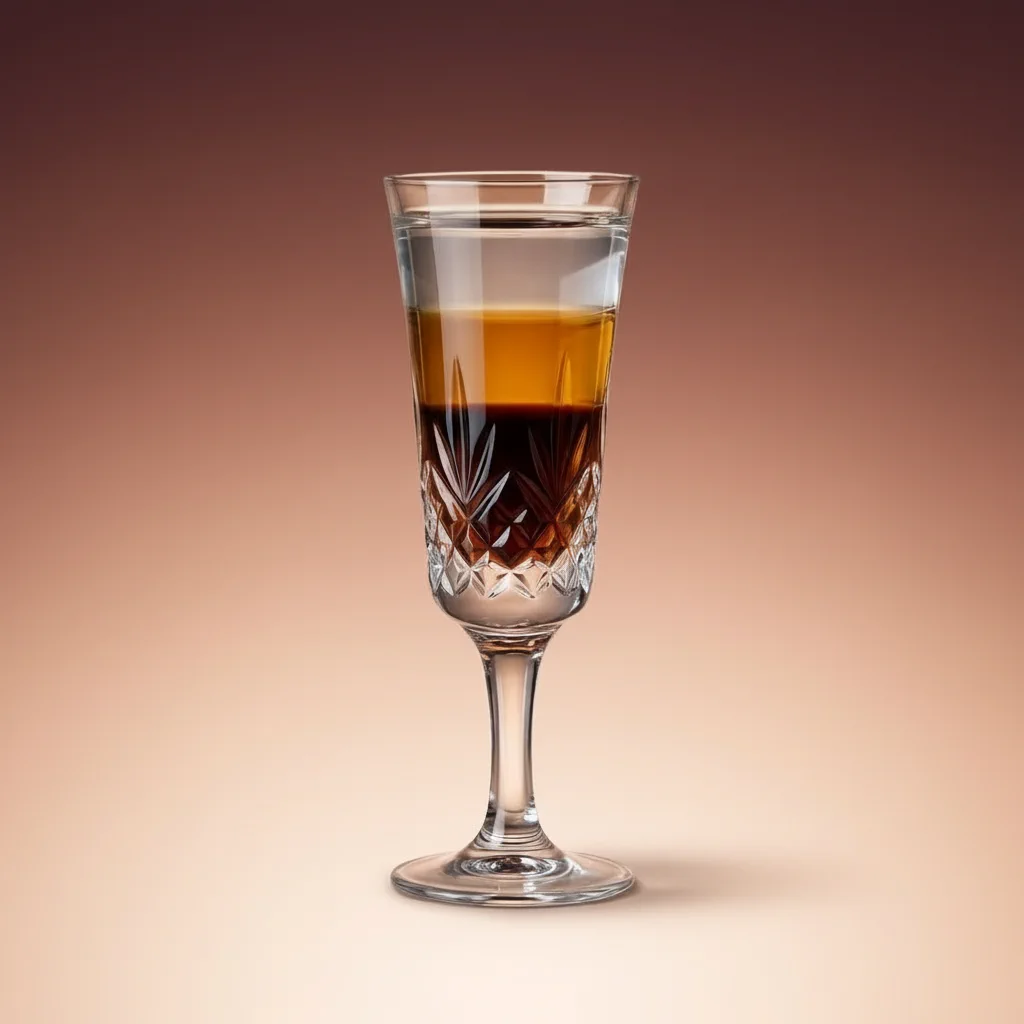
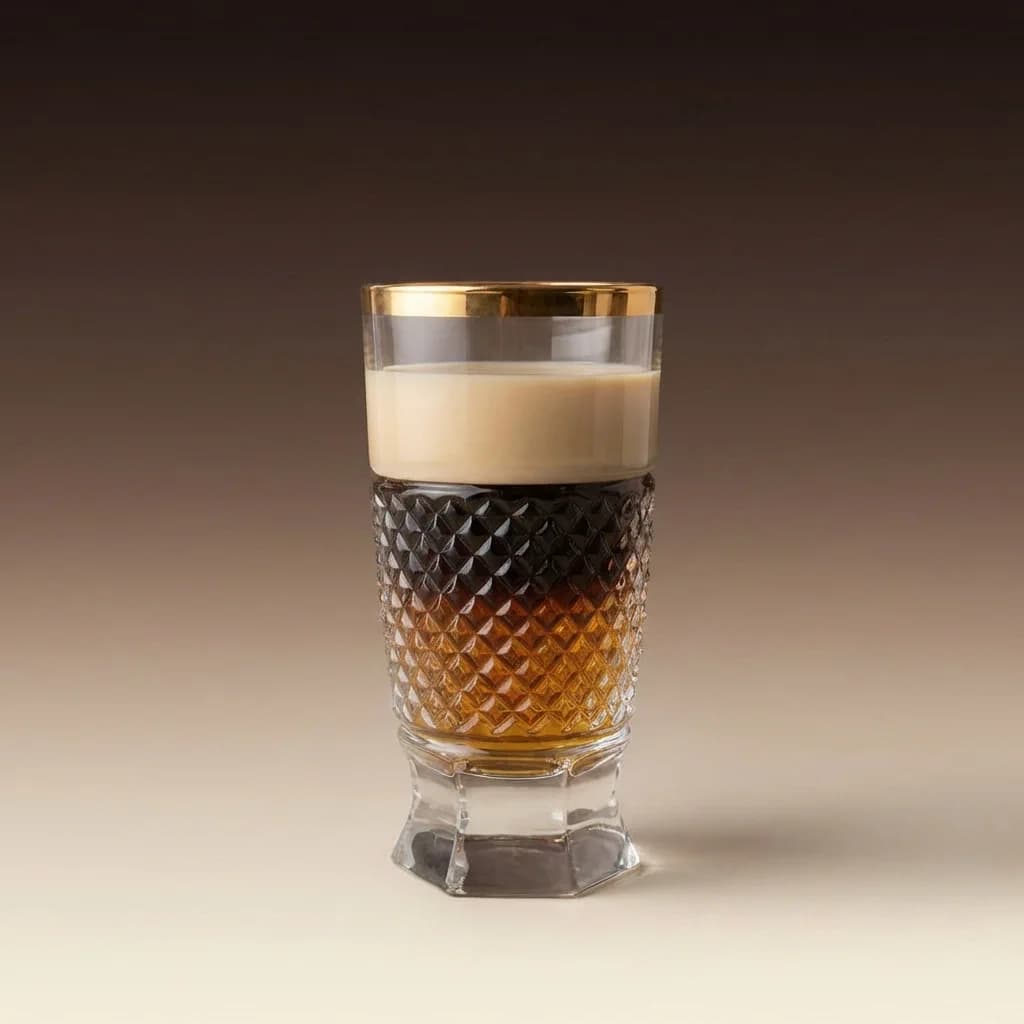
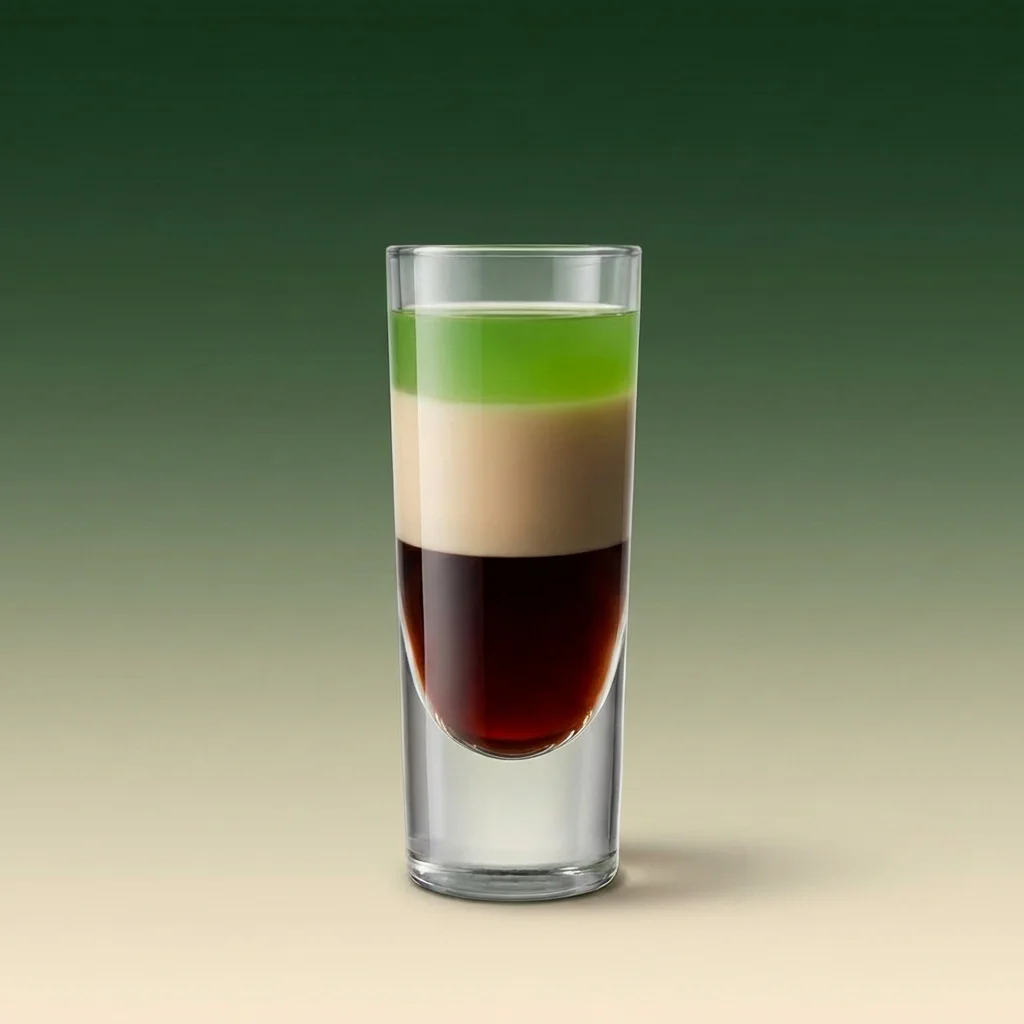
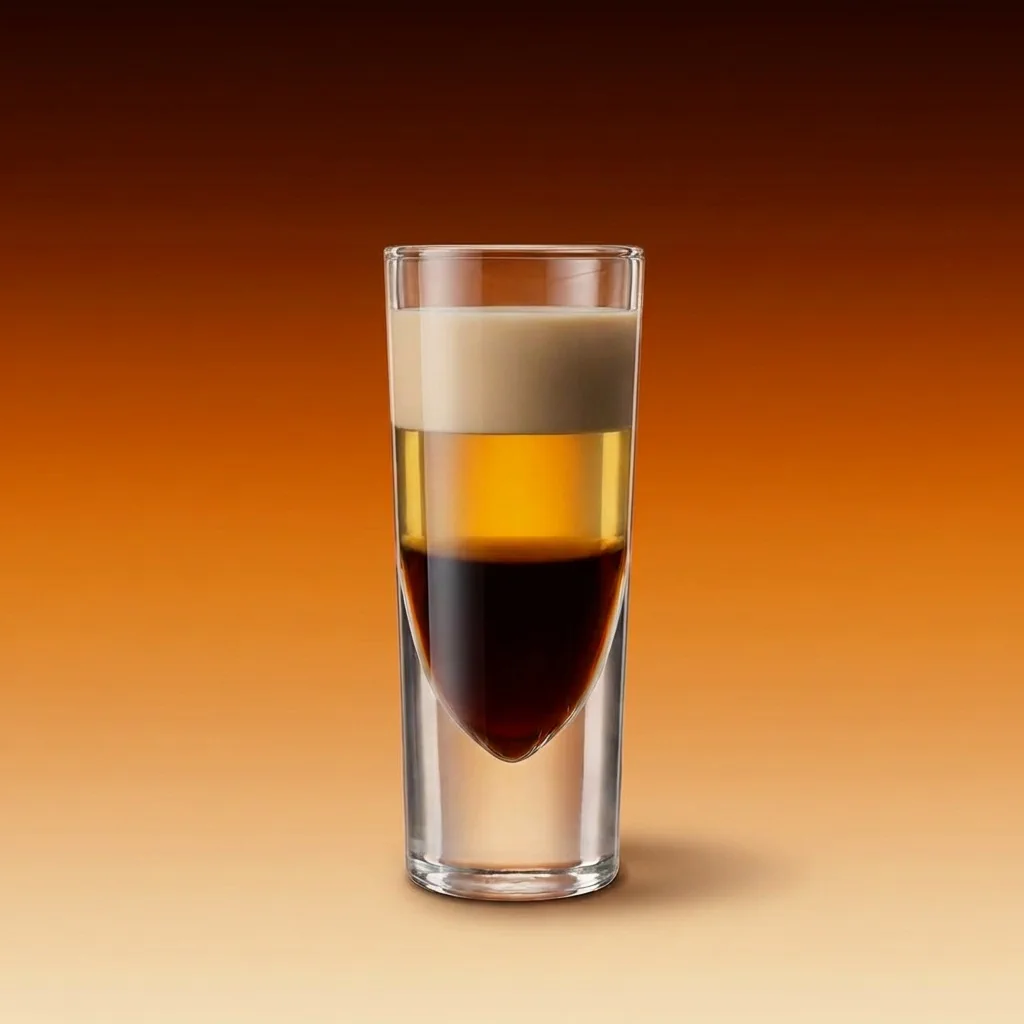
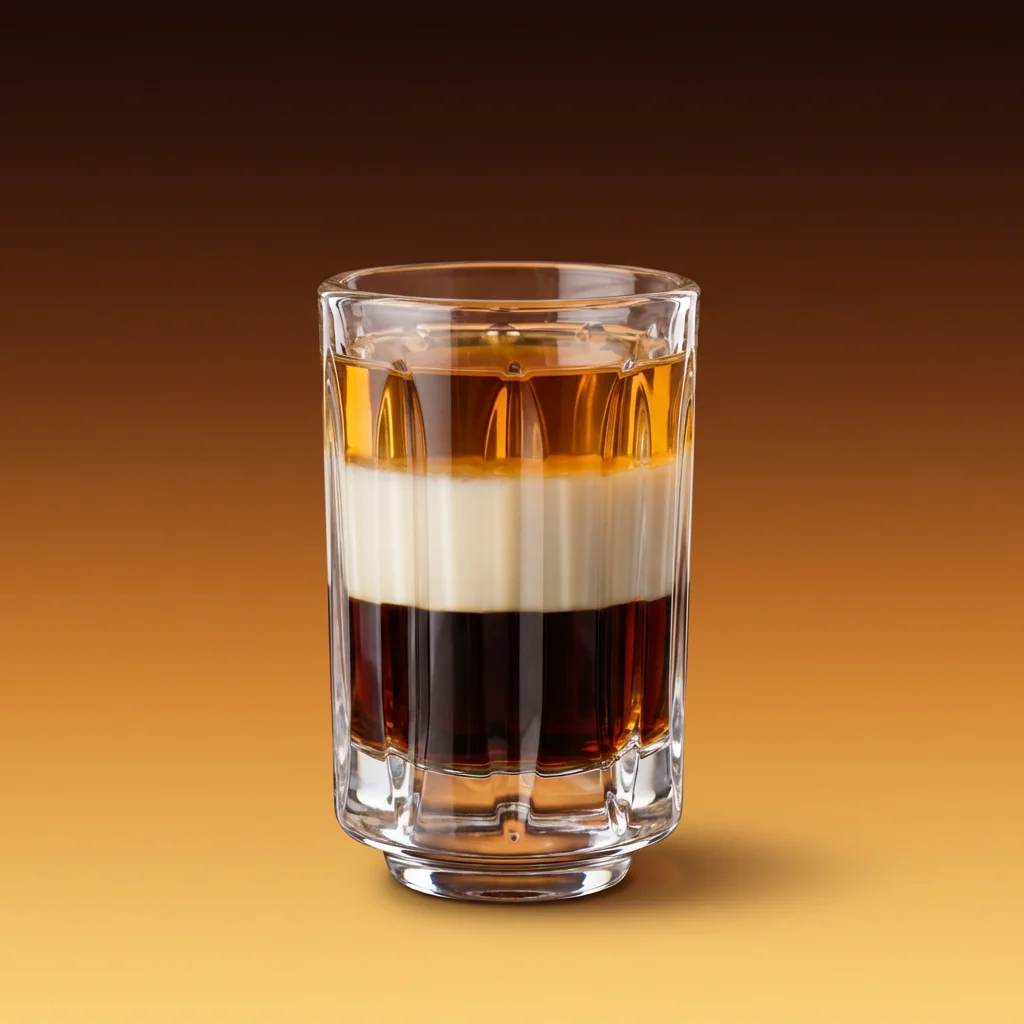
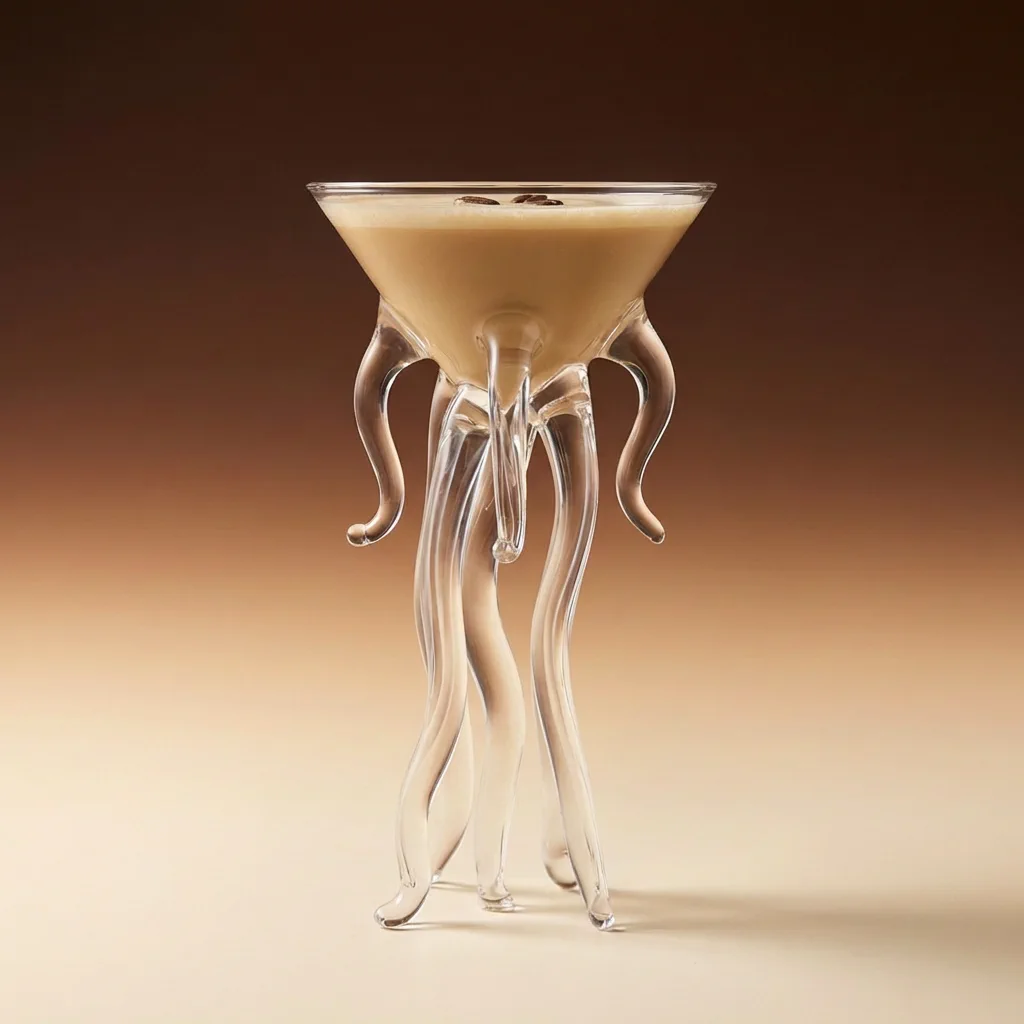
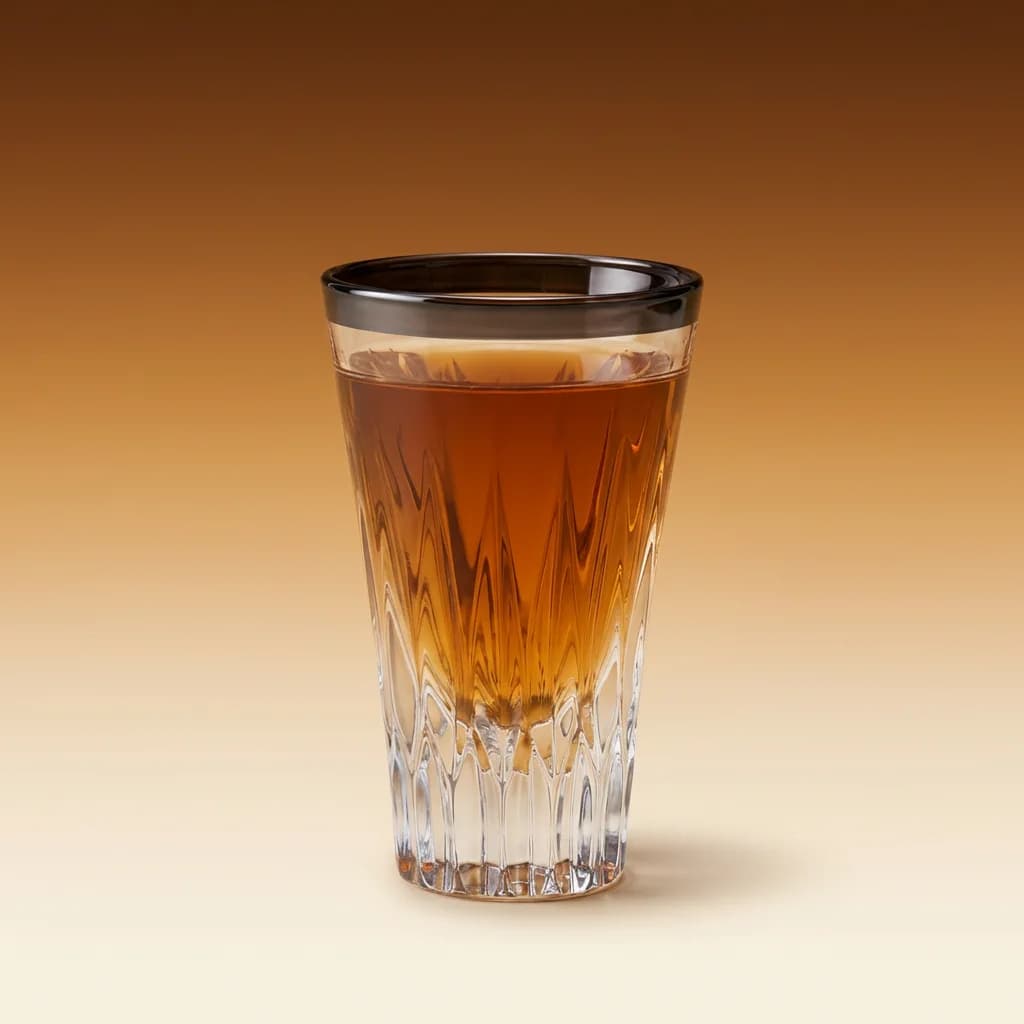
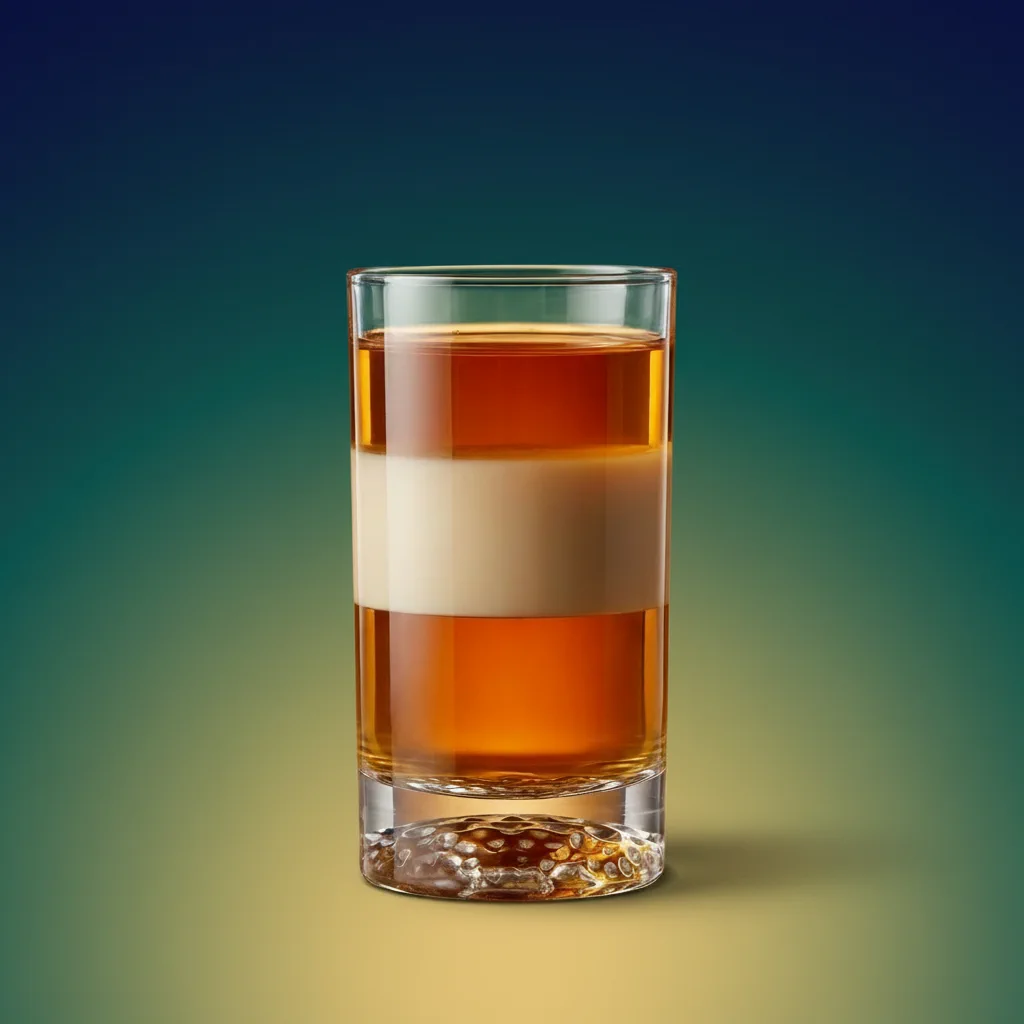
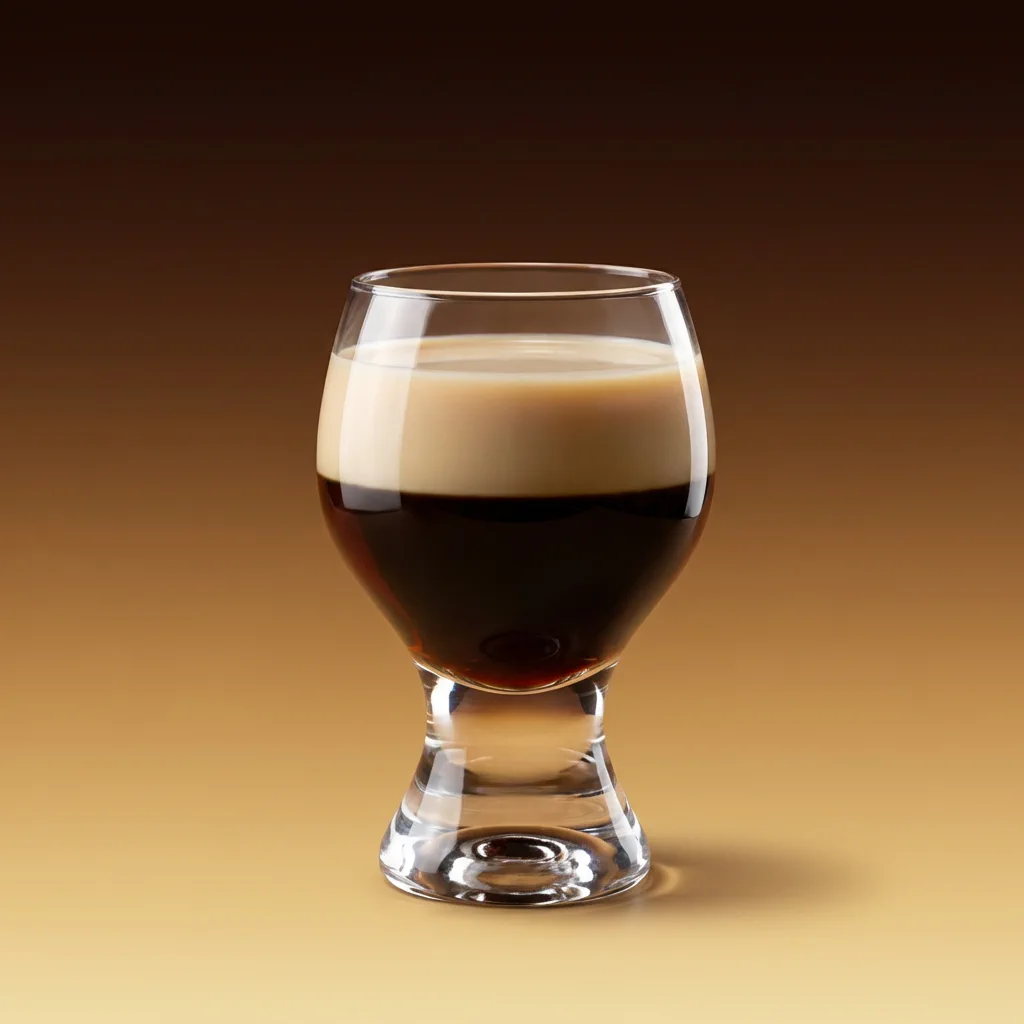
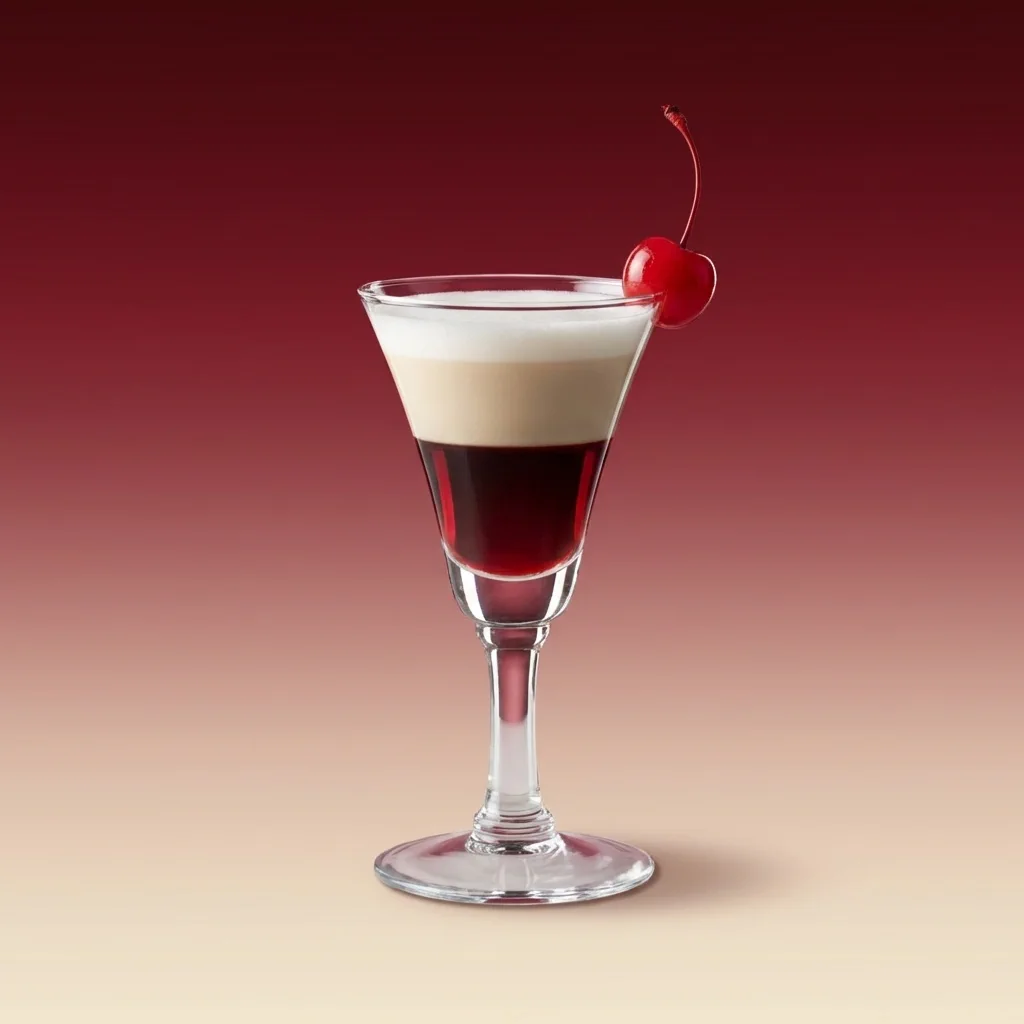
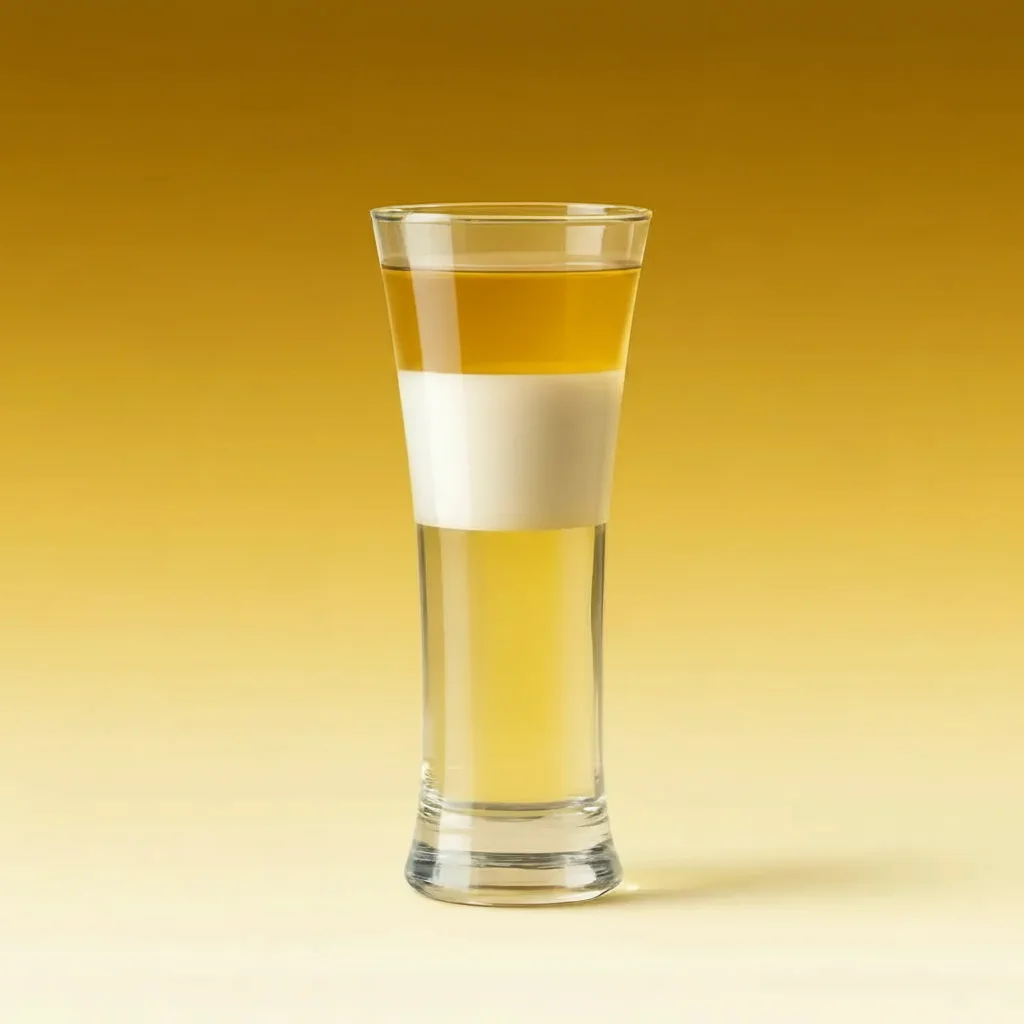
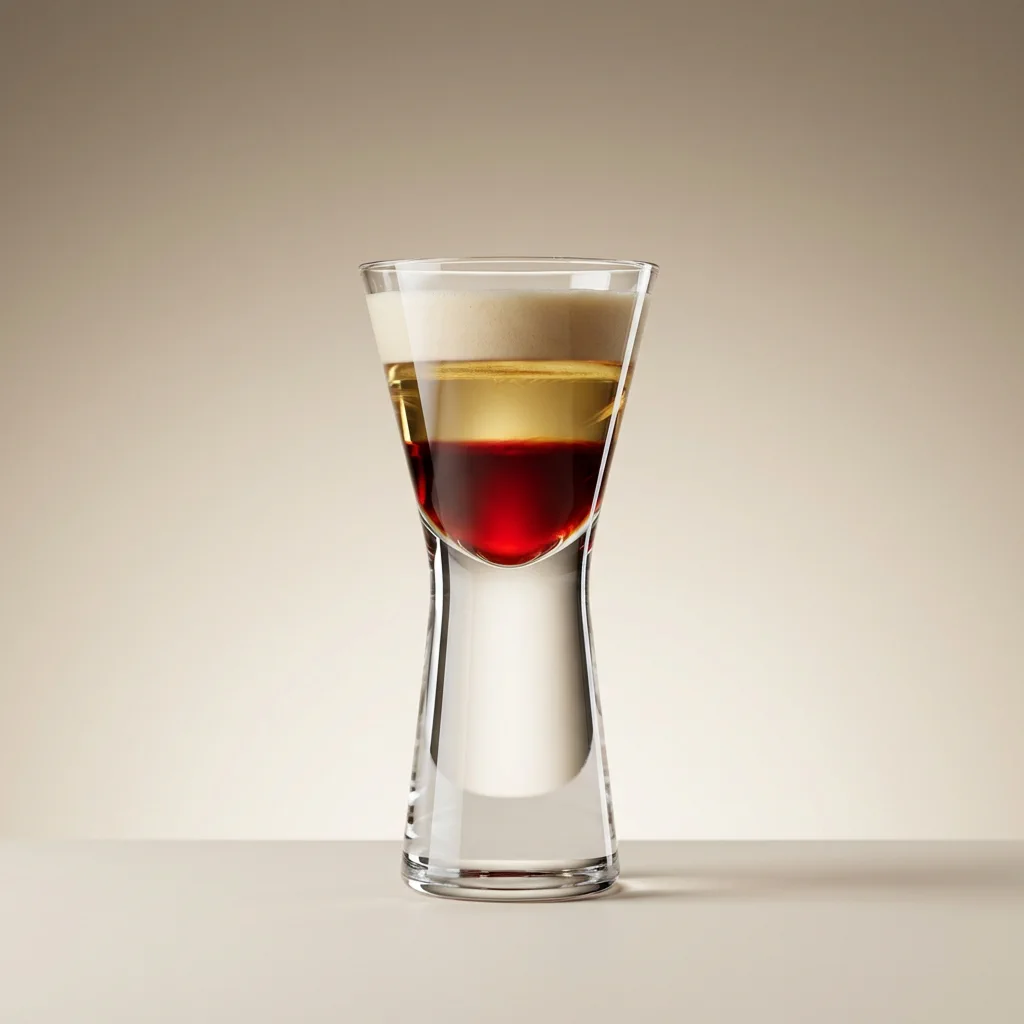
A B-52 is a layered shot of coffee liqueur, Irish cream liqueur, and an orange-cognac liqueur, built in a shot glass without mixing. Cold coffee bitterness sits under a creamy middle layer, finishing with a warm orange-cognac lift that lingers after the sip is gone.
Ingredients
1
Servings
Instructions for 1 serving
- Pre-chill a glass
- Refrigerate all ingredients
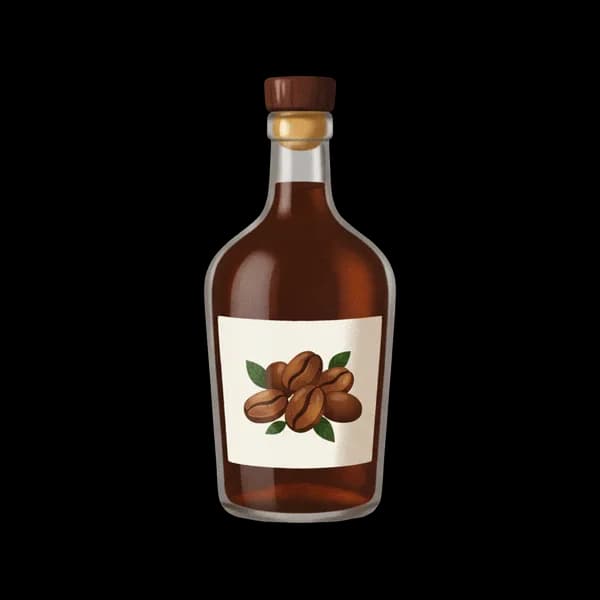
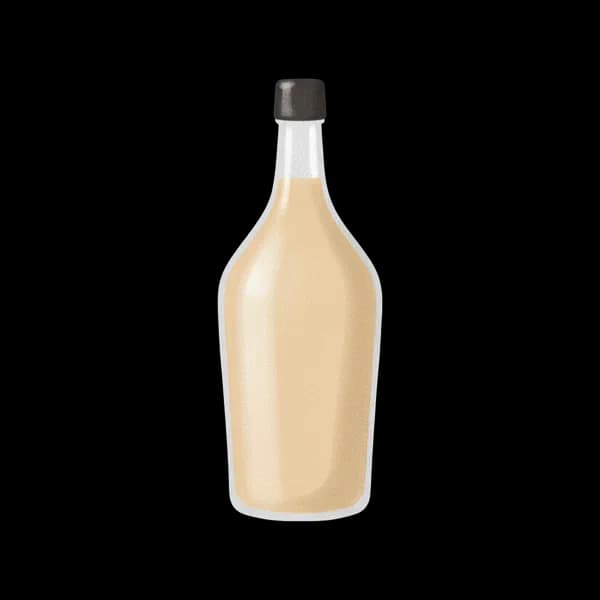
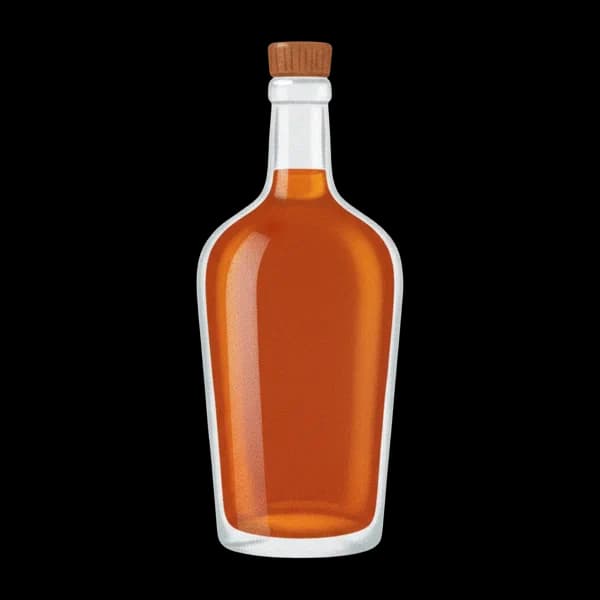
- Carefully layer in the chilled glass in the following order: Crème de Café liqueur 15 mlIrish cream liqueur 15 mlCognac orange liqueur (e.g., Grand Marnier) 15 ml
Tips
- Pour each layer gently over a bar spoon held just above the surface so the liquid runs down the spoon and settles without piercing the layer below.
History
The B-52's origins are not firmly documented, but the most repeated account credits Peter Fich, head bartender at the Banff Springs Hotel in Alberta, Canada, with creating the layered shot in 1977. Fich reportedly named his drinks after favorite bands and songs, and gave this one the name of the new wave group the B-52's rather than the B-52 Stratofortress bomber, though the band itself had taken its name from a beehive hairstyle likened to the bomber's nose cone. One of Fich's early customers owned several restaurants across Alberta and put the drink on his menus, which helped spread the belief that the shot originated at the Keg Steakhouse chain in Calgary rather than at the Banff Springs Hotel.
Other, less-repeated claims credit a Maxwell's Plum bartender in New York City with inventing it around the same period, and a separate claim ties it to a Malibu restaurant, though that version has been dismissed by cocktail historian Dale DeGroff as unsupported by evidence.
FAQ
What is in a B-52 shot?
A B-52 is built from three equal layers: coffee liqueur, Irish cream liqueur, and an orange-cognac liqueur such as Grand Marnier. It is layered rather than shaken or stirred, poured slowly in that order into a shot glass so the three bands stay visibly separate.
Is a B-52 shot strong?
Yes, relative to its size — this build comes in at roughly 26% ABV, stronger than most single-spirit shots because it stacks three liqueurs rather than diluting with mixer. The sweetness from the cream and coffee liqueurs can mask how much alcohol is actually in the small glass.
Why do they call it a B-52 shot?
The name is most commonly linked to the B-52 Stratofortress bomber, but the more detailed origin story says it was named after the new wave band The B‑52s, which itself took its name from a beehive hairstyle likened to the bomber’s nose cone.
What is a B-52 shot served in?
A shot glass, poured neat with no ice, so the three layers remain visible from the outside.