Bobby Burns
Stir ∙ 3 min ∙ 27.3% ABV ∙
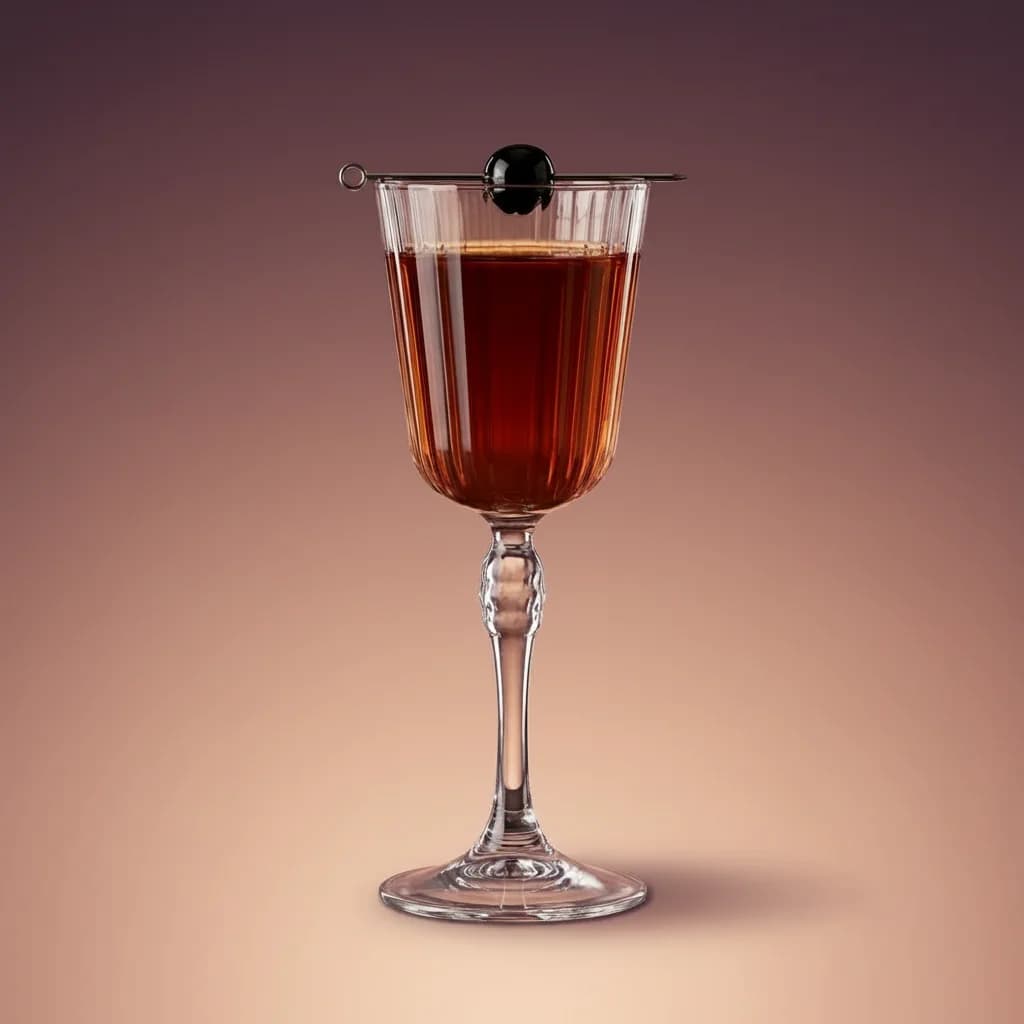
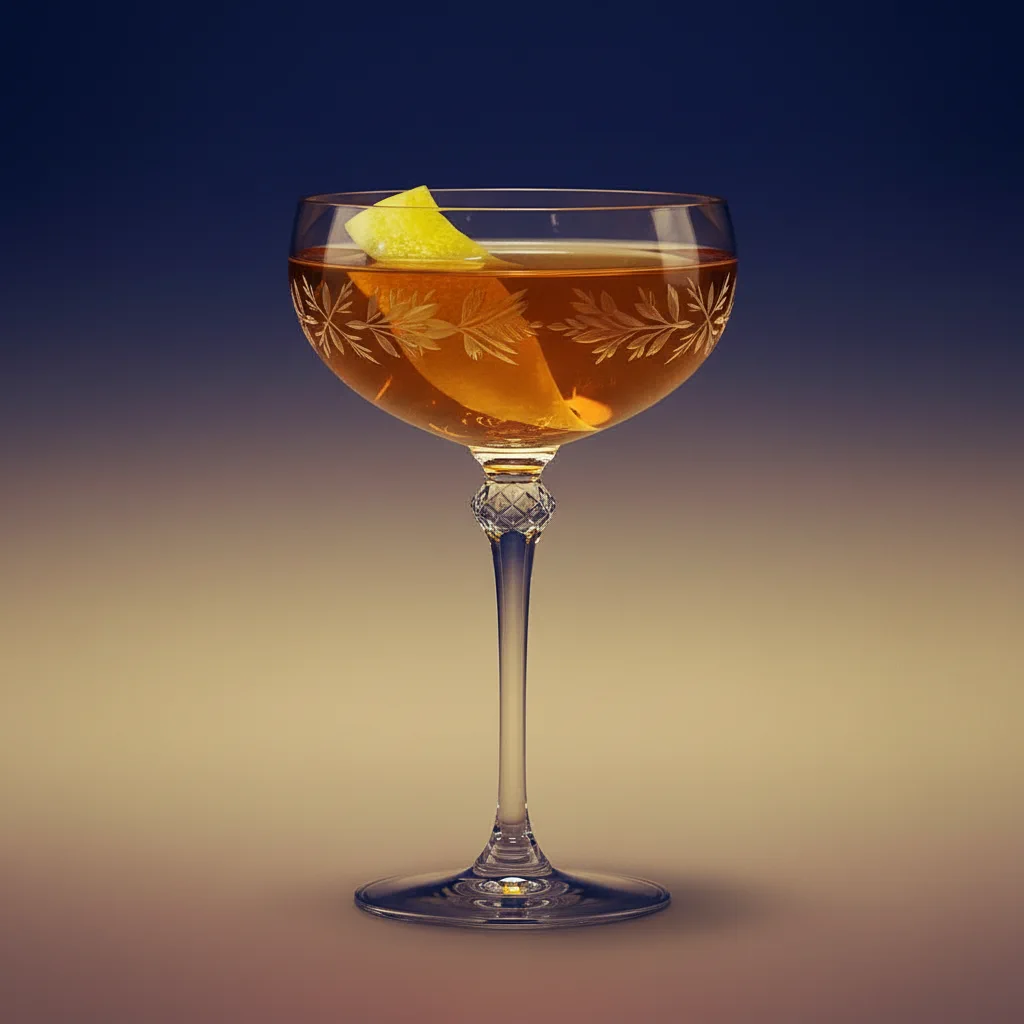
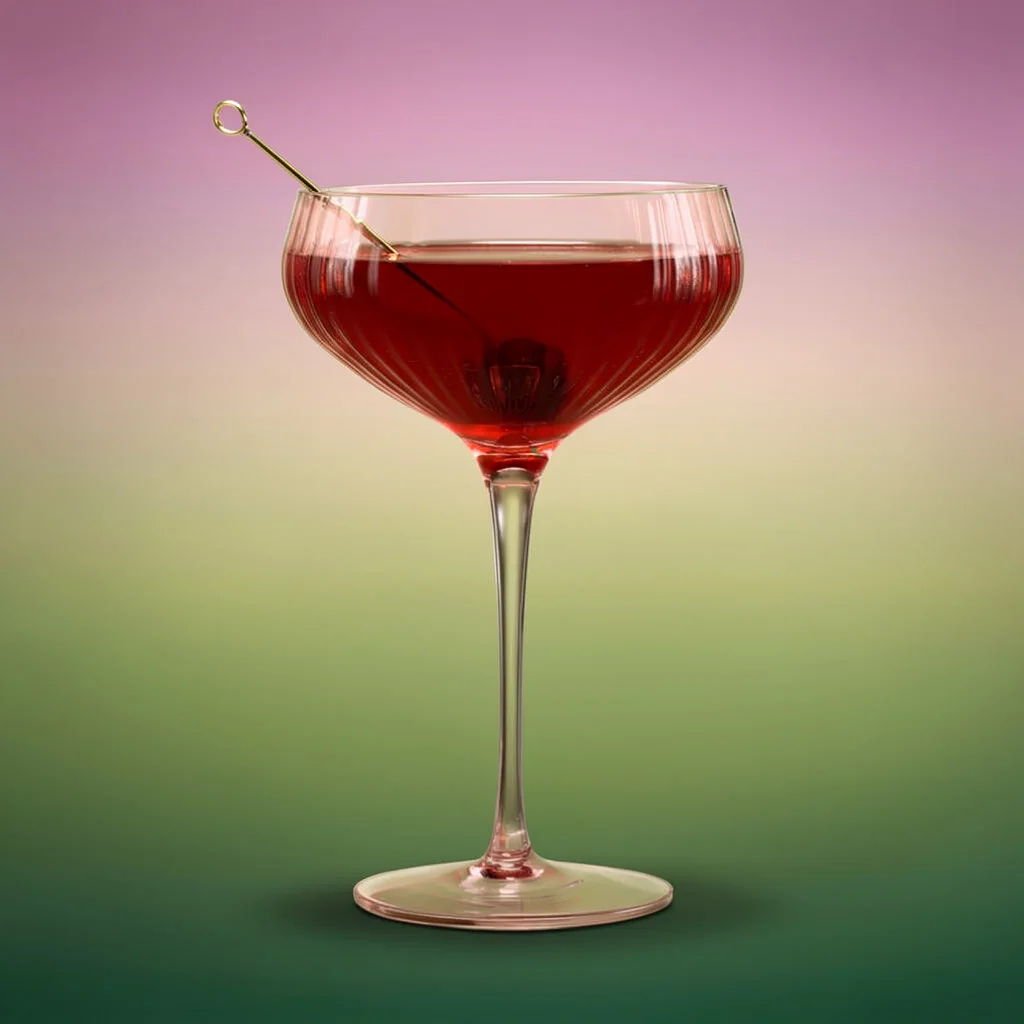
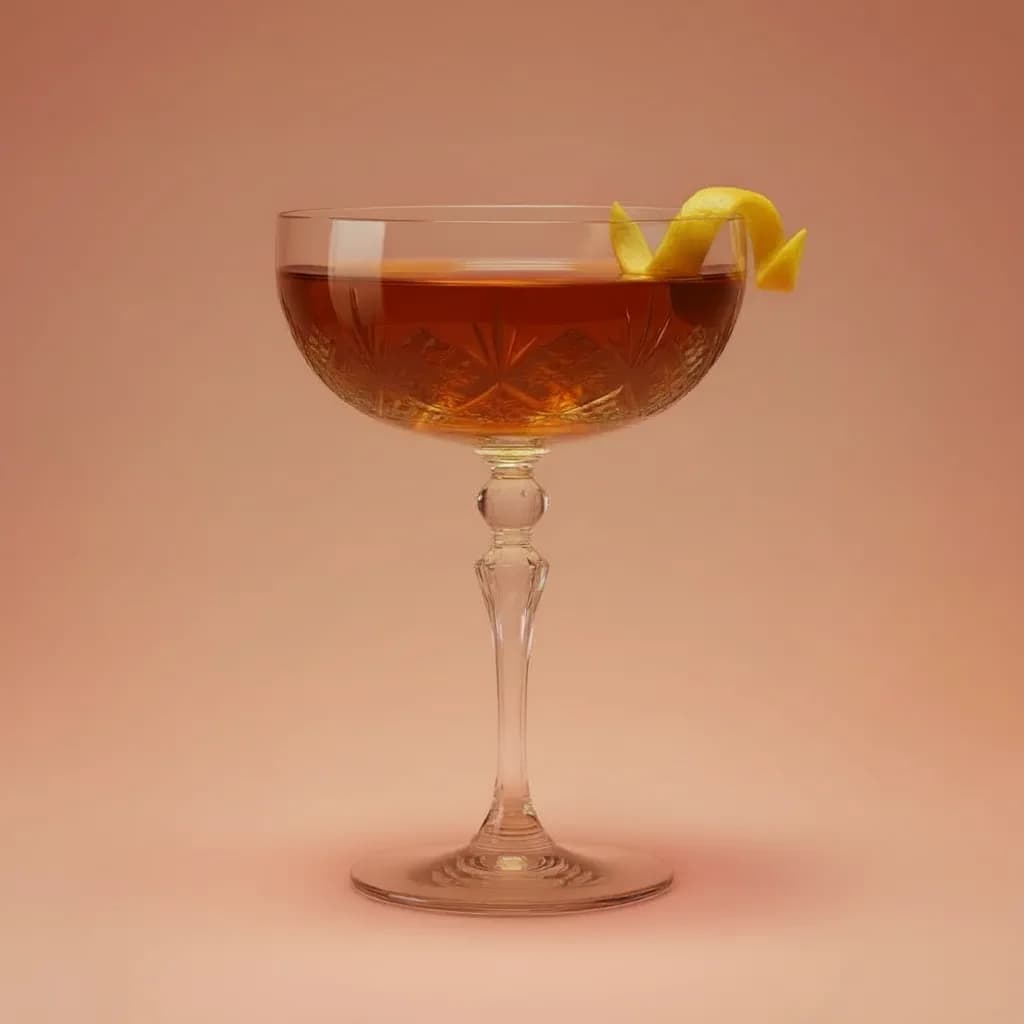
The Bobby Burns is blended Scotch stirred with sweet vermouth and Bénédictine and served up — a Manhattan cousin named for Robert Burns. Malty and rounded, with sweet vermouth cushioning the Scotch and Bénédictine layering in honeyed herbal spice that lingers into a dry, gently bitter finish — a fine after-dinner sipper.
Ingredients
1
Servings
Garnish

Instructions for 1 serving
- Pre-chill a glass
- Stir all ingredients with ice: Blended Scotch whisky 40 mlRosso vermouth 30 mlBénédictine D.O.M. liqueur 10 ml
- Strain into the chilled glass
- Express a lemon twist over the cocktail and use as garnish
Tips
- Stir 30 seconds over ice to chill and slightly dilute the spirit-heavy build before straining up.
- Keep the Bénédictine restrained — a small pour adds honeyed herbs, too much turns it cloying.
- Add Creole-style bitters and a dash of absinthe for extra spice, herbal depth, and a lightly aniseed finish.
History
The Bobby Burns is a Scotch-based riff on the Manhattan, traditionally built from Scotch whisky, sweet vermouth, and a dash of Bénédictine. Its earliest known printed recipe appeared on September 9, 1899, in The National Police Gazette, credited to W. J. Burke of Litchfield, Connecticut — a simpler formula of Scotch, gum syrup, orange bitters, and ginger cordial, without vermouth or Bénédictine. The following year it surfaced as the “Baby Burns” in the Bishop & Babcock Company's 1900 guide, Fancy Drinks. By the 1900s and 1910s the drink was appearing under the name “Robert Burns” — in the 1908 Jack's Manual and the 1914 Drinks — made instead with Irish whiskey, vermouth, and absinthe, a build carried into the more informally named “Bobby Burns” of Hugo Ensslin's 1916 Recipes for Mixed Drinks. The return to Scotch, and the now-standard Scotch, sweet vermouth, and Bénédictine formula, was fixed by Harry Craddock's 1930 Savoy Cocktail Book, through which the name reached wide fame.
The drink's connection to the poet Robert Burns is itself disputed. Albert Stevens Crockett, who named it “Robert Burns” in his 1931 Old Waldorf-Astoria Bar Days, suggested it might instead honour a cigar salesman, or simply a brand of cigars sold near the old Waldorf-Astoria, rather than the poet. Regardless, the drink became linked to Burns Night, the January 25 celebration of the poet's birthday.
David A. Embury's 1948 The Fine Art of Mixing Drinks described the Bobby Burns as a variation on the Rob Roy finished with a dash of Drambuie in place of the more common Bénédictine — the same Scotch-and-Drambuie pairing at the heart of the Rusty Nail — while his 1953 edition suggested swapping in Peychaud's bitters for Angostura.
FAQ
What's in a Bobby Burns?
Blended Scotch whisky, sweet (rosso) vermouth, and Bénédictine liqueur, stirred over ice and strained up and garnished with a lemon twist.
What kind of Scotch is best for a Bobby Burns?
A blended Scotch works well and is what this recipe uses, giving a smooth, malty base that carries the vermouth and Bénédictine. A gentle Highland malt is a common alternative for more depth; avoid heavily peated Scotch, which overpowers the drink.
Is a Bobby Burns shaken or stirred?
Stirred. Like its Manhattan relatives, it is an all-spirits build with no citrus juice, so stirring over ice keeps it clear and silky; shaking would cloud and over-aerate it.
What glass is a Bobby Burns served in?
A cocktail glass, served up with no ice and garnished with a lemon twist. It is strained after stirring, so nothing but the chilled drink reaches the glass.