Bobby Burns (Emburys recipe)
Stir ∙ 3 min ∙ 28.5% ABV ∙
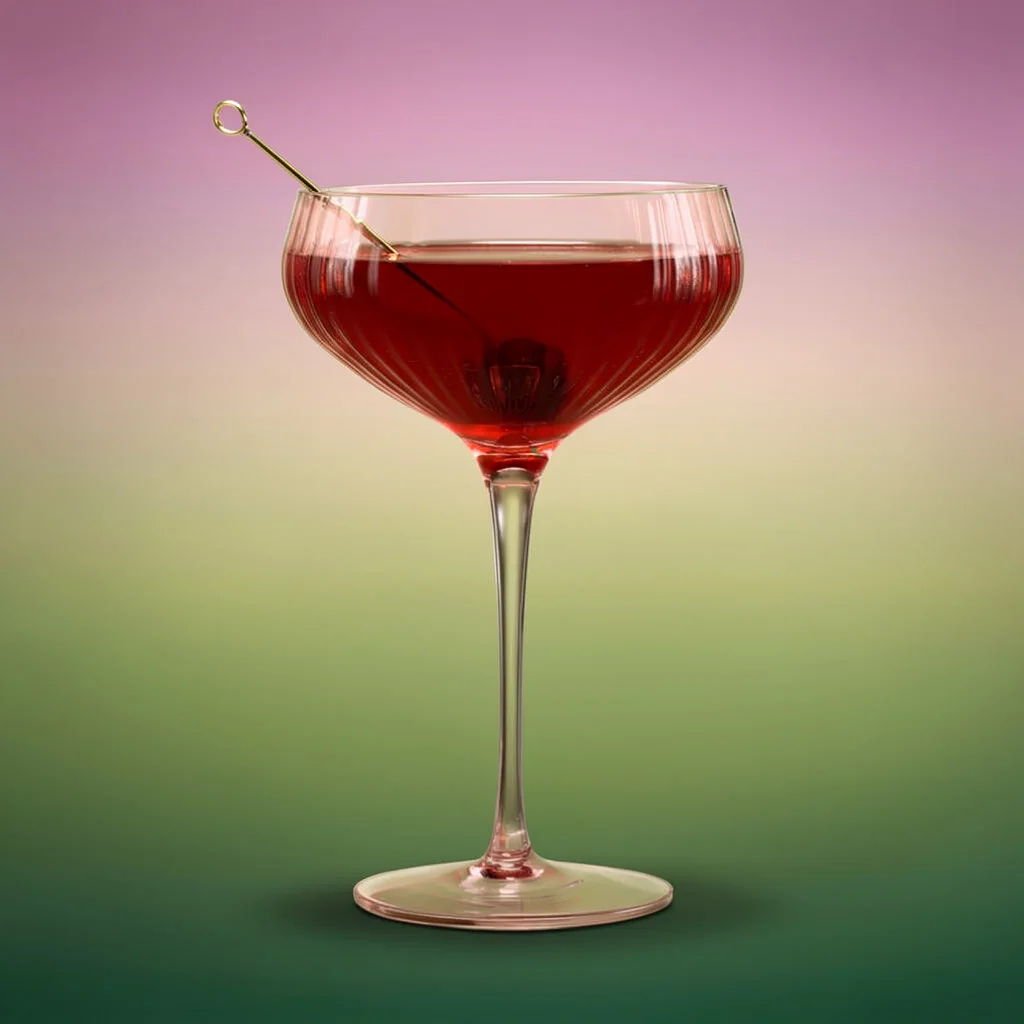
Embury's version of the Bobby Burns is a stirred whisky cocktail of Scotch, sweet vermouth, and a honeyed herbal liqueur, finished with a dash of bitters. Malty and dry with a warm honeyed edge, the vermouth's fruit sweetness giving way to a spiced, citrus-bright finish — a good slow sipper before dinner.
Ingredients
1
Servings
Garnish

Instructions for 1 serving
- Pre-chill a glass
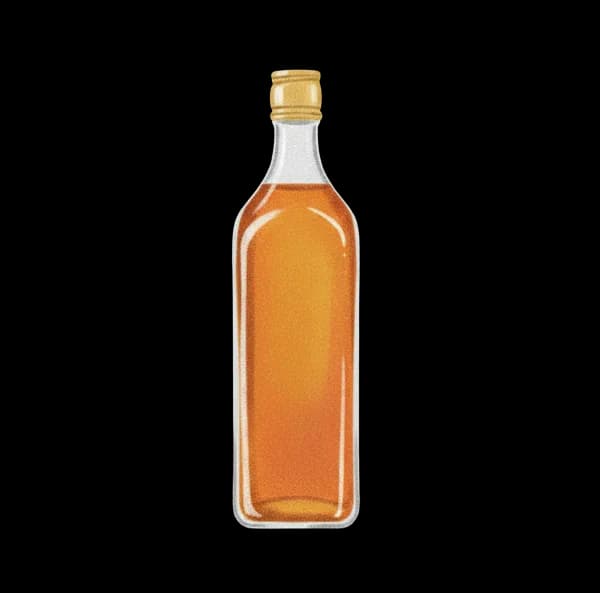
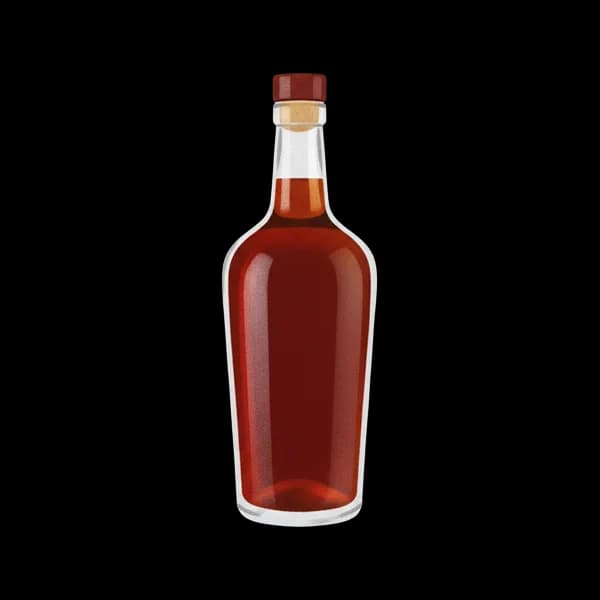
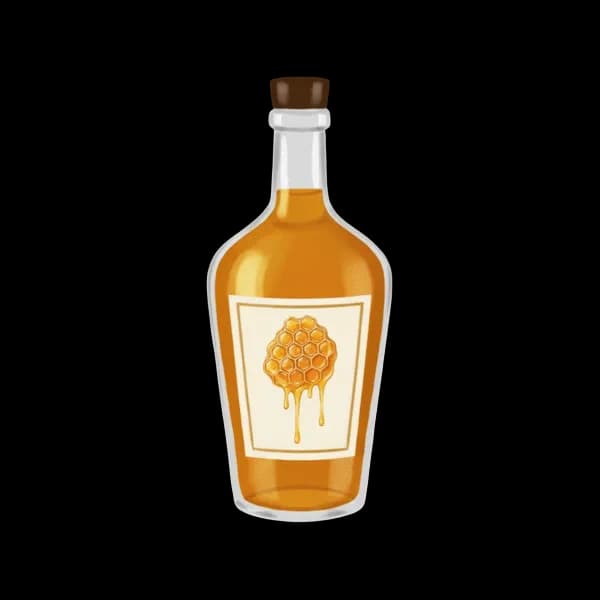
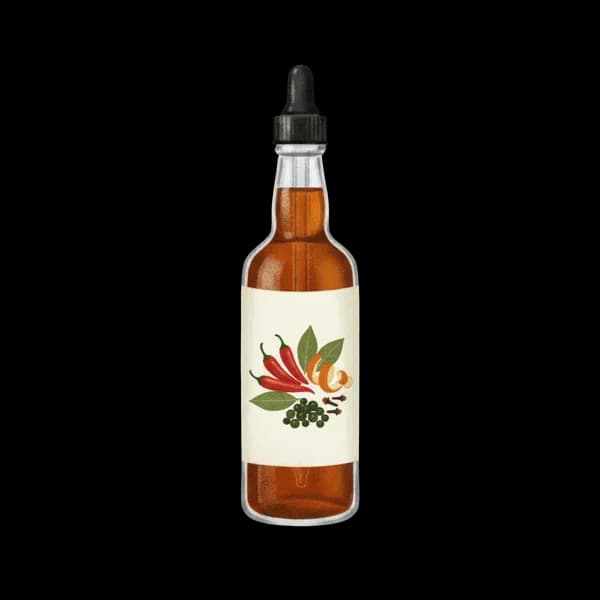
- Stir all ingredients with ice: Blended Scotch whisky 40 mlRosso vermouth 20 mlHoney herbal liqueur (e.g., Drambuie) 5 mlCreole-style bitters 2 dashes
- Strain into the chilled glass
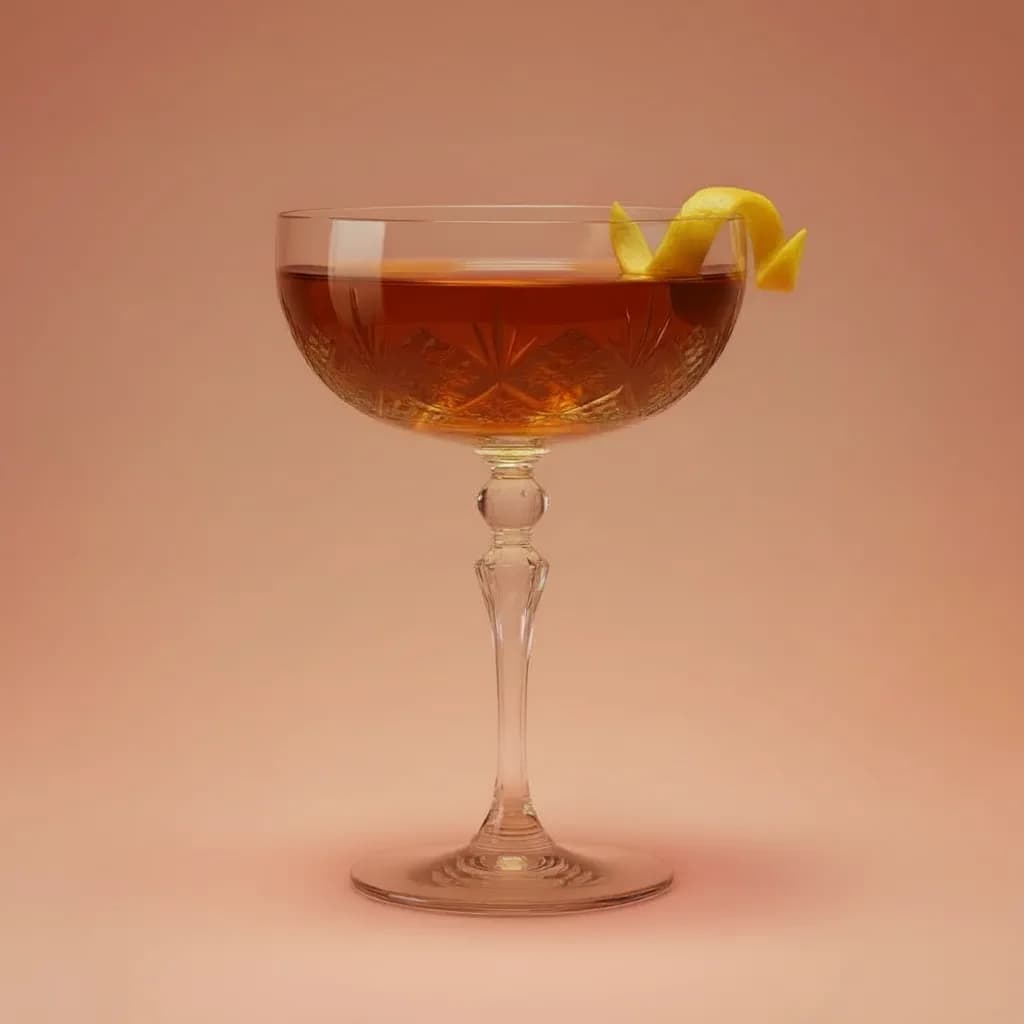
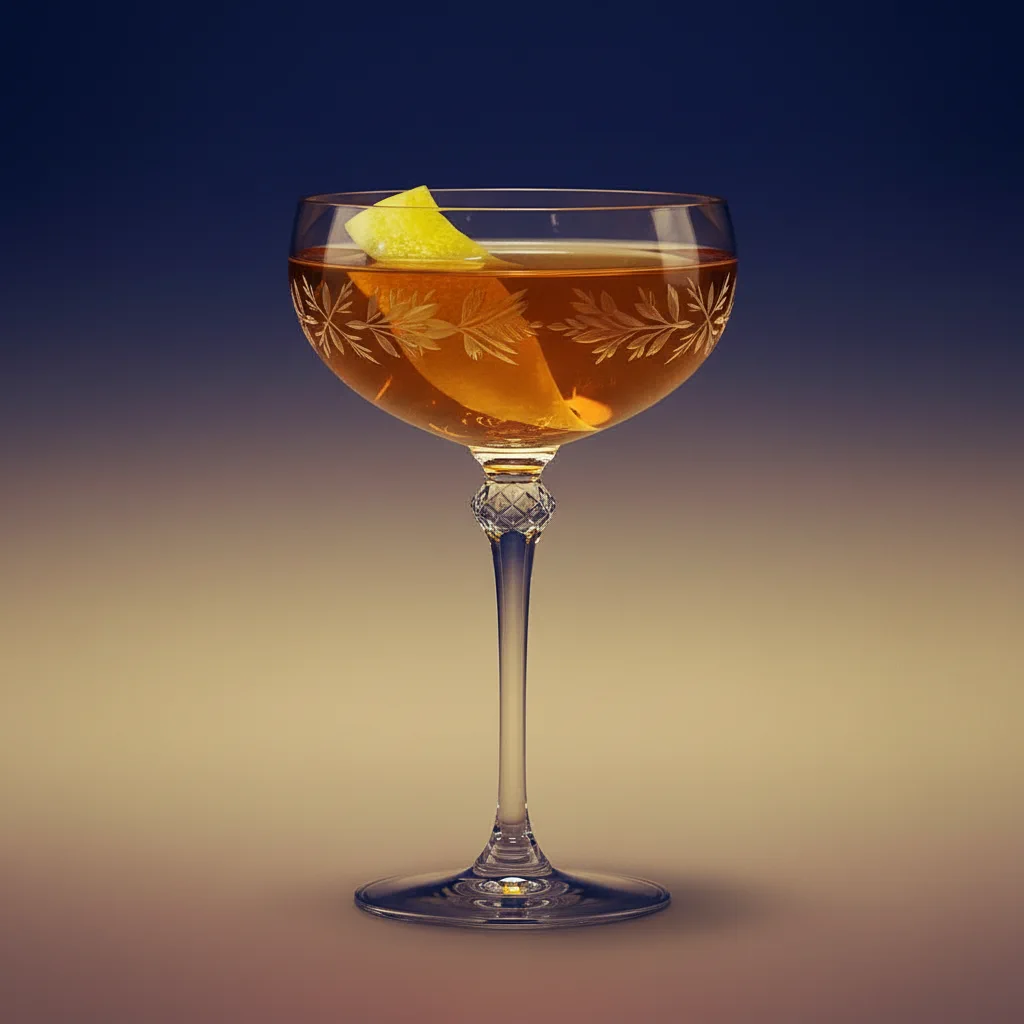
- Express a lemon twist over the cocktail and use as garnish
Tips
- Stir with plenty of large ice cubes for 20-25 seconds to reach proper dilution without over-diluting the small 65 ml total volume.
- Measure the Drambuie carefully since only 5 ml is used; a heavy pour will overpower the vermouth and whisky balance.
History
The Bobby Burns is an early twentieth-century Scotch cocktail whose earliest known printed recipe, credited to W. J. Burke of Litchfield, Connecticut, appeared in The National Police Gazette in 1899; it was then published as the "Baby Burns" in the Bishop & Babcock Company's 1900 guide Fancy Drinks. Later editions called it "Robert Burns," a name that reached wider fame through Harry Craddock's 1930 Savoy Cocktail Book, though Albert Stevens Crockett's 1931 Old Waldorf Bar Days suggested it may instead honor a cigar salesman (or a cigar brand of the same name) rather than the Scottish poet Robert Burns, leaving the naming disputed.
Regardless of origin, the drink became linked to the poet's January 25 birthday and the Burns Night celebrations held in his honor. This variation follows the formula published by David A. Embury in his 1948 The Fine Art of Mixing Drinks, where he described the Bobby Burns as a twist on the Rob Roy finished with a dash of Drambuie in place of the more common Bénédictine, reasoning that a Scotch-based liqueur suited the whisky better; in his 1953 edition Embury further suggested swapping in Peychaud's bitters for Angostura, noting it blended better with Scotch.
FAQ
How do you make a Bobby Burns cocktail?
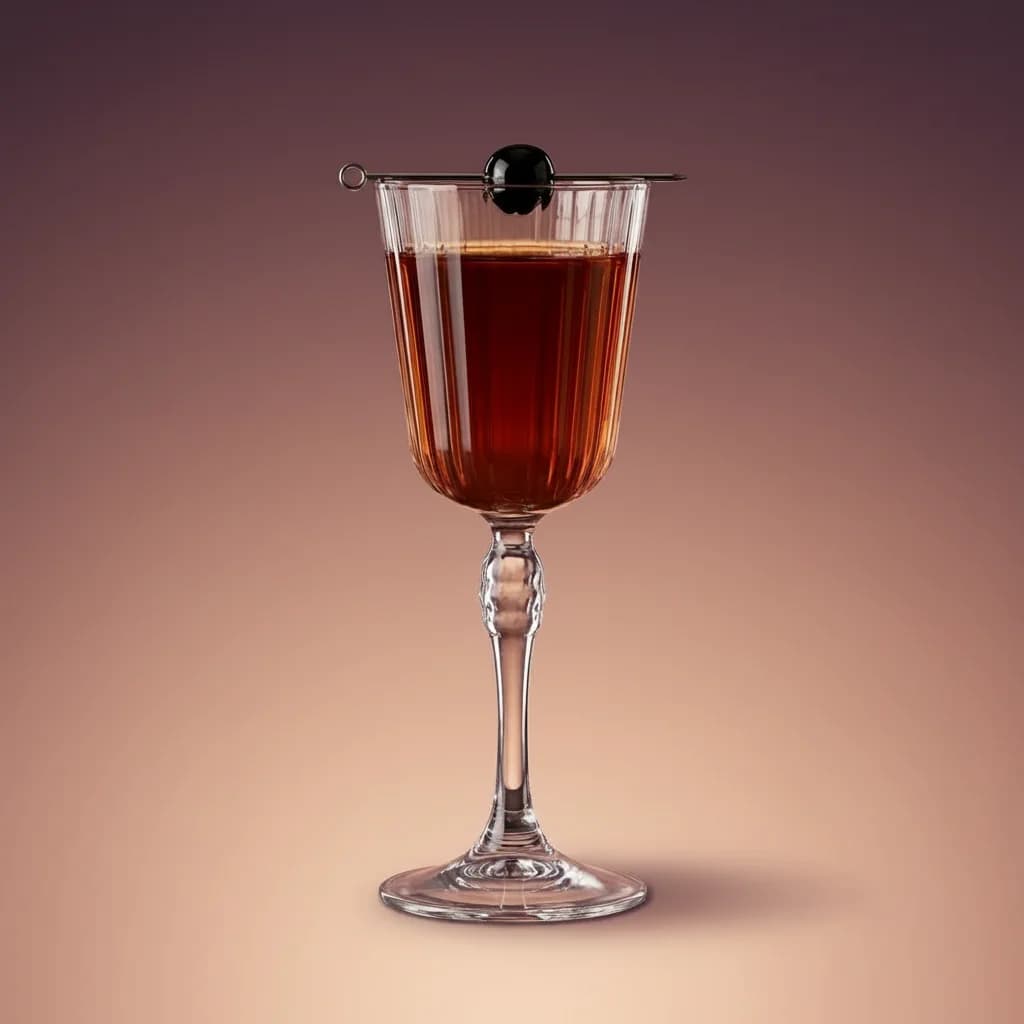
Stir blended Scotch whisky with sweet vermouth, a honey herbal liqueur such as Drambuie, and a dash of bitters over ice, then strain into a chilled glass. This build is finished with a lemon twist rather than the more common garnish of a cherry or nothing at all.
What is the Bobby Burns spec?
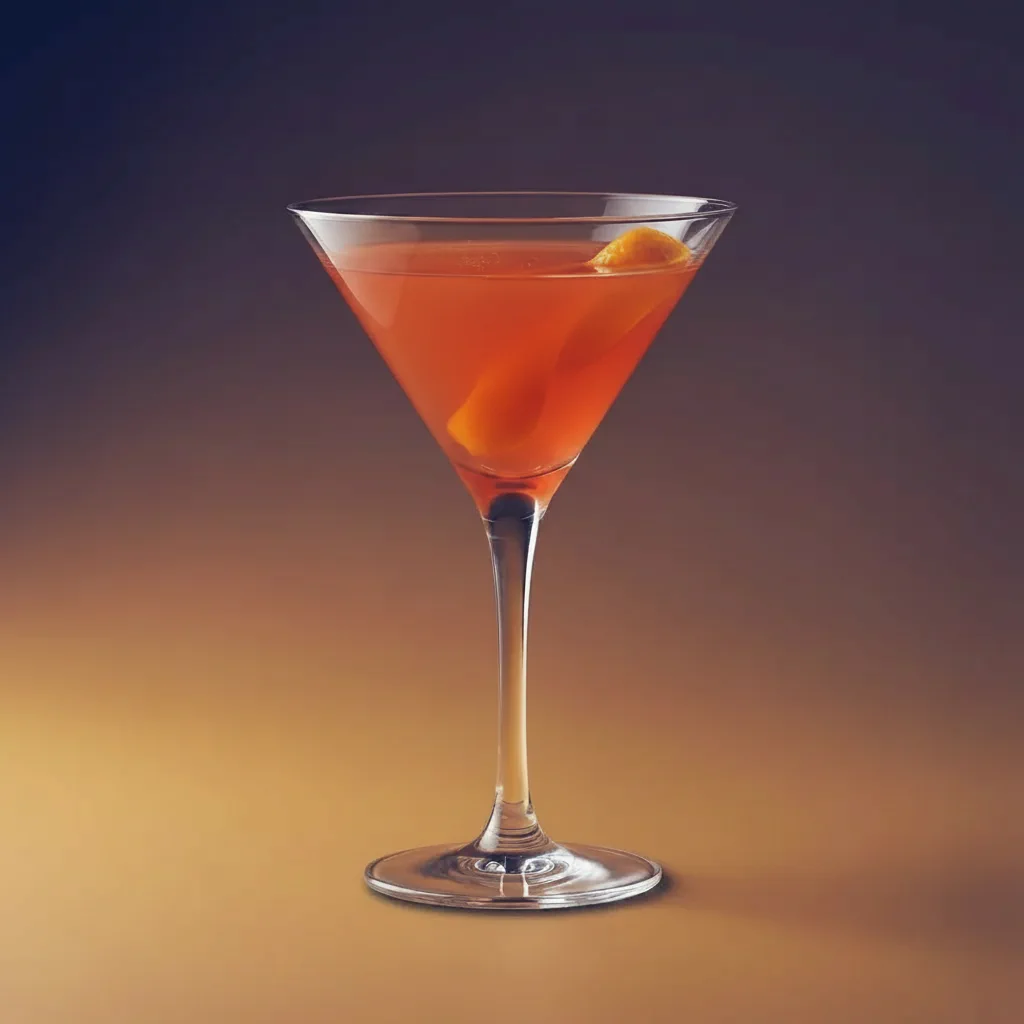
This recipe uses a Scotch-forward build of blended Scotch whisky, sweet vermouth, and a smaller measure of honey herbal liqueur, with a couple of dashes of Creole-style bitters. It is stirred and served up in a coupe glass with a lemon twist, and comes in at about 28.5% ABV.
What kind of Scotch is best for a Bobby Burns?
A blended Scotch whisky works best, as it is smooth enough to let the vermouth and honey liqueur come through without a heavy smoke or peat note dominating the glass. Reserve a peaty single malt for drinks built to showcase it, such as a Rusty Nail.
Is a Bobby Burns shaken or stirred?
Stirred. All the ingredients are clear spirits and fortified wine, so stirring chills and dilutes the drink while keeping it silky and clear rather than aerated and cloudy.
What glass is a Bobby Burns served in?
A coupe glass, served up with a lemon twist expressed over the drink for its citrus oils.