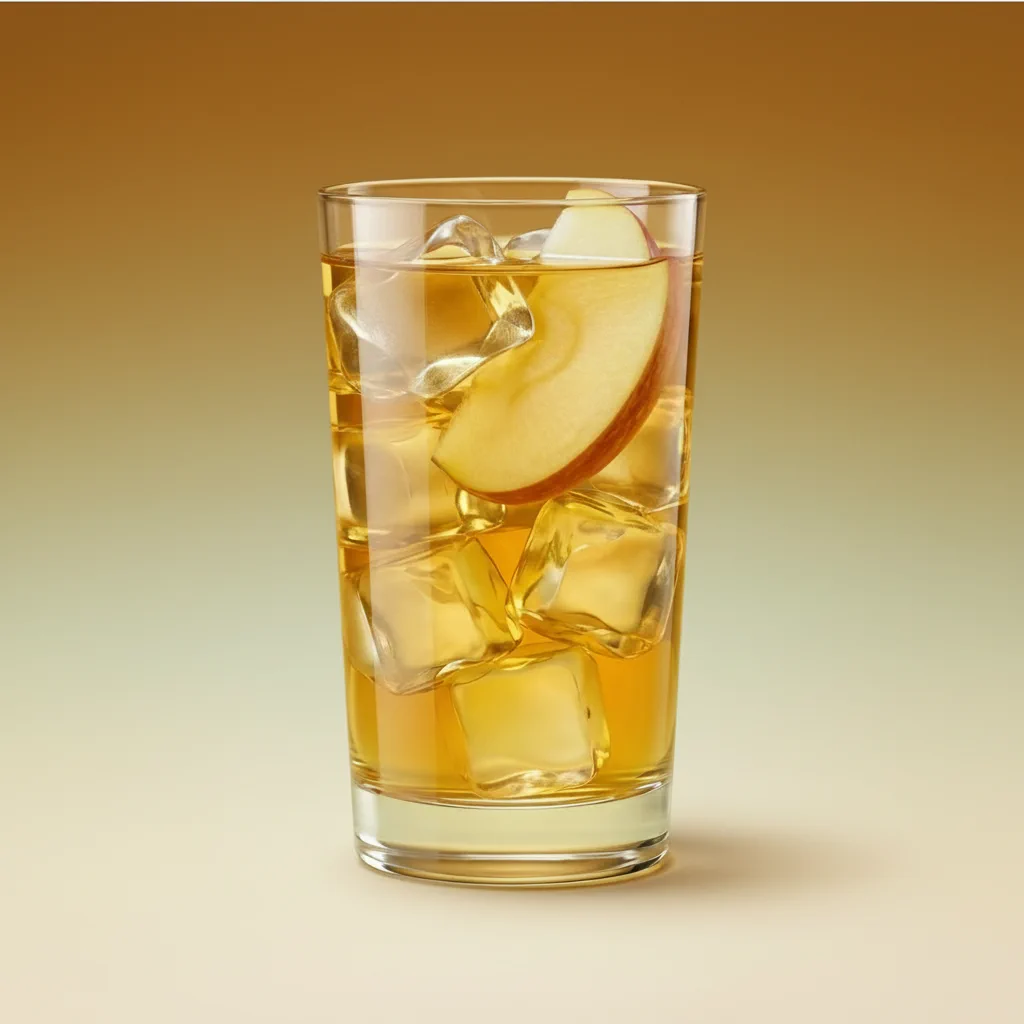
Angel Face
Shake ∙ 3 min ∙ 31.4% ABV ∙
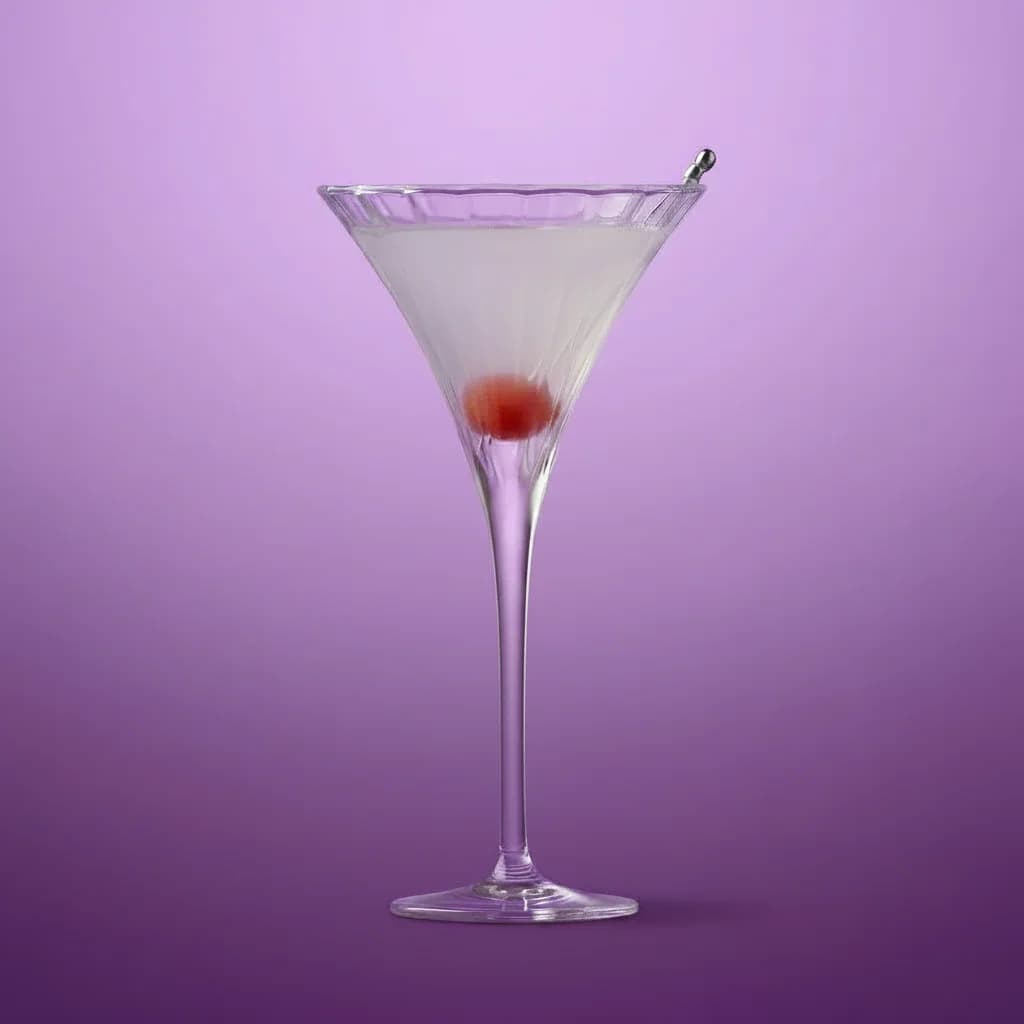
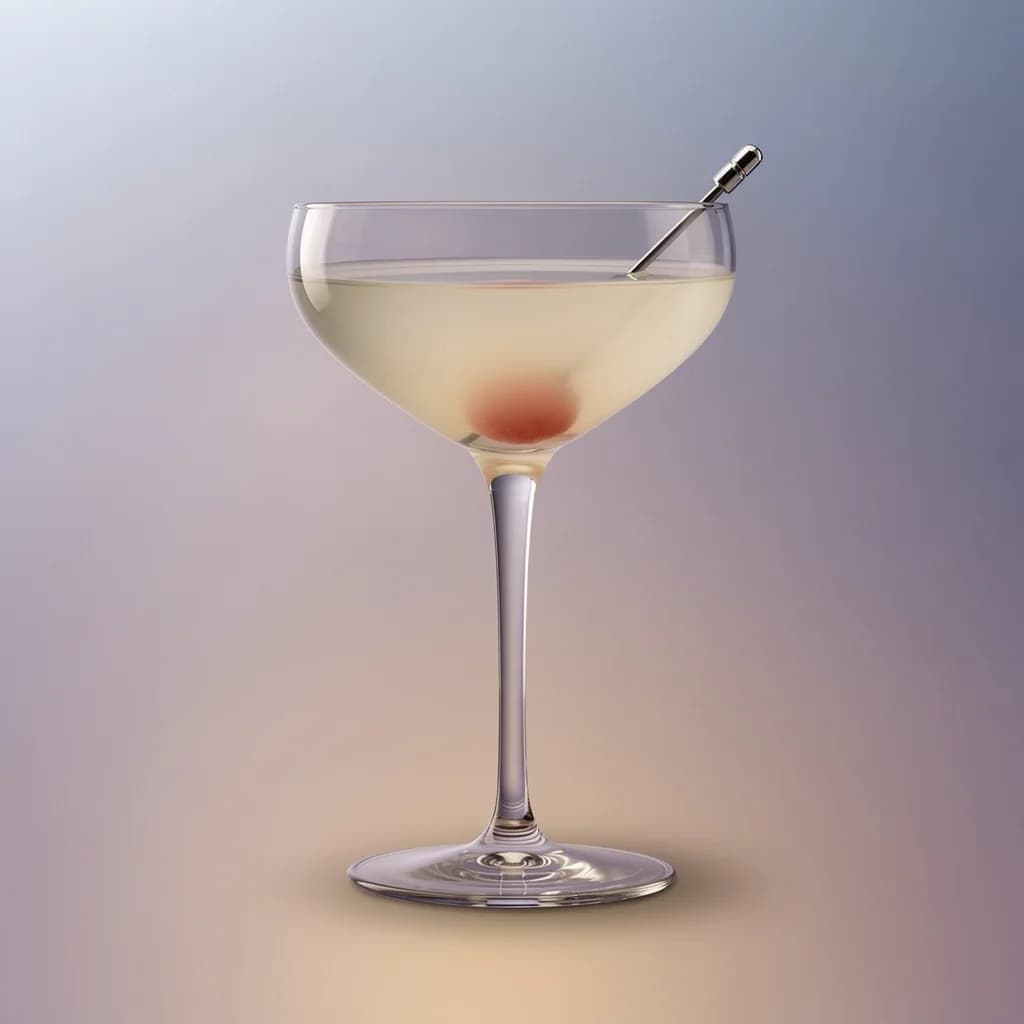
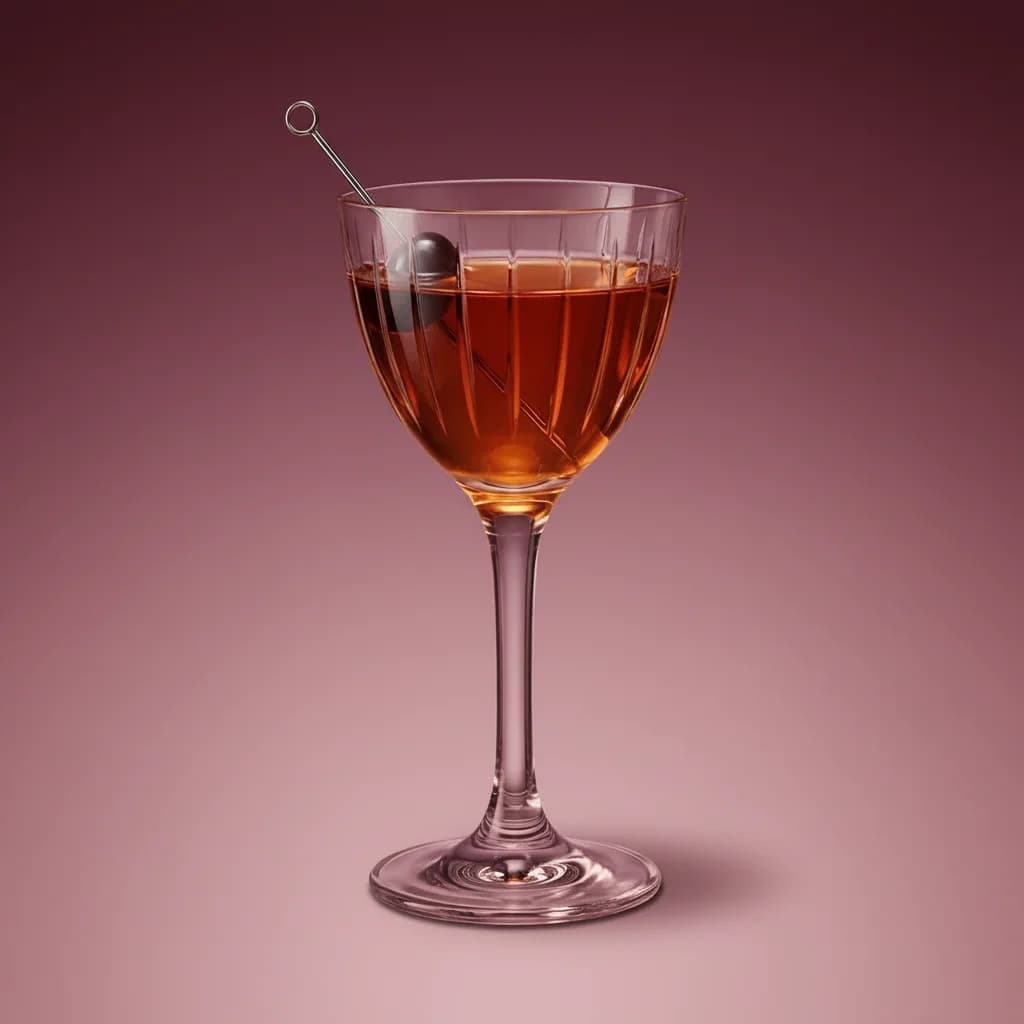
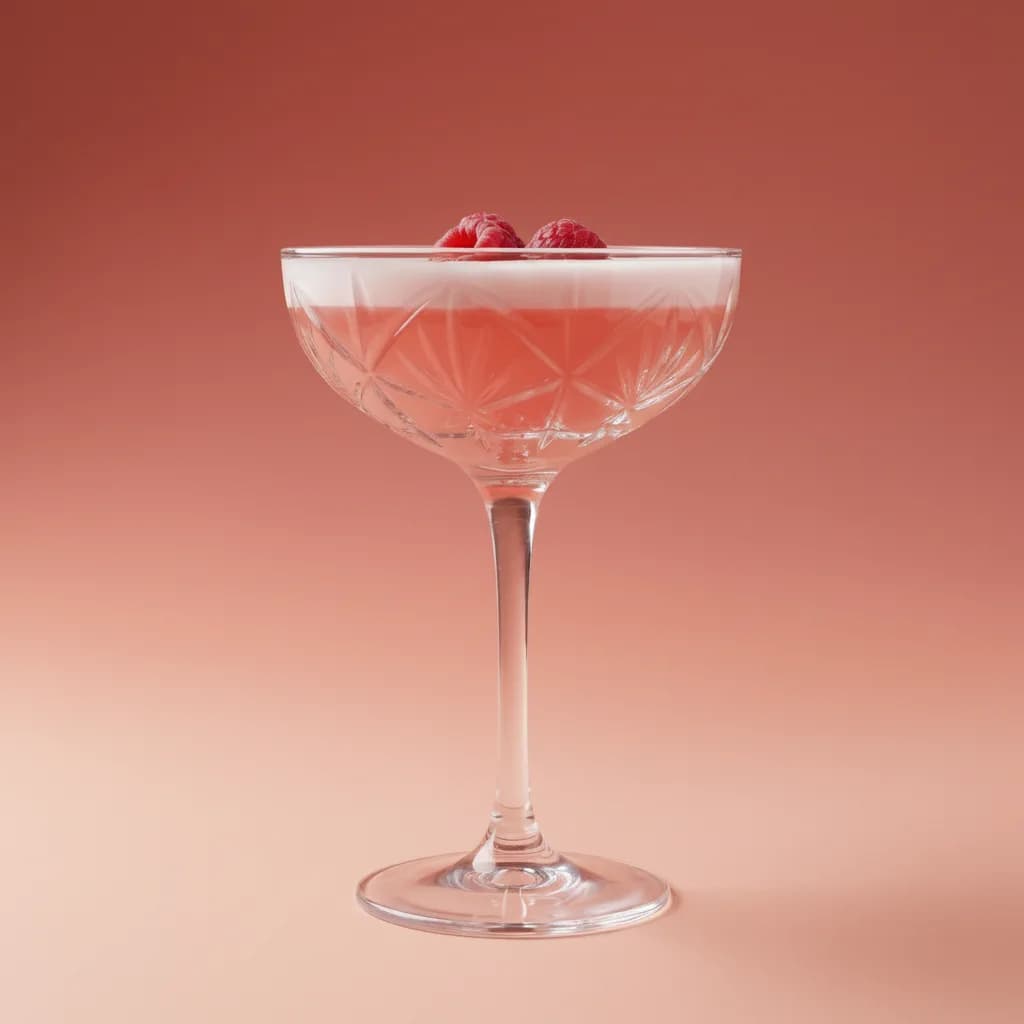
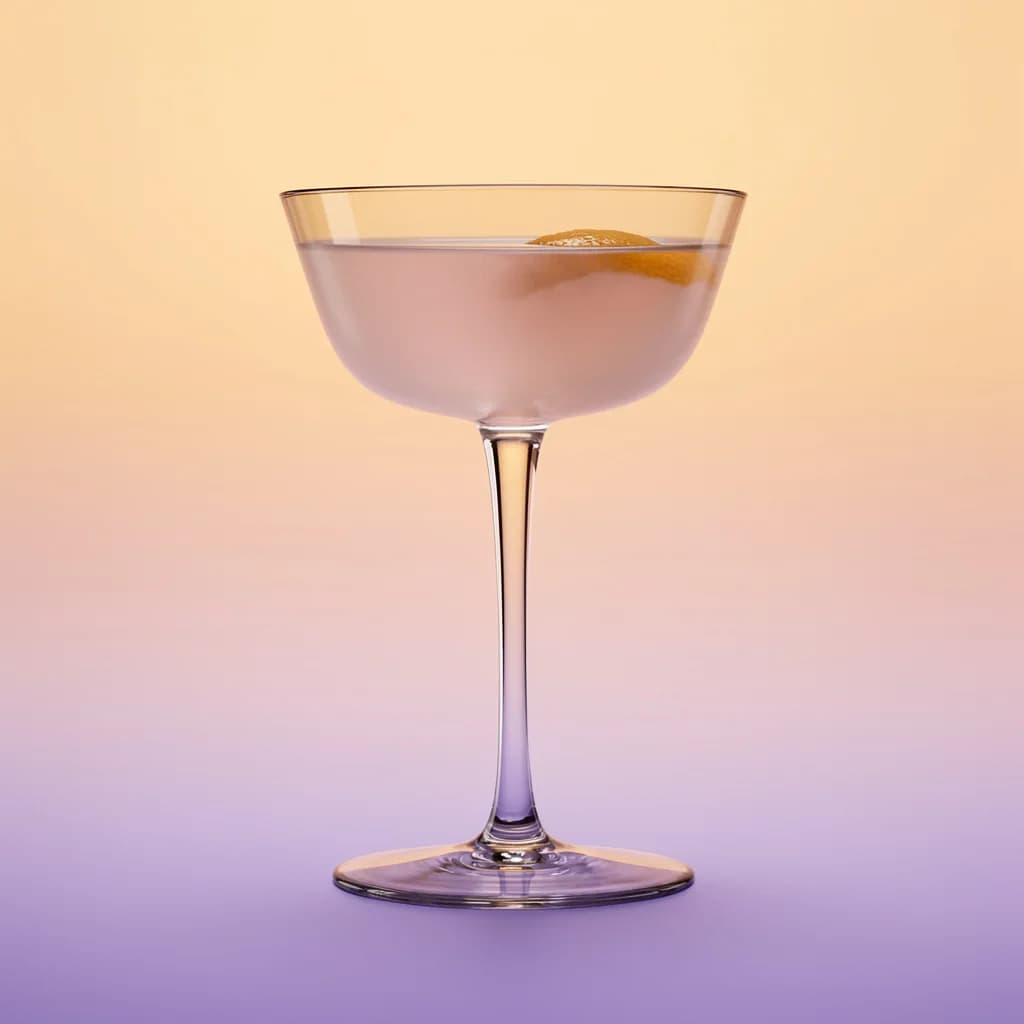
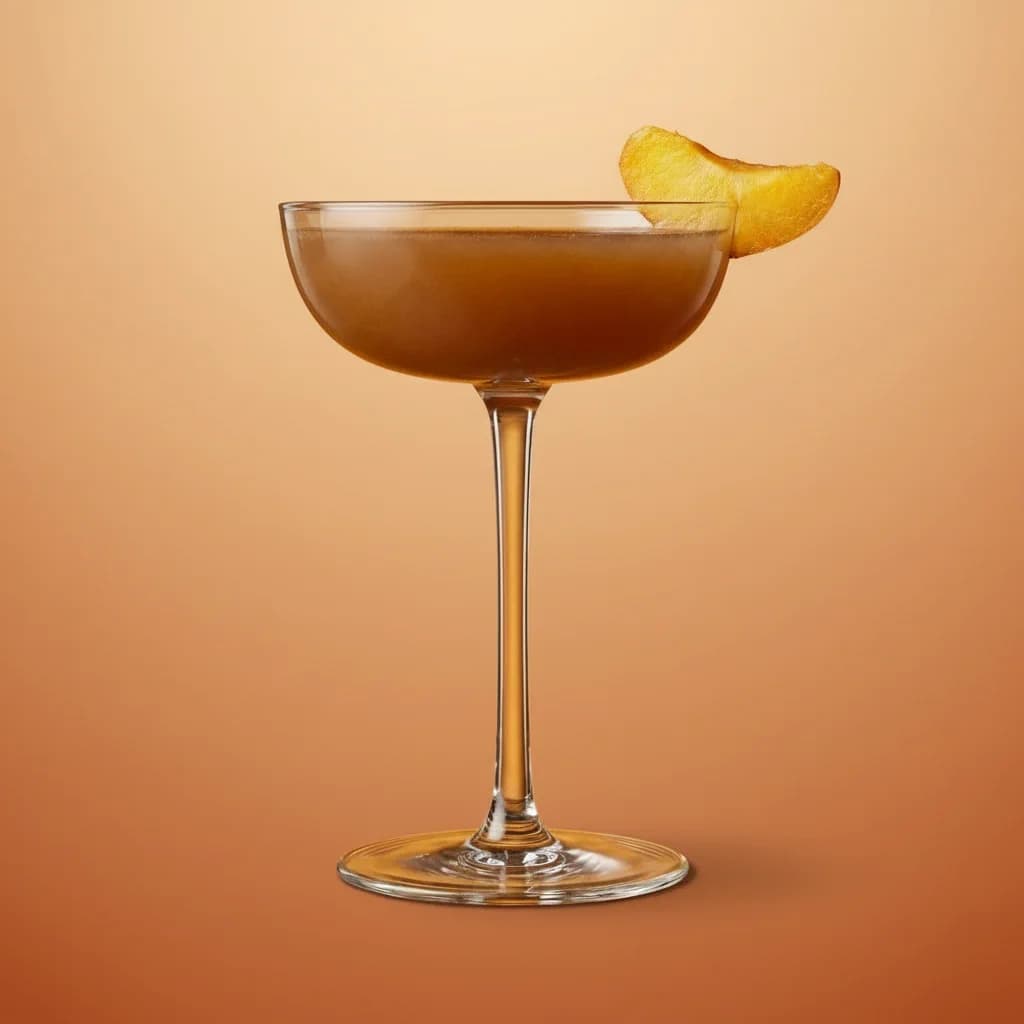
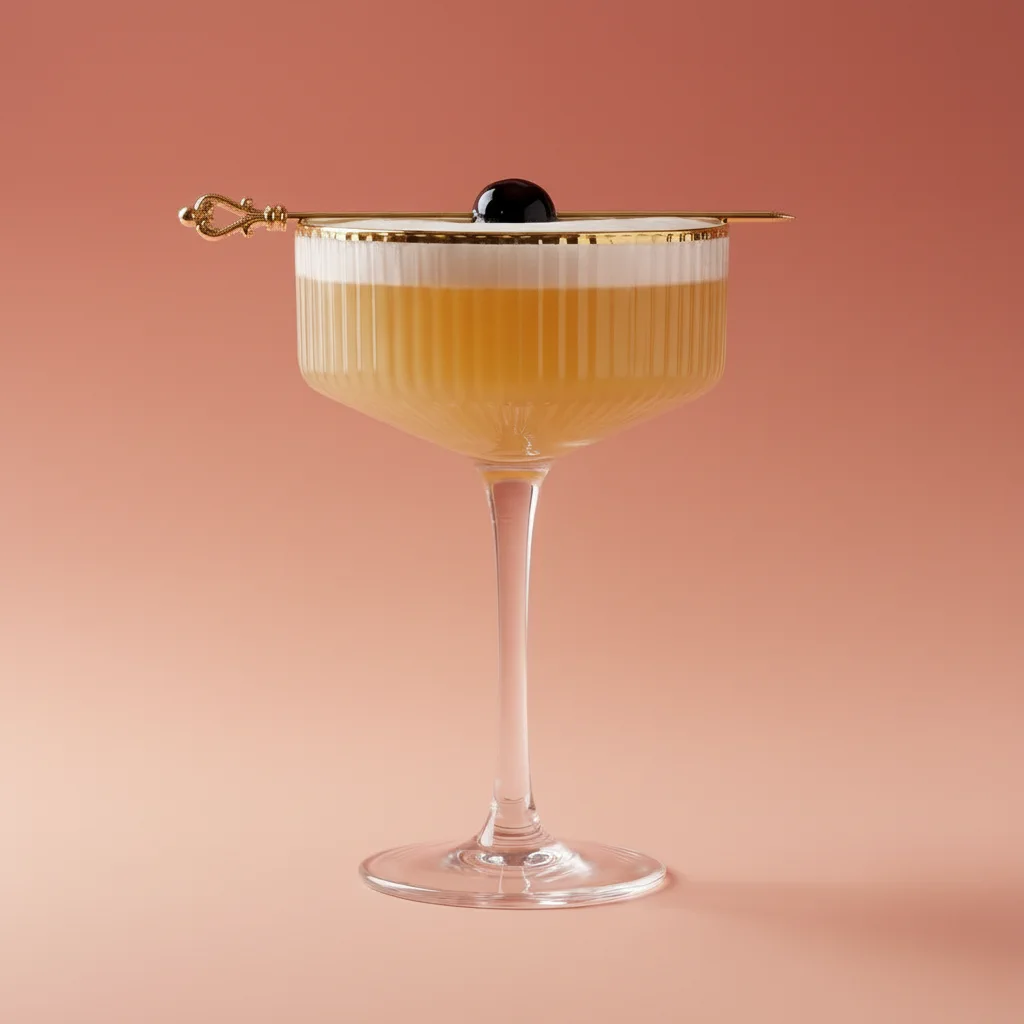
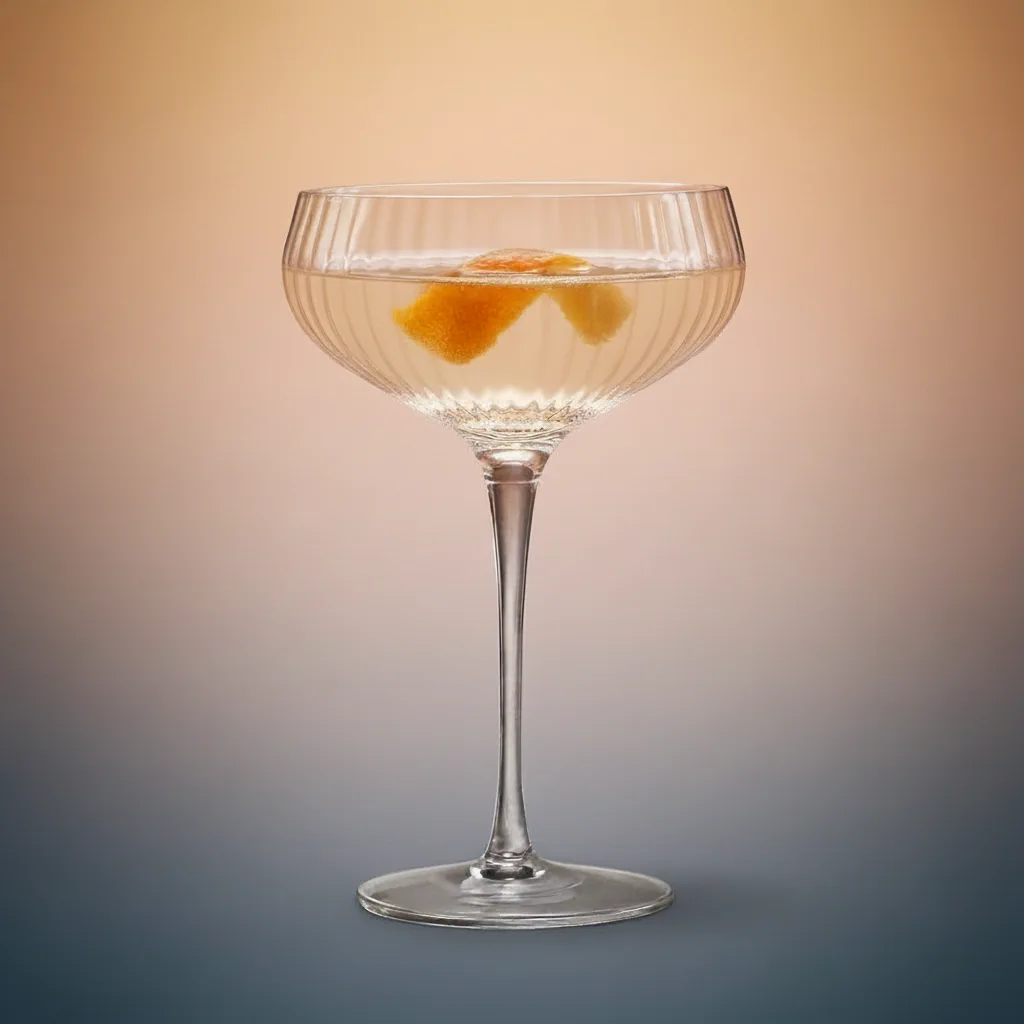
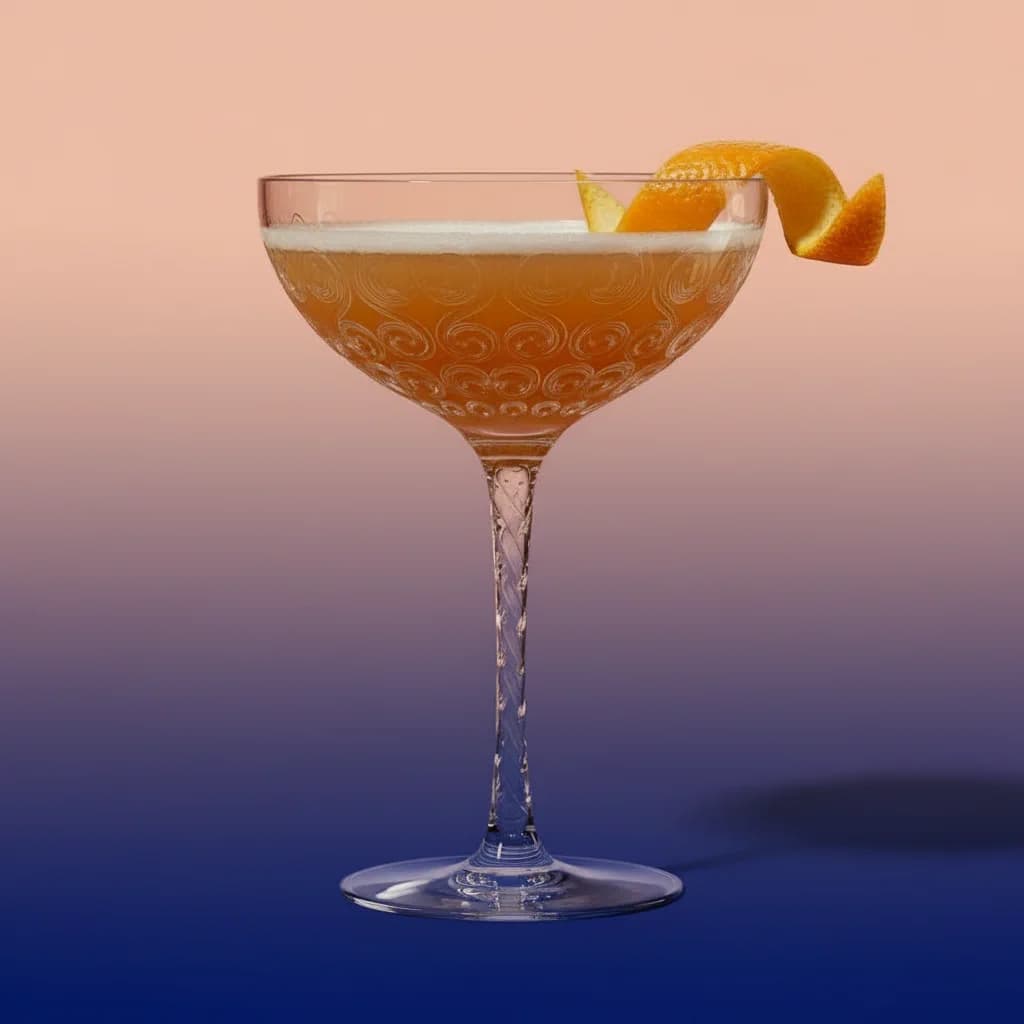
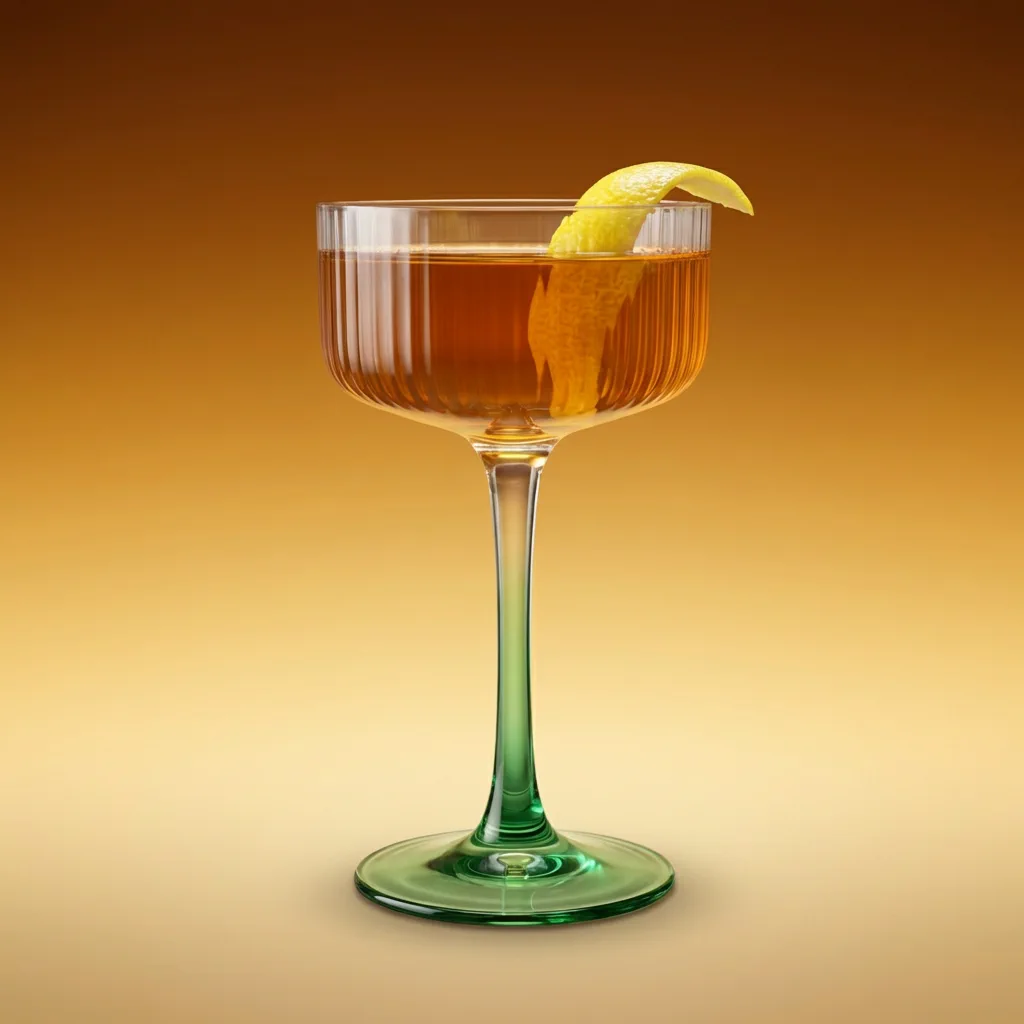
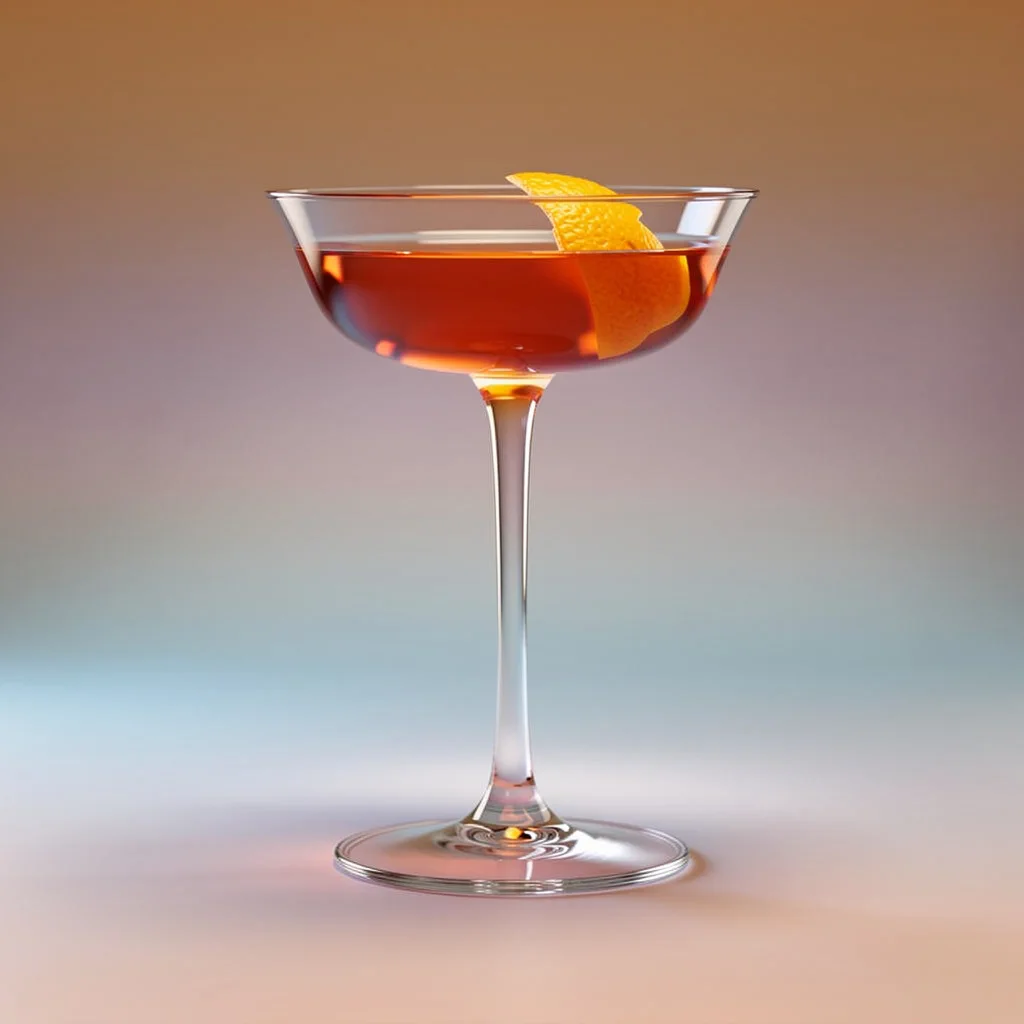
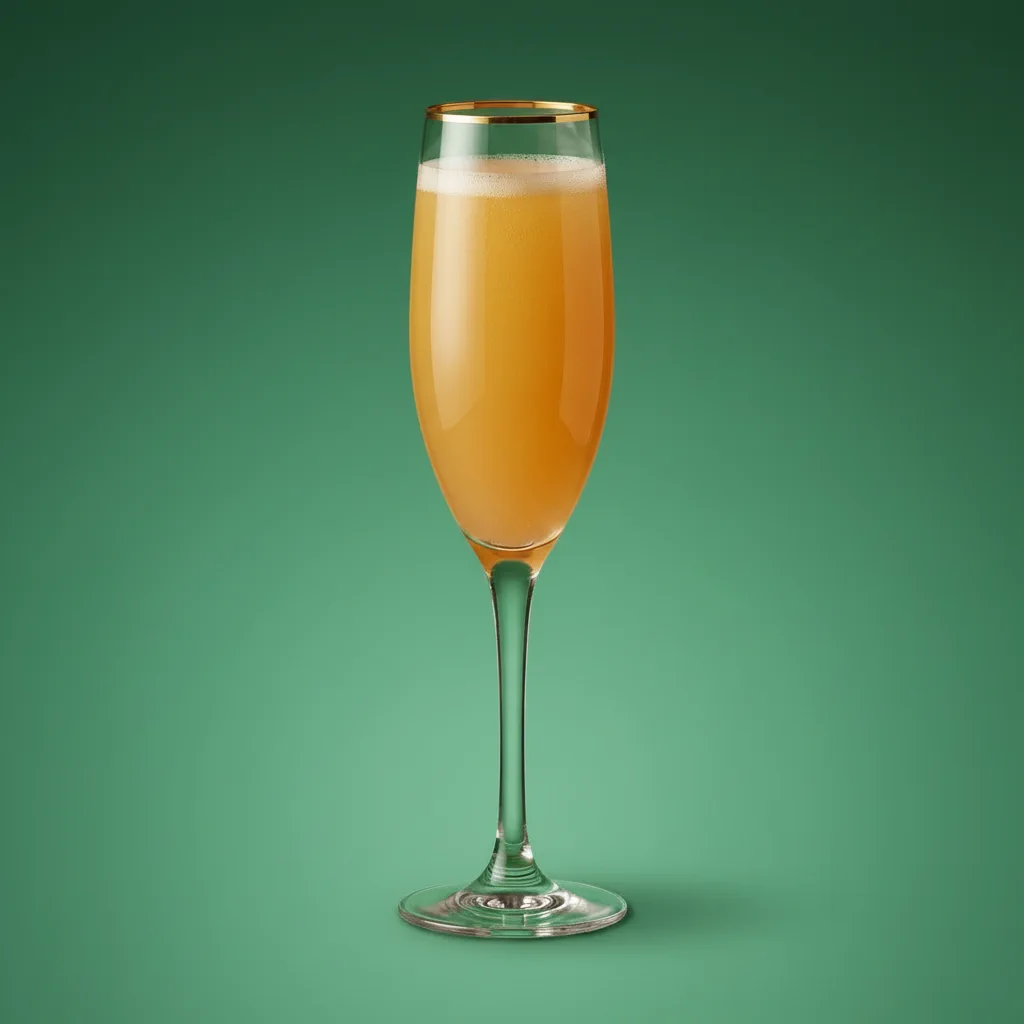
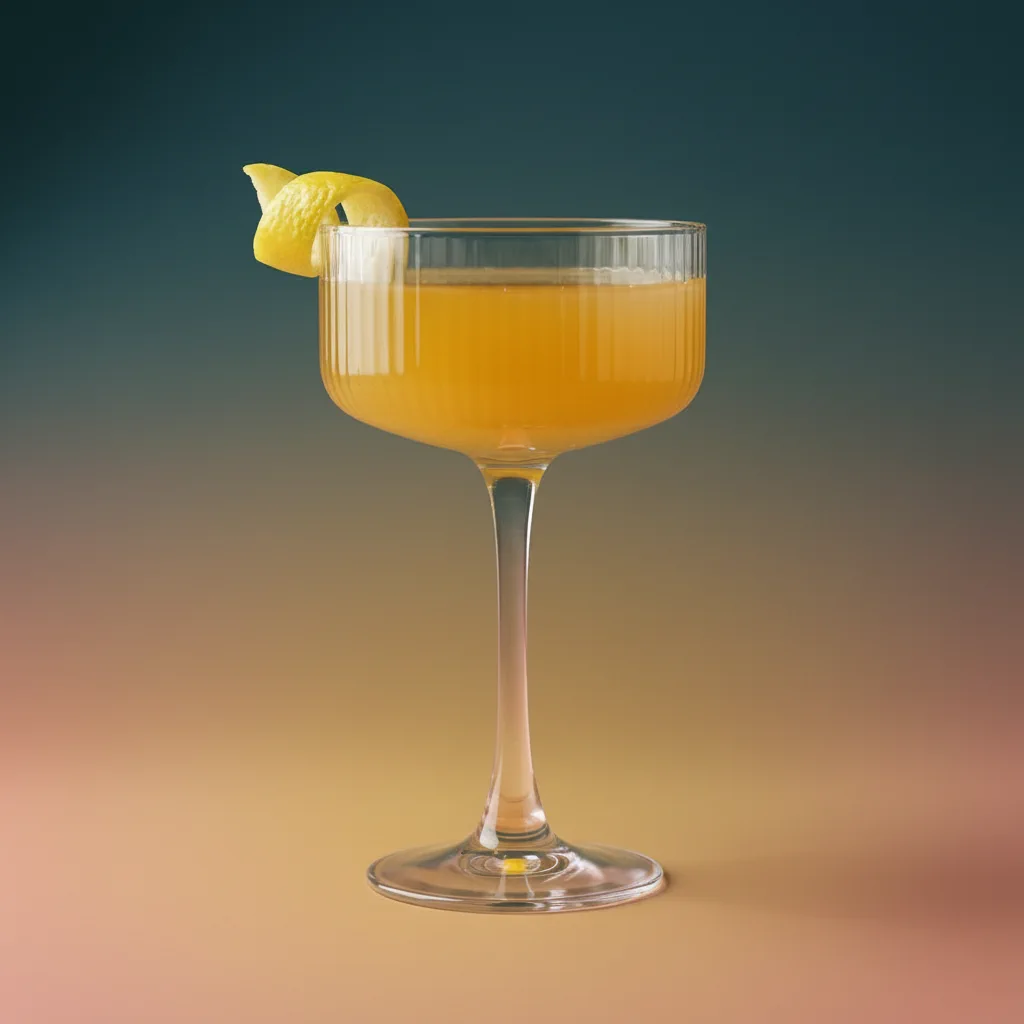
The Angel Face is an IBA equal-parts cocktail of London dry gin, apricot brandy liqueur, and Calvados, shaken and served up. Orchard fruit leads the profile — bright stone-fruit sweetness and rich apple depth — while a sharp botanical backbone keeps the mix dry and crisp through a smooth, chilled finish.
Ingredients
1
Servings
Instructions for 1 serving
- Pre-chill a glass
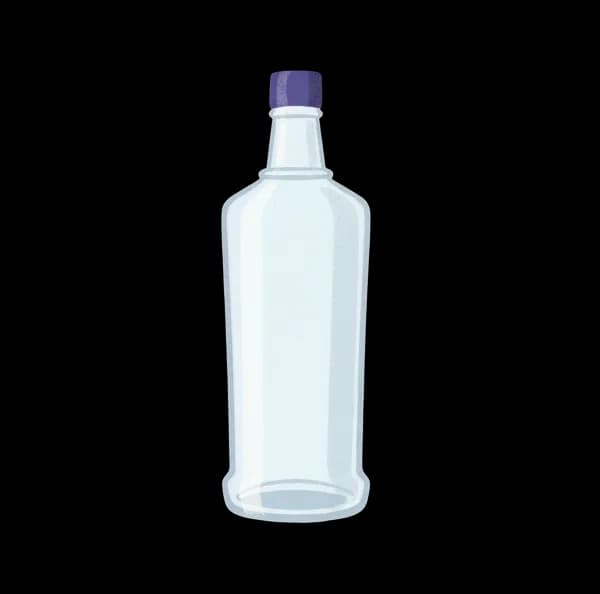
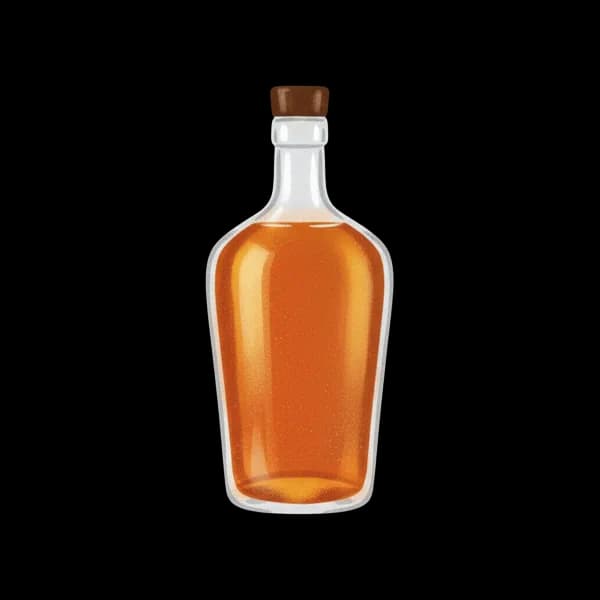
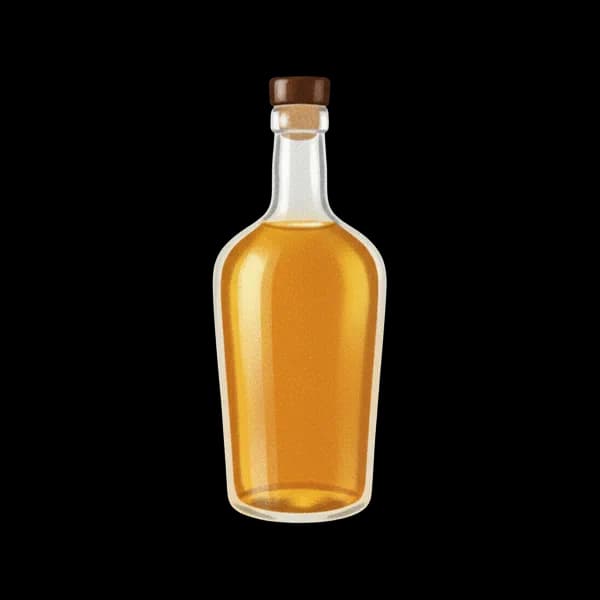
- Shake all ingredients with ice: London dry gin 30 mlApricot brandy liqueur 30 mlCalvados 30 ml
- Strain into the chilled cocktail glass
Tips
- Shake hard with fresh cracked ice for a full 15 seconds since this spirit-forward build has little acidity to mask under-dilution.
- Use a dry, brandy-style Calvados rather than a young, harsh one, as its apple character carries better in the mix.
History
The Angel Face is a classic gin, apricot brandy, and Calvados cocktail first documented in Harry Craddock's Savoy Cocktail Book, published in 1930 while Craddock was head bartender at London's Savoy Hotel. Its exact origin before that print appearance is not established, and sources disagree on both its birthplace and namesake. Some accounts propose a French origin in the 1920s, tying the drink's Calvados to Harry MacElhone of Harry's New York Bar in Paris and dating its creation to July 19, 1919, in celebration of the World War I victory, though this remains an unverified theory rather than a documented fact. On the name, the most repeated explanation credits Abe "Angel Face" Kaminsky, a Prohibition-era Detroit mobster known for robbing speakeasies, while a link to Humphrey Bogart's Rick Blaine in the film Casablanca is considered implausible since the 1942 film postdates the cocktail's 1930 publication.
Craddock's original recipe called for shaking the three spirits together and straining them without garnish, a method later bartenders have often replaced with stirring. The cocktail was added to the International Bartenders Association's list of Unforgettables in 2011.
FAQ
What is in an Angel Face cocktail?
Equal parts London dry gin, apricot brandy liqueur, and Calvados, shaken and fine-strained into a chilled glass. There is no citrus or sugar in the build; the balance comes entirely from the three spirits themselves.
What is an IBA cocktail?
An IBA cocktail is one of the roughly 100 drinks named to the International Bartenders Association's official list of recognized recipes, used as a global reference standard for bars and competitions. The Angel Face is one of these official IBA cocktails.
Is the Angel Face shaken or stirred?
Shaken. All three ingredients are spirits and liqueurs of similar weight, so a hard shake is needed to aerate and chill the drink properly before it is fine-strained into the glass.
What glass is an Angel Face served in?
A cocktail glass, served up with nothing else added, so the shaken drink arrives fully chilled with no ice to dilute it further.