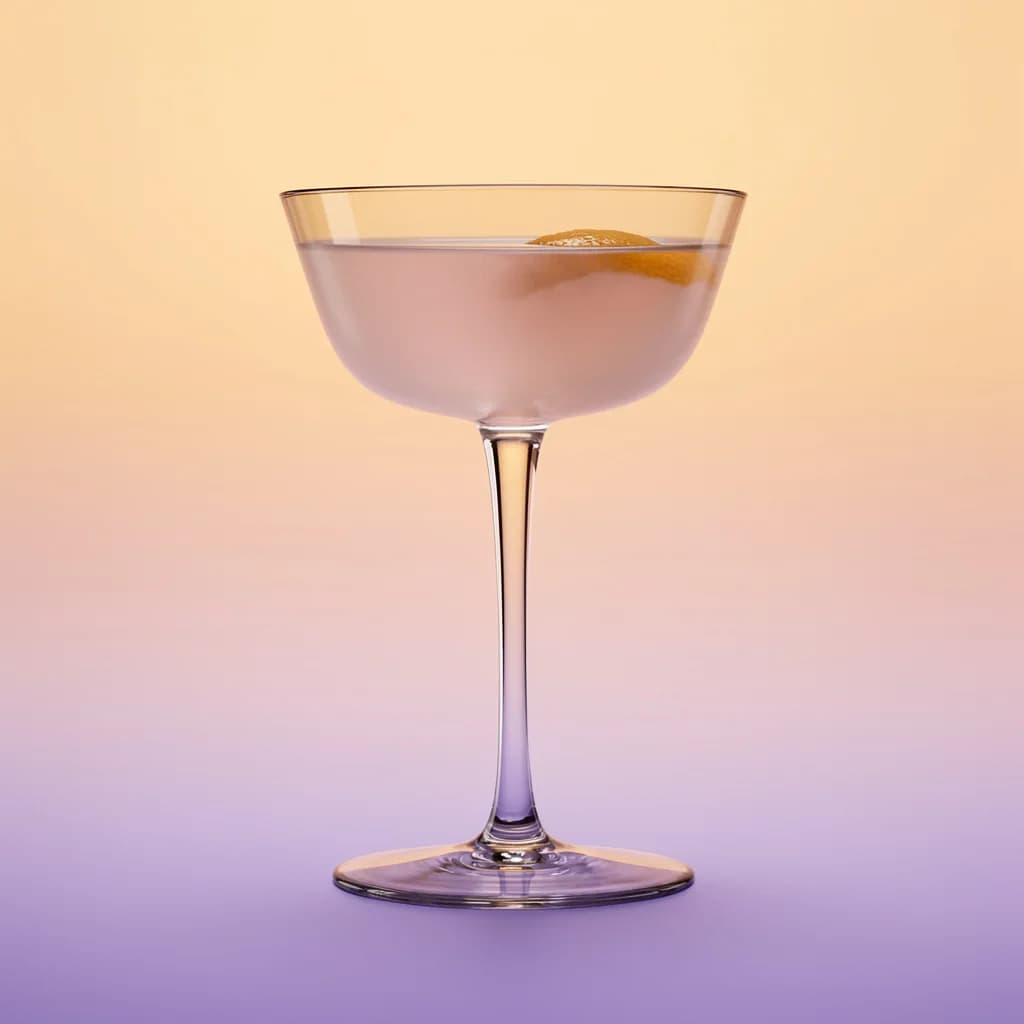
Gin Basil Sour
A herbal and sour gin cocktail ∙ Muddle; Dry shake ∙ 6 min ∙ 19.3% ABV ∙
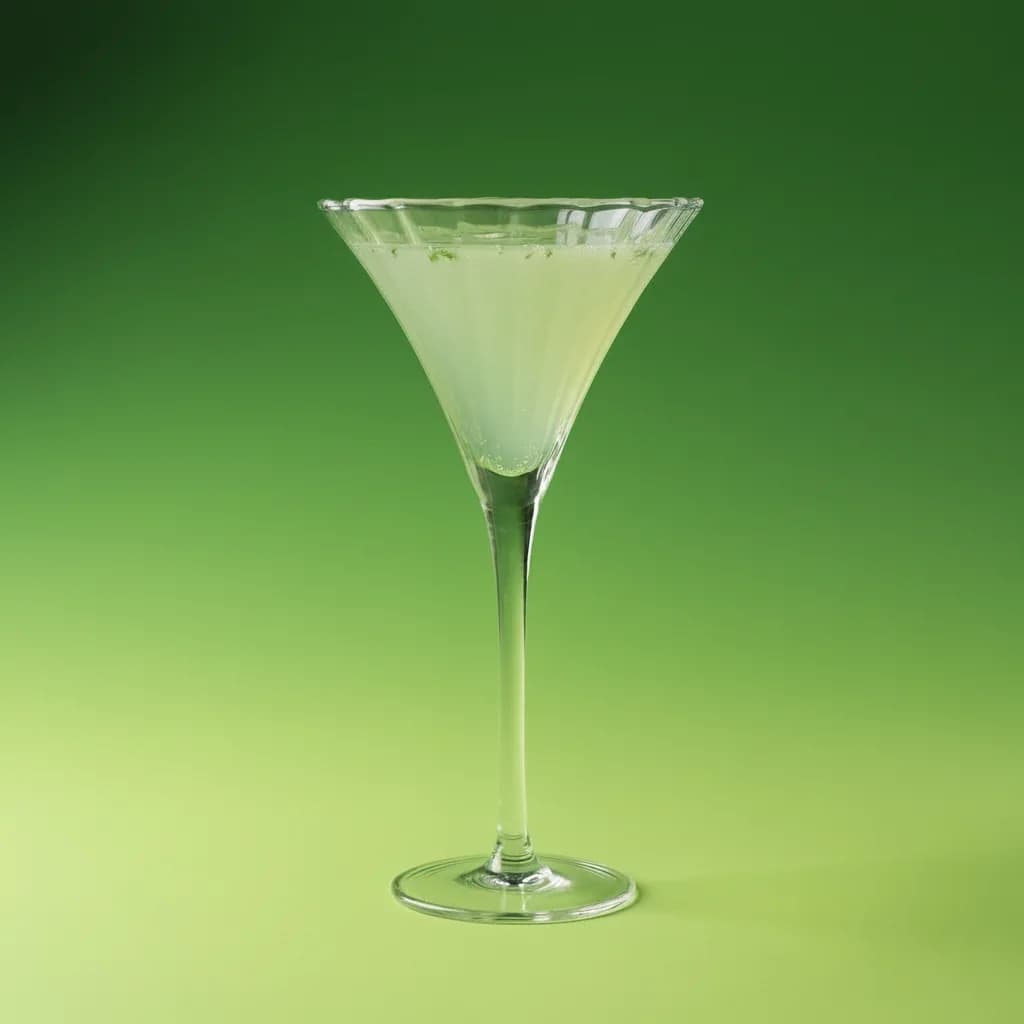
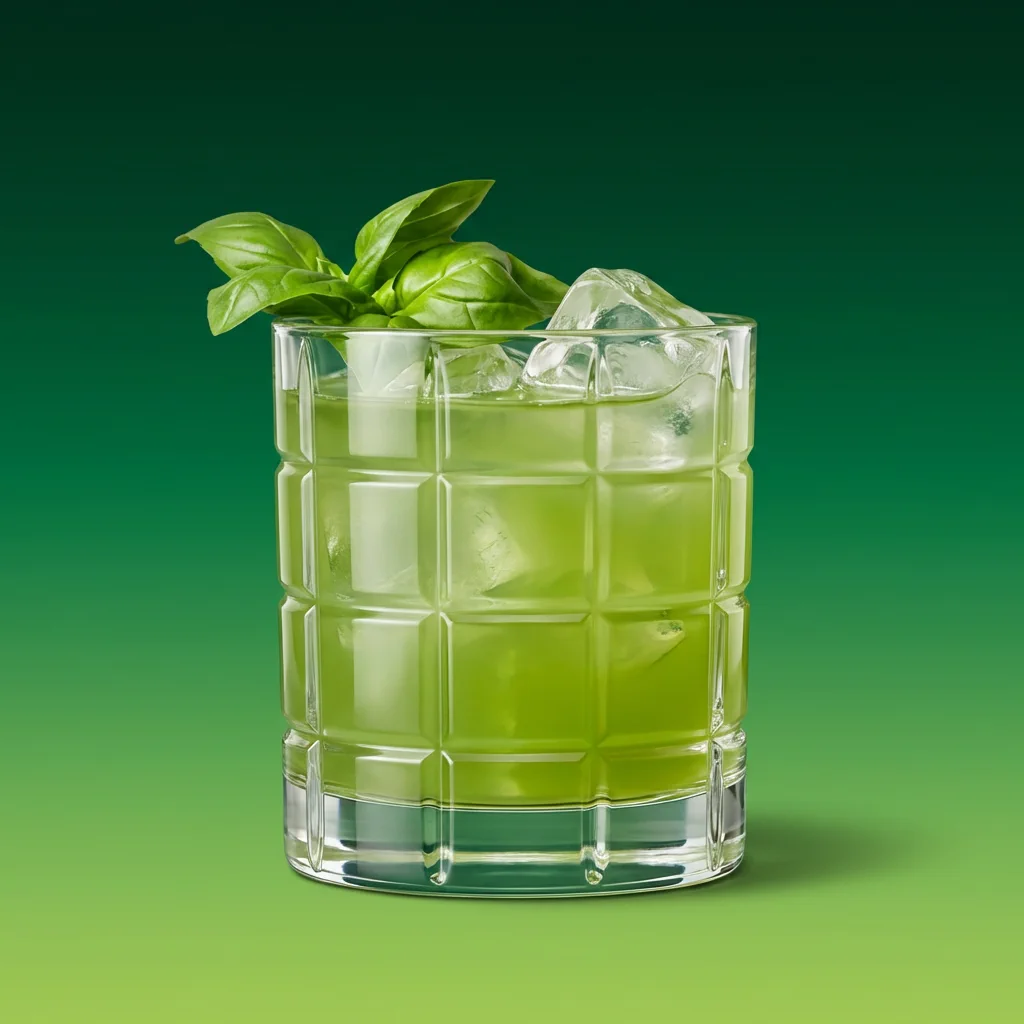
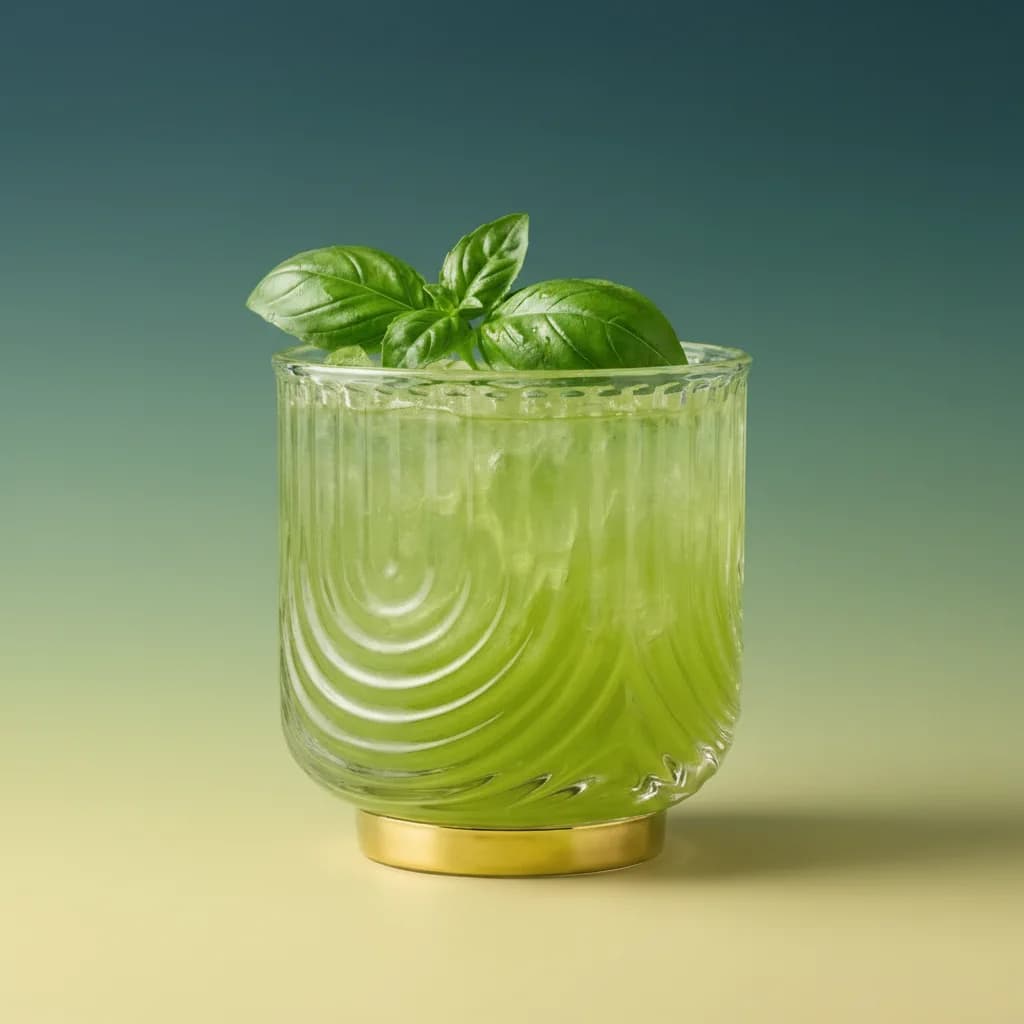
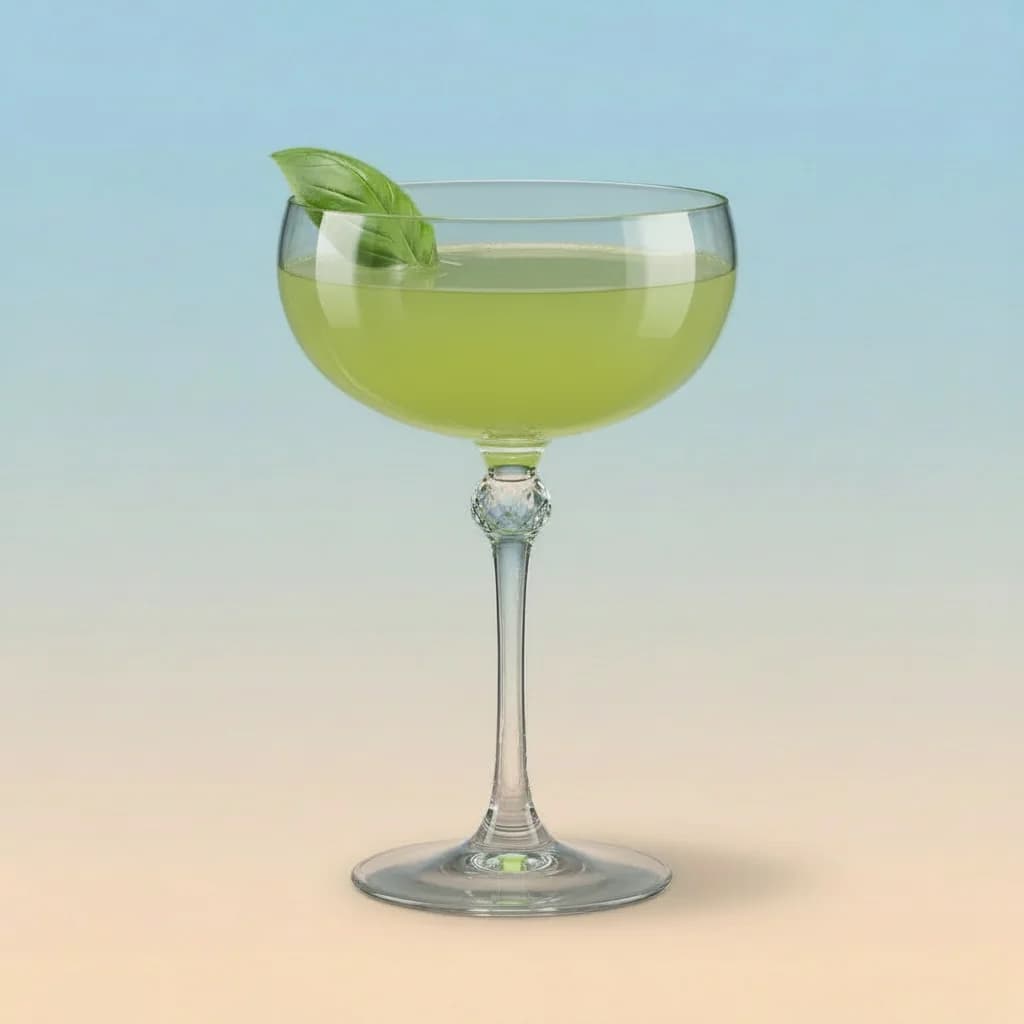
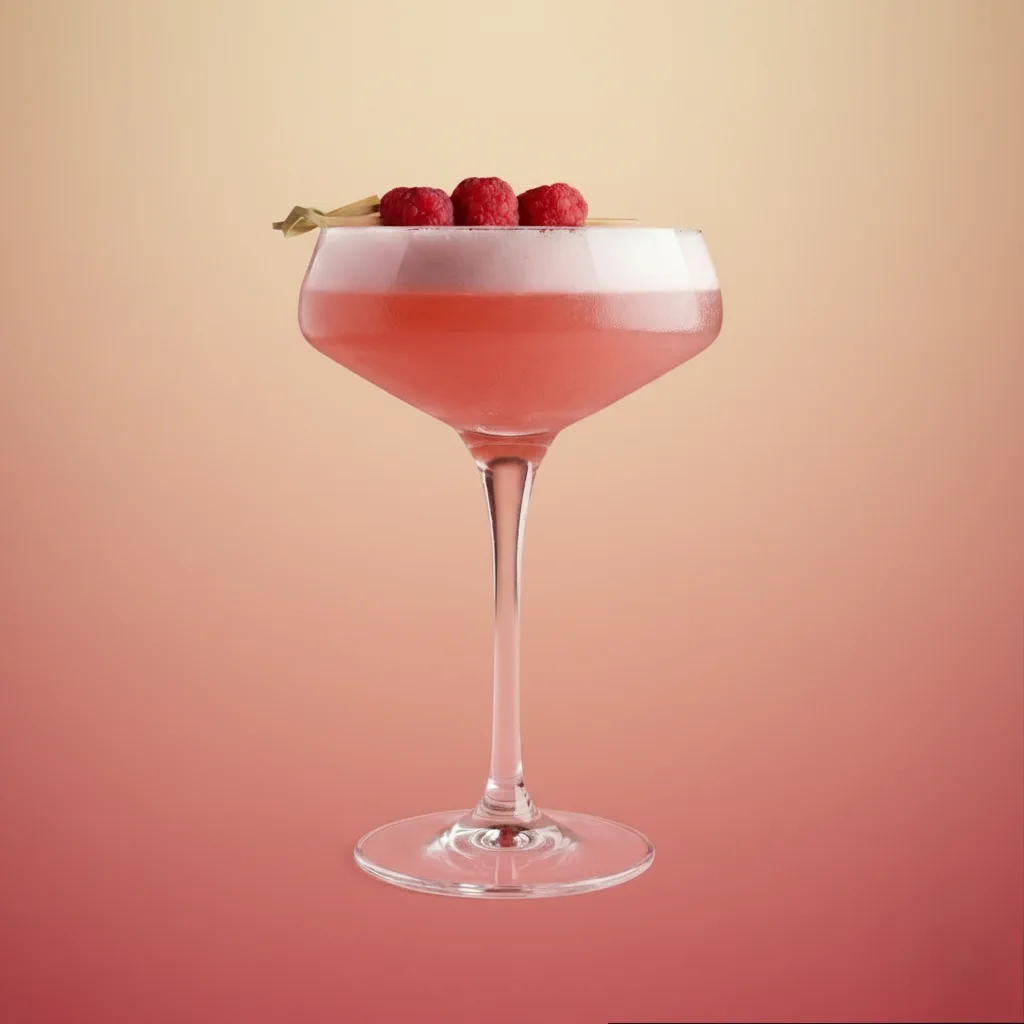
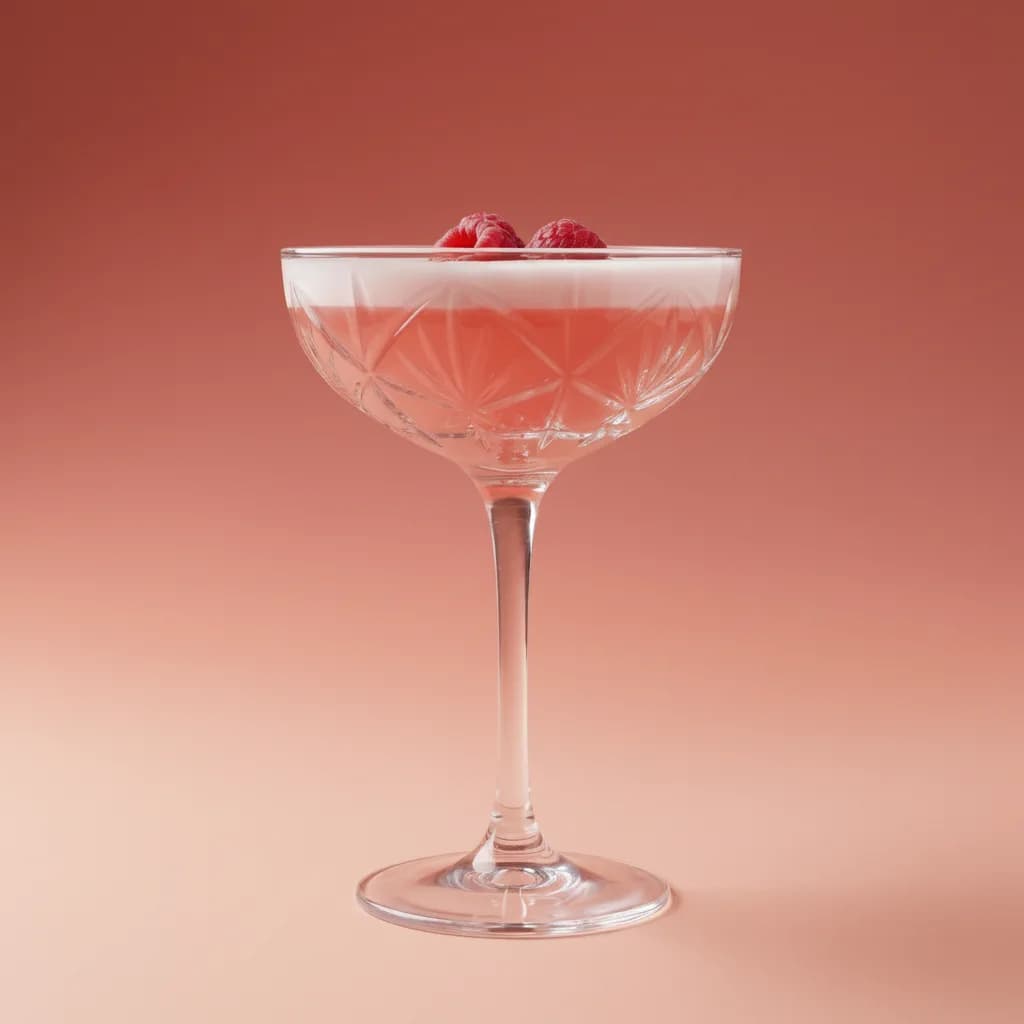
The Gin Basil Sour is a shaken gin sour built with muddled fresh basil, lemon juice, and egg white, served up in a coupe. The double shake builds a dense, silky foam that cushions a tart, herbaceous core, finishing clean and lingering rather than sharp.
Ingredients
1
Servings
Garnish
Instructions for 1 serving
- Pre-chill a glass
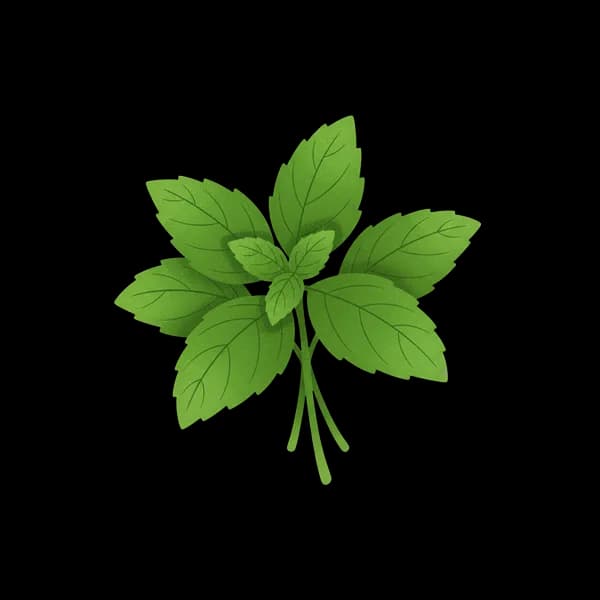
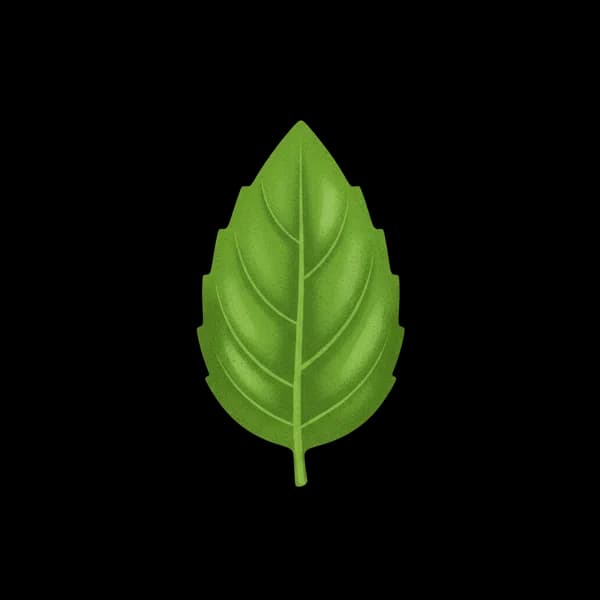
- In the base of the shaker, muddle: Fresh basil leaves 12 pcs
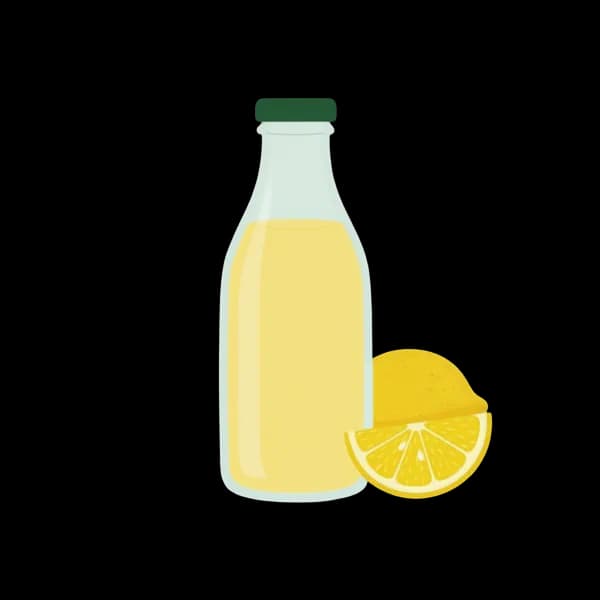
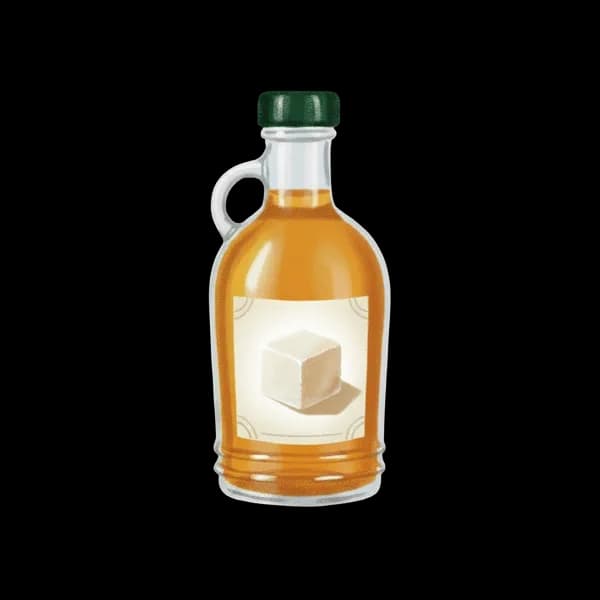
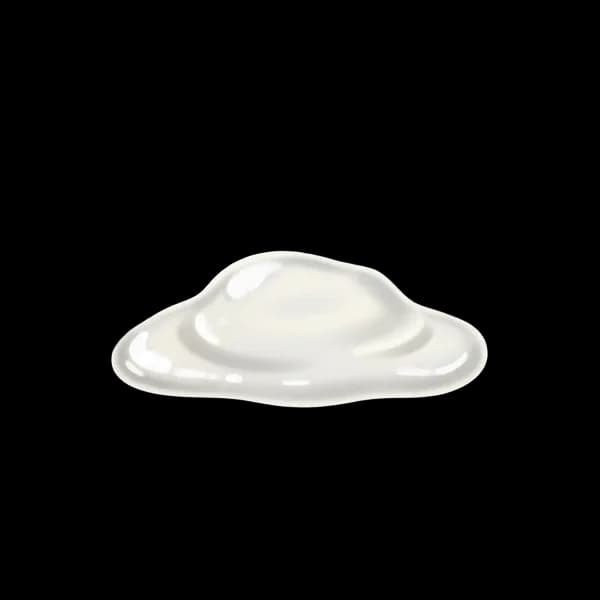
- Add the remaining ingredients: London dry gin 60 mlLemon juice 25 mlSugar syrup 10 mlEgg white 15 ml
- Shake with ice
- Strain back into the shaker
- Dry shake (without ice) to emulsify
- Fine strain into the chilled glass
- Garnish with a basil leaf boat floated on the surface
Tips
- Muddle the basil gently in the shaker base — bruise the leaves to release oil without shredding them into bitter, grassy shreds.
History
The Gin Basil Sour is a variation on the Basil Smash, built as an egg-white sour rather than a muddled short drink, which gives it a silkier, frothier texture while keeping the same gin-and-basil pairing at its core. No separate creator or bar is credited for this sour-style version; it reads as a bartender's reworking of the original into the sour format rather than a documented invention in its own right.
The Basil Smash itself was created in the summer of 2008 by bartender Jörg Meyer at Le Lion bar in Hamburg, Germany, who first called it "Gin Pesto" before the name changed. It took the 19th-century smash format of spirit, citrus, and muddled herb and paired gin with fresh basil, a combination that spread quickly through European and American bars after Meyer wrote about it online.
FAQ
What is a gin basil cocktail called?
It is commonly known as the Gin Basil Sour, distinguished from the classic Gin Basil Smash by its egg white, which gives it a softer, foamier texture.
How do you make a Gin Basil Sour?
Muddle fresh basil in the base of the shaker, then add gin, lemon juice, sugar syrup, and egg white and shake with ice. Strain the mixture back into the shaker, dry shake without ice to build the foam, then fine-strain into a chilled coupe and float a basil leaf on top.
What is the difference between a gin sour and a gimlet?
A gin sour is gin, lemon juice, and sugar syrup shaken with egg white for a frothy texture, while a Gimlet is just gin and lime cordial or fresh lime juice with sugar, stirred or shaken without egg white. The sour is fuller-bodied and foam-topped; the Gimlet is leaner and purely citrus-forward.
What is the difference between a gin fizz and a gin sour?
A Gin Fizz is a gin sour topped with soda water and served long over ice or without ice in a highball, while a gin sour like this one is shaken, strained, and served up in a coupe with no soda. The fizz is effervescent and diluted; the sour stays concentrated and silky.
What gin is best for a Gin Sour?
A London dry gin, as used in this recipe, works best because its juniper and citrus backbone holds up against the lemon juice and fresh basil without getting lost. A softer, more floral gin can be overwhelmed by the muddled basil and egg white foam.