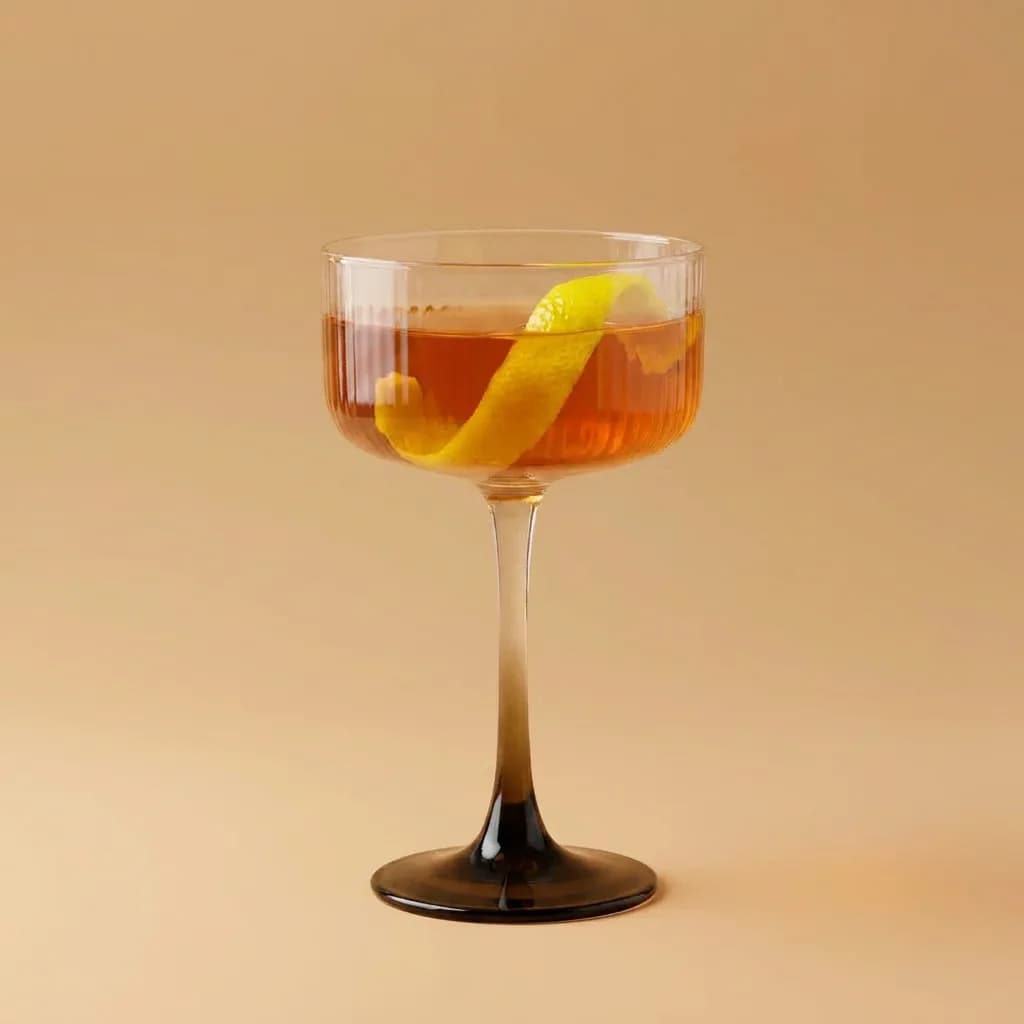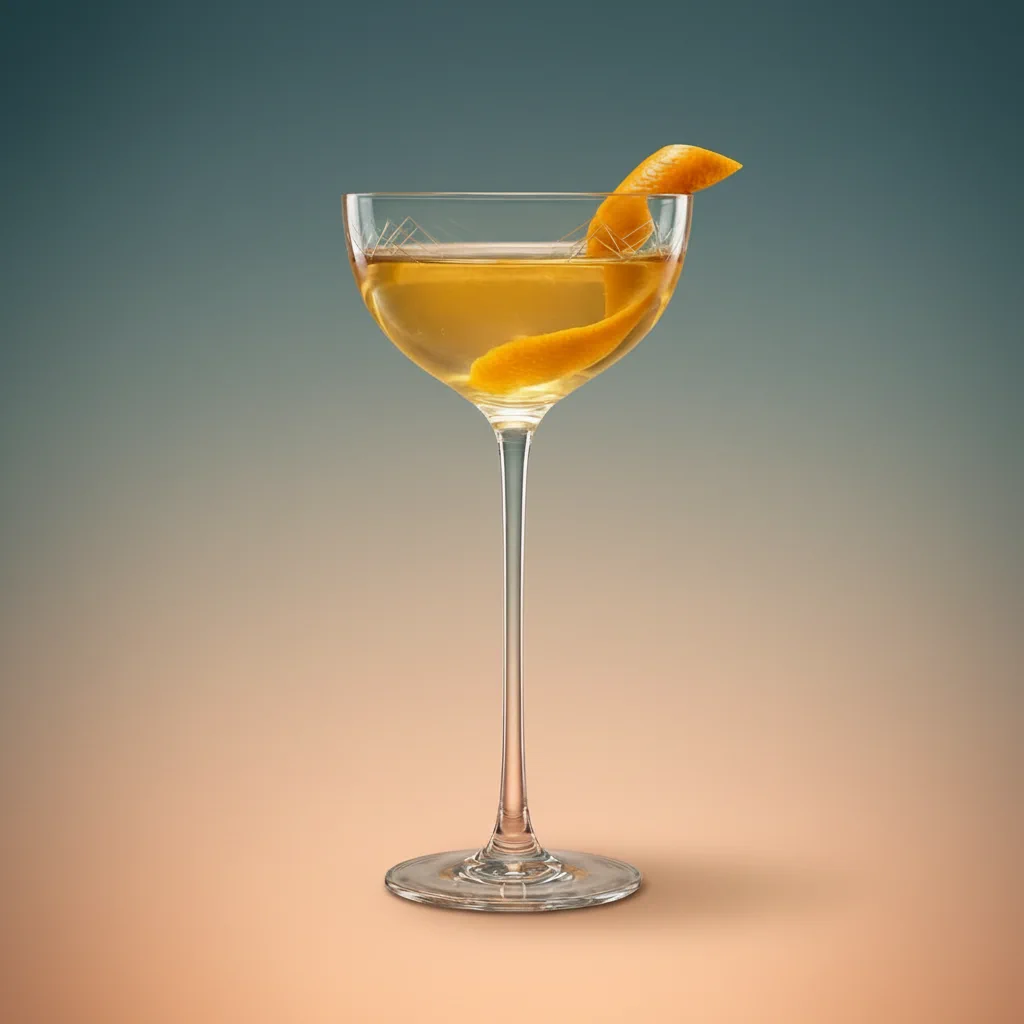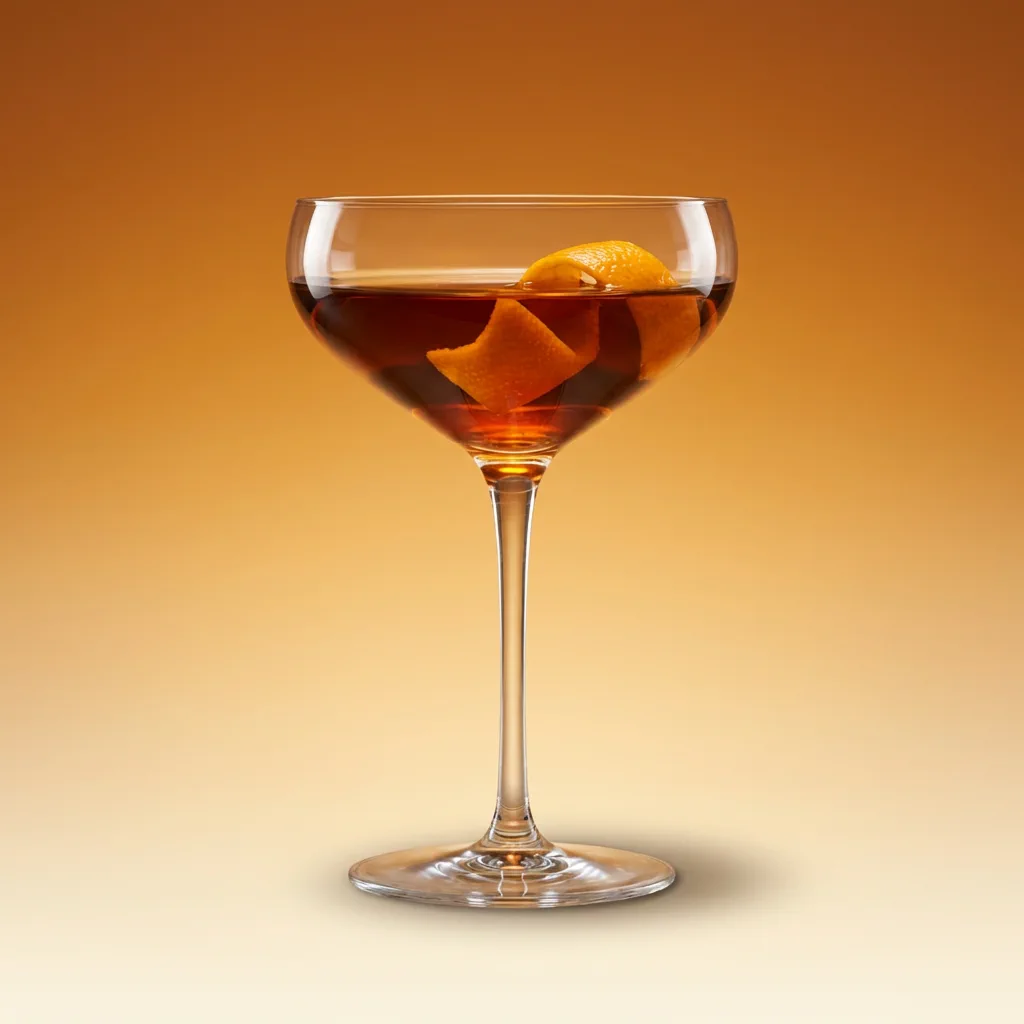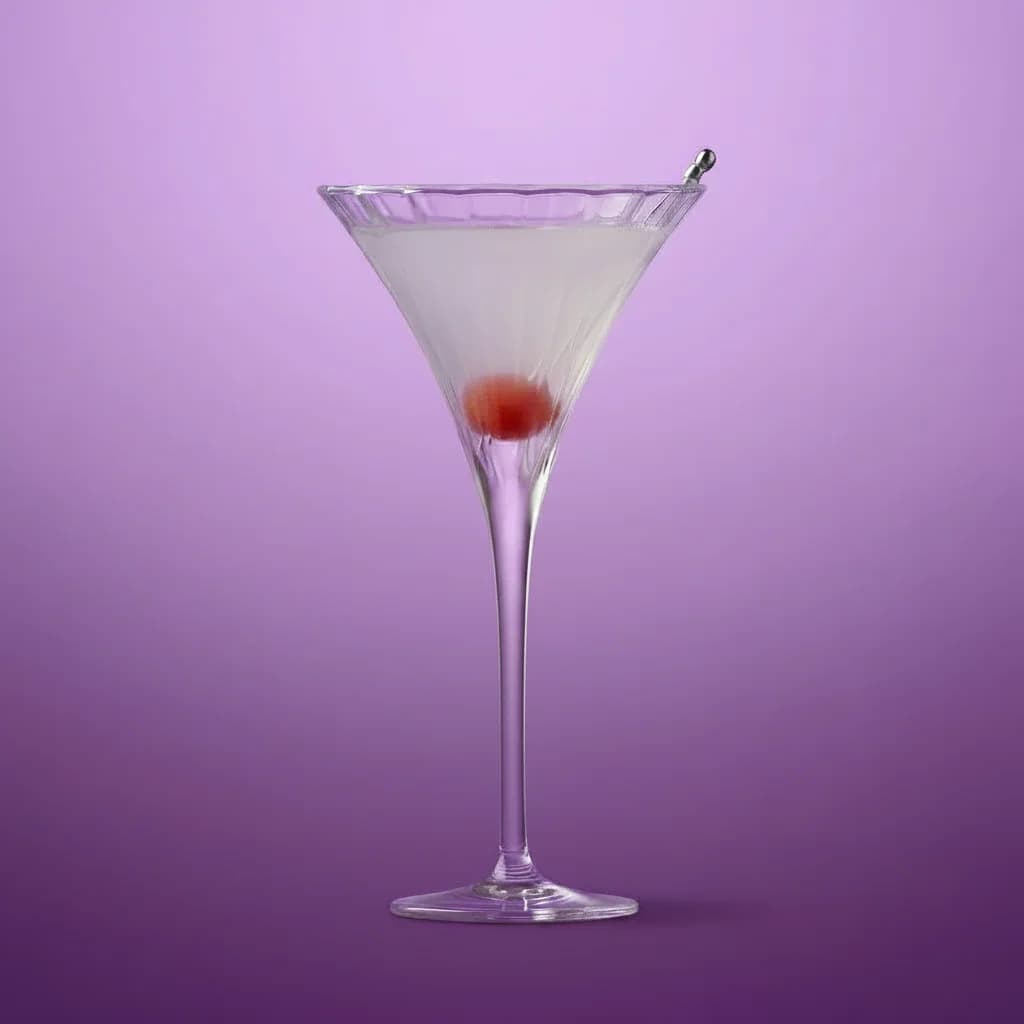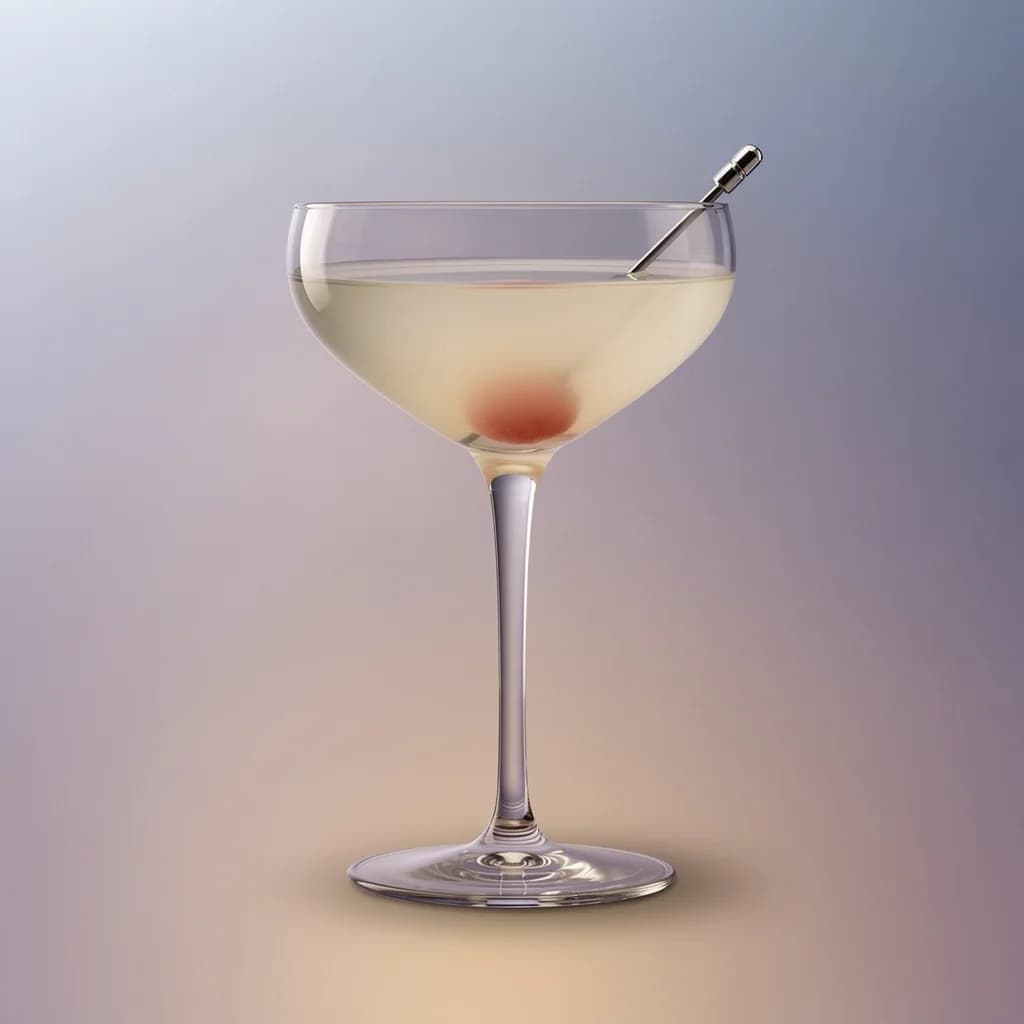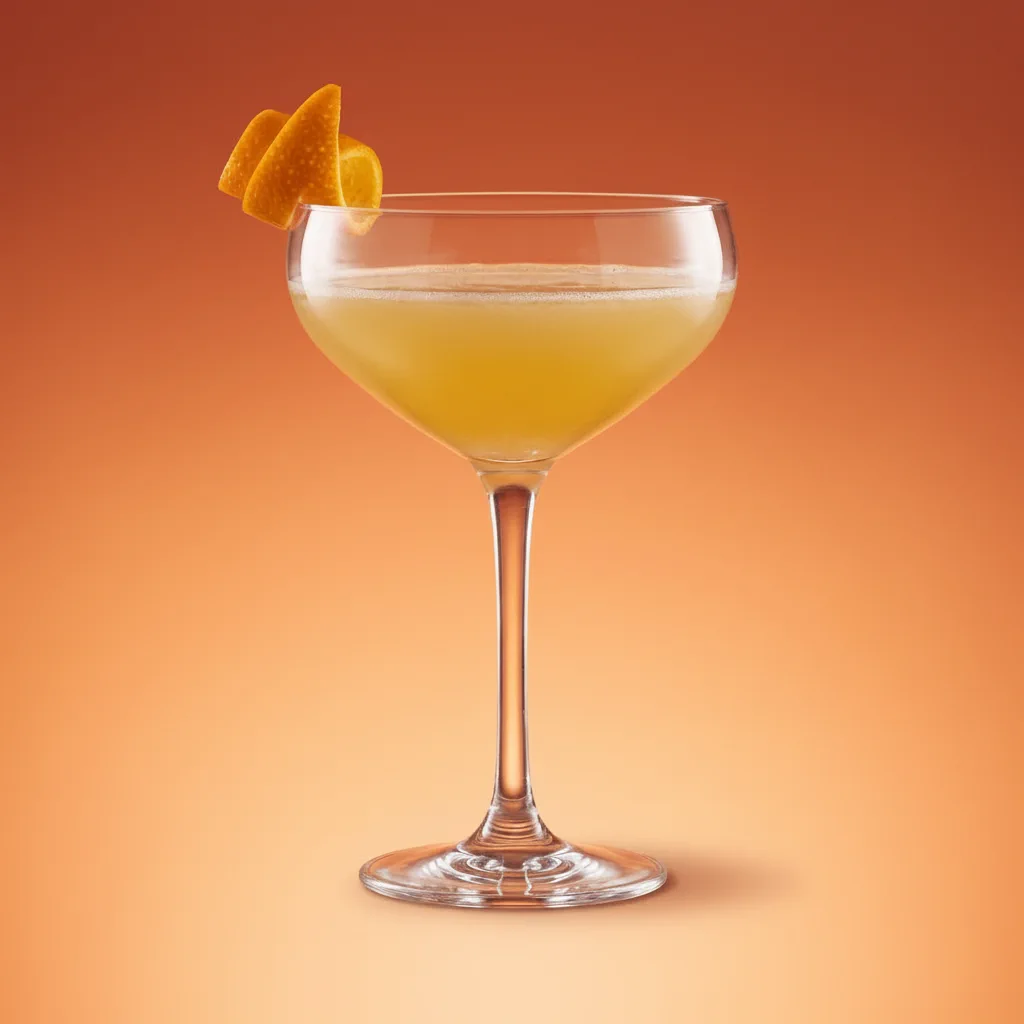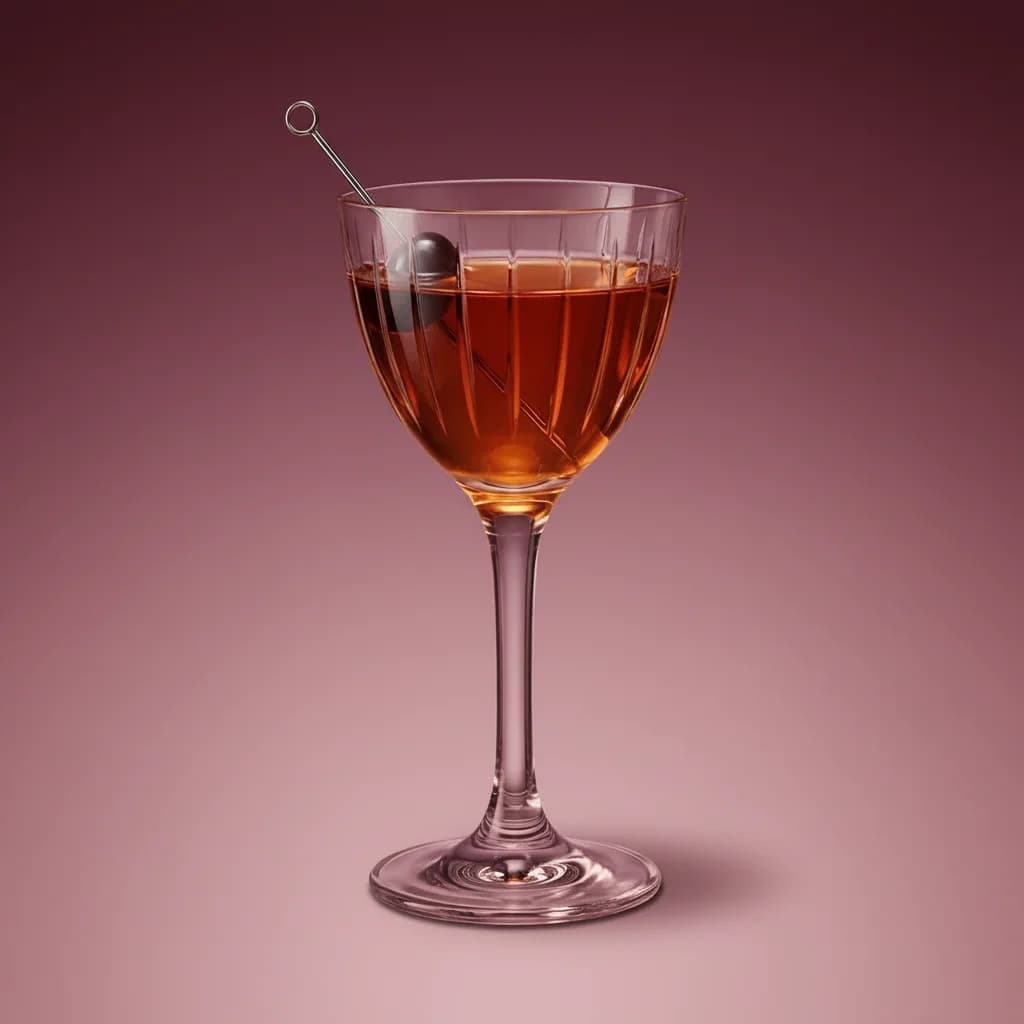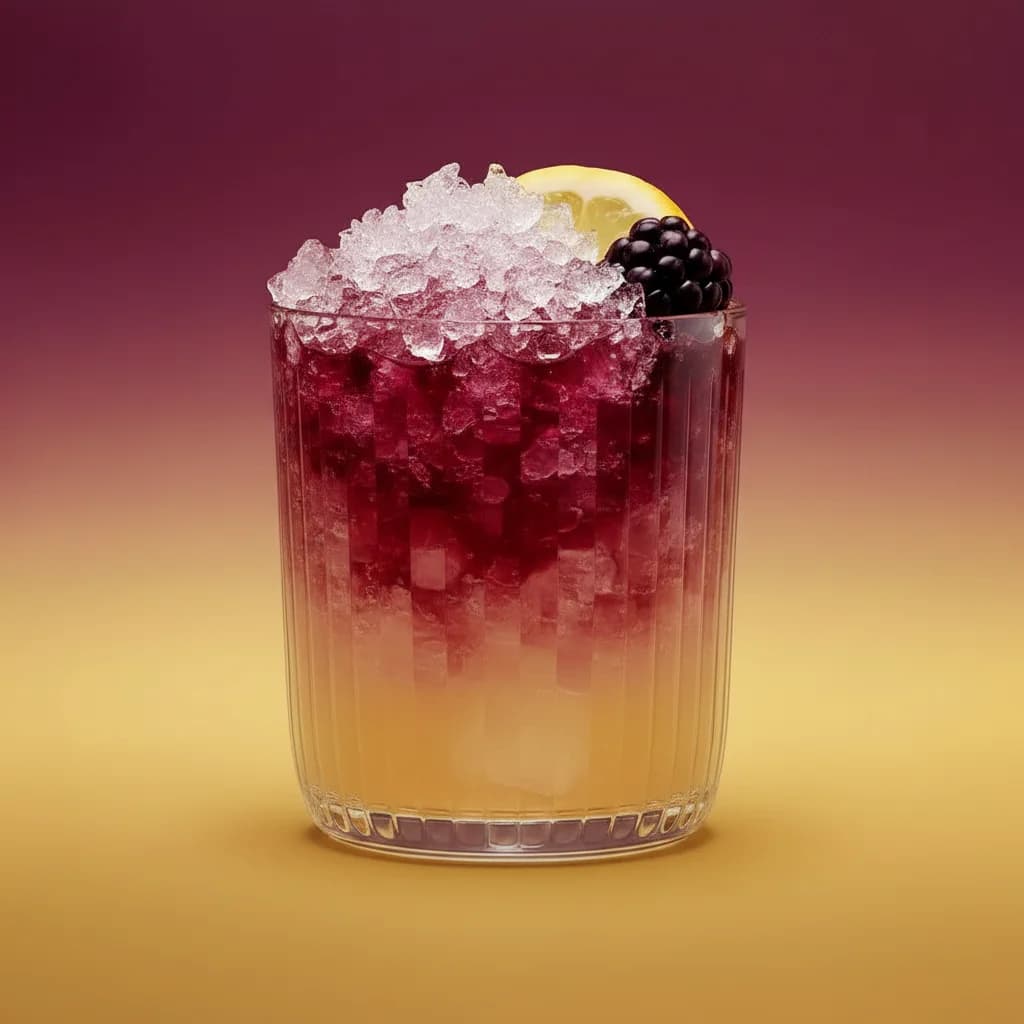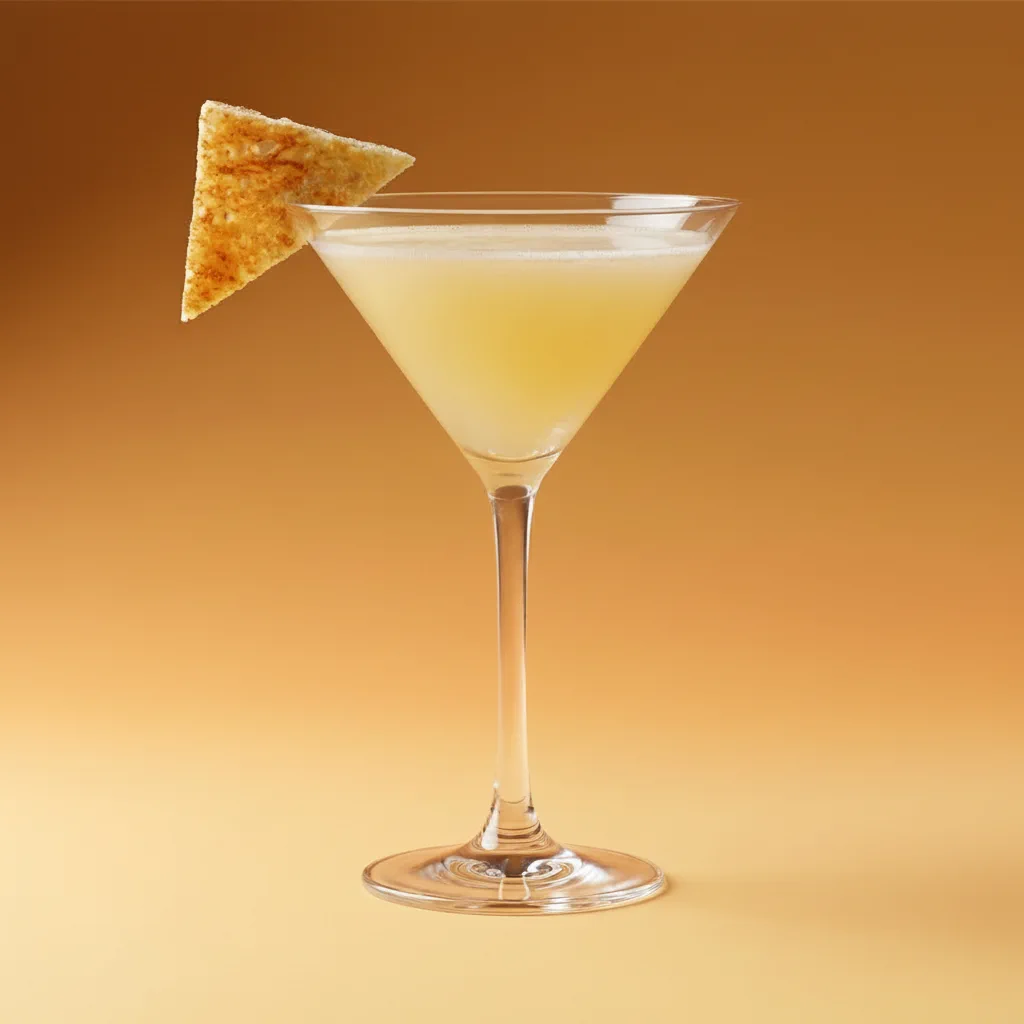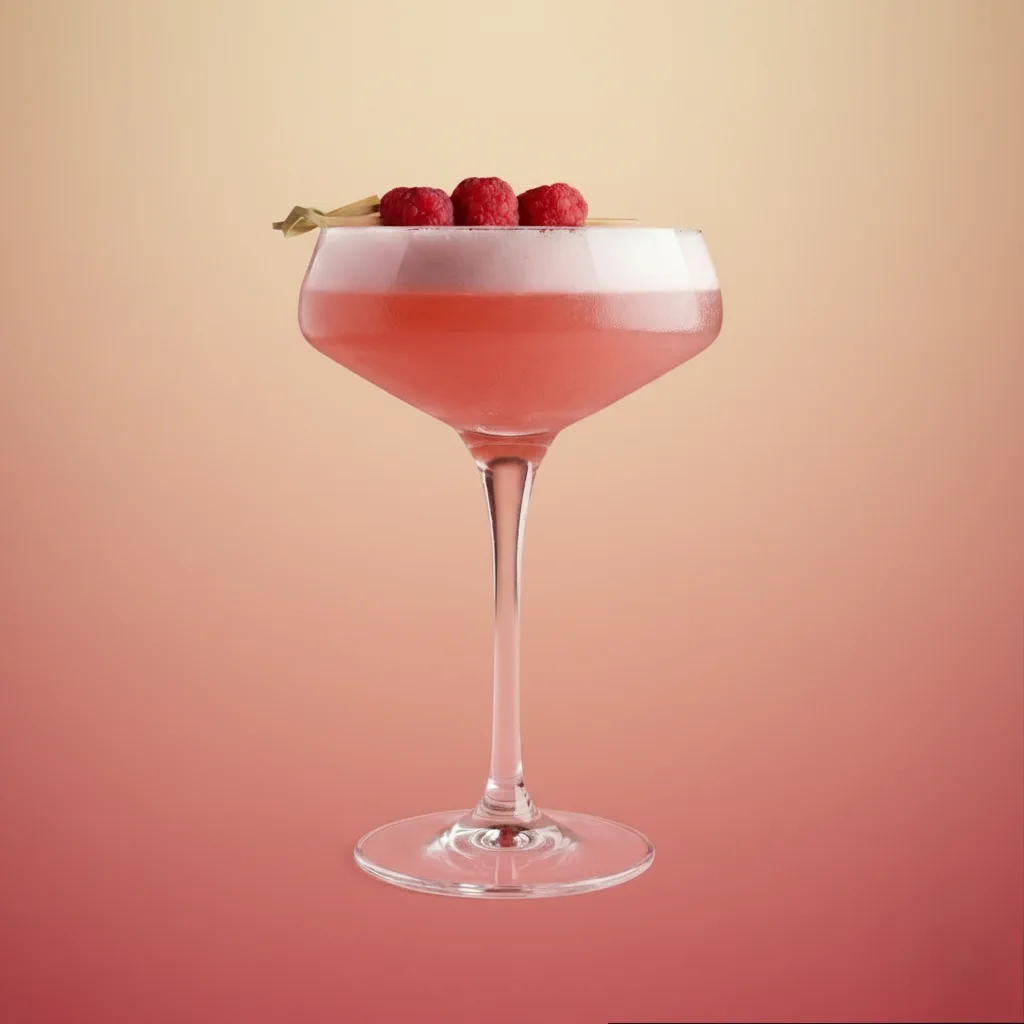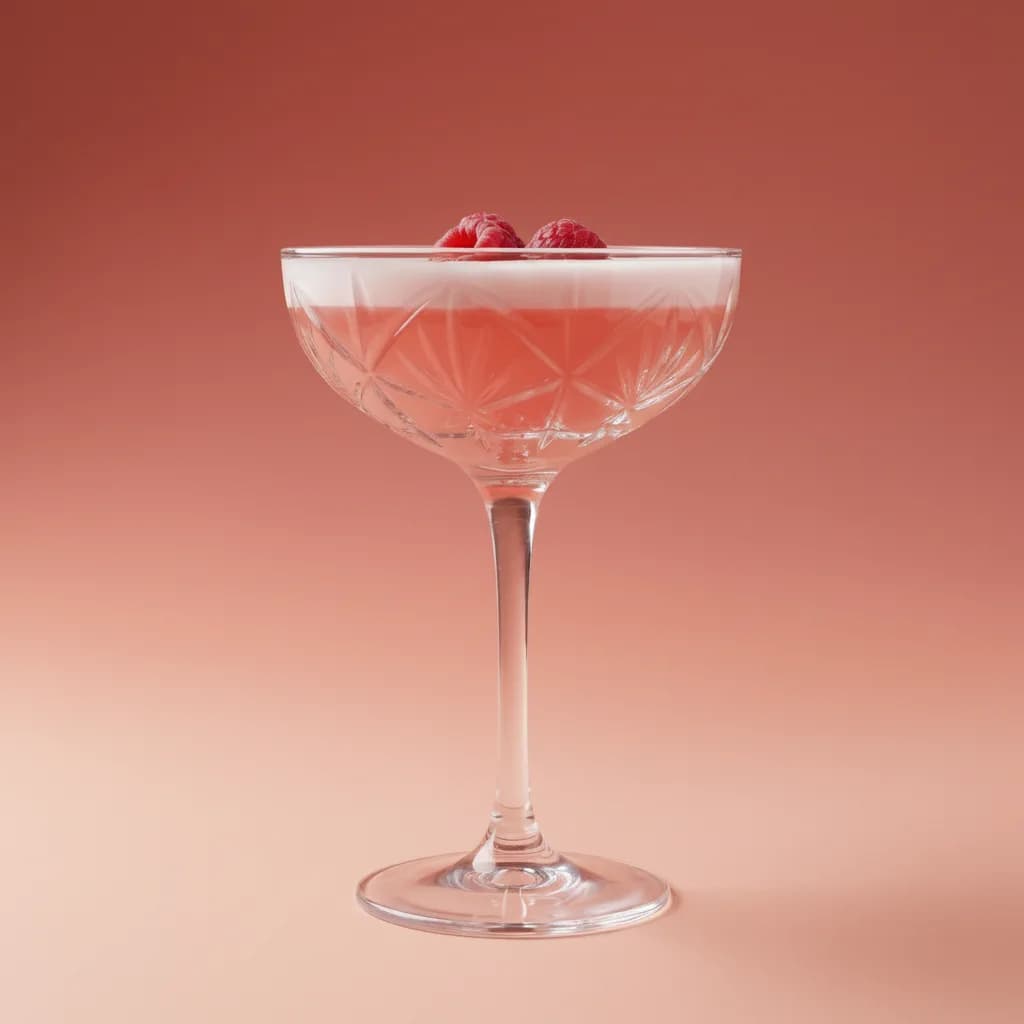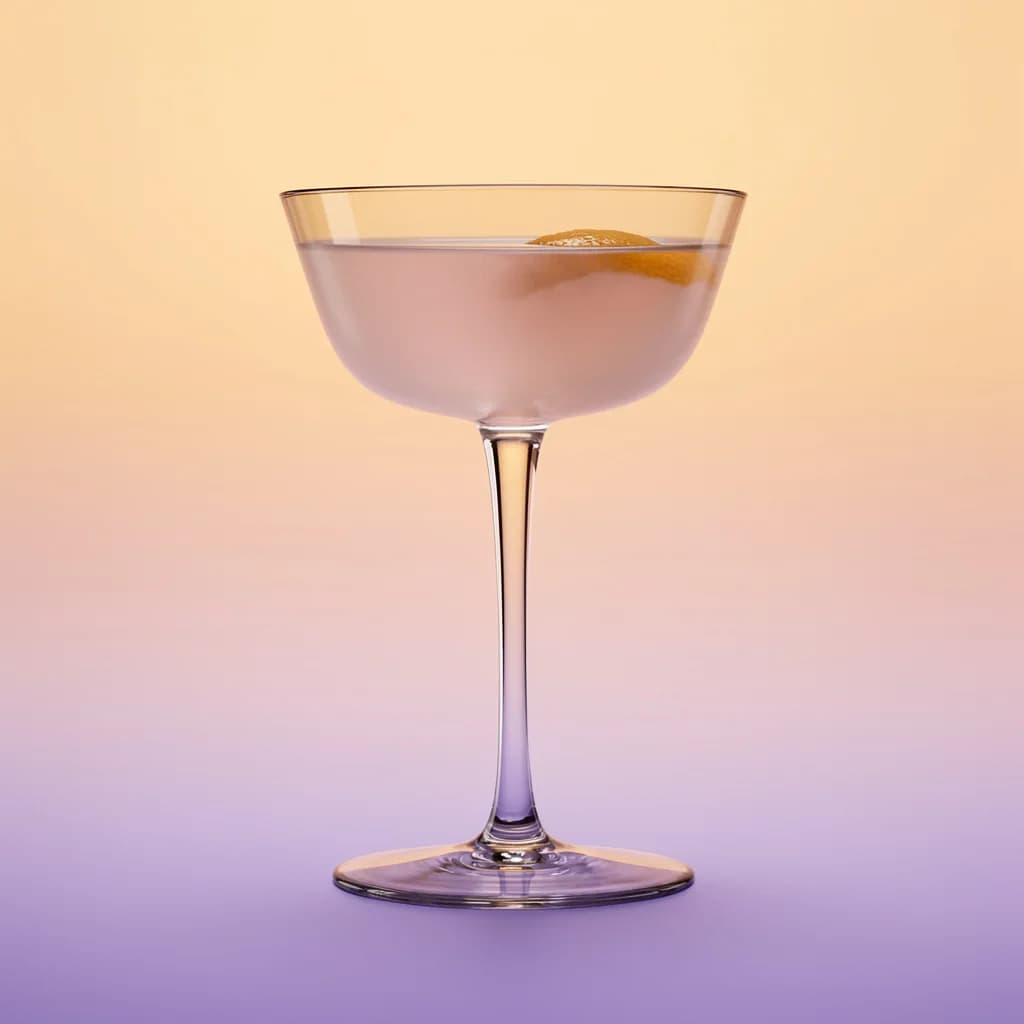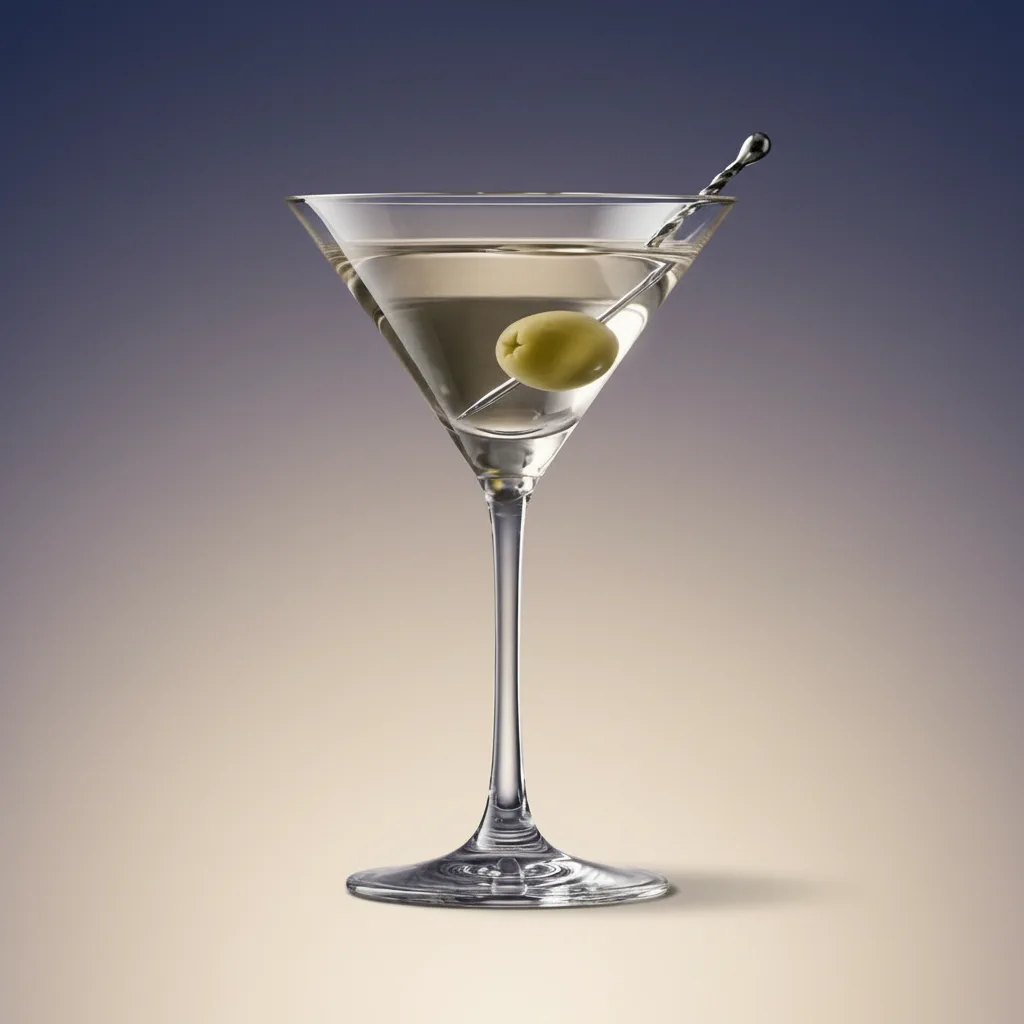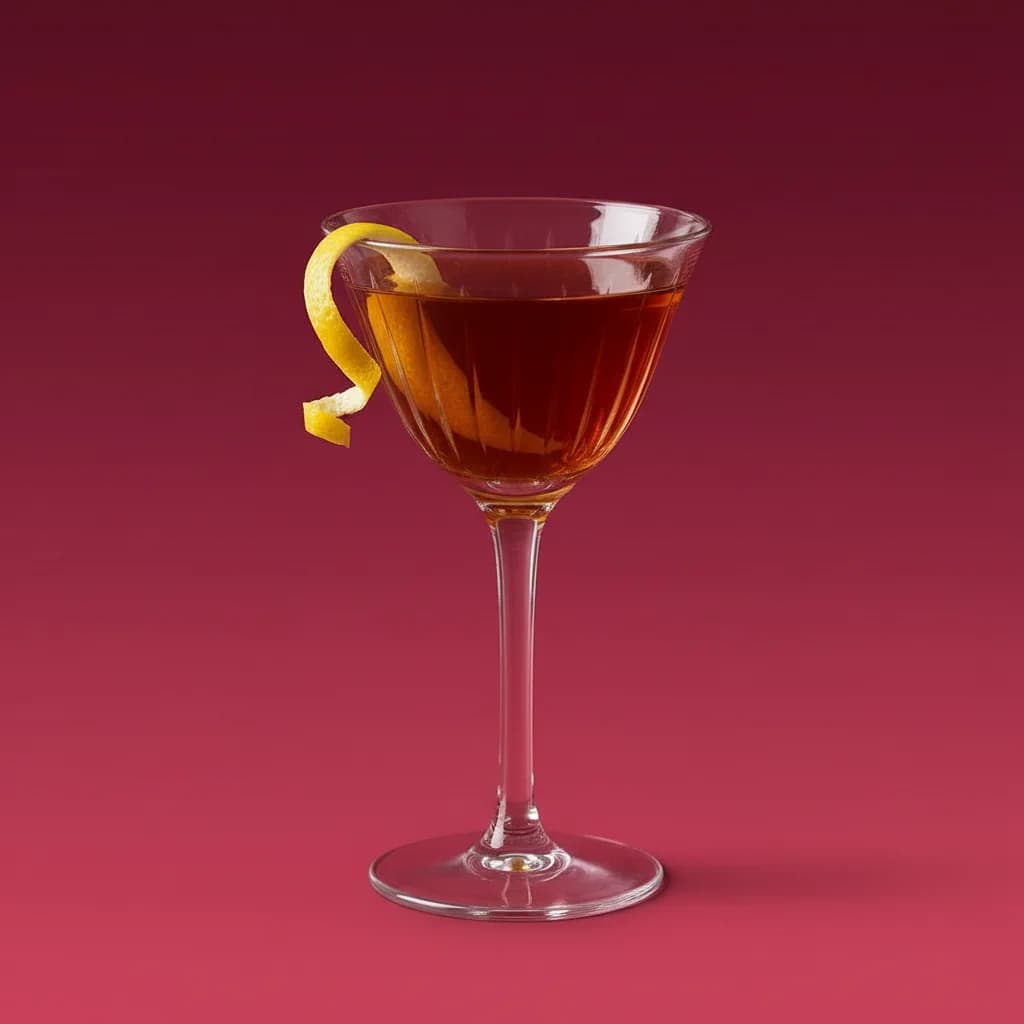
Martinez (gin version)
A sweet and herbal gin cocktail ∙ Stir ∙ 3 min ∙ 30.1% ABV ∙
The Martinez stirs gin with sweet red vermouth and orange curaçao, served up — widely regarded as the forerunner of the Martini. Juniper-forward gin and vinous vermouth lead, a touch of orange from the curaçao and twist — a contemplative pre-dinner sipper.
Ingredients
1
Servings
Garnish

Instructions for 1 serving
- Pre-chill a glass
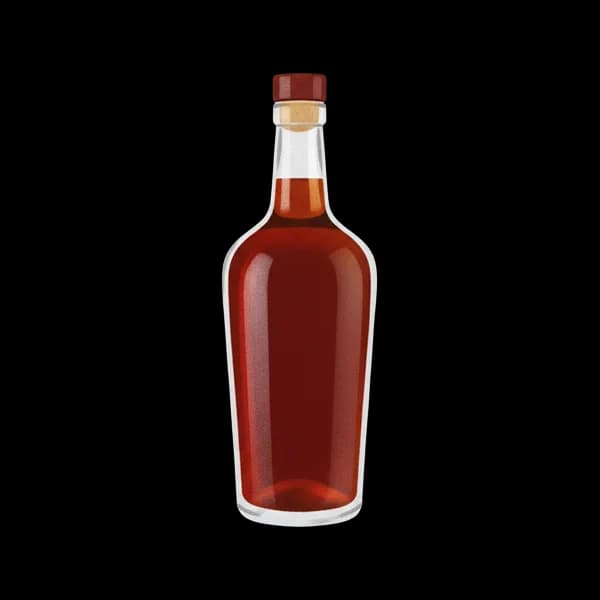
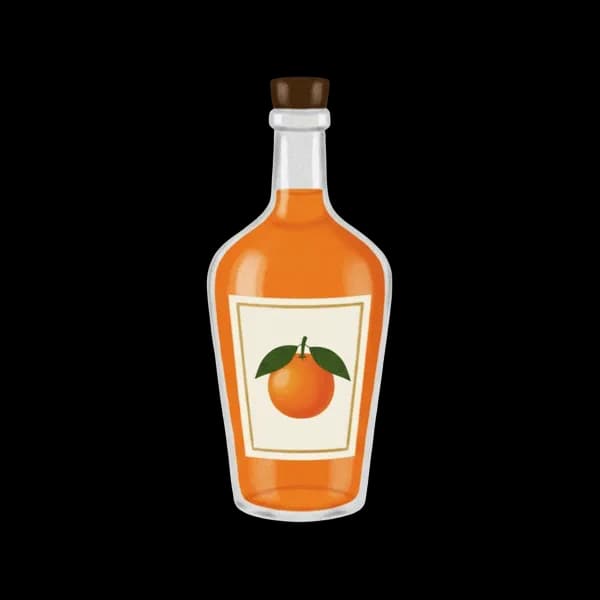
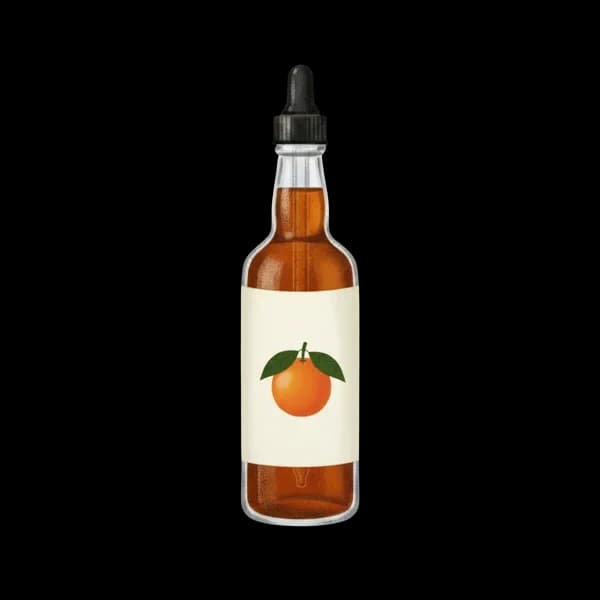
- Stir the ingredients with ice: London dry gin 60 mlRosso vermouth 15 mlOrange curaçao liqueur 10 mlOrange bitters 2 dashes
- Fine strain into the chilled glass
- Express an orange twist over the cocktail and use as garnish
Tips
- Stir over ice for about 30 seconds until well chilled.
History
The Martinez's origin is unclear and disputed. Two early stories credit bartender Jerry Thomas at San Francisco's Occidental Hotel, or a bartender named Richelieu in Martinez, California, though records from the period are missing or incomplete.
Jerry Thomas's 1887 edition of The Bar-Tender's Guide printed a Martinez calling for Old Tom gin, vermouth, maraschino, and Boker's Bitters. An earlier 1884 guide by O.H. Byron described it simply as a Manhattan with gin substituted for whiskey. Harry Johnson's 1888 manual listed a possibly misspelled "Martine."
Over time the recipes and names diverged into two drinks — the Martinez and the Martini — with later variations splitting between maraschino and curaçao versions like the one here.
FAQ
What is in a Martinez cocktail?
This Martinez is built from London dry gin, sweet red (rosso) vermouth, and orange curaçao, with an optional couple of dashes of orange bitters. It is stirred over ice, strained up, and finished with an orange twist. Older recipes often use maraschino liqueur instead of curaçao.
Is a Martinez shaken or stirred?
Stirred. Because the Martinez is all spirits and liqueurs with no juice, stirring over ice chills and dilutes it while keeping it silky and clear; shaking would aerate and cloud the drink.
What glass is a Martinez served in?
A Martini glass, served up (chilled, without ice). The drink is stirred over ice in a mixing glass, then strained into the cold, stemmed glass and garnished with an orange twist.
How is a Martinez different from a Martini?
A Martinez is sweeter and richer, using sweet red vermouth plus a liqueur such as curaçao or maraschino, while a Martini is dry, built from gin and dry vermouth. The Martinez is widely regarded as the Martini's predecessor.
Can I use Old Tom gin in a Martinez?
Yes. Many classic Martinez recipes call for Old Tom gin, a slightly sweeter, rounder style that historically defined the drink. This version uses London dry gin, which gives a crisper, more juniper-forward result; either works well.