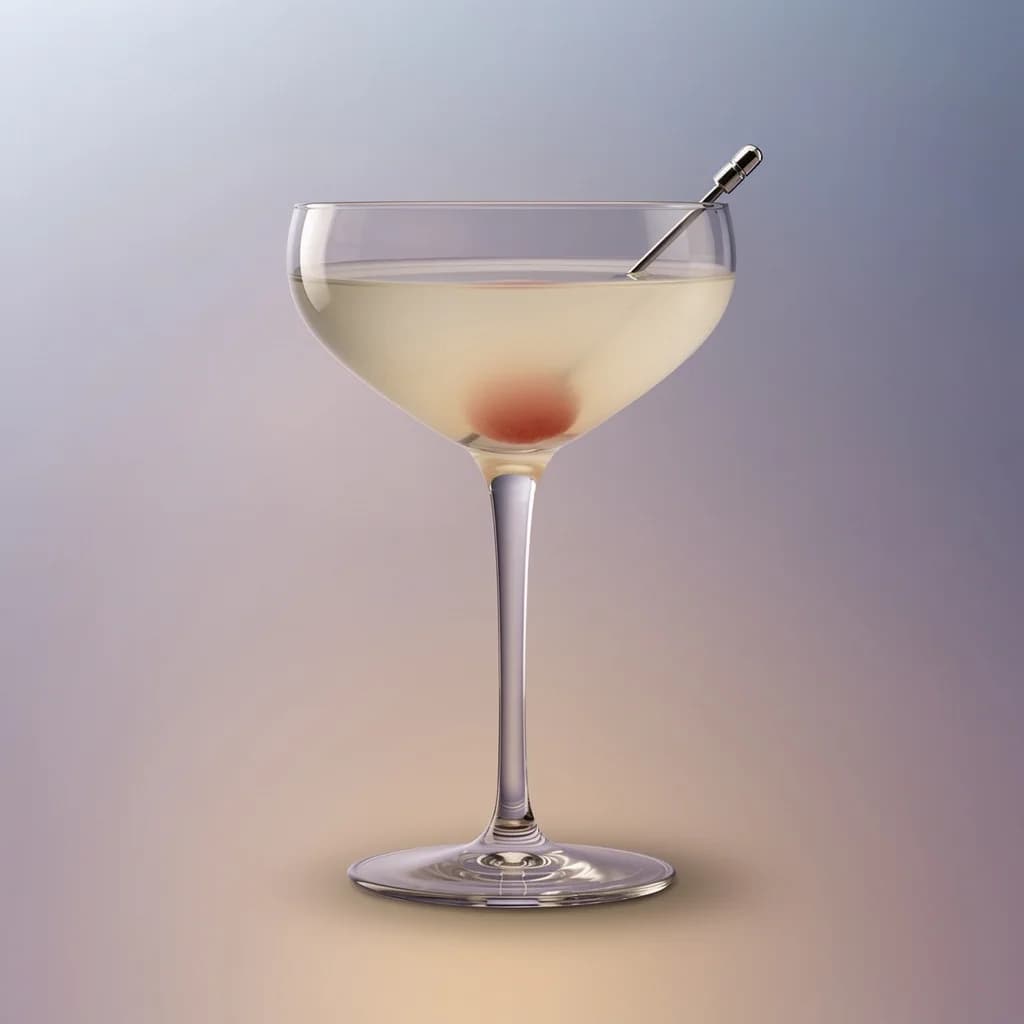
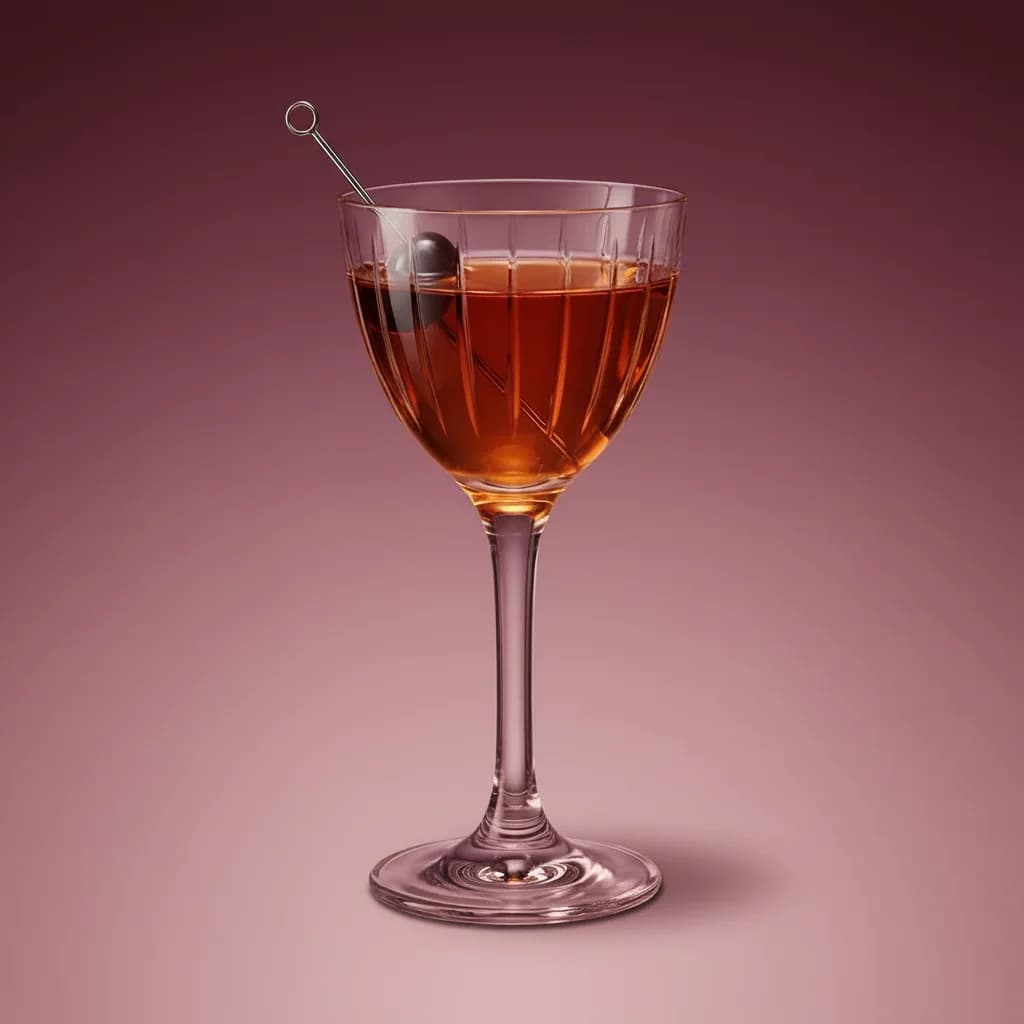
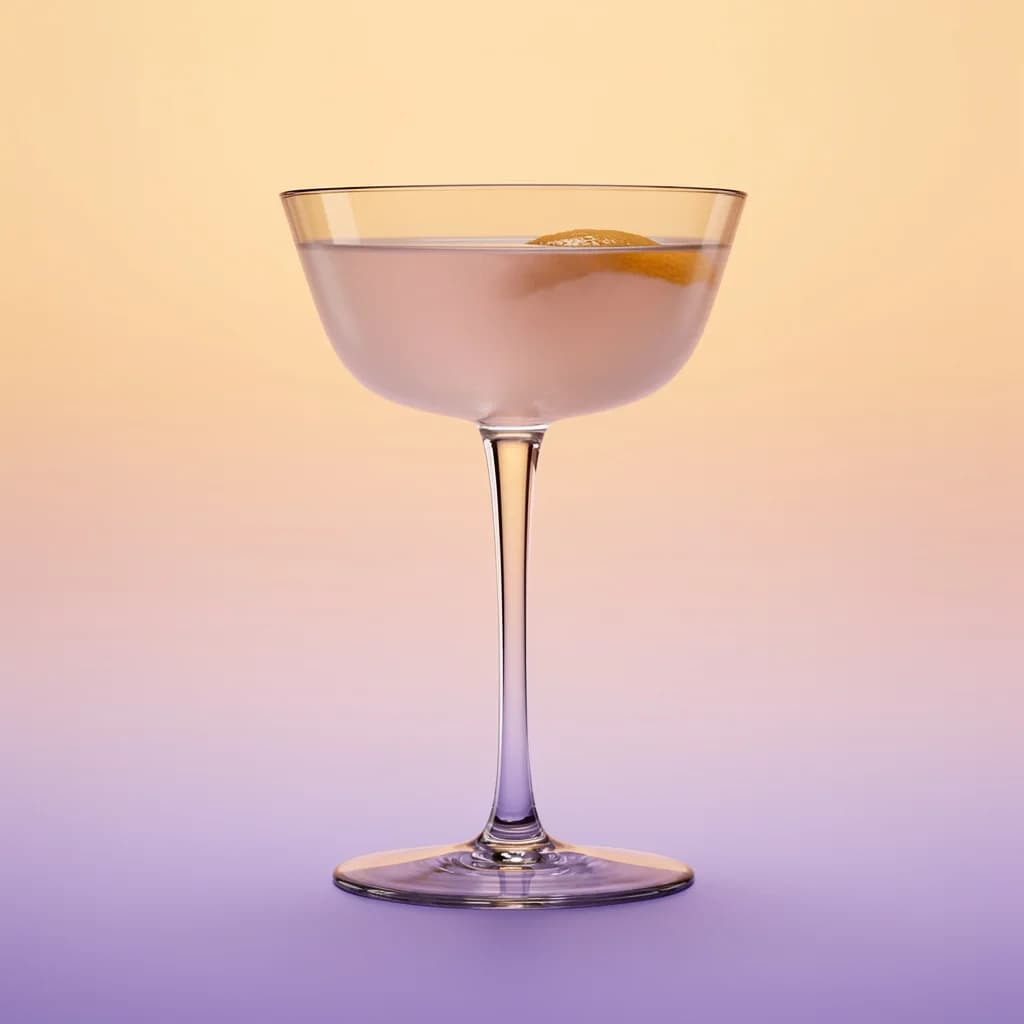
Dry Martini 2:1
Stir ∙ 3 min ∙ 27.6% ABV ∙
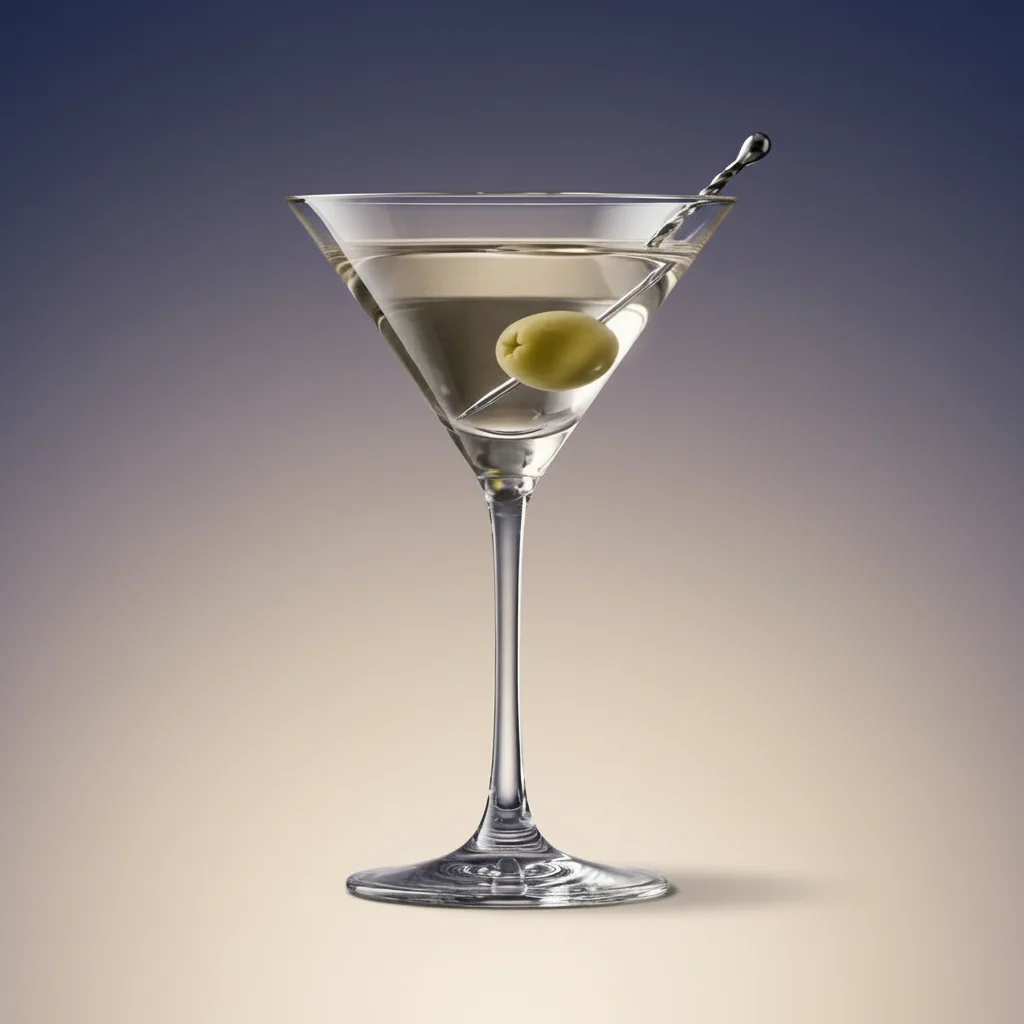
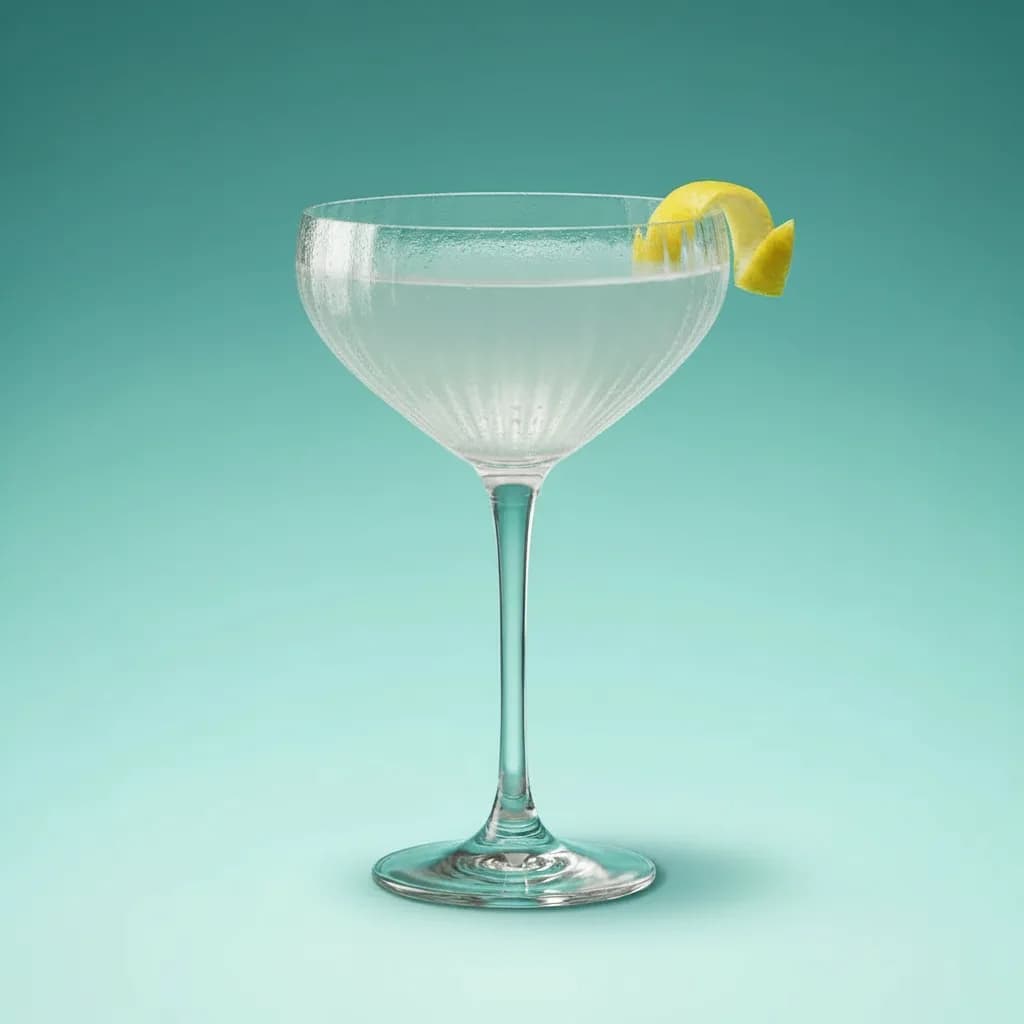
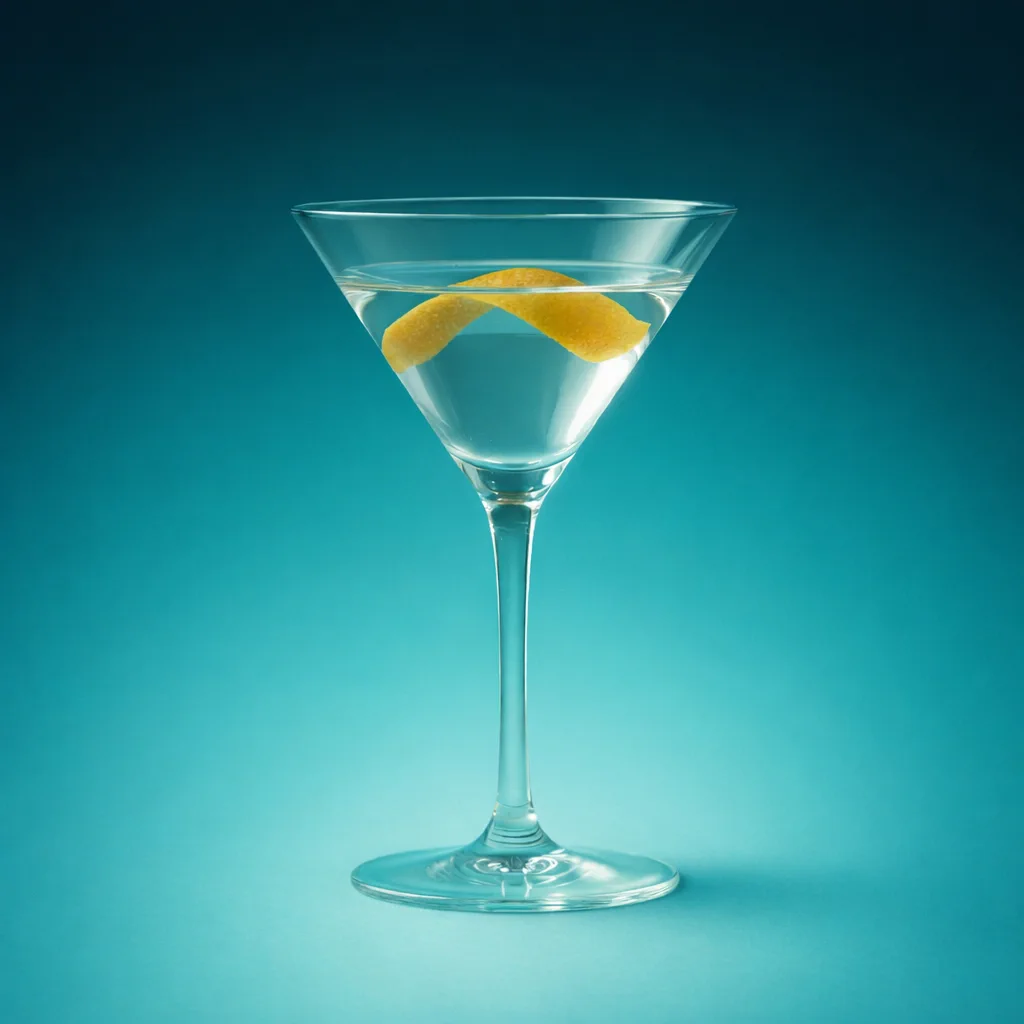
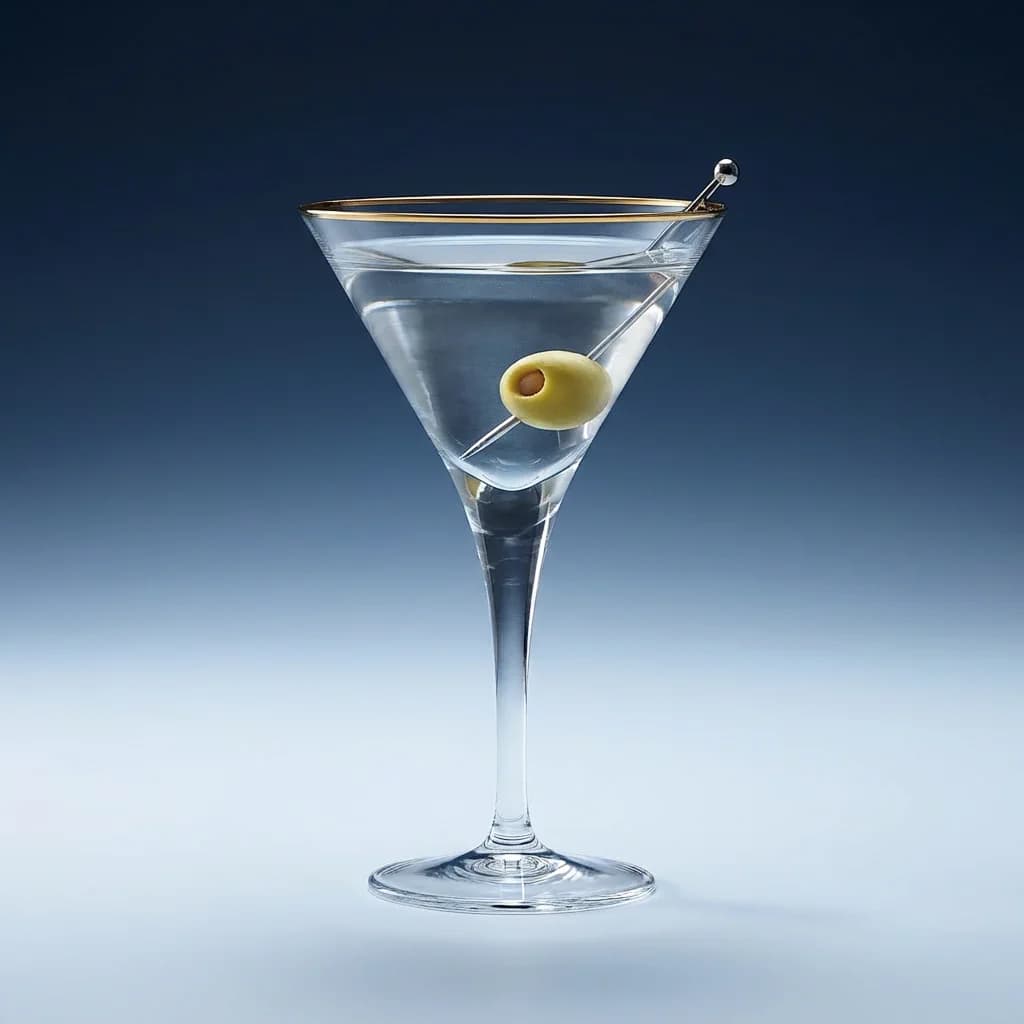
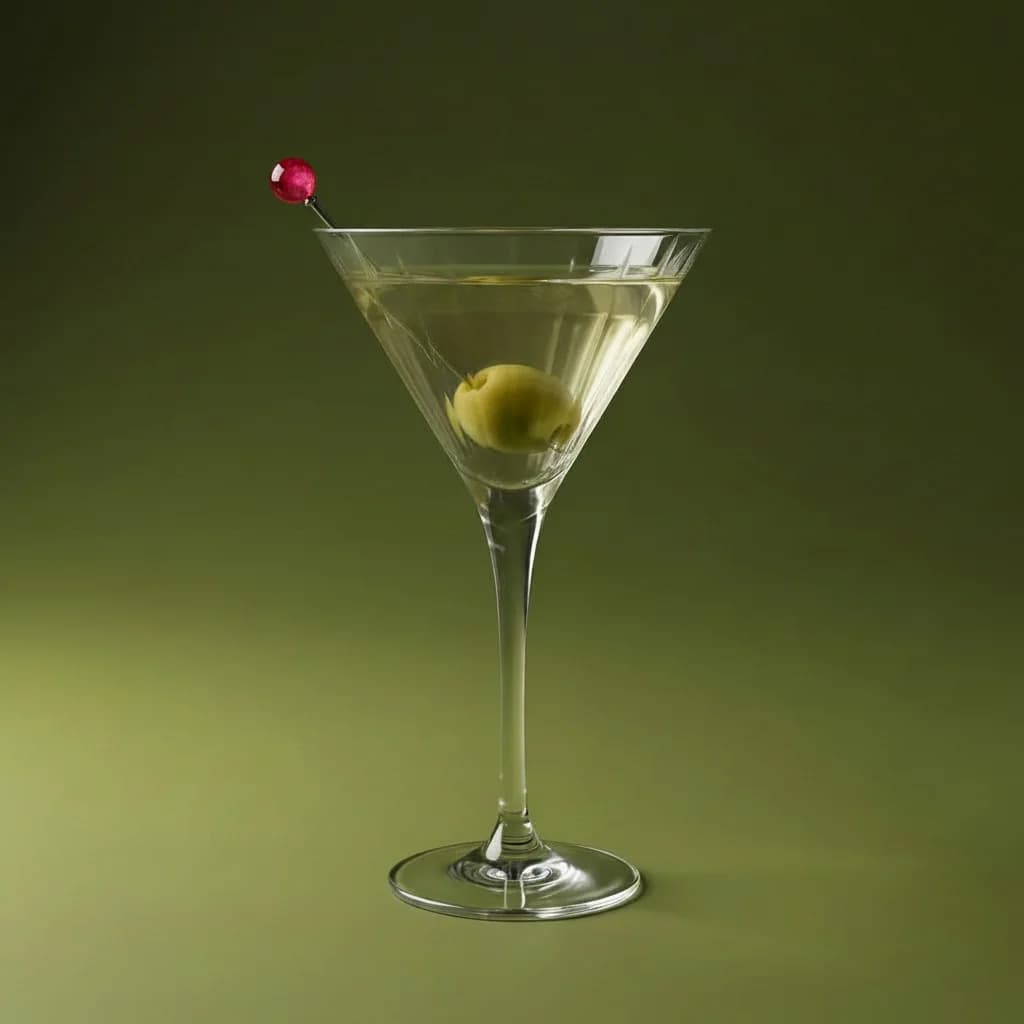
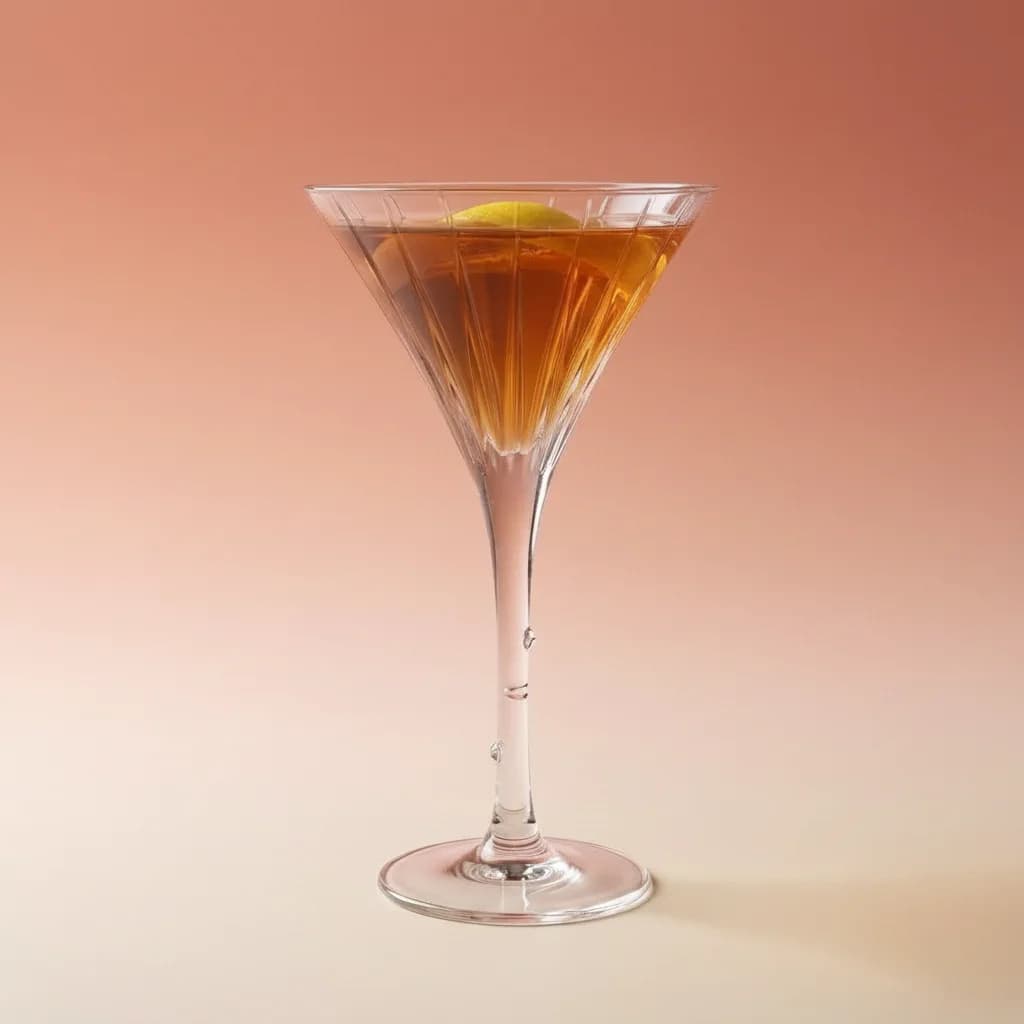
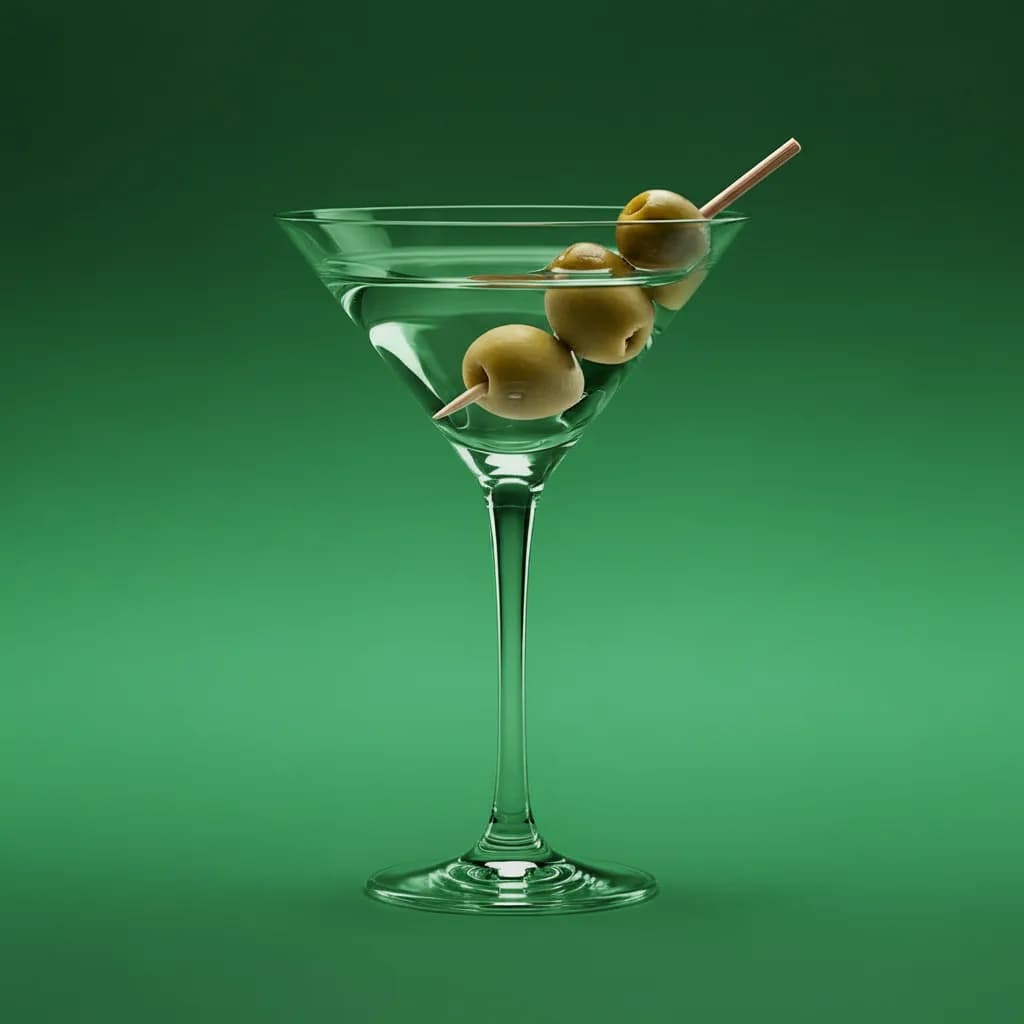
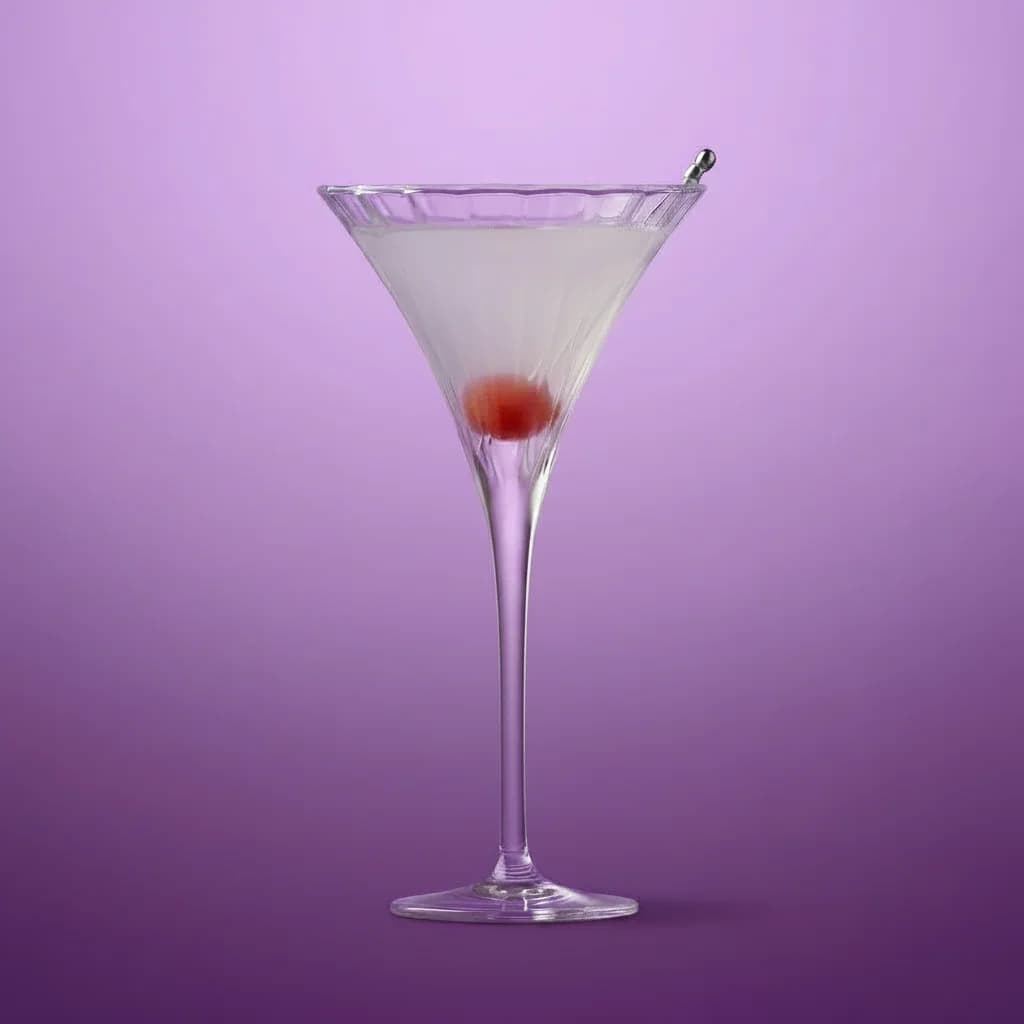
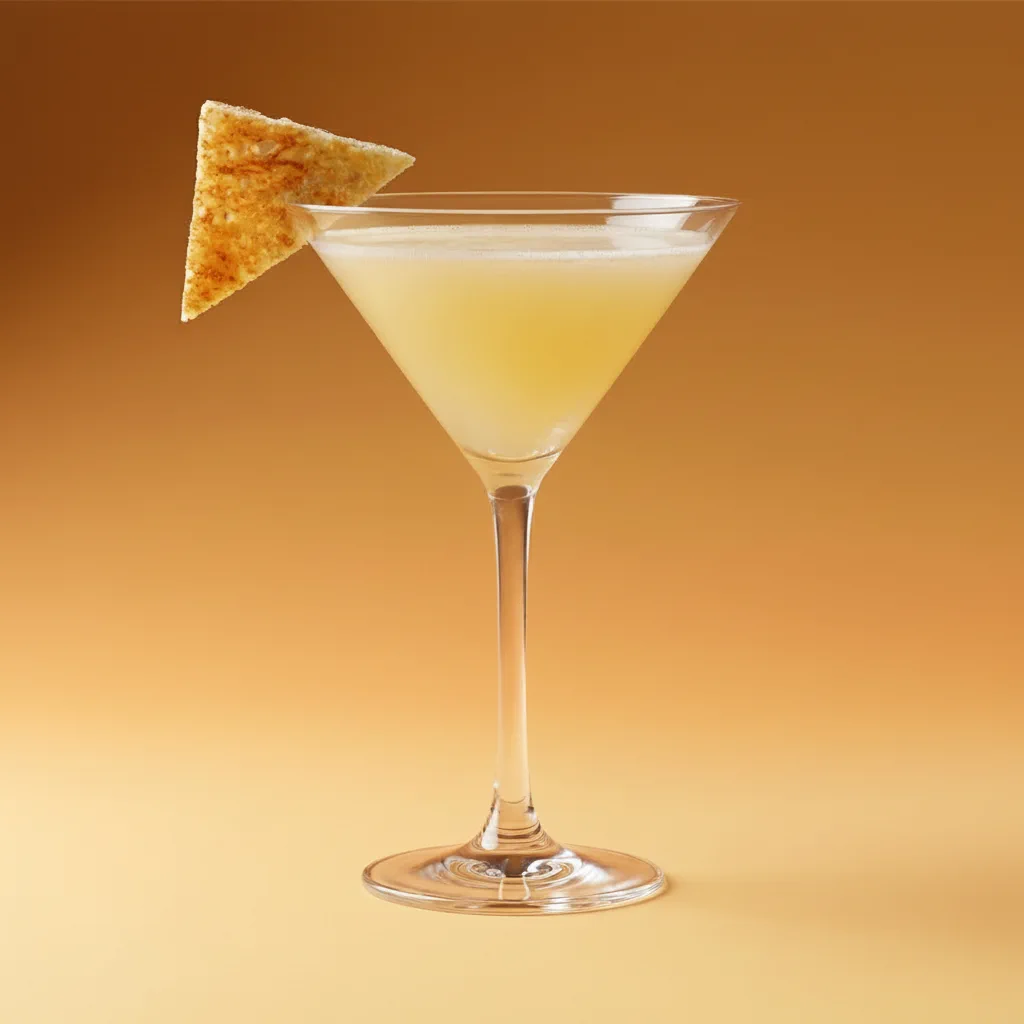
The Dry Martini 2:1 is a stirred spirit-forward cocktail of London dry gin and dry vermouth in a 2:1 ratio, served up in a chilled martini glass.
Ingredients
1
Servings
Garnish

Instructions for 1 serving
- Pre-chill a glass
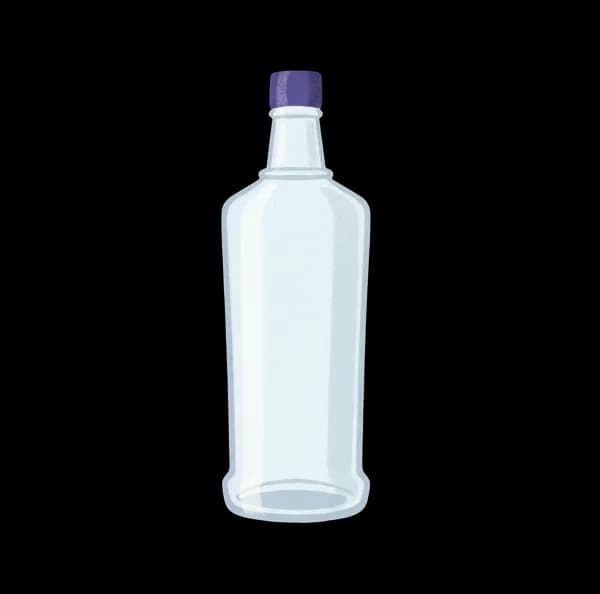
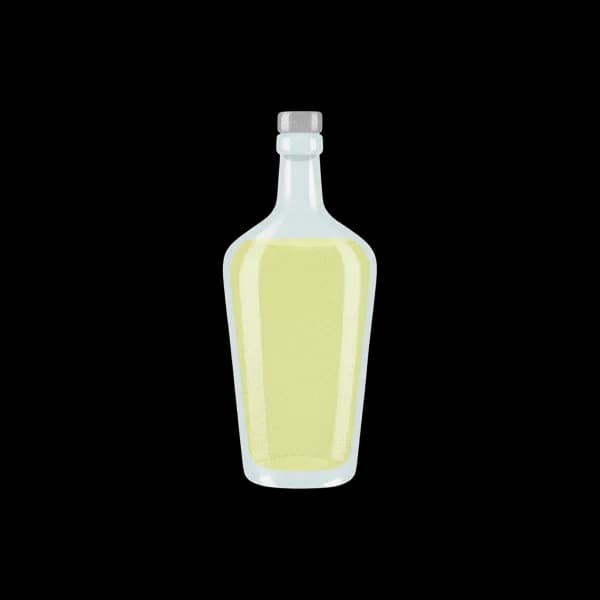
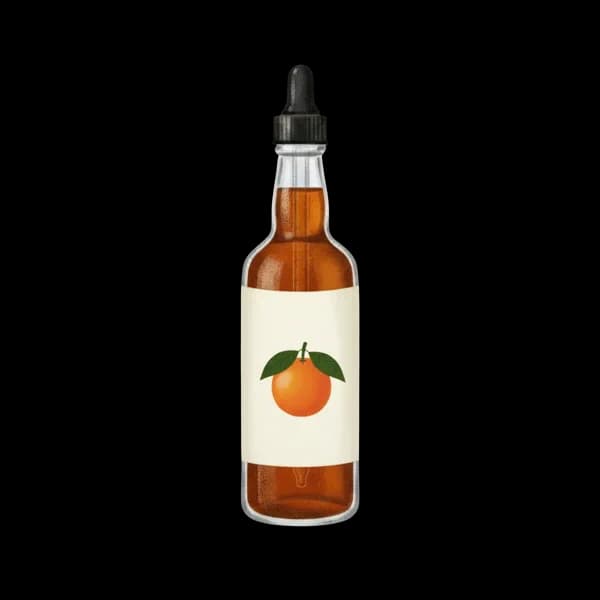
- Stir all ingredients with ice: London dry gin 60 mlDry vermouth 30 mlOrange bitters 2 dashes (opt.)
- Fine strain into the chilled glass
- Garnish with olives or a lemon twist
Tips
- Stir with large cubes for 20-25 seconds, until the mixing glass is ice-cold to the touch; stir longer and the drink turns watery.
- Keep the ratio at 2:1, 60 ml gin to 30 ml vermouth. Too little vermouth and the drink falls flat; too much and it masks the gin.
History
The Dry Martini's exact origin is disputed: sources trace it to the Martinez, a sweeter gin-and-vermouth drink first named in print in O.H. Byron's 1884 Modern Bartenders' Guide and given a full recipe in Jerry Thomas's 1887 bartenders' guide. Legend credits either Thomas at San Francisco's Occidental Hotel in the 1860s or a bartender in Martinez, California, serving a gold miner; neither story can be documented. Other accounts credit a bartender at New York's Knickerbocker Hotel around 1911 or 1912, sometimes named as Martini di Arma di Taggia and said to have made it for John D. Rockefeller. A further theory ties the name to the Italian Martini vermouth brand rather than to any single inventor. An early recipe explicitly called a "Dry Martini Cocktail" appeared in William Boothby's 1907 guide, attributed to a Los Angeles bartender named Charlie Shaw, made with dry gin and dry vermouth.
As London dry gin replaced the sweeter Old Tom style and dry vermouth replaced sweet, the drink grew progressively less sweet through the early 1900s. By 1922 the Martini had settled into its now-classic form of London dry gin and dry vermouth combined at a 2:1 ratio, stirred with ice and optionally a dash of orange or aromatic bitters, then strained up — the proportion used here. Later decades pushed the ratio drier still, to 3:1 in the 1930s and 4:1 in the 1940s, with even higher gin ratios becoming fashionable afterward, making the 2:1 build a marker of the drink's earlier, less austere form.