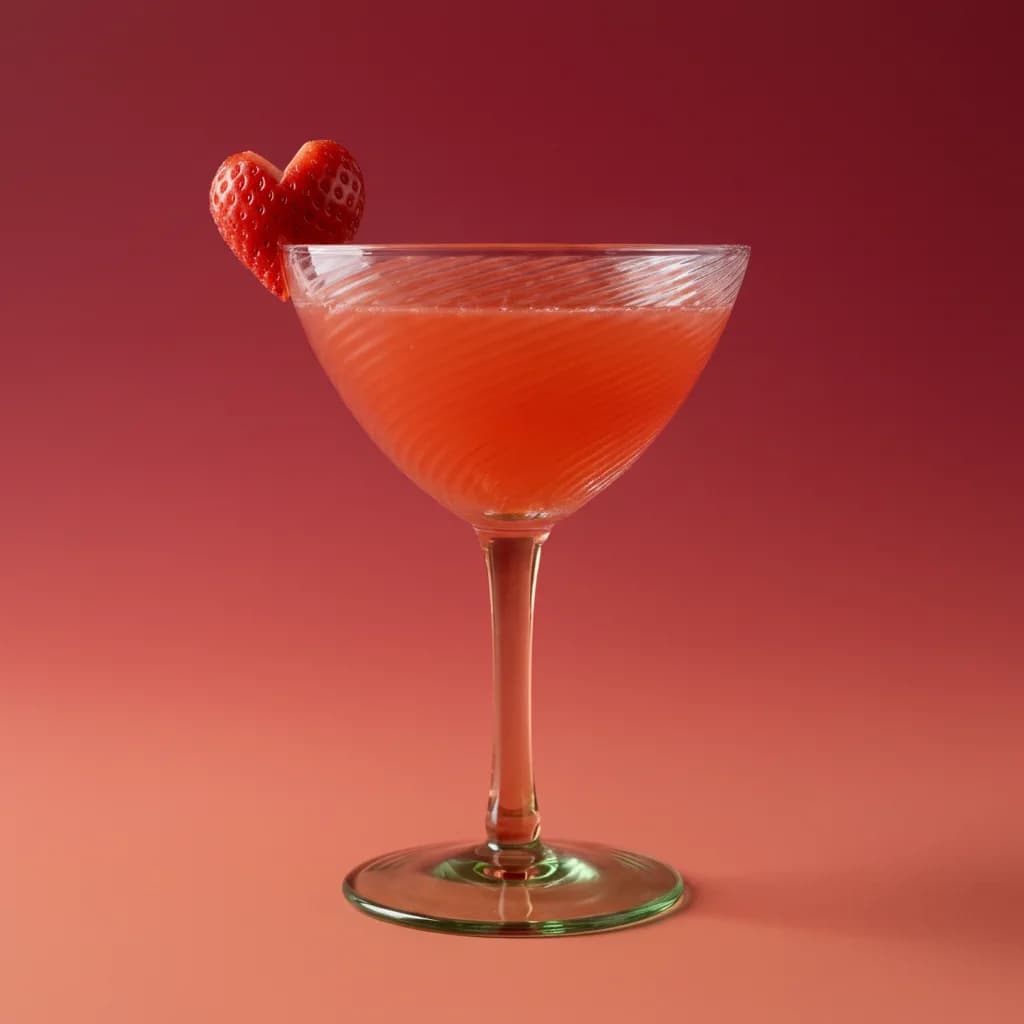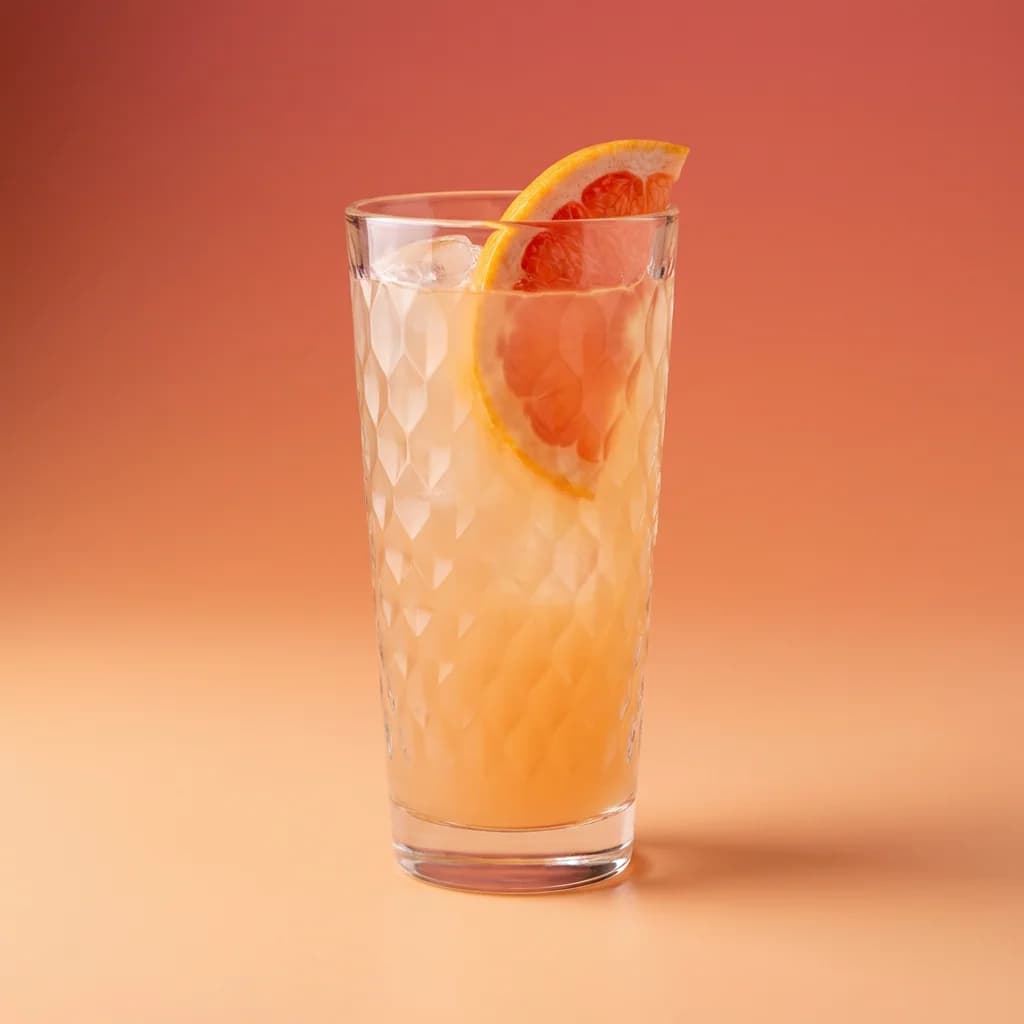
Paloma (recipe No. 2)
Shake ∙ Collins glass ∙ 3 min ∙ 11.1% ABV ∙
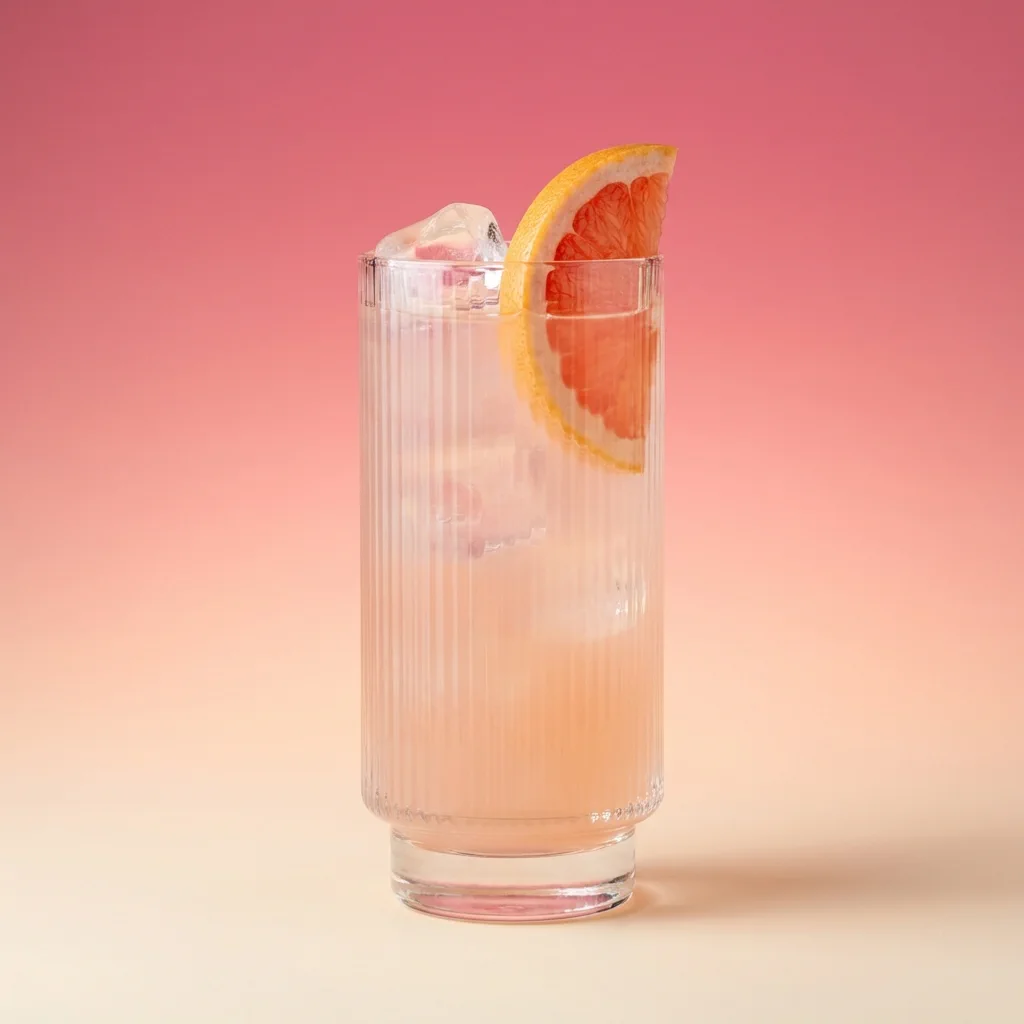
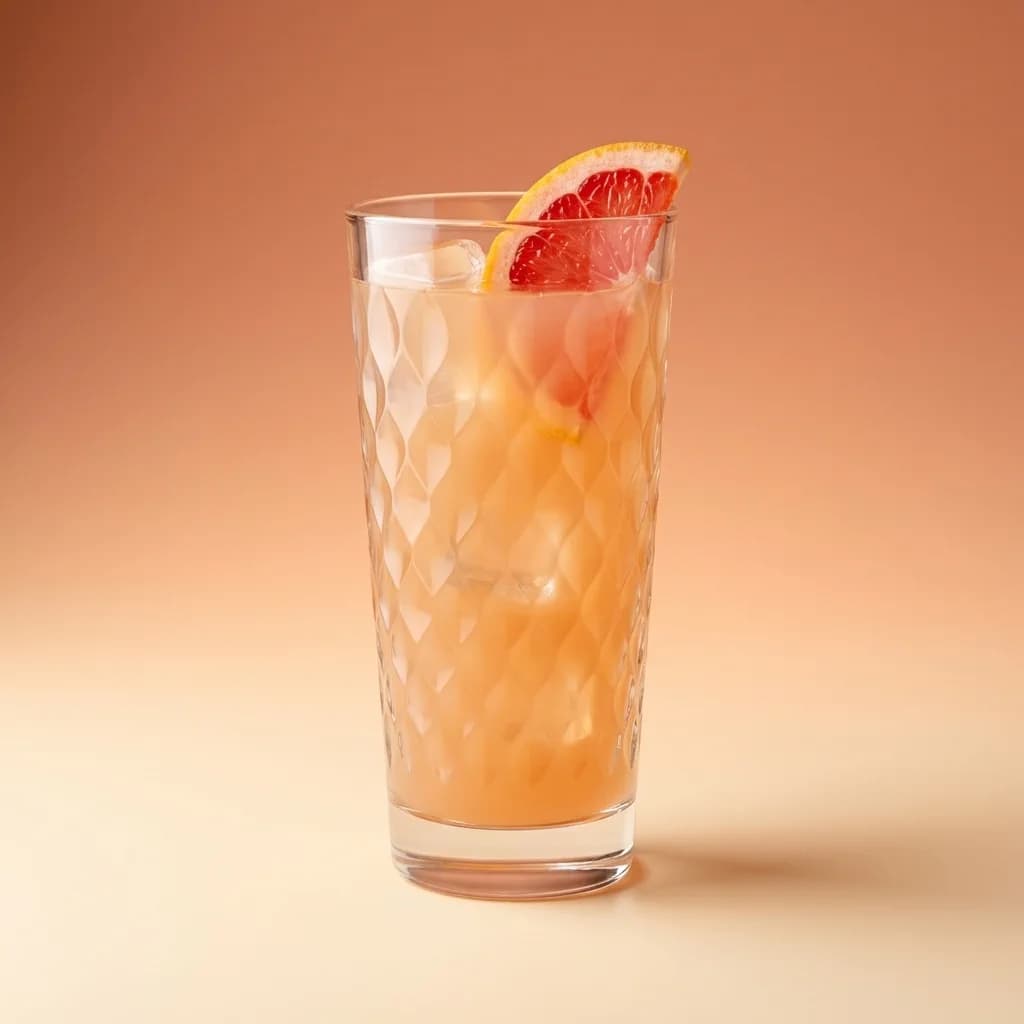
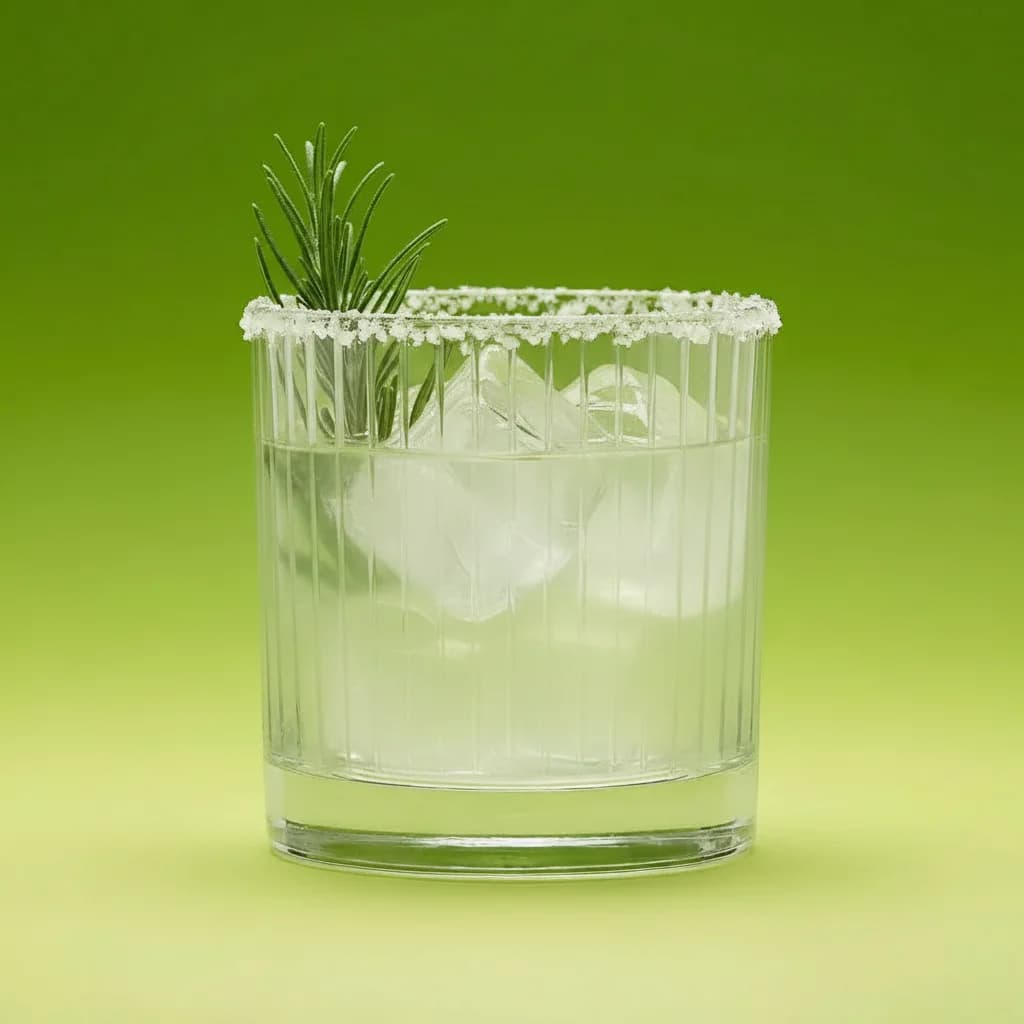
The Paloma is Mexico's most popular tequila highball, built from blanco tequila, pink grapefruit and lime juice, agave, and soda water, often served with a salt rim. Tart grapefruit and lime lead into a lightly sweet agave middle, with a dry, bittersweet citrus finish and soft carbonation — a bright warm-weather aperitif.
Ingredients
1
Servings
Garnish
Instructions for 1 serving
- Pre-chill a glass
- Rim the glass with salt
- Shake the first 4 ingredients with ice: Tequila blanco 50 mlPink grapefruit juice 25 mlLime juice 15 mlAgave syrup 10 ml
- Fine strain into the ice-filled glass
- Top with Soda water and briefly stir
- Garnish with a grapefruit wedge
Tips
- Use fresh pink grapefruit juice, not grapefruit soda — it keeps the drink dry and bitter rather than cloying.
- Shake the tequila, juices, and agave hard with ice, then strain and top with soda so the bubbles stay lively.
- Add the soda water last, straight into the glass, to protect the carbonation.
- For a salt rim, moisten with a lime wedge and use flaky sea salt or kosher salt, not fine grind.
History
The Paloma's origin is documented only loosely. A common story credits Don Javier Delgado Corona, longtime owner of La Capilla bar in Jalisco, Mexico, with mixing the first Paloma in the 1950s; the name means "the dove" in Spanish and is sometimes tied to a popular folk song. Cocktail historians dispute the romantic version: research gathered on the drinks site Alcademics found little evidence the cocktail existed before the Squirt grapefruit soda brand's mid-century advertising, suggesting the Paloma may have begun as a manufactured soda-and-tequila recipe rather than a bartender's invention. Either way it emerged in Mexico around the 1950s and now reportedly outsells the Margarita there.
FAQ
What is a Paloma made of?
A Paloma is made of blanco tequila, pink grapefruit juice, lime juice, agave syrup, and a top of soda water. It is traditionally served over ice, often with a salt rim, and garnished with grapefruit. Many casual versions simply combine tequila with grapefruit soda and lime.
Is a Paloma shaken or stirred?
Shake the tequila, grapefruit juice, lime juice, and agave with ice, then strain into the glass and top with soda water. Shaking chills and blends the juices; adding the soda afterward keeps the drink fizzy. Bar versions built directly over ice are also common.
What glass is a Paloma served in?
A Paloma is served in a Collins glass over ice, which suits its long, soda-topped build. A highball or old-fashioned glass works too. This recipe uses a Collins glass and finishes with a grapefruit wedge.
How do you make the perfect Paloma?
Use fresh pink grapefruit juice rather than soda for a dry, bitter balance, add a little agave to round it out, and shake with tequila and lime before topping with soda water. A flaky salt rim sharpens each sip. Serve cold over plenty of ice.
What is a dirty Paloma?
A dirty Paloma swaps the soda water for grapefruit soda, giving a sweeter, more intensely grapefruit-forward drink. The term is informal, so some bartenders instead use it for a Paloma made with a smoky mezcal in place of, or alongside, the tequila.
Is a Paloma or a Margarita stronger?
A Paloma is usually lighter than a Margarita because it is lengthened with soda water, which lowers the alcohol by volume. With the same amount of tequila the two can be similar in strength, but the Paloma's longer, fizzier build makes it feel more refreshing.