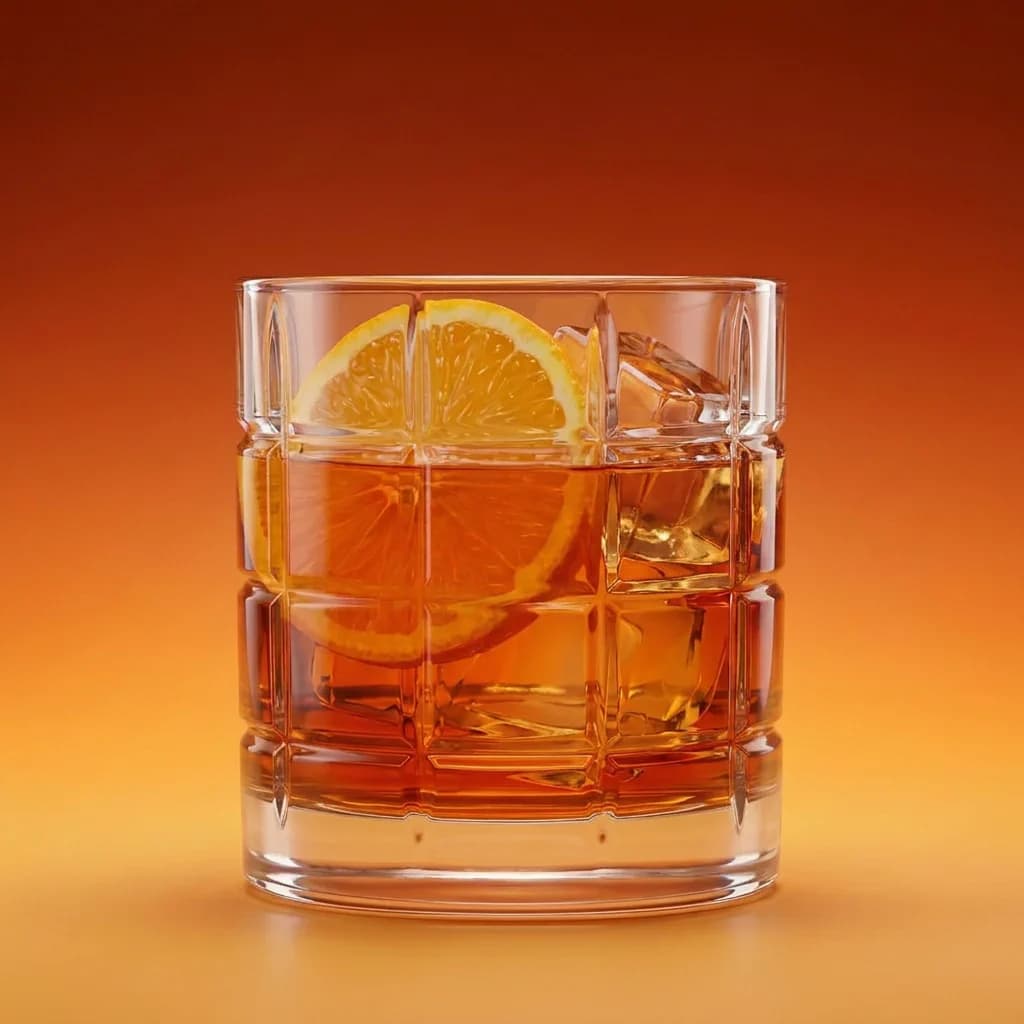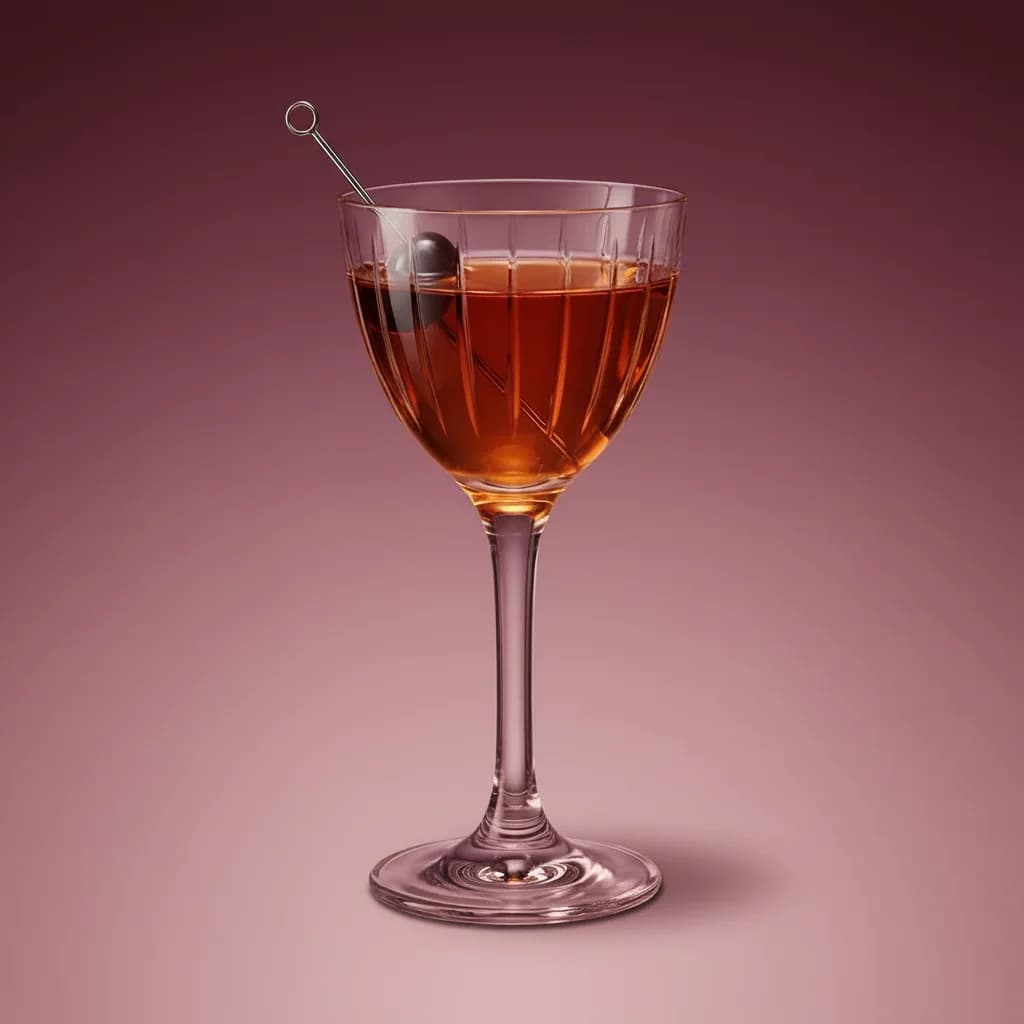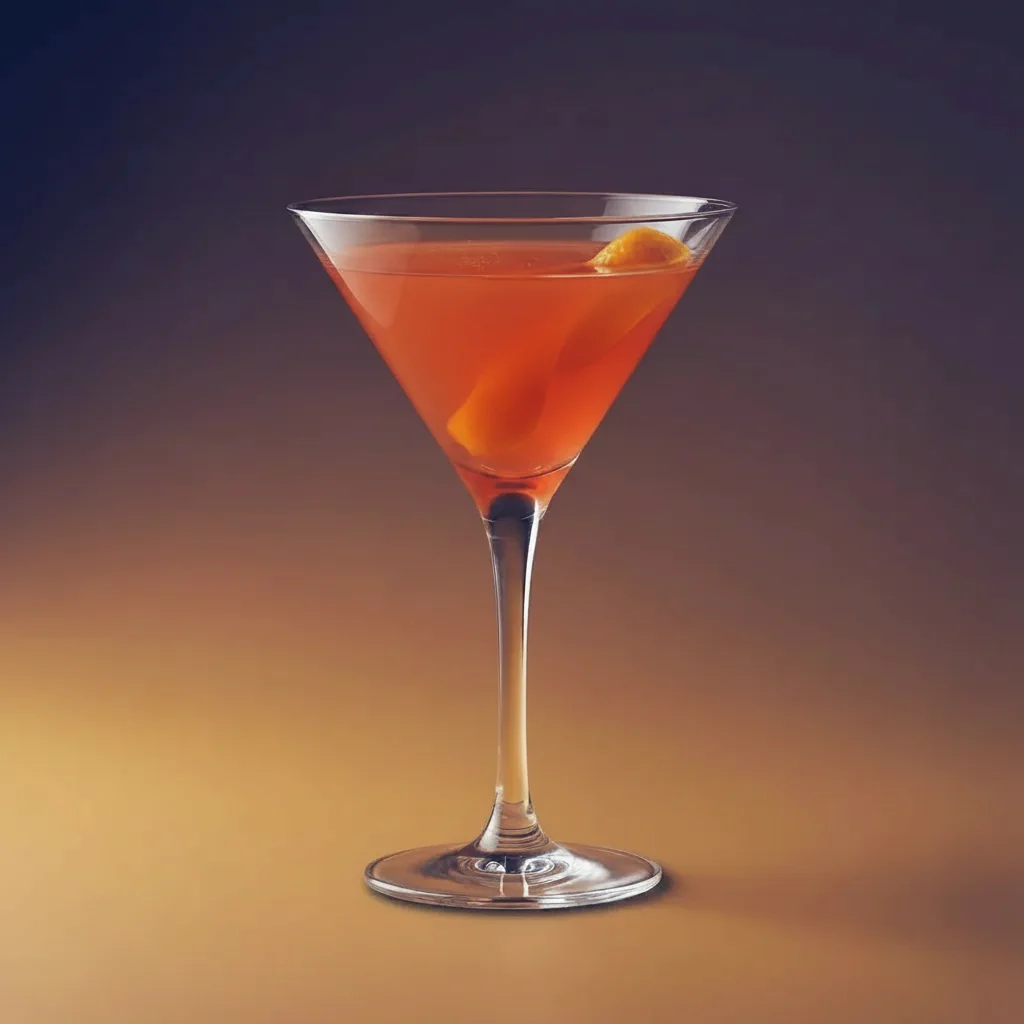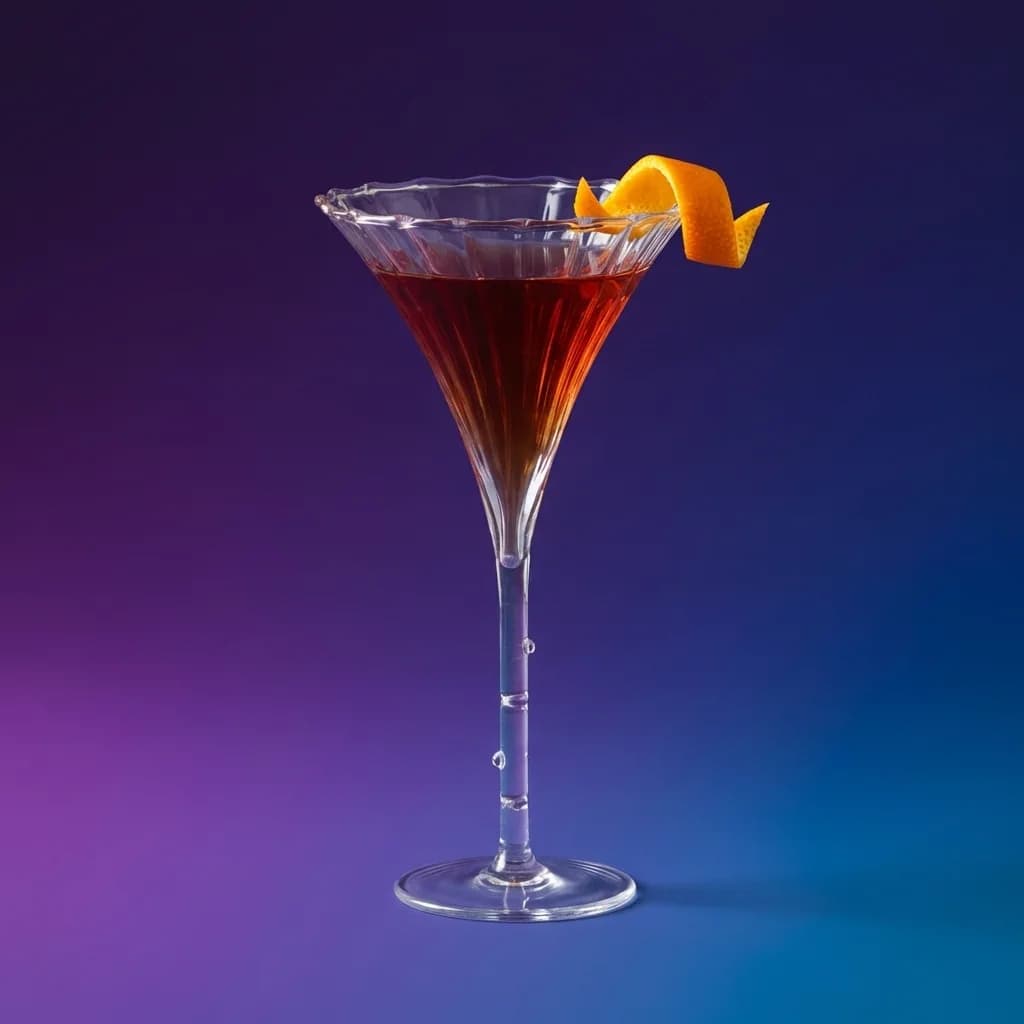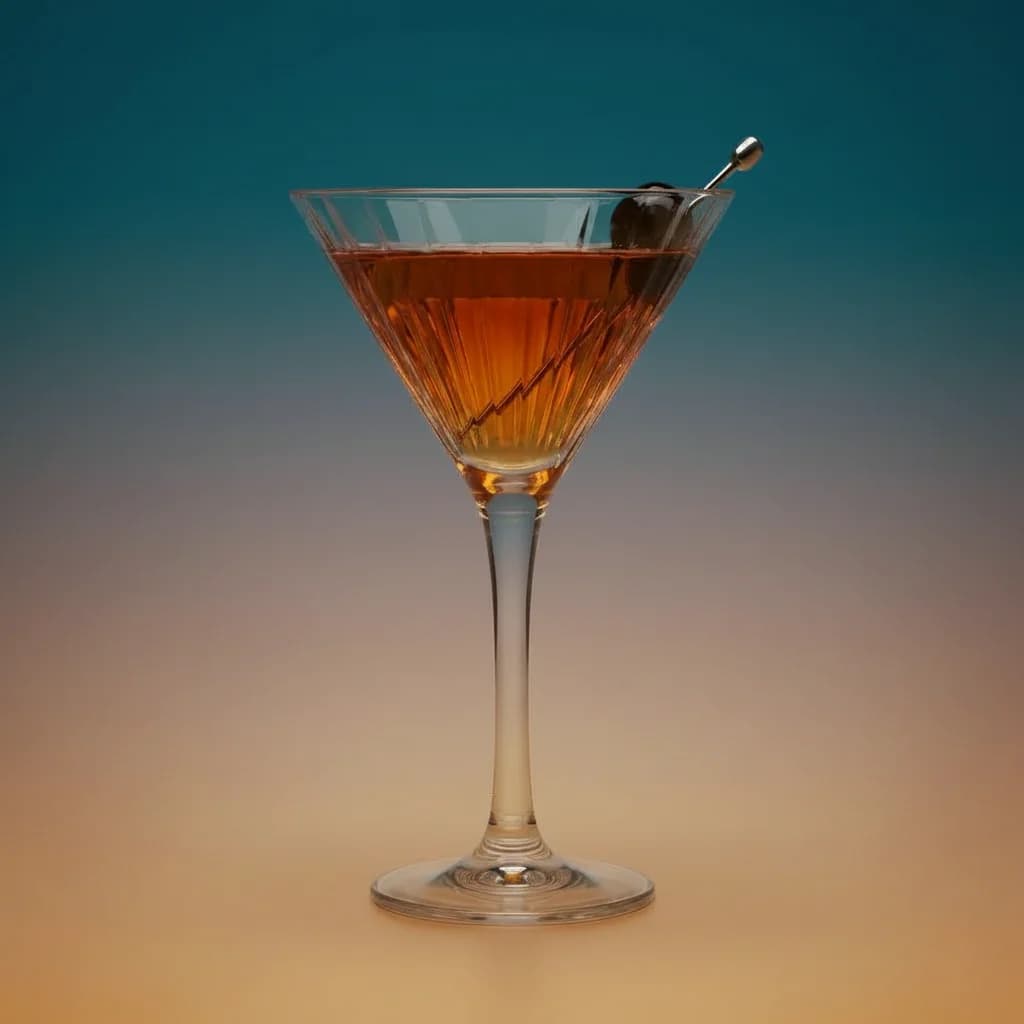
Reverse Manhattan
A sweet and bitter cocktail ∙ Stir ∙ 3 min ∙ 22.1% ABV ∙
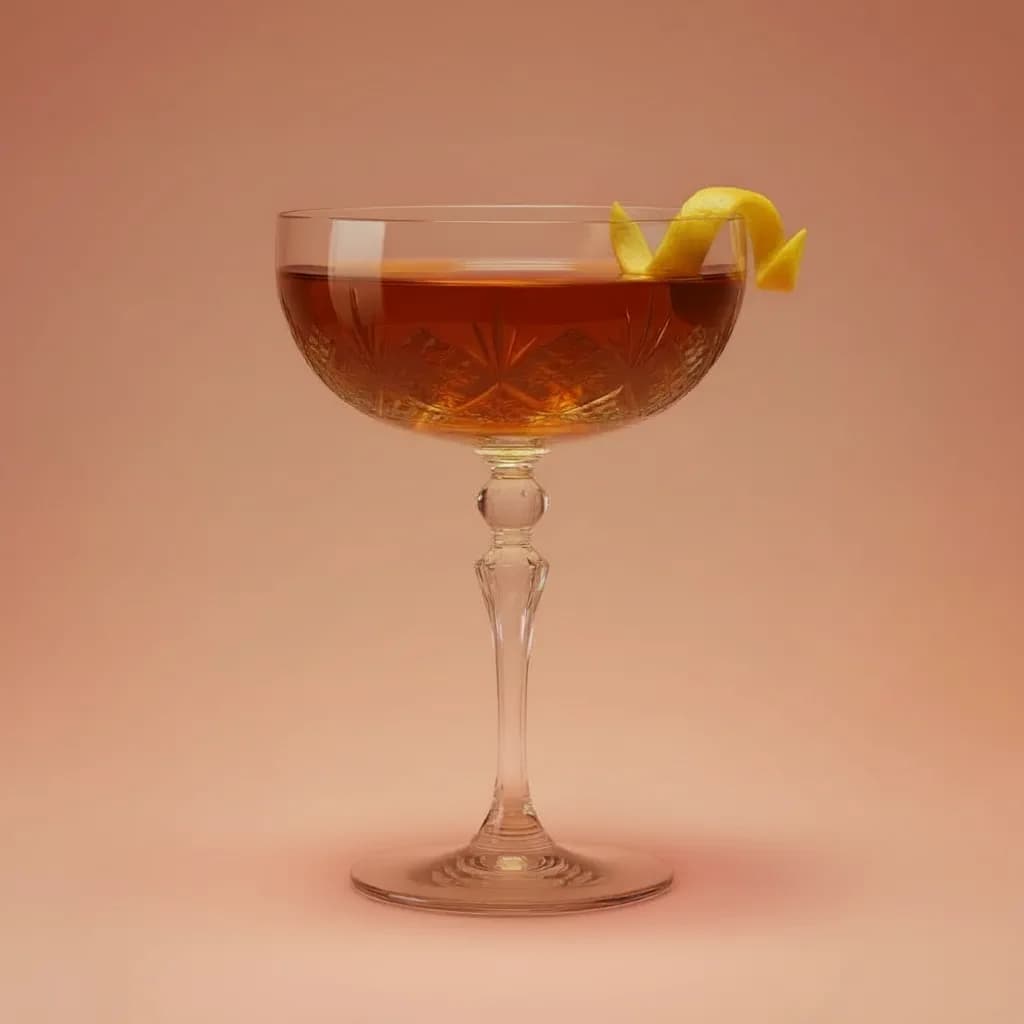
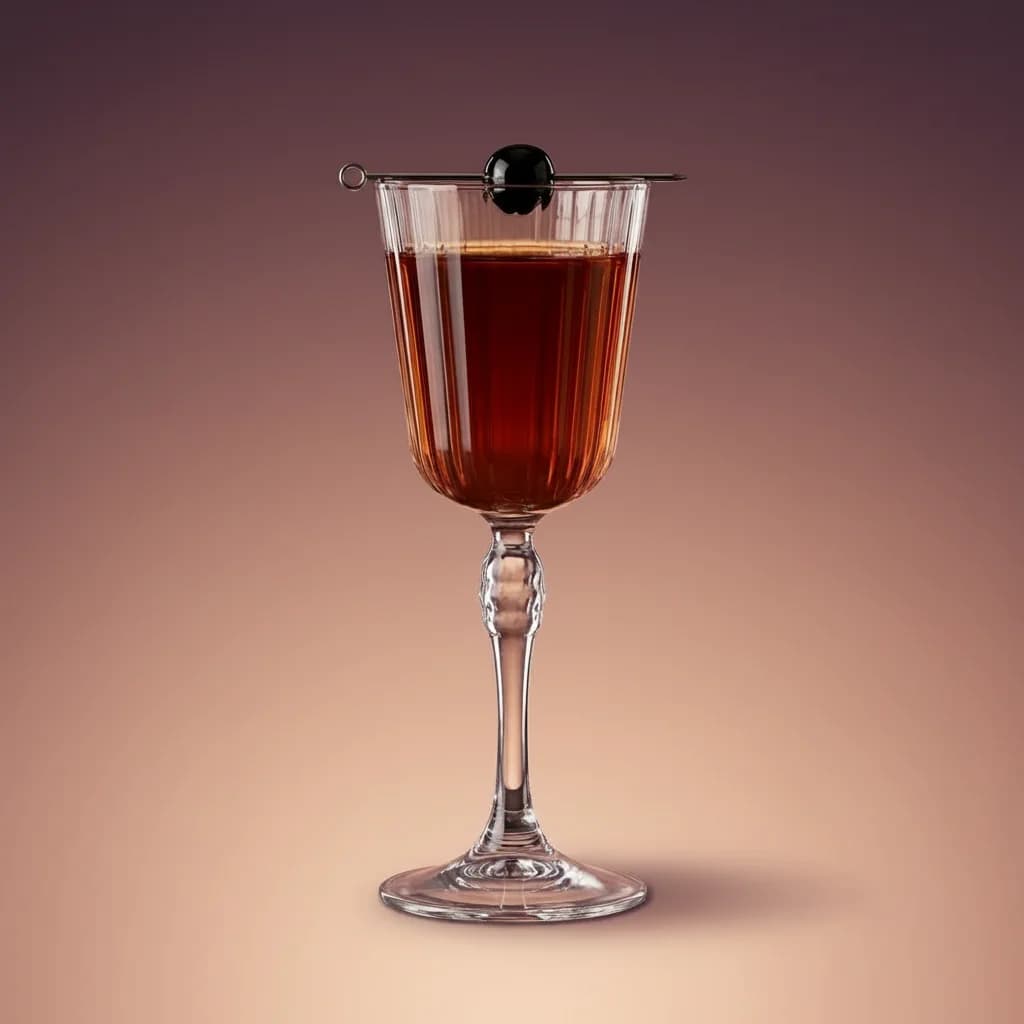
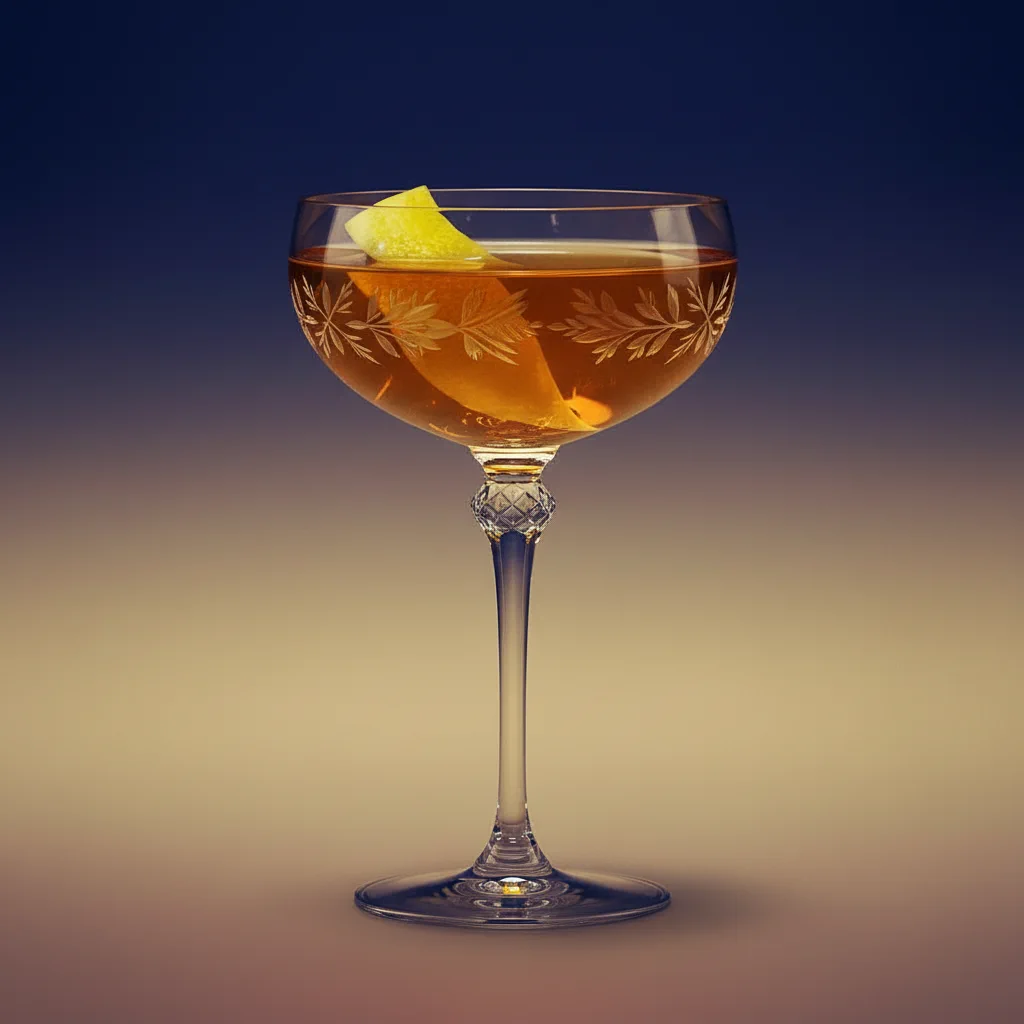
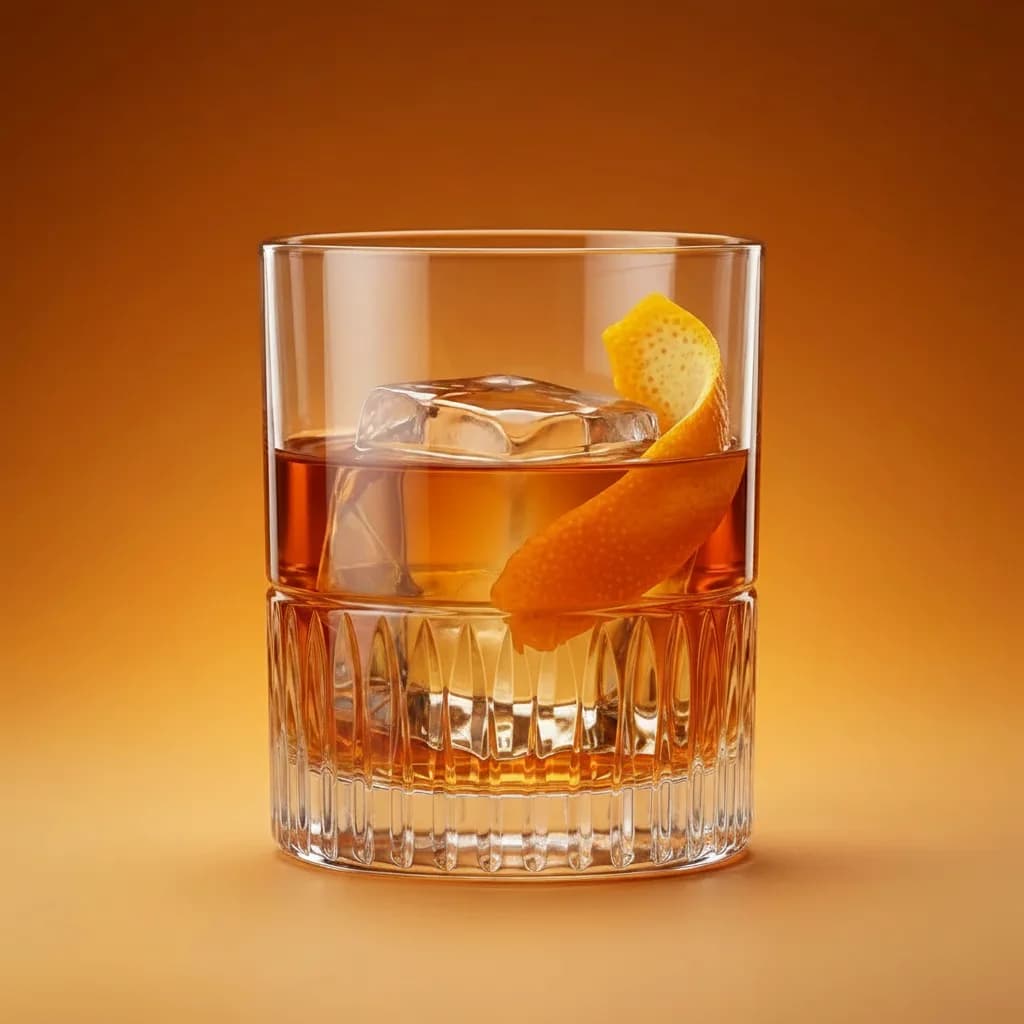
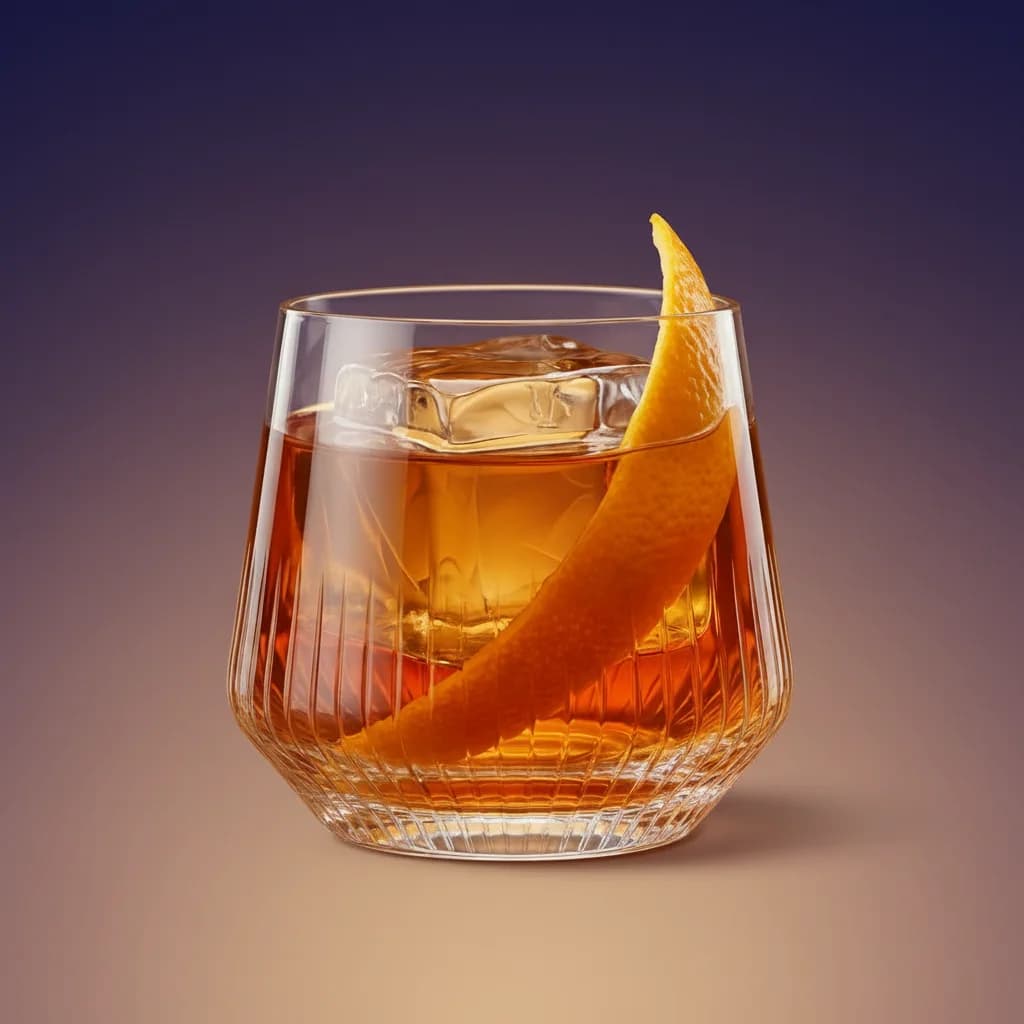
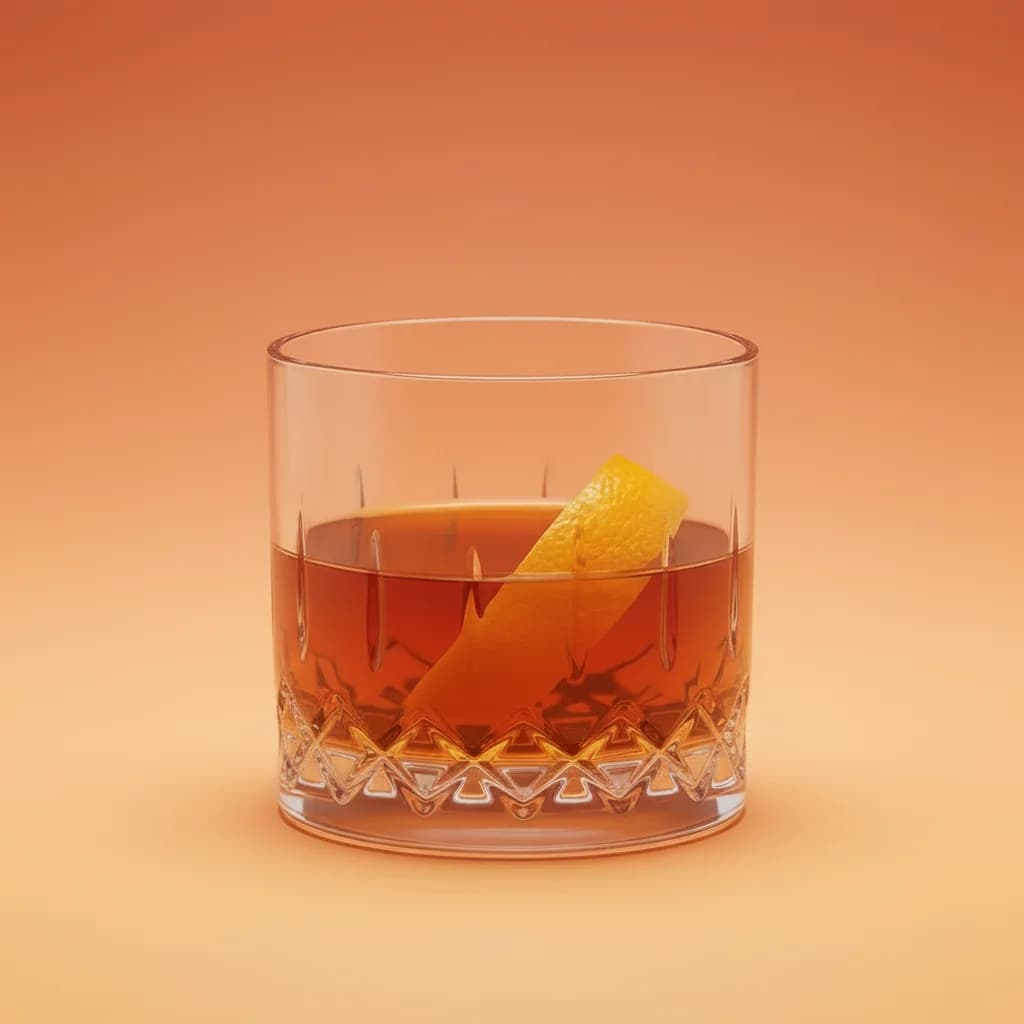
A Reverse Manhattan flips the classic ratio, stirring mostly rosso vermouth with a smaller measure of rye whiskey and Angostura bitters.
Ingredients
1
Servings
Garnish
Instructions for 1 serving
- Pre-chill a glass
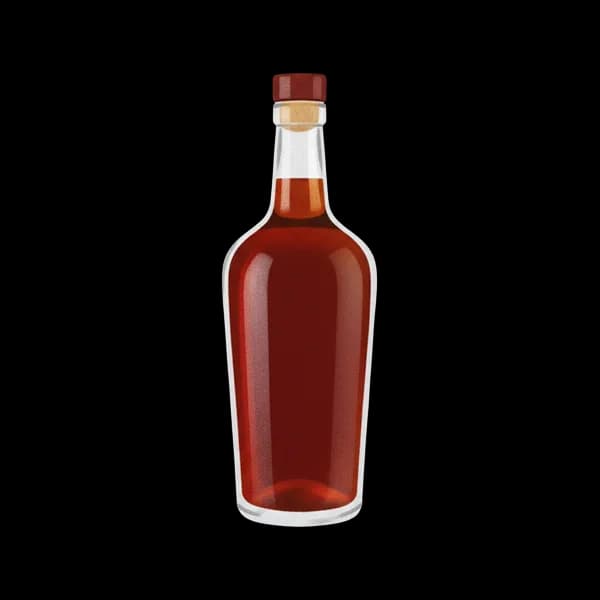
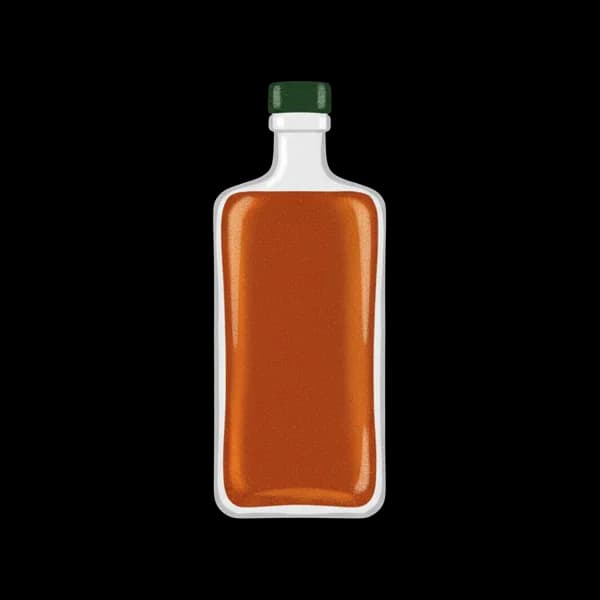
- Stir all ingredients with ice: Rosso vermouth 60 mlRye whiskey 30 mlAngostura aromatic bitters 2 dashes
- Fine strain into the chilled glass
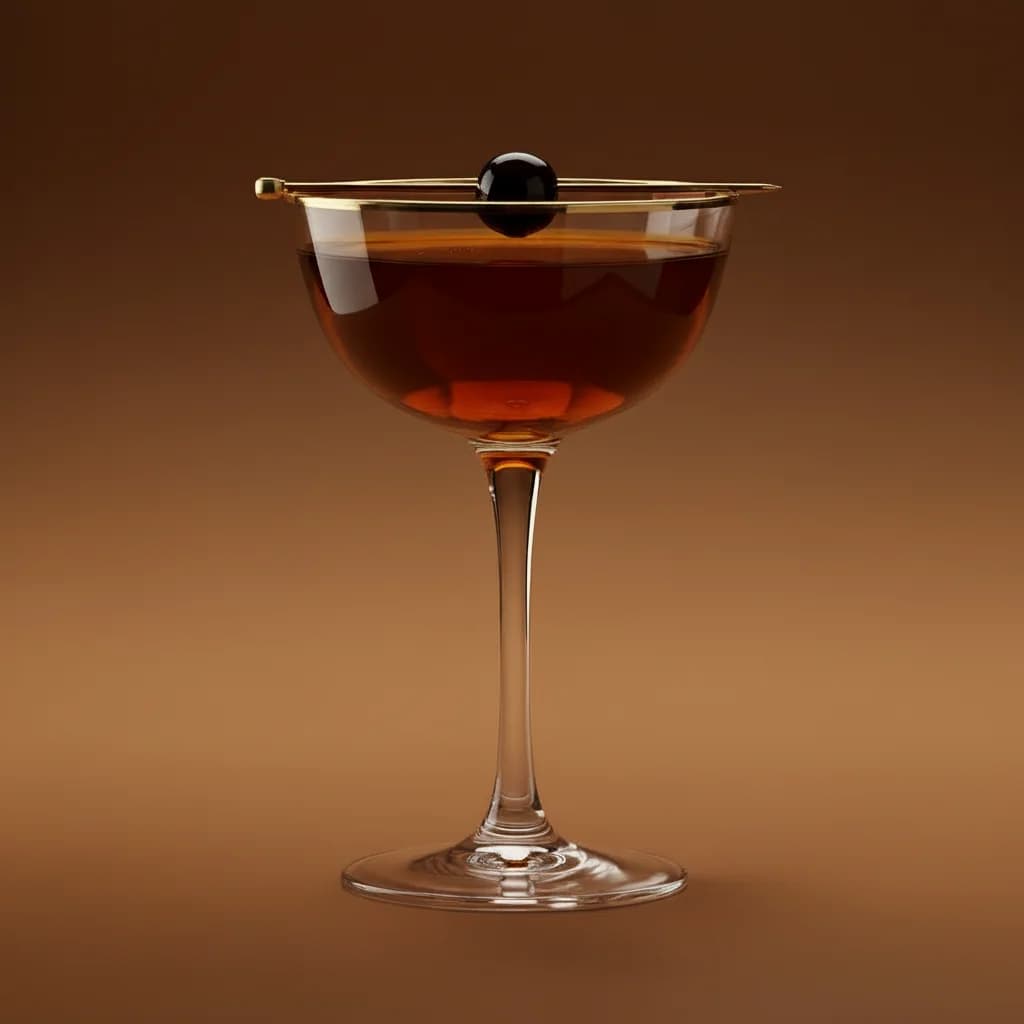
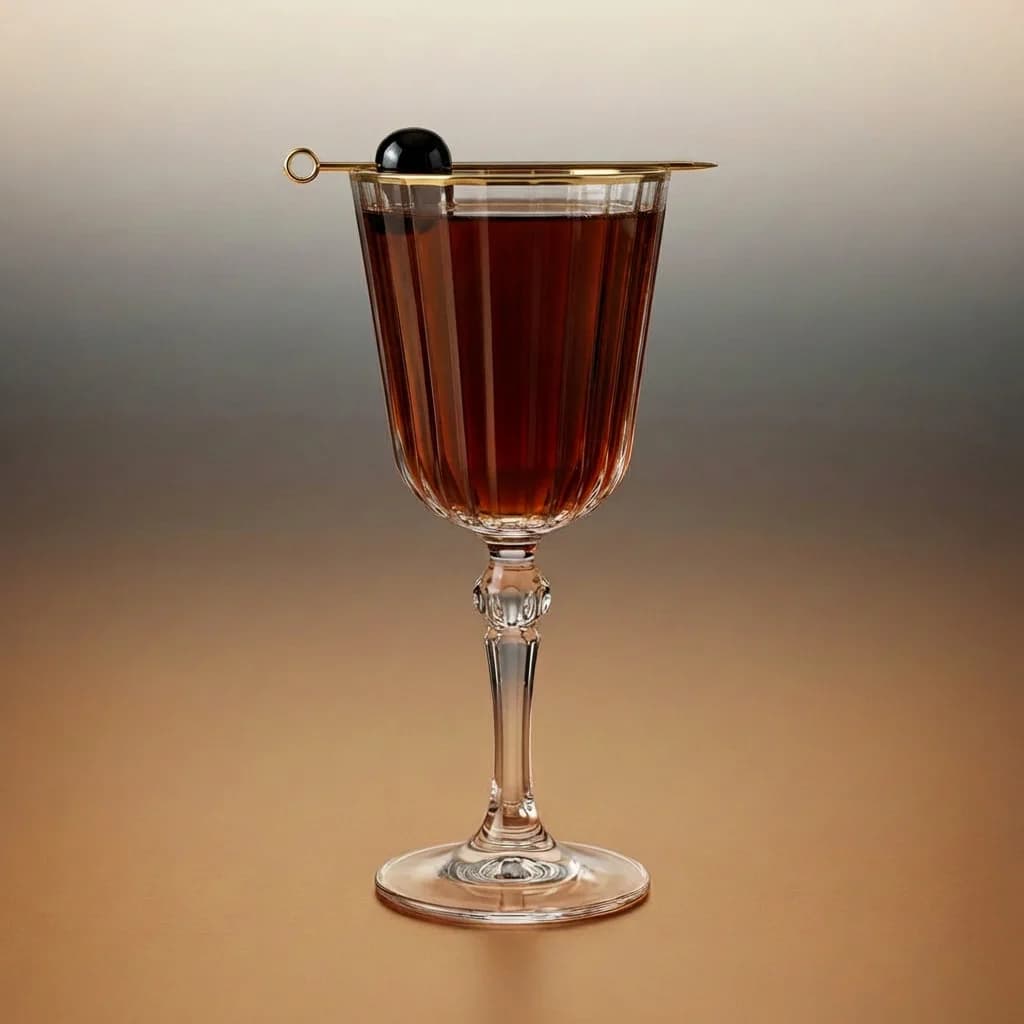
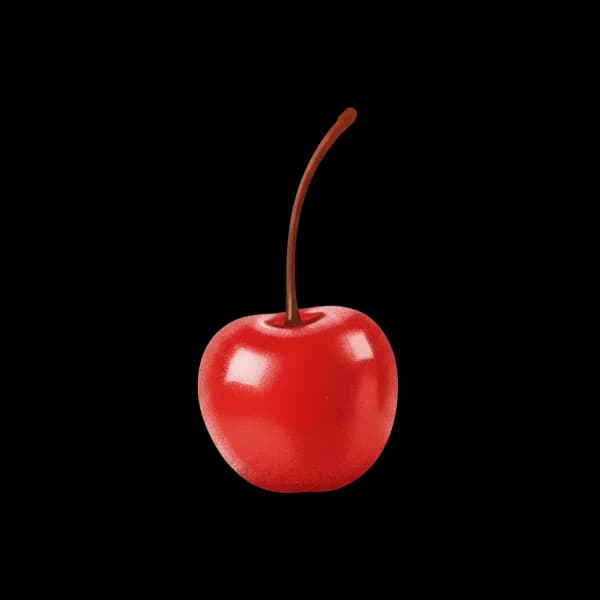
- Garnish with a maraschino cherry
Tips
- With 60 ml of vermouth to 30 ml of rye, the drink is already light, so stir only until it's well chilled; any longer and it goes thin and flat.
History
The Reverse Manhattan has no single credited inventor; it is a name later applied to the vermouth-forward ratio that appeared in some of the earliest printed Manhattan recipes, before the drink standardized into its now-familiar whiskey-forward form. George J. Kappeler's 1895 bar manual, Modern American Drinks, called for equal parts Italian vermouth and whiskey, a far more vermouth-heavy balance than the roughly two-to-one whiskey ratio most bars now pour. Many modern bartenders and writers have accordingly described the Reverse Manhattan as arguably the more historically faithful construction, even as the standard Manhattan overtook it in popularity through the 20th century.
The Manhattan itself is generally traced to New York City bars of the 1870s or 1880s, though its exact origin is disputed among several claimants, including a Manhattan Club creation story and rival tales crediting different bartenders. The Reverse Manhattan simply inverts that drink's whiskey-to-vermouth ratio, making sweet vermouth the dominant ingredient rather than the accent, which produces a lighter, less boozy variation on the same combination of whiskey, vermouth, and bitters.
FAQ
What is a Reverse Manhattan?
A Reverse Manhattan is a Manhattan with the ratio flipped: 60 ml rosso vermouth to 30 ml rye whiskey, with two dashes of Angostura bitters. Stirred and garnished with a maraschino cherry, it drinks lighter and more like an aperitif than the standard whiskey-forward Manhattan.