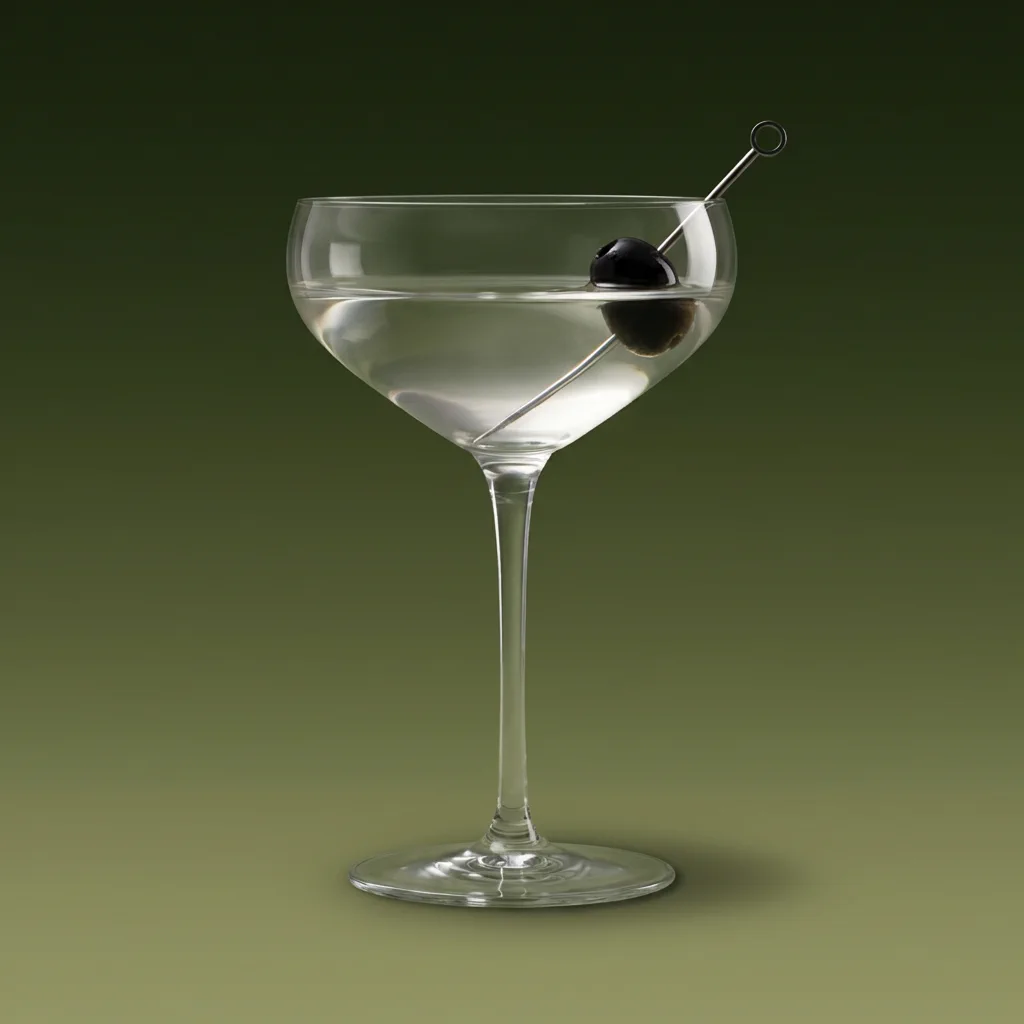
Cocktails with Absinthe
Absinthe is a high-proof, anise-forward spirit distilled with botanicals led by the "holy trinity" — grande wormwood, green anise and fennel — which give it its sharp anise-and-wormwood character. Unsweetened and very strong, it’s clear or a natural green.
ABV45–74%One of the strongest spirits on the shelf, which is exactly why it is always diluted.
How it's used
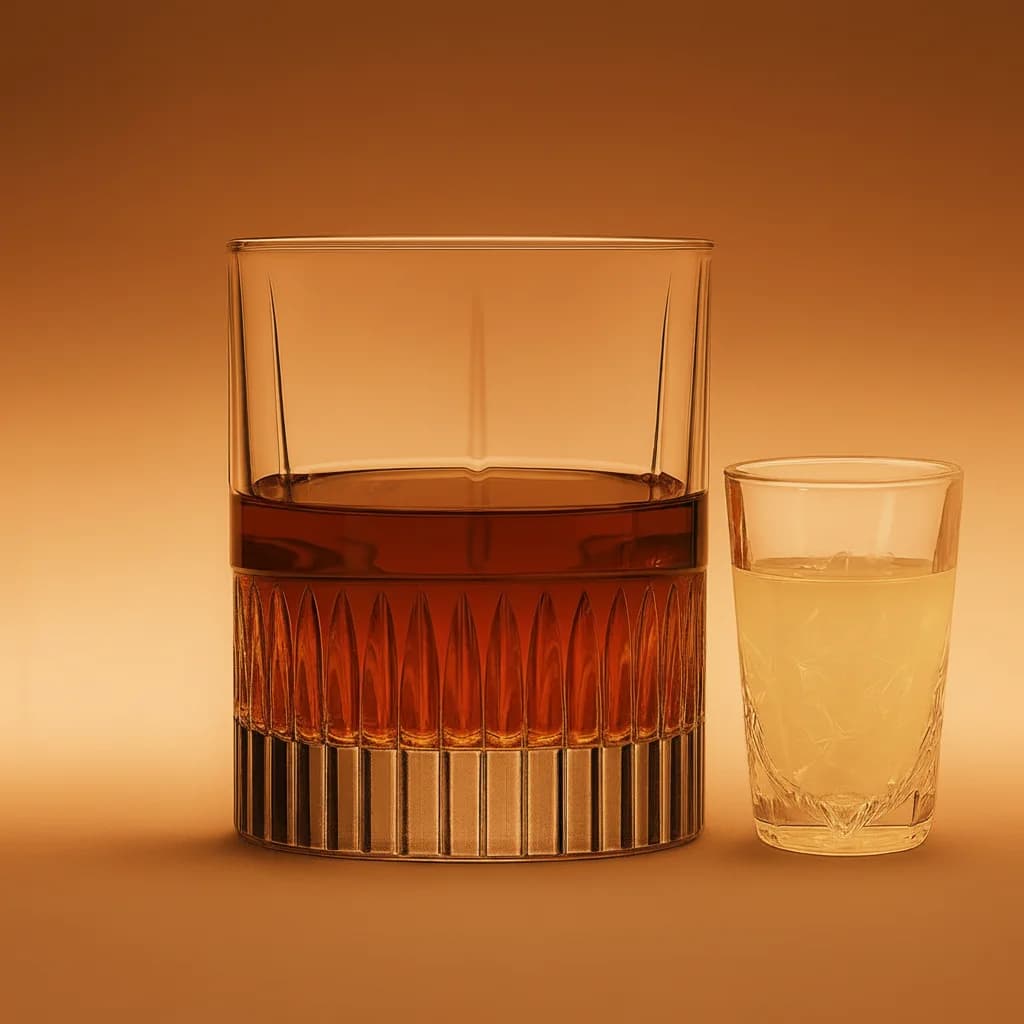
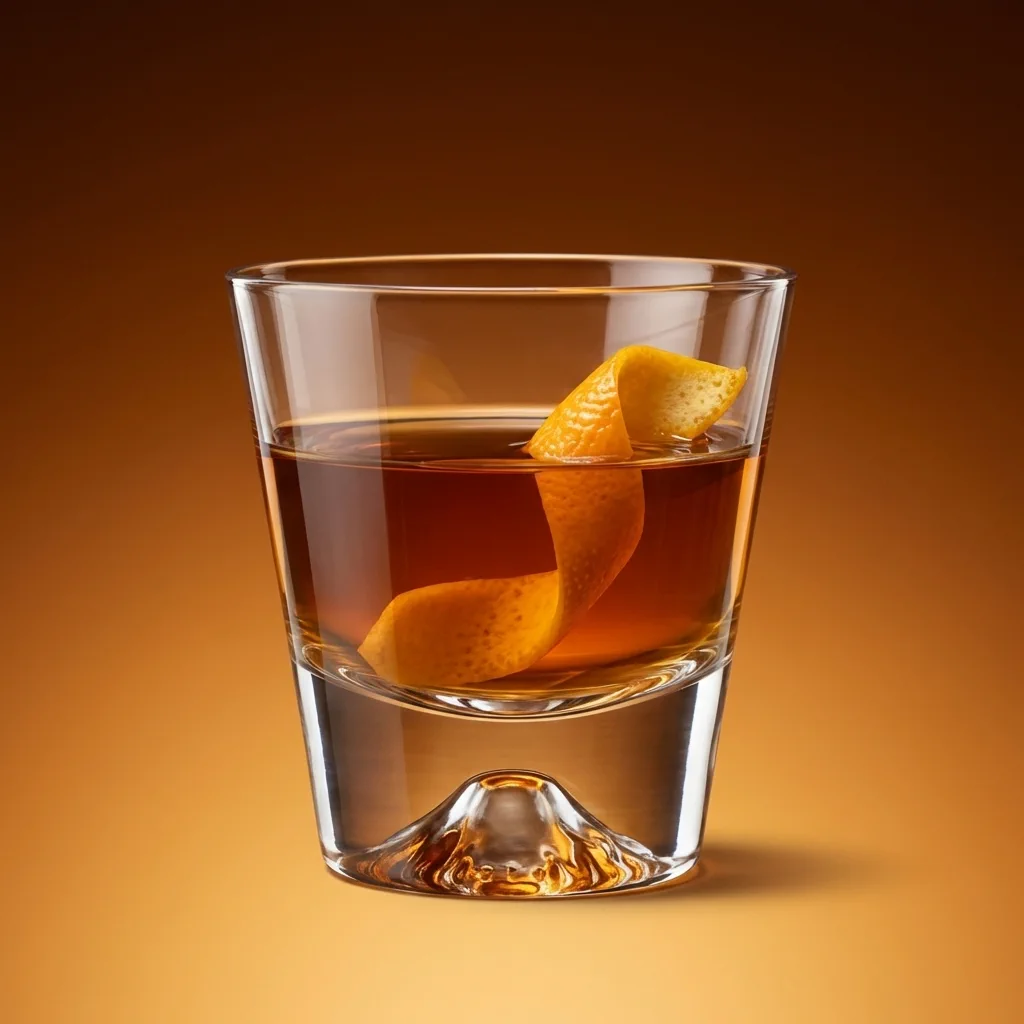
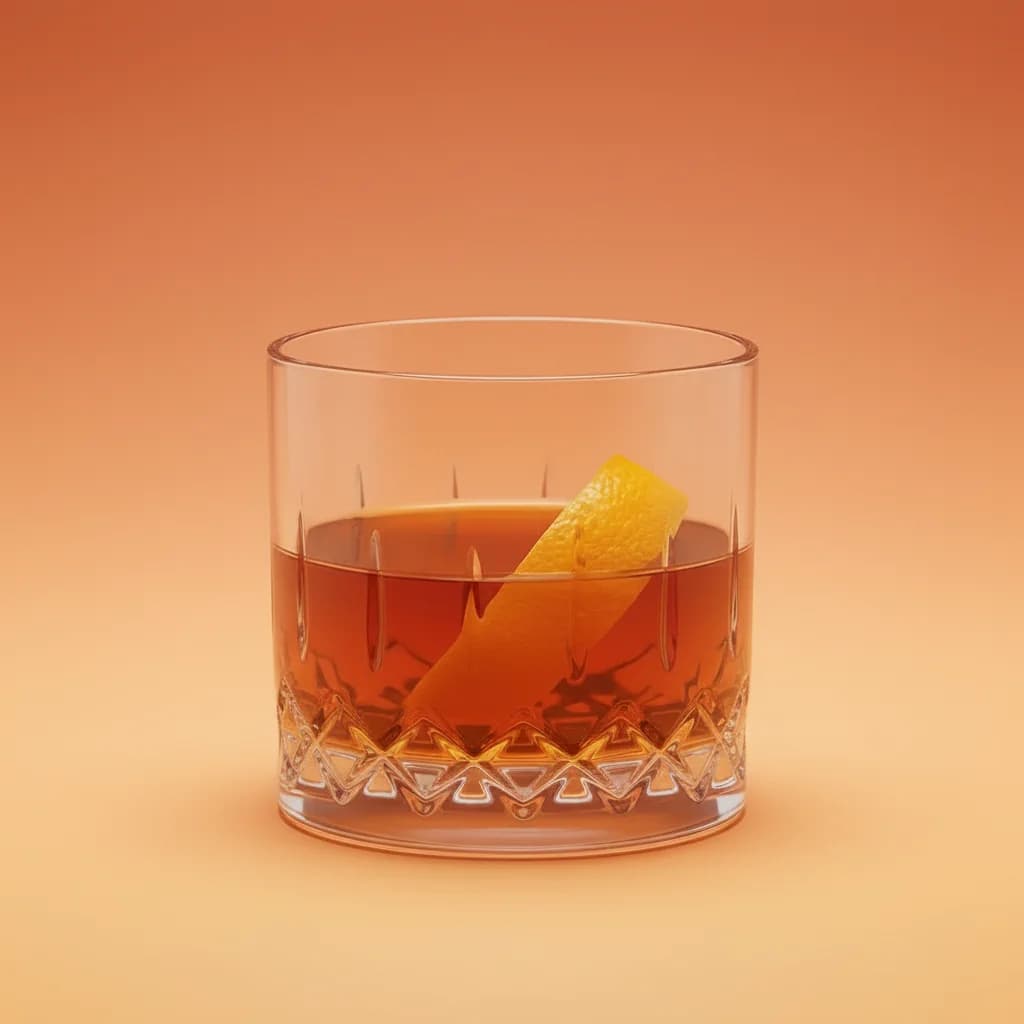
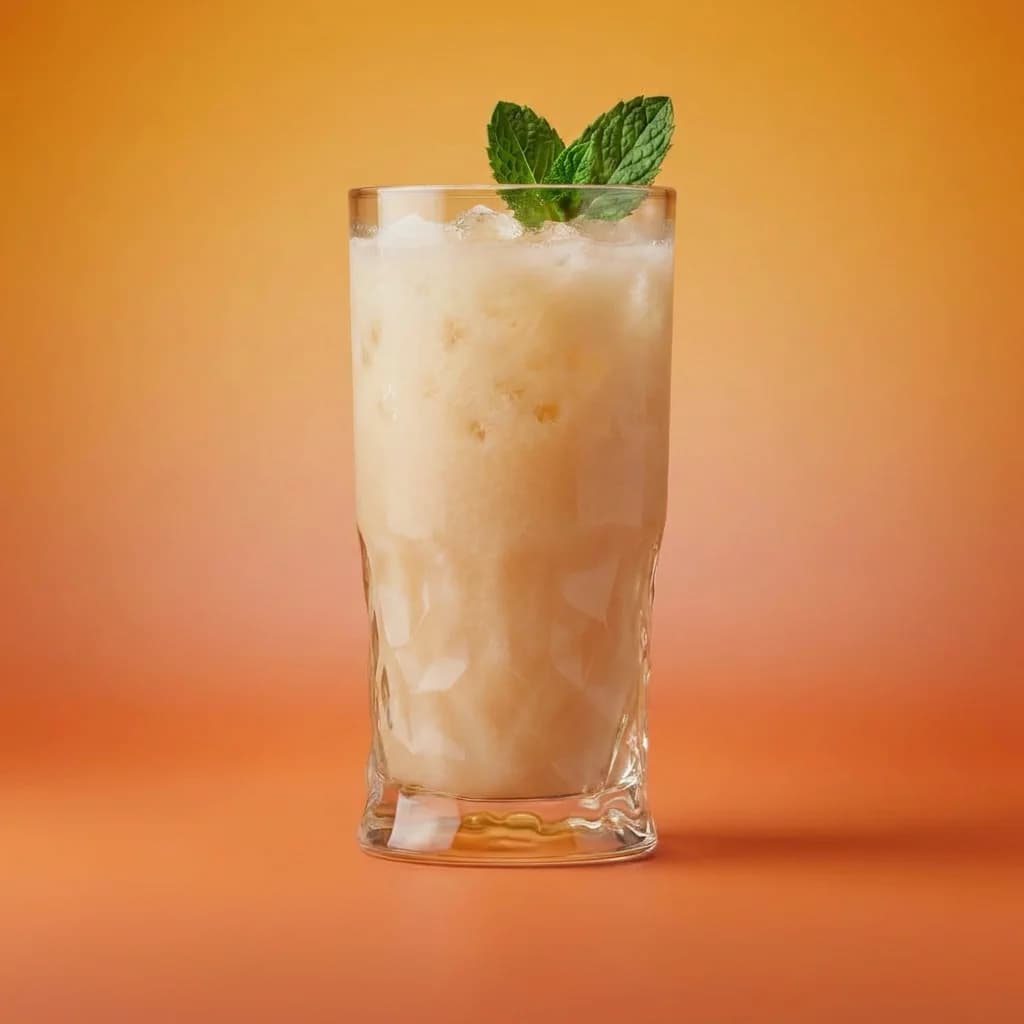
In cocktails absinthe is almost always an accent — the glass is rinsed with it, or a few dashes (drops) added, for aroma not volume; the classic is the Sazerac, where a thin film perfumes every sip. It also carries a Death in the Afternoon (with champagne), a Corpse Reviver No. 2 and an Improved Whiskey Cocktail. Neat, it is not drunk undiluted: iced water is dripped through a sugar cube on a slotted spoon, three to five parts to one. The water triggers the louche — the anise-fennel oil (anethole) dissolves in alcohol but not water, so it drops out and the drink turns milky.
Substitutes for Absinthe
For a rinse or a few dashes, a pastis such as Ricard, or Pernod or Herbsaint, swaps in one for one. It brings the anise and the clouding, though not the dry wormwood bitterness. Where the recipe pours absinthe by the measure, pastis makes the drink a little sweeter and weaker, so it will need less syrup. Drier ouzo behaves much like pastis; sambuca and anisette are far sweeter and suit only a rinse. Where absinthe is the main spirit, there is no real substitute.
An anise spirit flavored with licorice and made without wormwood. Under EU rules it is at least 40% and carries under 100 g of sugar per liter.
Herbsaint and other absinthe substitutes