IBA
Rabo de Galo – IBA
A creamy and sweet cachaça cocktail ∙ Build ∙ 2 min ∙ 29.1% ABV ∙
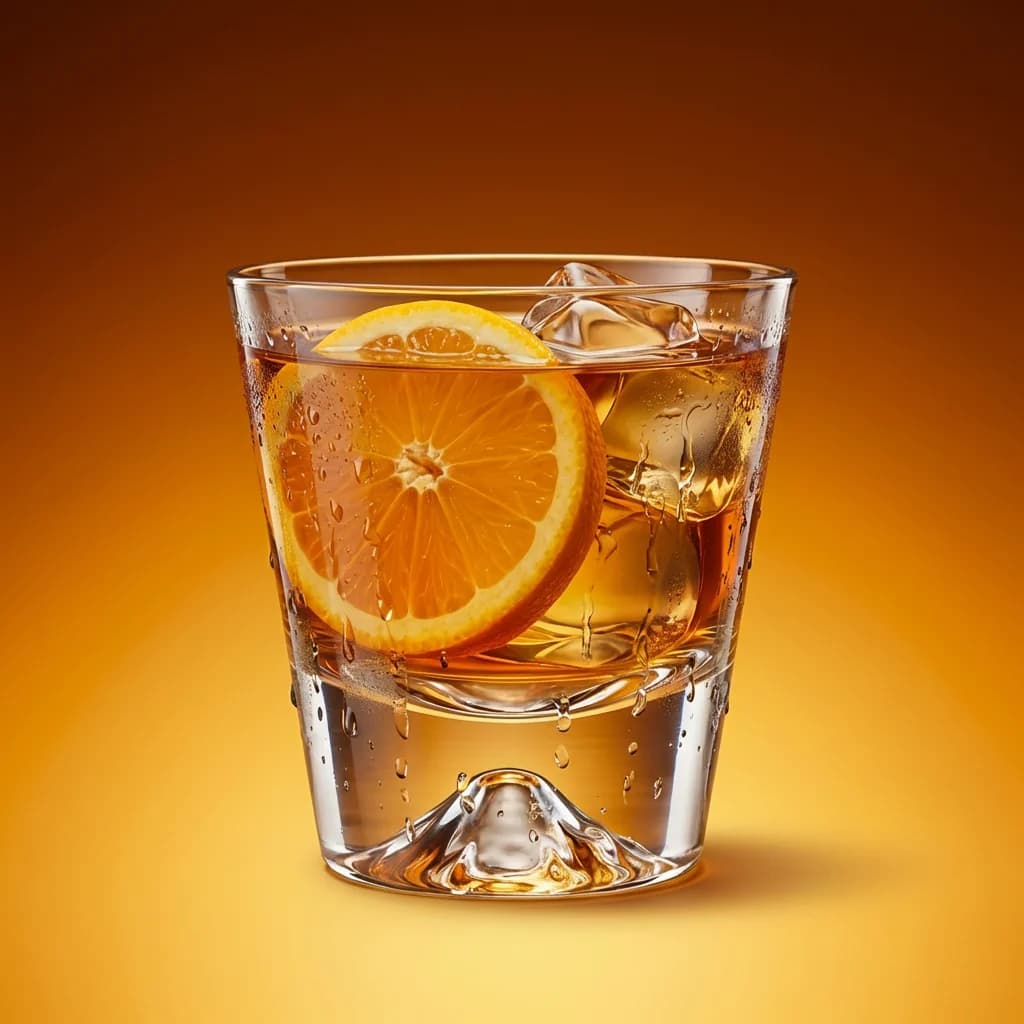
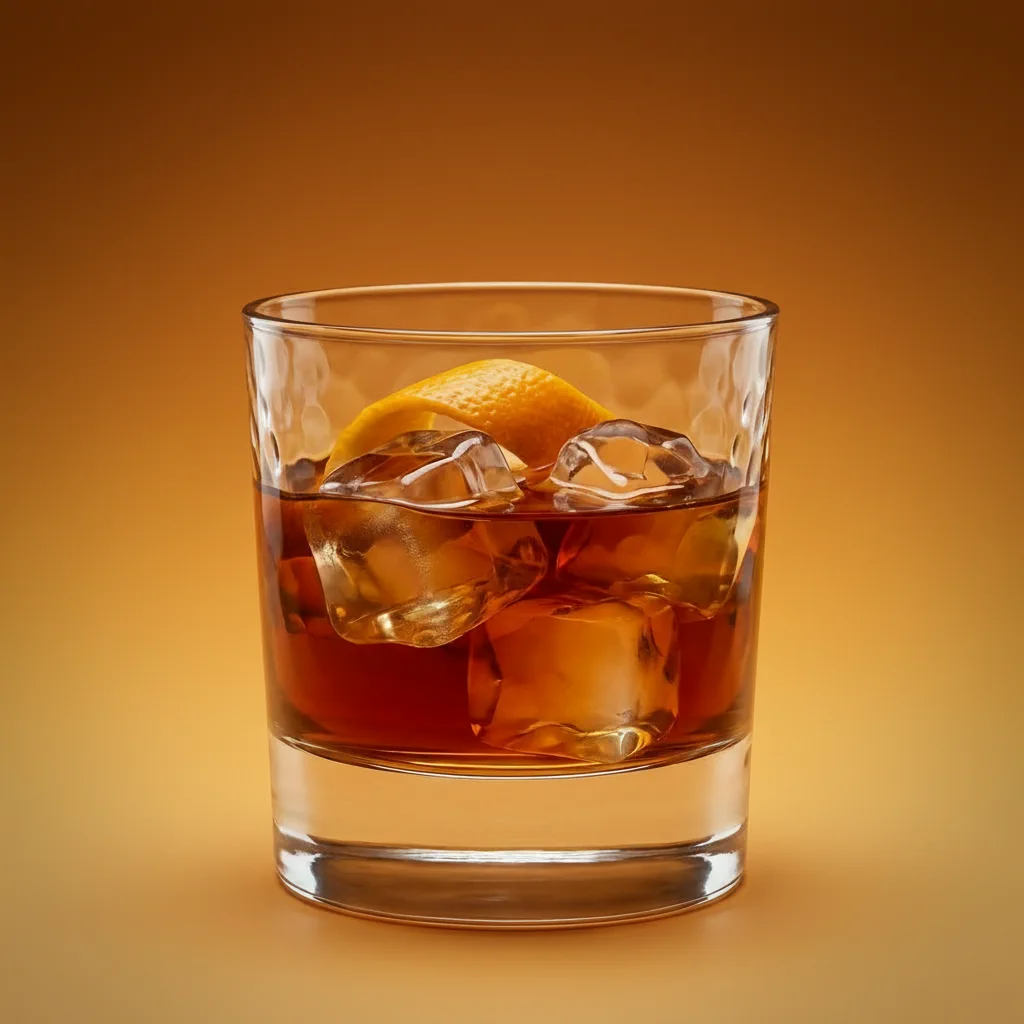
The Rabo de Galo is a classic Brazilian cocktail stirring cachaça with rosso vermouth, Cynar, and a dash of bitters, built over ice. Dense and bittersweet with a bitter-herbal edge that lingers, its grassy backbone softened by a silky, wine-tinged sweetness through a long, warming finish.
Ingredients
1
Servings


Garnish

Instructions for 1 serving
- Pre-chill a glass
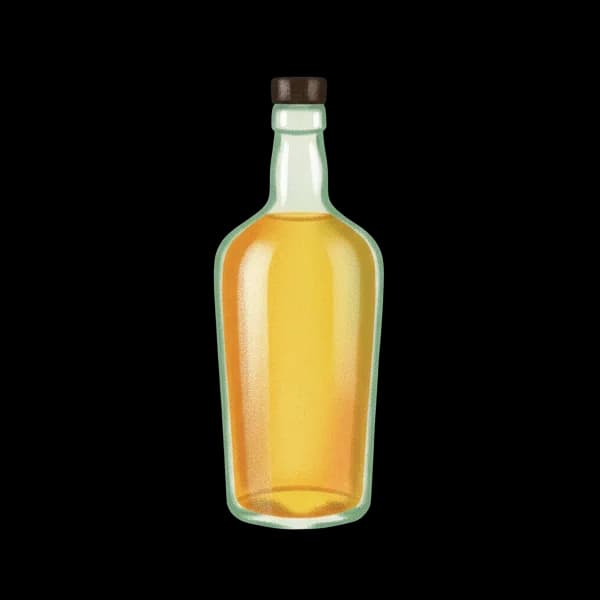
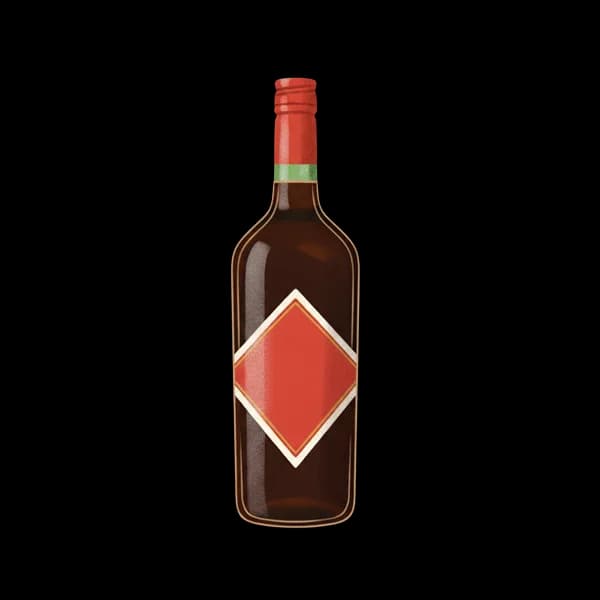
- Combine all the ingredients into a rocks glass: Cachaça 60 mlRosso vermouth 20 mlCynar 15 mlAngostura aromatic bitters 2 dashes
- Add ice and stir briefly
- Garnish with an orange twist
Tips
- Add the bitters last and taste before committing to the full two dashes, since they are marked optional in this build.
History
Rabo de Galo ("rooster's tail," a direct translation of the English "cocktail") took shape in São Paulo in the mid-1950s, after the Italian vermouth maker Cinzano opened a factory there and, to compete with Brazilians' overwhelming preference for cachaça, began promoting the idea of mixing two spirits in one glass. Vermouth on its own found few takers, so cachaça and rosso vermouth were paired together and marketed under the translated name galo-tail.
The drink first caught on as a shot in São Paulo's pés-sujos, or "dirty feet" dive bars, where patrons would splash a few drops on the floor as an offering to a saint before slamming back the mixture and knocking the glass on the counter. Over time it evolved from that theatrical shot into a proper mixed drink served over ice in a larger glass, eventually with cachaça and vermouth joined by Cynar and a citrus garnish, with exact proportions varying widely by bar and region.
Long confined to no-frills bars, Rabo de Galo gained international visibility in the 2010s through the advocacy of Brazilian bartender Derivan Ferreira de Souza, who had earlier championed the Caipirinha's global rise and pushed for Rabo de Galo's recognition abroad. It was added to the International Bartenders Association's official list of Contemporary Classics in the 2024 update, becoming only the second Brazilian cocktail on the list after the Caipirinha.