Caipirinha
Muddle; Swizzle ∙ 4 min ∙ 22% ABV ∙
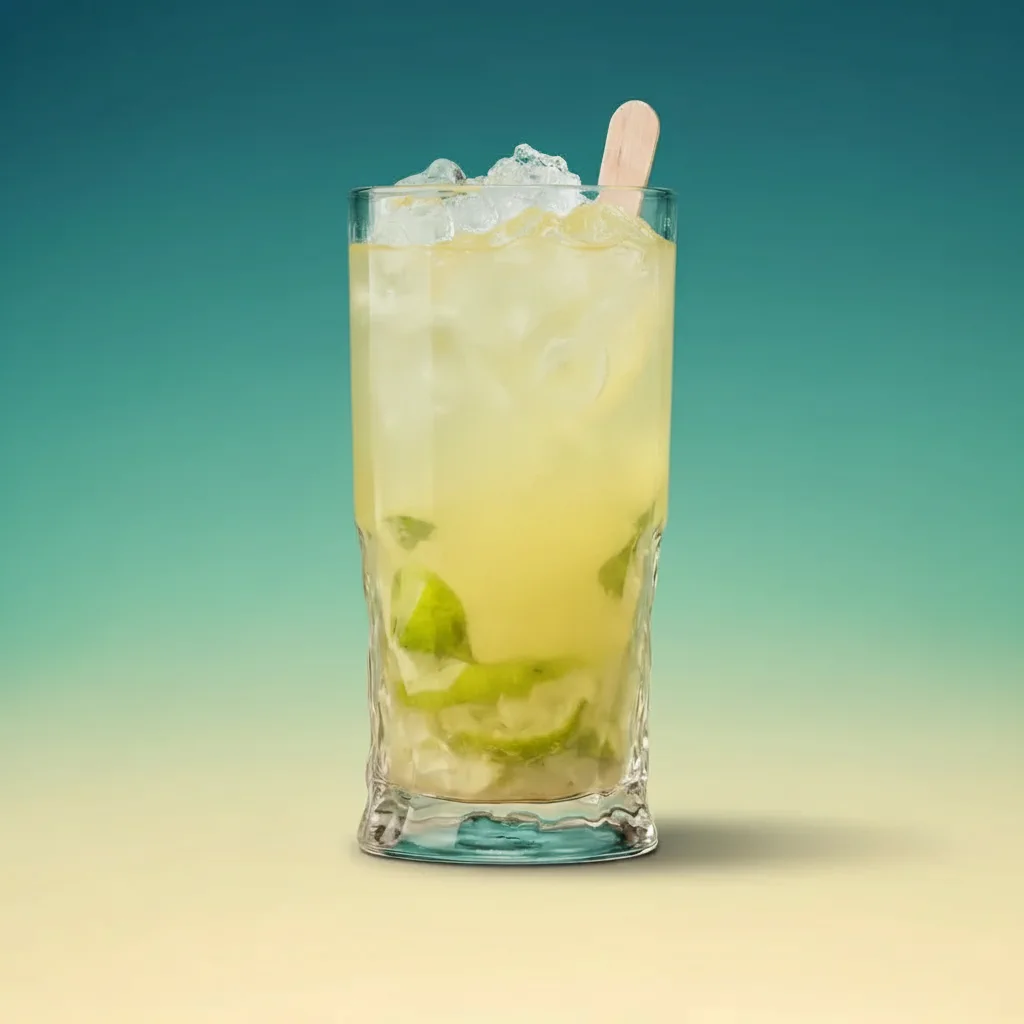
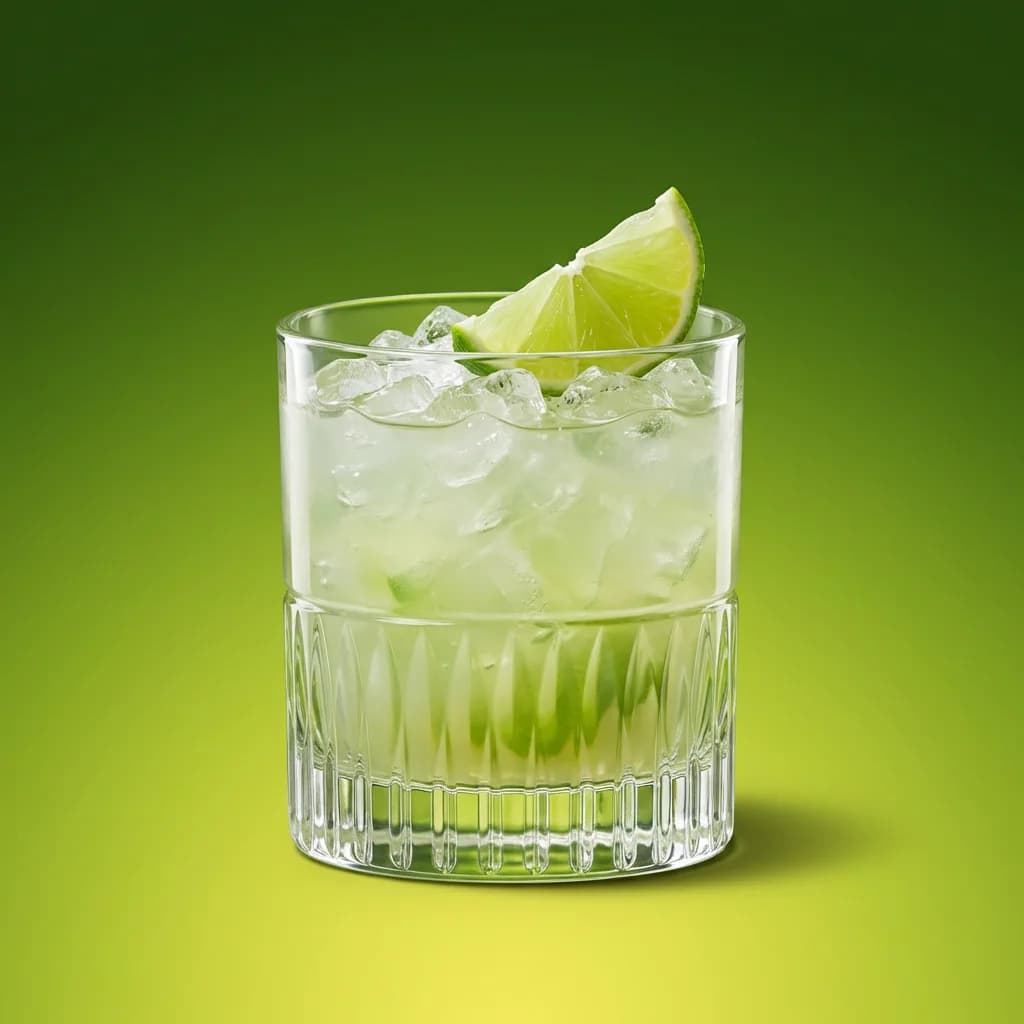
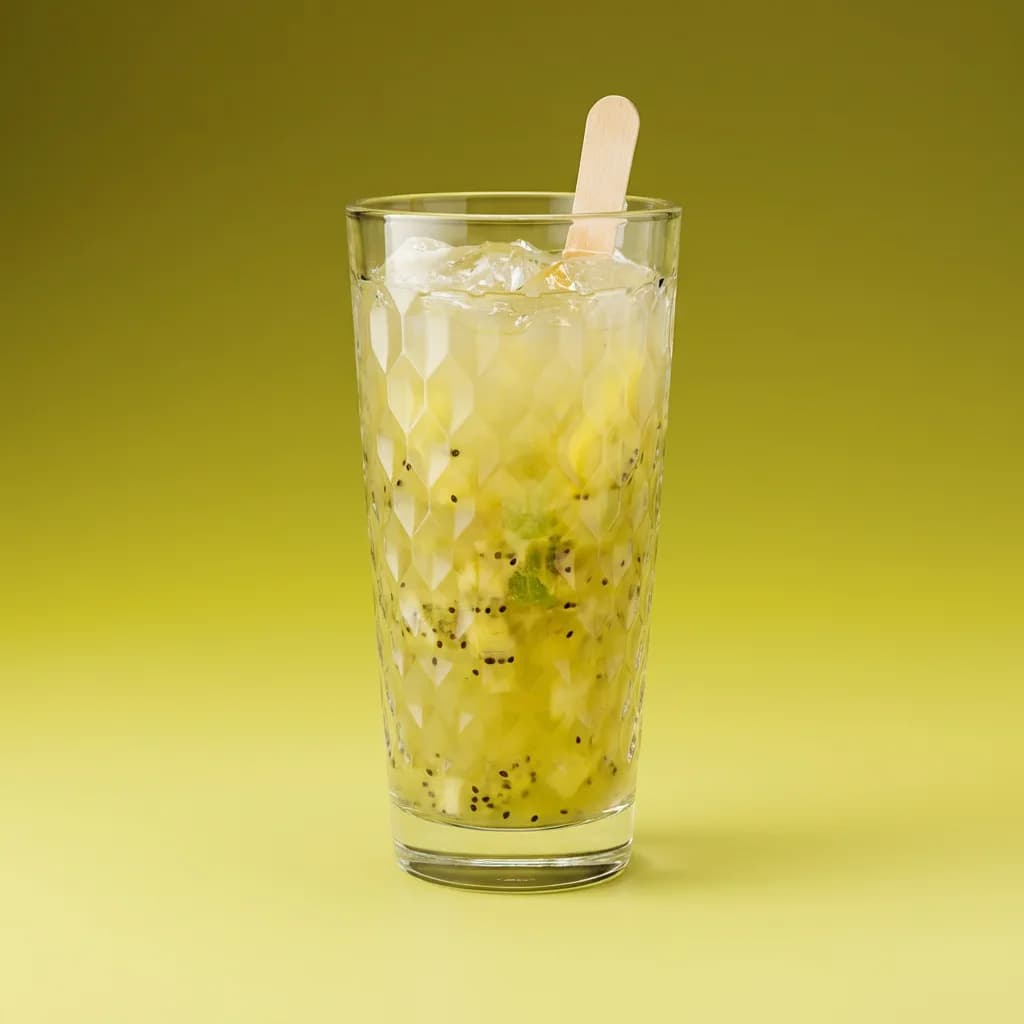
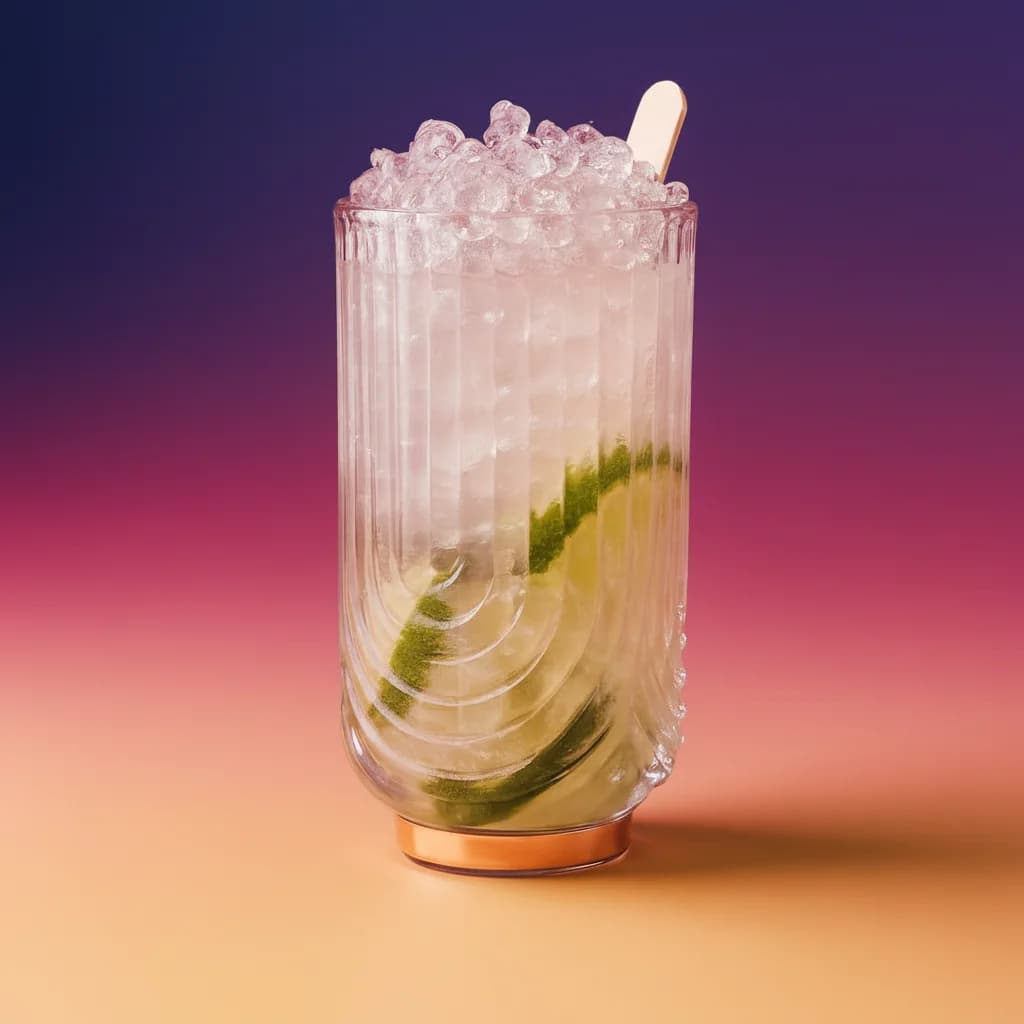
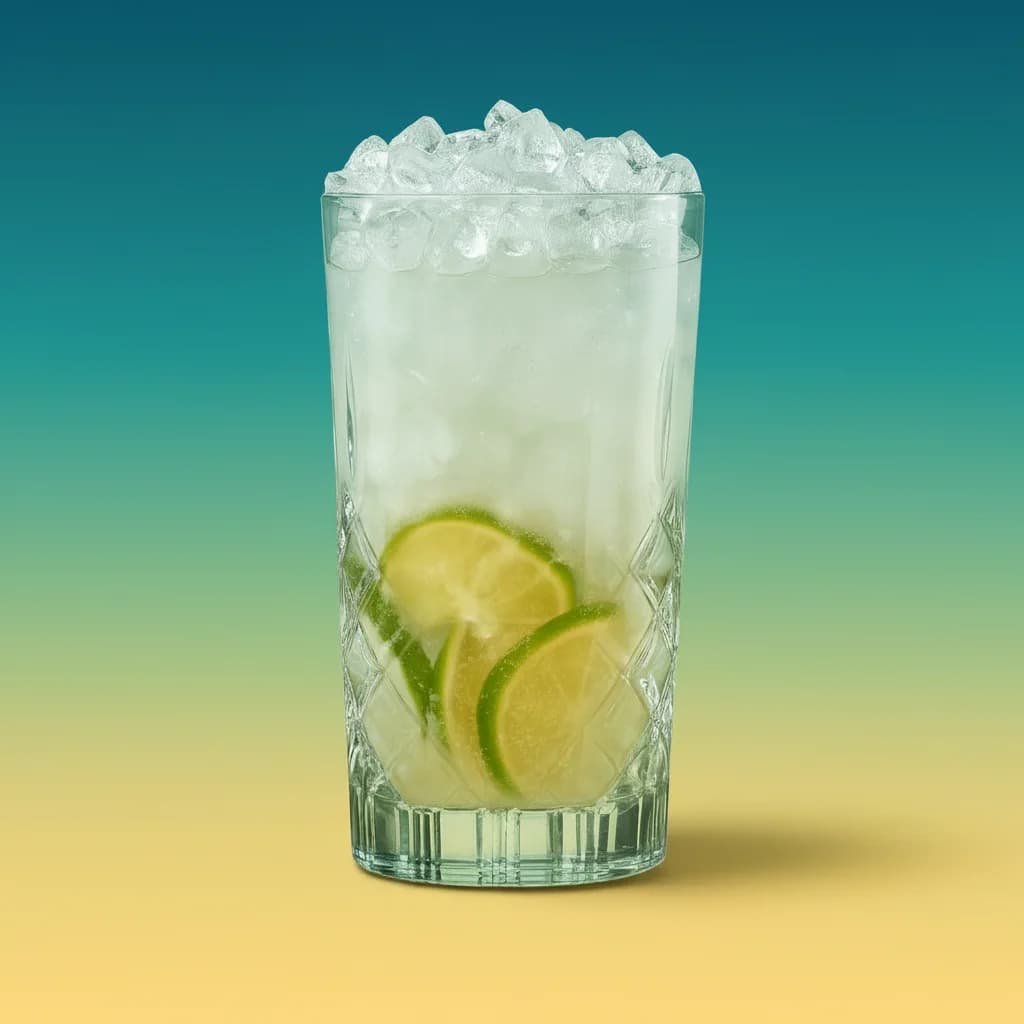
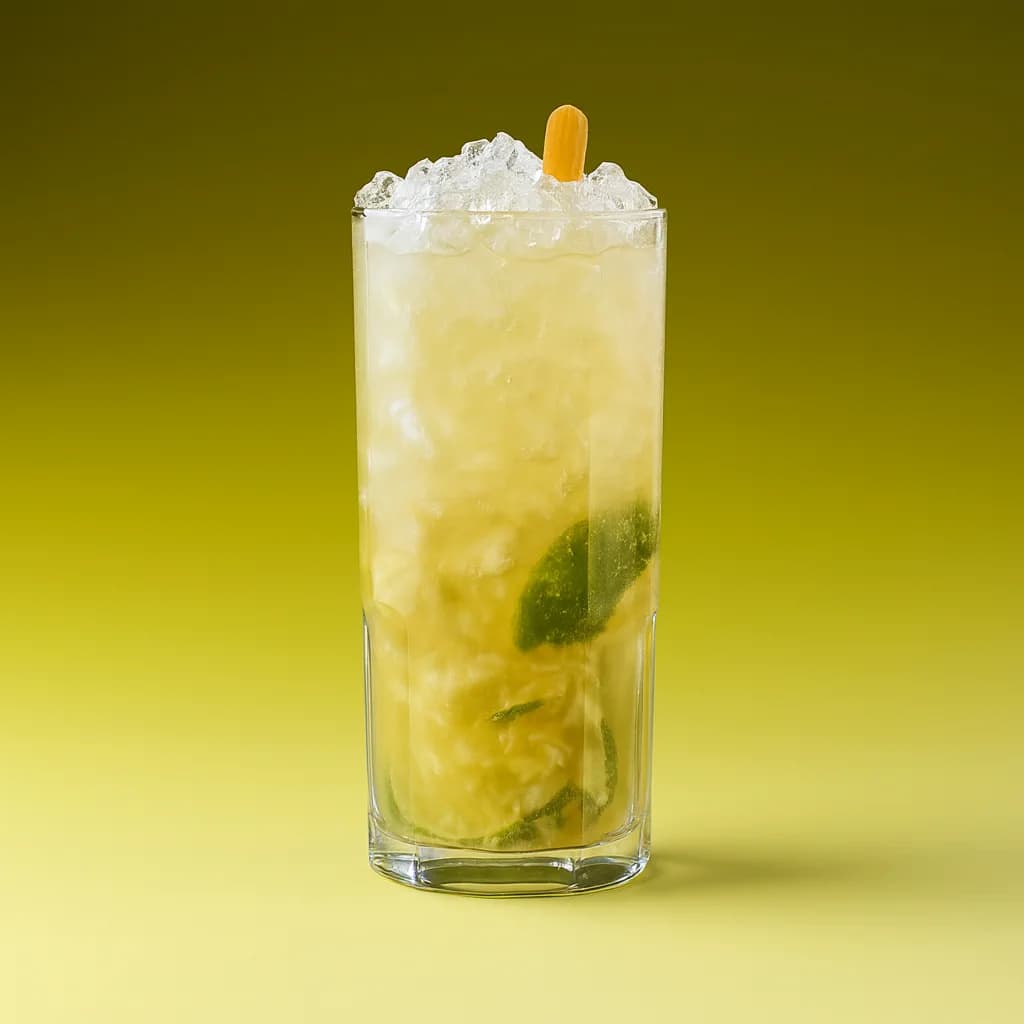
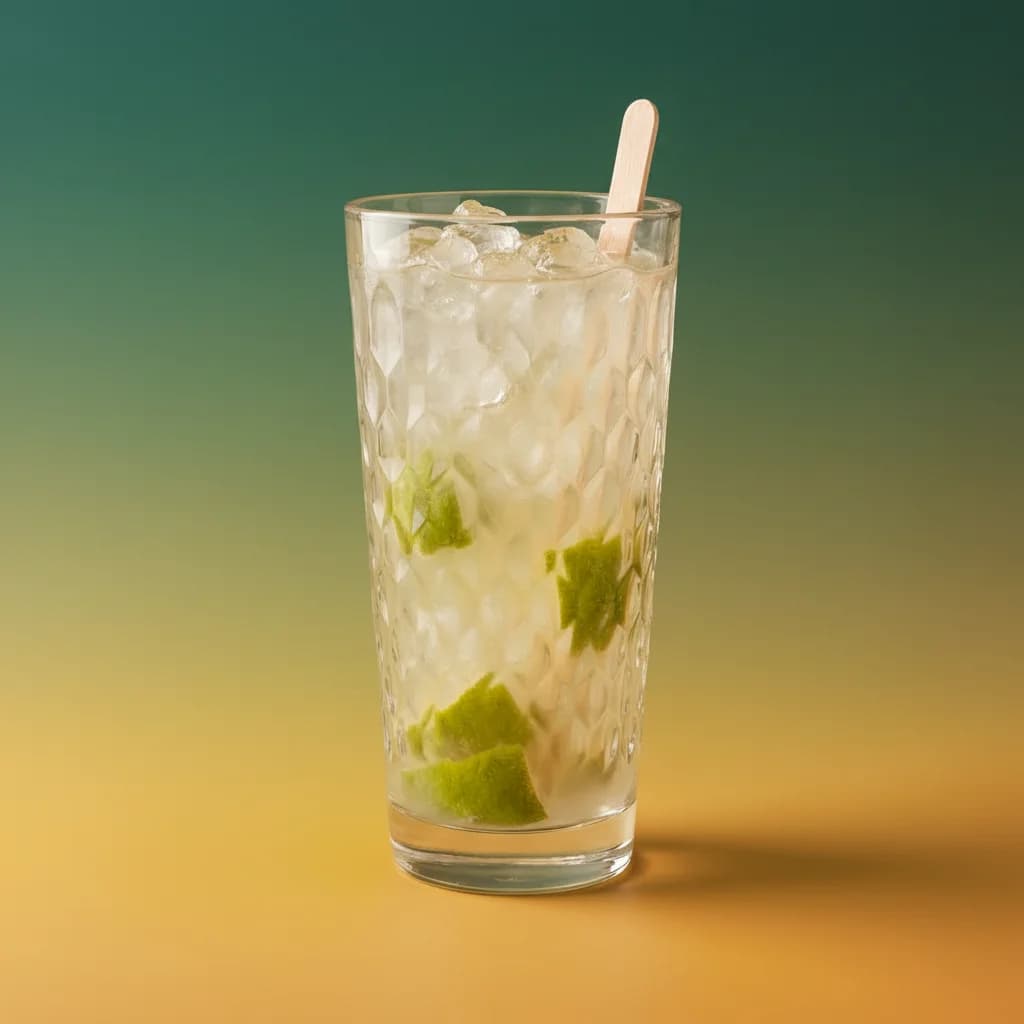
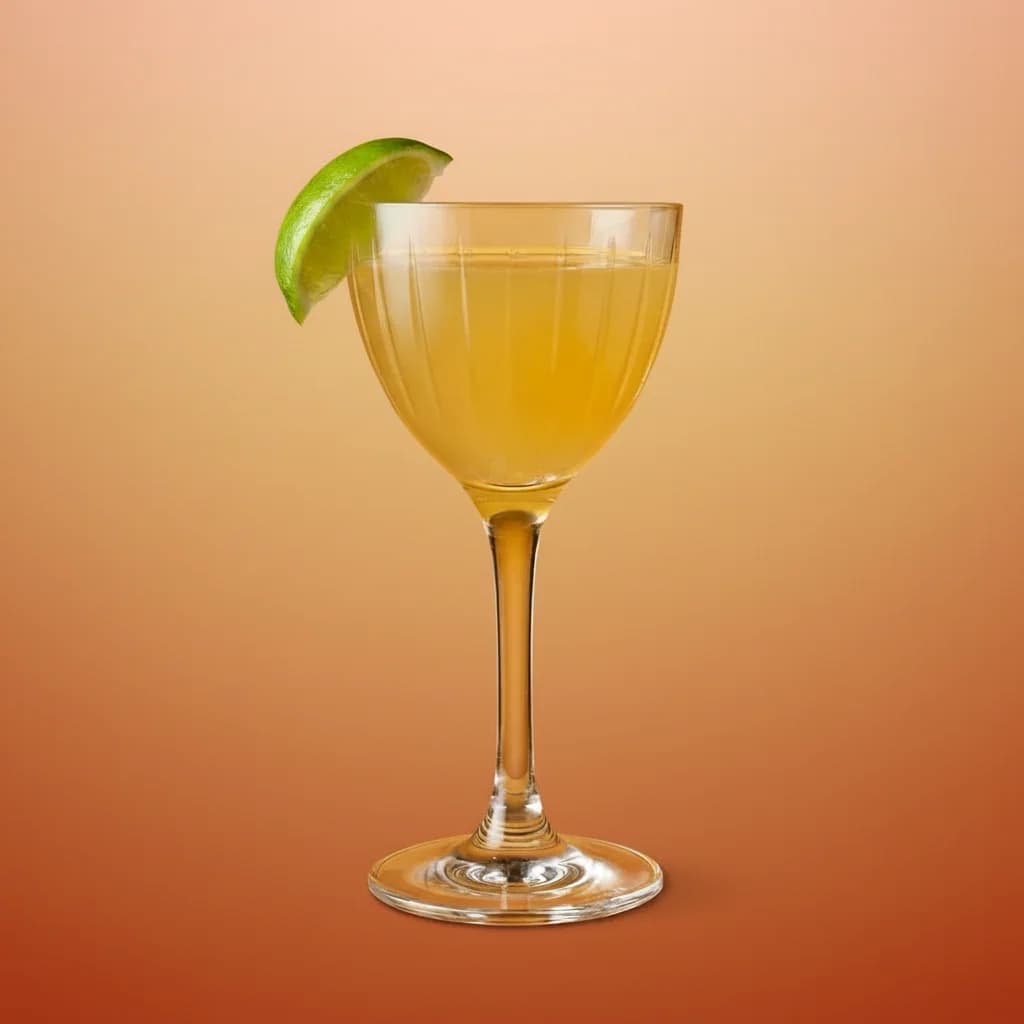
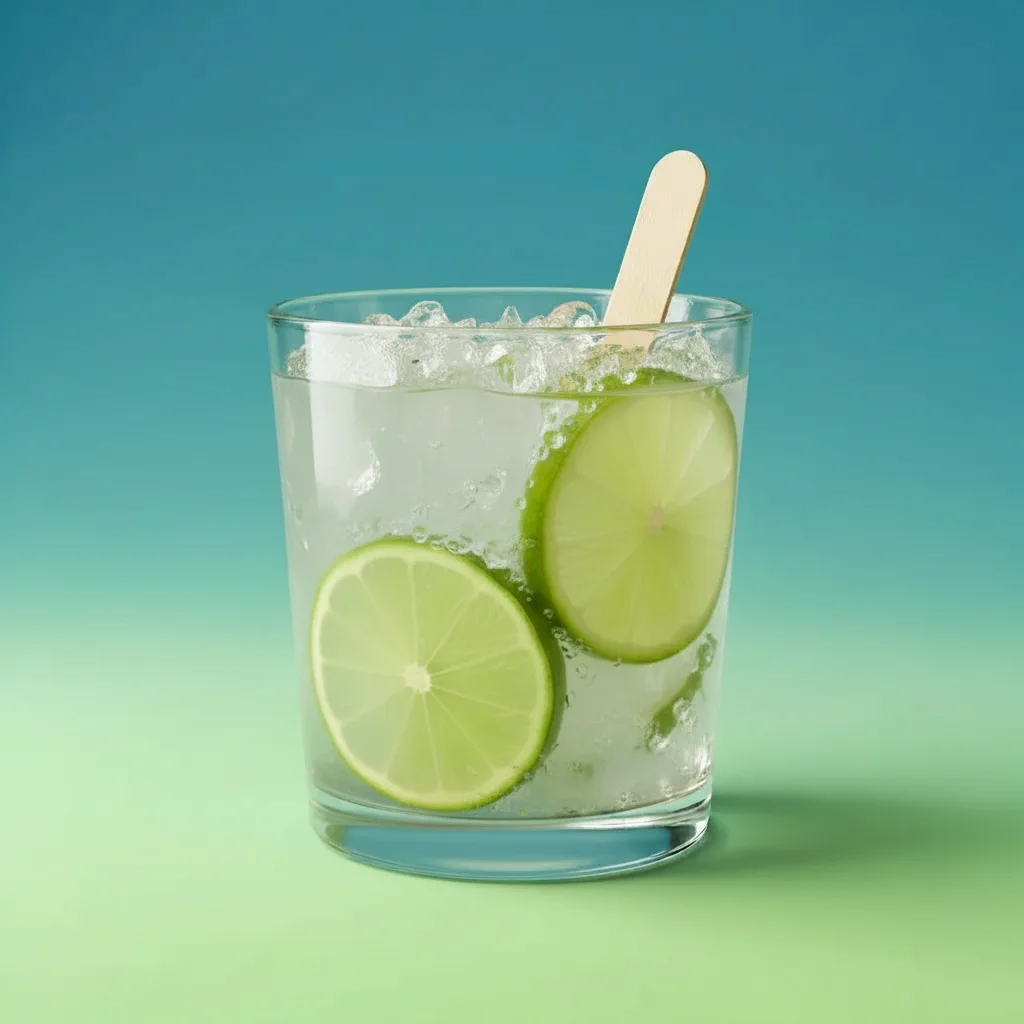
Brazil's national cocktail, the Caipirinha muddles fresh lime and sugar with cachaça, swizzled over cracked ice. Tart lime and gritty sugar crystals lead, cachaça's grassy, vegetal funk lingering underneath — a bright, casual sipper for a hot afternoon.
Ingredients
1
Servings

Garnish
Instructions for 1 serving
- Pre-chill a glass
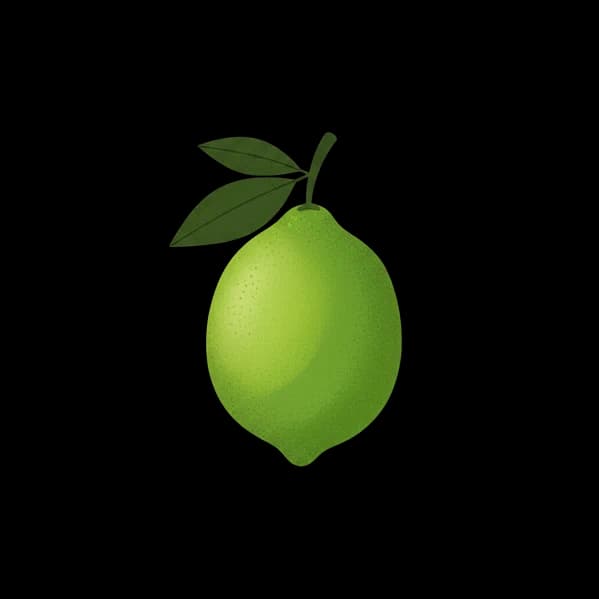
- Chop half a Fresh lime into 3-4 wedges and drop into the glass
- Squeeze the juice from the other half of the Fresh lime into the glass
- Add Powdered sugar 3 bsp and muddle
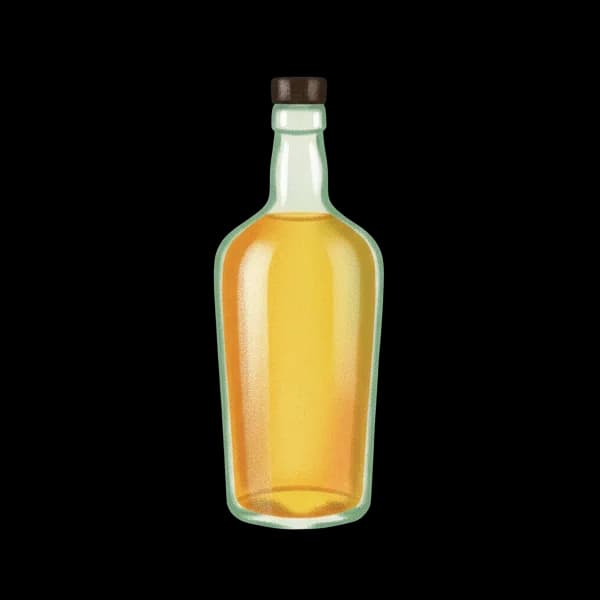
- Once the sugar is dissolved, pour Cachaça 60 ml into the glass
- Swizzle to combine
- Fill the glass with small ice cubes or cracked ice
- Swizzle again, then top with more ice
- Garnish with a lime wedge
Tips
- Cut the lime into 6-8 small wedges and muddle firmly with the sugar only to release oils and juice, not to pulverize the peel, which turns the drink bitter.
- Swizzle vigorously with a bar spoon or swizzle stick for about 10 seconds to chill and dilute evenly, then garnish with a lime wedge.
History
The Caipirinha's origin is disputed but centers on early 20th-century Brazil. The most-cited academic account traces it to the interior of São Paulo state, where landowning farmers in the Piracicaba region are said to have served the drink at high-society parties in the 19th century, reflecting the region's sugarcane culture. A widely repeated alternate account places its creation around 1918, during the Spanish flu pandemic, as a home remedy made with lime, garlic, and honey before evolving into the sweetened lime-and-cachaça drink known today; some versions of this story relocate the remedy's invention to the Alentejo region of Portugal rather than Brazil. A further theory ties the drink's ancestry to Poncha, a sugarcane-spirit drink from Madeira, Portugal. The name derives from "caipira," a Portuguese term for a person from the Brazilian countryside, rendered in the diminutive.
By the 1930s the drink had spread beyond São Paulo to Rio de Janeiro and Minas Gerais, and in 2003 the Brazilian government recognized it as part of the country's cultural heritage. This entry follows the standard lime, sugar, and cachaça build at the heart of all of these accounts, with no variation from the drink's documented original form.
FAQ
What alcohol is in a Caipirinha?
Cachaça, a Brazilian spirit distilled from fresh sugarcane juice, is the only alcohol in a Caipirinha. It's muddled with fresh lime and sugar, giving the drink an ABV of about 22 percent.
What does a Caipirinha have in it?
Fresh lime, sugar, and cachaça, muddled together and swizzled over cracked ice. It's served in an old-fashioned glass with a lime wedge garnish, and the cracked ice stays in the glass as you drink it.
Is a Caipirinha shaken or stirred?
Neither — it's swizzled. The lime and sugar are muddled in the glass first, then cracked ice is added and stirred with a swizzle stick or bar spoon rather than shaken or strained.
Is a Caipirinha stronger than a Mojito?
Yes, generally. A Caipirinha runs around 22 percent ABV built on cachaça alone, while a Mojito is cut with soda water and typically lands lower in alcohol per serving despite a similar rum base spirit category.
What's the difference between a Mojito and a Caipirinha?
A Caipirinha is cachaça, lime, and sugar swizzled over cracked ice with no dilution from soda; a Mojito adds mint and soda water to rum, lime, and sugar, making it lighter, fizzier, and lower in alcohol by volume.
How do you drink cachaça for beginners?
The easiest entry point is a Caipirinha, where fresh lime and sugar soften cachaça's grassy, vegetal edge. Starting with a well-made unaged cachaça, rather than sipping it neat, lets newcomers get used to the spirit gradually.