Pineapple Caipirinha
A fruity and refreshing cachaça cocktail ∙ Muddle ∙ 3 min ∙ 22.3% ABV ∙
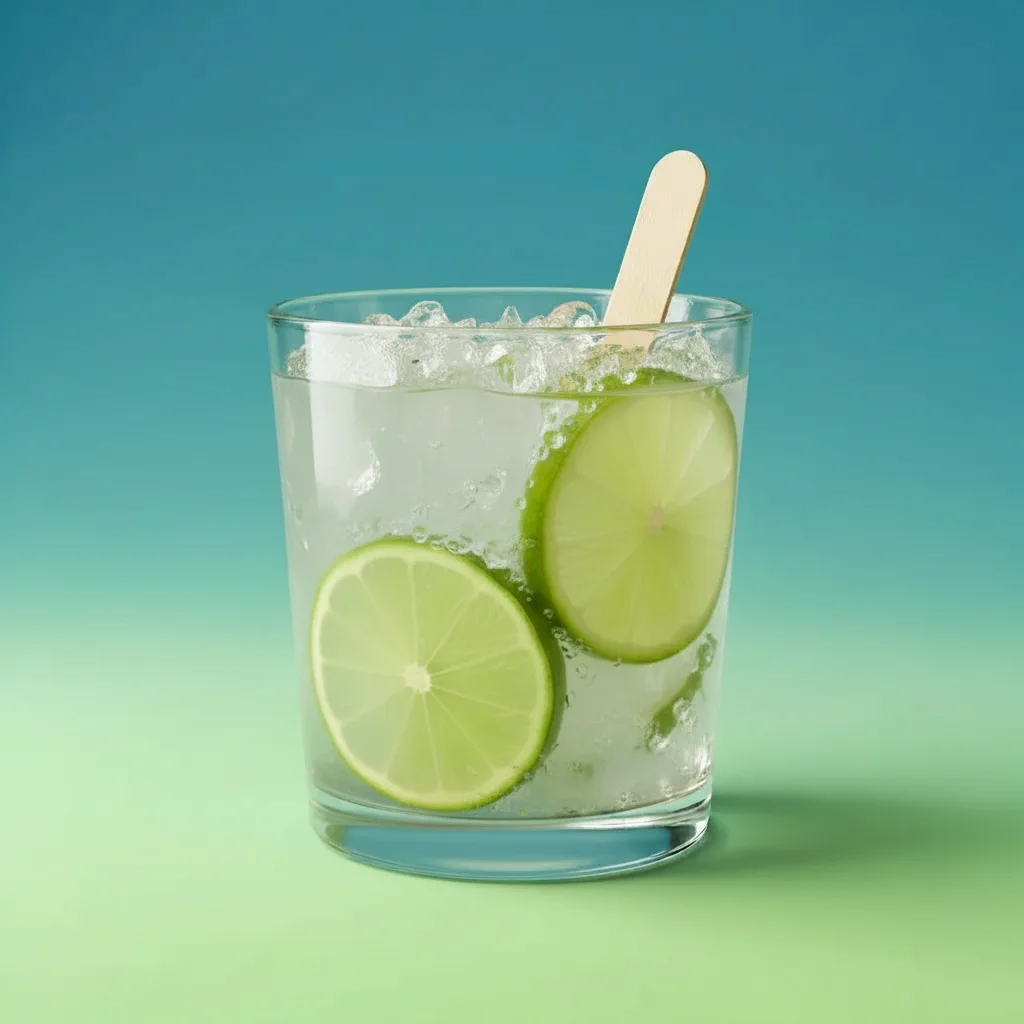
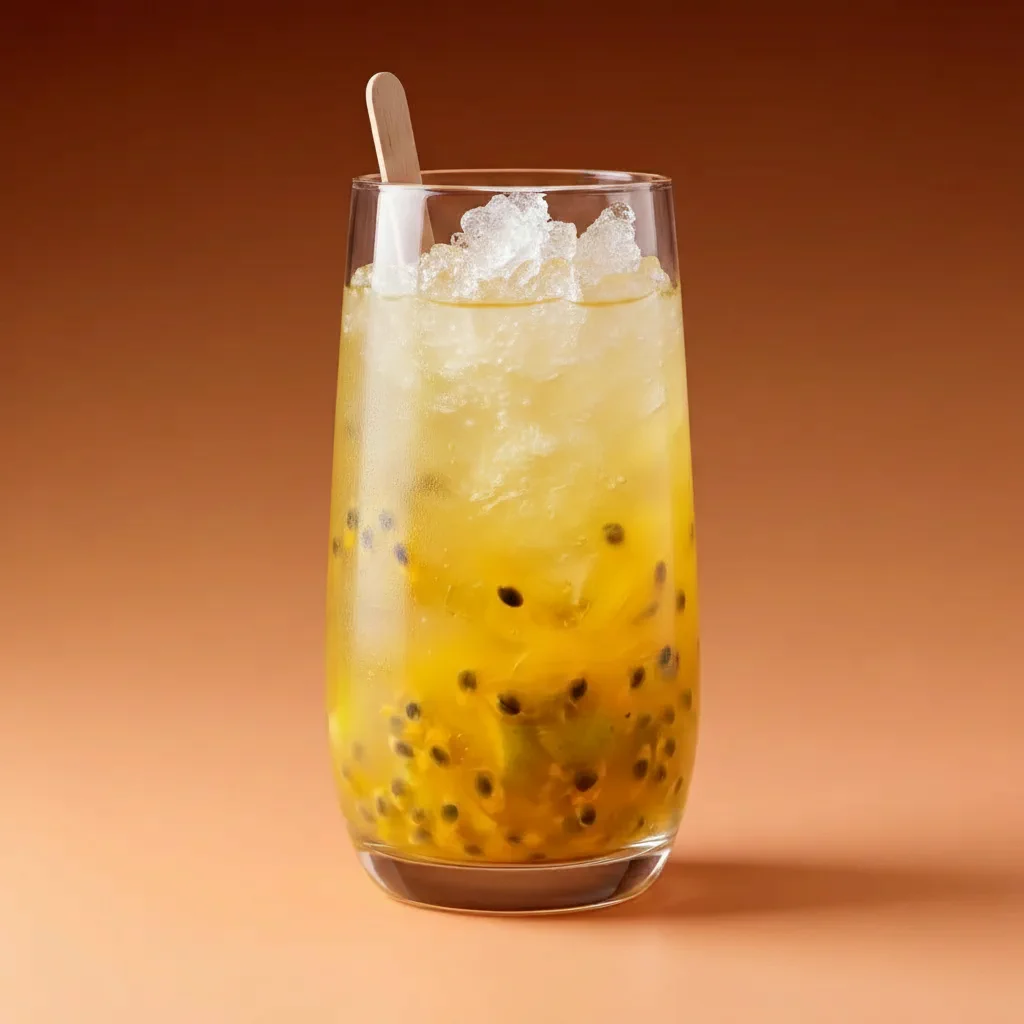
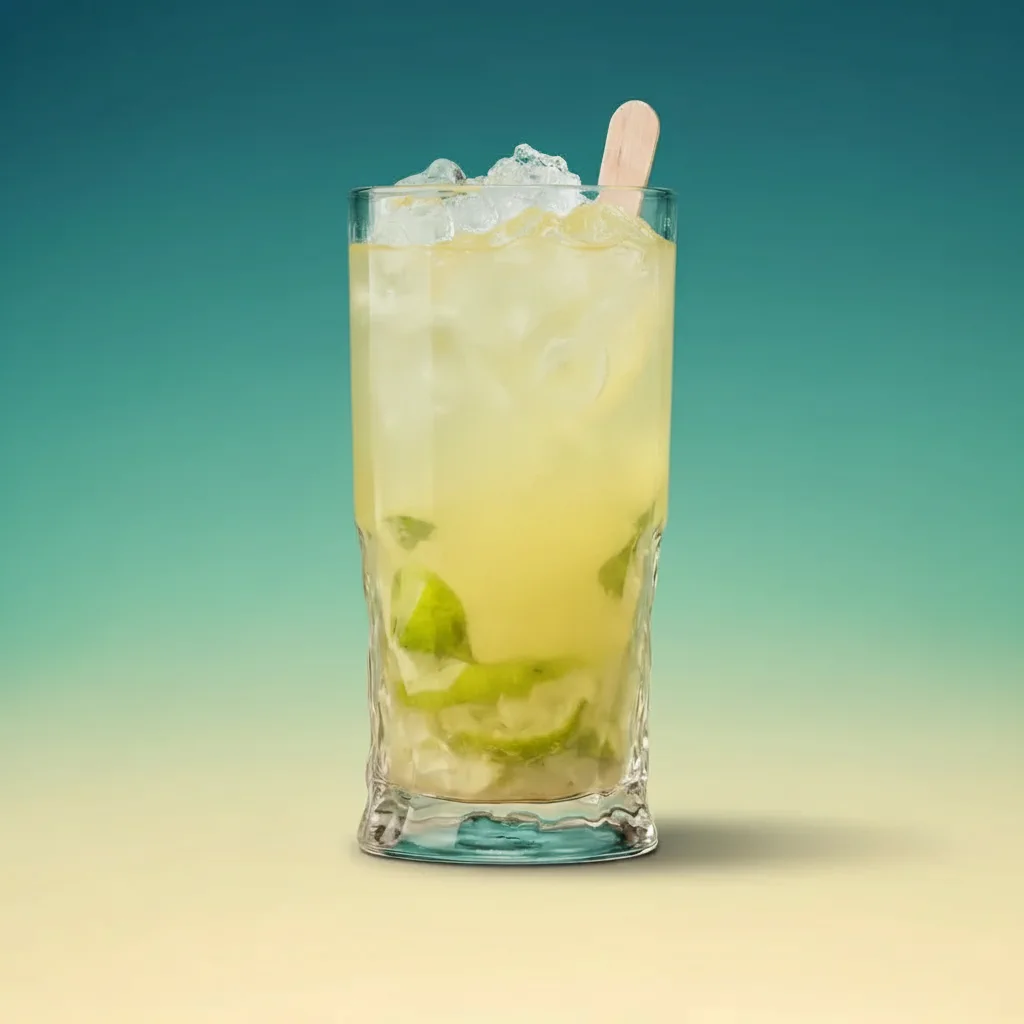
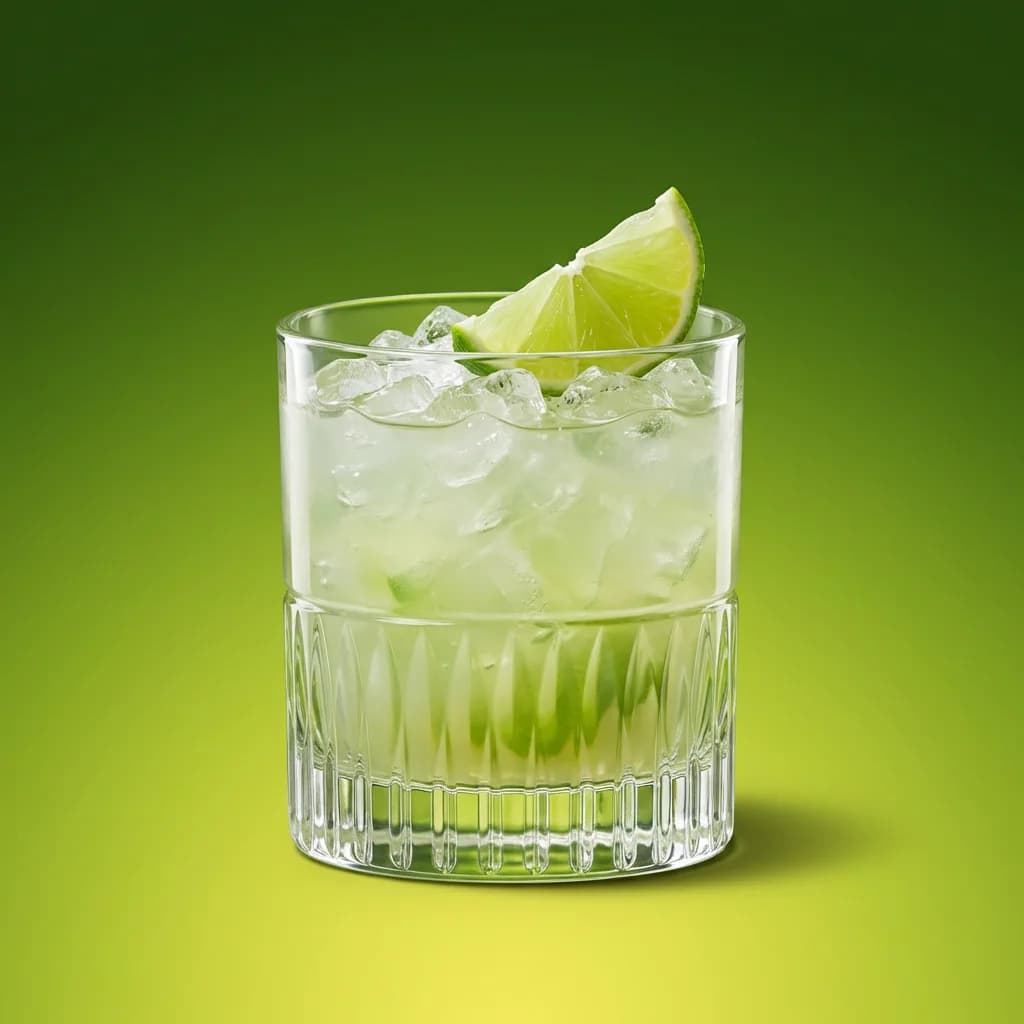
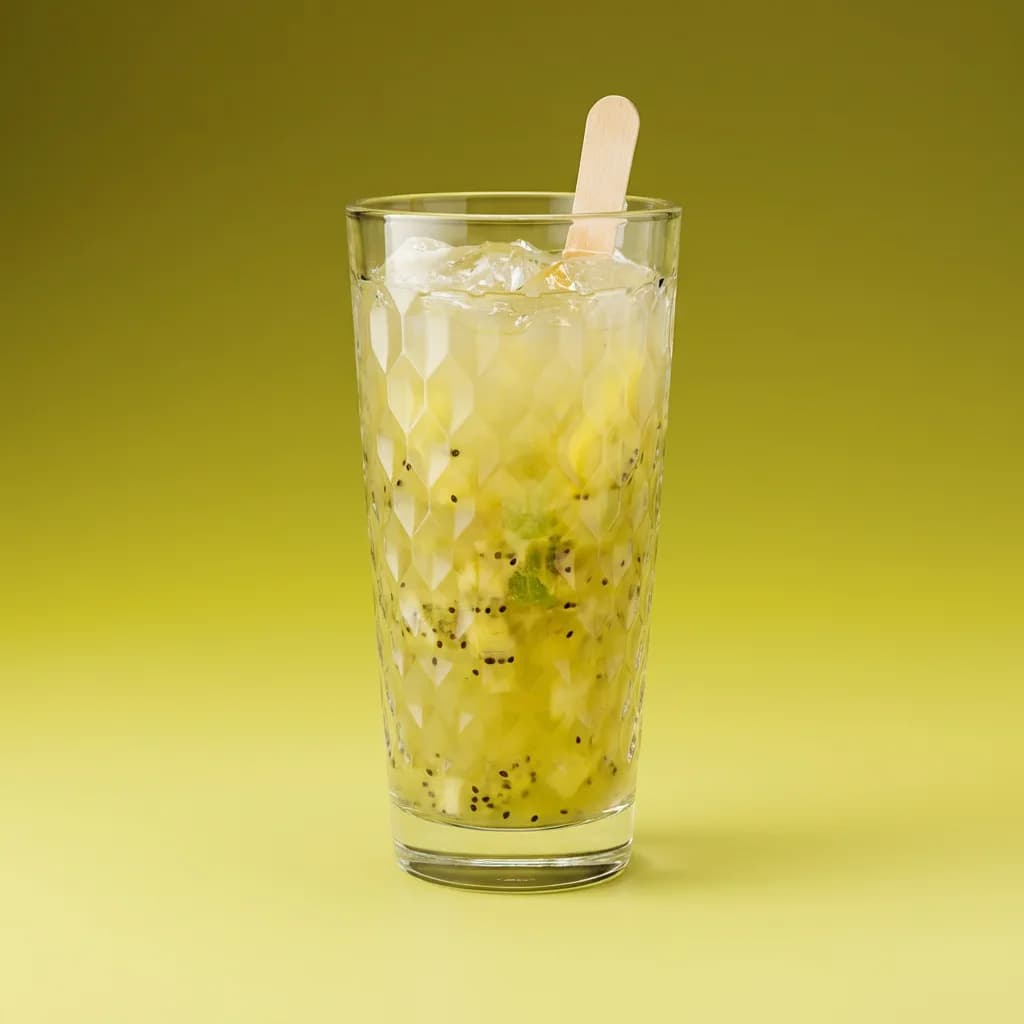
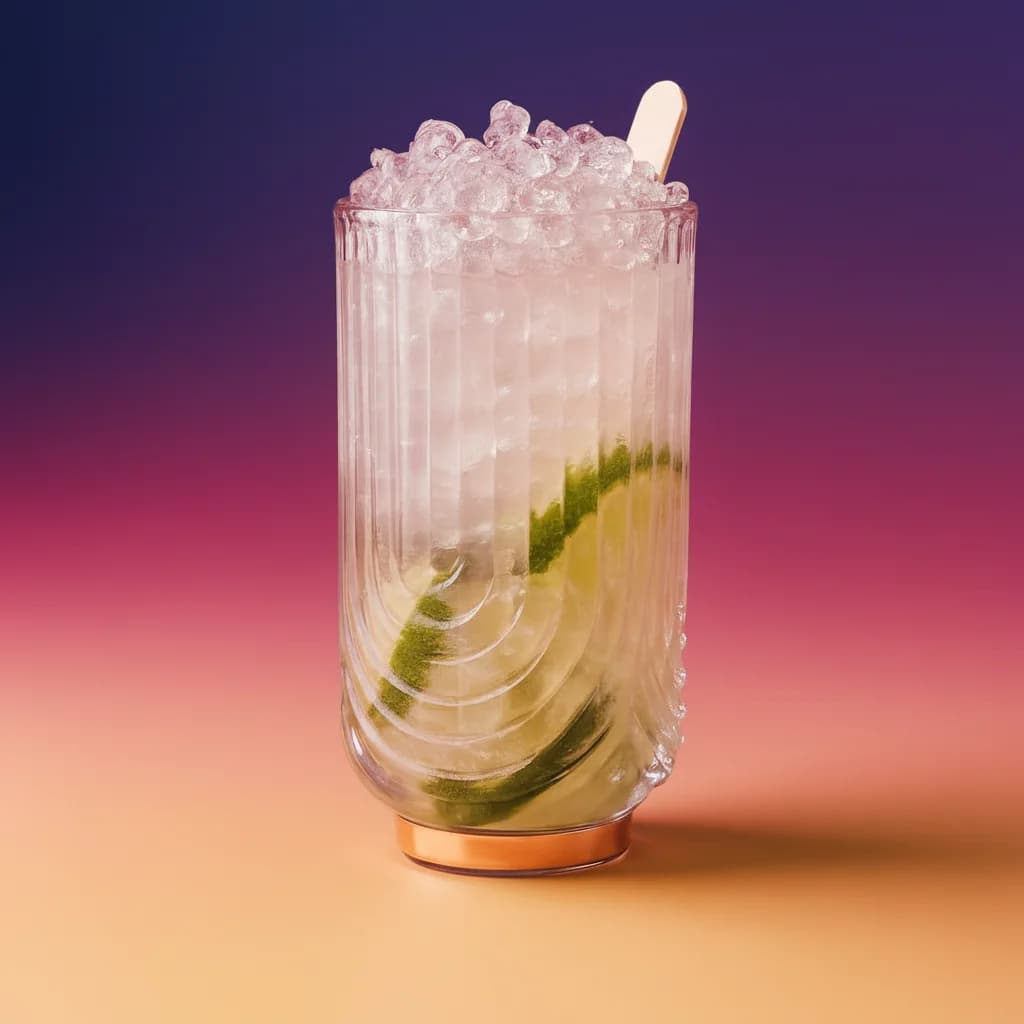
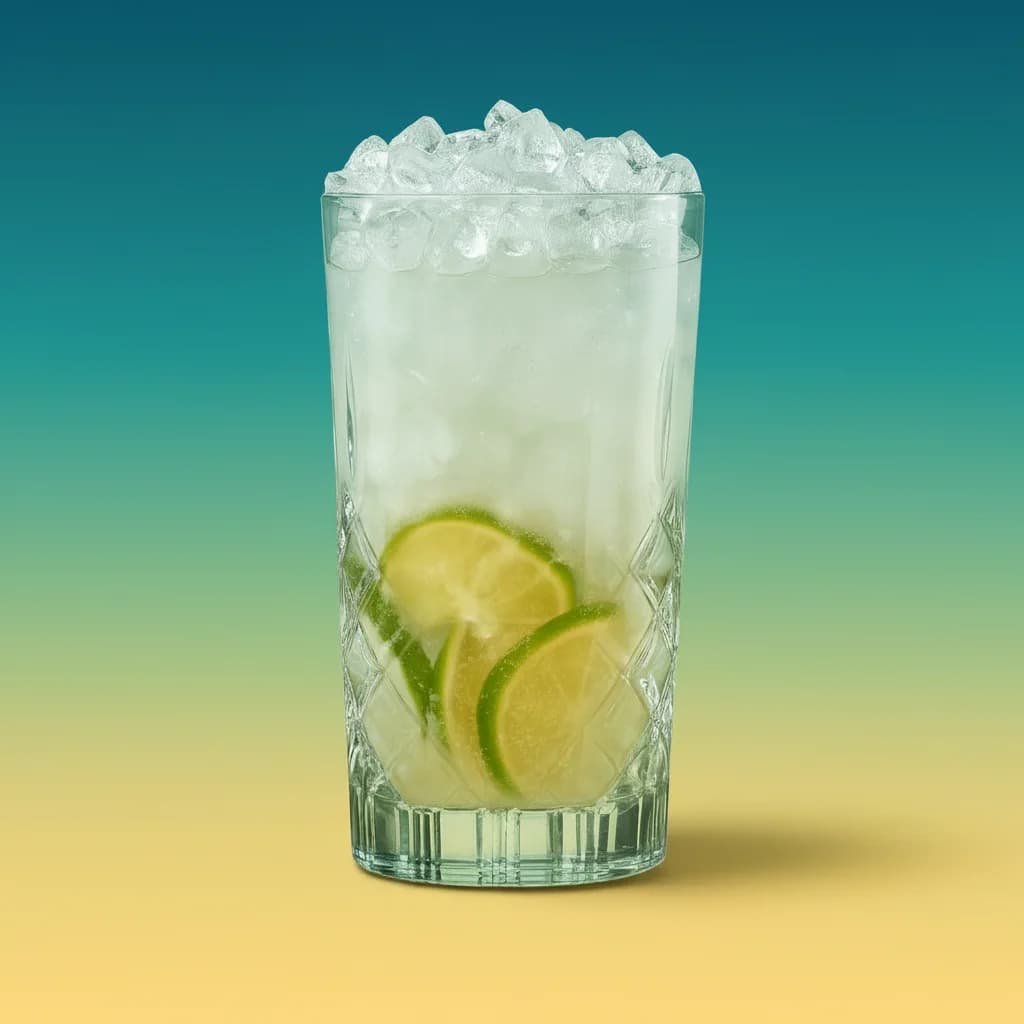
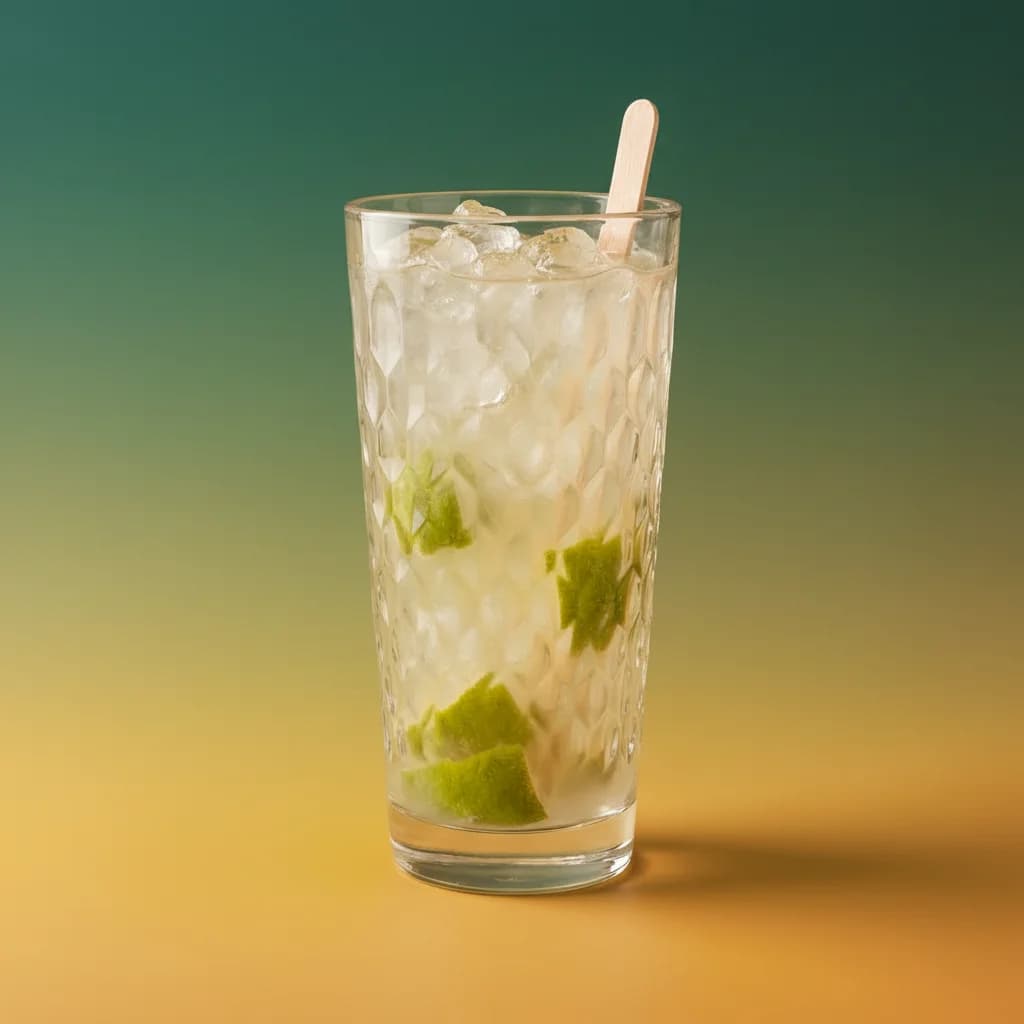
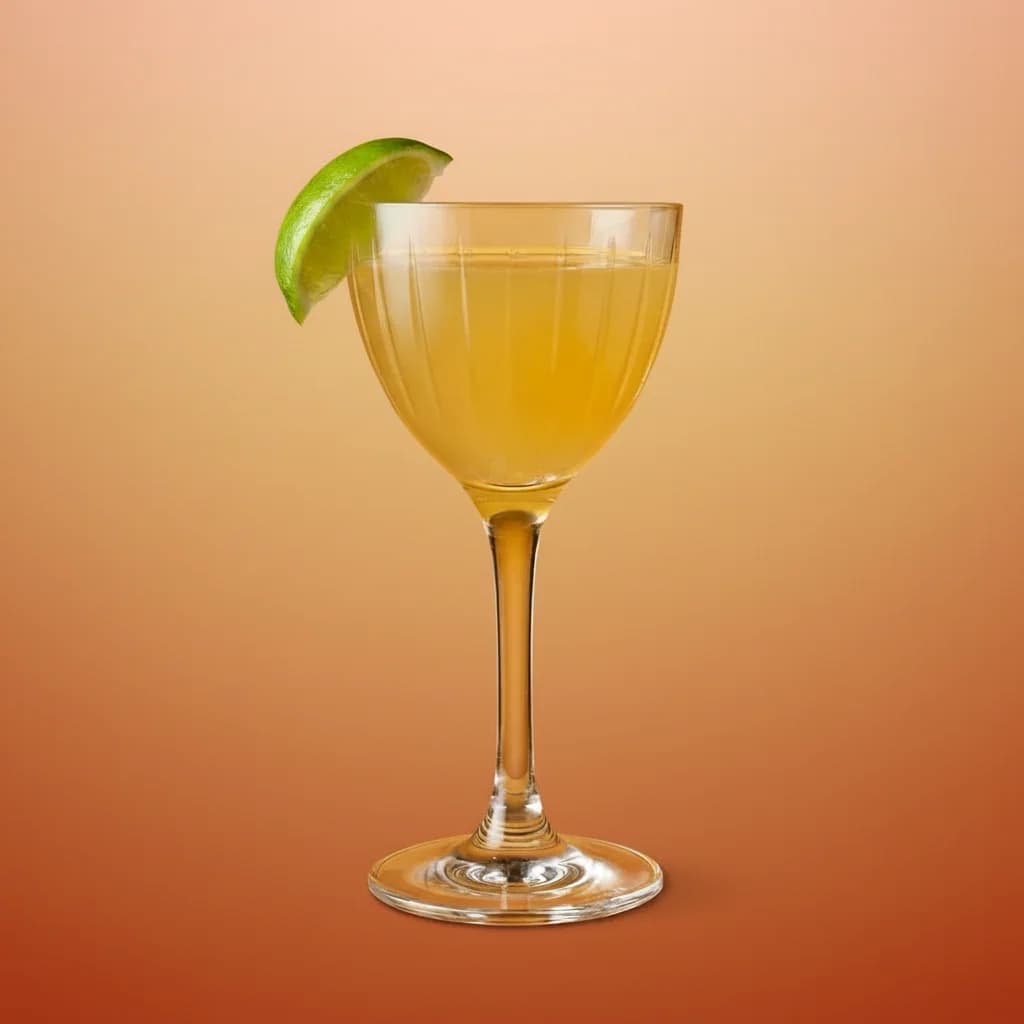
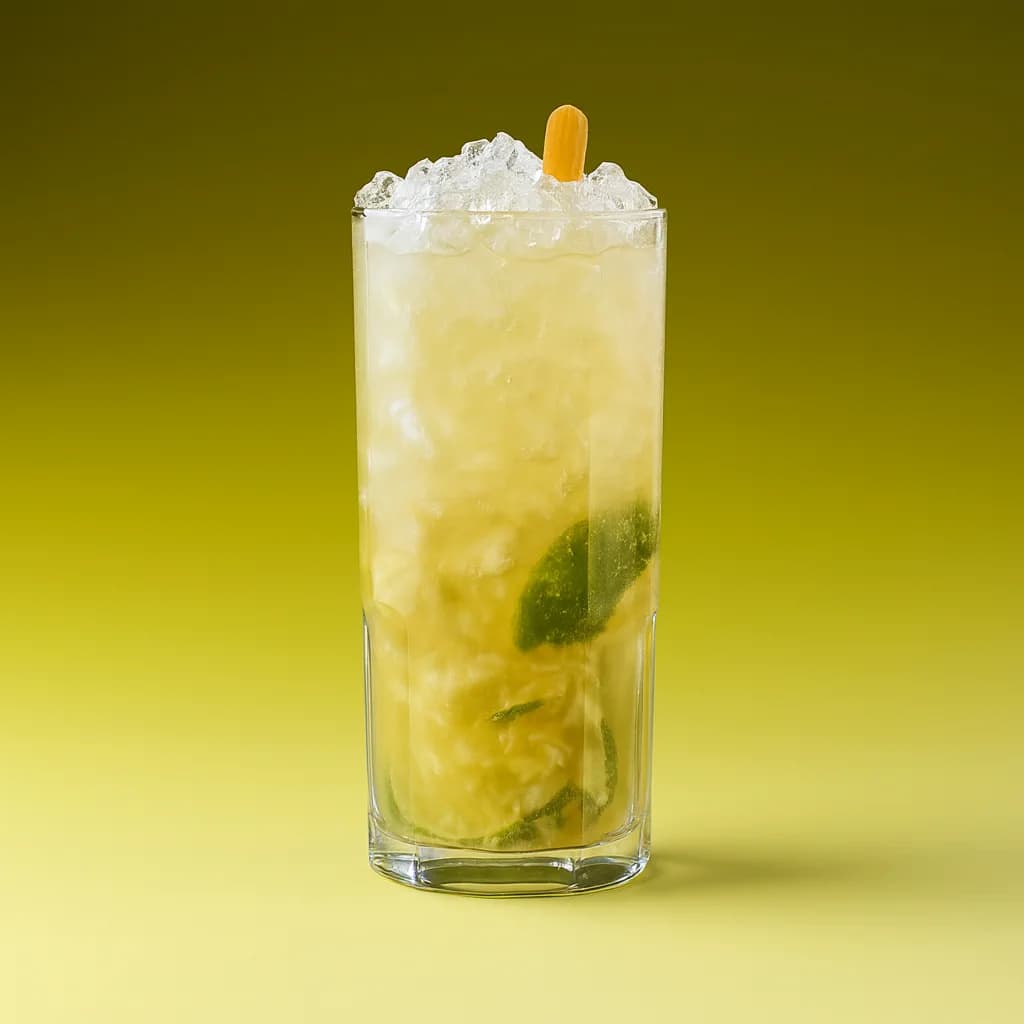
The Pineapple Caipirinha is a muddled Brazilian cachaça cocktail, built with fresh lime, sugar, and pineapple over cracked ice. Cracked ice keeps every sip cold and diluted just enough, while muddled fruit turns syrupy-sweet against a raw, grassy backbone that lingers tart on the finish.
Ingredients
1
Servings
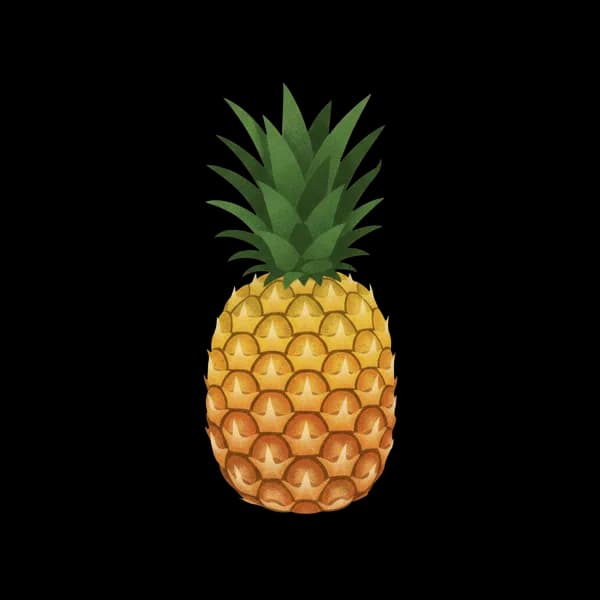
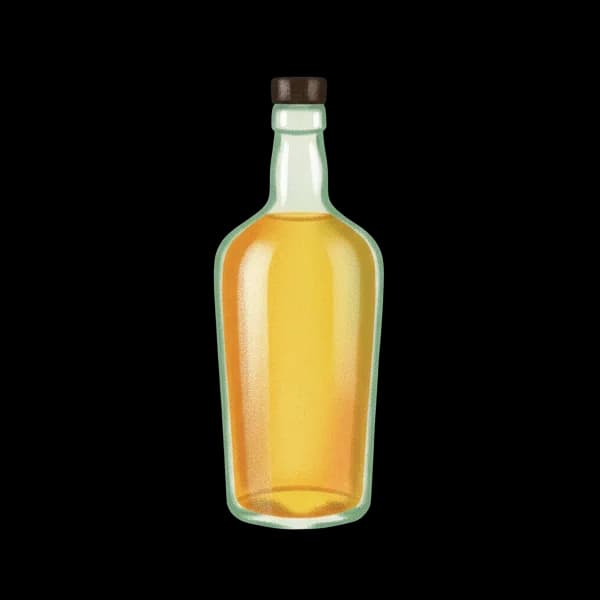
Garnish
Instructions for 1 serving
- Pre-chill a glass
- Cut half a Fresh lime into wedges and drop into the glass
- Add Powdered sugar 3 bsp (or 15 ml sugar syrup) and muddle
- Add Pineapple 1/2 slice and muddle again
- Add Cachaça 60 ml and stir until the sugar dissolves
- Fill the glass with crushed ice and stir
- Top with more crushed ice and serve with a stirrer
History
The Pineapple Caipirinha has no documented creator or debut of its own; it is simply the classic Caipirinha made by muddling pineapple into the mix, one of many fruit variations bartenders adopted as the drink spread internationally beyond its native lime version. The Caipirinha itself is Brazil's national cocktail, made from cachaça, sugar, and lime. Historians trace it to the countryside of São Paulo state, with accounts crediting landowning farmers in the Piracicaba region during the 19th century, who served it at high-society gatherings, though some tellings instead describe a folk medicinal drink used against the 1918 Spanish flu.
Swapping in pineapple for part or all of the lime gives the drink a sweeter, more tropical character while keeping the same cachaça-and-sugar base.
FAQ
What is in a Pineapple Caipirinha?
Fresh lime, powdered sugar, muddled pineapple, and cachaça, muddled together and topped with cracked ice. A classic Caipirinha is just lime, sugar, and cachaça; this build muddles in pineapple for extra sweetness and fruit character alongside the lime.
What alcohol is in a caipirinha?
Cachaça, a Brazilian spirit distilled from fresh sugarcane juice, is the only alcohol in a Caipirinha. It gives the drink a grassy, slightly funky backbone that rum, made from molasses, does not replicate.
How do you make a Pineapple Caipirinha?
Muddle lime wedges with powdered sugar in a rocks glass until the sugar dissolves, then muddle in a pineapple slice. Rinse the cachaça through the muddling glass, pour everything into the serving glass, stir, then fill with cracked ice and serve with a stirrer.
Is a Caipirinha stronger than a Mojito?
Yes, a Caipirinha is generally stronger. This build comes in at about 22.3% ABV, since it is built almost entirely on cachaça with no soda or extra dilution, while a Mojito is cut with soda water and typically lands lower in alcohol by volume.
Does a Caipirinha taste like tequila?
No, a Caipirinha does not taste like tequila. Cachaça has a grassy, vegetal sweetness from fresh sugarcane, quite different from tequila's agave-forward, earthy profile, and in this build muddled pineapple adds further sweetness that a tequila drink would not have.