Blue Moon Cocktail (1940 recipe)
Dry shake ∙ 5 min ∙ 21.3% ABV ∙
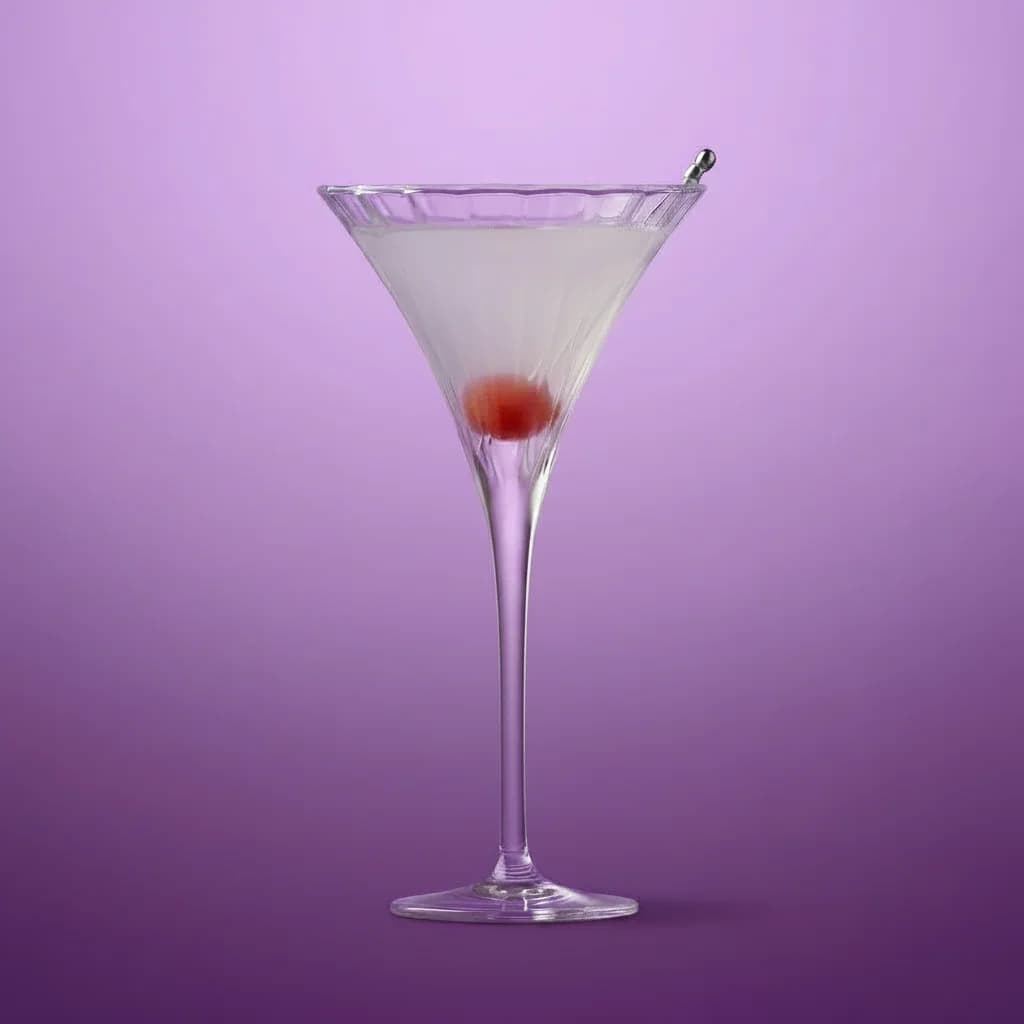
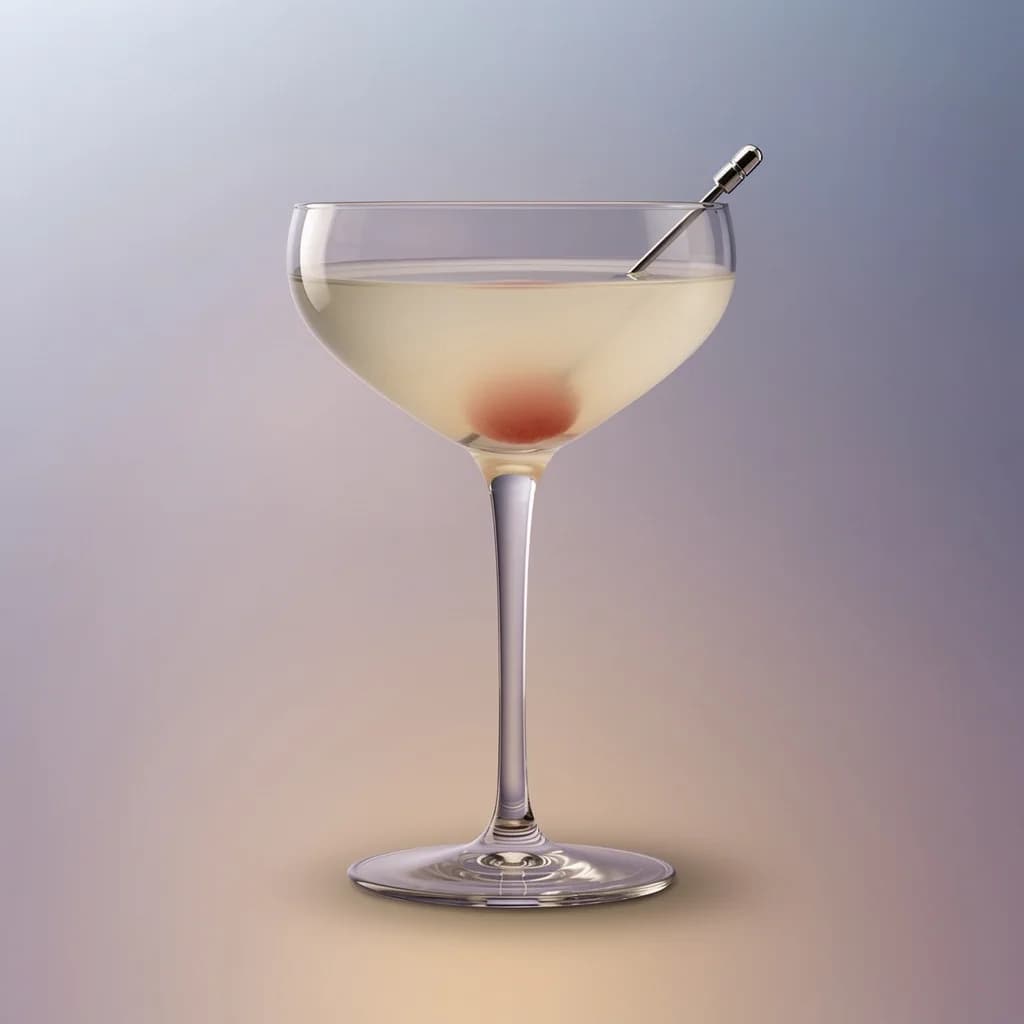
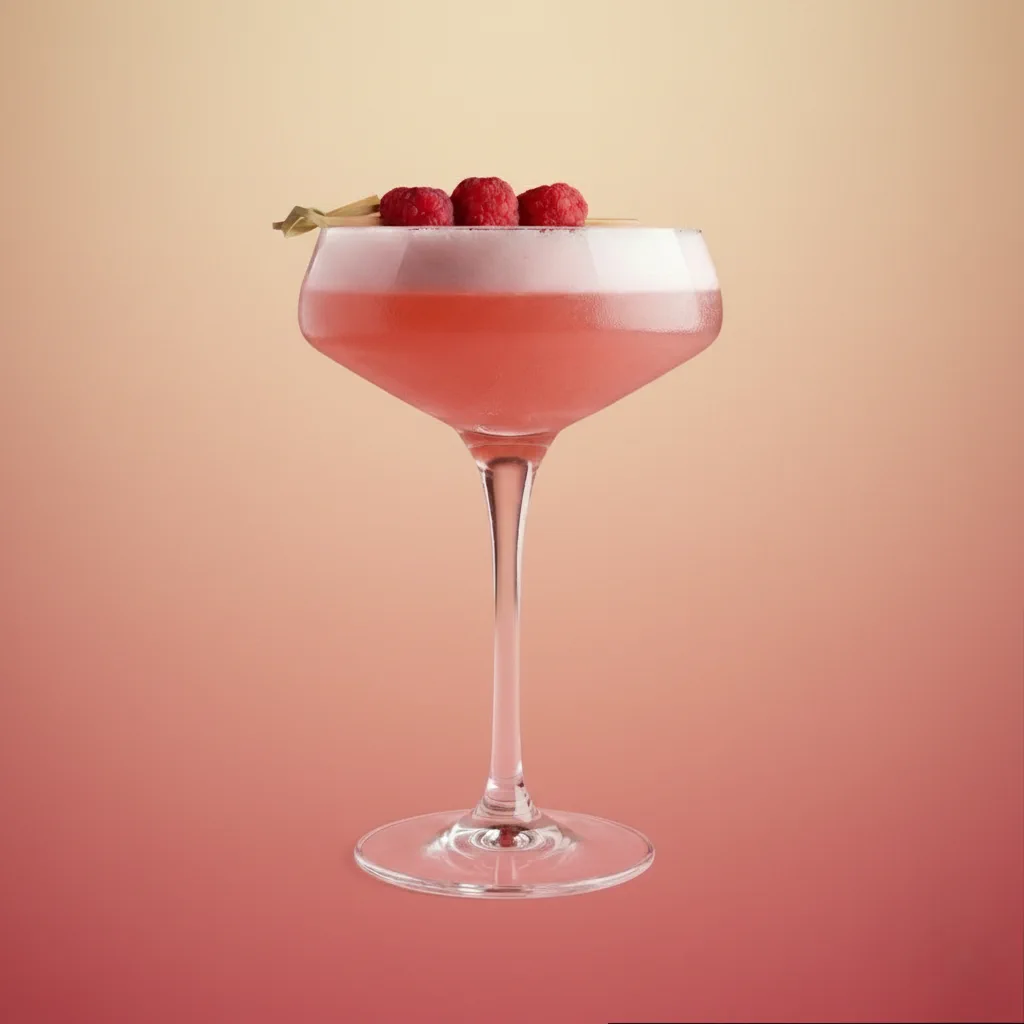
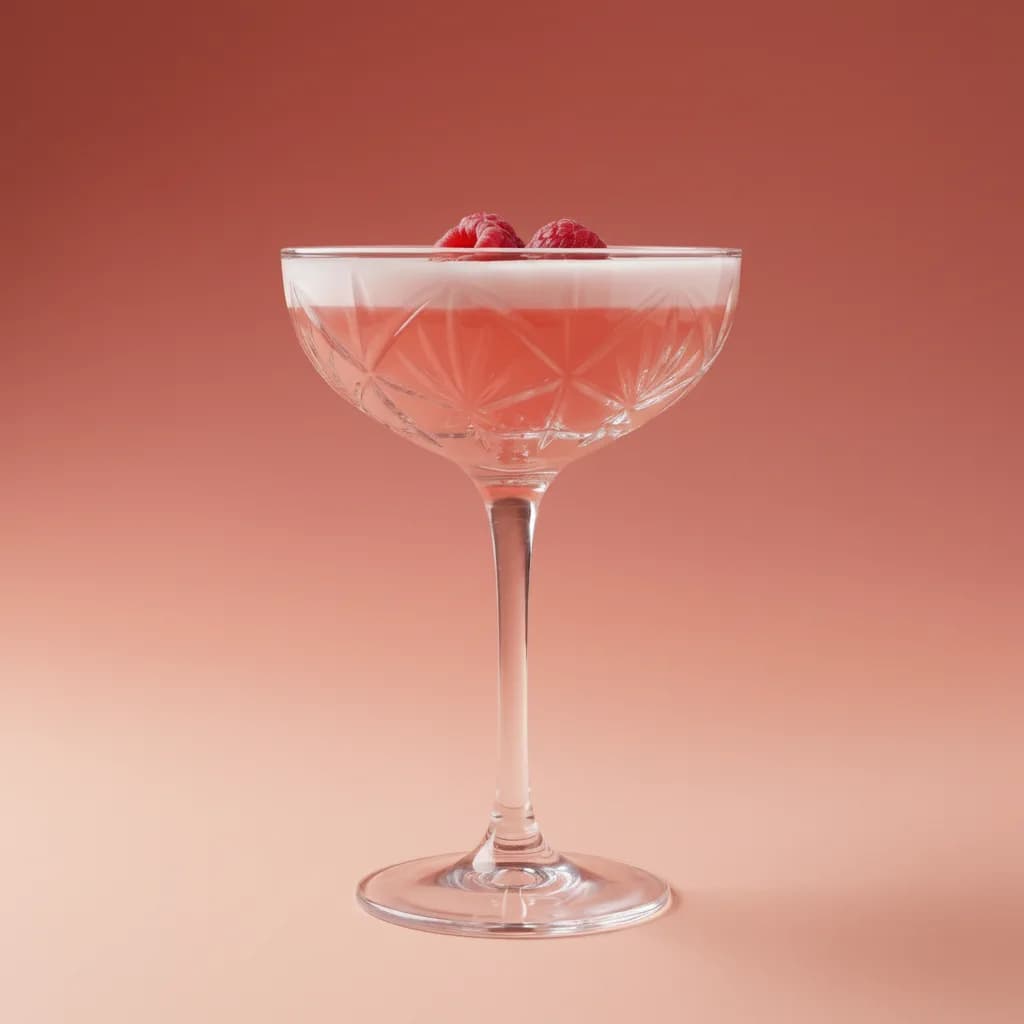
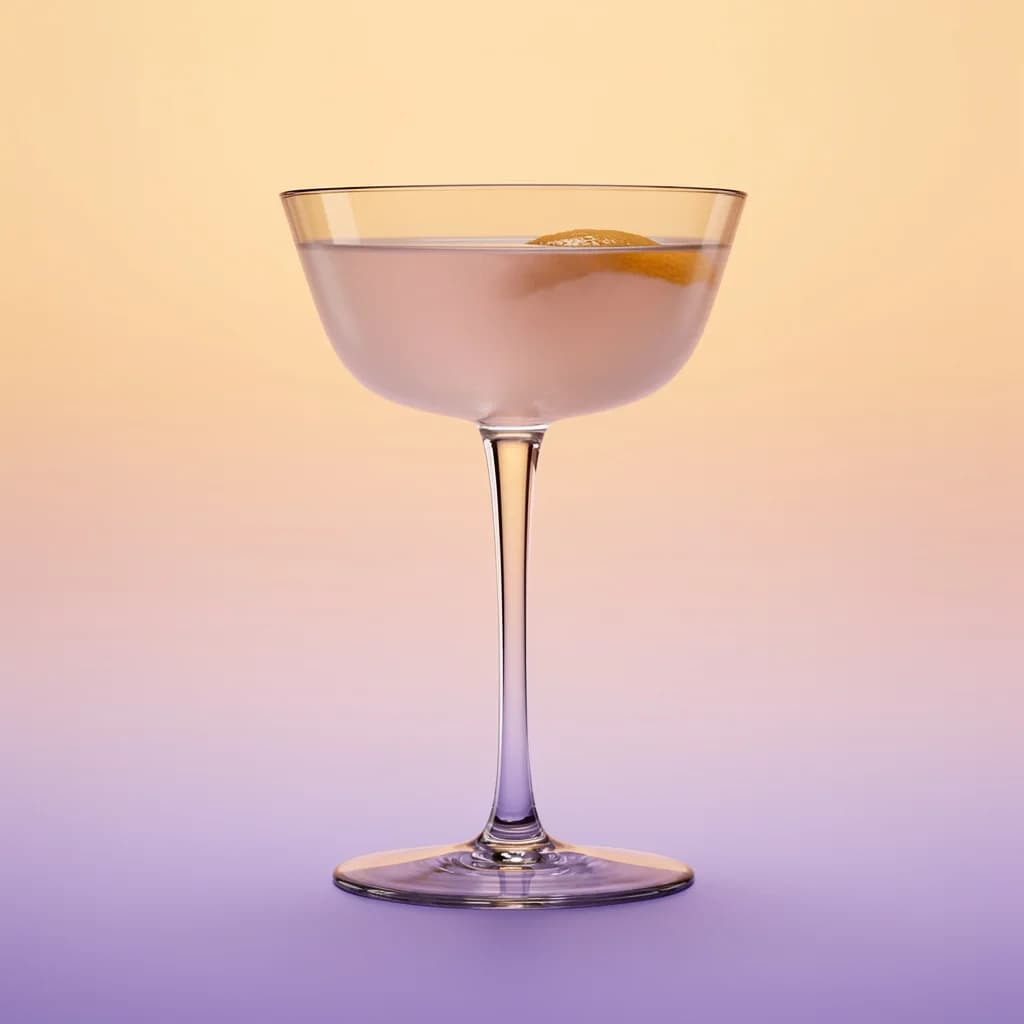
The Blue Moon Cocktail is a pale violet gin sour of London dry gin, crème de violette, lemon juice, sugar syrup and egg white, served up.
Ingredients
1
Servings
Garnish

Instructions for 1 serving
- Pre-chill a glass
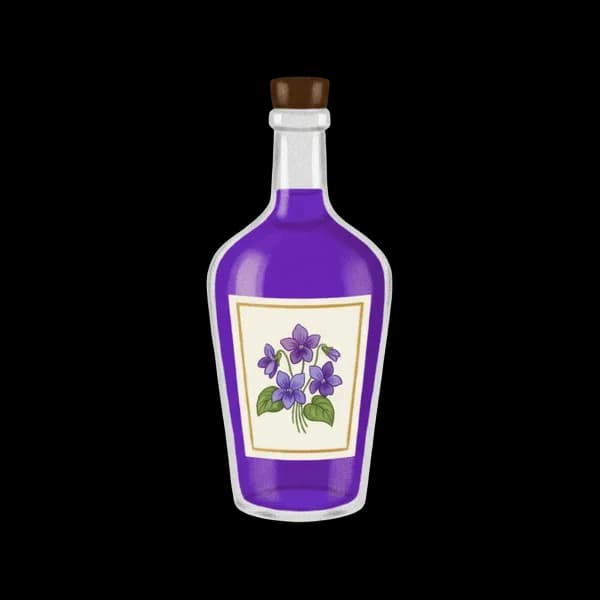
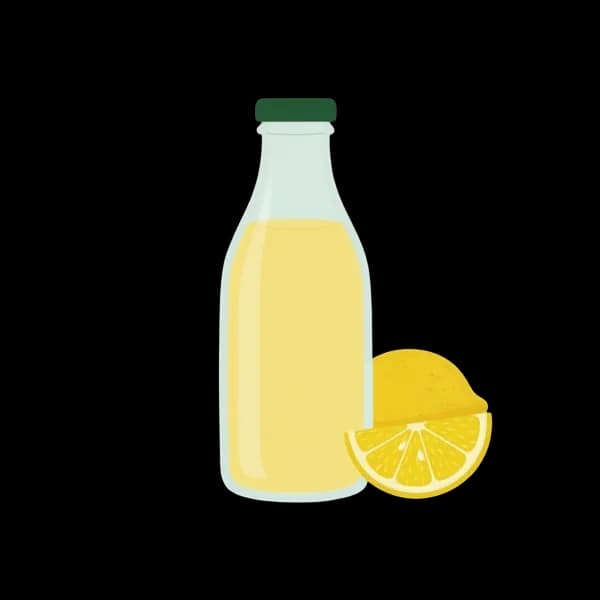
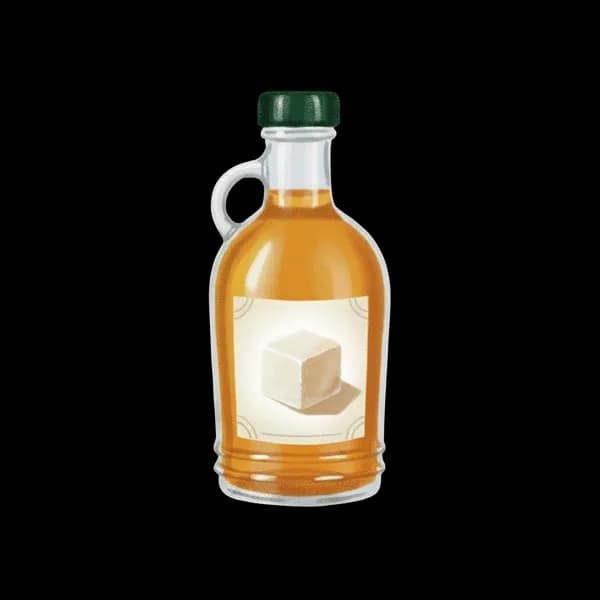
- Shake all ingredients with ice: London dry gin 60 mlCrème de Violette liqueur 10 mlLemon juice 10 mlSugar syrup 5 mlEgg white 10 ml
- Strain back into the shaker
- Dry shake (without ice)
- Fine strain into the chilled glass
- Garnish with raspberries
Tips
- Once the ice shake has chilled it, strain it back into the shaker and shake hard without ice for about 15 seconds so the foam holds.
- Stick to 10 ml of Crème de Violette; any more and the drink gets too sweet and too purple.
History
The Blue Moon is an early-20th-century gin cocktail with several competing recipes. Hugo Ensslin's 1917 book Recipes for Mixed Drinks combined gin and dry vermouth with orange bitters, a dash of crème Yvette, and a claret float. Cocktail historians also trace the drink to Joel's, a New York bar run by Joel Rinaldo in the 1910s. Recipes for a "Blue Moon" appear as far back as 1911, with little agreement among them, since Rinaldo never published an official formula.
The vermouth and wine float were dropped after Prohibition, leaving a simpler gin, lemon juice, and violet-liqueur build close to the Aviation but leaving out its maraschino liqueur. A later version made with crème de violette, lemon juice, sugar, and egg white is commonly dated to around 1940.
The cocktail's name refers to its pale violet-blue hue, though the color of the historic recipes has been described inconsistently, ranging from deep purple to a grayish blue.
FAQ
What is in a Blue Moon Cocktail?
60 ml London dry gin, 10 ml Crème de Violette, 10 ml fresh lemon juice, 5 ml sugar syrup and 10 ml pasteurized egg white. The Crème de Violette gives the drink its pale violet color and floral scent.
Is a Blue Moon Cocktail shaken or stirred?
Shaken twice. First shake with ice to chill and dilute, strain back into the shaker, then shake hard without ice for about 15 seconds. That second shake builds the egg-white foam.
What glass is a Blue Moon Cocktail served in?
A coupe glass, served up and garnished with a raspberry.
Does the Blue Moon Cocktail contain raw egg?
No raw egg in this recipe: it uses pasteurized egg white, which foams just like raw white without the salmonella risk.
Can I make a Blue Moon Cocktail without egg white?
Yes. It still tastes of gin, violette and lemon, but loses its soft foam and silky texture. Some bartenders use aquafaba instead for a vegan foam.
How is Blue Moon different from Aviation?
The maraschino. The Blue Moon Cocktail is close to an Aviation but leaves it out. With crème de violette (or Crème Yvette) alone, it is more floral and more purple. This 1940 recipe also adds sugar syrup and egg white.