Christmas Daiquiri
Shake ∙ 3 min ∙ 19.7% ABV ∙
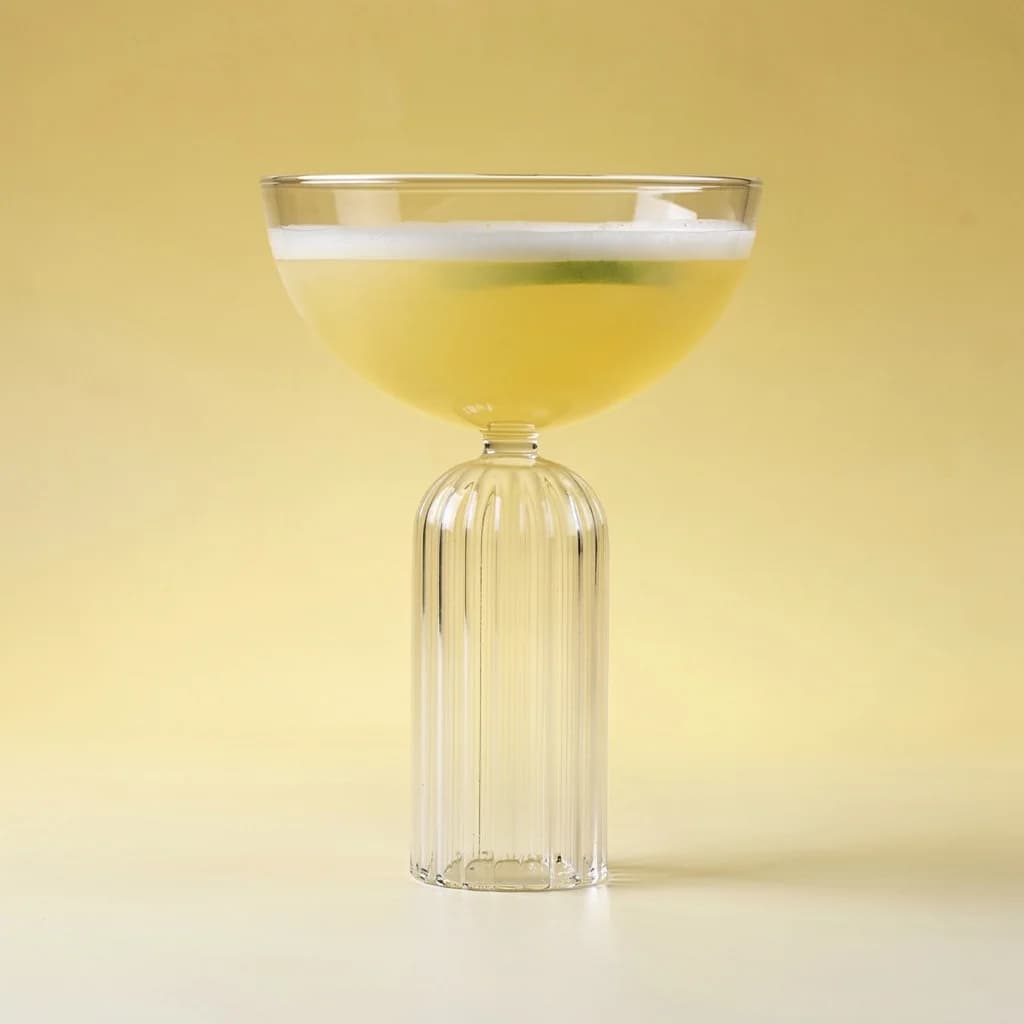
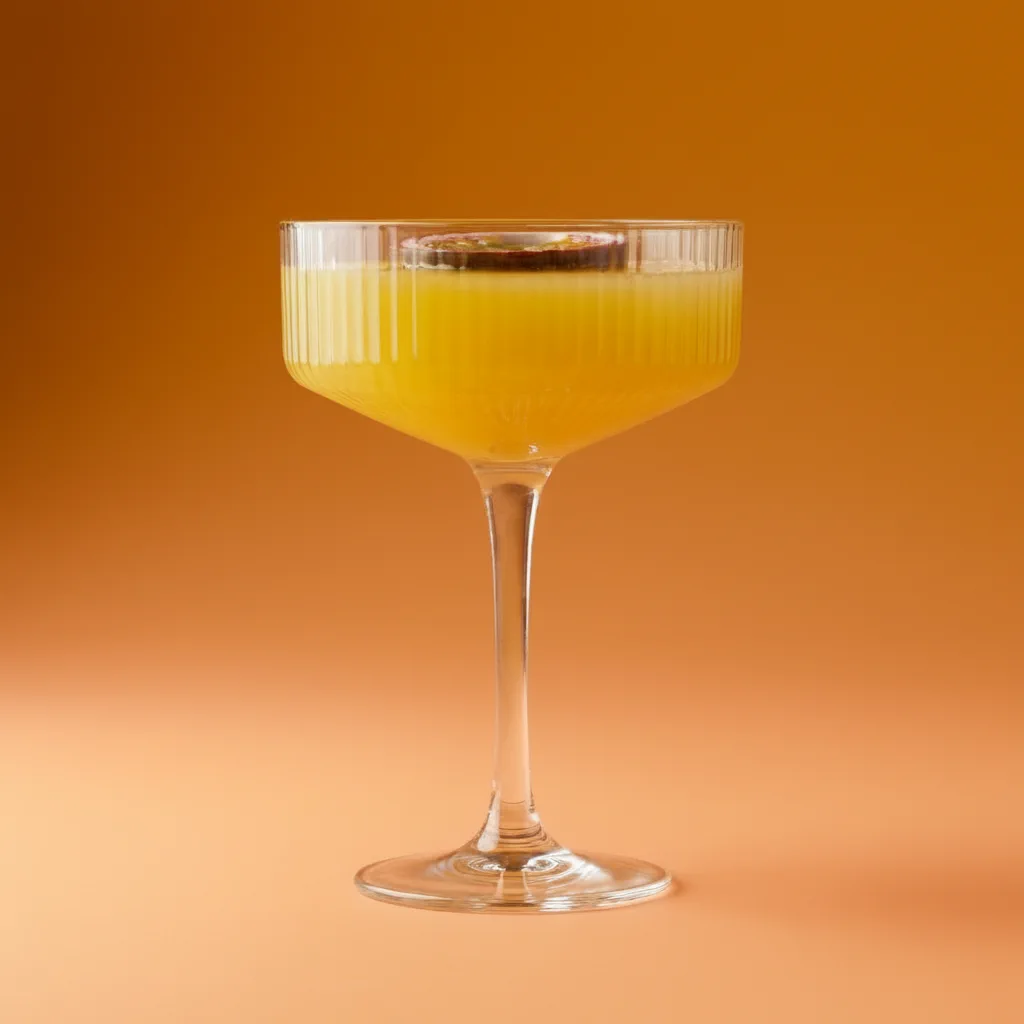
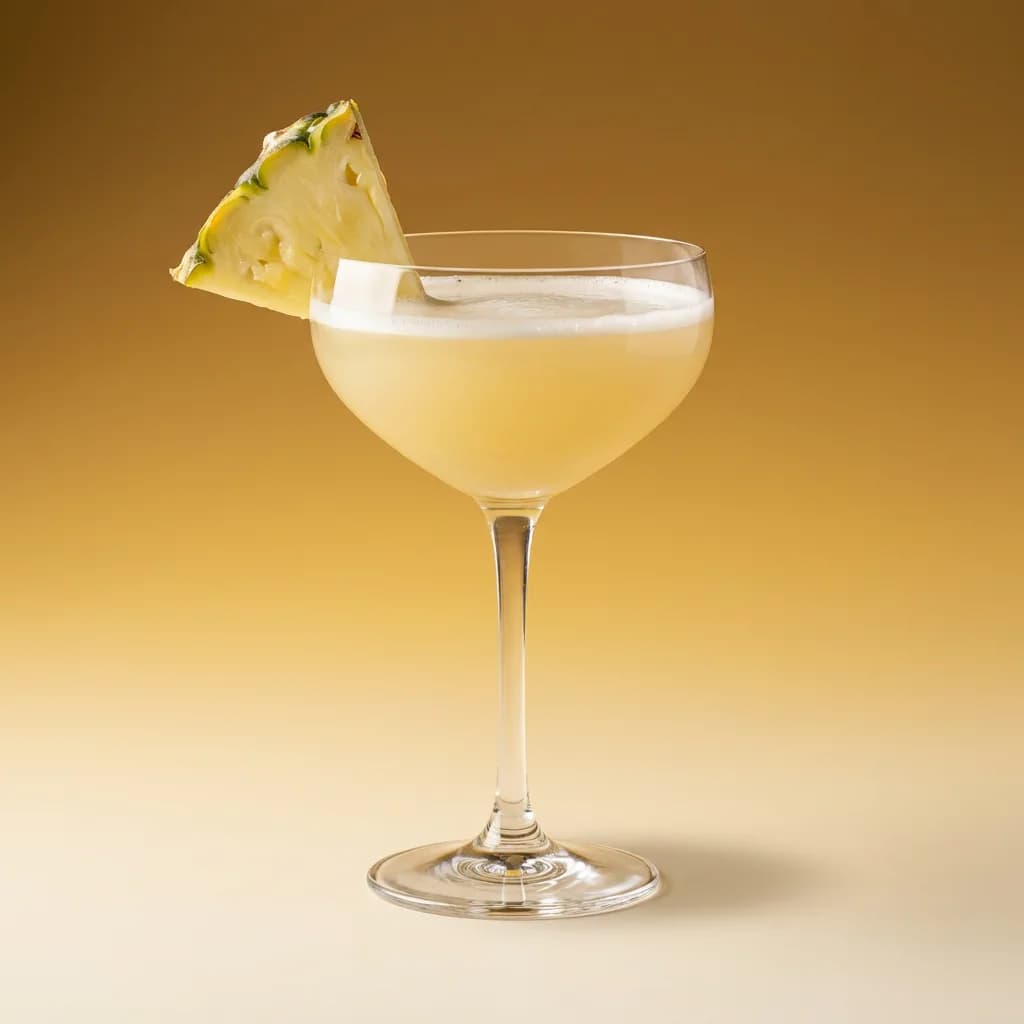
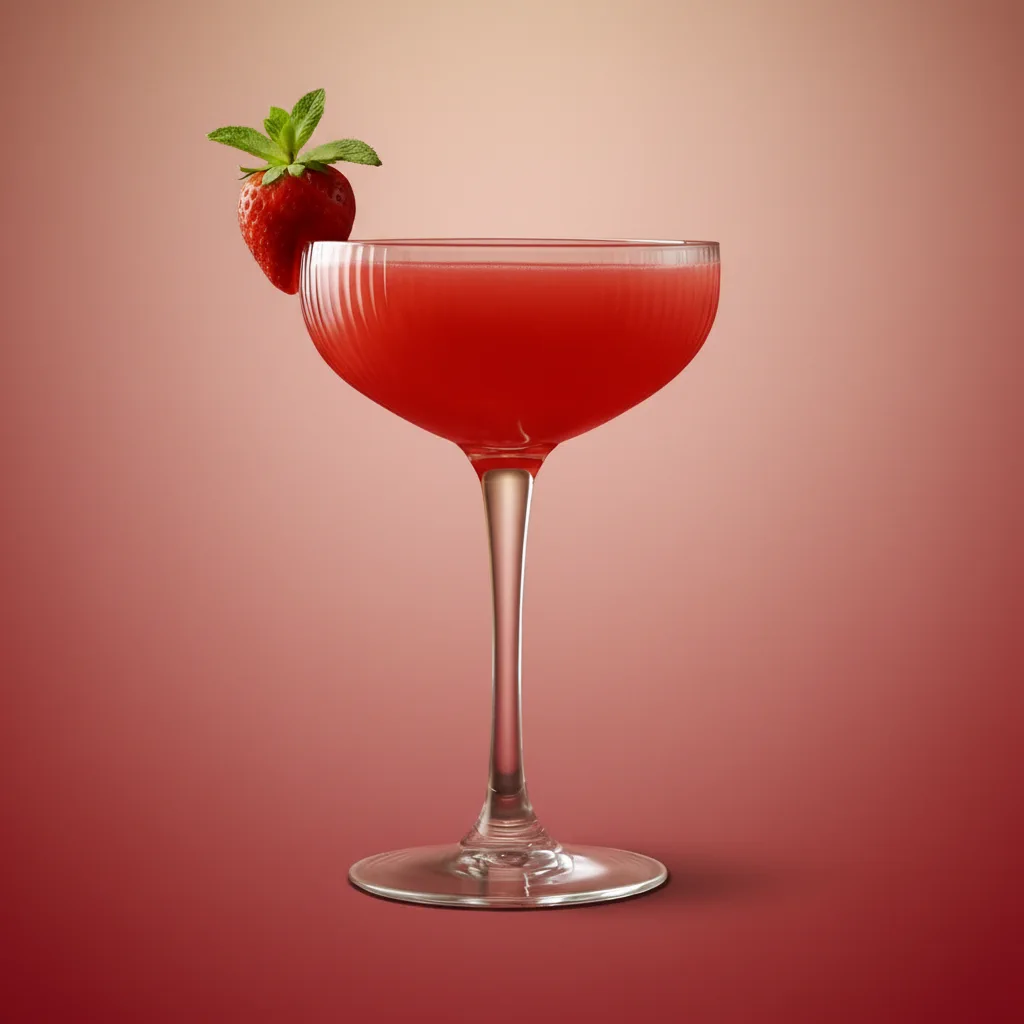
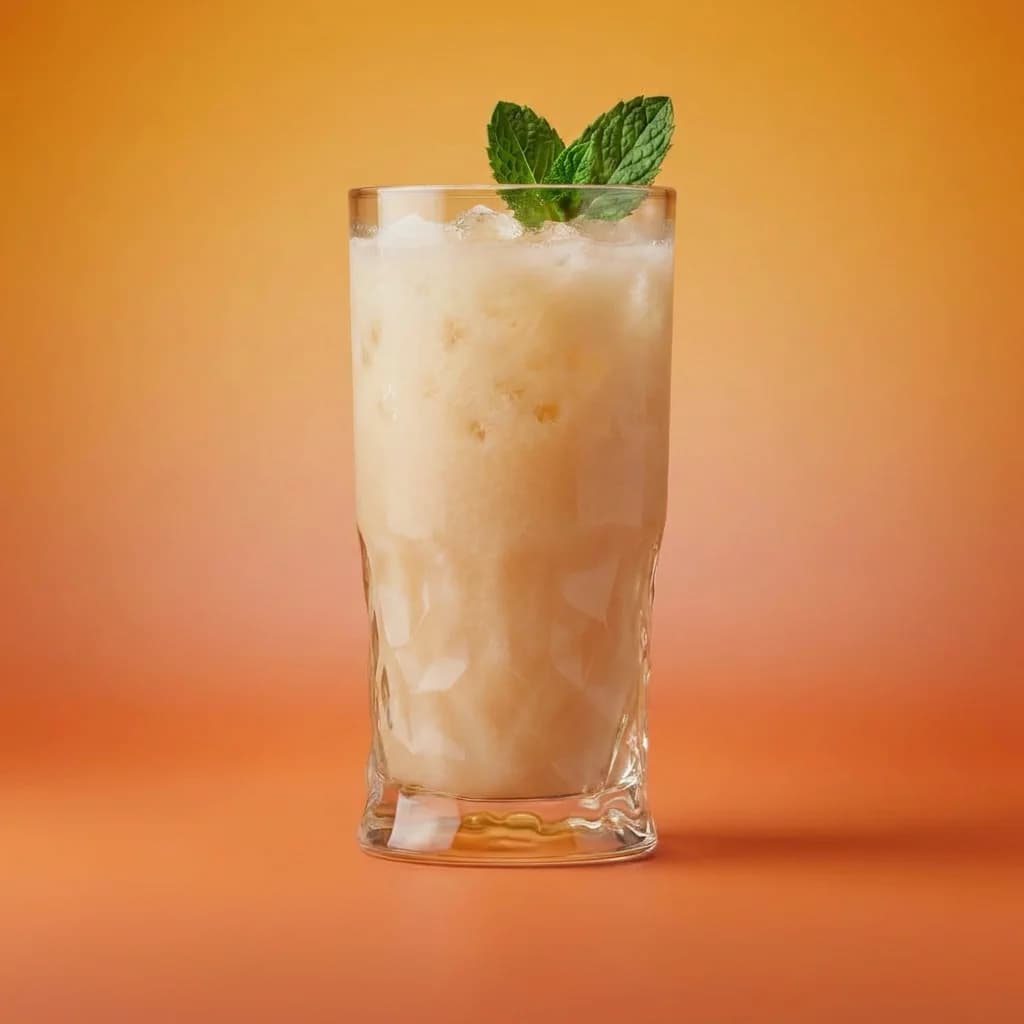
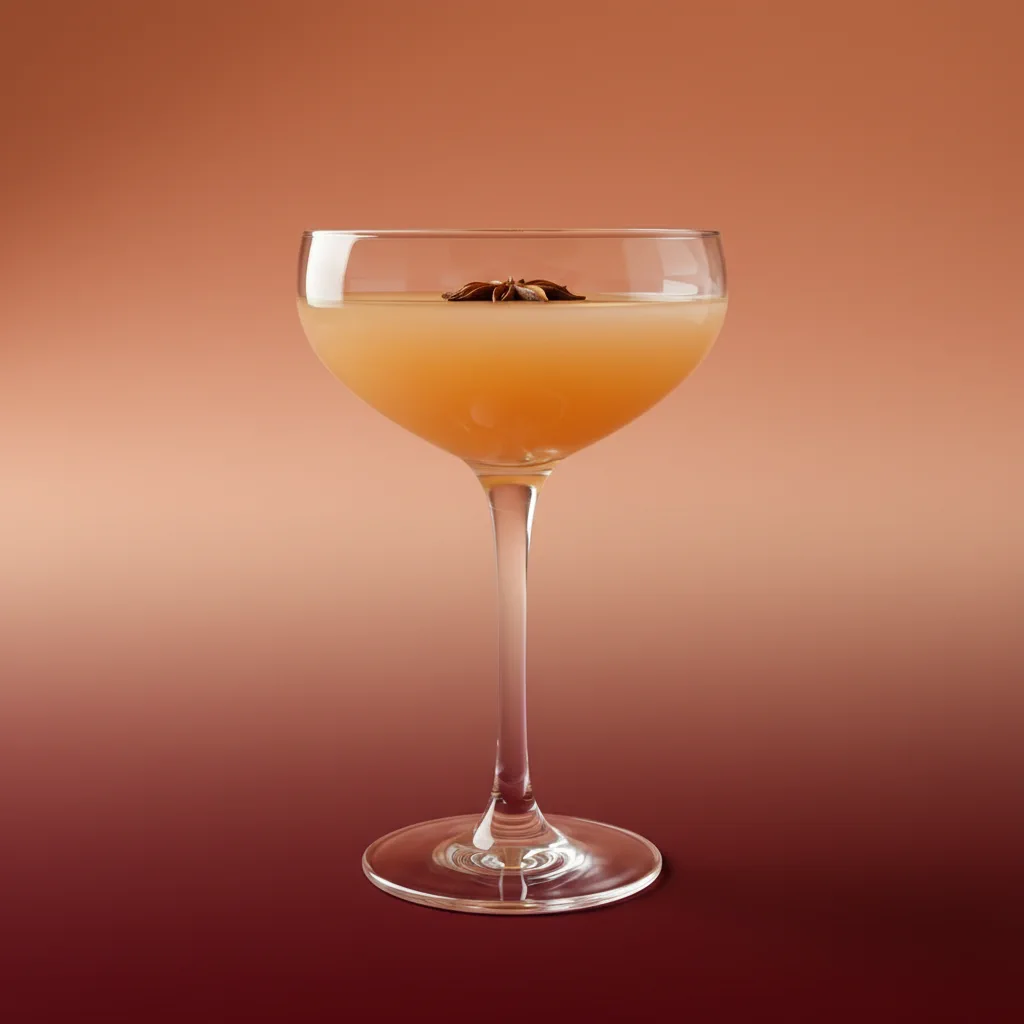
The Christmas Daiquiri shakes light gold rum with lime, falernum, cranberry juice and aromatic bitters, served up in a coupe. Tart cranberry and bright lime lead, with falernum's warm clove-and-ginger spice settling underneath for a rounded, festive finish.
Ingredients
1
Servings
Garnish

Instructions for 1 serving
- Pre-chill a glass
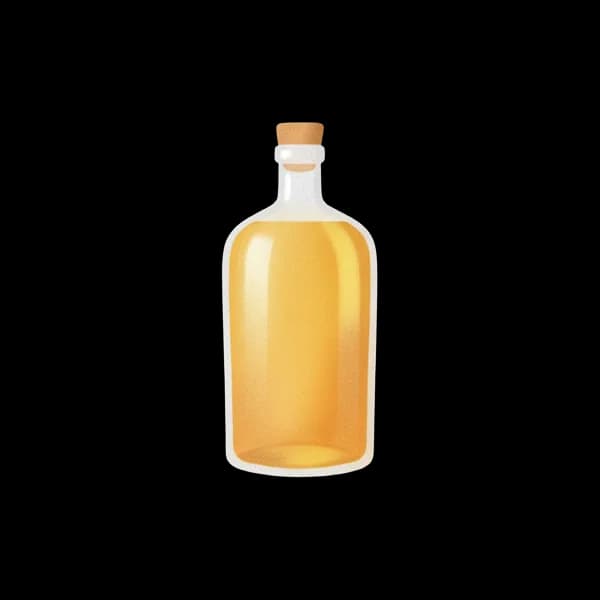
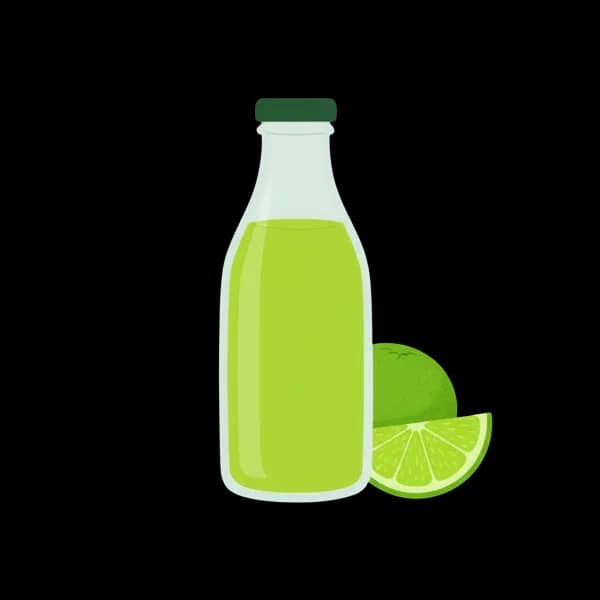
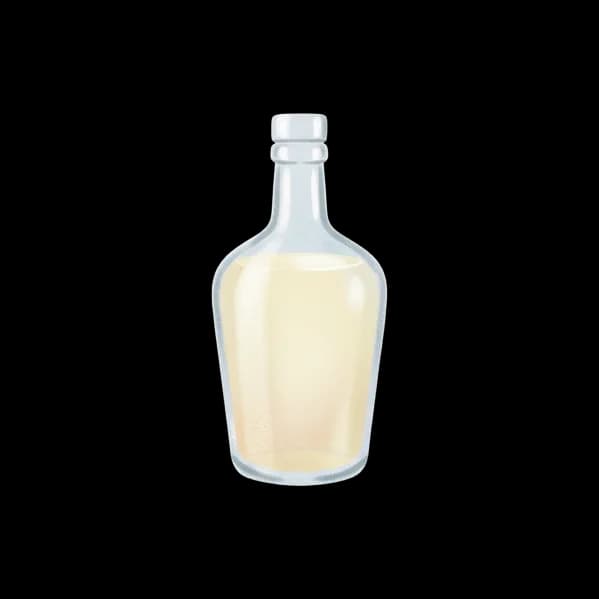
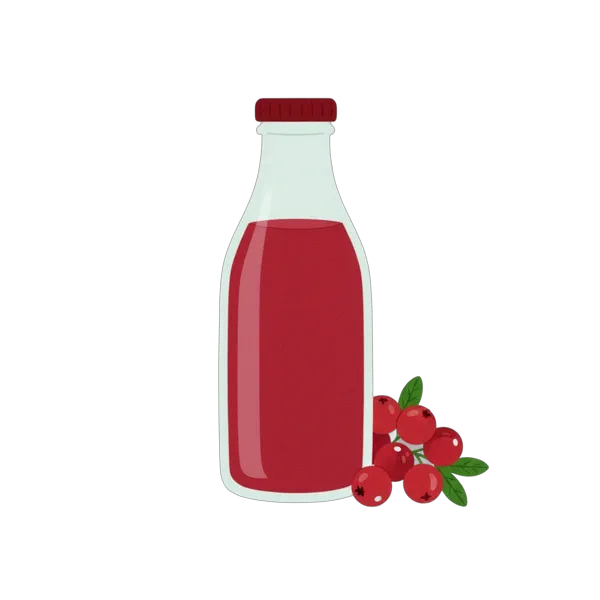
- Shake all ingredients with ice: Light gold rum 50 mlLime juice 15 mlFalernum liqueur 15 mlCranberry juice 15 mlAngostura aromatic bitters 2 dashes
- Fine strain into the chilled coupe glass
- Garnish with a star anise
Tips
- The two dashes of Angostura go into the shaker with everything else - they are seasoning here, and shaking them through is what ties the spice to the falernum.
- Use fresh lime juice; bottled lime flattens the fruit against the cranberry and falernum's sweetness.
History
The Christmas Daiquiri is a festive variation of the Daiquiri, one of the foundational rum sours of the classic cocktail canon. Historians widely credit the drink's invention to Jennings Cox, an American mining engineer working near the town of Daiquiri in eastern Cuba around the time of the Spanish-American War of 1898, who is said to have mixed local Bacardi rum with lime juice and sugar over ice; some accounts add that his associate Francesco Domenico Pagliuchi suggested naming the drink after the nearby town. It is also possible that William A. Chanler, a US congressman who bought the Santiago iron mines in 1902, helped introduce the drink to New York clubs that year. The Daiquiri stayed largely local until 1909, when US Navy officer Lucius W. Johnson brought it to the Army and Navy Club in Washington, D.C., after which it spread and later gained further popularity in the 1940s.
The Christmas Daiquiri adapts this template for the holiday season by adding cranberry juice and falernum, giving the drink a deep red color and spiced sweetness associated with Christmas.
FAQ
What is in a Christmas Daiquiri?
Light gold rum, lime juice, falernum liqueur, and cranberry juice, shaken and fine-strained into a coupe, with a dash of Angostura bitters optional. The cranberry and falernum give it a holiday color and spice that a classic Daiquiri does not have.
Is a Christmas Daiquiri shaken or stirred?
Shaken. The lime and cranberry juices need the aeration and quick chill of a hard shake, which a stir would not deliver.
What glass is a Christmas Daiquiri served in?
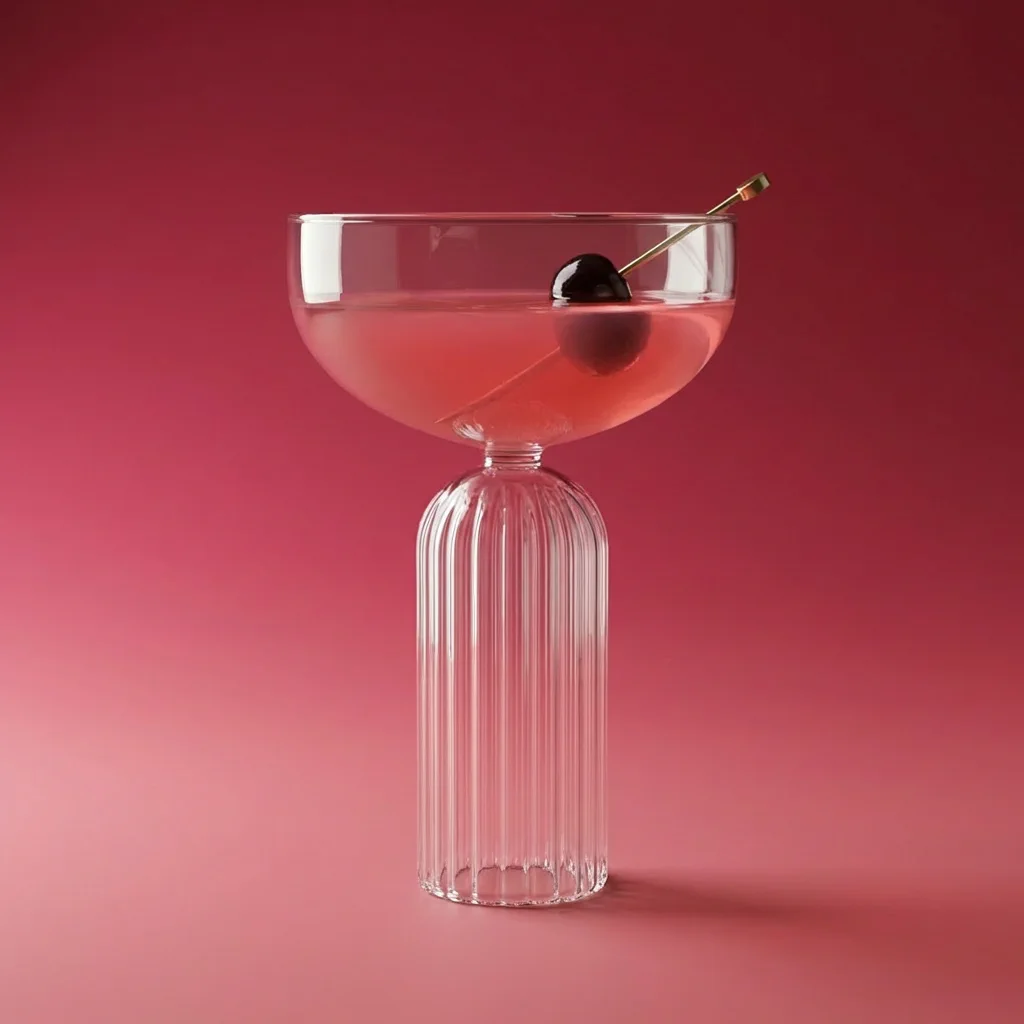
A coupe glass, served up and garnished with a star anise.
What is the best rum for a Daiquiri?
A light gold rum is the base for this build, giving a touch more depth and molasses warmth than a white rum without overpowering the lime and falernum. White rum is the more traditional choice for a classic Daiquiri, keeping the profile cleaner and more citrus-forward.
What are some common Daiquiri mistakes?
The most common mistakes are using bottled lime juice instead of fresh, under-shaking so the drink stays warm and flat, and over-pouring a sweet ingredient like falernum until it buries the citrus. Balance depends on shaking hard and tasting as you build, since juice acidity varies batch to batch.
What's the secret to a perfect Daiquiri?
Fresh lime juice and a hard, well-chilled shake are the two things that matter most. A tired or bottled lime flattens the drink no matter how good the rum is, and a weak shake leaves it under-diluted and warm rather than crisp.