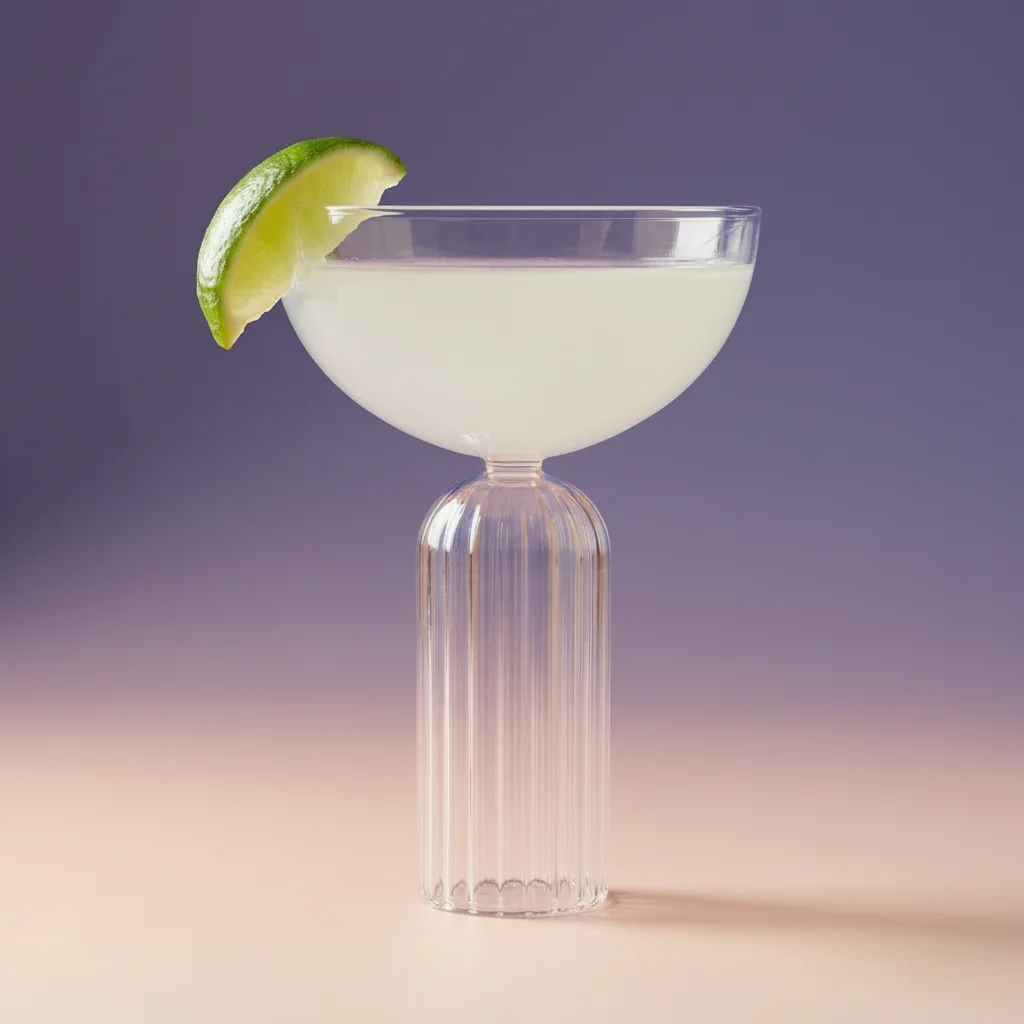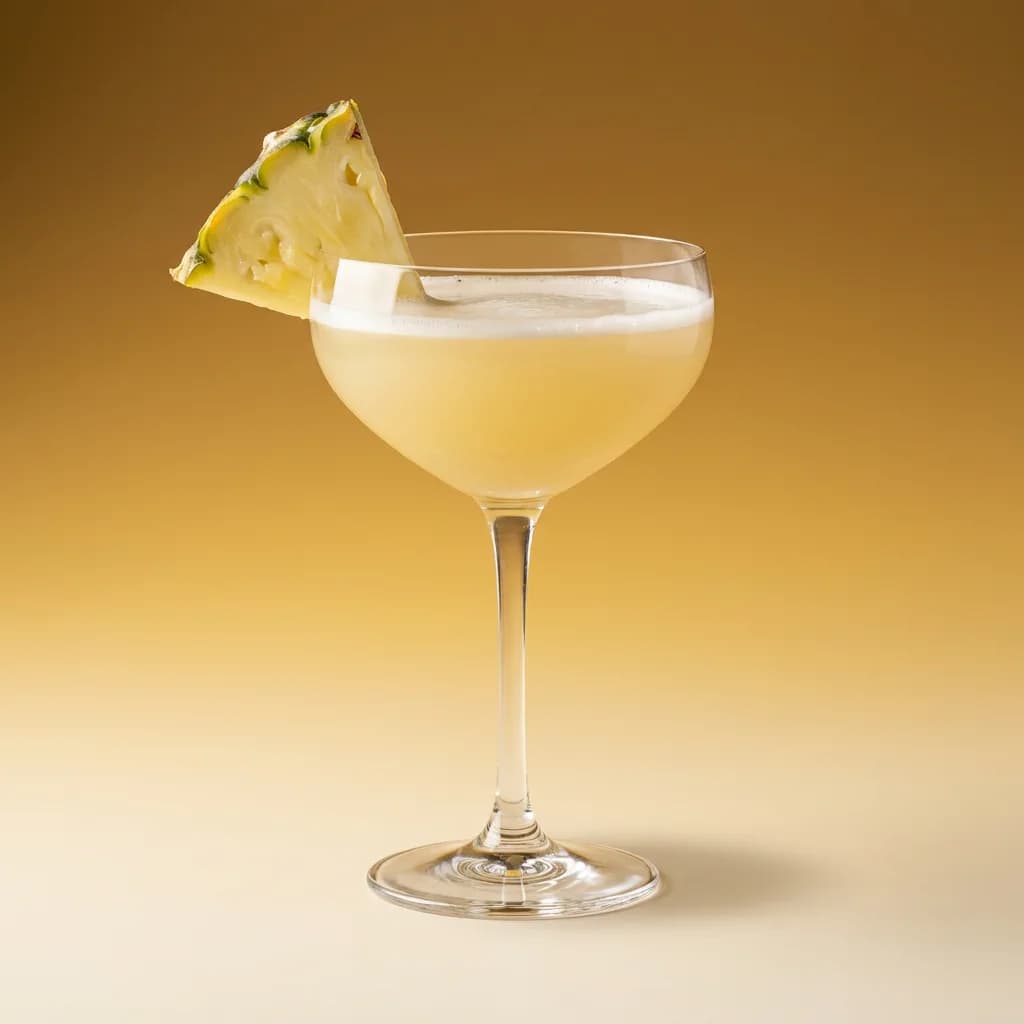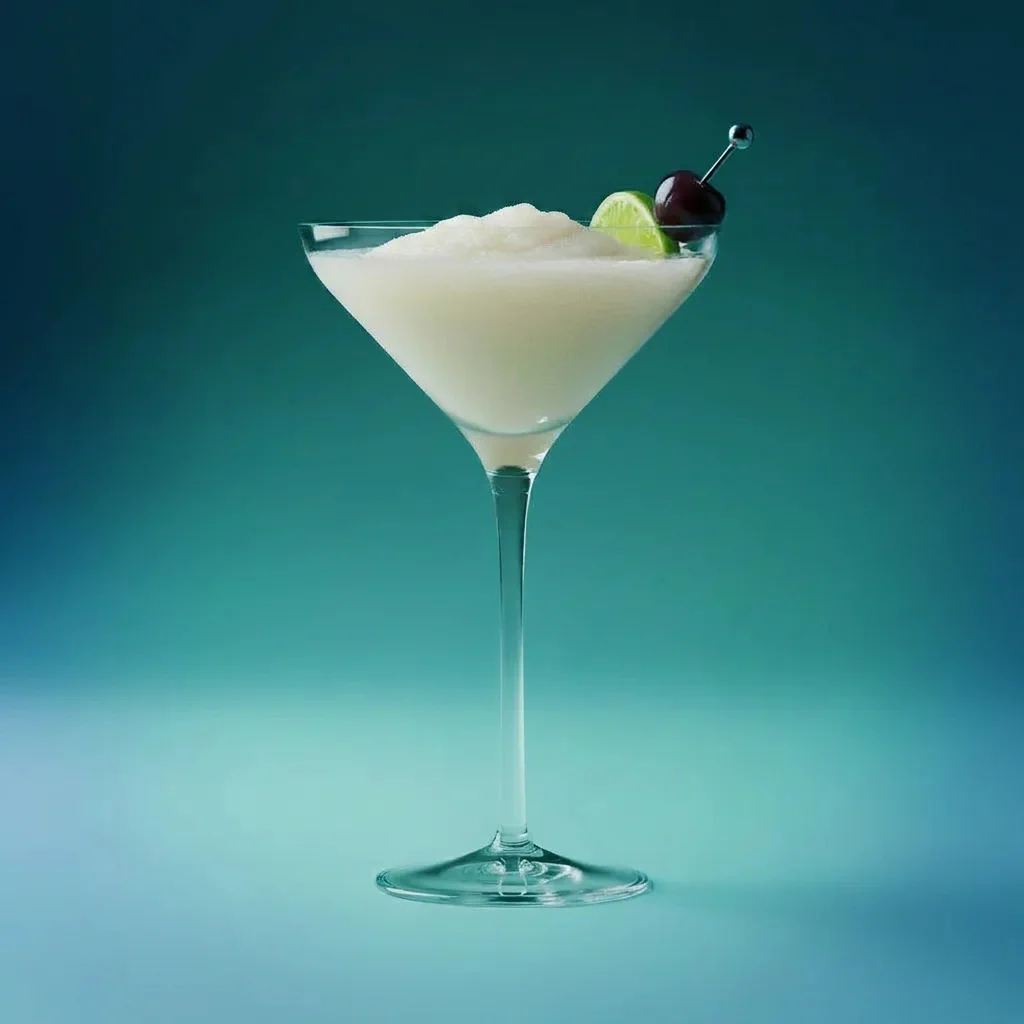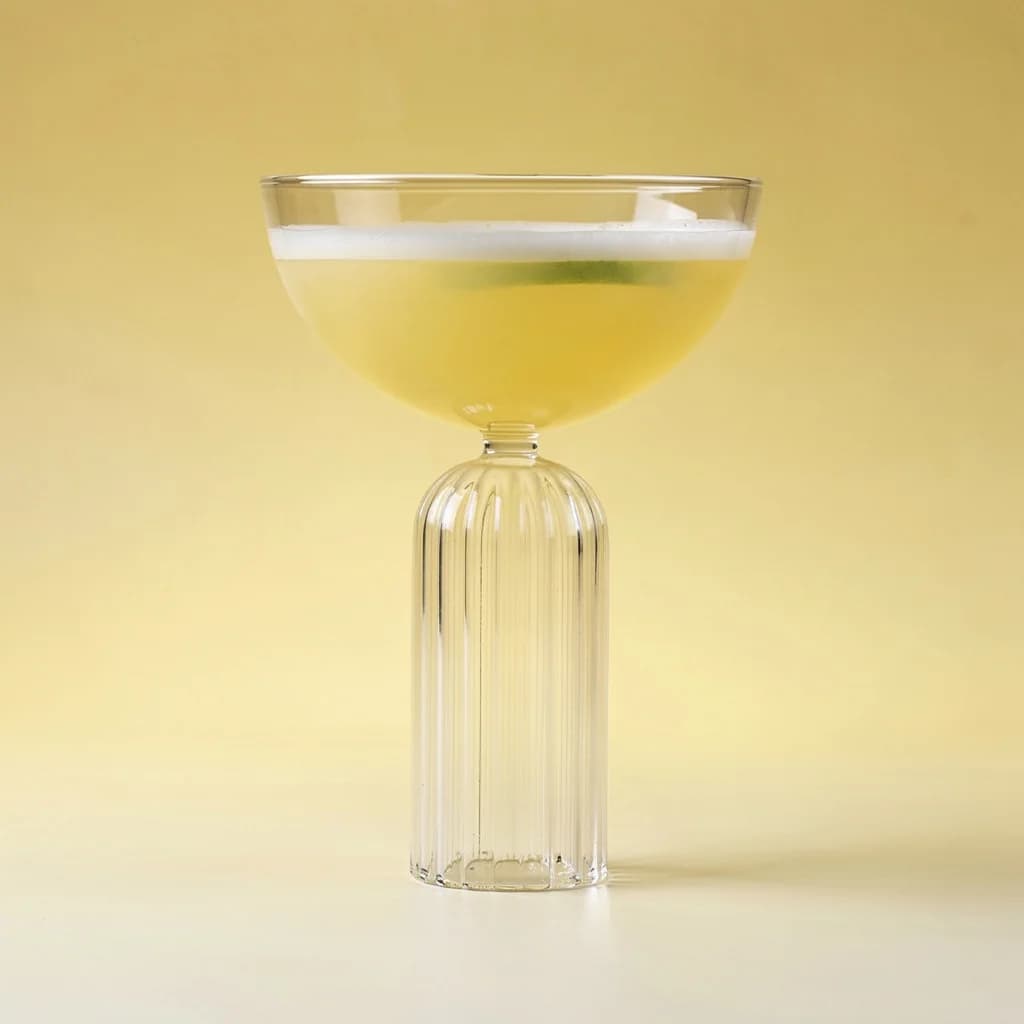
The Orange Curaçao Daiquiri is a Daiquiri of white rum, lime, and sugar syrup with a little orange curaçao and orange juice, shaken and served up.
Ingredients
1
Servings
Garnish
Instructions for 1 serving
- Pre-chill a glass
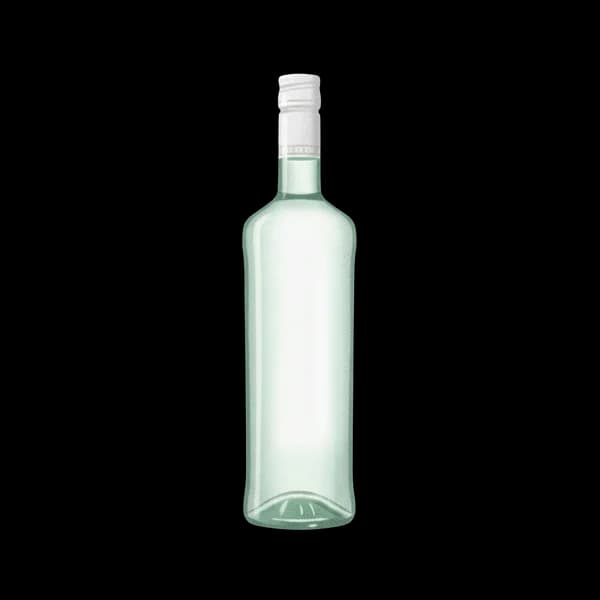
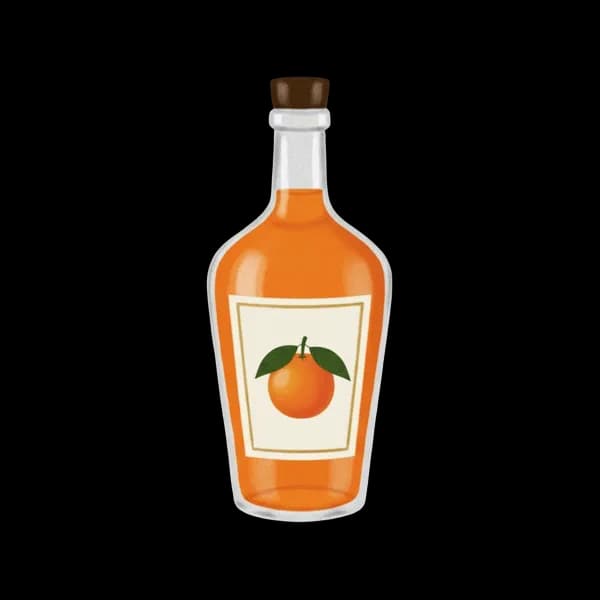
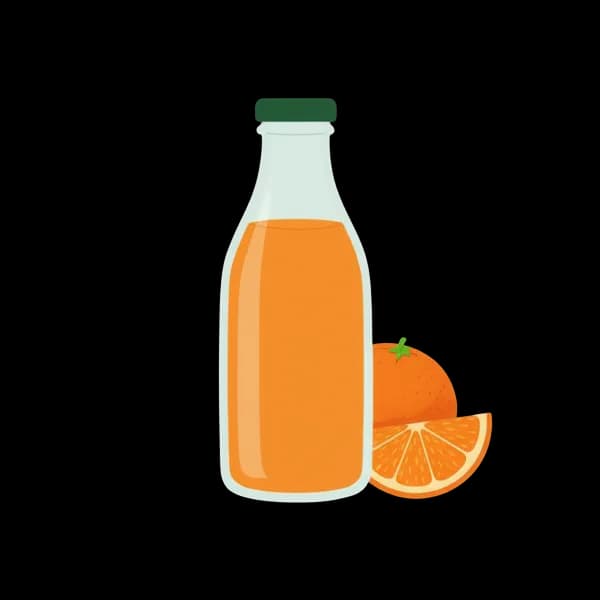
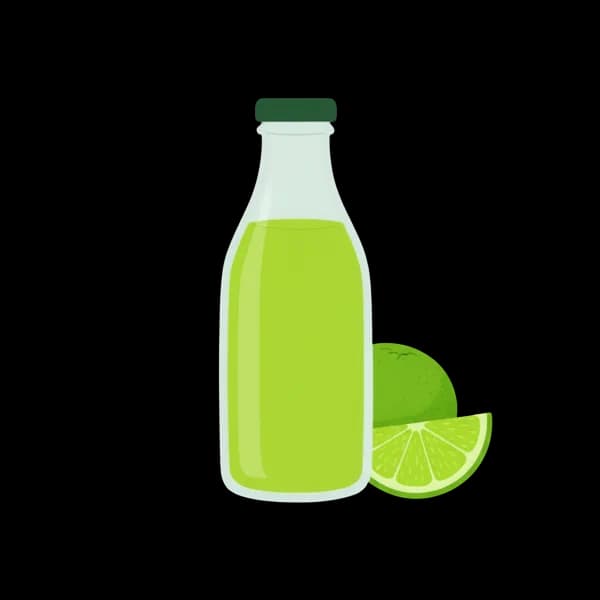
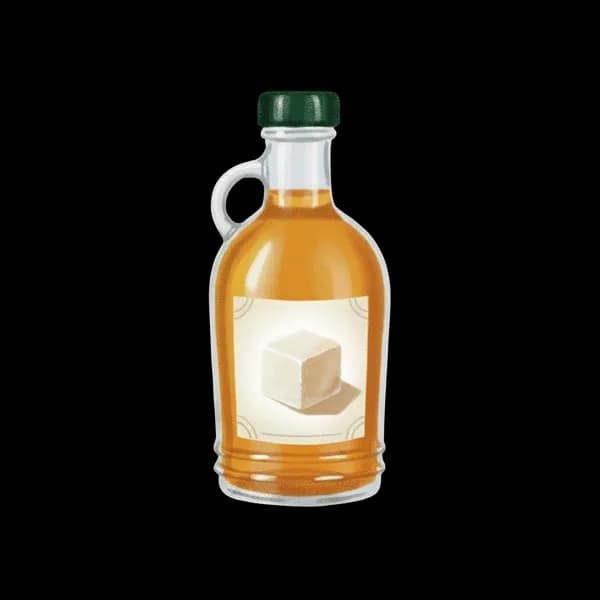
- Shake all ingredients with ice: White rum 60 mlOrange curaçao liqueur 5 mlOrange juice 5 mlLime juice 15 mlSugar syrup 10 ml
- Fine strain into the chilled glass
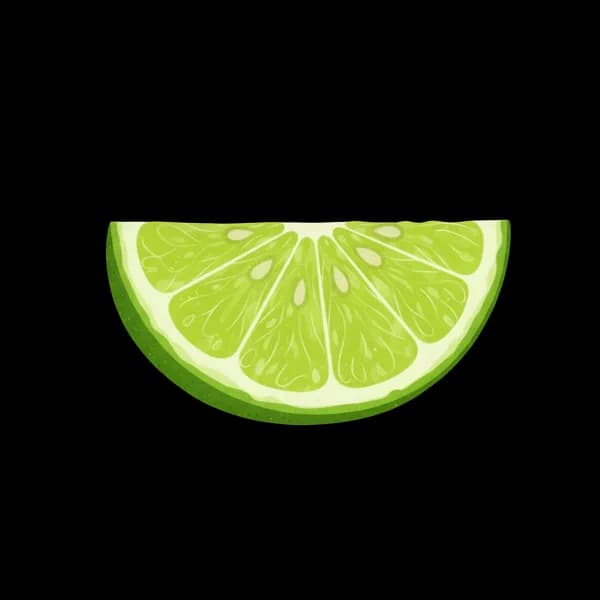
- Garnish with a lime wedge
Tips
- Squeeze the lime and orange juice fresh, just before shaking.
- At 5 ml each, the curaçao and orange juice only season the lime; pour more and it turns into an orange drink.
History
The Orange Curaçao Daiquiri descends from the Daiquiri No. 2, one of four numbered daiquiris printed in the Bar La Florida Cocktails booklets of the 1930s. Guides credit it to Constantino "Constante" Ribalaigua Vert of La Florida, better known as Havana's celebrated El Floridita. He worked there from the 1910s until his death in 1952 and came to own the bar: from 1918 by the bar's own account, from 1935 according to The Oxford Companion to Spirits & Cocktails. The original called for Bacardi rum, several dashes of curaçao, a teaspoon each of orange juice and sugar, and the juice of half a lime, shaken over cracked ice. The booklet's English text says "lemon", a mistranslation of the Spanish limón, which in Cuba means lime.
The broader Daiquiri is thought to have emerged near the Cuban mining village of Daiquirí around 1898, often credited to American engineer Jennings Cox, though simpler rum, lime, and sugar combinations likely predate that account.
FAQ
What is in an Orange Curaçao Daiquiri?
60 ml white rum, 15 ml fresh lime juice, 10 ml sugar syrup, and 5 ml each of orange curaçao and fresh orange juice. That is the classic Daiquiri of rum, lime, and sugar with a touch of orange added.
Is an Orange Curaçao Daiquiri shaken or stirred?
Shaken. Shake everything hard with ice and fine-strain it into a chilled coupe; a citrus drink needs the shake to chill, dilute, and aerate.
What glass is an Orange Curaçao Daiquiri served in?
A chilled coupe, served up with no ice and garnished with a lime wedge.