Daiquiri
Stir; Shake ∙ 4 min ∙ 20% ABV ∙
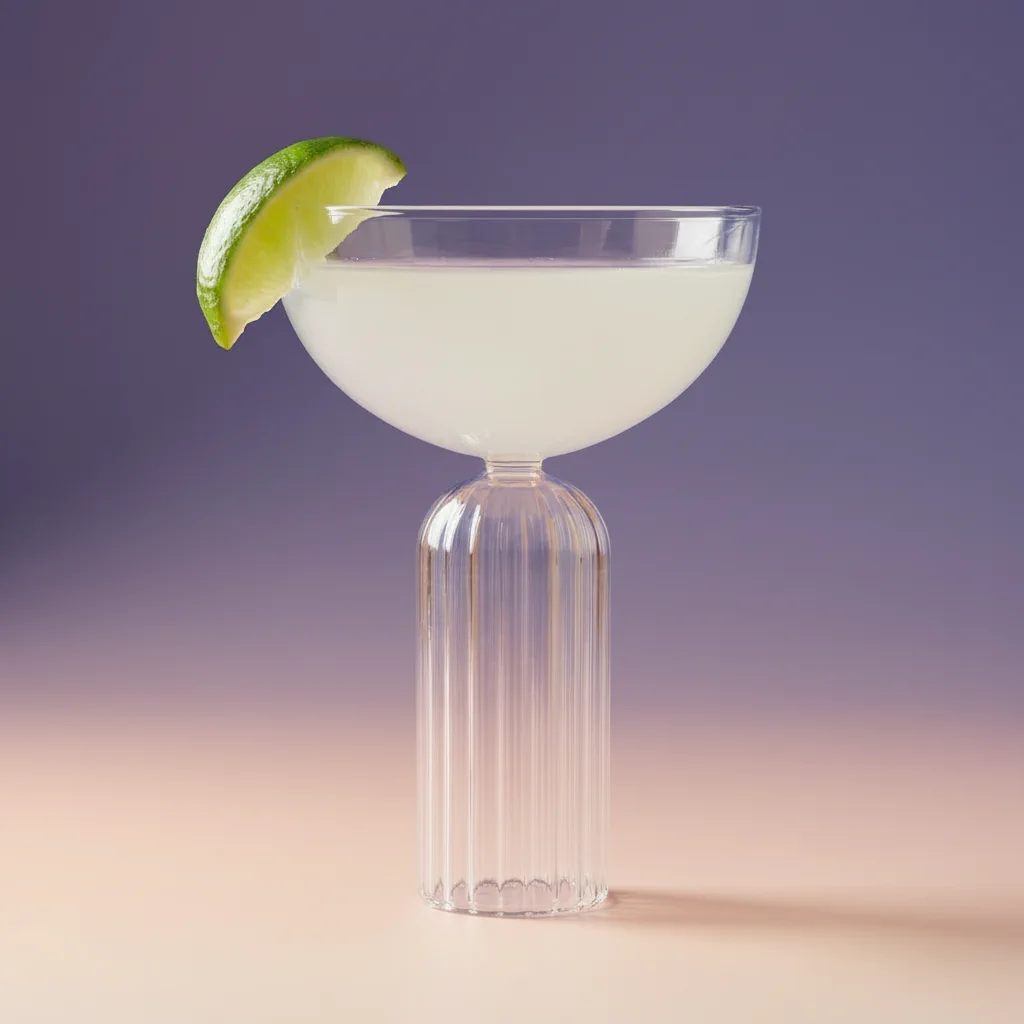
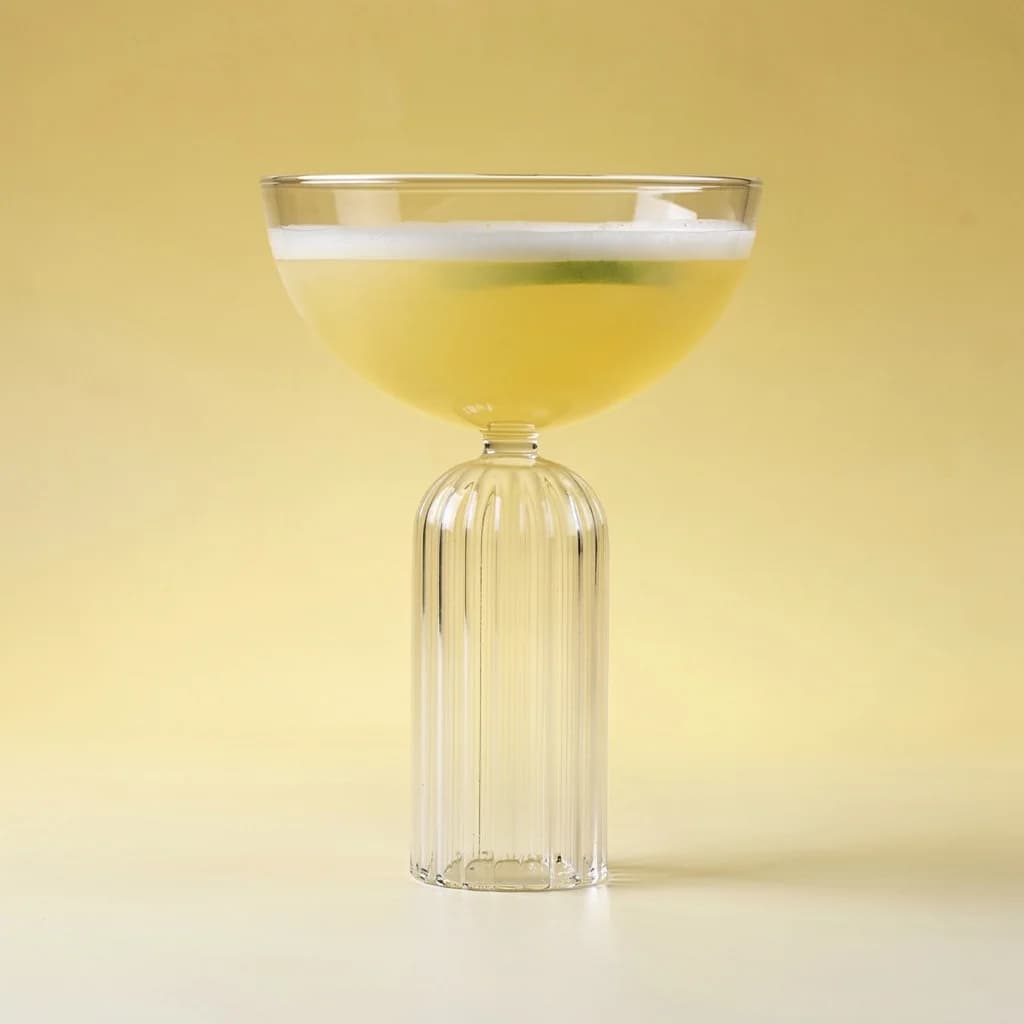
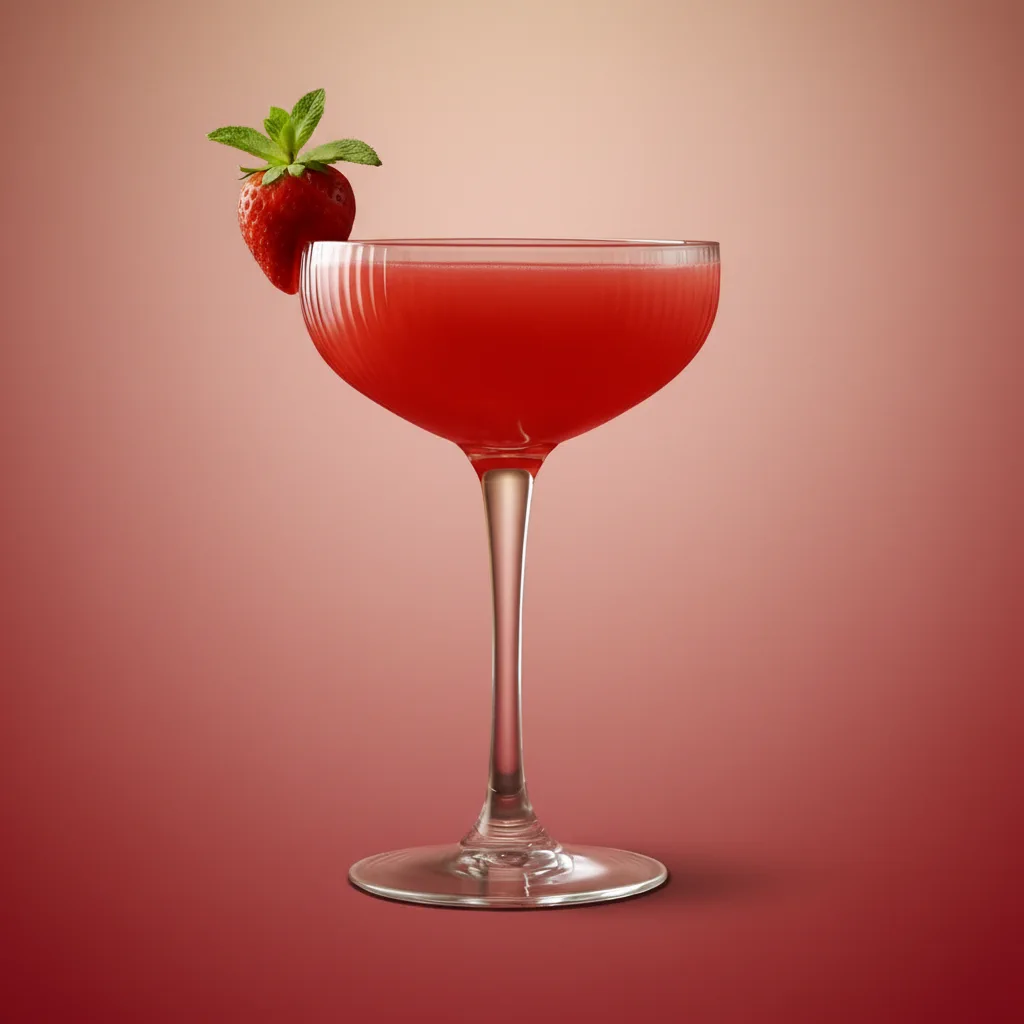
The Daiquiri is an IBA official cocktail made of white rum, fresh lime juice, and sugar, shaken and served up in a cocktail glass. Tart lime hits first, rum warmth builds underneath, and a clean sugared edge keeps the finish crisp rather than cloying.
Ingredients
1
Servings
Instructions for 1 serving
- Pre-chill a glass
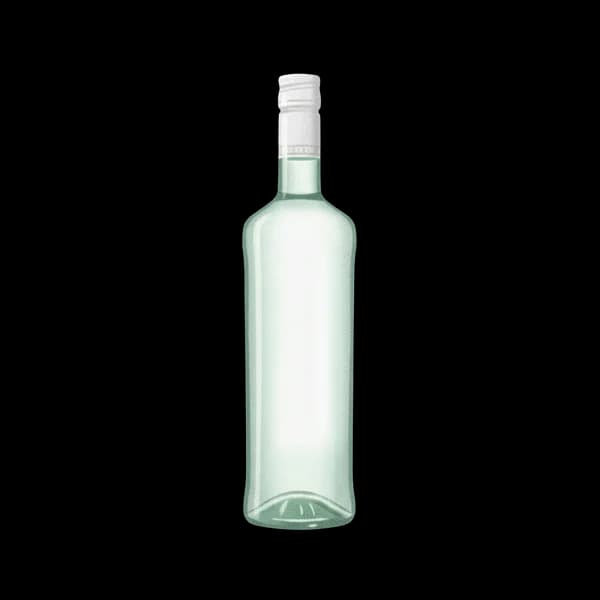
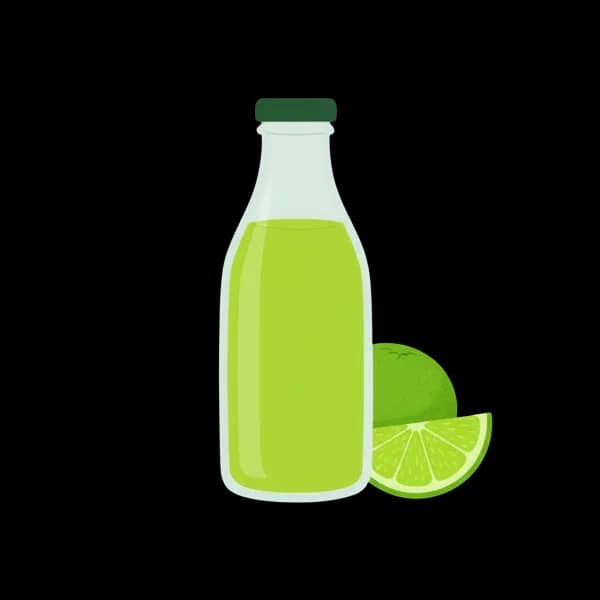
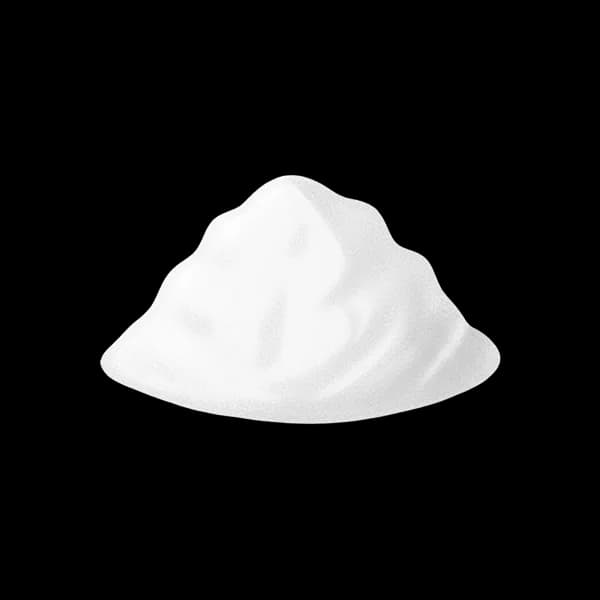
- In a cocktail shaker add all ingredients: White rum 60 mlLime juice 20 mlPowdered sugar 2 bsp
- Stir well to dissolve the sugar
- Add ice and shake
- Strain into the chilled cocktail glass
Tips
- Shake hard with cube ice for a full 12-15 seconds so the powdered sugar fully dissolves and no gritty residue remains in the glass.
- Alternatively, use a tablespoon of simple syrup instead of powdered sugar.
History
The Daiquiri is widely credited to Jennings Cox, an American mining engineer working near the town of Daiquiri in eastern Cuba, who is said to have mixed rum, lime juice, and sugar around 1898 during the Spanish-American War when gin ran short for unexpected guests. Some accounts, including one from Cox's own granddaughter, place the creation closer to 1896.
The tale is complicated by a 1948 obituary in the Havana newspaper El País naming a bartender, Emilio "Maragato" González, as the true inventor. Cox's associate Francesco Domenico Pagliuchi, an eyewitness to the drink's creation, wrote a letter to the newspaper refuting the claim and confirming Cox's authorship, recounting how Cox mixed the drink at the mines and initially likened it to a Whiskey Sour before the two settled on the name Daiquiri.
The drink reached the United States around 1909 after U.S. Navy officer Lucius W. Johnson tasted it in Cuba and introduced it to the Army and Navy Club in Washington, D.C. It later gained further fame in Havana at the bar El Floridita, where bartender Constantino Ribalaigua Vert developed frozen and fruited variations for patrons including Ernest Hemingway, whose preference for a stronger, sugar-free version became known as the Papa Doble.
The version listed by the International Bartenders Association simply codifies the original three-part rum, lime, and sugar formula, shaken and strained, as one of the association's official "Unforgettables" recipes, standardizing measurements rather than introducing any new twist on the classic build.
FAQ
What is a classic Daiquiri made of?
A classic Daiquiri is white rum, fresh lime juice, and sugar syrup, shaken and served up in a cocktail glass. This build keeps to those three ingredients, shaken and strained up with no garnish.
Is a Daiquiri just a margarita with rum?
Not quite, though the structure is similar. Both are shaken sours built on spirit, citrus, and sweetener, but a Margarita uses tequila with orange liqueur alongside lime, while a Daiquiri is simply white rum, lime, and sugar syrup with no orange liqueur.
What is the alcohol in a Daiquiri?
White rum is the only spirit in a Daiquiri. This build comes out to about 20% ABV once shaken with the lime juice and sugar syrup and strained into the glass.
What liquor makes the best daiquiri?
White rum is the classic choice, valued for its clean, light profile that lets the lime and syrup lead. This build uses white rum specifically, since darker aged rums add oak and caramel notes that shift the drink away from its crisp, citrus-forward character.
Is a daiquiri stronger than a margarita?
It depends on the specific build, but the two typically land in a similar strength range. This Daiquiri comes to about 20% ABV, while a Margarita's added orange liqueur can push its ABV slightly higher or lower depending on the pour.
How to make a perfect Daiquiri?
Shake white rum, fresh lime juice, and powdered sugar (or sugar syrup) hard and briefly over plenty of ice, then fine-strain into a chilled cocktail glass. The keys are fresh lime, a well-balanced sweet-sour ratio, and a short vigorous shake so the drink stays cold without over-diluting.
What are some common mistakes in making a daiquiri?
The most common mistake is using bottled lime juice, which lacks the acidity of fresh limes and leaves the drink flat and one-dimensional. Over-shaking or under-straining are close behind, since either dilutes the drink too much or lets ice shards into the glass.