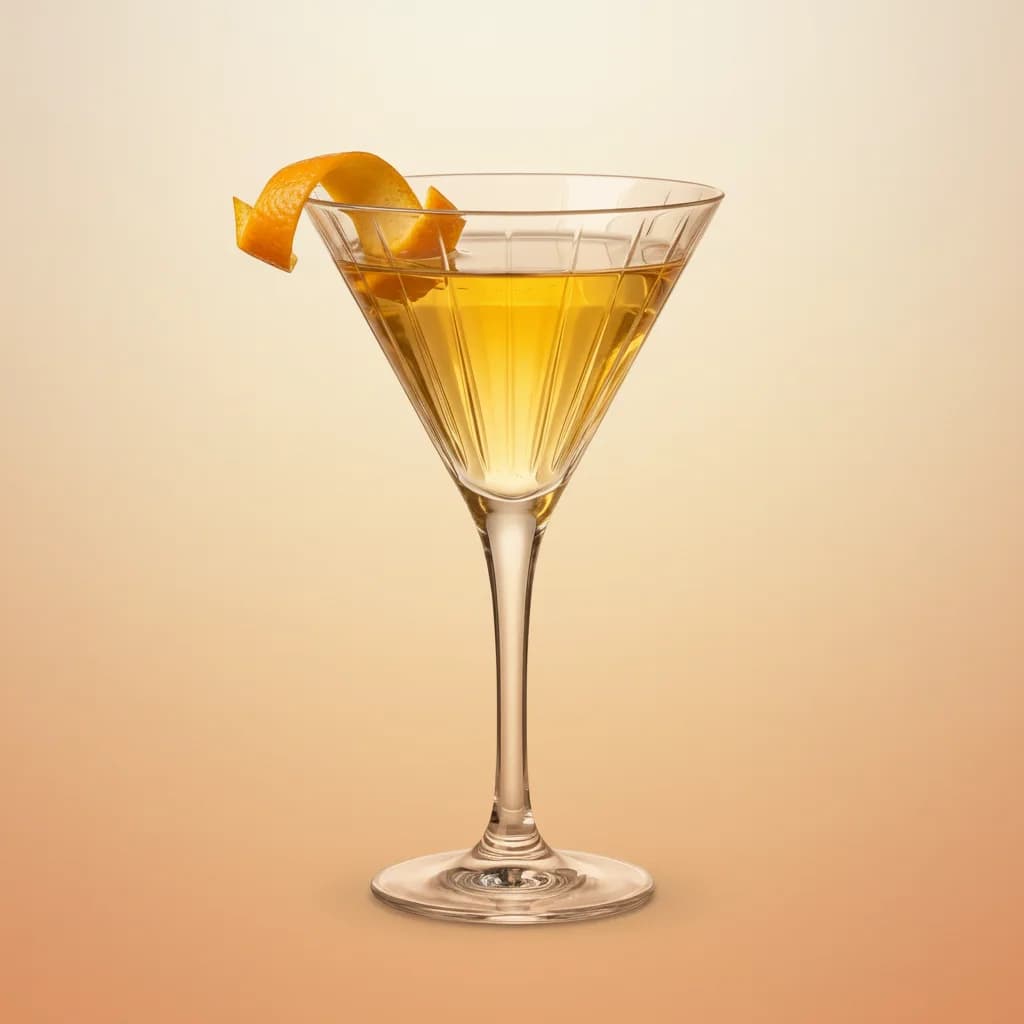
Chrysanthemum
Stir ∙ 3 min ∙ 20% ABV ∙
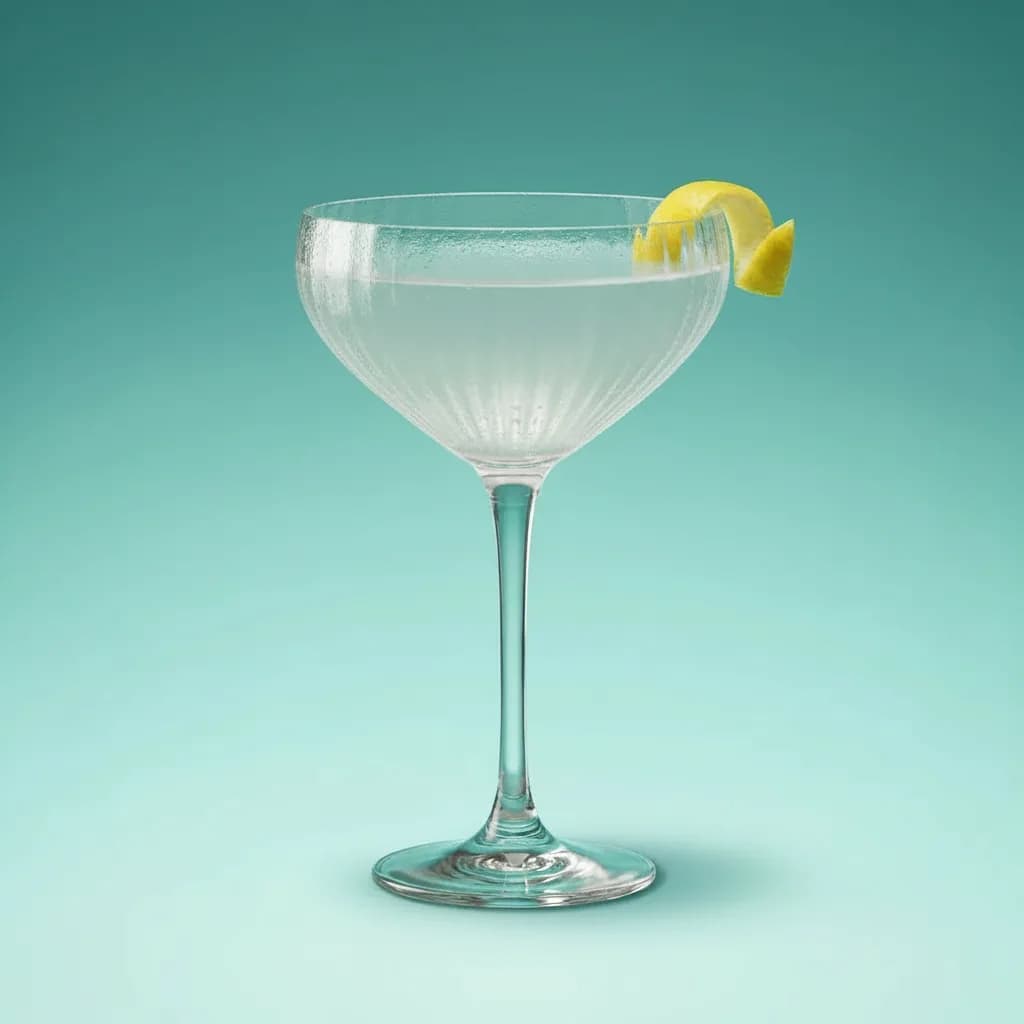
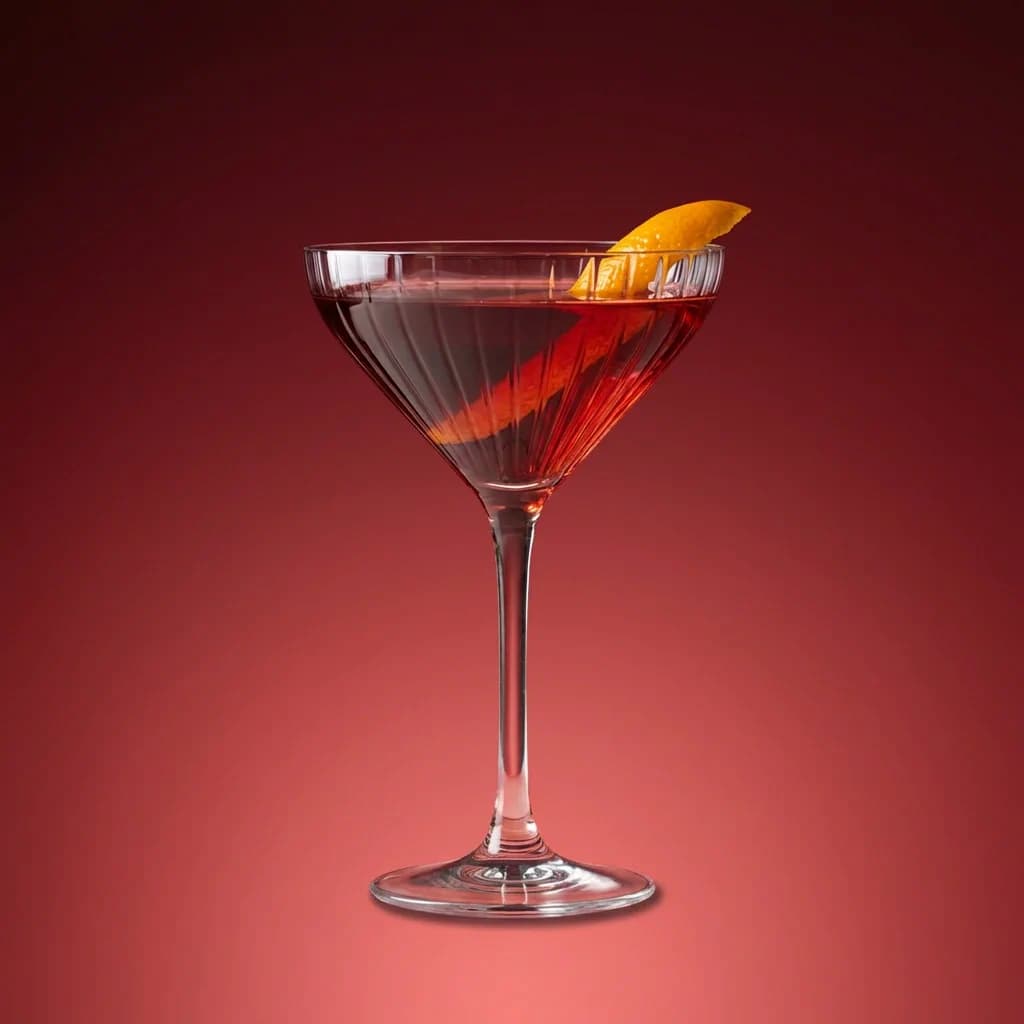
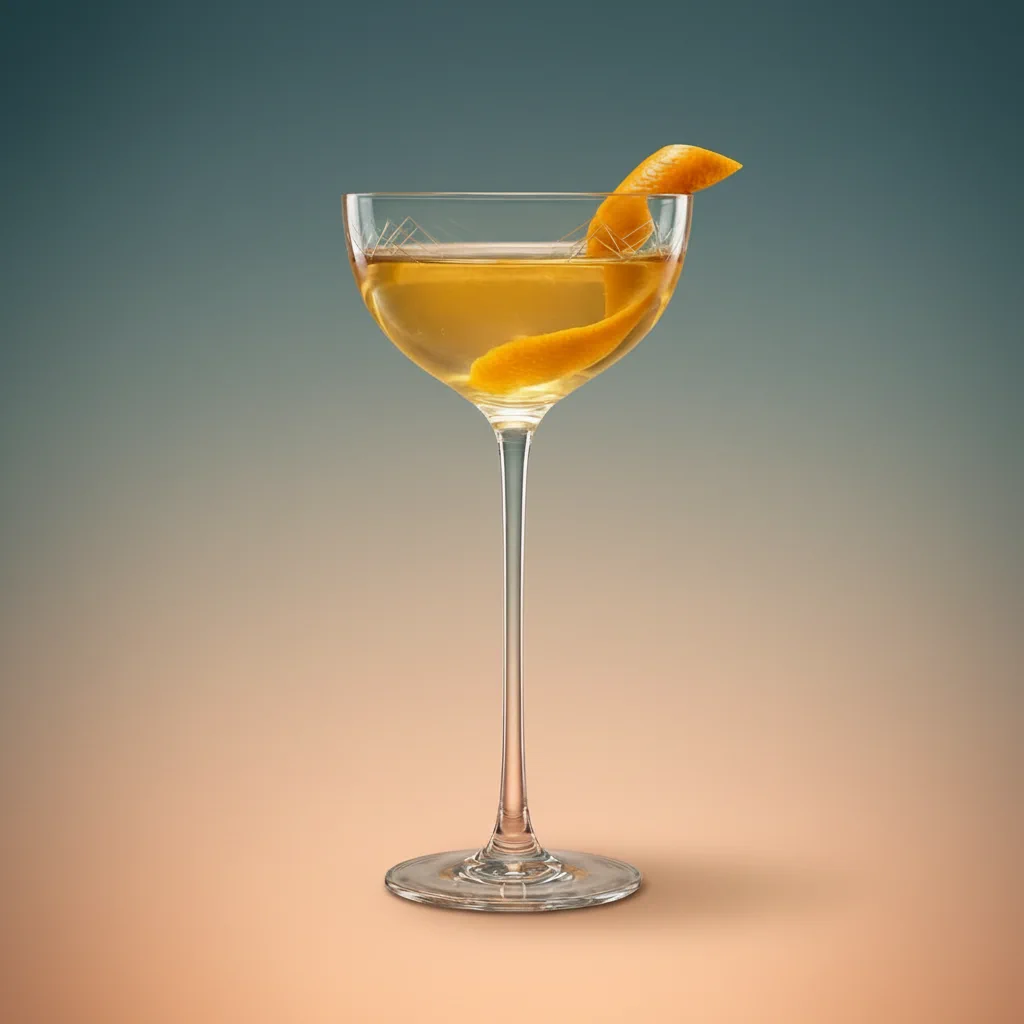
The Chrysanthemum is a stirred, vermouth-based cocktail of dry vermouth, Bénédictine, and a touch of absinthe, served up in a coupe. Dry and herbal, honeyed Bénédictine sweetness threading through the wine-like vermouth, a faint anise note on the finish — a low-proof aperitif.
Ingredients
1
Servings
Garnish

Instructions for 1 serving
- Pre-chill a glass
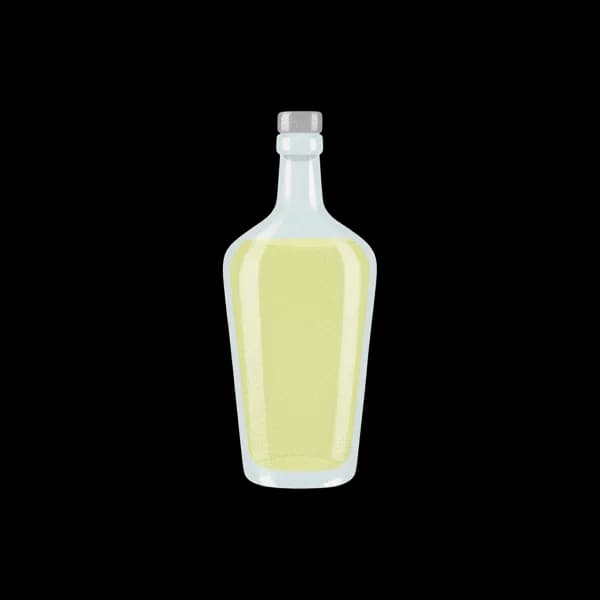
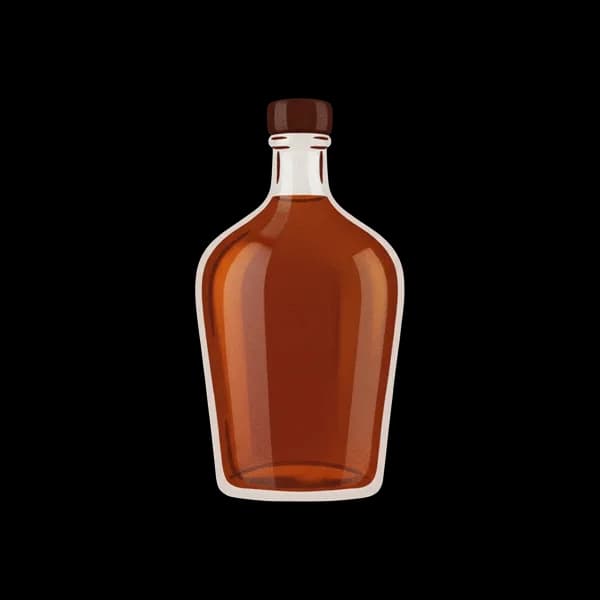
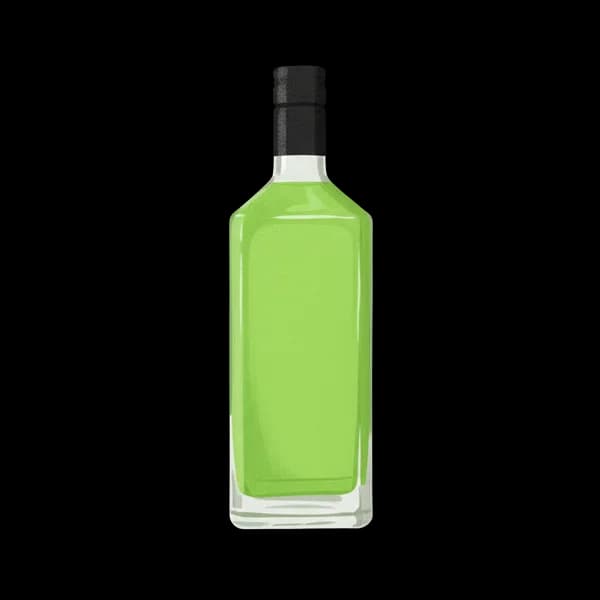
- Stir all ingredients with ice: Dry vermouth 50 mlBénédictine D.O.M. liqueur 15 mlAbsinthe 4 dashes
- Fine strain into the chilled glass
- Express an orange twist over the cocktail and use as garnish
Tips
- Stir with plenty of large cubes for about 20-25 seconds; this build has no juice to over-dilute, so slight extra dilution actually softens the vermouth's edge.
- Measure the absinthe in true dashes rather than a free pour; four dashes should barely coat the surface, not overpower the Bénédictine's honeyed spice.
History
The Chrysanthemum first appeared in print in Hugo R. Ensslin's Recipes for Mixed Drinks, published in New York in 1916, one of the last major American cocktail manuals before Prohibition. Ensslin was a German-born bartender who tended bar at the Hotel Wallick in Times Square, and his original recipe called for equal parts dry vermouth and Bénédictine, seasoned with a few dashes of absinthe.
Fourteen years later the drink reappeared, revised, in Harry Craddock's 1930 Savoy Cocktail Book, which cut the sweetness by shifting to a 2:1 ratio of vermouth to Bénédictine, a proportion that became the standard most later bartenders followed. Craddock's version noted that the cocktail was well known aboard the American Bar of the SS Europa, a German ocean liner popular with Americans evading Prohibition.
Its unusual name has been linked by some writers to the flower's pale color and floral character, though no documented source confirms the reasoning behind the name.
FAQ
What is a Chrysanthemum cocktail?
It is a stirred, low-proof aperitif built on dry vermouth, sweetened and spiced with Bénédictine liqueur and a few dashes of absinthe. Served up in a coupe with an orange twist, it sits around 20% ABV, making it lighter than most spirit-forward cocktails.
What is in a Chrysanthemum cocktail?
Dry vermouth, Bénédictine D.O.M. liqueur, and a few dashes of absinthe, stirred with ice and strained into a coupe. An orange twist is expressed over the top as the garnish.
How do you make a Chrysanthemum drink?
Stir the dry vermouth and Bénédictine with ice, add the absinthe in dashes, and strain up into a chilled coupe glass. Finish with an orange twist expressed over the drink for its citrus oils.
What alcohol goes well with chrysanthemum flavors?
In this cocktail, dry vermouth is the base, paired with the honeyed herbal sweetness of Bénédictine and a small amount of anise-forward absinthe. The combination keeps the drink low in alcohol overall, at roughly 20% ABV, closer to a wine-based aperitif than a spirit-forward one.
What does a Chrysanthemum cocktail taste like?
It tastes dry and wine-forward first, from the vermouth, then turns honeyed and herbal from the Bénédictine, with a faint licorice note from the absinthe on the finish. It is noticeably lighter and less boozy than a Martini or Manhattan, closer in weight to a glass of fortified wine.