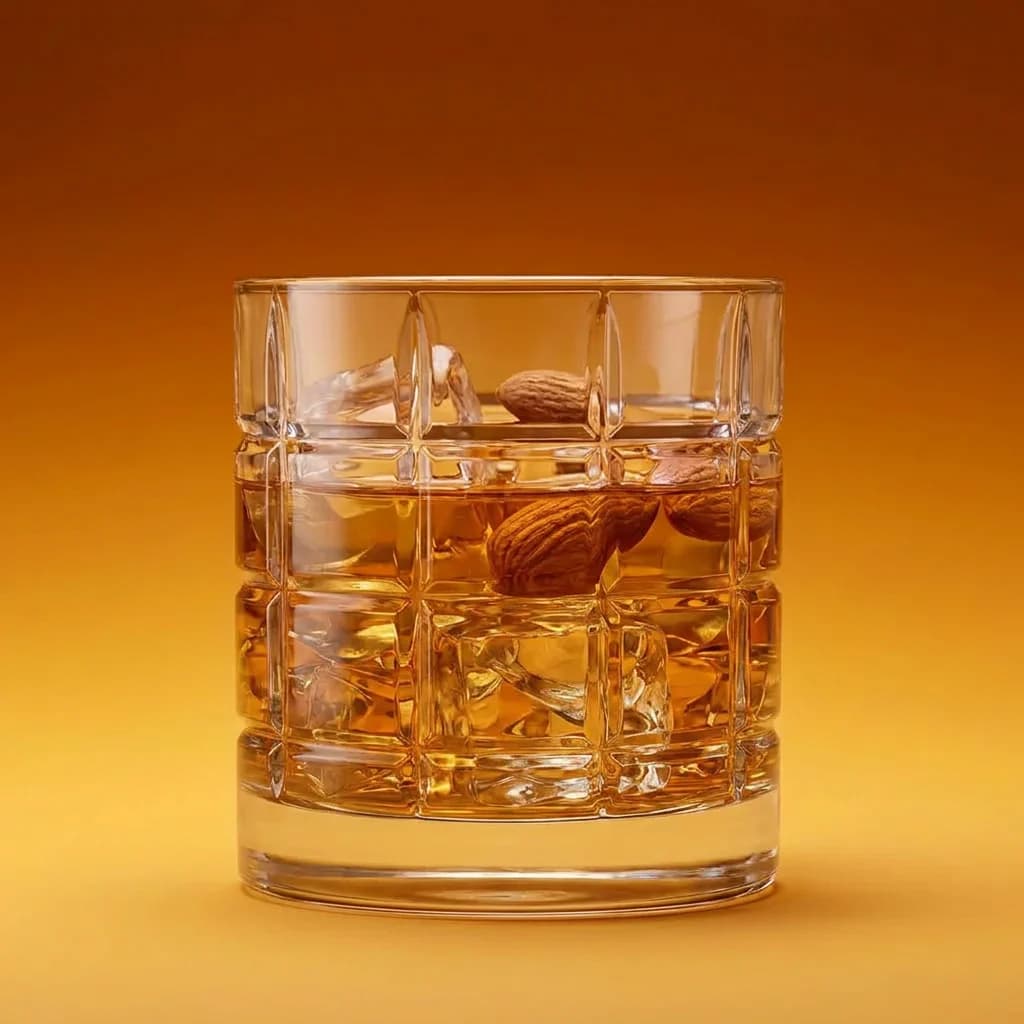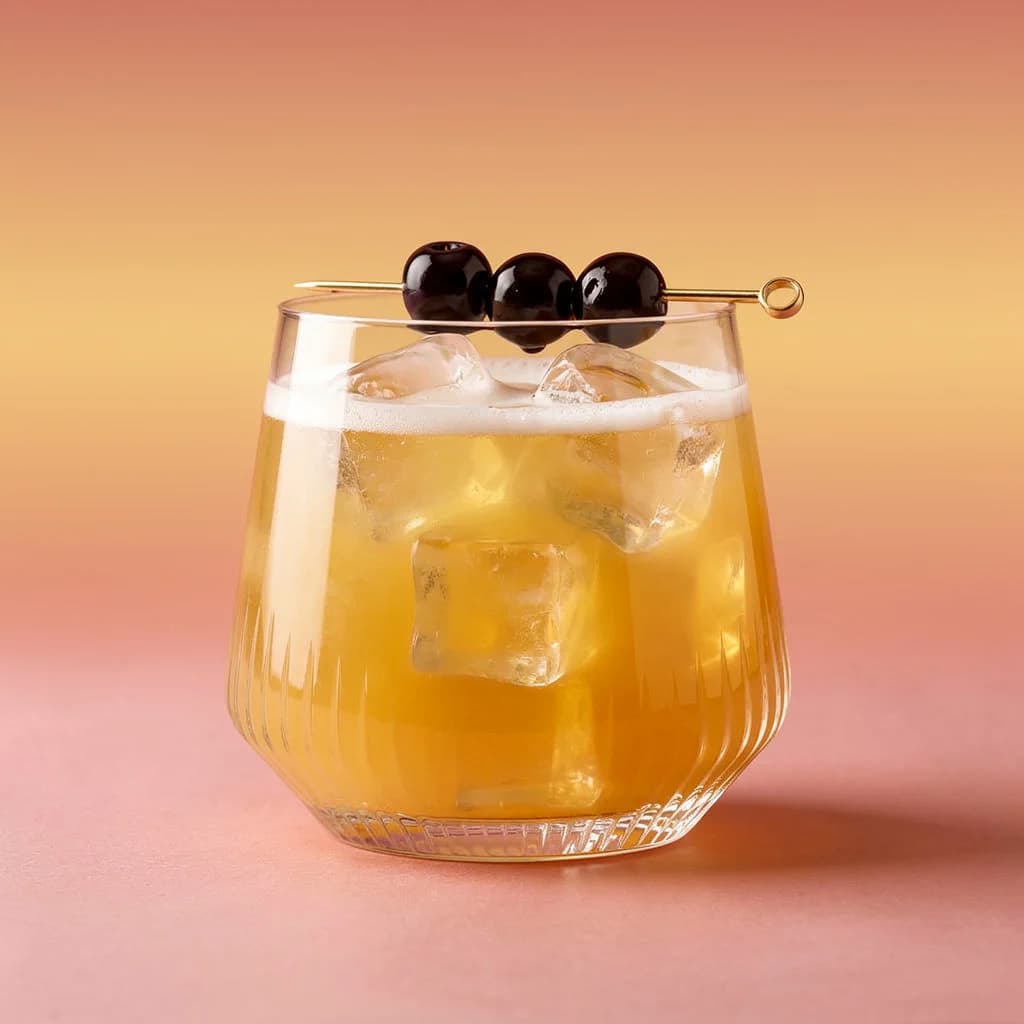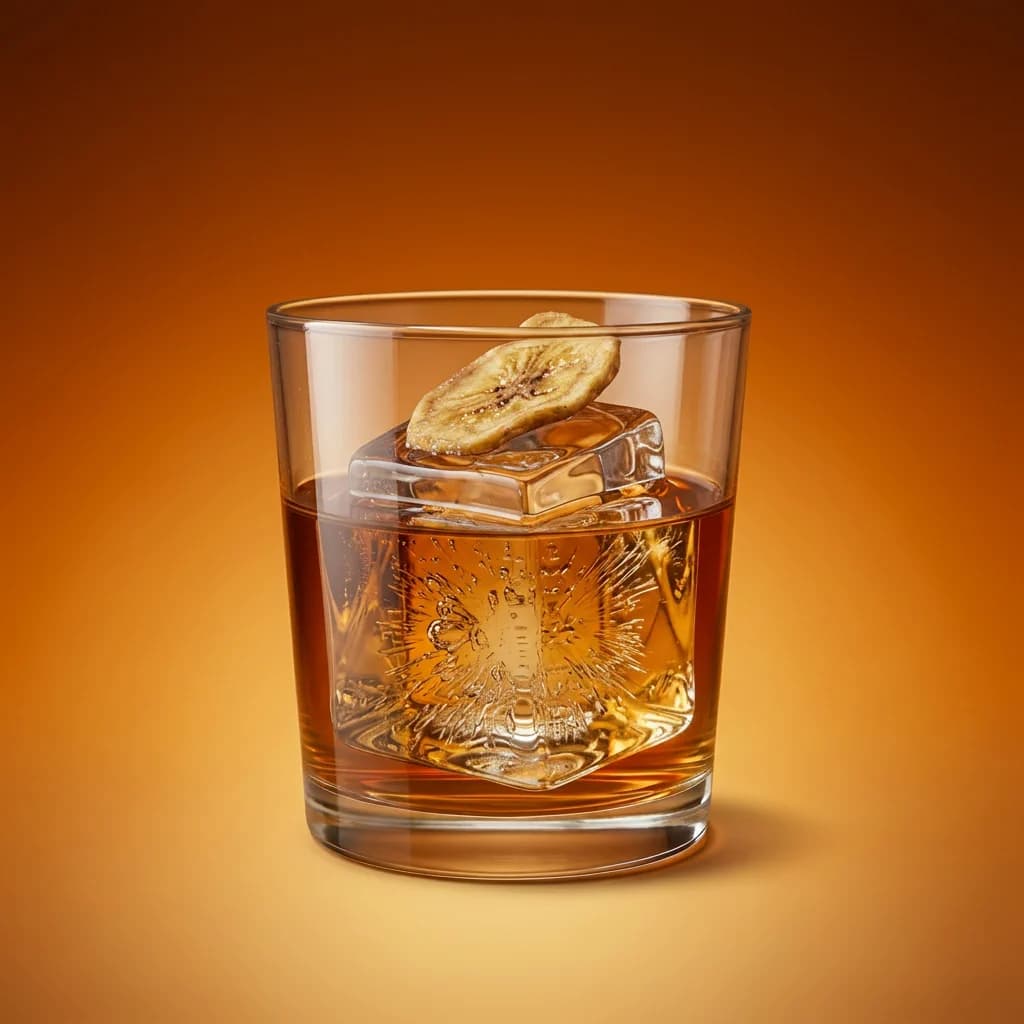
Manhattan (dry)
A dry and bitter whiskey cocktail ∙ Stir ∙ 3 min ∙ 28.8% ABV ∙
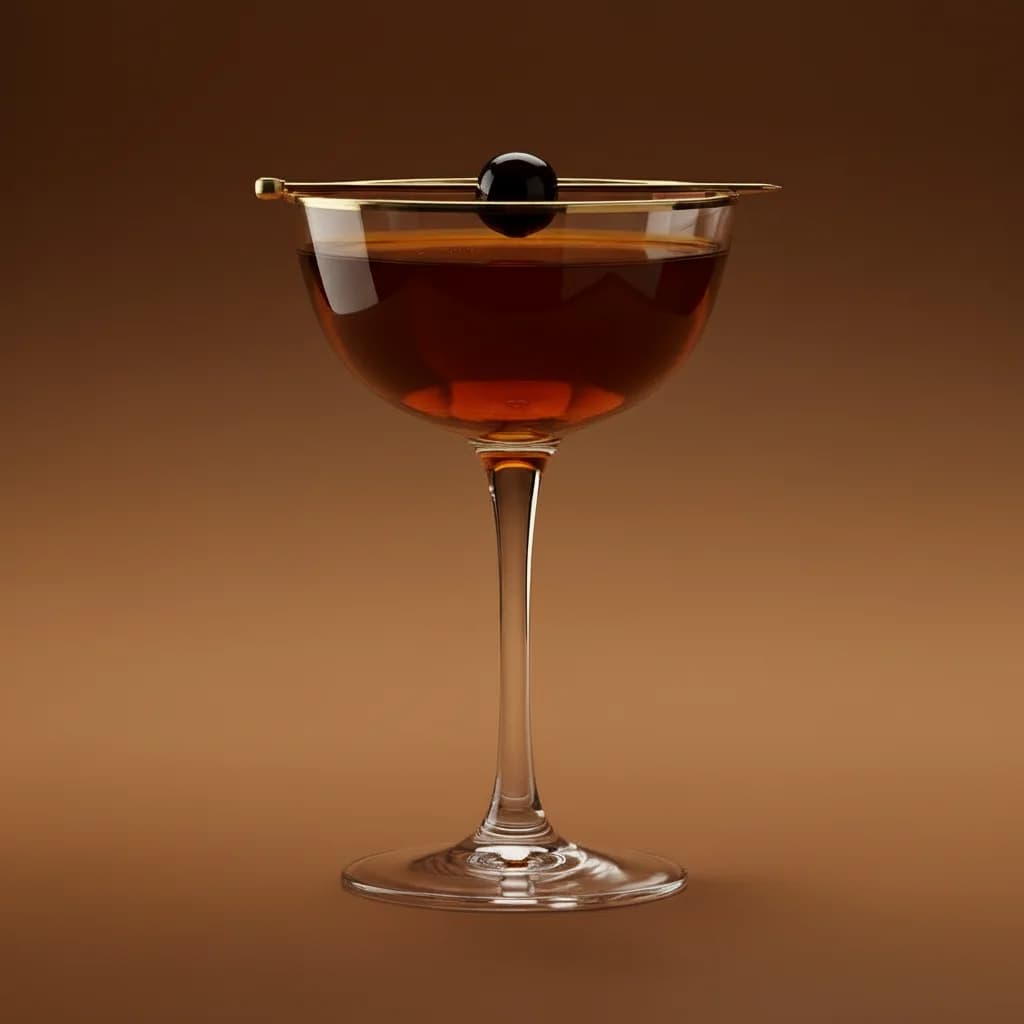
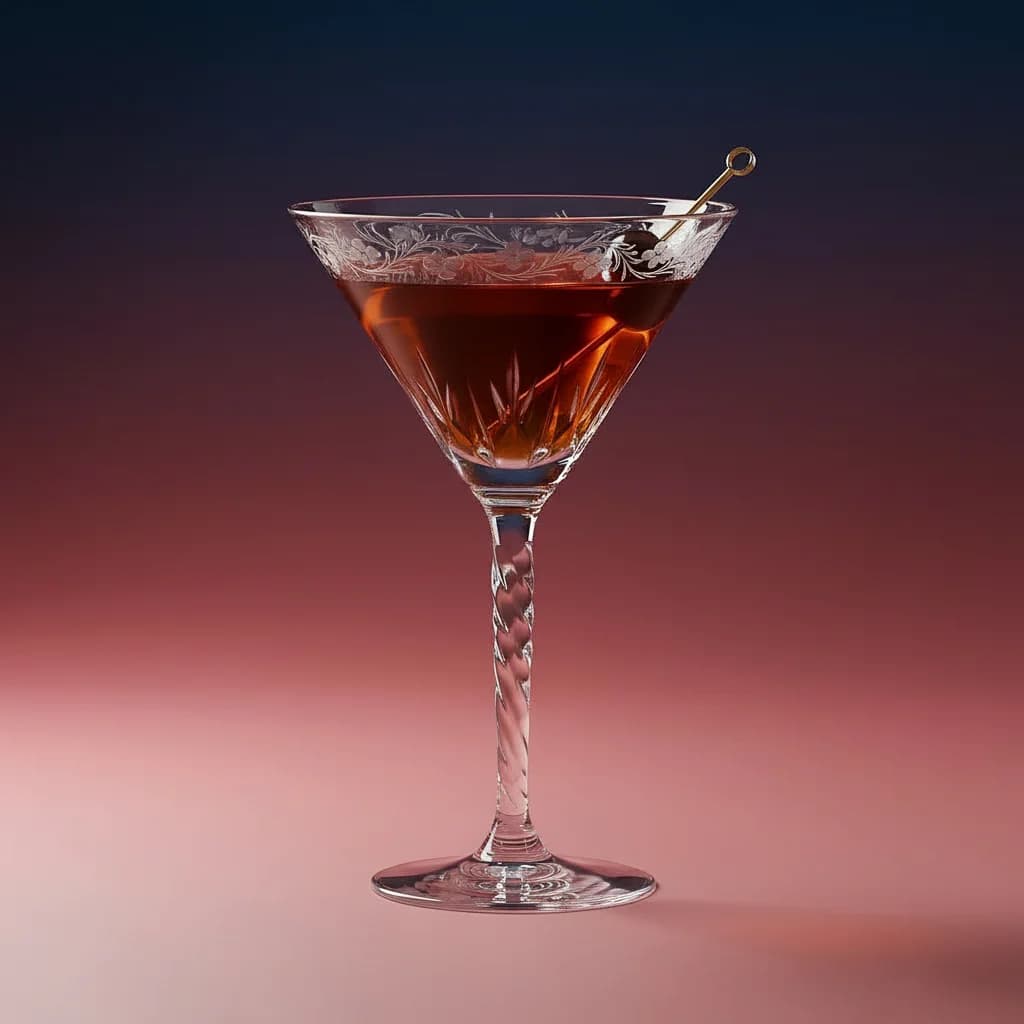
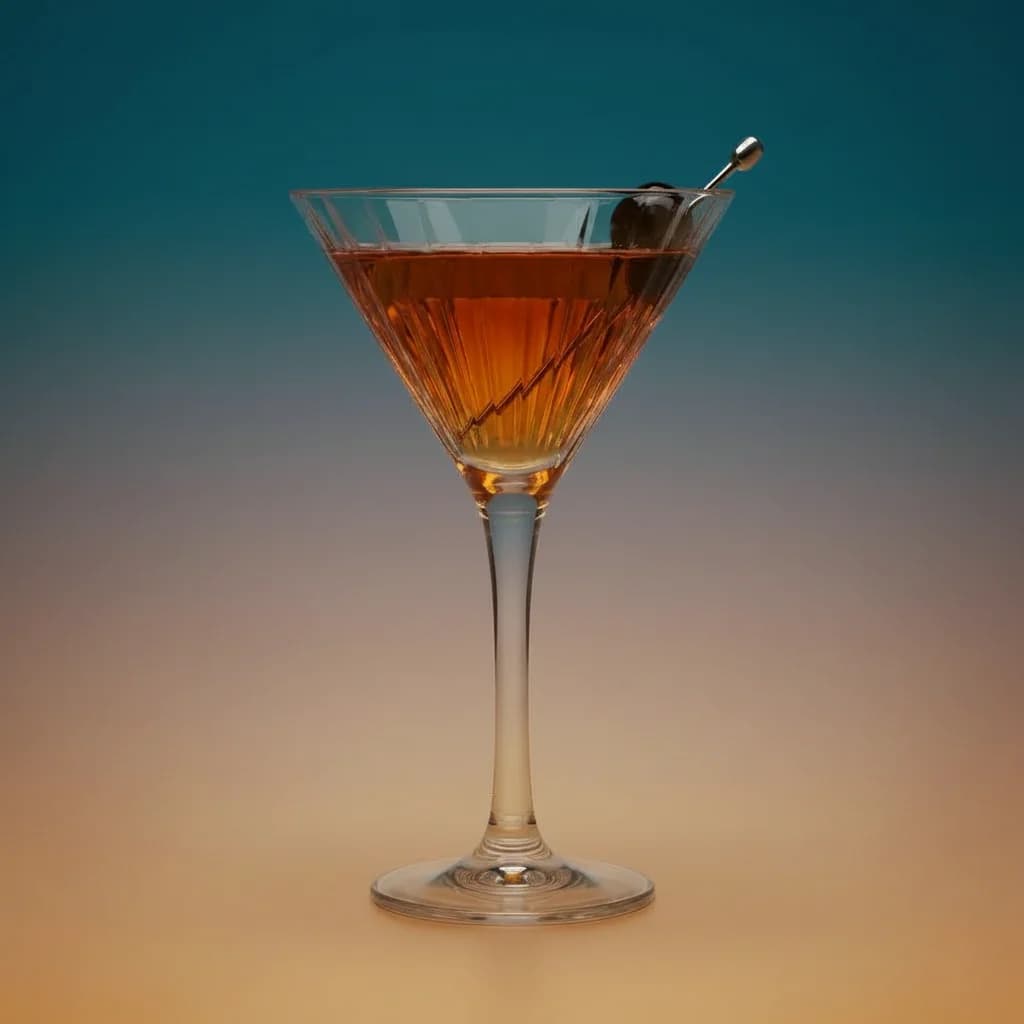
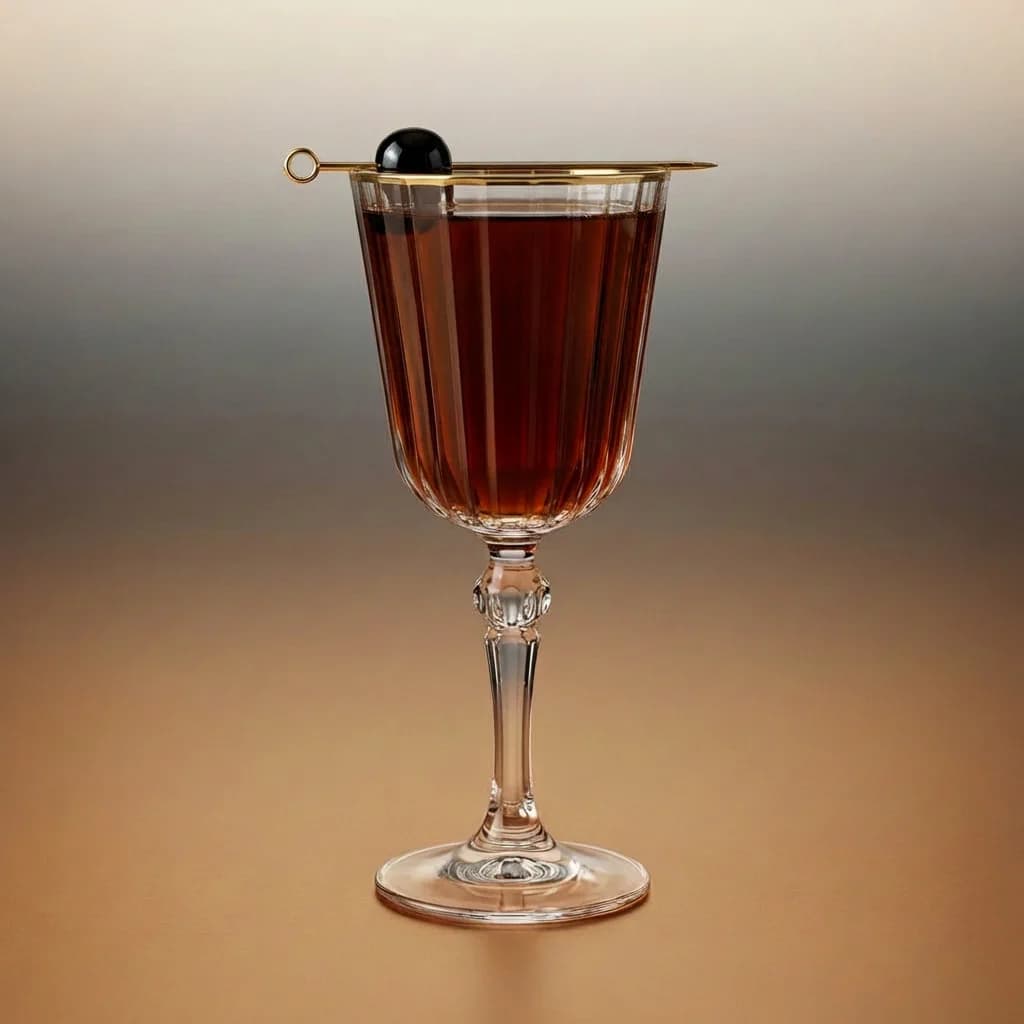
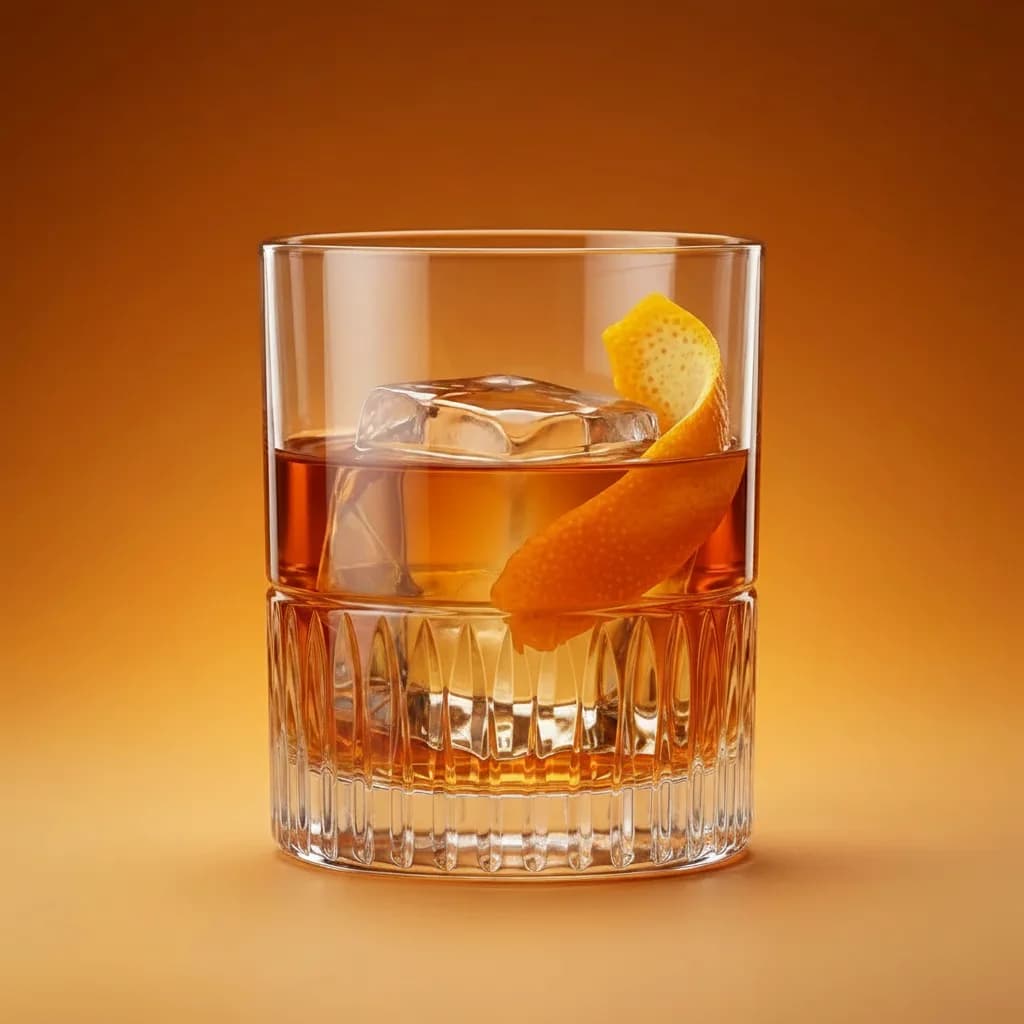
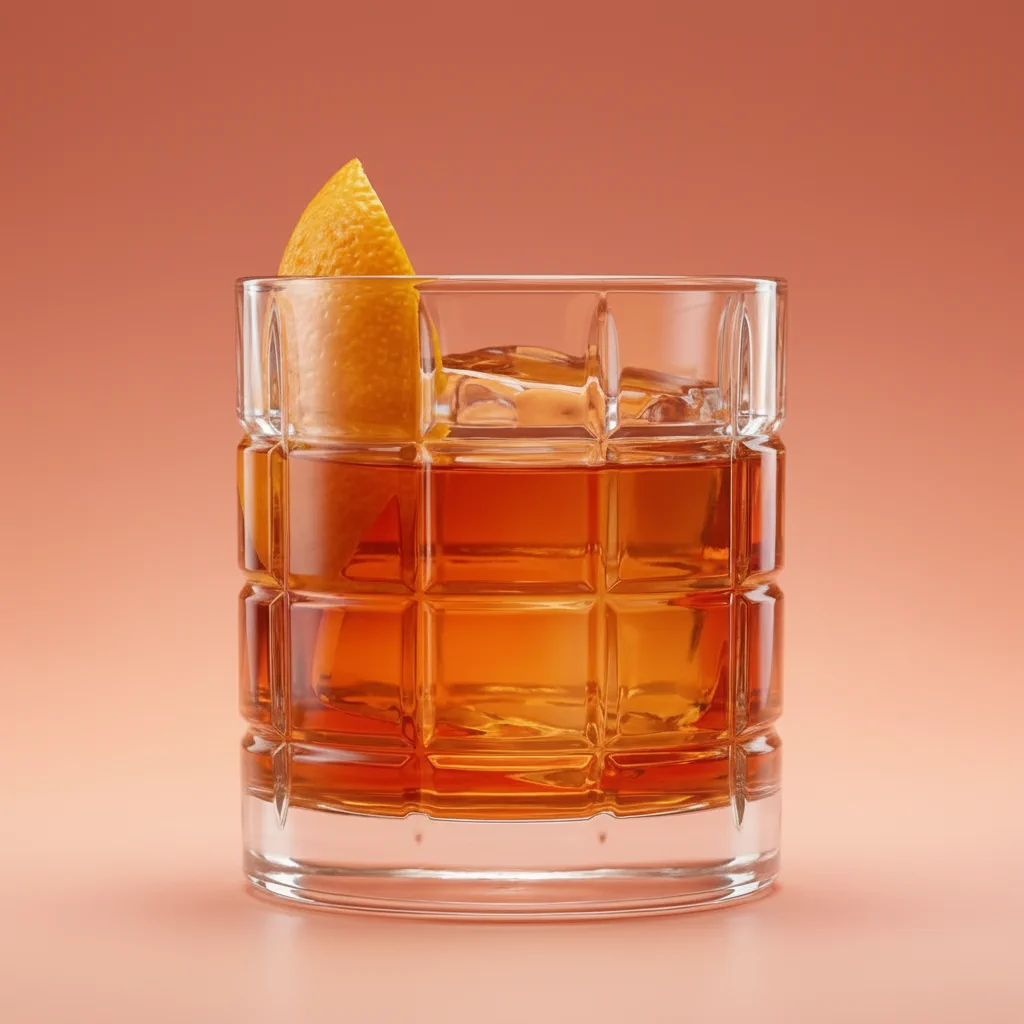
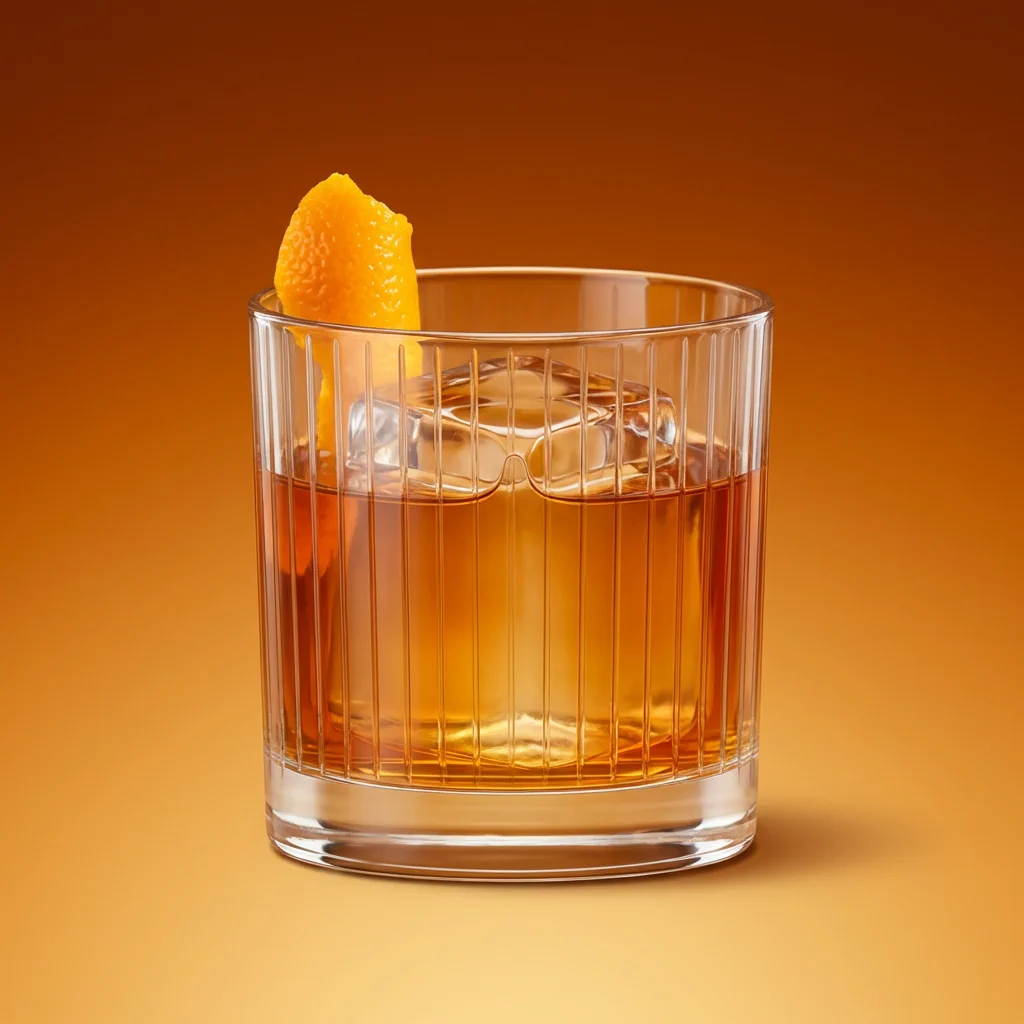
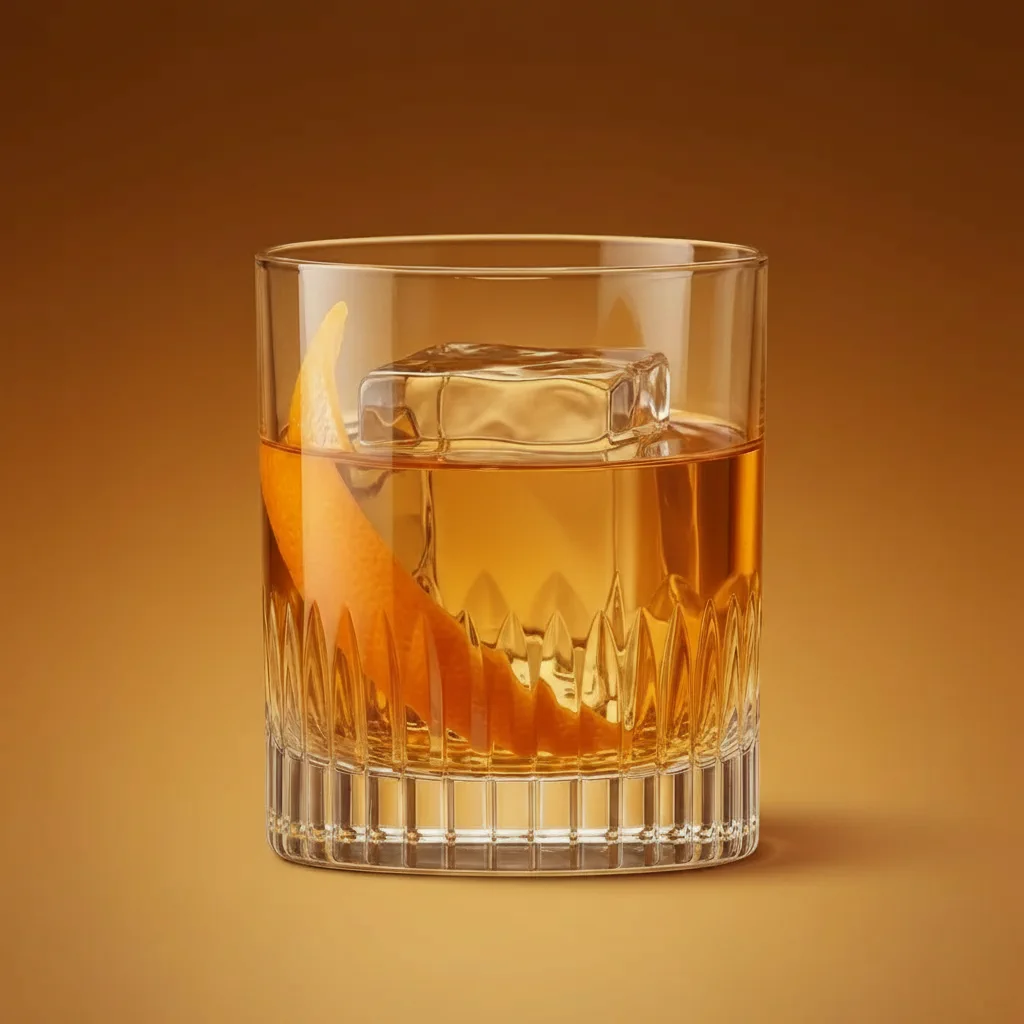
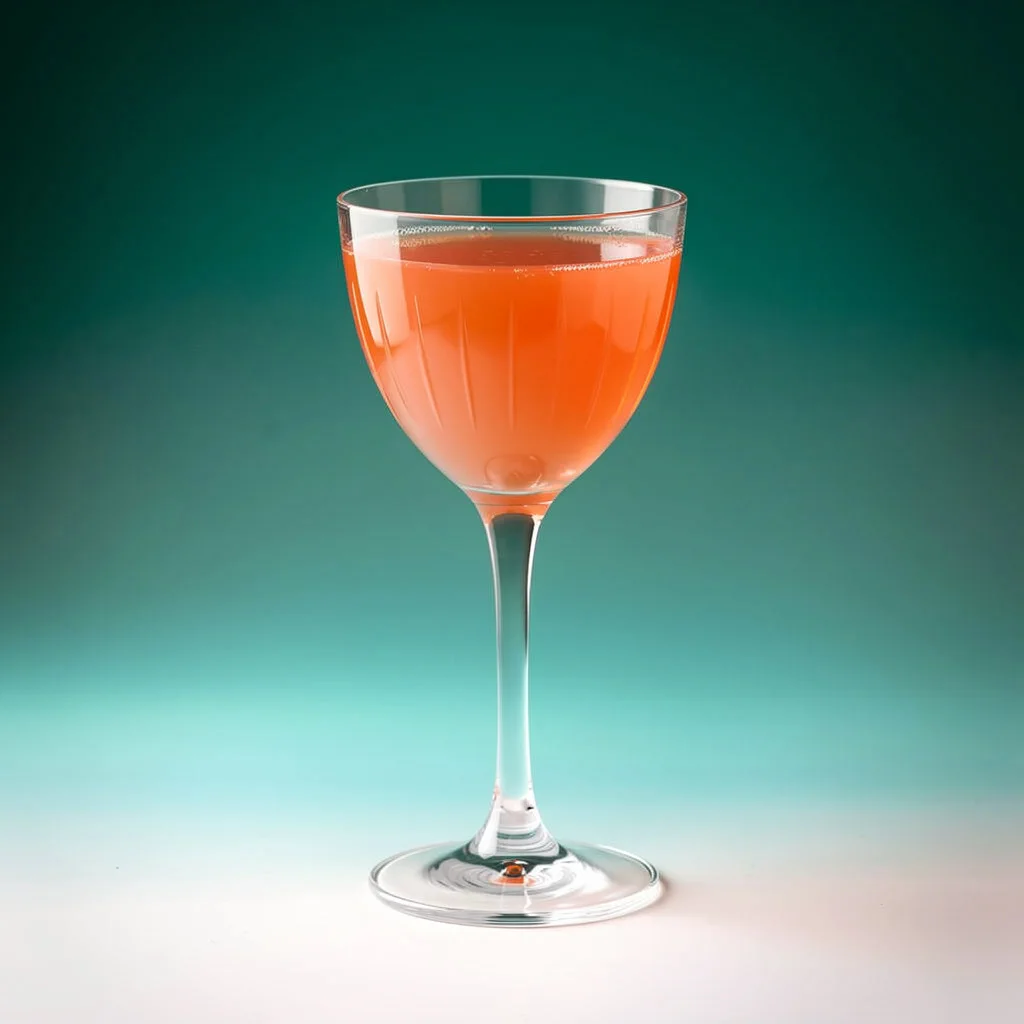
A dry Manhattan is a stirred whiskey cocktail made with bourbon, dry vermouth, and Angostura bitters instead of the usual sweet vermouth. Spirit-forward, the bourbon's caramel edge turning dry and herbal rather than sweet, finishing long with a bitters snap.
Ingredients
1
Servings
Garnish

Instructions for 1 serving
- Pre-chill a glass
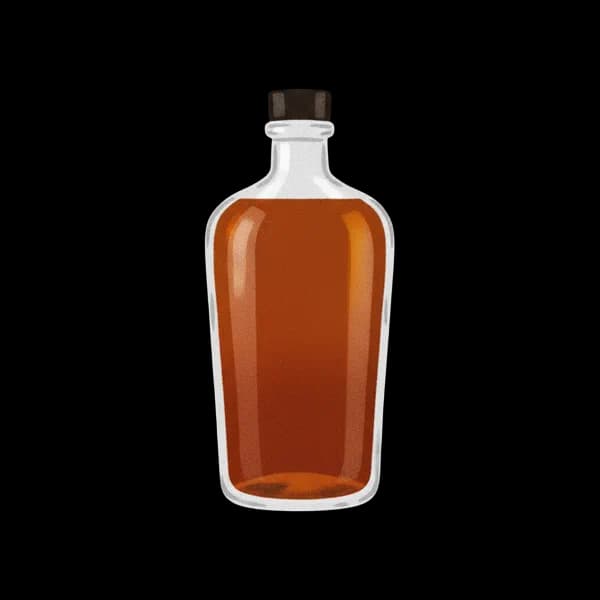
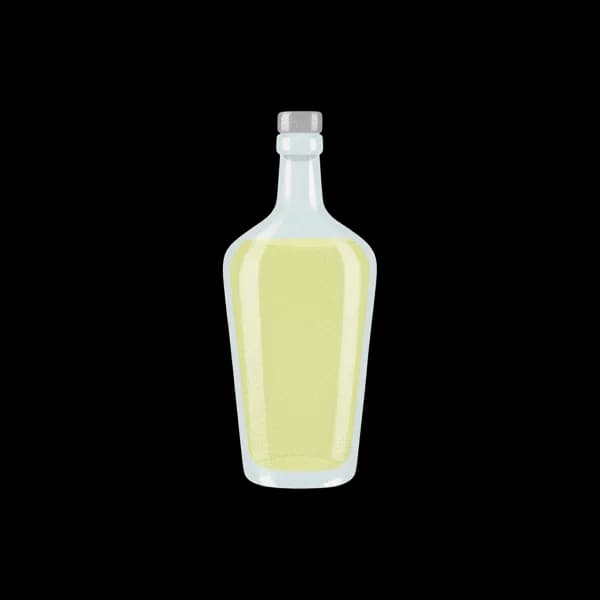
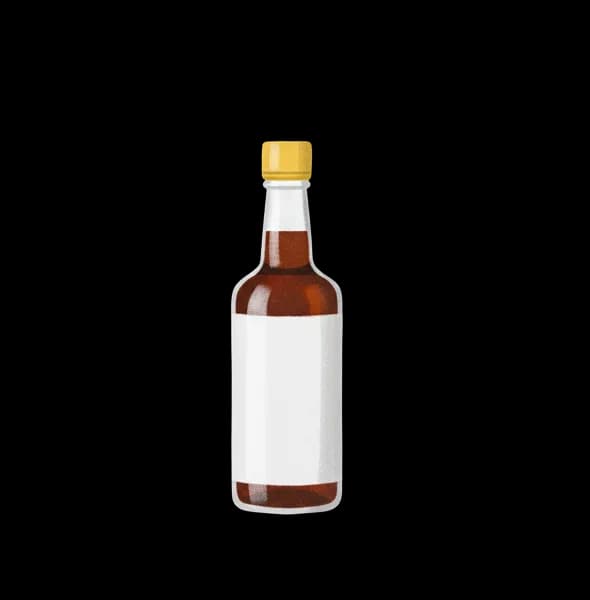
- Stir all ingredients with ice: Bourbon 60 mlDry vermouth 25 mlAngostura aromatic bitters 2 dashes
- Fine strain into the chilled glass
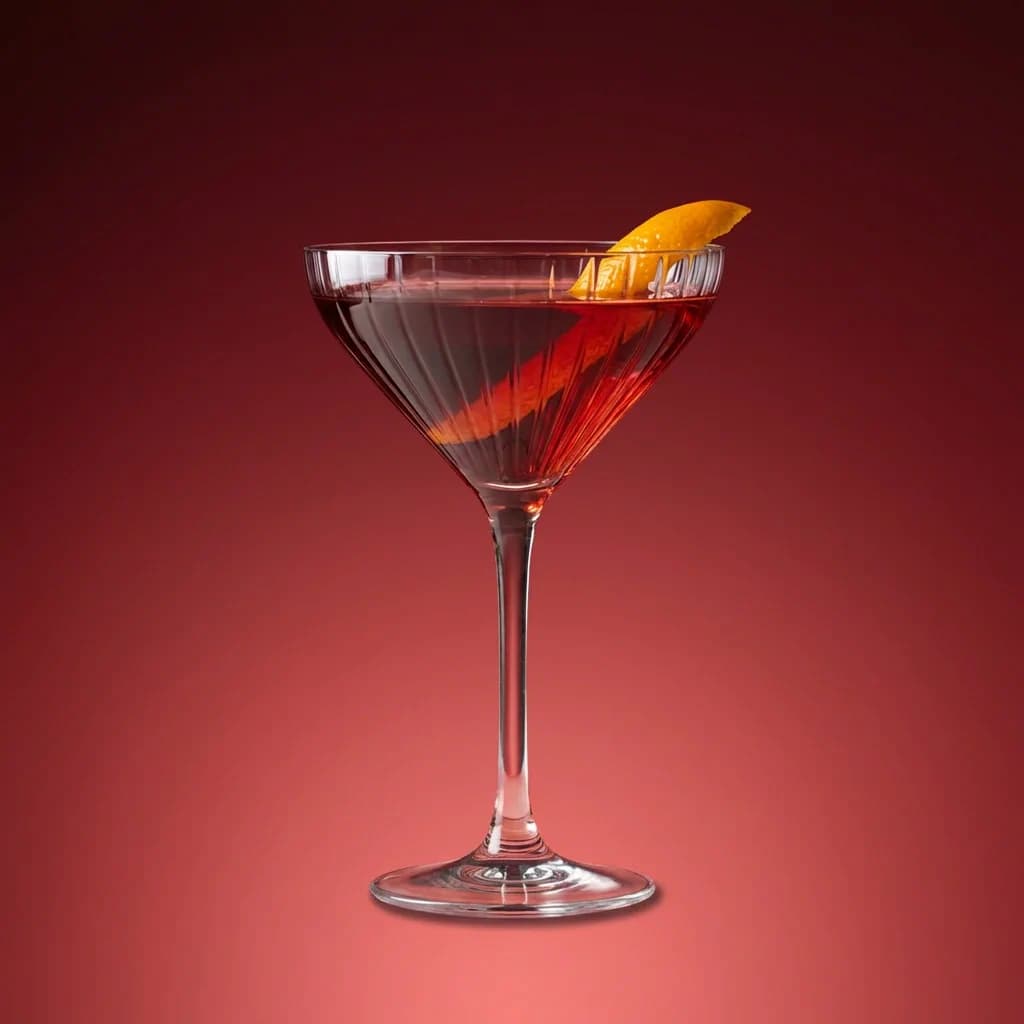
- Express an orange twist over the cocktail and use as garnish
Tips
- Stir for about 30 seconds over ice — the bourbon needs full dilution and chill without the vermouth's sweetness to soften it.
History
The Dry Manhattan takes its name from the vogue for "dry" cocktails that swept New York bars around the turn of the 20th century. On December 18, 1901, the New York Sun reported on patrons requesting dry drinks and described a bartender mixing a dry Manhattan by substituting the newly fashionable French dry vermouth for the standard Italian sweet vermouth, while doubting most drinkers would actually enjoy the result. By the time Harry Craddock published the Savoy Cocktail Book in 1930, the Savoy's bar listed several Manhattan variants side by side, including one labeled Dry, built with dry vermouth in place of the usual sweet. Because that Savoy-era "Dry" version actually split the vermouth between sweet and dry rather than using dry alone, it is also remembered today as the ancestor of the so-called Perfect Manhattan, and the naming has stayed loose ever since, with some bartenders reserving "Dry Manhattan" for a full swap to dry vermouth only.
The Dry Manhattan is a direct offshoot of the Manhattan, a whiskey-vermouth-bitters cocktail generally traced to New York in the 1870s-1880s, whose exact creator is disputed among several claimants, including a Manhattan Club banquet story and an account crediting a bartender named Black. Where the original Manhattan calls for sweet, Italian-style vermouth, the Dry Manhattan substitutes dry, French-style vermouth, giving the drink a more austere, less sweet profile.
FAQ
What is a dry Manhattan?
A dry Manhattan swaps sweet vermouth for dry vermouth, giving a crisper, more herbal profile than the classic version. It's still stirred with ice and fine-strained into a chilled coupe, finished with an expressed orange twist.
What is the difference between a dry Manhattan and a regular Manhattan?
The difference is the vermouth: a dry Manhattan uses dry vermouth, while the standard Manhattan uses sweet vermouth. This shifts the drink from rich and slightly sweet to crisp and less sugary, though both use the same bourbon and Angostura bitters.
What is the difference between a Perfect Manhattan and a dry Manhattan?
A Perfect Manhattan splits the vermouth between equal parts sweet and dry, landing between the two styles, while a dry Manhattan uses only dry vermouth. The Perfect version keeps some of the classic's sweetness; the dry version drops it entirely.
Can you order a Manhattan dry at a bar?
Yes, asking for a Manhattan "dry" is a standard order that tells the bartender to use dry vermouth instead of sweet vermouth. It is a recognized variation, not a custom modification, so most bars will know exactly what it means.
Is a dry Manhattan stronger than a regular Manhattan?
The two are close in strength, since a dry Manhattan runs around 28.8% ABV once stirred and diluted, similar to a standard Manhattan. Dry vermouth's sharper, less cushioned taste can make the drink feel stronger even though the alcohol content is about the same.
What's in a dirty Manhattan?
A dirty Manhattan is a different variation that adds a splash of olive brine to the classic sweet vermouth build, giving it a savory, briny edge and usually an olive garnish instead of a twist or cherry. It is not the same as a dry Manhattan, which instead swaps in dry vermouth.
What are common mistakes when making a Manhattan?
The most common mistake is under-stirring, which leaves the drink too warm and boozy instead of properly chilled and diluted; stir over ice for around 30 seconds. Overpouring the vermouth or bitters is another frequent error, since both are meant to season the bourbon, not compete with it.
Why not shake a Manhattan?
A Manhattan is stirred, not shaken, because it contains no juice or citrus that needs the aeration a shake provides. Shaking would cloud the drink with ice shards and over-dilute it, while stirring keeps it clear and properly weighted toward the bourbon.