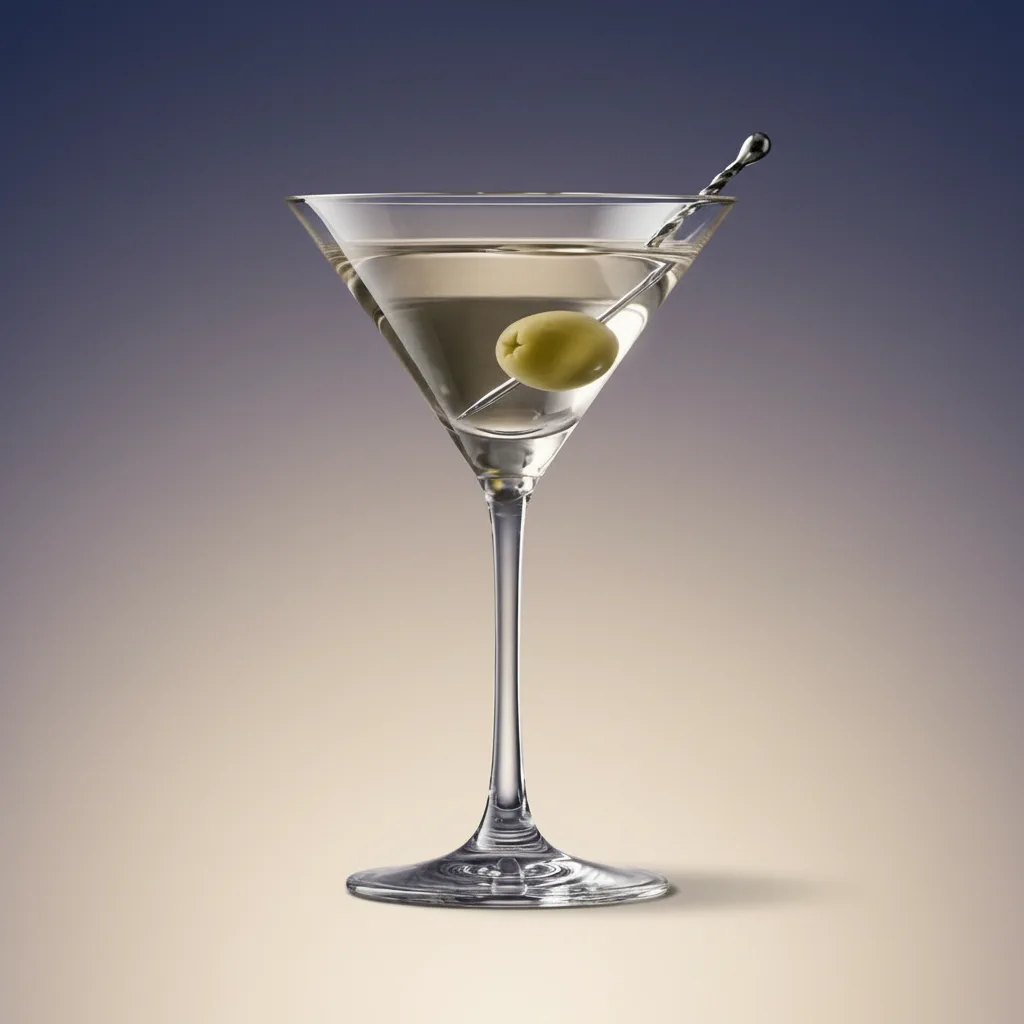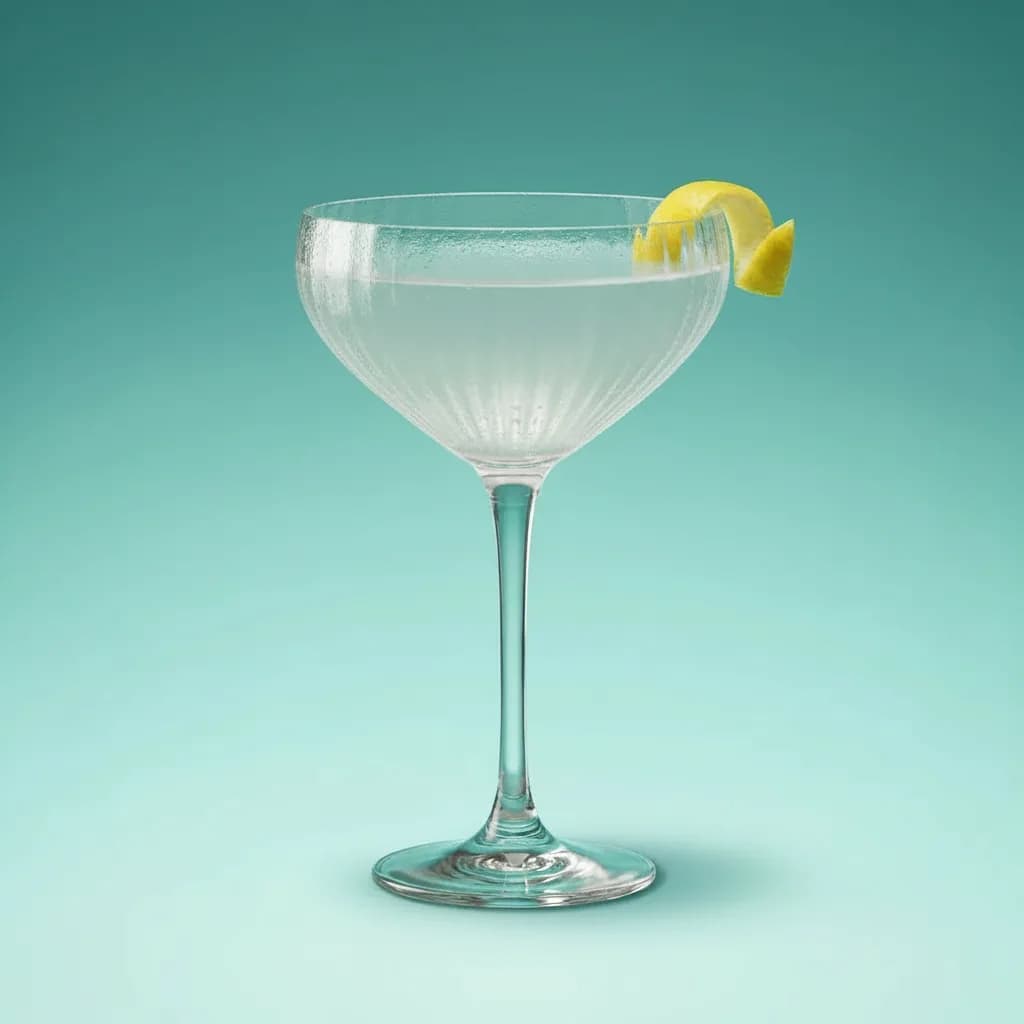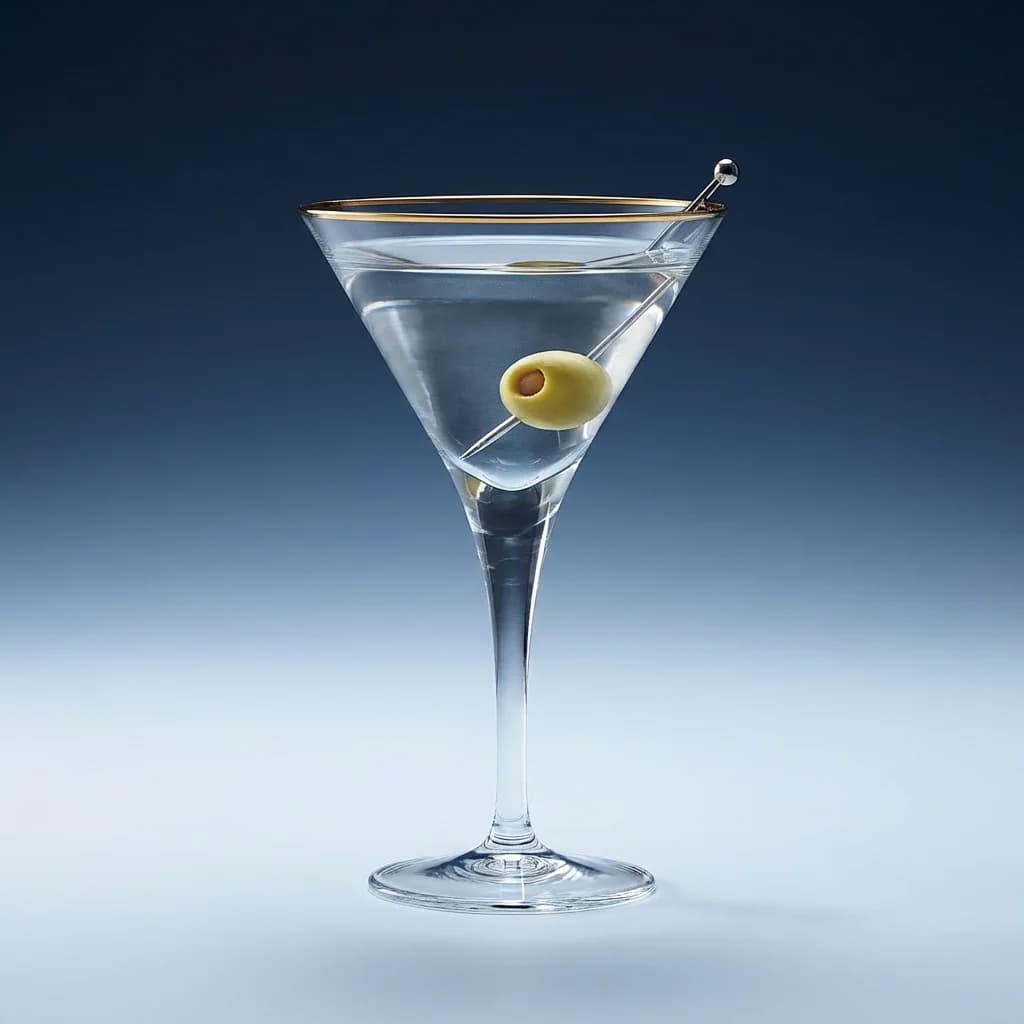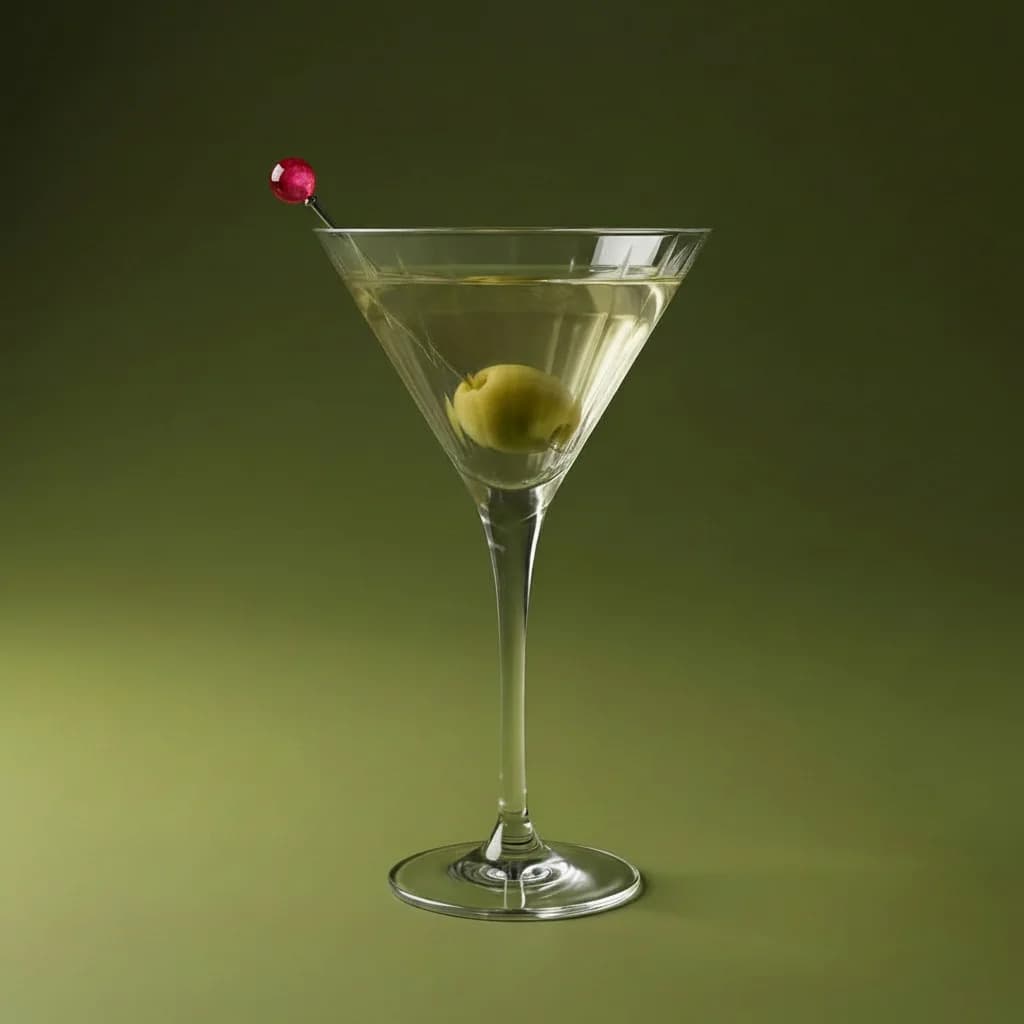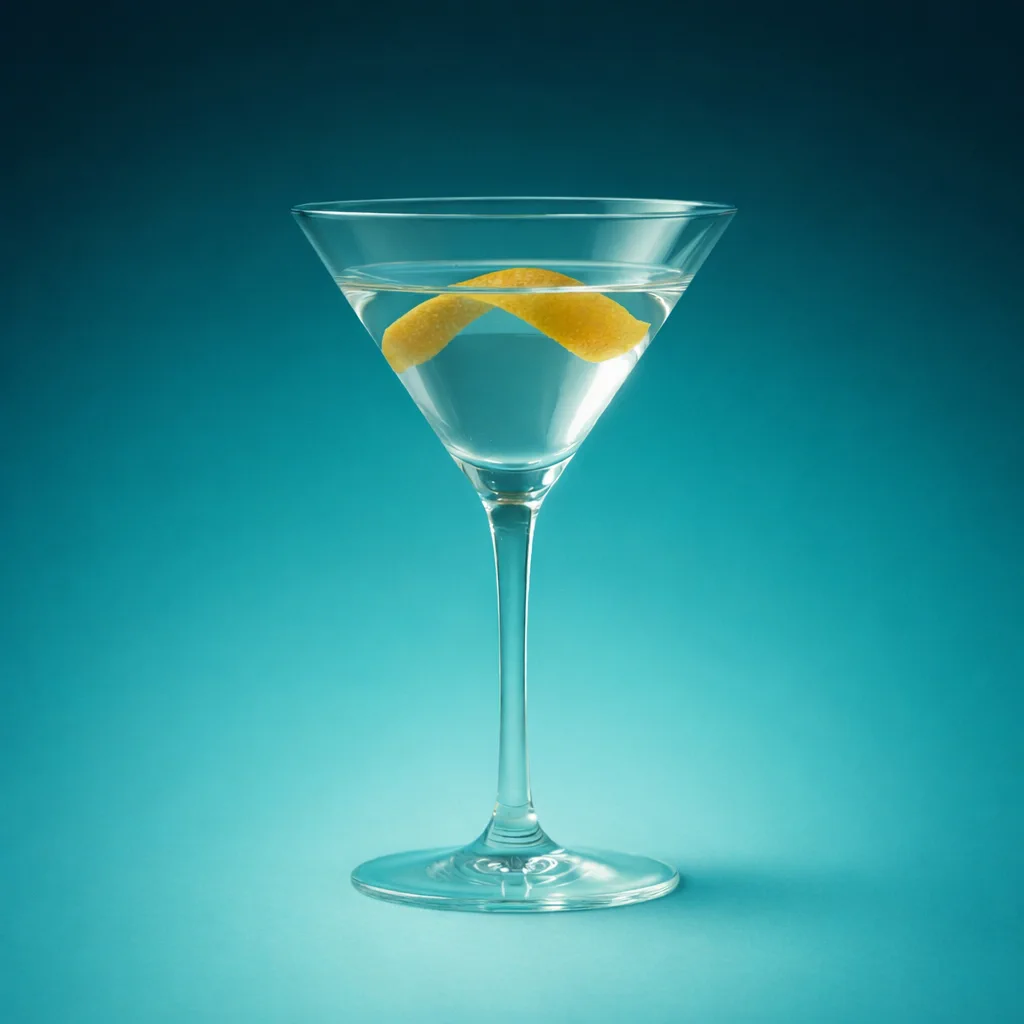
Dry Martini 15:1 Montgomery’s
Stir ∙ 3 min ∙ 39.2% ABV ∙
The Montgomery Martini is an extra-dry riff on the classic gin Martini, stirred at a 15:1 ratio of London dry gin to dry vermouth. Cold, dense juniper leads with barely a trace of vermouth underneath, tightening to a bone-dry, faintly bitter finish — a serious pre-dinner sipper.
Ingredients
1
Servings
Garnish

Instructions for 1 serving
- Pre-chill a glass
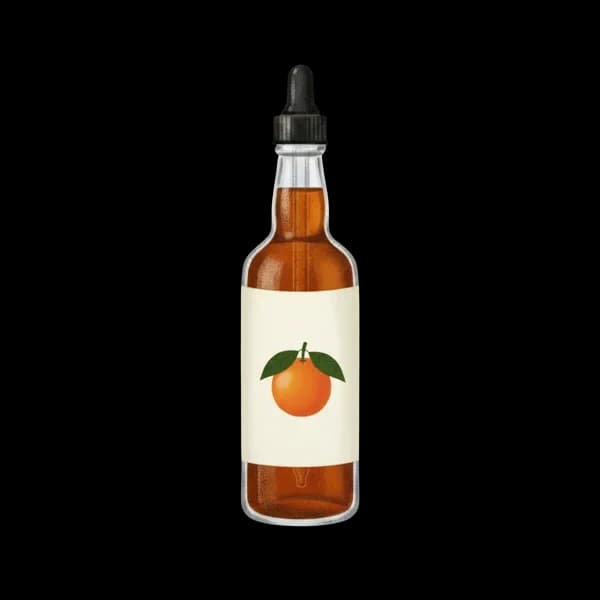
- Stir all ingredients with ice: London dry gin 75 mlDry vermouth 5 mlOrange bitters 1 dash
- Strain into the chilled glass
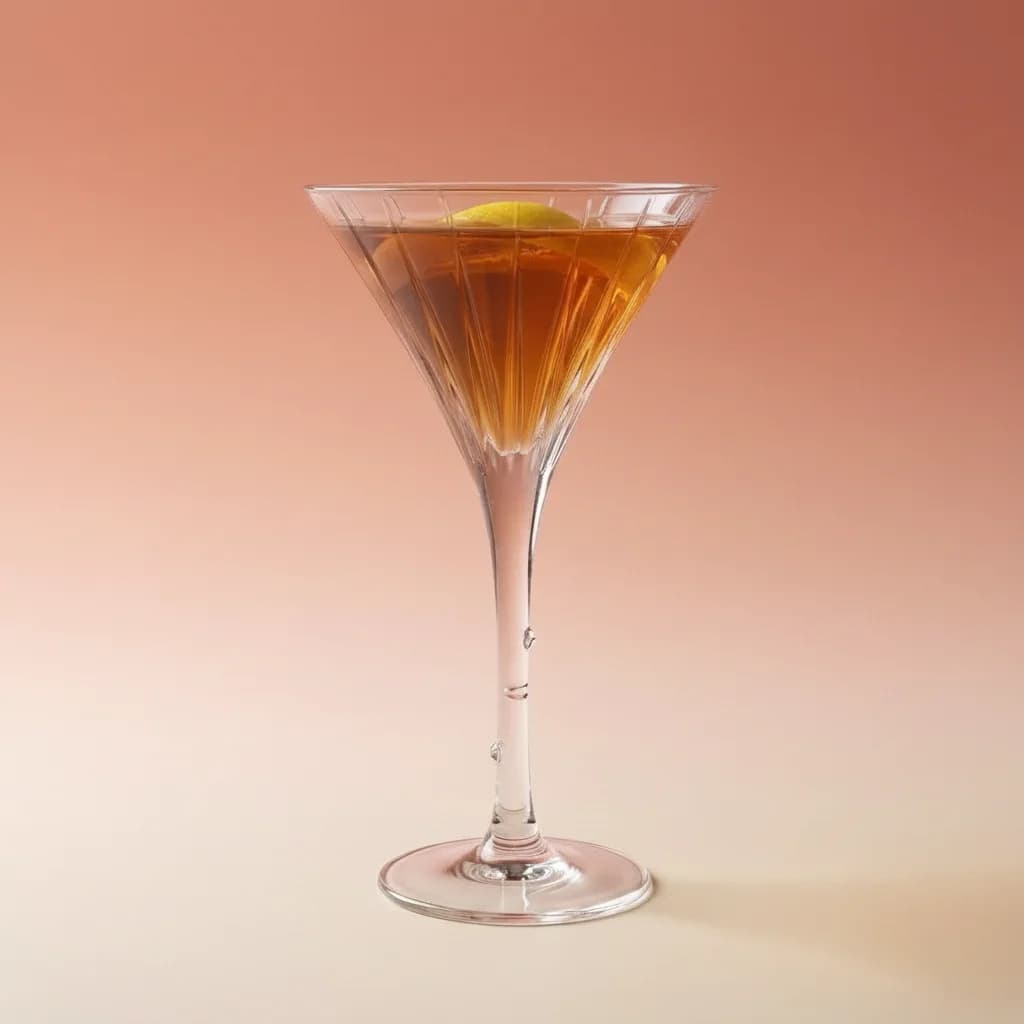
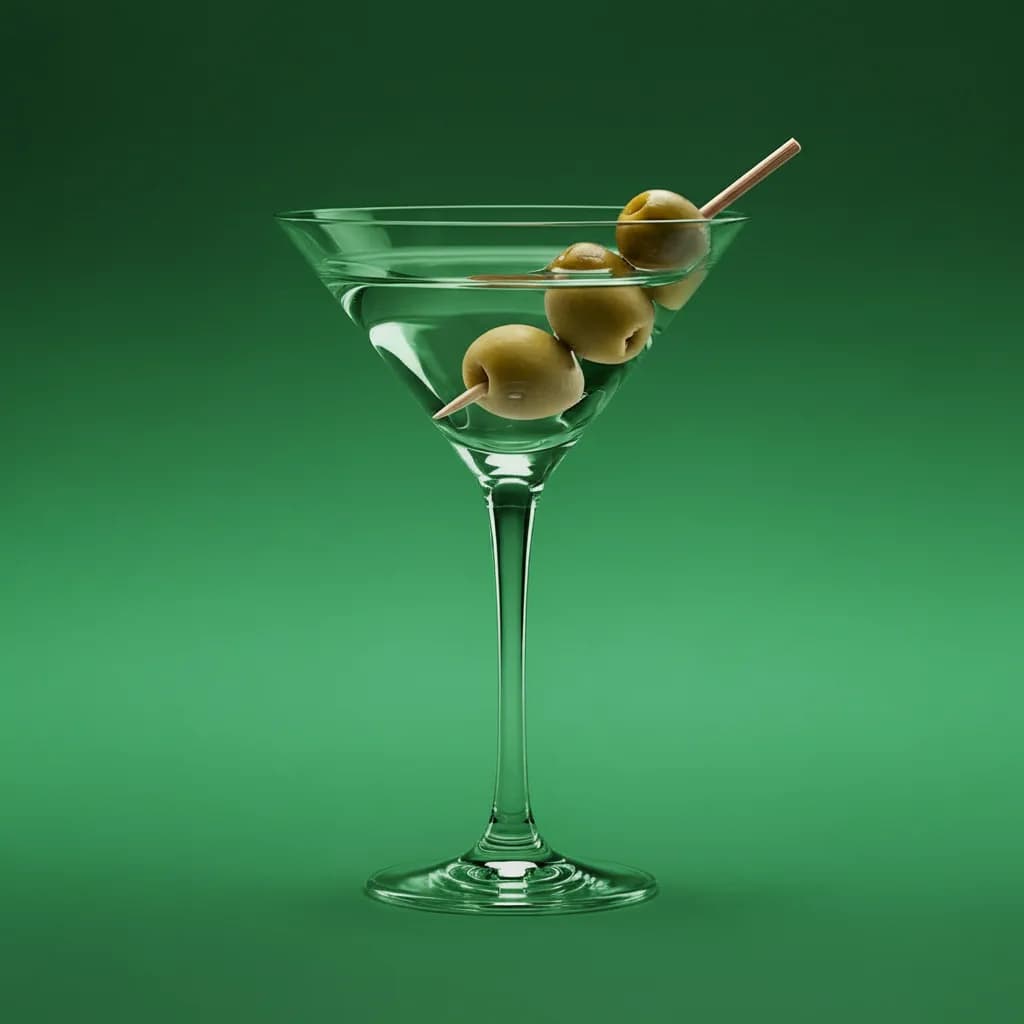
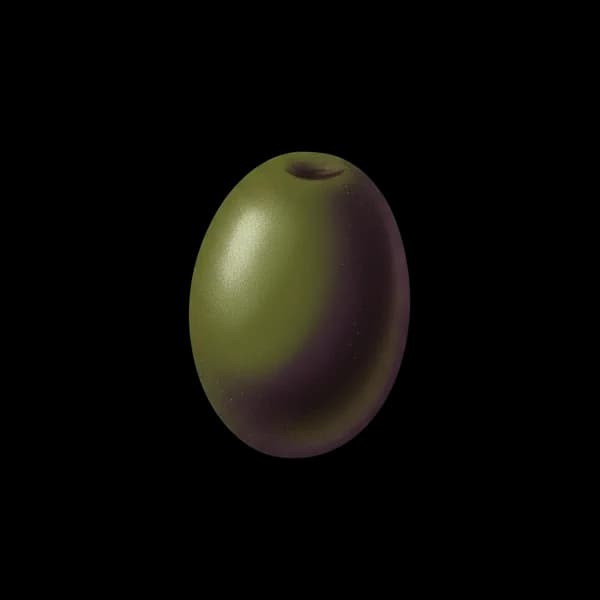
- Express a lemon twist over the cocktail and use as garnish or garnish with olives
Tips
- Stir over ice for a full 30 seconds — at this gin-heavy ratio the drink still needs real dilution to soften the alcohol's edge.
- Measure the 5 ml of vermouth rather than free-pouring it; at 15:1 even a slightly heavy hand doubles it and blurs the intended dryness.
History
The Dry Martini's exact origin is disputed among competing theories tied to San Francisco's 1860s Martinez cocktail, the Martini & Rossi vermouth brand, and a Knickerbocker Hotel bartender named Martini di Arma di Taggia. By the early 20th century the drink had settled into recognizable form and grown steadily drier over the following decades.
This 15:1 variation, known as the Montgomery, keeps that gin-and-vermouth base but pushes the ratio far beyond the standard Dry Martini. It takes its name from British general Bernard Montgomery, who was said to insist on outnumbering enemy forces by a ratio of fifteen to one before engaging in battle. Ernest Hemingway popularized the pairing of name and ratio: his 1950 novel Across the River and Into the Trees has its protagonist order Montgomery Martinis, "fifteen to one," at Harry's Bar in Venice — a bar Hemingway frequented and helped make famous for its very dry Martinis.
FAQ
What is the perfect ratio for a dry martini?
There is no single agreed ratio; dry Martinis have ranged from equal parts gin and vermouth down to almost no vermouth at all. This build uses a 15:1 gin-to-vermouth ratio, a very dry style sometimes called a Montgomery, named for General Montgomery's supposed preference for those odds before engaging the enemy.
What is James Bond's martini made of?
James Bond's signature order is the Vesper, made with gin, vodka, and Lillet Blanc rather than dry vermouth, shaken and served with a lemon twist. It is a distinct recipe from this gin-and-vermouth Martini, though both are served up in a chilled glass.
What is the 3 martini rule?
It refers to a saying, not a mixing ratio: one Martini is fine, two are too many, and three are not enough. It has nothing to do with this drink's ingredients or build.
What is in a Montgomery Martini?
London dry gin and a small amount of dry vermouth at a 15:1 ratio, stirred and served up with an optional dash of orange bitters. It is garnished with a lemon twist or an olive.
Is a Martini shaken or stirred?
This Martini is stirred, not shaken. Stirring chills and dilutes the gin without aerating or clouding it, keeping the drink clear and silky rather than bruised and frothy.