Gibson Dry Martini
Stir ∙ 3 min ∙ 31% ABV ∙
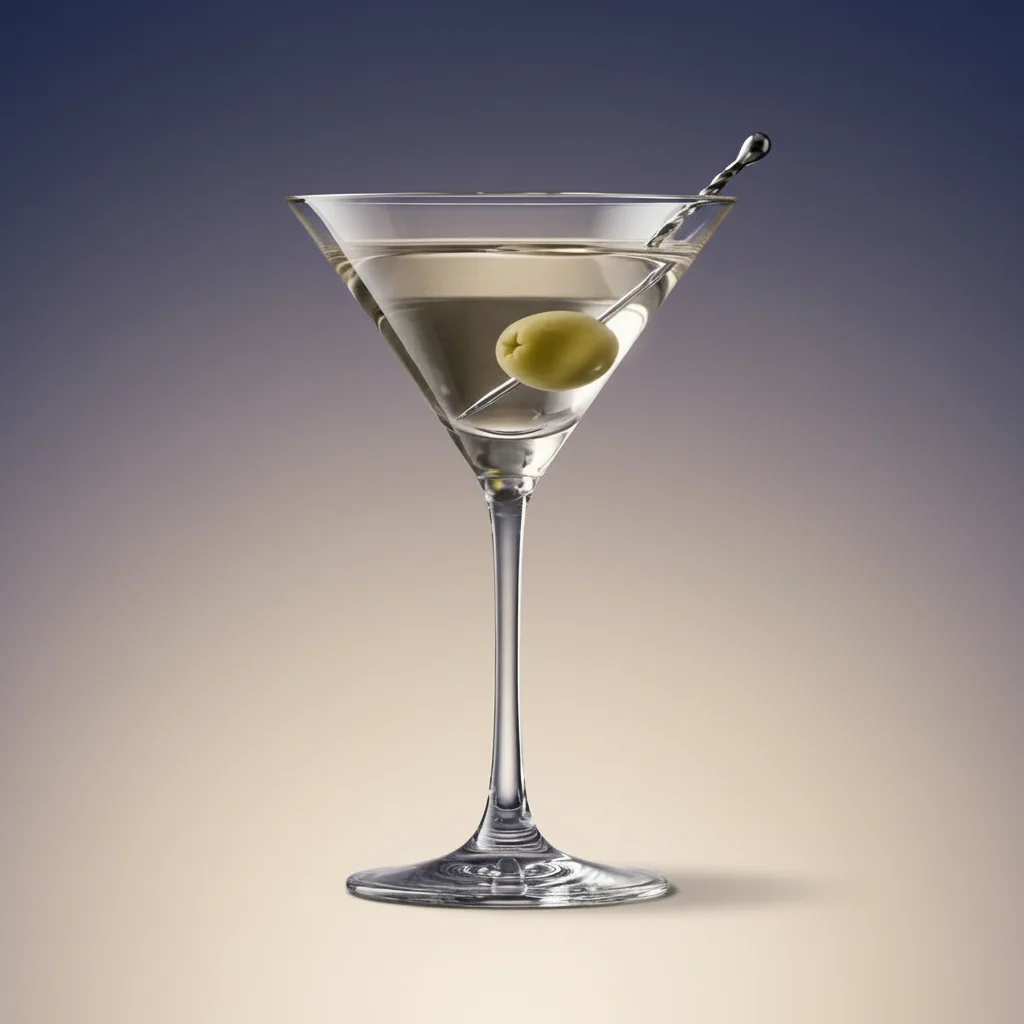
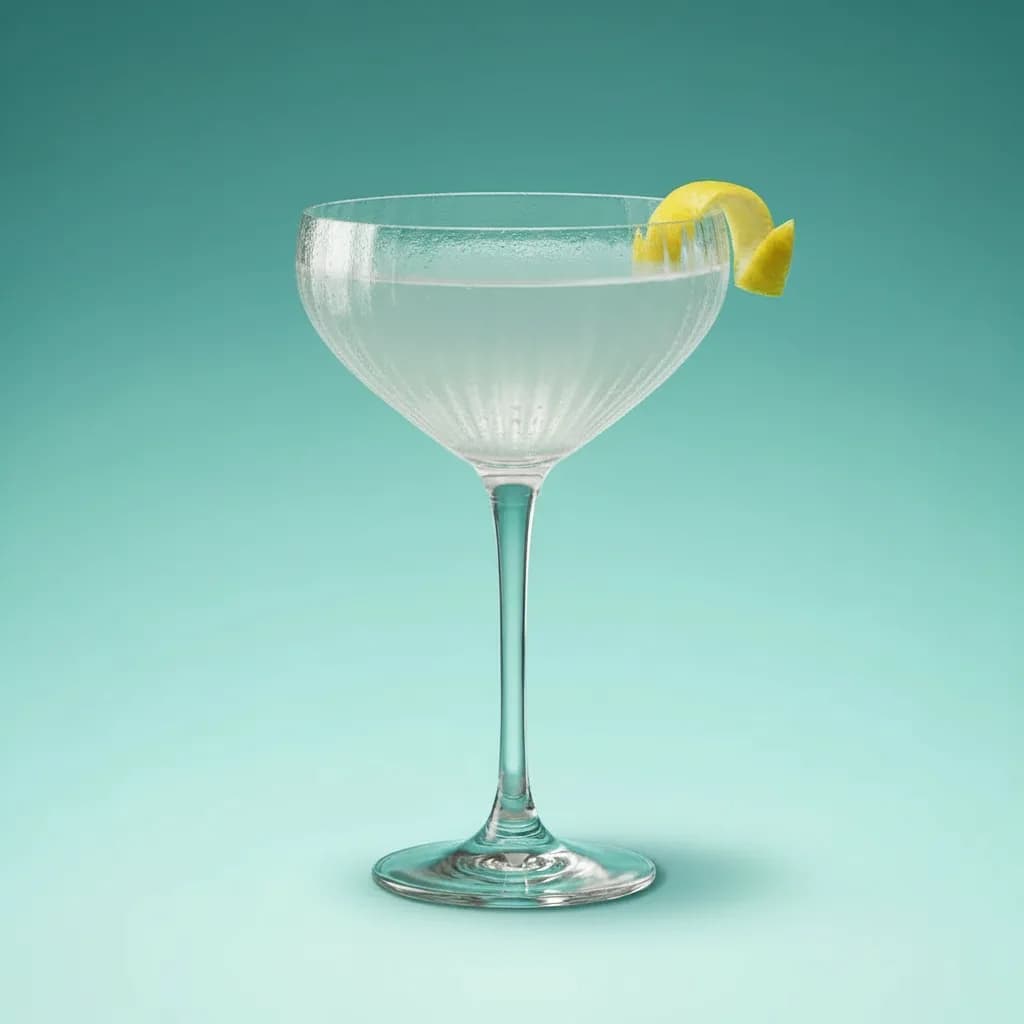
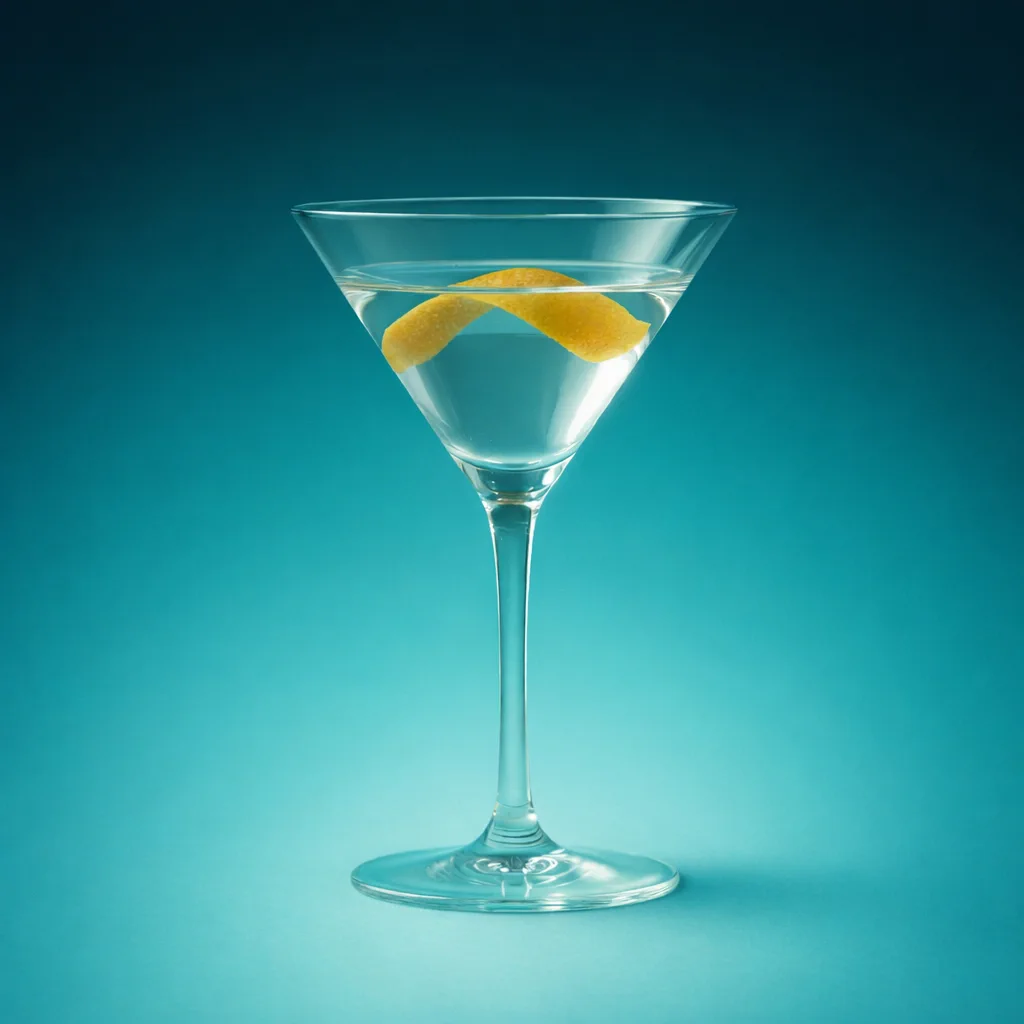
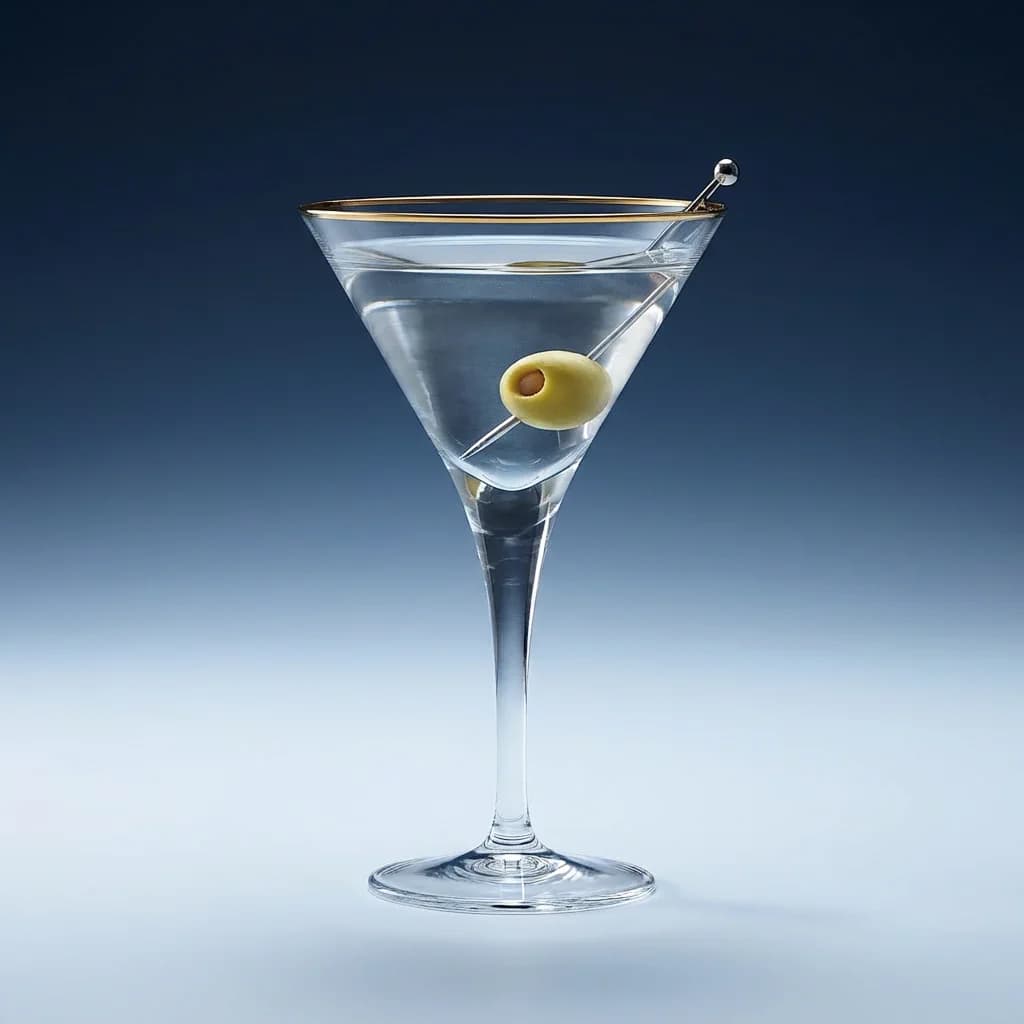
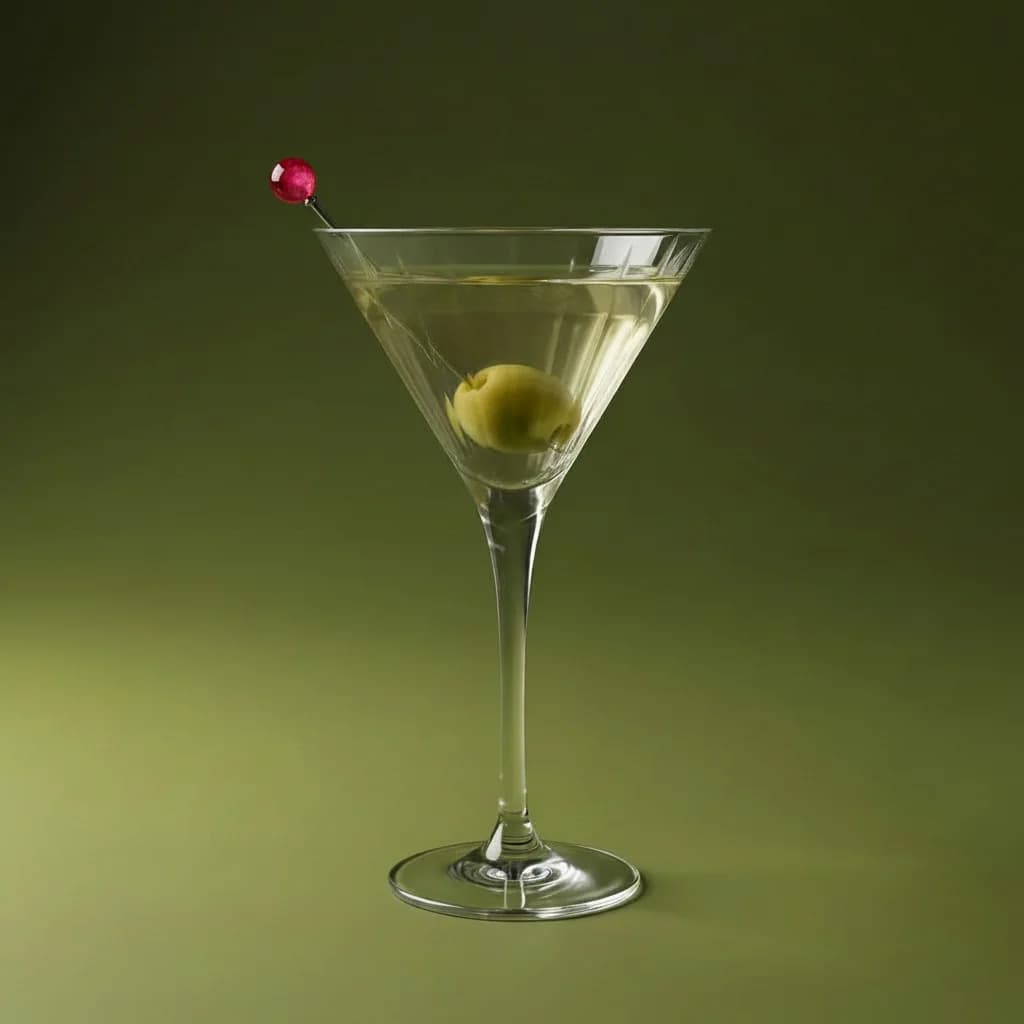
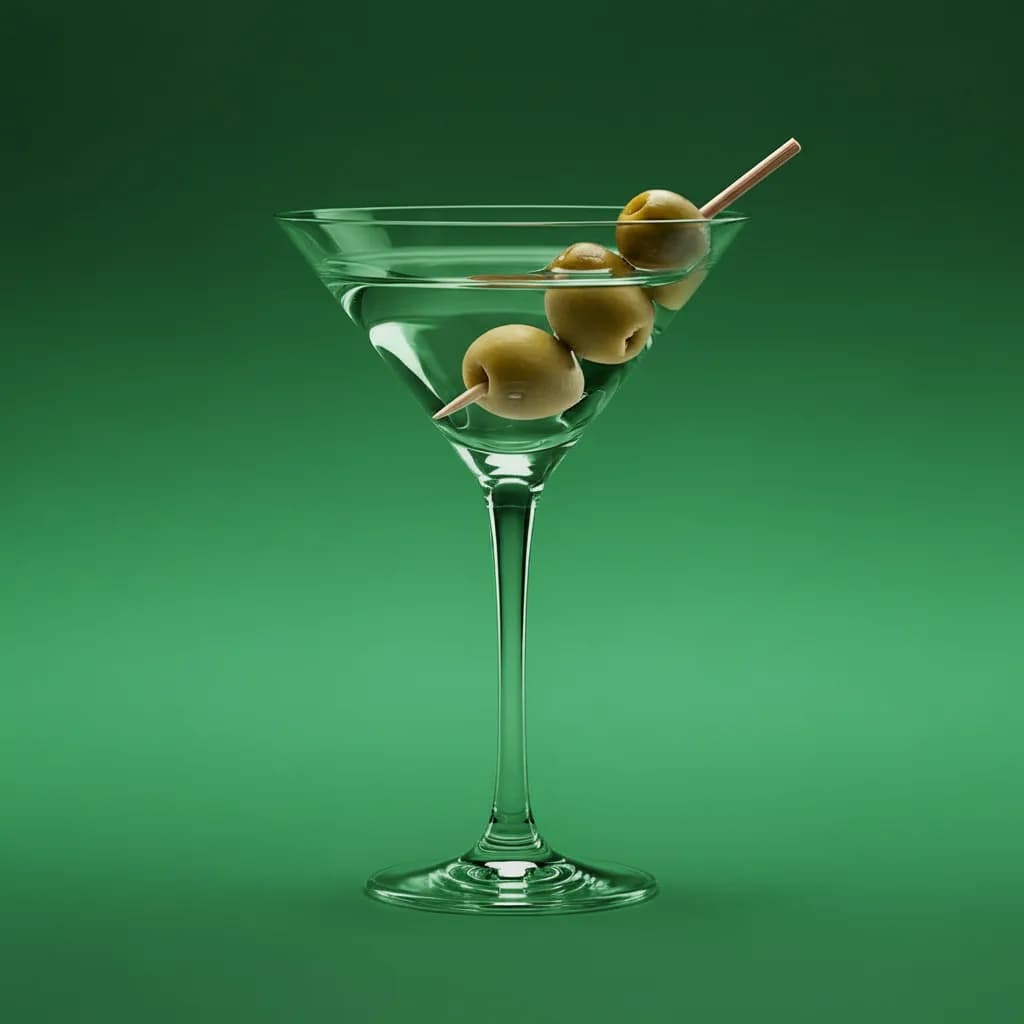
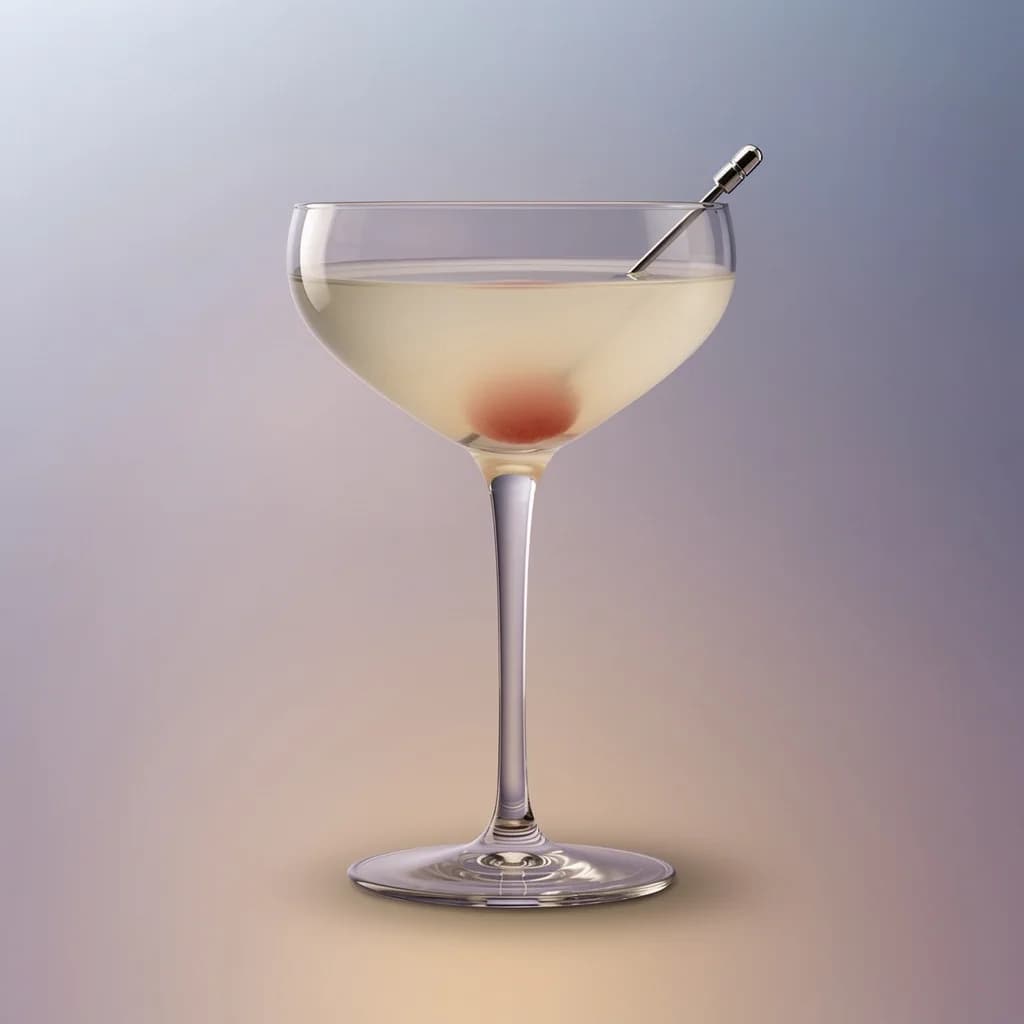
The Gibson Dry Martini is a stirred Martini of London dry gin and dry vermouth, garnished with pickled cocktail onions instead of an olive or a twist.
Ingredients
1
Servings
Garnish

Instructions for 1 serving
- Pre-chill a glass
- Stir all ingredients with ice: London dry gin 70 mlDry vermouth 15 ml
- Fine strain into the chilled glass
- Garnish with two pickled cocktail onions on a skewer
Tips
- Skewer two pickled onions rather than dropping them loose, so the garnish stays put and doesn't cloud the drink.
- It's almost all gin, so stir for around 30 seconds until it's very cold and slightly softened, then fine-strain.
History
The Gibson's origin is a tangle of competing bar legends, none confirmed. The most repeated tale credits the illustrator Charles Dana Gibson, creator of the "Gibson Girl" drawings. He is said to have challenged bartender Charley Connolly at the Players Club in New York to improve on a Martini; Connolly supposedly swapped in a pickled onion for the olive and named it after his patron. A rival account, considered by some historians more credible, traces it to a 1968 interview with a relative of San Francisco businessman Walter D. K. Gibson, who reportedly created the drink at the Bohemian Club in the 1890s. A former Bohemian Club vice president, Edward Townsend, is credited with the earliest known print mention of a "Gibson" around 1898. Still other versions name a teetotaling banker or diplomat surnamed Gibson who marked a glass of chilled water with an onion to keep waiters from swapping his drink for a real cocktail during client lunches. Complicating matters, the first known published Gibson recipe, in William Boothby's 1908 The World's Drinks and How to Mix Them, has no onion garnish; like other pre-Prohibition Gibson recipes, it differs from a standard Martini mainly by omitting bitters.
The drink is a variation on the Dry Martini: it keeps the gin-and-dry-vermouth base and garnishes with pickled onions instead of an olive or lemon twist. The Gibson Dry Martini pairs that onion garnish with the very dry, roughly five-to-one gin-to-vermouth ratio of the Dry Martini 5:1.
FAQ
How do you make a Gibson martini?
Stir London dry gin and dry vermouth with ice until well chilled, fine-strain into a chilled coupe glass, and garnish with two pickled cocktail onions on a skewer.
What does Gibson mean in a martini?
The pickled onion garnish. A Gibson Dry Martini is gin and dry vermouth like any dry Martini, but it is garnished with cocktail onions instead of an olive or a twist.