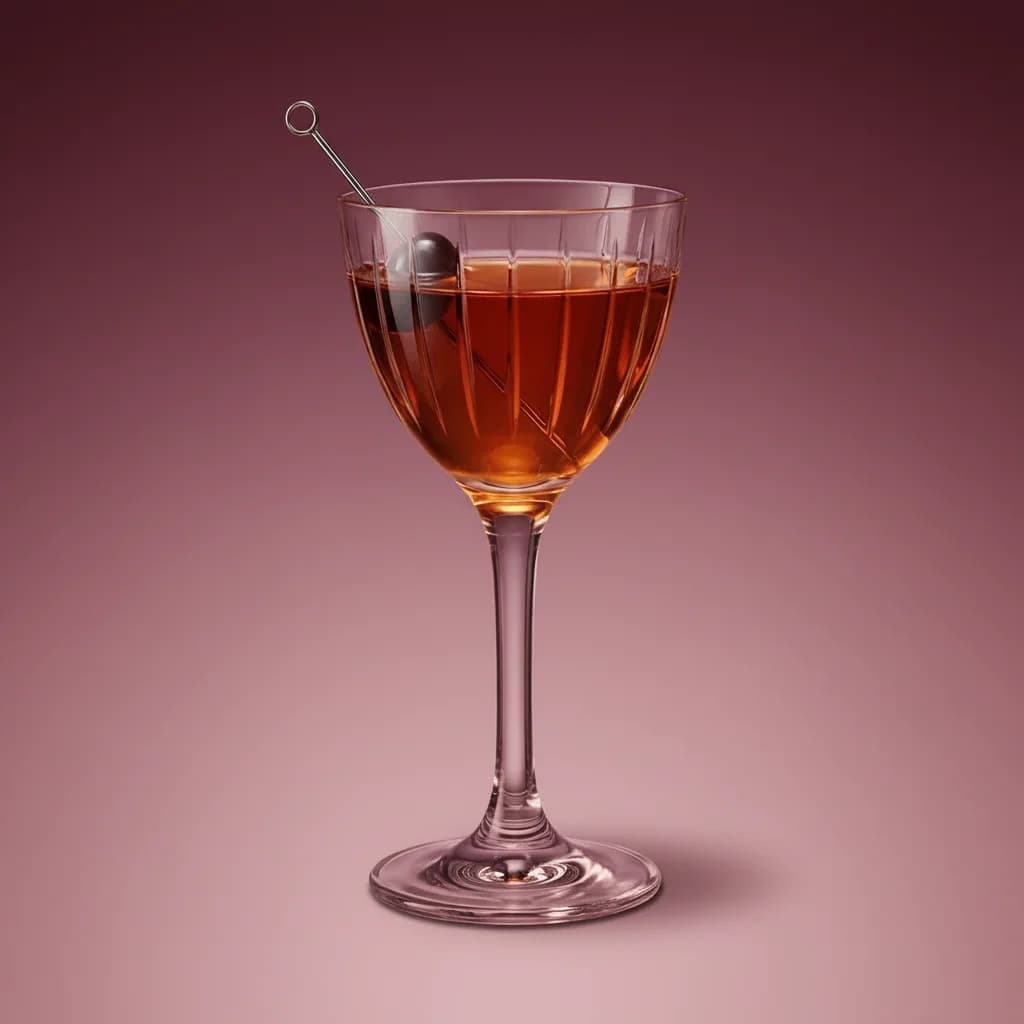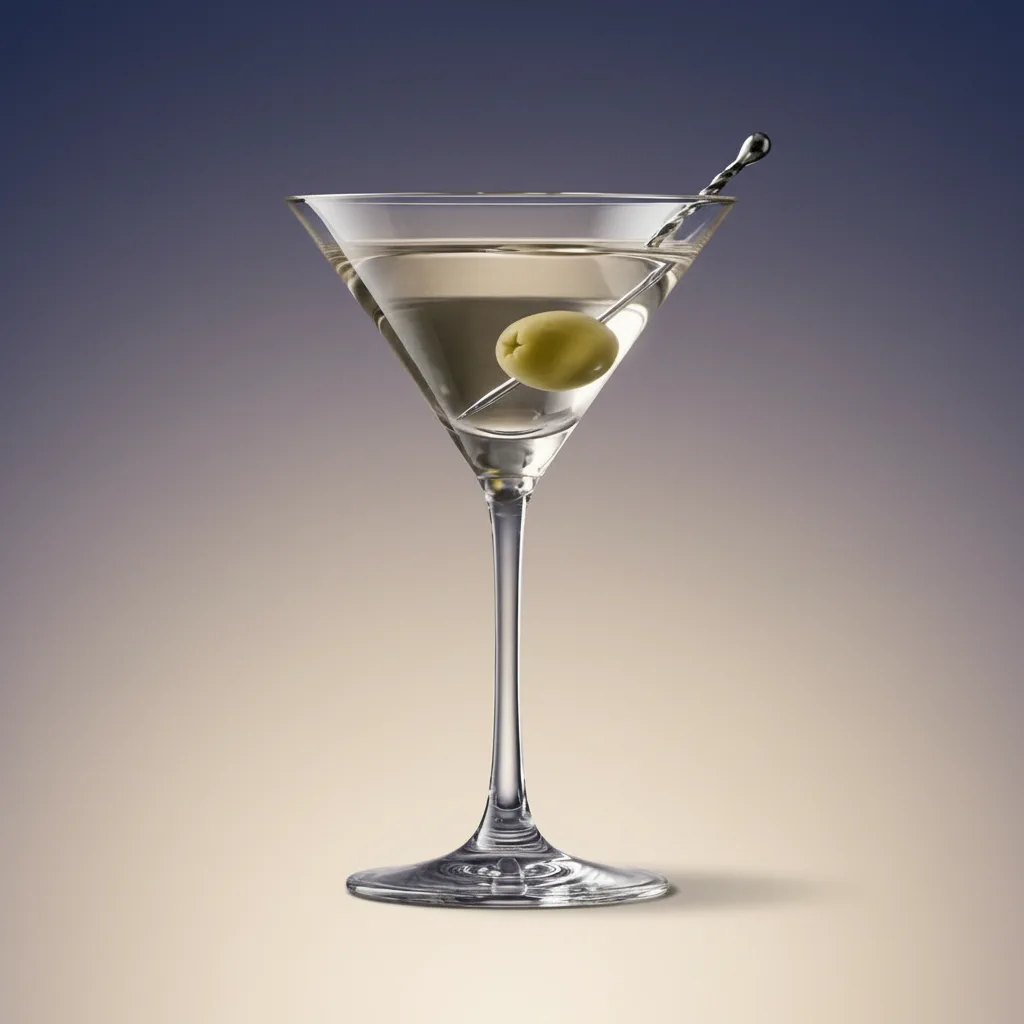
Continental Negroni
Stir ∙ 3 min ∙ 28% ABV ∙
The Continental Negroni is a bittersweet, spirit-forward riff on the Negroni built with London dry gin, Cynar, and bianco vermouth, stirred over ice. Rich artichoke bitterness leads, with juniper cutting through and the bianco vermouth softening the edge into a savory, warming finish — an aperitivo built for cooler evenings.
Ingredients
1
Servings
Garnish

Instructions for 1 serving
- Pre-chill a glass
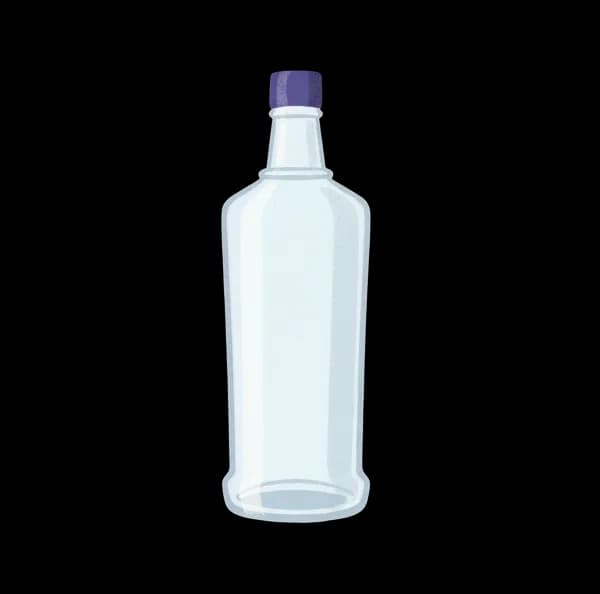
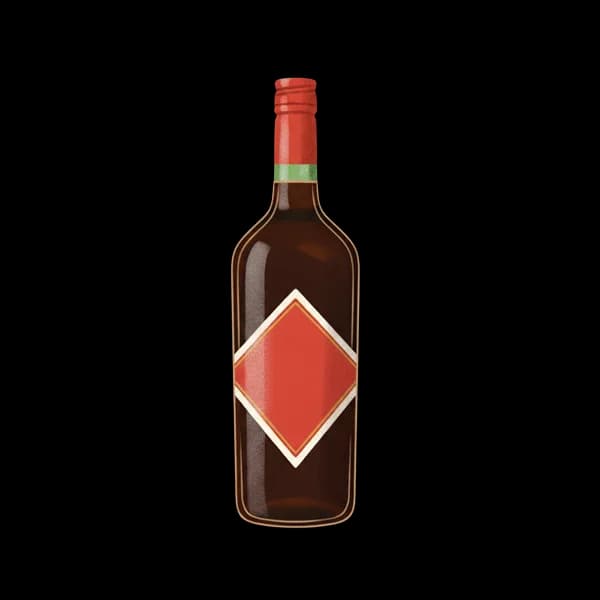
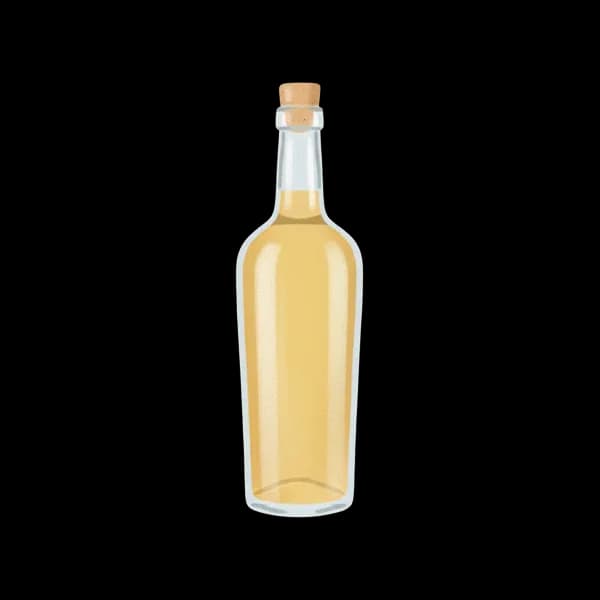
- Stir all ingredients with ice: London dry gin 45 mlCynar 25 mlBianco vermouth 15 ml
- Strain into the ice-filled glass (preferably over a large cube or chunk of block ice)
- Express a lemon twist over the cocktail and use as garnish
Tips
- Stir with ice for about 30 seconds, then strain over one large cube — minimal dilution keeps the gin and Cynar distinct.
- The gin-forward build (roughly 3:1.5:1) lets botanicals show; too much Cynar will flatten a good gin.
History
The Continental Negroni was created circa 2010 by bartender Douglas Derrick at Nostrana, a restaurant and bar in Portland, Oregon. It reworks the classic Negroni by replacing Campari with Cynar, an Italian carciofo (artichoke) amaro, and swapping the usual sweet rosso vermouth for a lighter bianco, giving a savory, less overtly bitter profile. The drink has since spread through cocktail bars as one of the many documented Negroni riffs, alongside spirit-swap variations that trade gin for whiskey or mezcal. Precise origin details beyond Derrick's authorship at Nostrana are not widely documented.
FAQ
What is in a Continental Negroni?
A Continental Negroni is made with London dry gin, Cynar, and bianco vermouth, stirred over ice and garnished with a lemon twist. Cynar, an artichoke-based amaro, replaces the Campari of a classic Negroni, and the pale bianco vermouth stands in for the usual sweet red.
Is a Continental Negroni shaken or stirred?
Stirred. Like the classic Negroni, it is an all-spirits drink with no juice, so stirring over ice chills and dilutes it while keeping it clear and silky. Shaking would aerate and cloud it unnecessarily.
What glass is a Continental Negroni served in?
An old-fashioned (rocks) glass, ideally over one large ice cube. The large cube chills the drink while melting slowly, so the gin and Cynar keep their definition rather than washing out.
How is a Continental Negroni different from a regular Negroni?
A Continental Negroni swaps Campari for Cynar and sweet red vermouth for bianco vermouth. The result is more savory and earthy, with artichoke bitterness in place of Campari's orange-forward bite, and a lighter color rather than the classic crimson.
Can I use a different amaro instead of Cynar?
Yes. Cynar defines the drink's savory artichoke character, but bartenders substitute other bitter amari such as Cardamaro for a comparable earthy profile. Any swap changes the balance, so you may want to adjust the vermouth to taste.