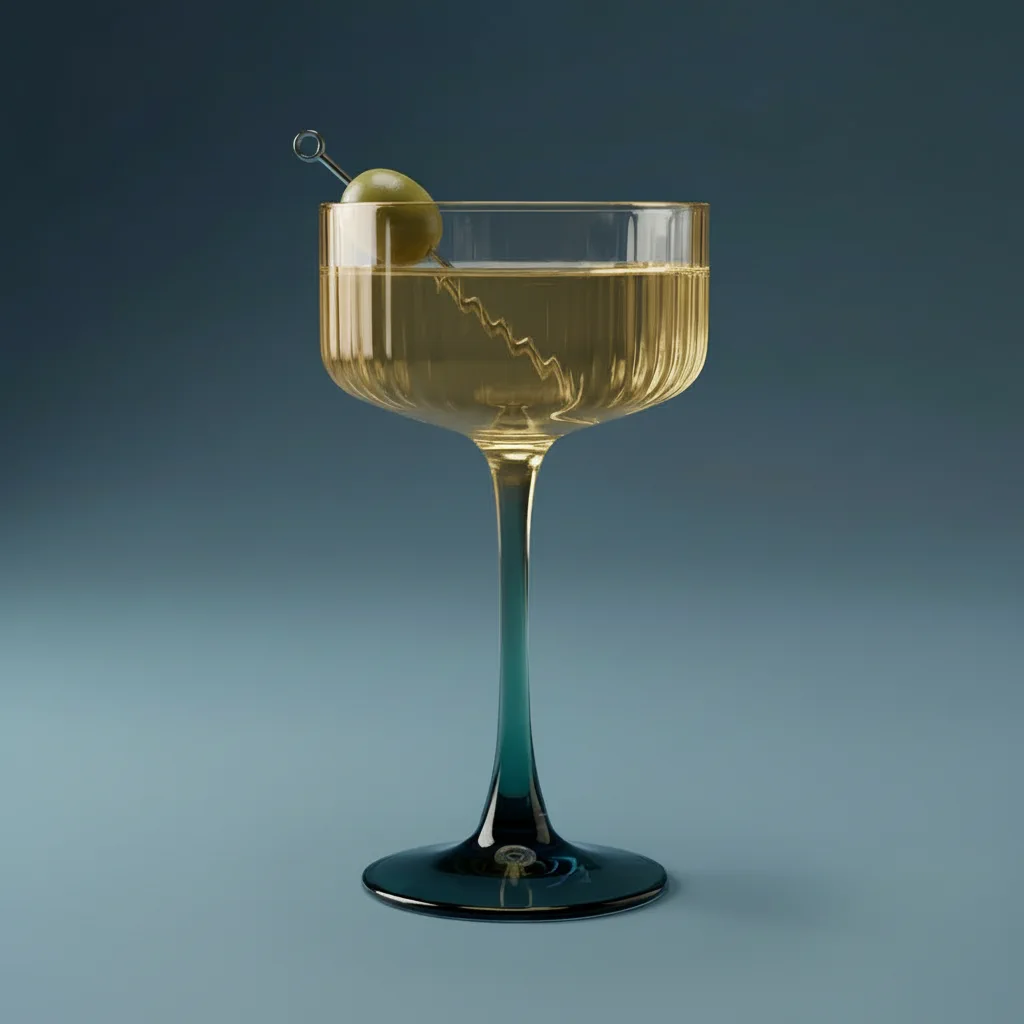
Coronation
Stir ∙ 3 min ∙ 14.7% ABV ∙
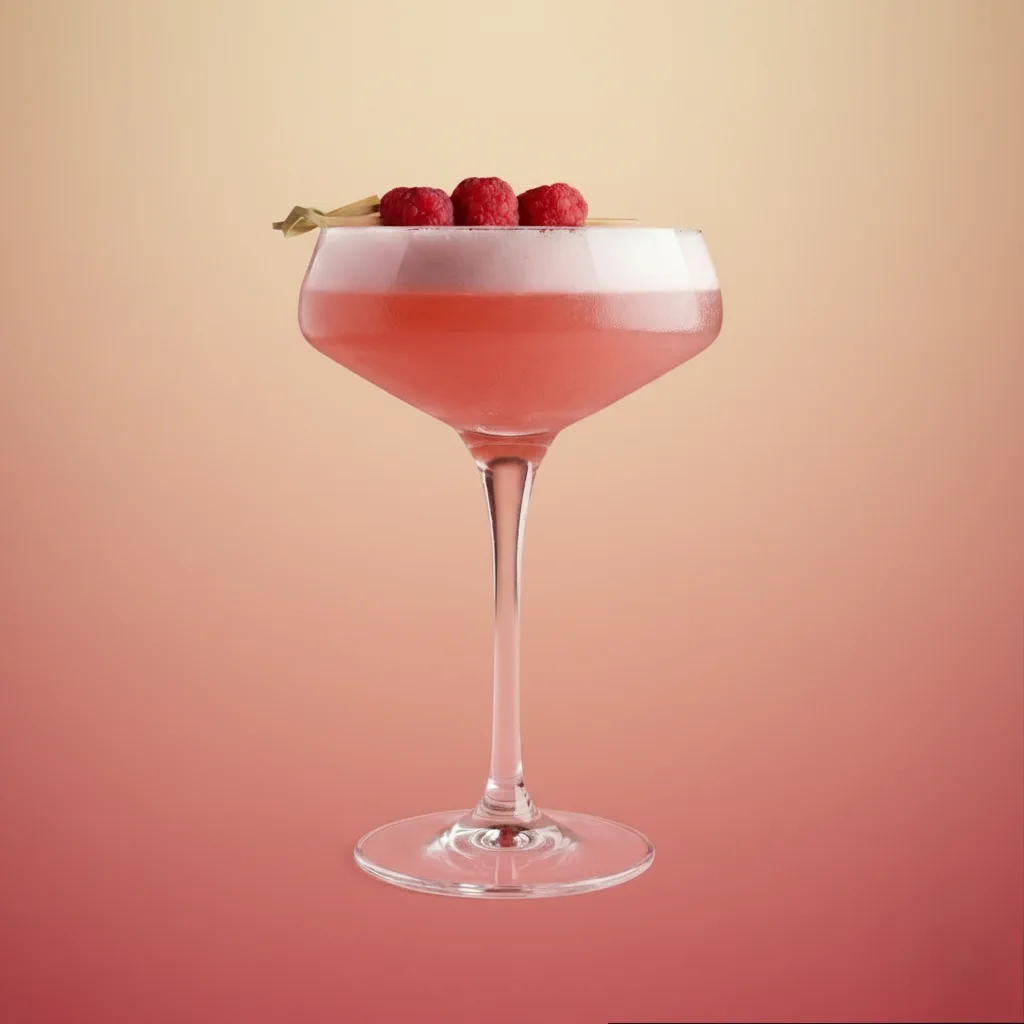
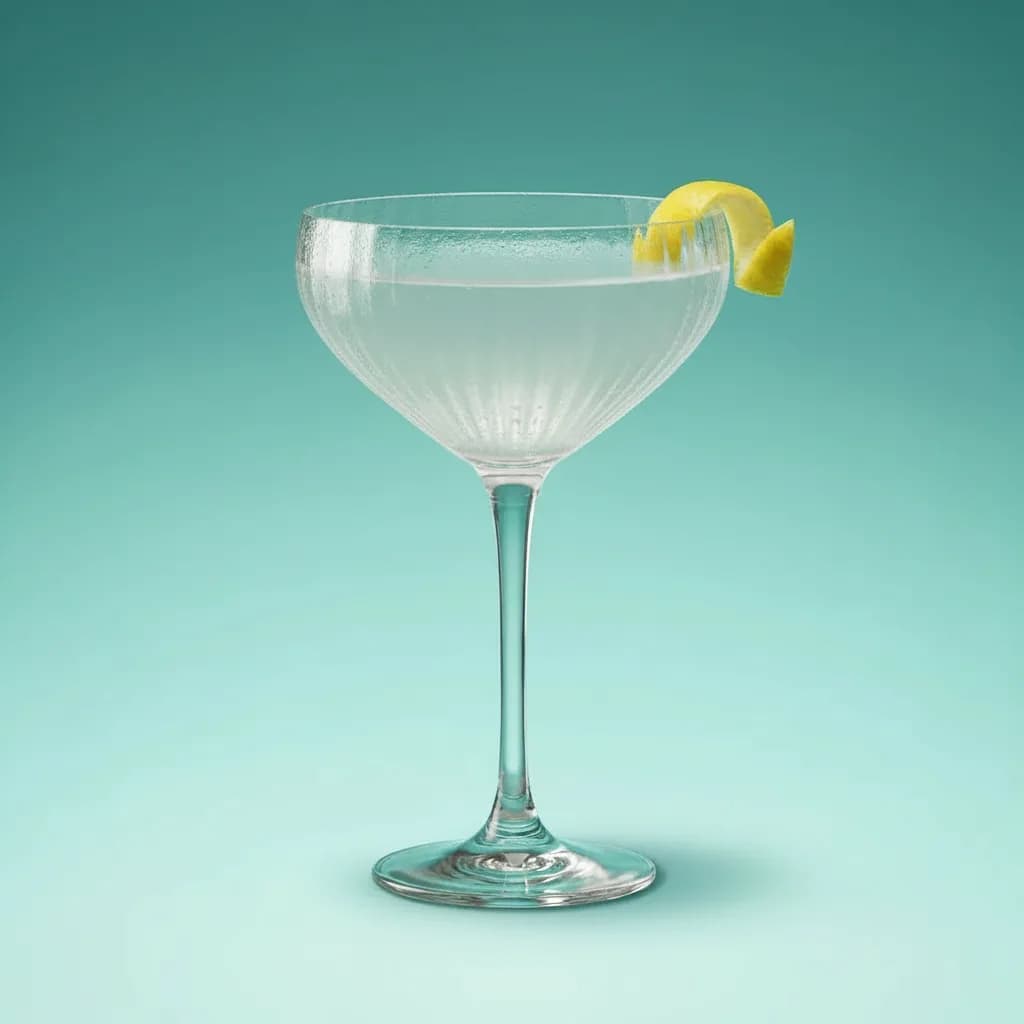
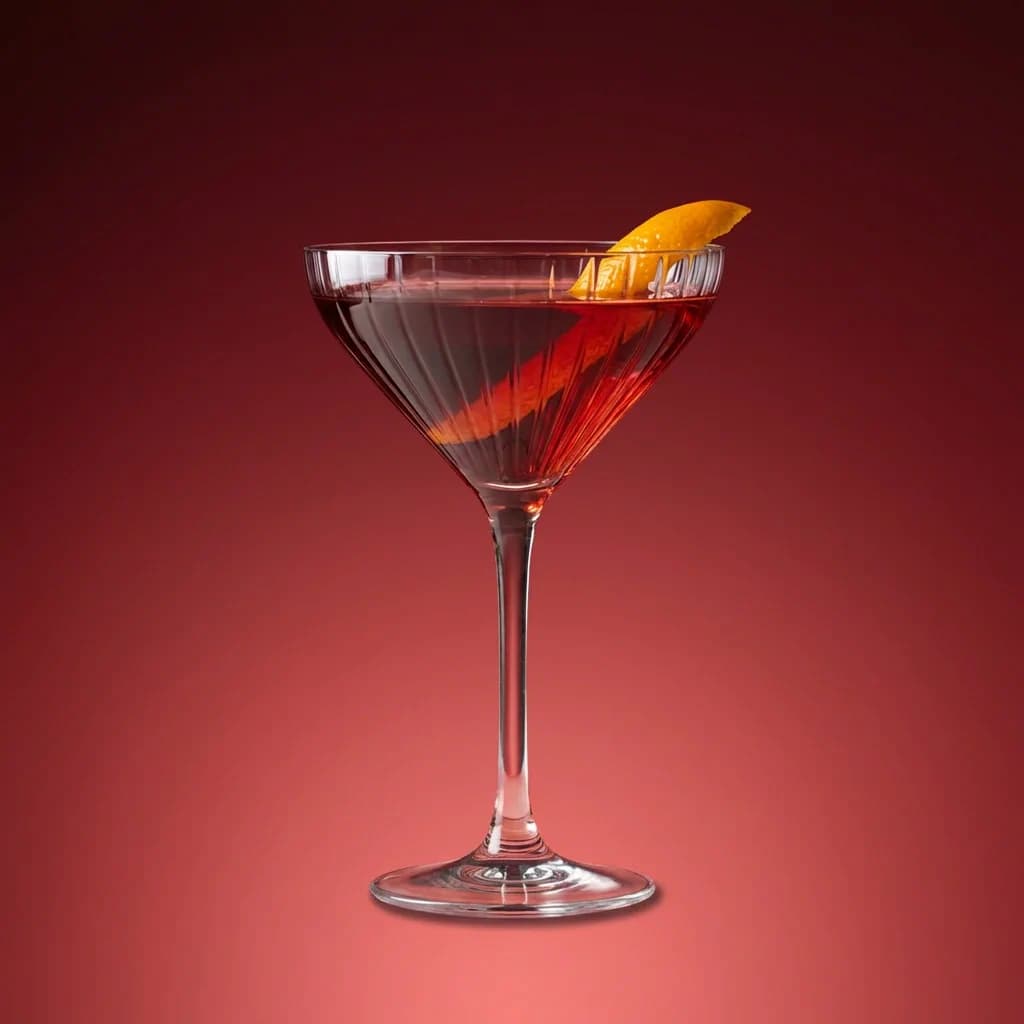
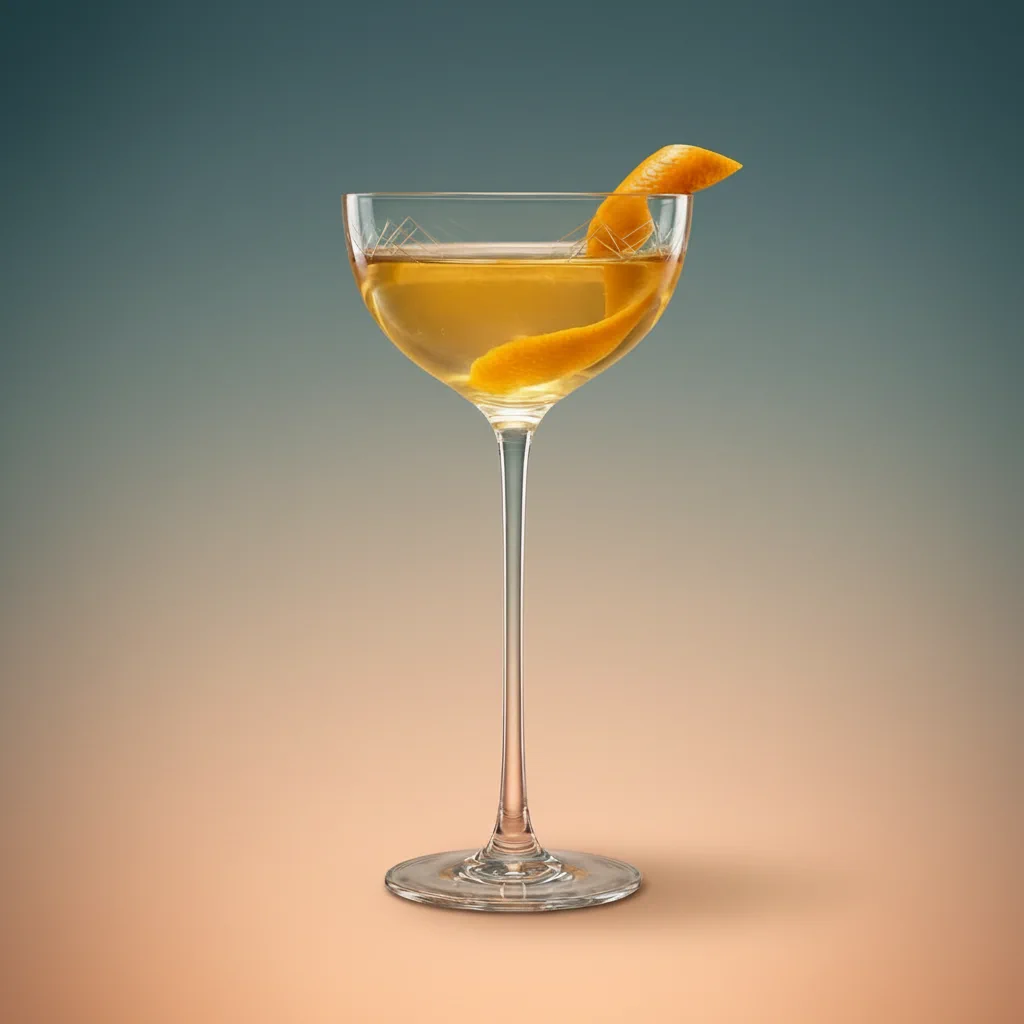
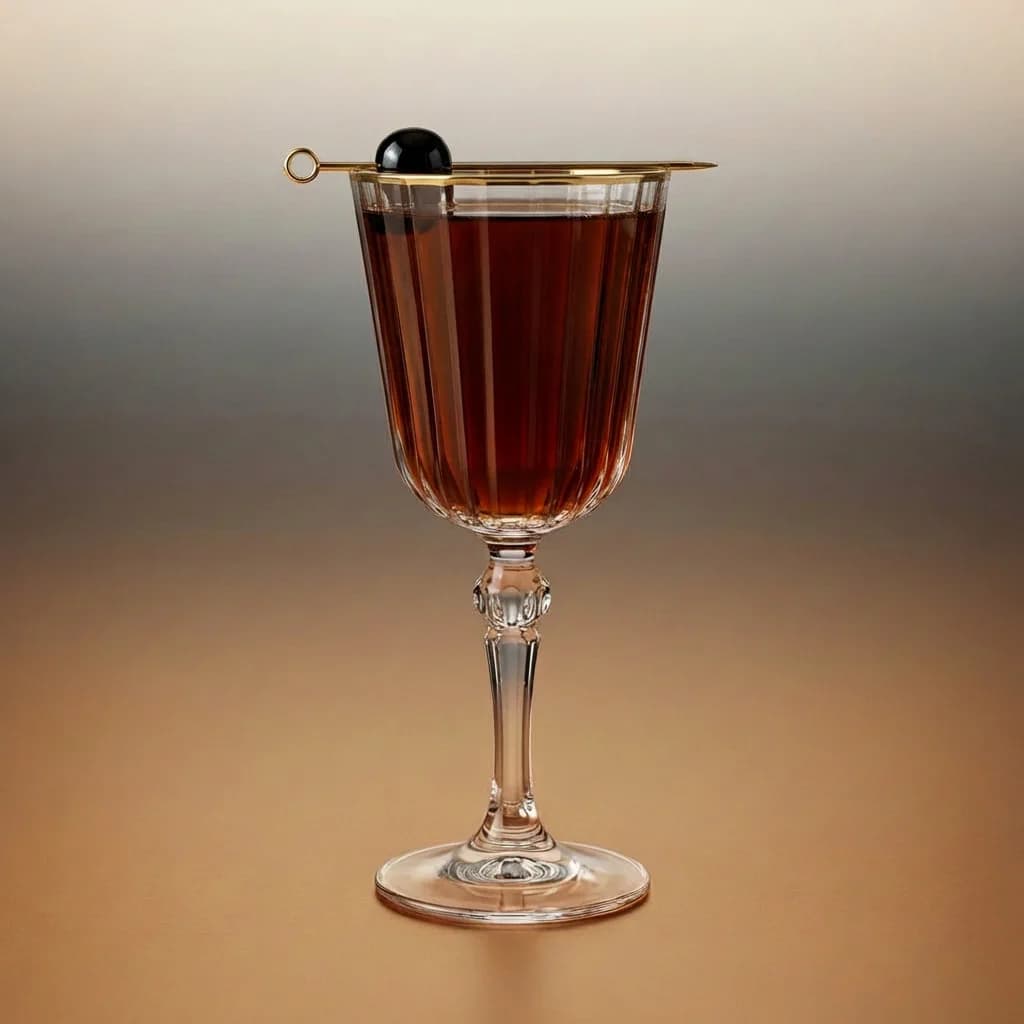
The Coronation is a low-ABV stirred aperitif of dry vermouth, fino sherry, and maraschino liqueur, finished with orange bitters and served up in a coupe. Bone-dry and nutty from the sherry, with a faint cherry-pit sweetness underneath and a bittersweet orange snap on the finish — a light, low-proof aperitif for before a meal.
Ingredients
1
Servings
Garnish
Instructions for 1 serving
- Pre-chill a glass
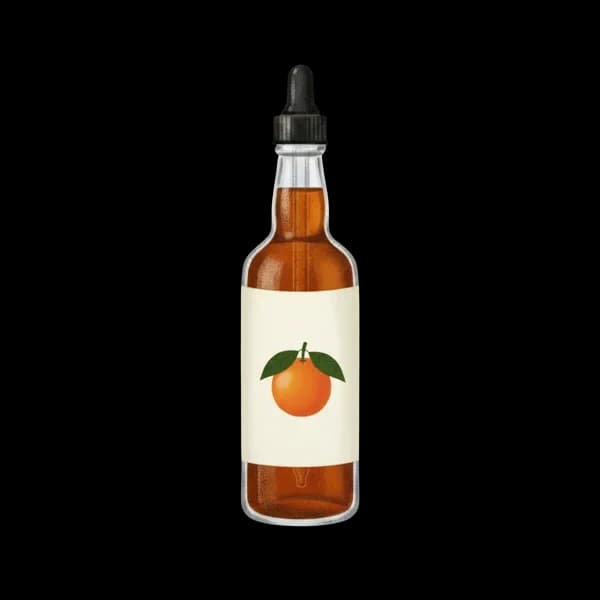
- Stir all ingredients with ice: Dry vermouth 50 mlFino sherry 40 mlMaraschino liqueur 5 mlOrange bitters 2 dashes
- Strain into the chilled glass
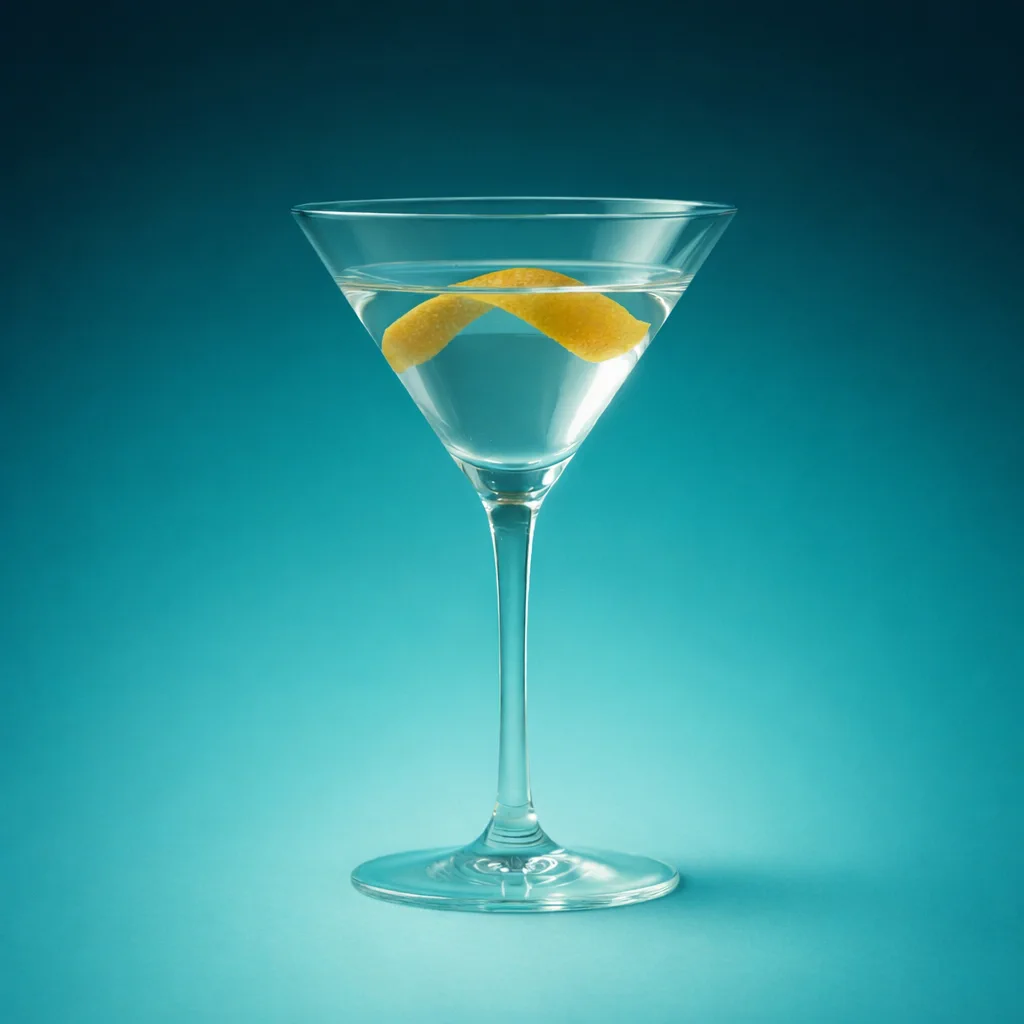
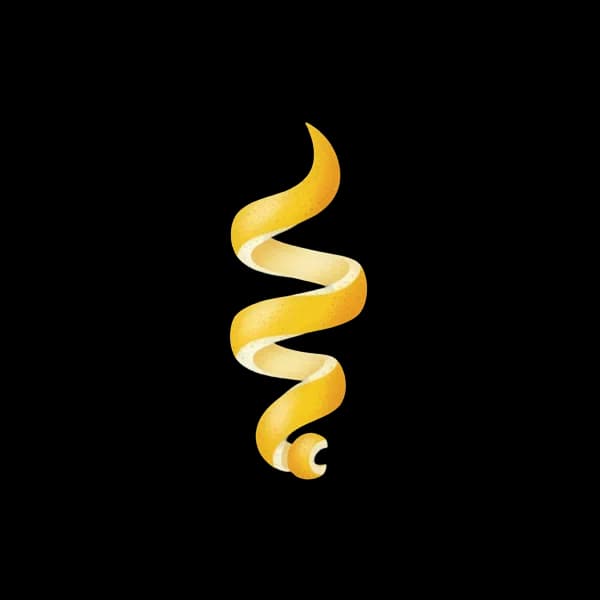
- Express a lemon (or orange) twist over the cocktail and discard
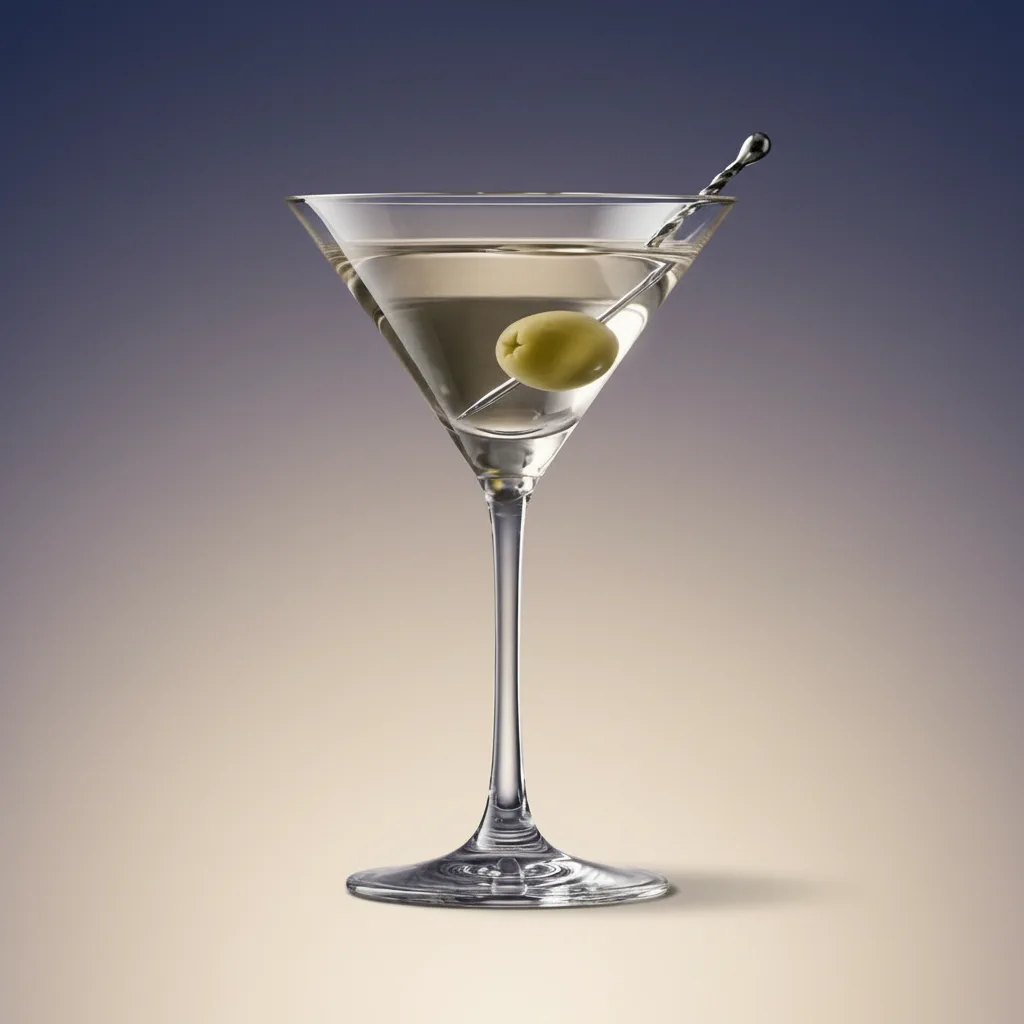
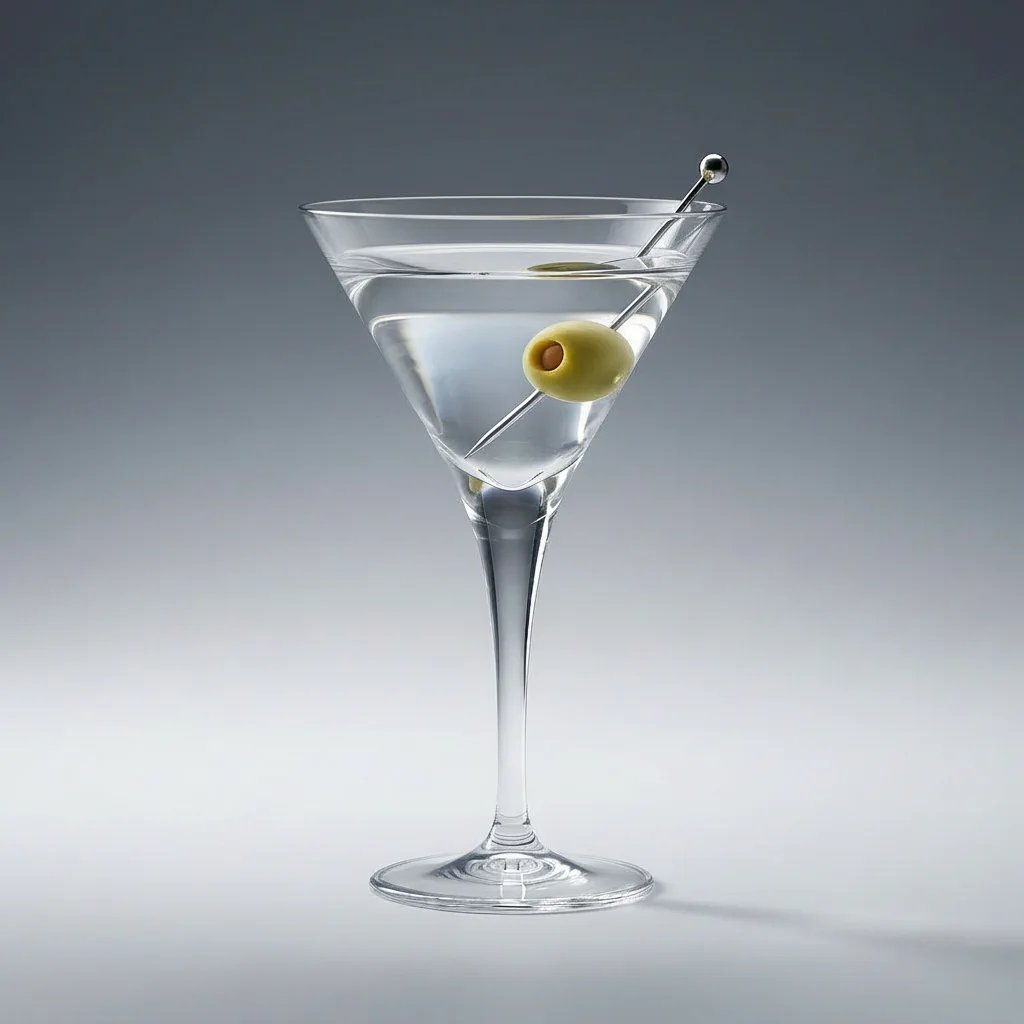
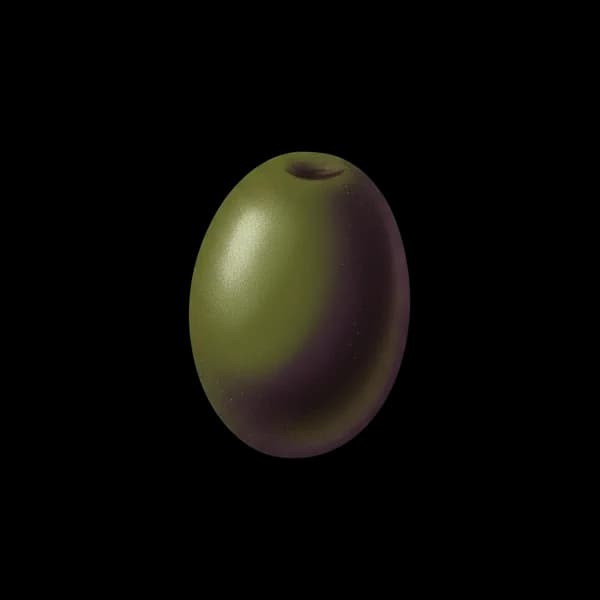
- Garnish with olives and a lemon twist on a skewer
Tips
- Stir with plenty of large cubes for 20-25 seconds to reach proper dilution, since this all-fortified-wine build has no juice to soften harsh alcohol edges.
- Chill the sherry and vermouth in the fridge beforehand, as low-ABV stirred drinks warm quickly and over-dilute if shaken or stirred too briefly.
- Measure the maraschino liqueur carefully at just 5 ml, since even a slight overpour will overwhelm the delicate fino sherry and vermouth balance.
History
The Coronation Cocktail was created to mark the coronation of England's King Edward VII, whose reign began in January 1901 upon Queen Victoria's death and whose investiture, after a postponement caused by an emergency appendicitis operation, took place in August 1902. Bartender Joseph Rose of Murray Brothers' Café in Newark, New Jersey, is credited with the recipe, a low-proof mix of French vermouth, dry sherry, maraschino liqueur, and orange bitters, which won second prize in the 1903 Police Gazette Bartenders' Contest.
The drink first appeared in print in Charles S. Mahoney's 1905 Hoffman House Bartender's Guide, crediting Rose, and was later included in Harry Craddock's 1930 Savoy Cocktail Book, where it was listed as Coronation No. 1 to distinguish it from other cocktails that also carried the Coronation name.
FAQ
What is a Coronation cocktail?
It is a stirred, low-alcohol aperitif built from dry vermouth, fino sherry, and a touch of maraschino liqueur, finished with orange bitters and served up in a coupe. At roughly 14.7% ABV, it is much lighter than a spirit-forward cocktail, and the recipe is vegan, vegetarian, and lactose-free.
How do you make a Coronation cocktail?
Stir dry vermouth, fino sherry, maraschino liqueur, and orange bitters together with ice, then strain into a chilled coupe glass. It is garnished with both an olive and a lemon twist on a skewer, depending on whether you want a brighter or more savory finish.
Is a Coronation cocktail shaken or stirred?
Stirred, not shaken. All the ingredients are clear, wine-based, and low-proof, so stirring chills and dilutes the drink gently without clouding it or over-diluting its delicate sherry character.
What glass is a Coronation served in?
A coupe glass, served up with no ice. The drink is fully stirred and strained beforehand, so the coupe keeps it cold without diluting it further in the glass.
Is a Coronation cocktail strong?
No, it is a low-alcohol drink at around 112 calories and about 14.7% ABV, closer in strength to a glass of fortified wine than to a gin- or whiskey-based cocktail. That makes it suited to serving before a meal rather than as a nightcap.