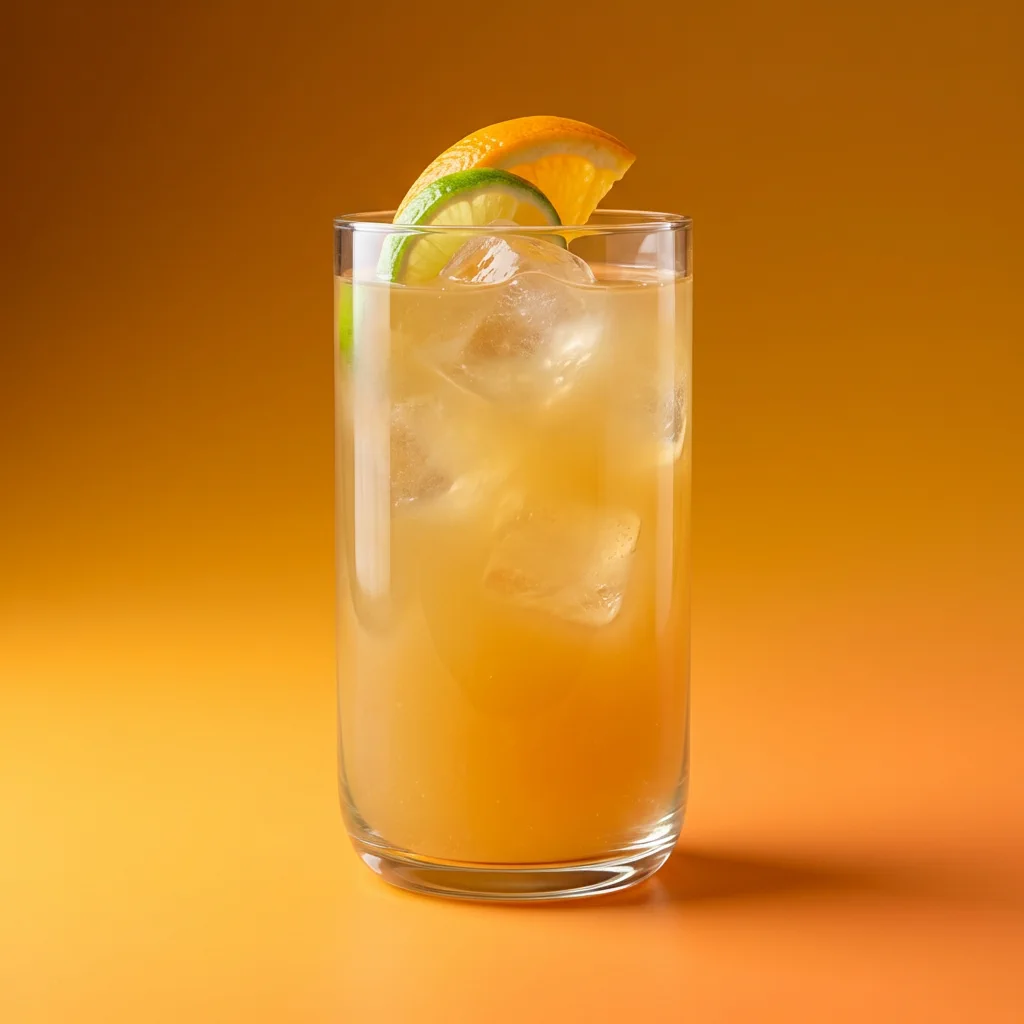
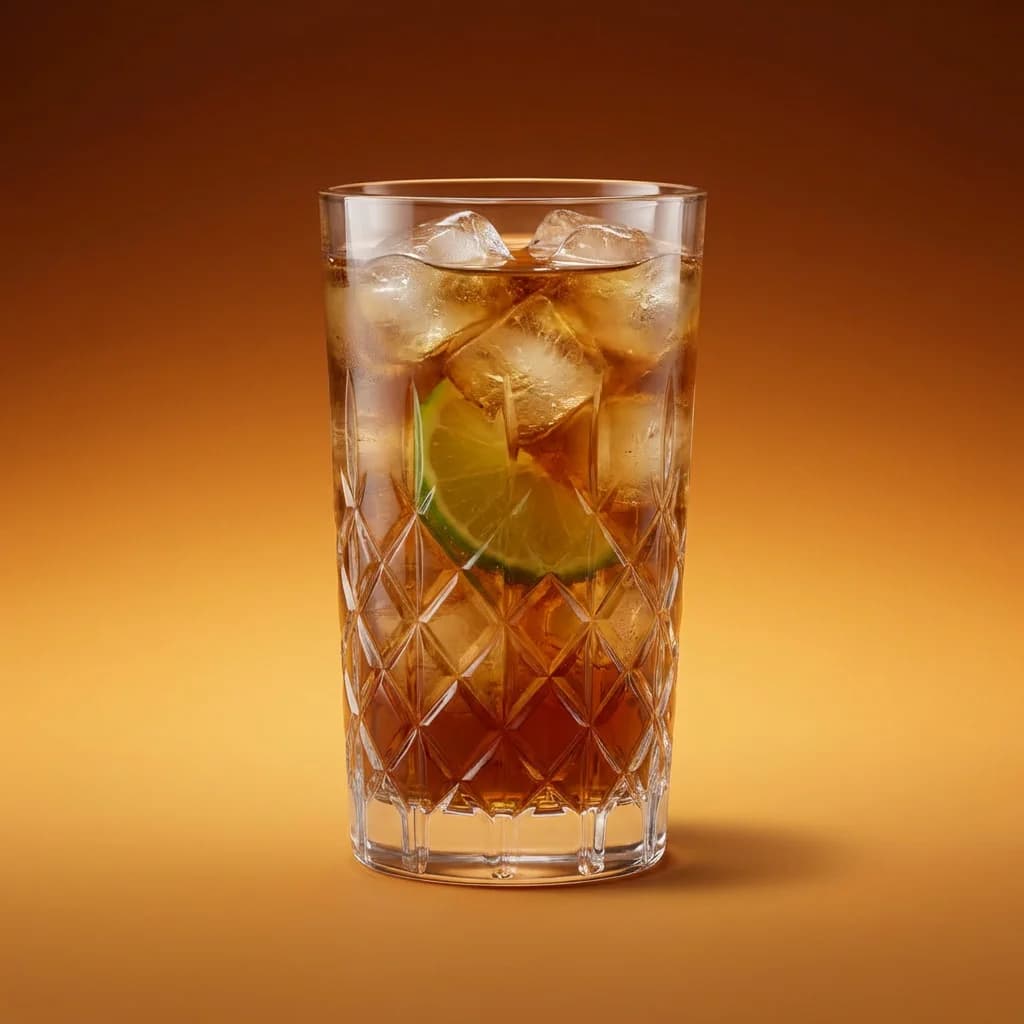
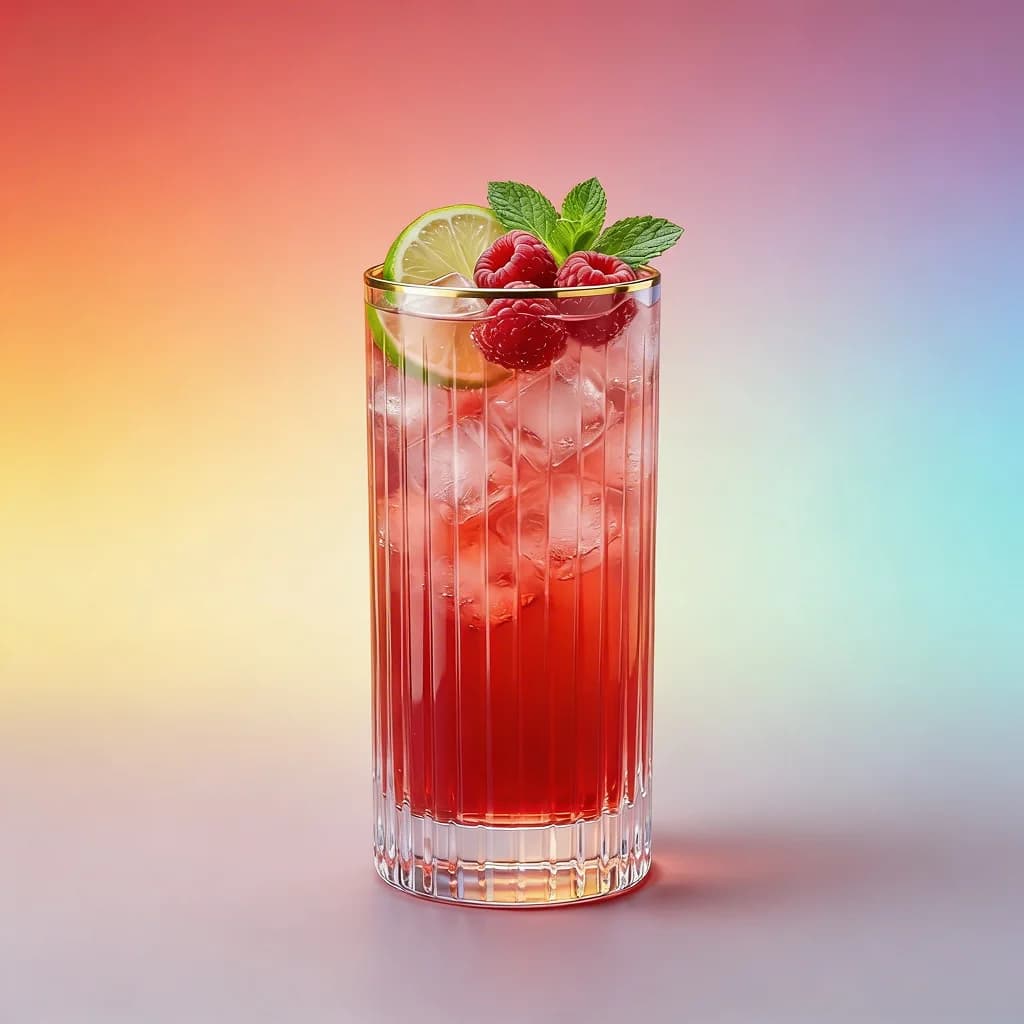
Ginger Beer Daiquiri
A spicy, refreshing and bubbly cocktail ∙ Shake ∙ 3 min ∙ 2.2% ABV ∙
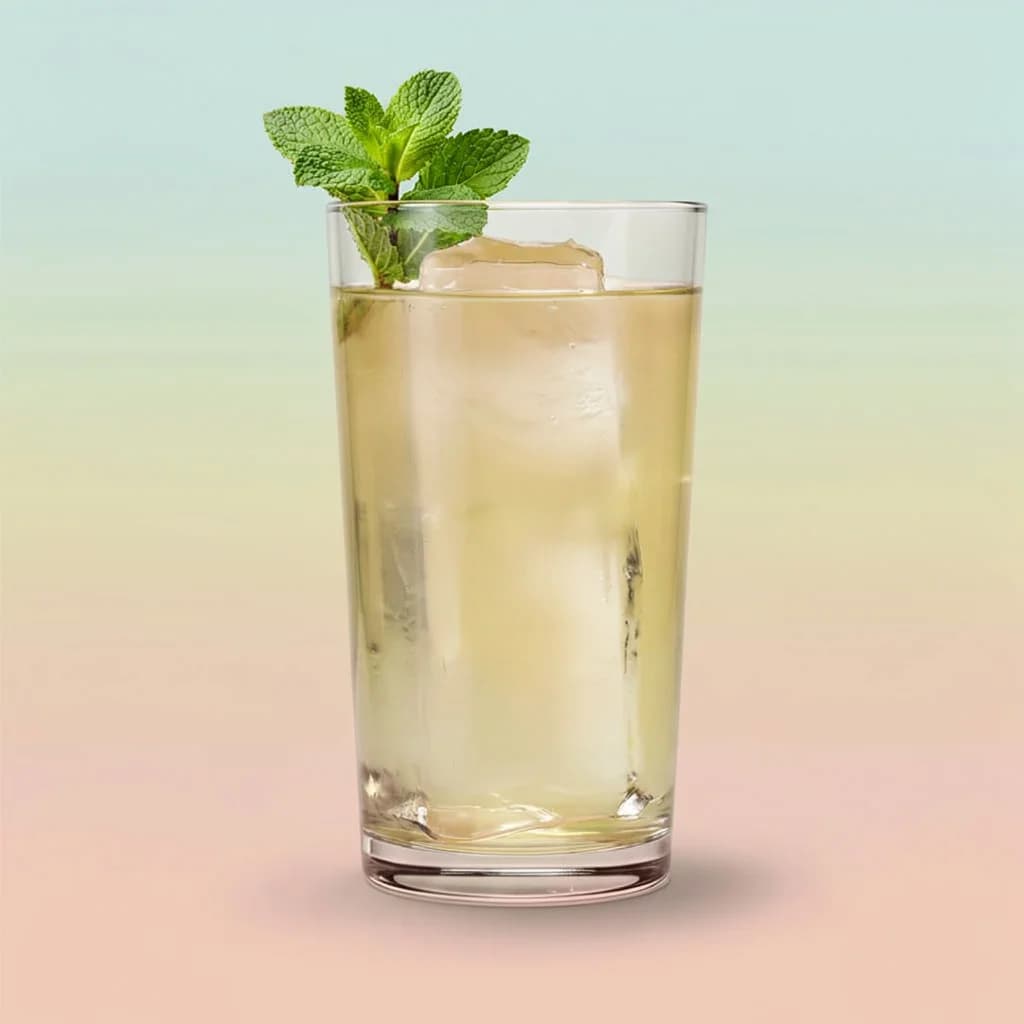
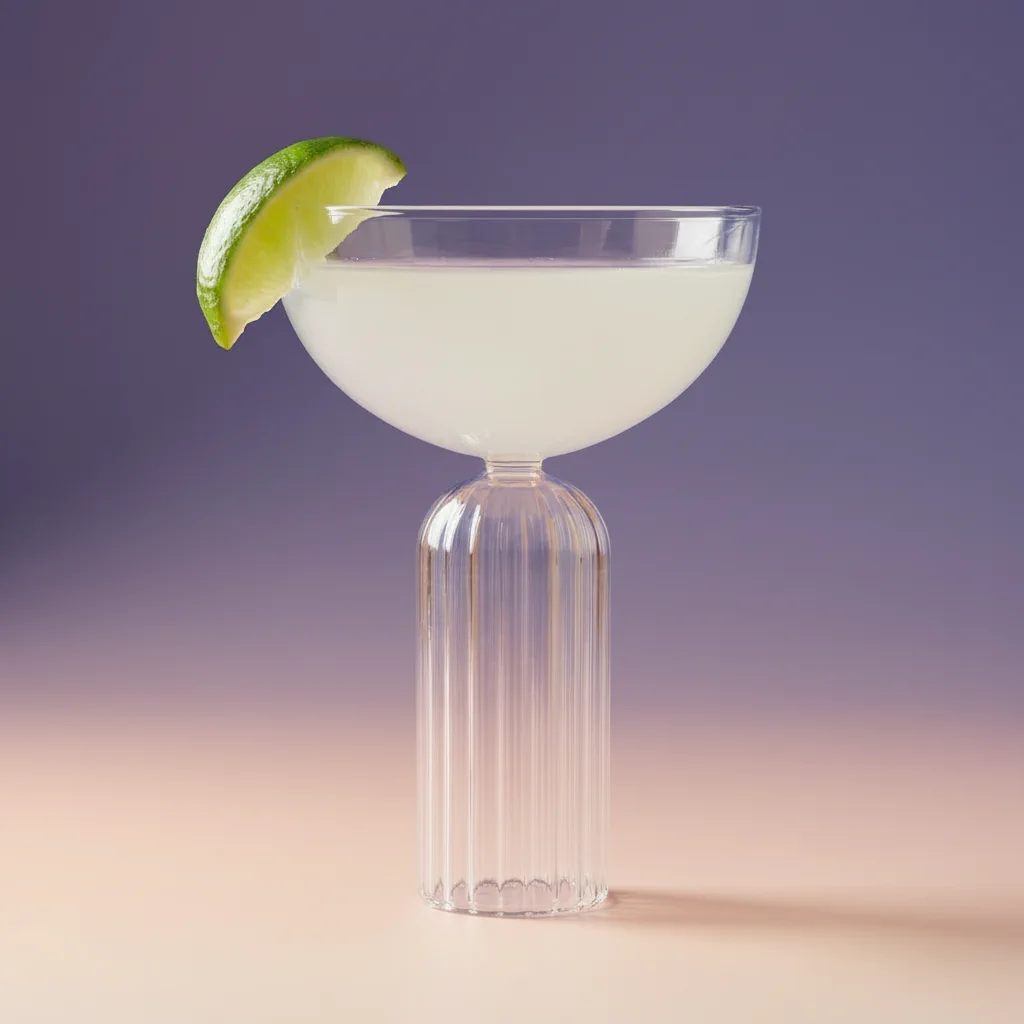
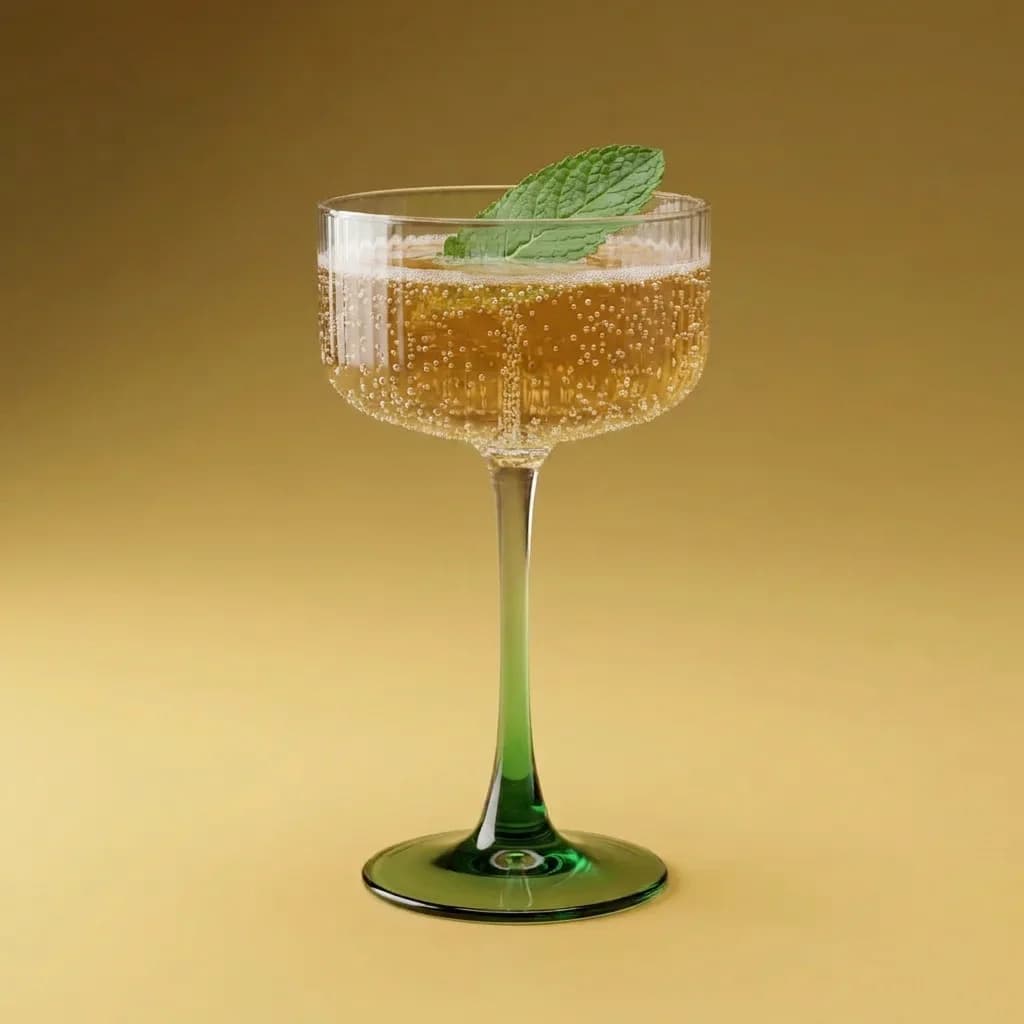
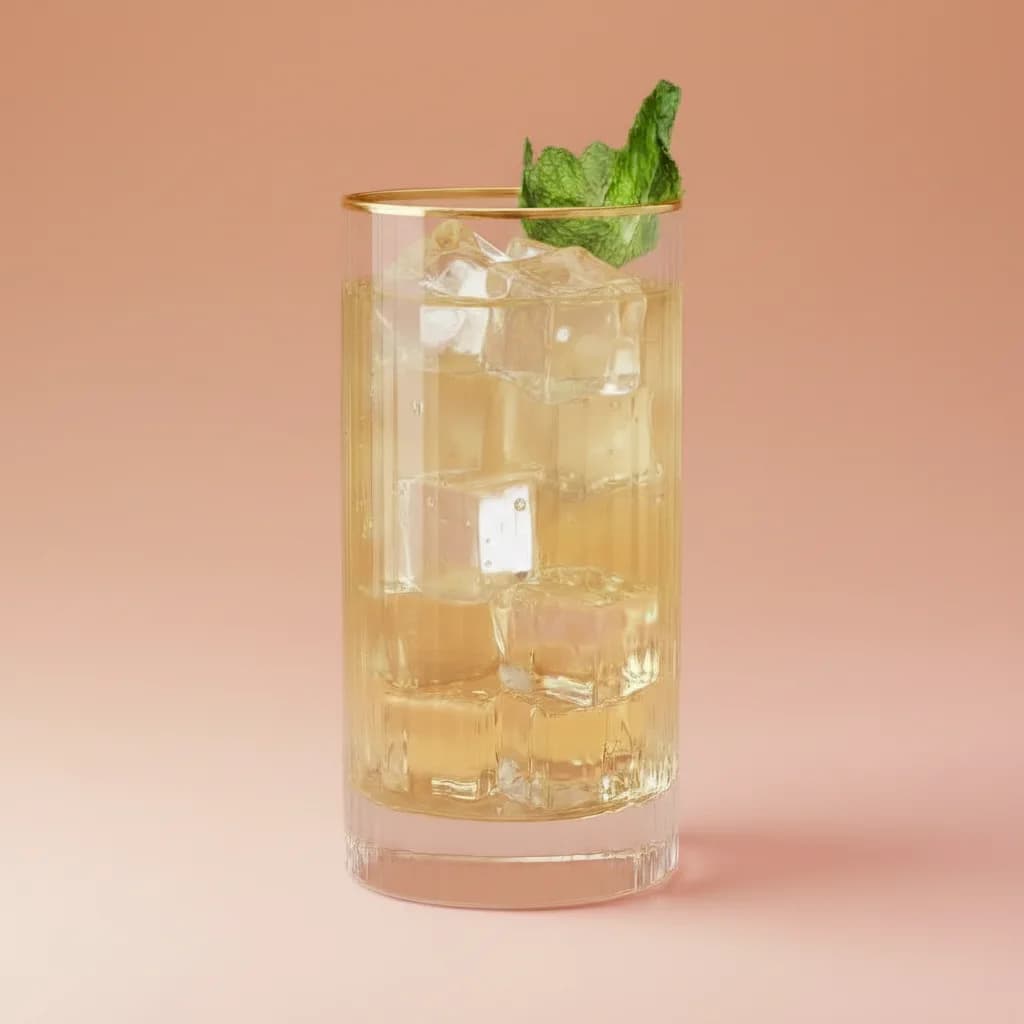
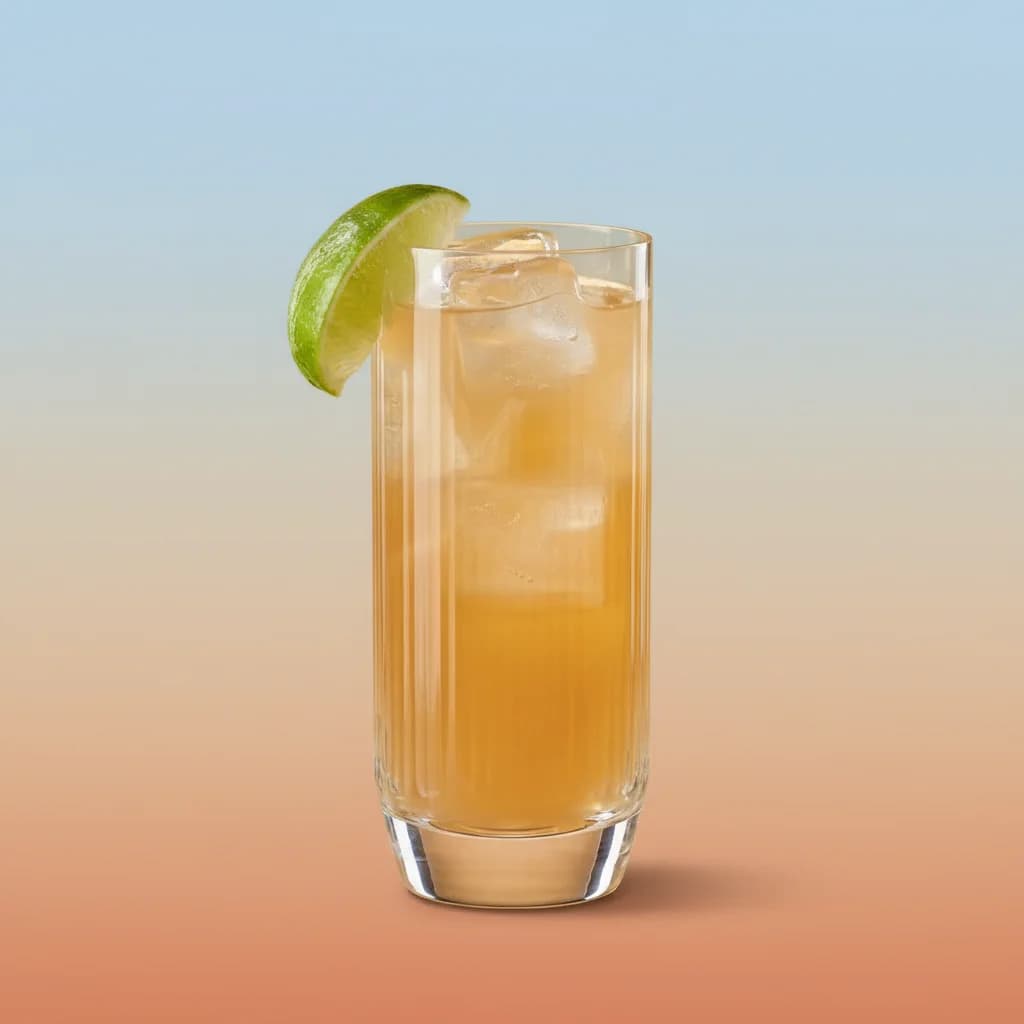
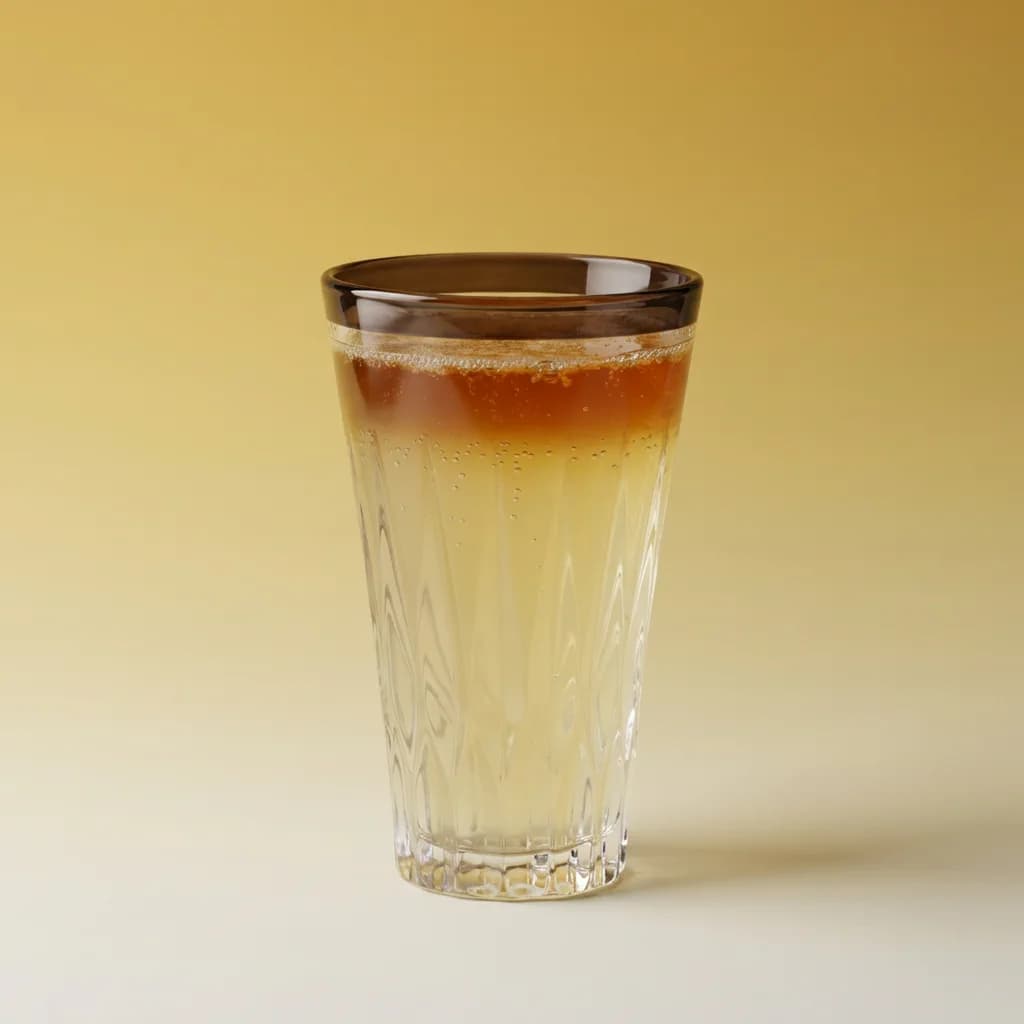
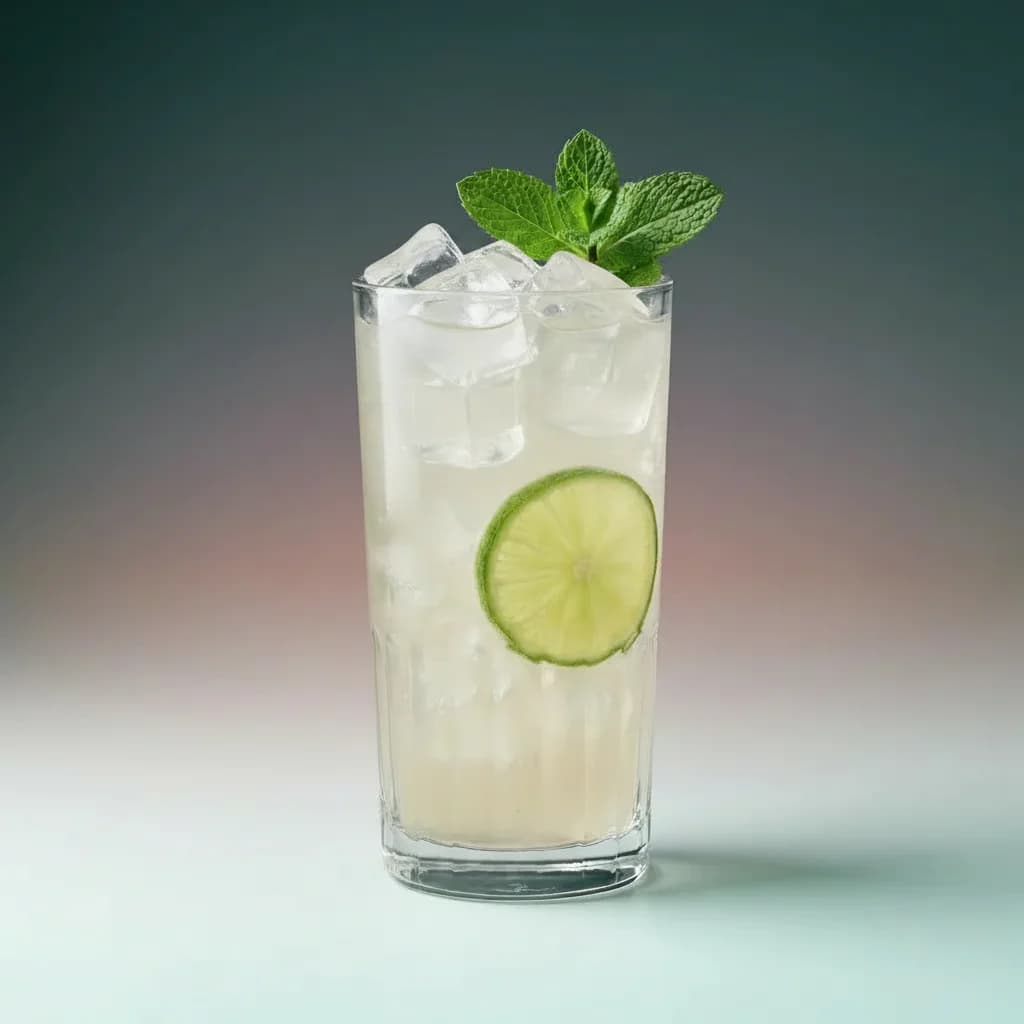
A Ginger Beer Daiquiri is a shaken, non-alcoholic take on the daiquiri, made with lime juice, sugar syrup, and ginger beer instead of rum. Lively and tart from the shake, finishing with a warm ginger tingle and a spiced note of bitters on the tongue.
Ingredients
1
Servings
Garnish
Instructions for 1 serving
- Pre-chill a glass
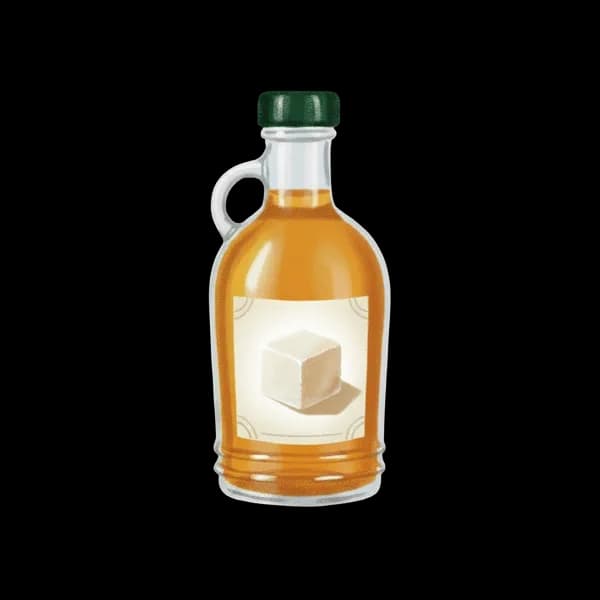
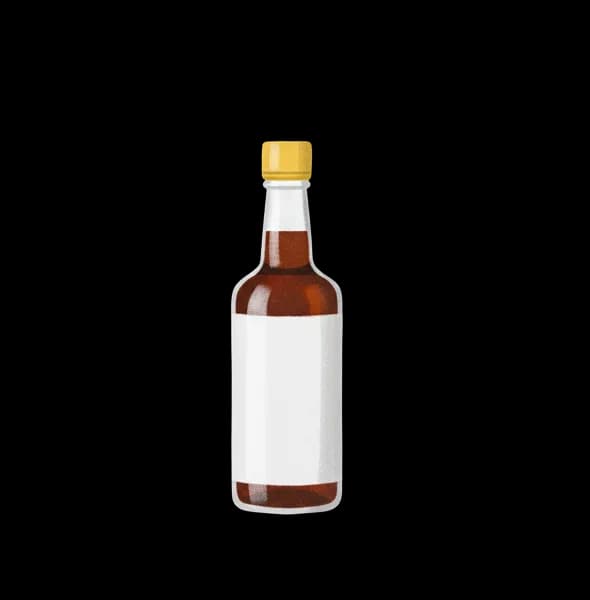
- Shake with ice: Lime juice 30 mlSugar syrup 15 mlAngostura aromatic bitters 2 dashes
- Strain into the ice-filled glass
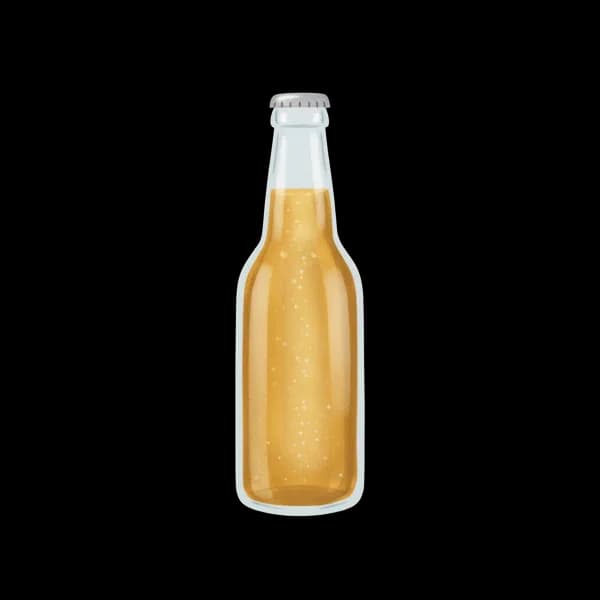
- Top with Ginger beer 60 ml
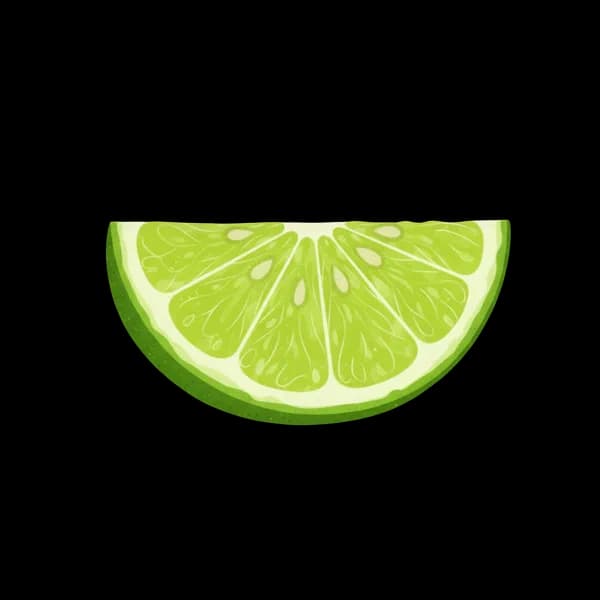
- Garnish with a lime wedge
History
The Ginger Beer Daiquiri is a modern variation credited to American bartender Audrey Saunders, who created it in 2006 in New York City, adding ginger beer and a dash of aromatic bitters to the classic rum, lime, and sugar formula for a spicier, fizzier take on the original. Its parent, the Daiquiri, is generally credited to American mining engineer Jennings Cox, who is widely said to have mixed rum with lime juice and sugar in 1898 near the town of Daiquiri in eastern Cuba. The Ginger Beer Daiquiri keeps that same rum-lime-sugar base but tops it with ginger beer, giving the drink a spicy, effervescent edge the original lacks.
FAQ
What is in a Ginger Beer Daiquiri?
Fresh lime juice and sugar syrup, shaken with ice and a couple of dashes of Angostura bitters, then strained into an ice-filled glass and topped with ginger beer. Garnished with a lime wedge, it is a non-alcoholic riff on the classic Daiquiri.
How do you make a ginger beer daiquiri?
Shake the lime juice, sugar syrup and bitters with ice, then strain into an ice-filled old-fashioned glass, top with the ginger beer, and garnish with a lime wedge. Adding the ginger beer last keeps its fizz intact.
What alcohol goes well with ginger beer?
Dark or spiced rum is the classic pairing with ginger beer, as in a Dark 'n' Stormy, though vodka and whiskey are also common choices. This particular recipe skips the alcohol entirely, using ginger beer itself as the base for a non-alcoholic Daiquiri-style drink.
What is a good alcohol to use for a Daiquiri?
A classic Daiquiri is made with white rum, shaken with lime juice and sugar syrup. This version replaces the rum with ginger beer, keeping the same tart-and-sweet structure but without any alcohol.
Is ginger beer good for your stomach?
Ginger has long been used to settle mild stomach upset and nausea, and ginger beer made with real ginger can offer a similar soothing effect. Effects vary by brand, since many commercial ginger beers use limited real ginger content alongside carbonation and sugar.