Scotch Sour
A sour and balanced whiskey cocktail ∙ Dry shake ∙ 5 min ∙ 14.5% ABV ∙
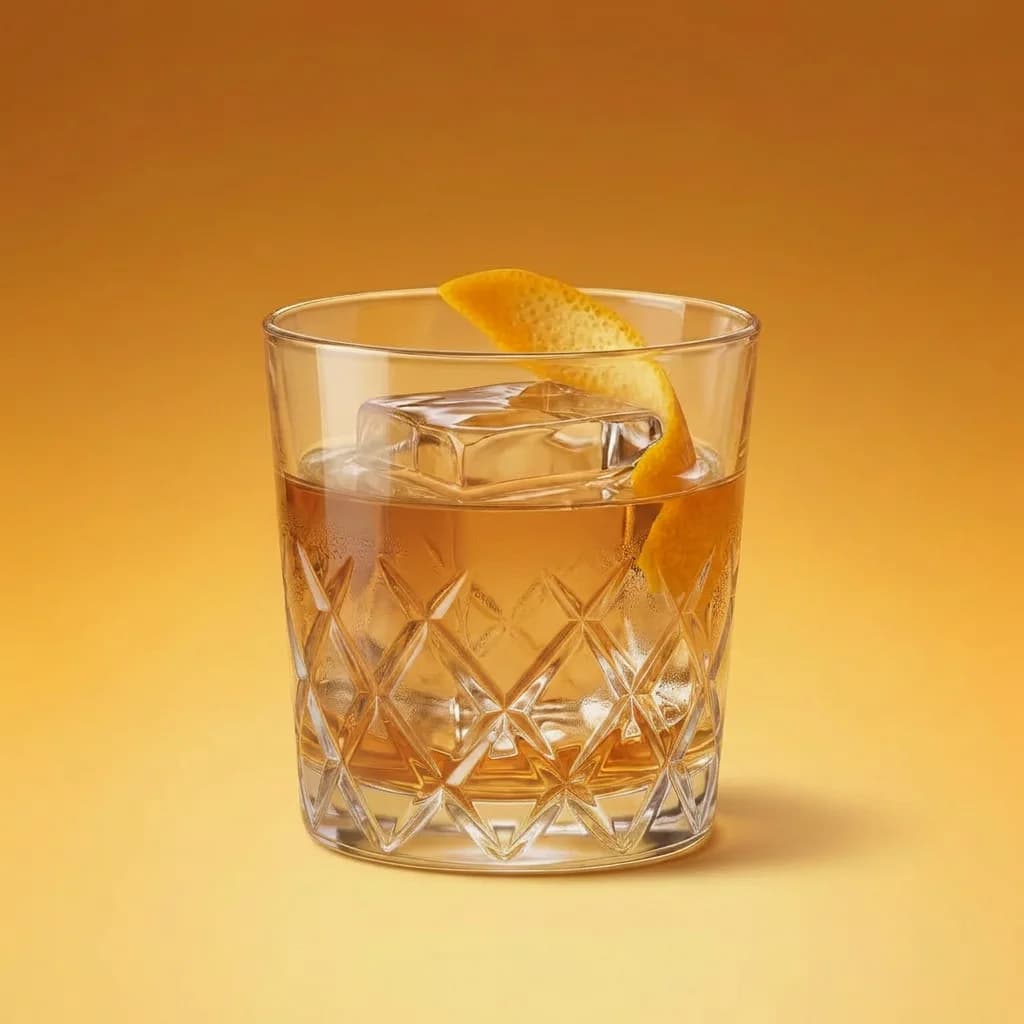
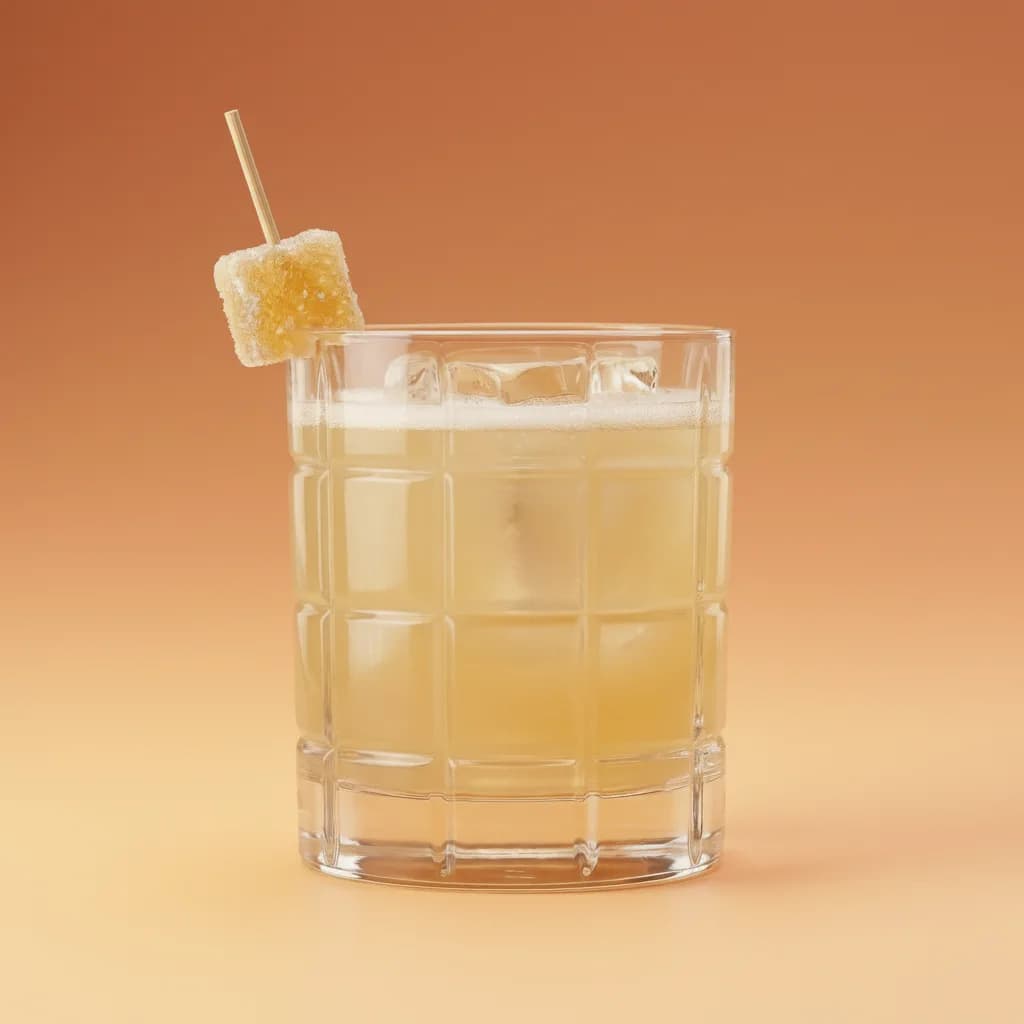
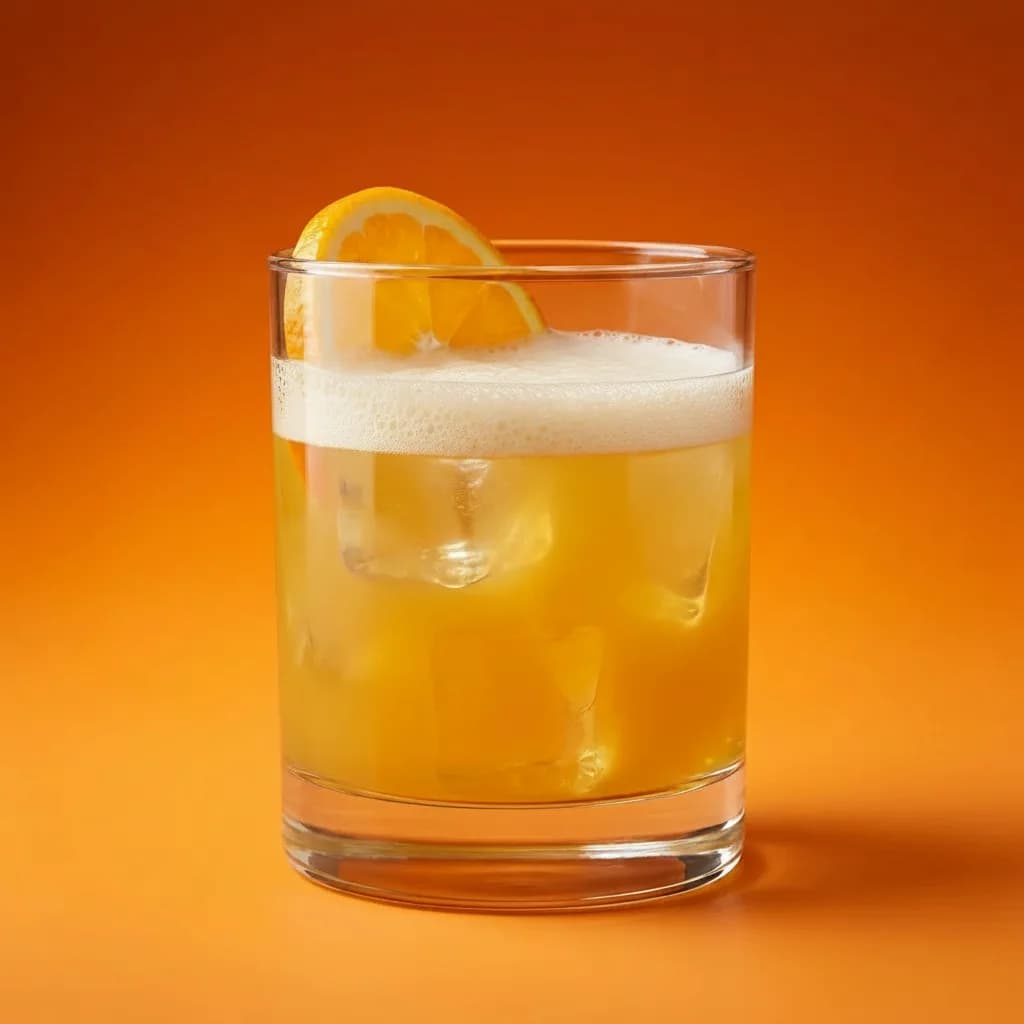
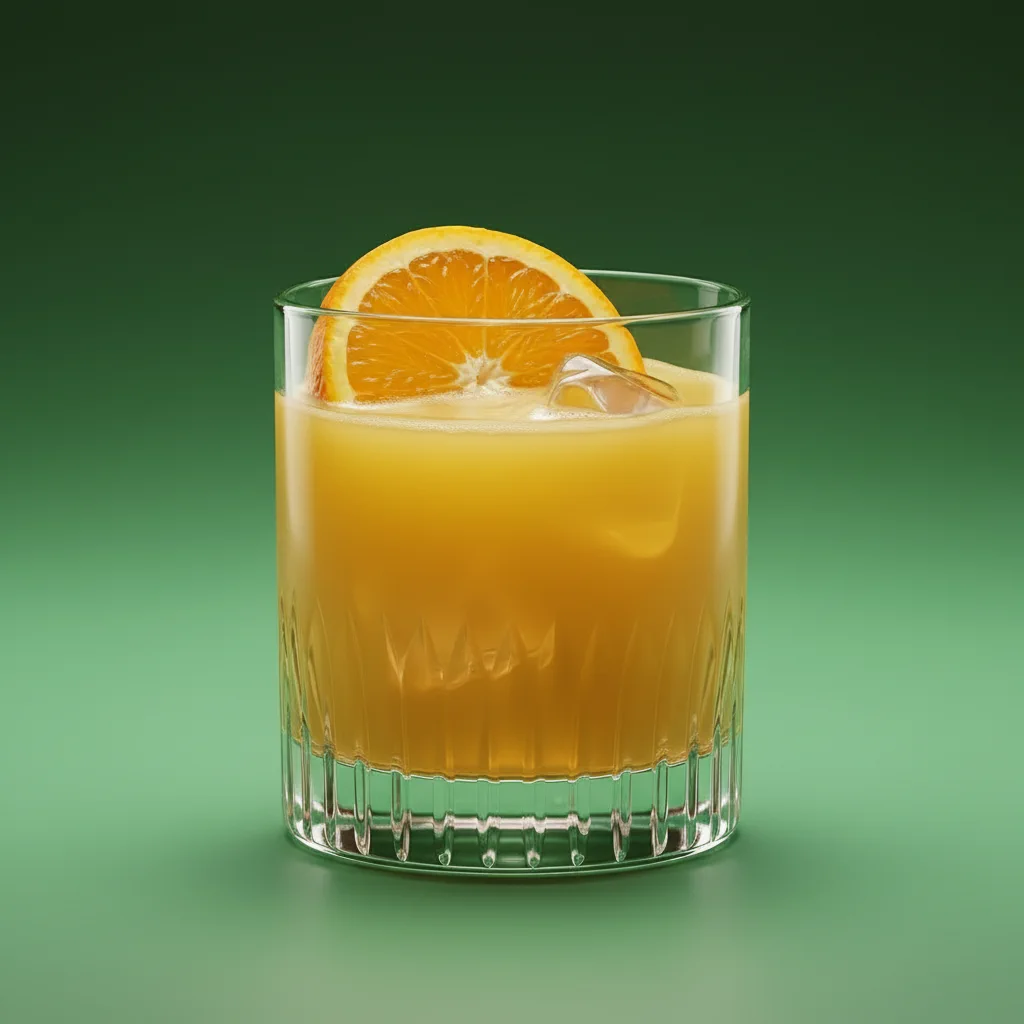
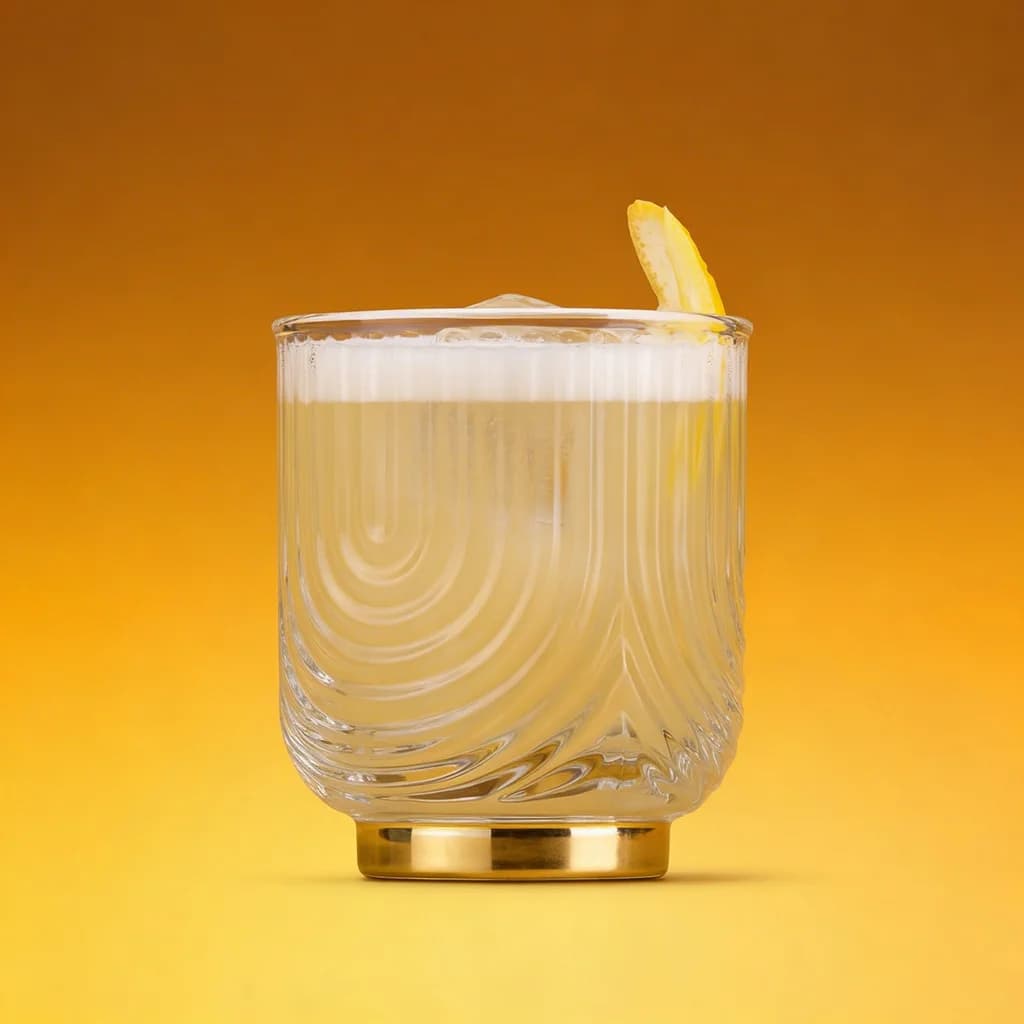
The Scotch Sour is a whisky sour built with blended Scotch, lemon juice, cane syrup, and egg white, shaken and served over ice in an old-fashioned glass. A billowy, cloud-like foam gives way to a tart, bright core with a mellow, lightly smoky warmth lingering through the finish.
Ingredients
1
Servings
Garnish

Instructions for 1 serving
- Pre-chill a glass
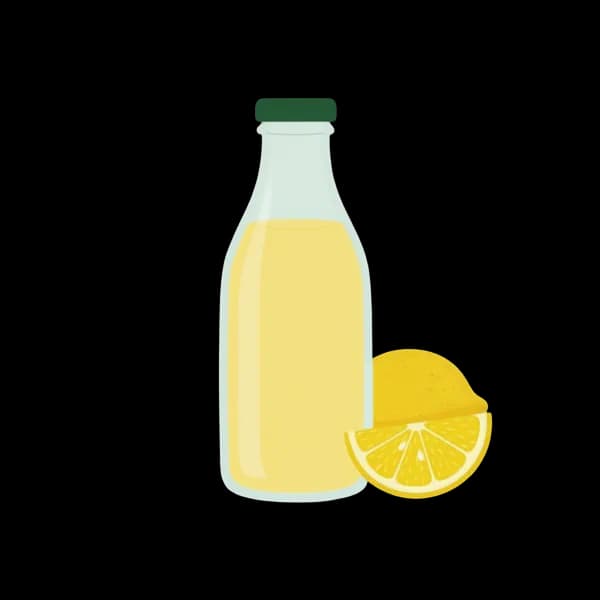
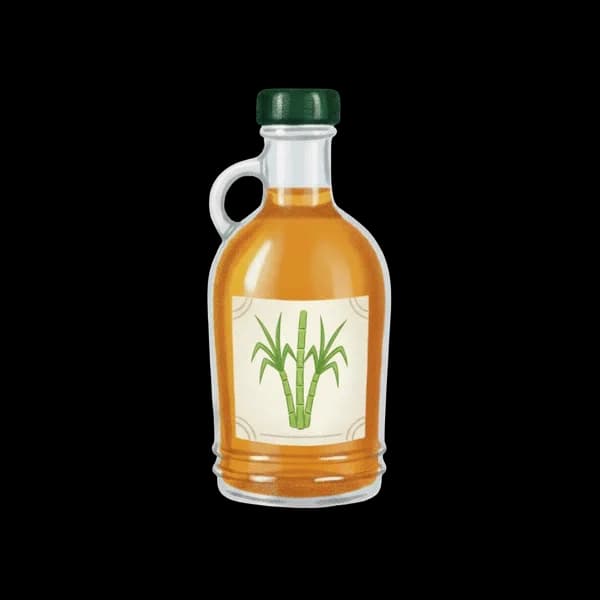
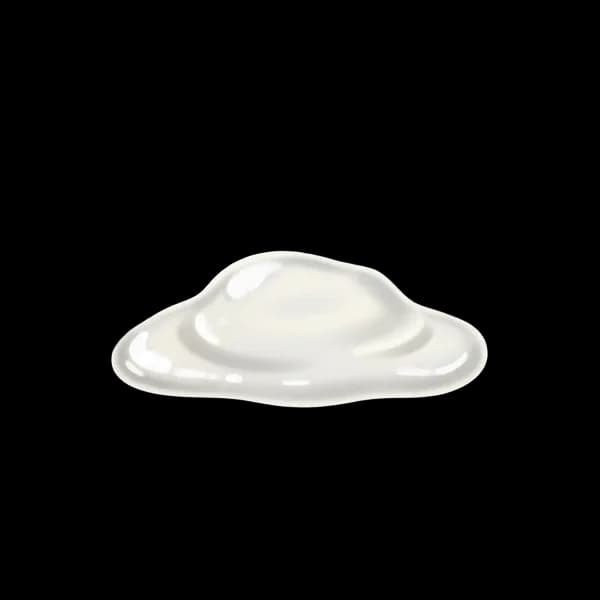
- Dry shake (without ice) all ingredients: Blended Scotch whisky 50 mlLemon juice 30 mlCane syrup 20 mlEgg white 15 ml
- Add ice
- Shake with ice
- Fine strain into the chilled glass with ice
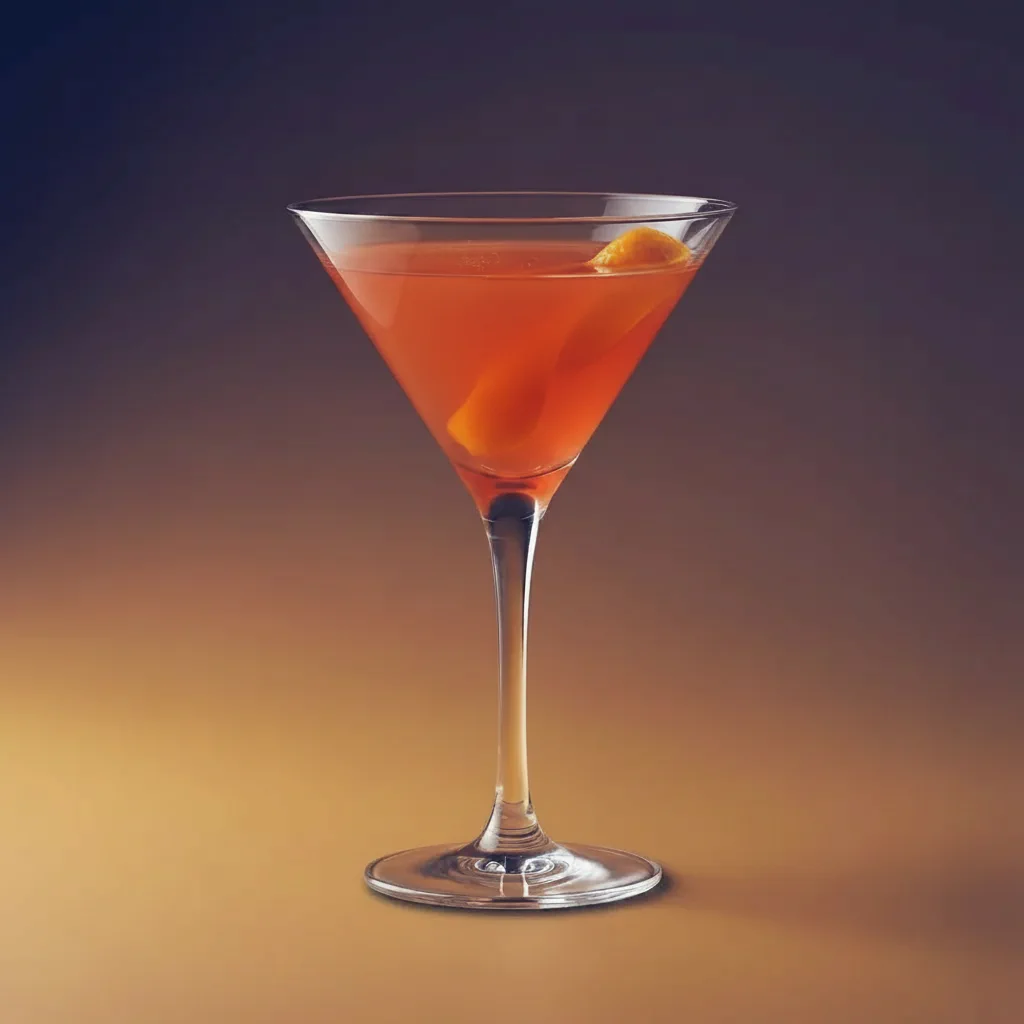
- Express an orange twist over the cocktail and use as garnish
History
The Scotch Sour is simply the whiskey sour formula made with Scotch whisky instead of American whiskey: whisky, lemon juice, and a sweetener, shaken and served straight up or over ice. Standard cocktail nomenclature names the sour for whichever whisky is used, so a version built on Scotch is called a Scotch Sour, just as one built on bourbon is called a Bourbon Sour.
The sour format itself is far older than the Scotch variant. The category was codified by bartender Jerry Thomas, whose 1862 guide The Bar-Tender's Guide gave some of the first printed sour and whiskey-sour-style recipes in the United States, building on a naval tradition of mixing spirits with citrus. Scotch whisky was a comparatively late entrant into American sour-style cocktails, since 19th and early 20th century bar manuals were dominated by rye and bourbon; Scotch blends only became a common base for sours as they gained wider popularity abroad and, later, through Prohibition-era smuggling of Scotch into the United States. No separate creation story, inventor, or date is documented for the Scotch Sour beyond its place as this straightforward whisky substitution within the long-established sour family.
FAQ
How do you make a Scotch Sour?
Dry shake the Scotch, lemon juice, cane syrup, and egg white without ice first, then add ice and shake again before fine-straining into a chilled old-fashioned glass over fresh ice. Finish by expressing an orange twist over the top as garnish. The double shake is what gives the drink its silky, well-integrated foam.
How to make a Whisky Sour cocktail?
A whisky sour is whiskey, lemon juice, a sweetener, and usually egg white, shaken and strained; this Scotch Sour follows that same structure using blended Scotch, cane syrup, and egg white, double-shaken and served over ice with an expressed orange twist.
What are some common mistakes when making a Whisky Sour?
The most common mistake is skipping the dry shake, which leaves the egg white unemulsified and the drink thin and flat rather than silky. Under-shaking with ice afterward is the second most common error, since the drink needs proper dilution and chilling to balance the citrus and sweetener.
What is the 3:2:1 ratio for Whiskey Sour?
The 3:2:1 ratio refers to the classic proportion of spirit to citrus to sweetener used as a starting formula for whiskey sours. This build runs 50:30:20 — a touch more citrus and sweetener than a strict 3:2:1 — with blended Scotch as the base and egg white added for texture.
What's the secret to a perfect Whiskey Sour?
The double shake is the real secret: shaking without ice first to emulsify the egg white, then shaking again with ice to chill and dilute properly. Fine-straining afterward catches ice shards and pulp without knocking the foam down.
Is egg white necessary in a Whiskey Sour?
It is not strictly necessary, but it is what gives the drink its silky texture and pale foam cap. This recipe includes egg white and uses a dry shake specifically to emulsify it before the drink is chilled and strained.