Swizzles Cocktail
A refreshing and citrus gin cocktail ∙ Swizzle ∙ 3 min ∙ 21.4% ABV ∙
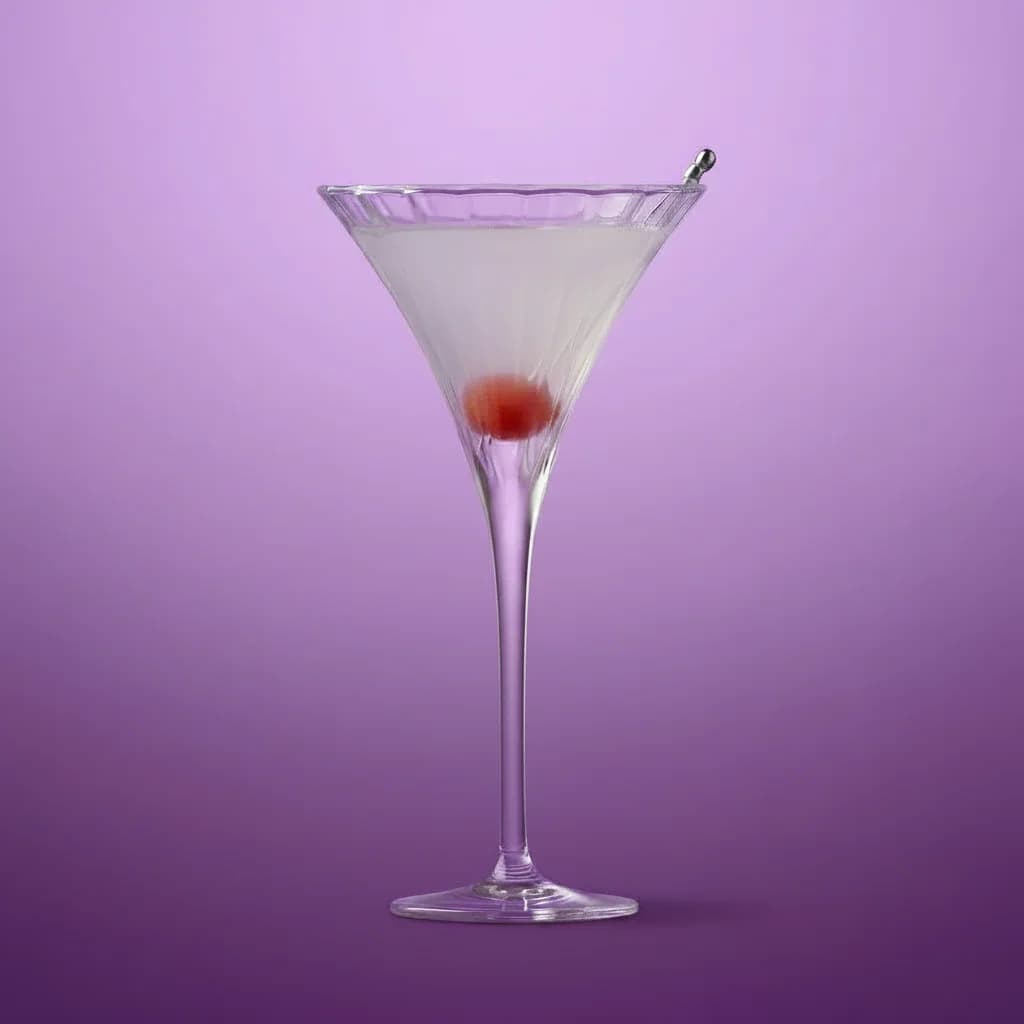
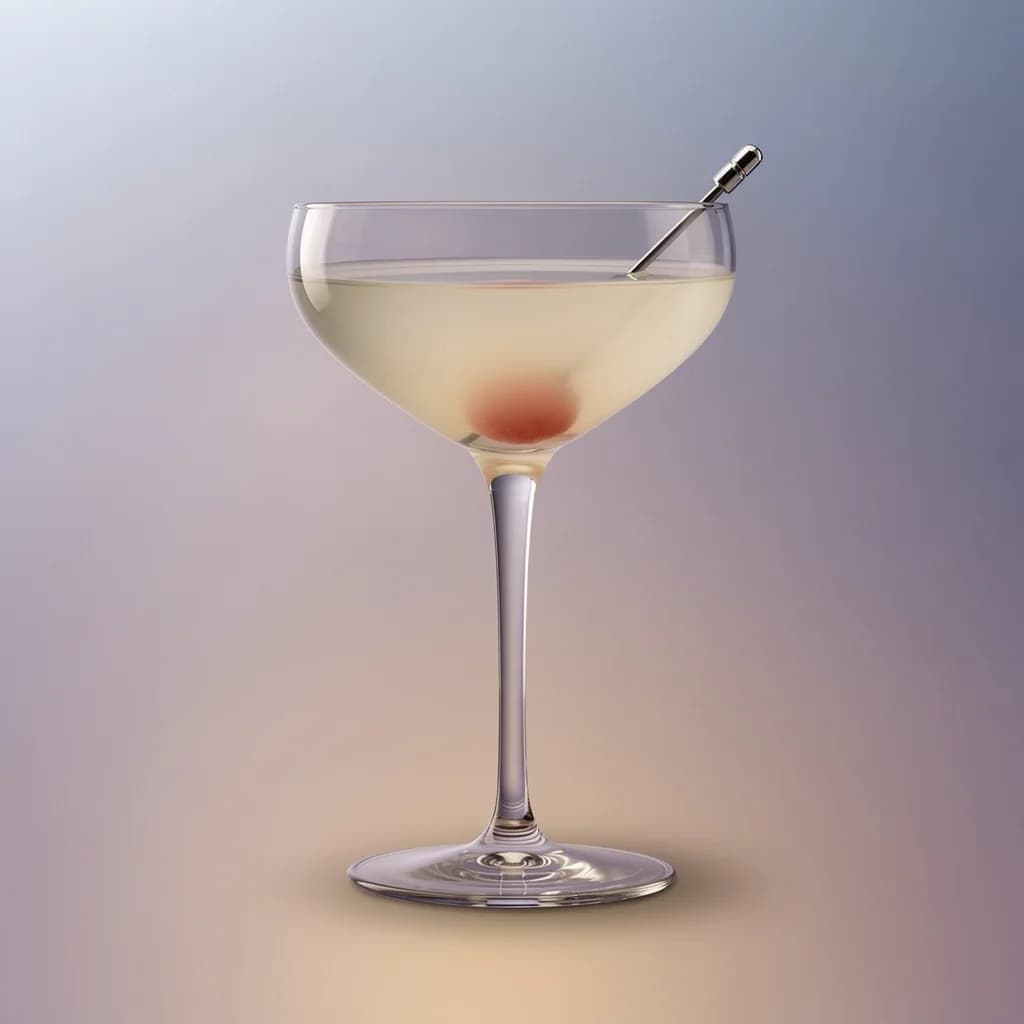
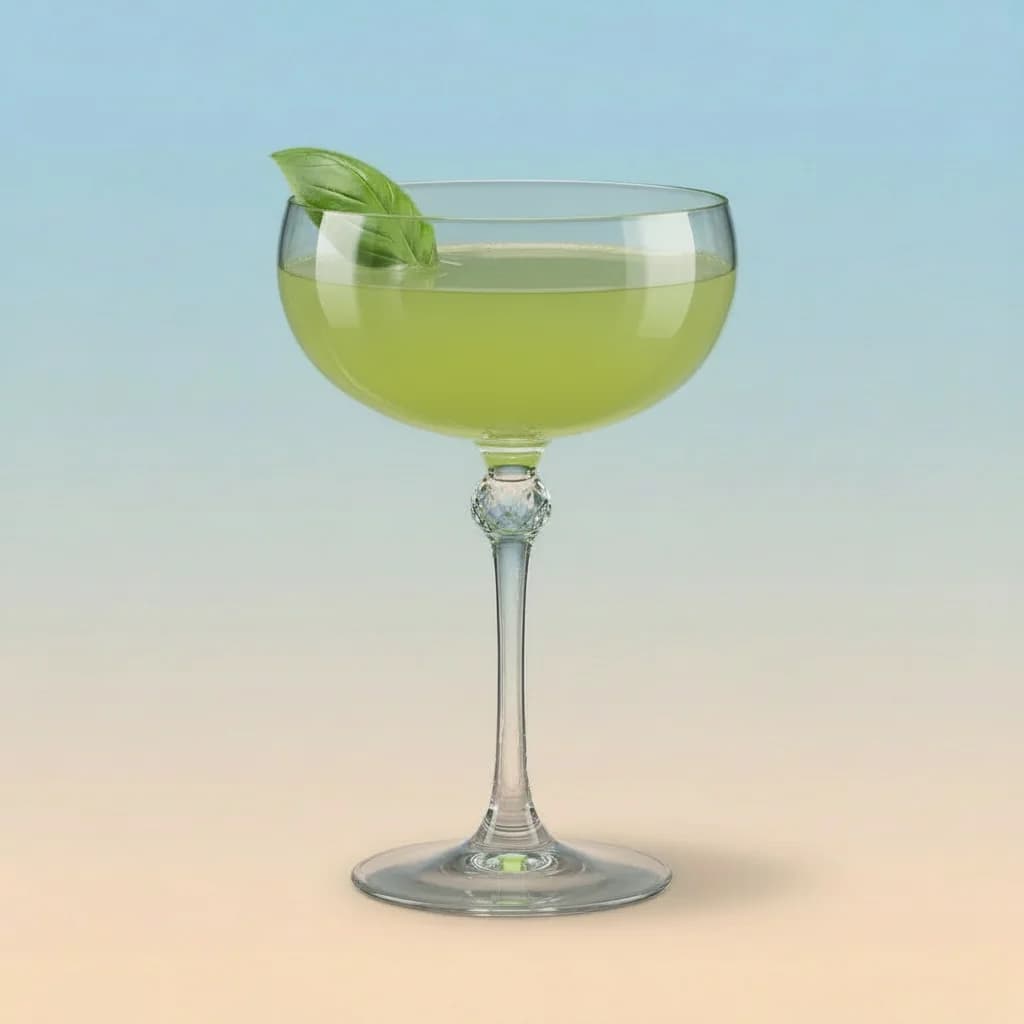
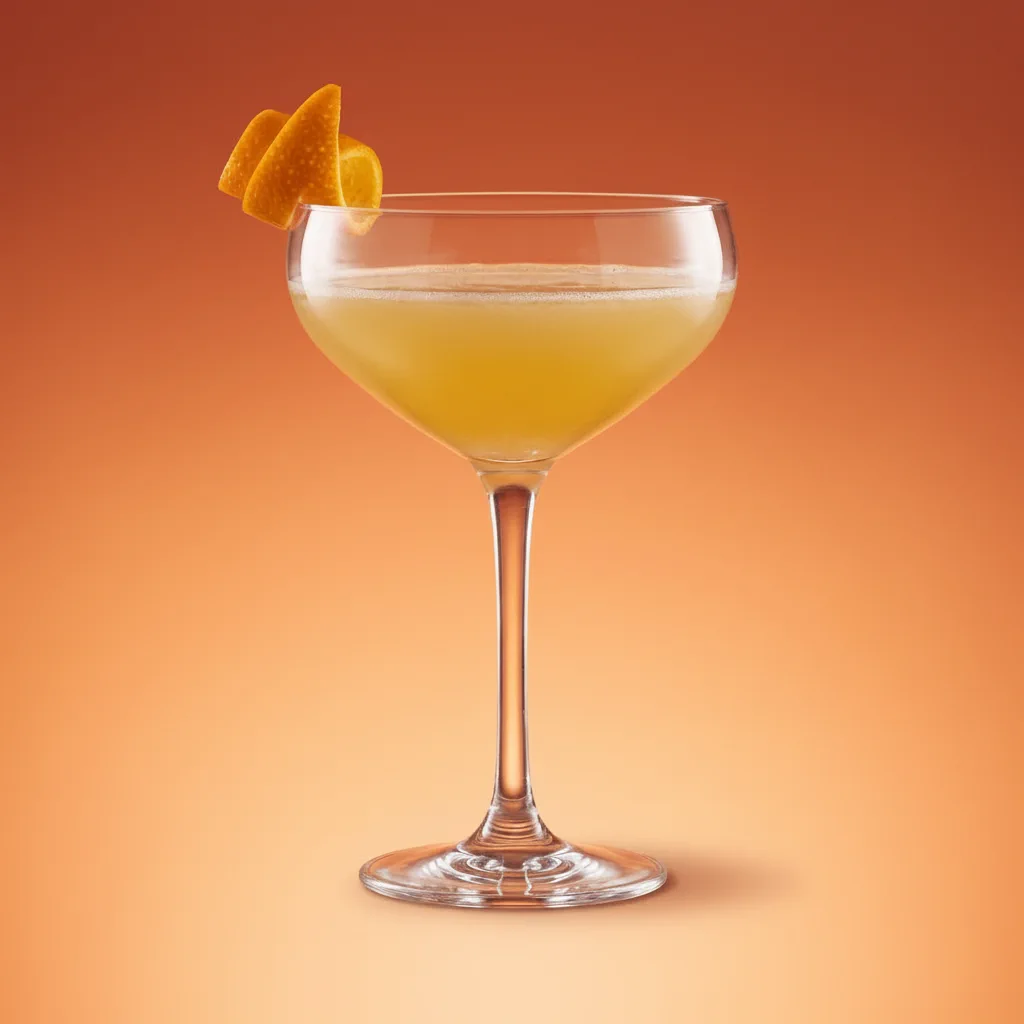
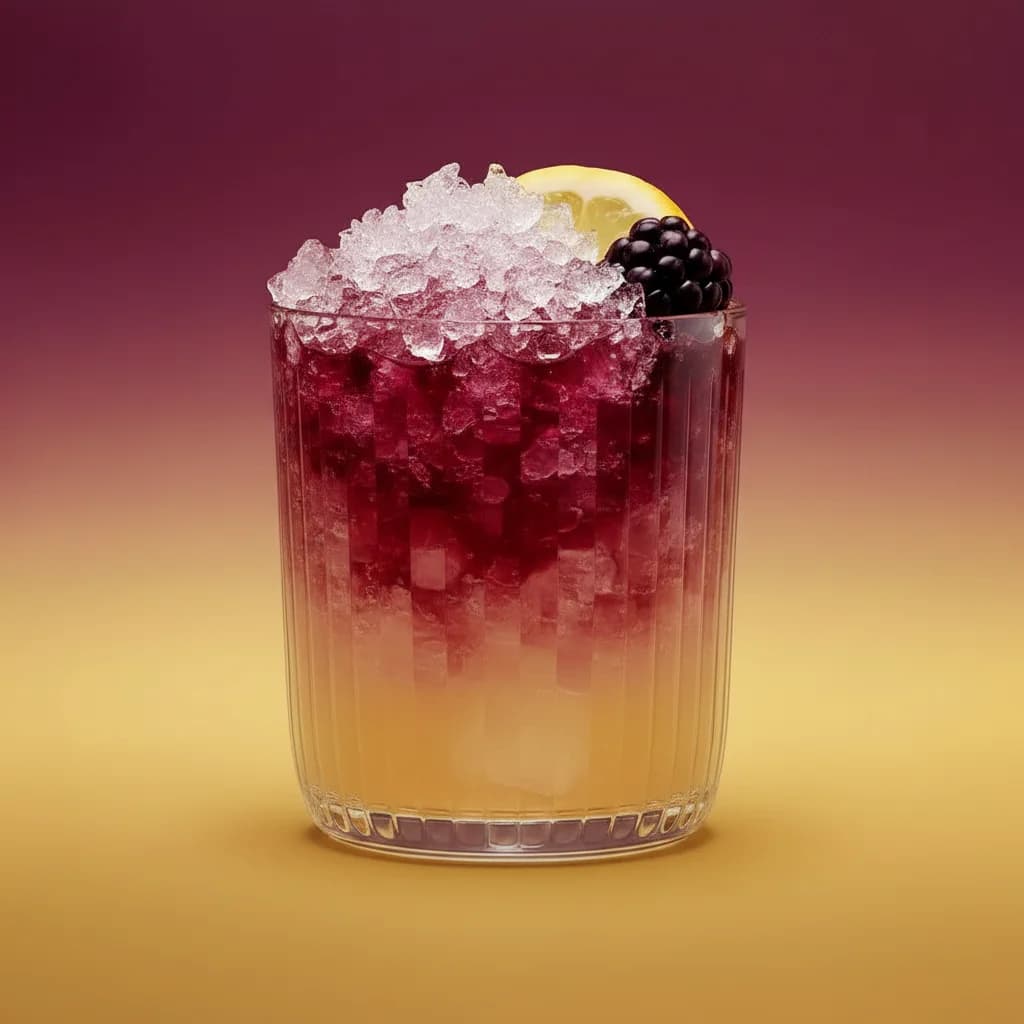
A Swizzles Cocktail churns London dry gin, lime juice, sugar syrup and Angostura bitters over crushed ice until the glass frosts over. Icy and tart, the gin's juniper snap rides over a bright lime edge, with a faint aromatic spice trailing into a cold, refreshing finish.
Ingredients
1
Servings
Garnish
Instructions for 1 serving
- Pre-chill a glass
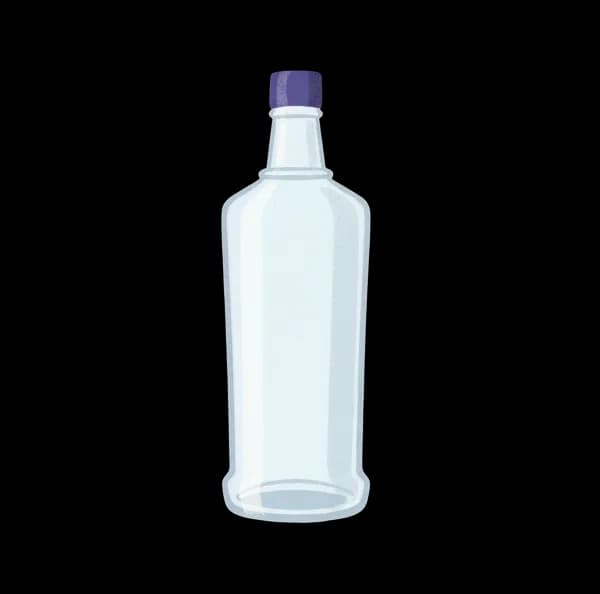
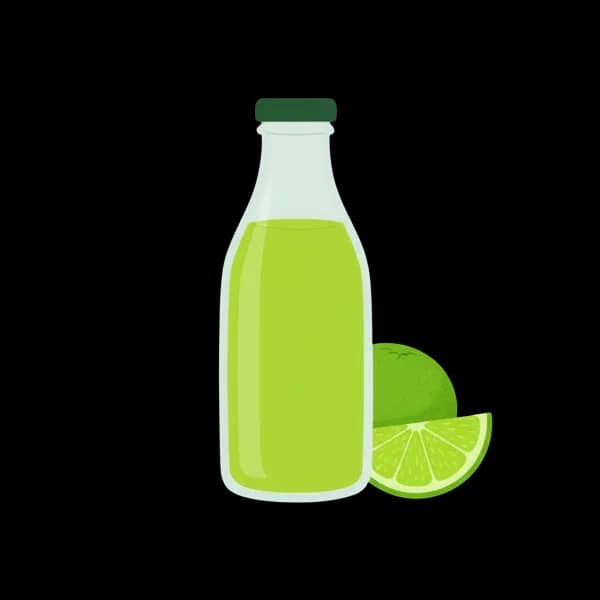
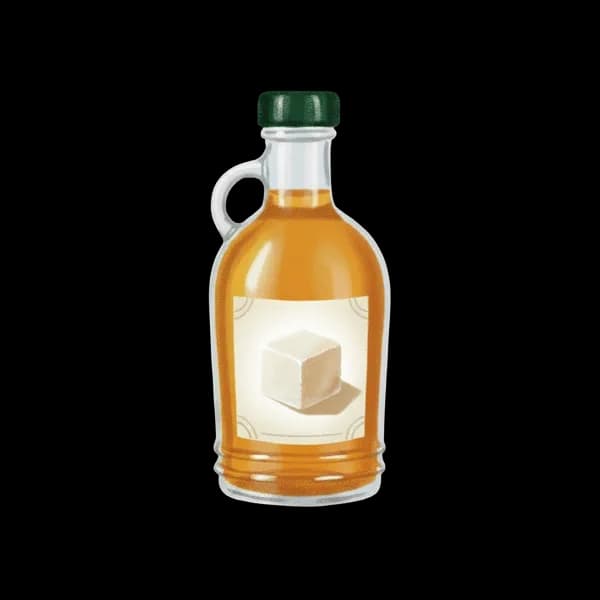
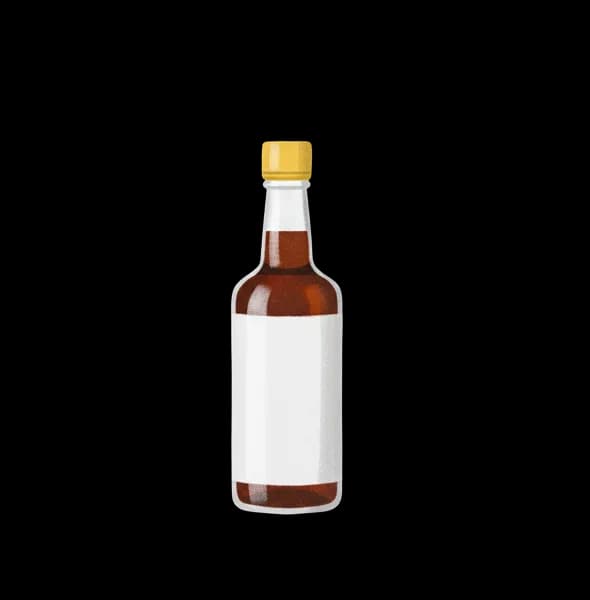
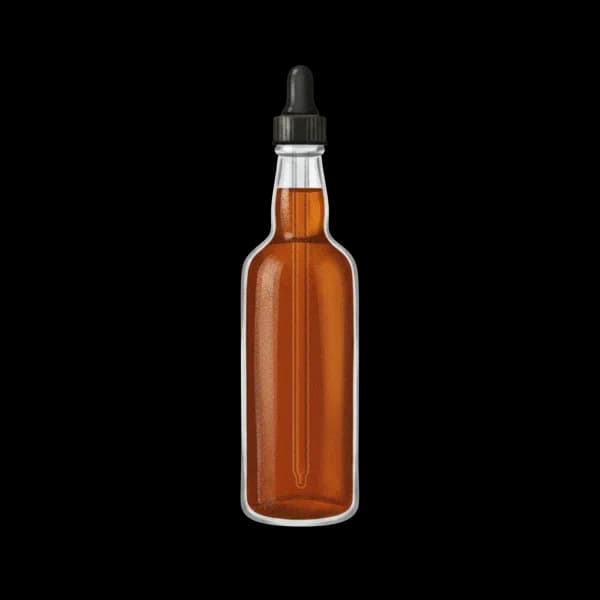
- Pour all ingredients into the chilled glass: London dry gin 60 mlLime juice 30 mlSugar syrup 20 mlAngostura aromatic bitters 1 dash
- Fill the glass 2/3 full with crushed ice
- Swizzle with a swizzle stick (or churn with a bar spoon)
- Add more crushed ice to fill and swizzle some more
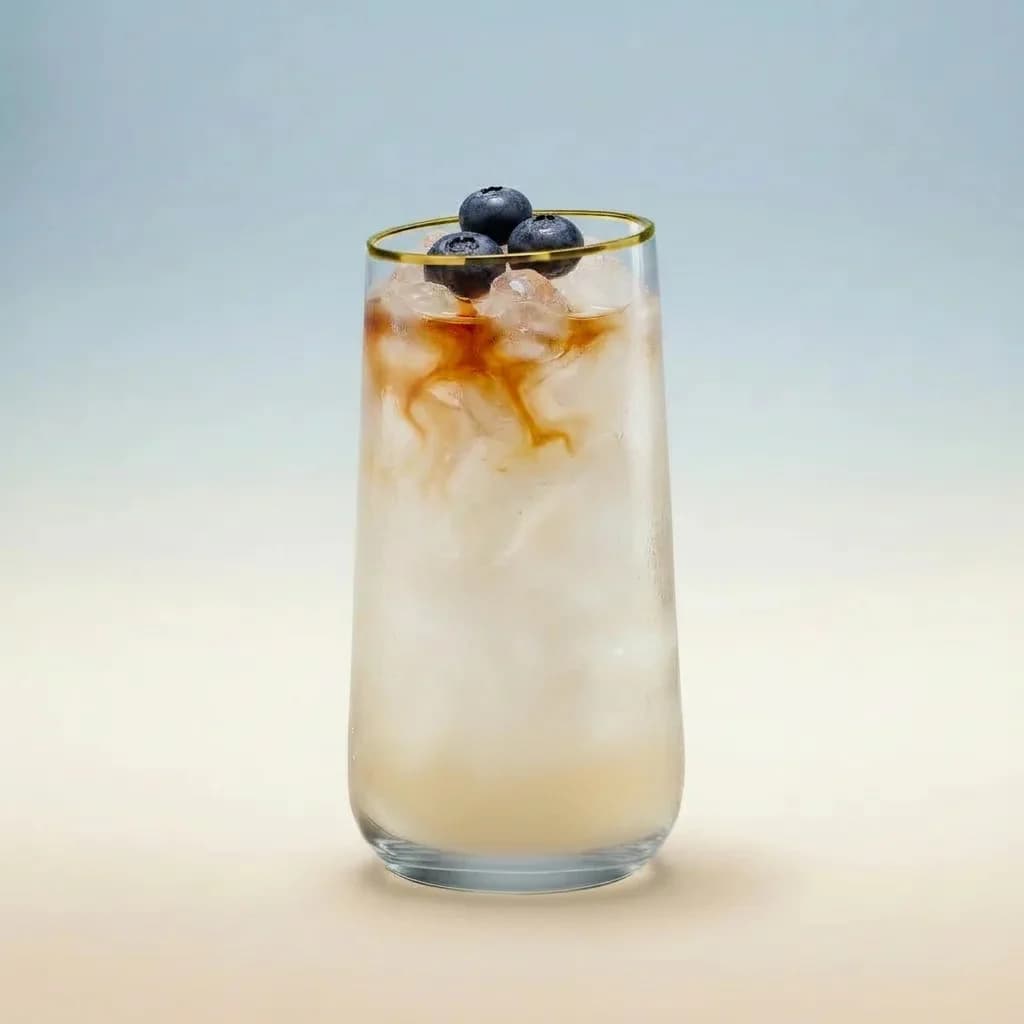
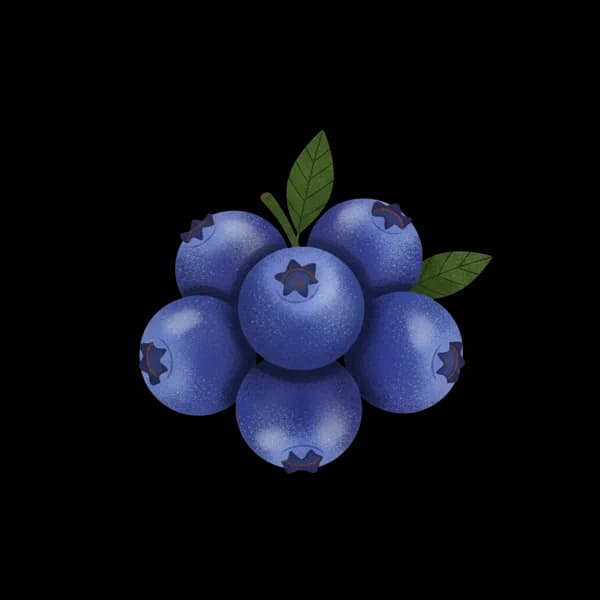
- Garnish with aromatic bitters drops over ice peak and blueberries
History
A swizzle is defined by its method rather than its ingredients: a drink churned in the glass with a forked stick until the outside frosts, a technique that names an entire family of Caribbean drinks rather than one fixed recipe. The word appears in print as early as 1788, in Francis Grose's Classical Dictionary of Vulgar Tongue, and cocktail historian David Wondrich traces the drink itself to simple rum-and-water mixtures in the early 1800s, "cold rum and water, very weak" as one 1833 newspaper account put it. Writers disagree on exactly where it originated: Edward Randolph Emerson's 1909 Beverages, Past and Present credits the island of Saint Kitts, while Frederick Albion Ober's 1920 A Guide to the West Indies, Bermuda and Panama describes the swizzle as the great drink of Barbados ice-houses; Trinidad, Martinique, and Guyana all have their own longstanding claims.
The tool that gives the drink its name, the swizzle stick, was traditionally a forked twig snapped from the Quararibea turbinata, a Caribbean tree also called the swizzlestick tree, rolled briskly between the palms to chill and aerate the mixture. The style only became elaborate once ice-houses reached the Caribbean in the 1860s, when bartenders began adding lime, sugar, and bitters to what had been plain diluted rum, giving rise to famous regional versions such as the Green Swizzle and the Queen's Park Swizzle. Because the name describes the churning method rather than a specific spirit, later bartenders extended it well beyond rum, applying the same technique to gin, whisky, and other base spirits.
FAQ
What is in a Swizzles Cocktail?
London dry gin, fresh lime juice, sugar syrup, and a dash of Angostura aromatic bitters, packed with crushed ice and swizzled until frosted. It is served in a highball glass and garnished with aromatic bitters drops over the ice peak and a few blueberries.
What makes a cocktail a swizzle?
A swizzle is defined by its technique, not its ingredients: the drink is built over crushed ice in the glass and churned rapidly with a swizzle stick, or a bar spoon, until frost forms on the outside. This rapid churning aerates the drink and chills it hard while the crushed ice slowly melts to add dilution, rather than diluting it upfront the way shaking or stirring does.
Why swizzle a cocktail instead of shaking or stirring it?
Swizzling chills and dilutes the drink gradually as the crushed ice melts in the glass, keeping it colder for longer than a shaken or stirred drink served over larger cubes. The technique also frosts the outside of the glass and keeps the drink lightly aerated without fully diluting it the way a hard shake would.
How does a Swizzle differ from a Mojito?
A Mojito is built with muddled mint and topped with soda water, while this Swizzle uses no mint or soda, combining gin, lime, sugar syrup, and Angostura bitters and packing the glass with crushed ice that gets churned rather than stirred. Both are refreshing, ice-forward drinks, but the swizzling technique and the absence of carbonation set this one apart.