White Rob Roy
A sweet and bitter whiskey cocktail ∙ Stir ∙ 3 min ∙ 26.7% ABV ∙
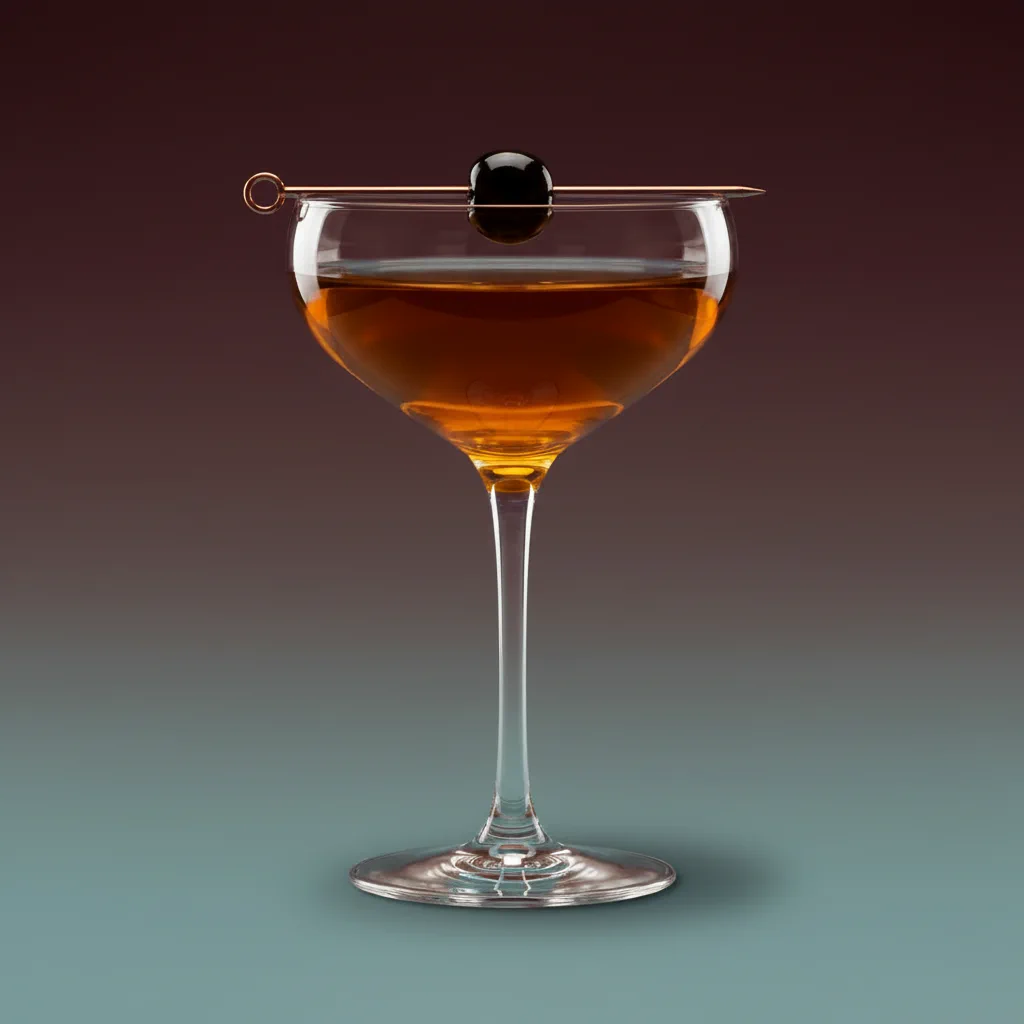
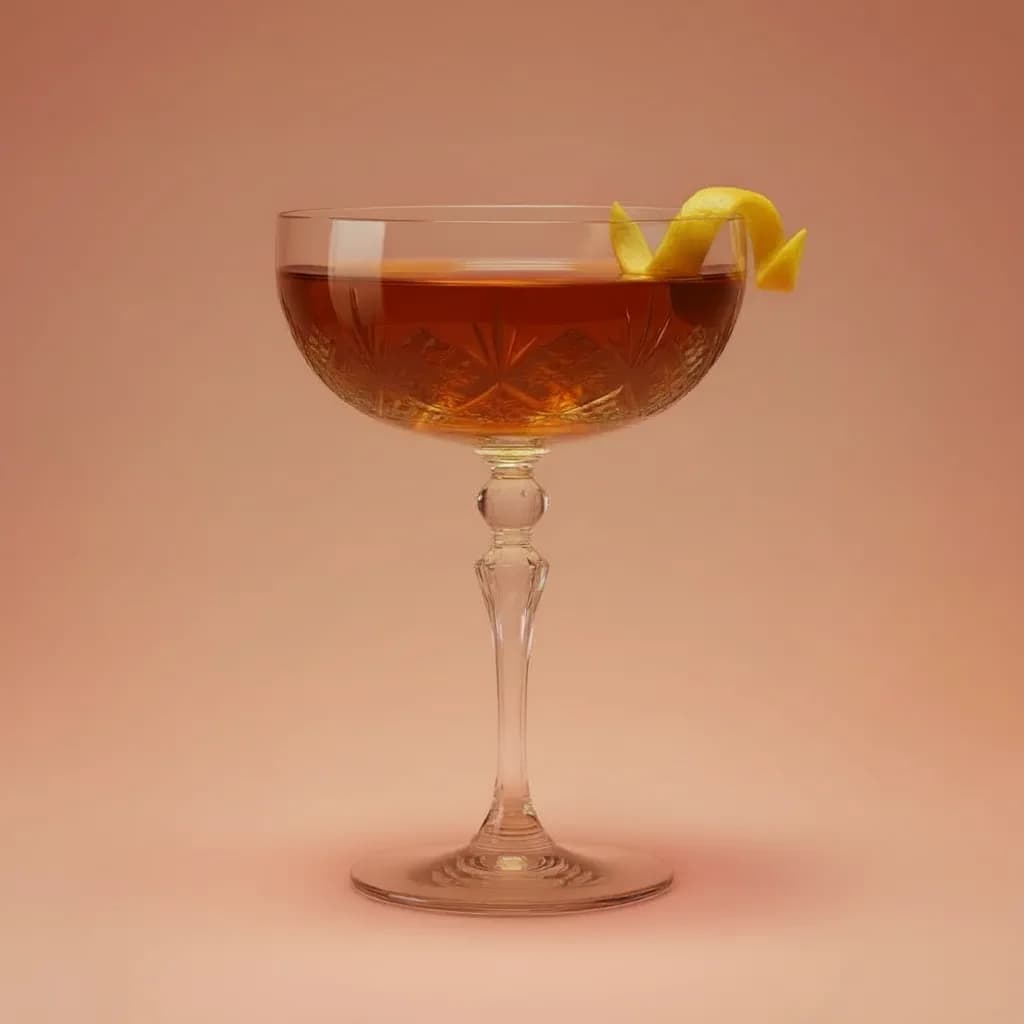
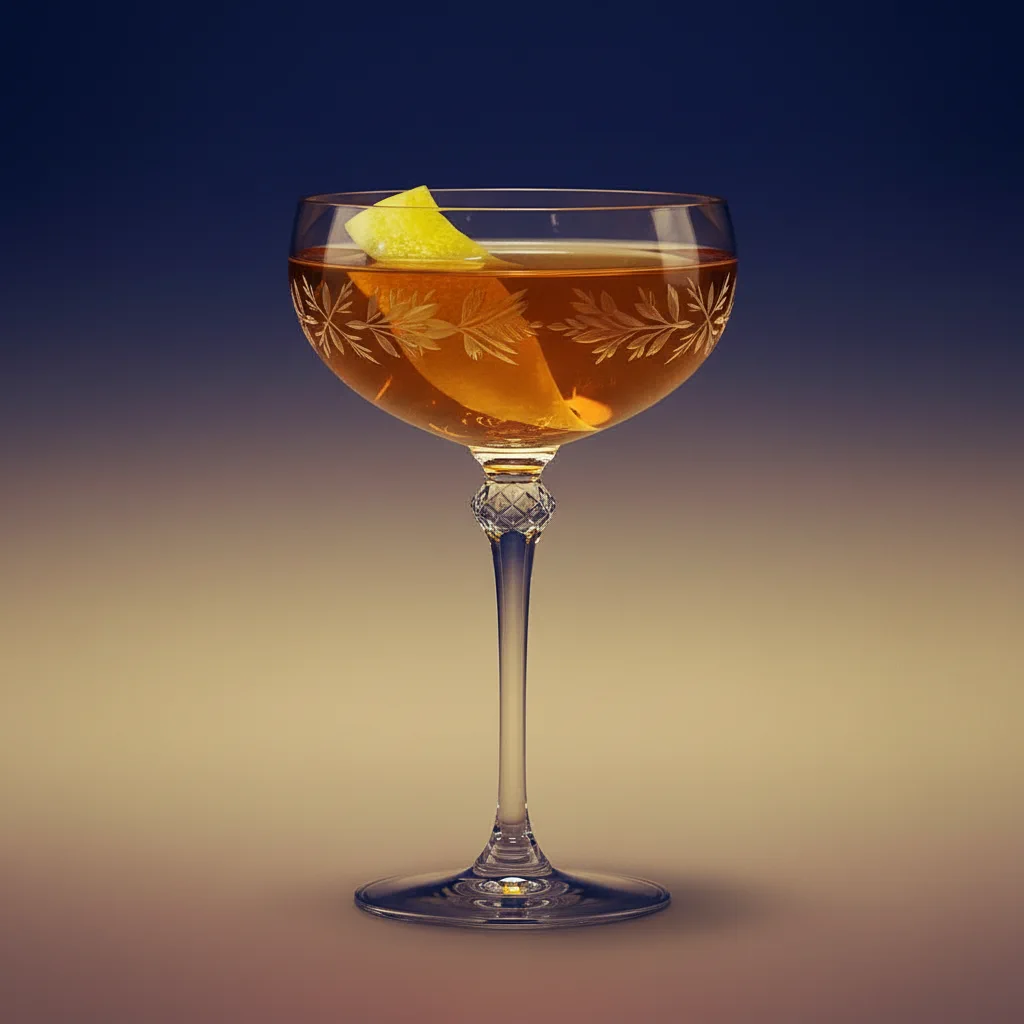
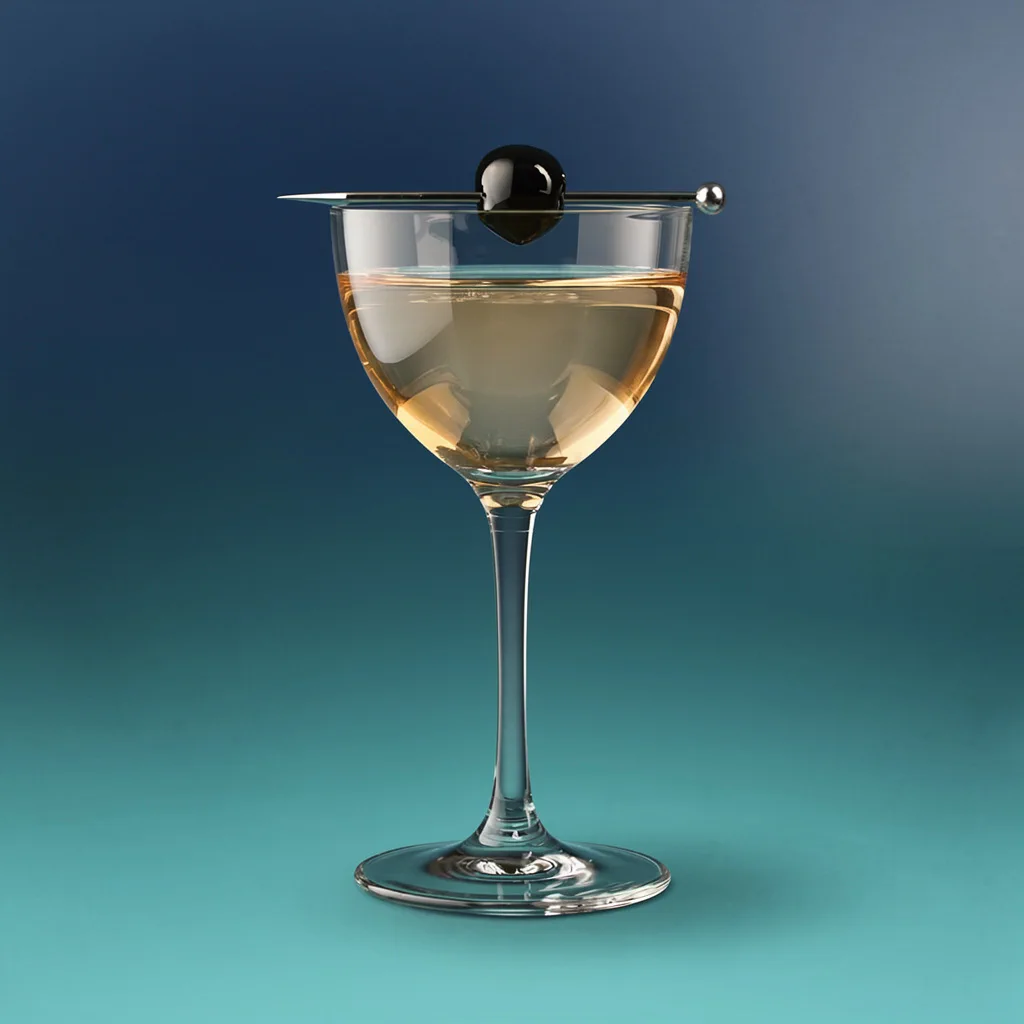
The White Rob Roy swaps the Rob Roy's sweet vermouth for Bianco, stirring it with Scotch whisky and a dash of Creole-style bitters. Silky and cool from the stir, honeyed and floral on the tongue, a trace of anise fading into a dry, lingering finish.
Ingredients
1
Servings
Garnish

Instructions for 1 serving
- Pre-chill a glass
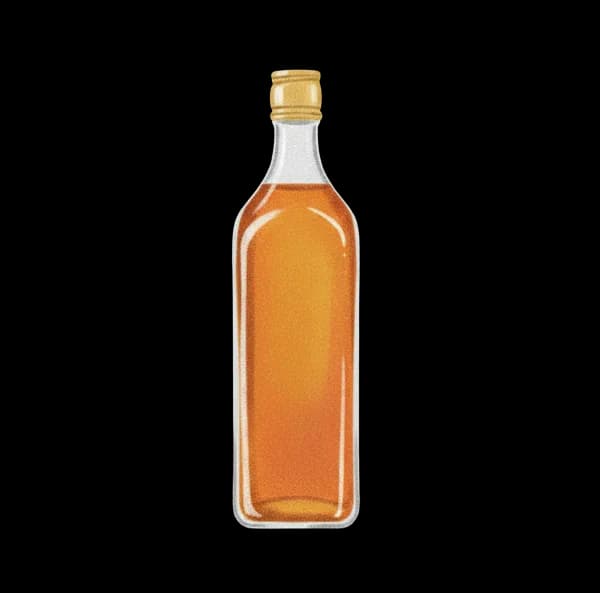
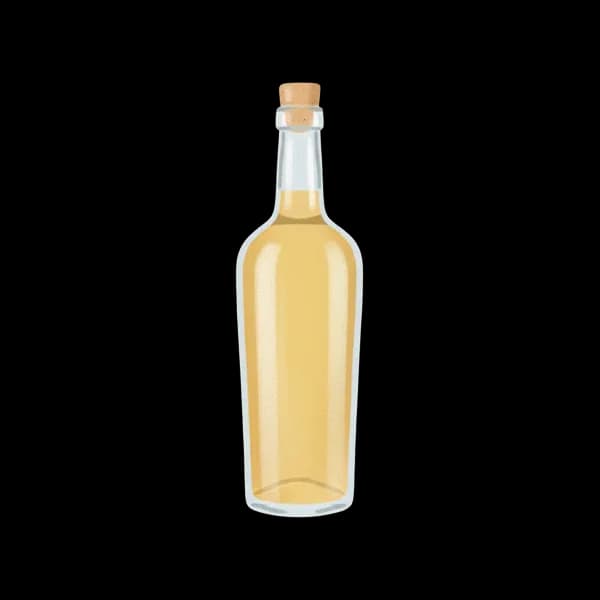
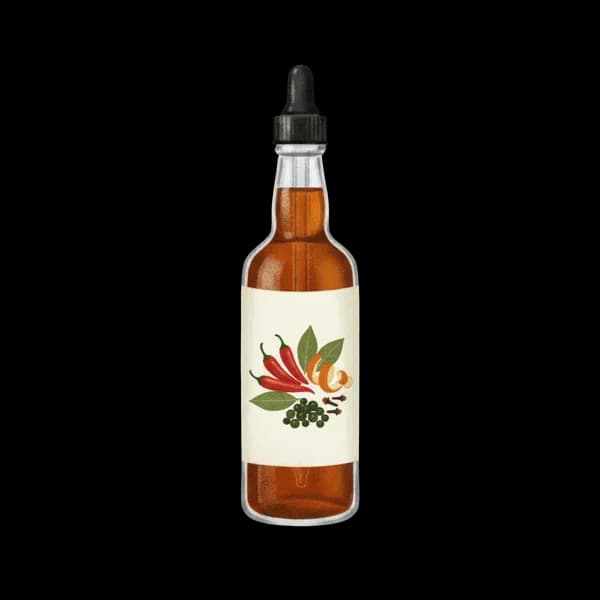
- Stir all ingredients with ice: Blended Scotch whisky 50 mlBianco vermouth 30 mlCreole-style bitters 1 dash
- Strain into the chilled coupe glass
- Garnish with a lemon twist
Tips
- Stir over ice until the glass frosts, about 20-30 seconds, so the Scotch dilutes without turning watery.
History
The White Rob Roy is a modern, lighter-colored take on the Rob Roy, adapted from a Rob Roy en Blanc created in 2021 by Howard Sundwall, known online as the Discerning Drinker. It follows the same swap that defines other "white" cocktail riffs of recent years: keeping the base spirit but replacing the sweet red vermouth with a bianco (blanc) vermouth, yielding a paler, drier drink alongside Creole-style bitters in place of the standard aromatic bitters.
The Rob Roy itself is a Scotch whisky cocktail created in 1894 by a bartender at the Waldorf Astoria in New York City, named for the operetta Rob Roy by Reginald De Koven and Harry B. Smith, which premiered the same year and was loosely based on the Scottish folk hero Rob Roy MacGregor. It is essentially a Manhattan made with Scotch instead of rye or bourbon, and its precise origin story has since been challenged and elaborated on by cocktail historians, with earlier and rival claimants also documented.
FAQ
What are the ingredients of a White Rob Roy?
Blended Scotch whisky, Bianco vermouth, and a dash of Creole-style bitters such as Peychaud's, stirred with ice and strained into a chilled coupe with a lemon twist. A standard Rob Roy is usually made with sweet vermouth instead of Bianco, giving a darker, sweeter profile than this version.
What is the difference between a Rob Roy and a Manhattan?
A Rob Roy uses Scotch whisky as its base, while a Manhattan uses rye or bourbon; both are otherwise built from vermouth and bitters, stirred and strained up. The Scotch gives the Rob Roy a smokier, maltier character than the spicier, grain-forward Manhattan.
What kind of liquor is in a Rob Roy?
Blended Scotch whisky is the base liquor, rounded out with a touch of vermouth.
What are some variations on the Rob Roy?
Common variations change the vermouth: a dry Rob Roy uses dry vermouth for a crisper, less sweet drink, while this White Rob Roy uses Bianco vermouth for a lighter, floral-sweet profile instead of the classic's sweet vermouth.