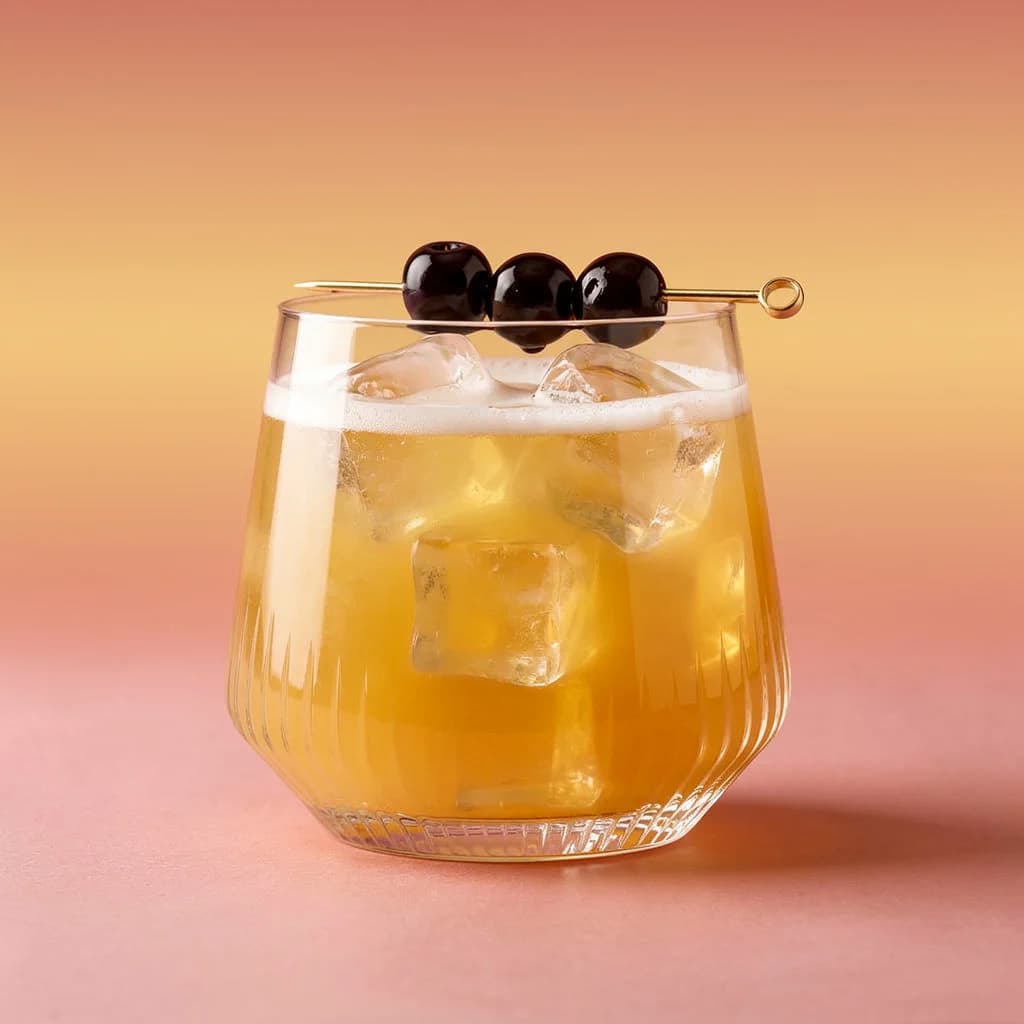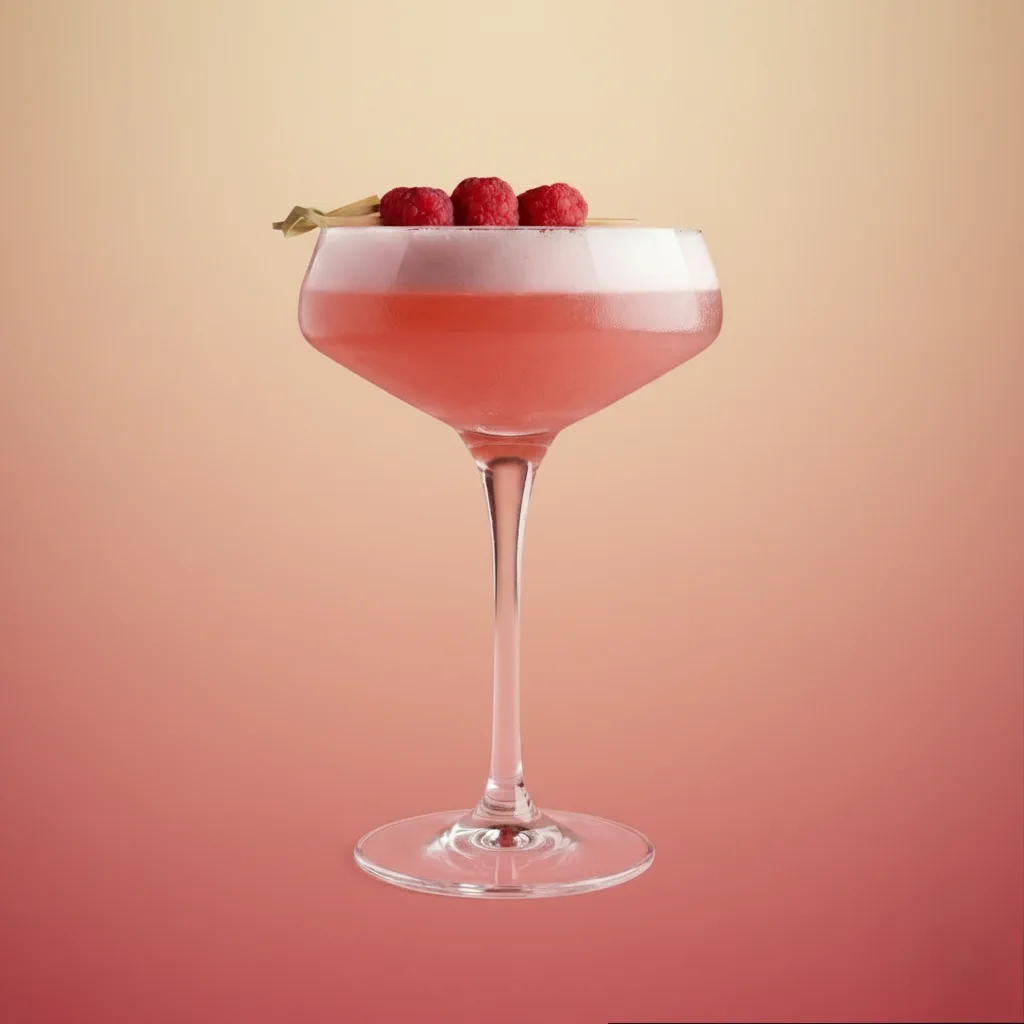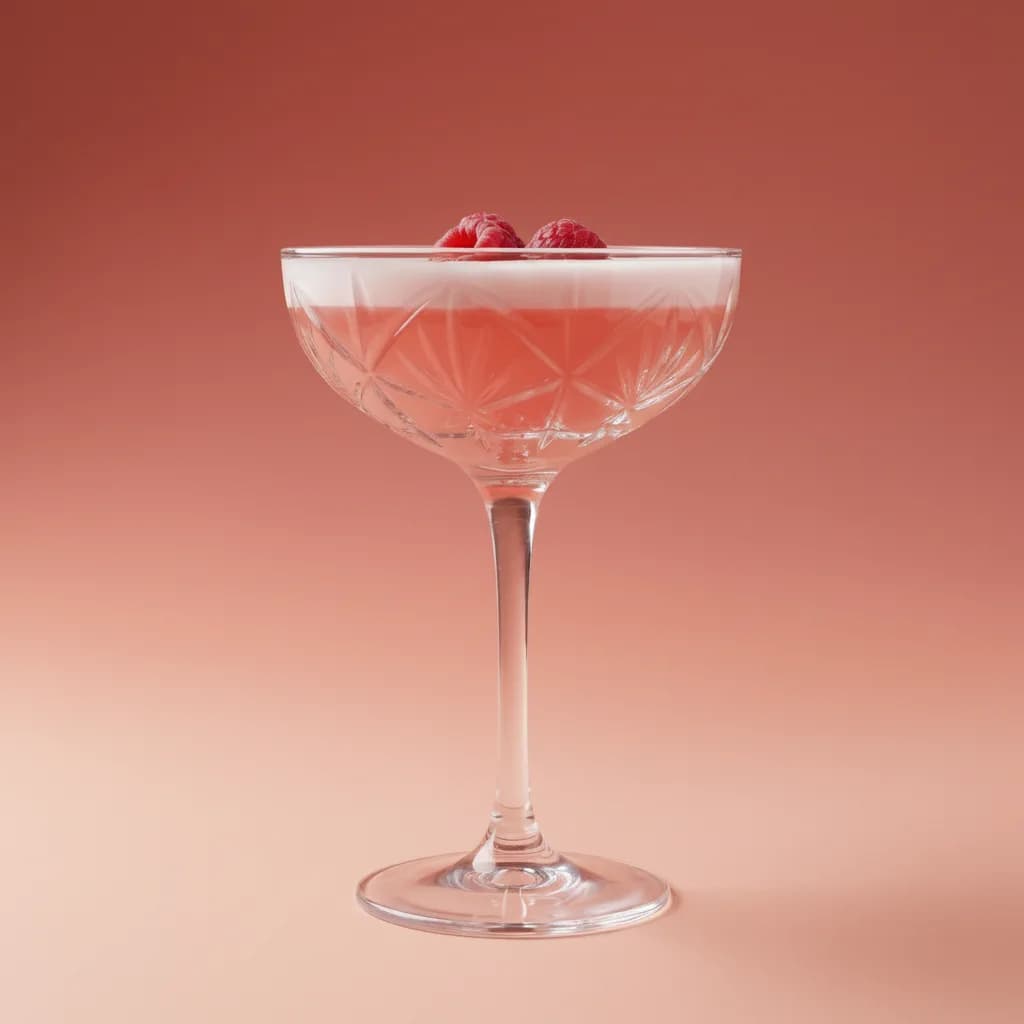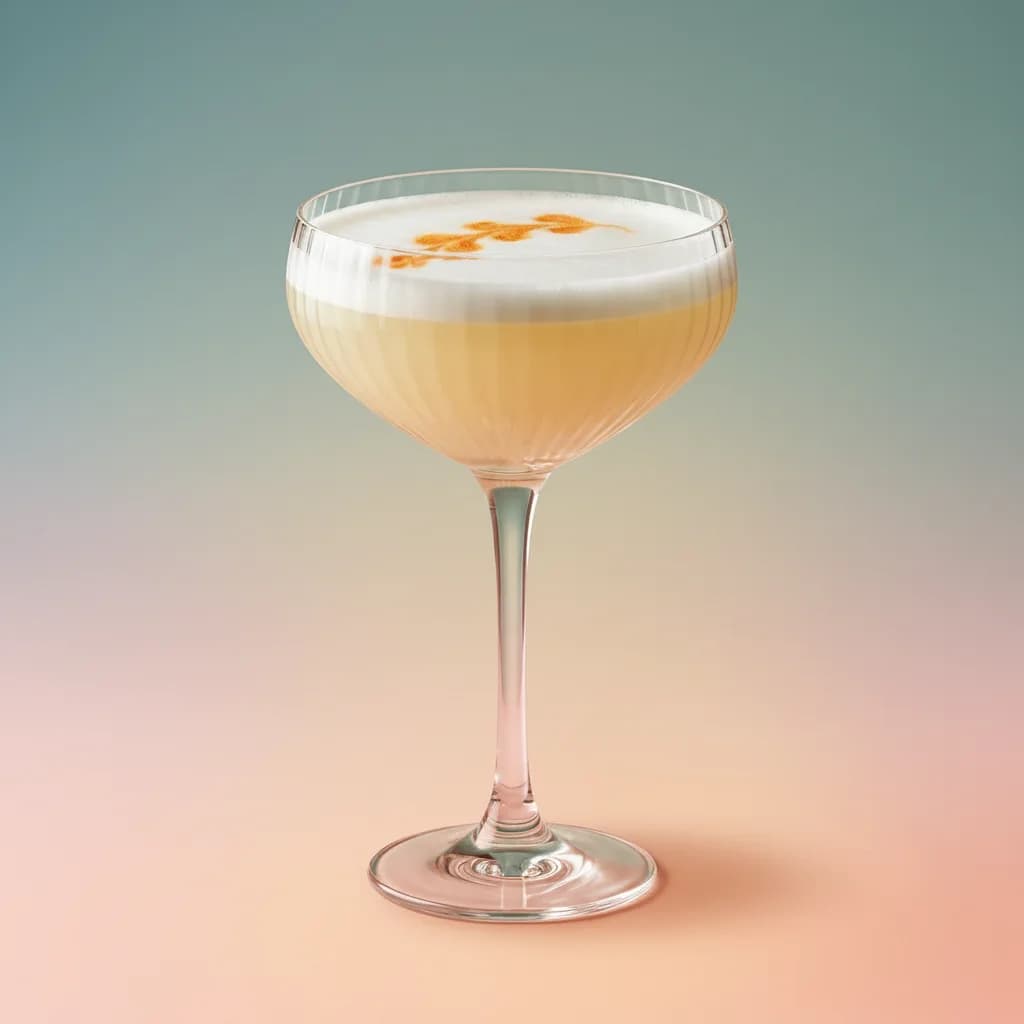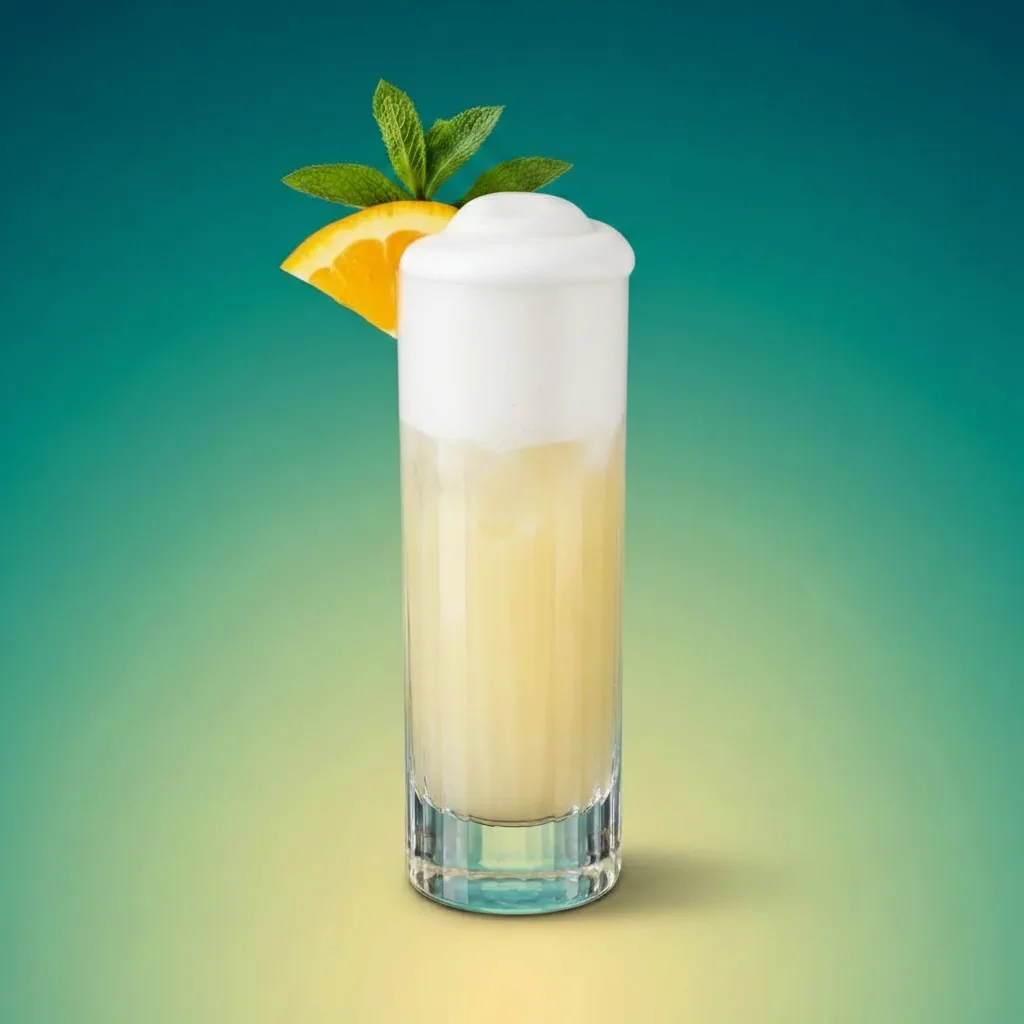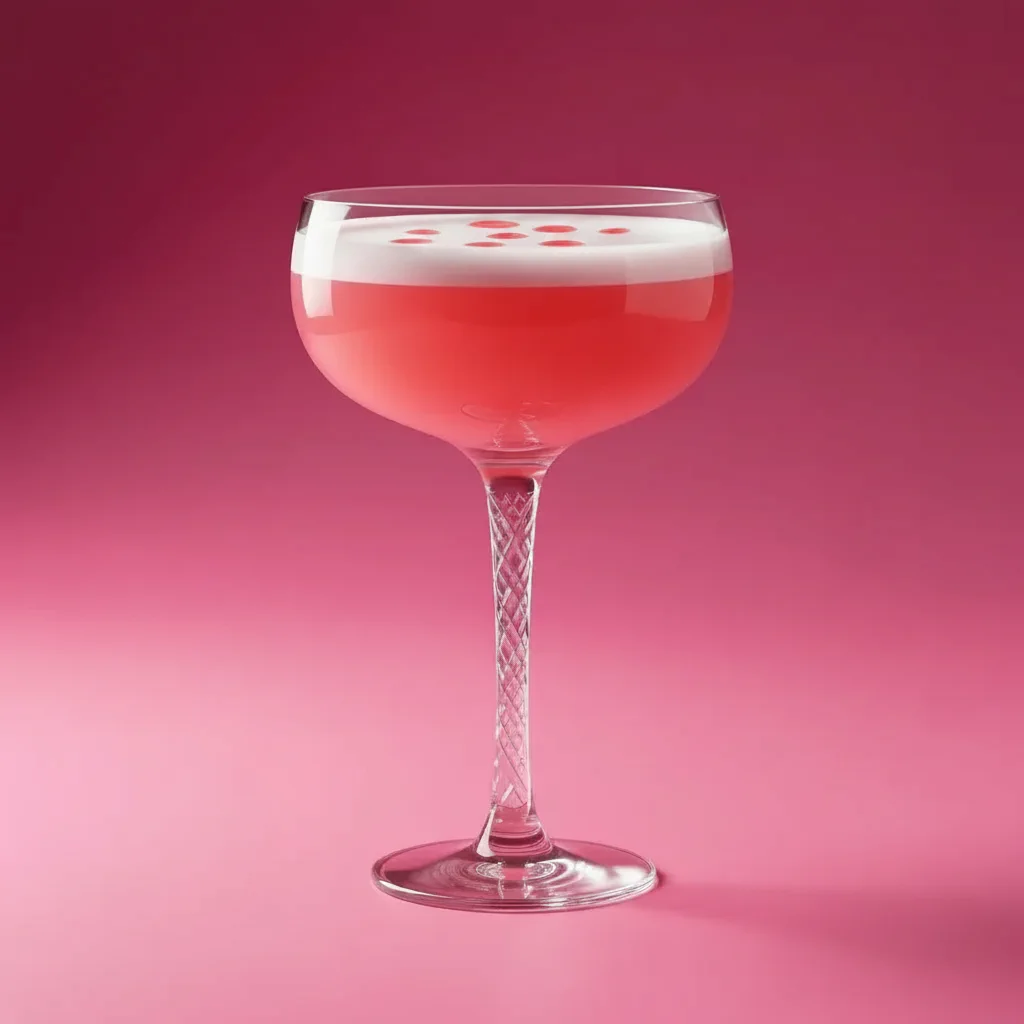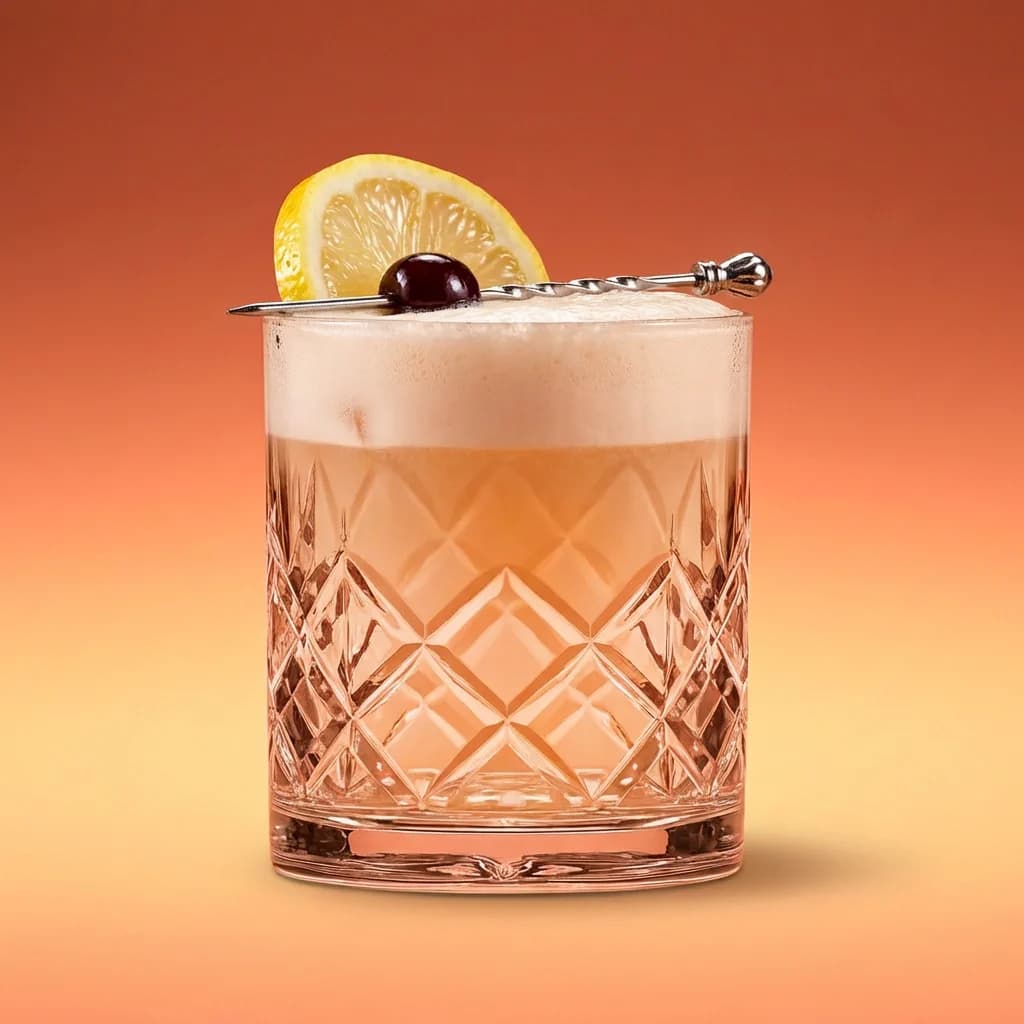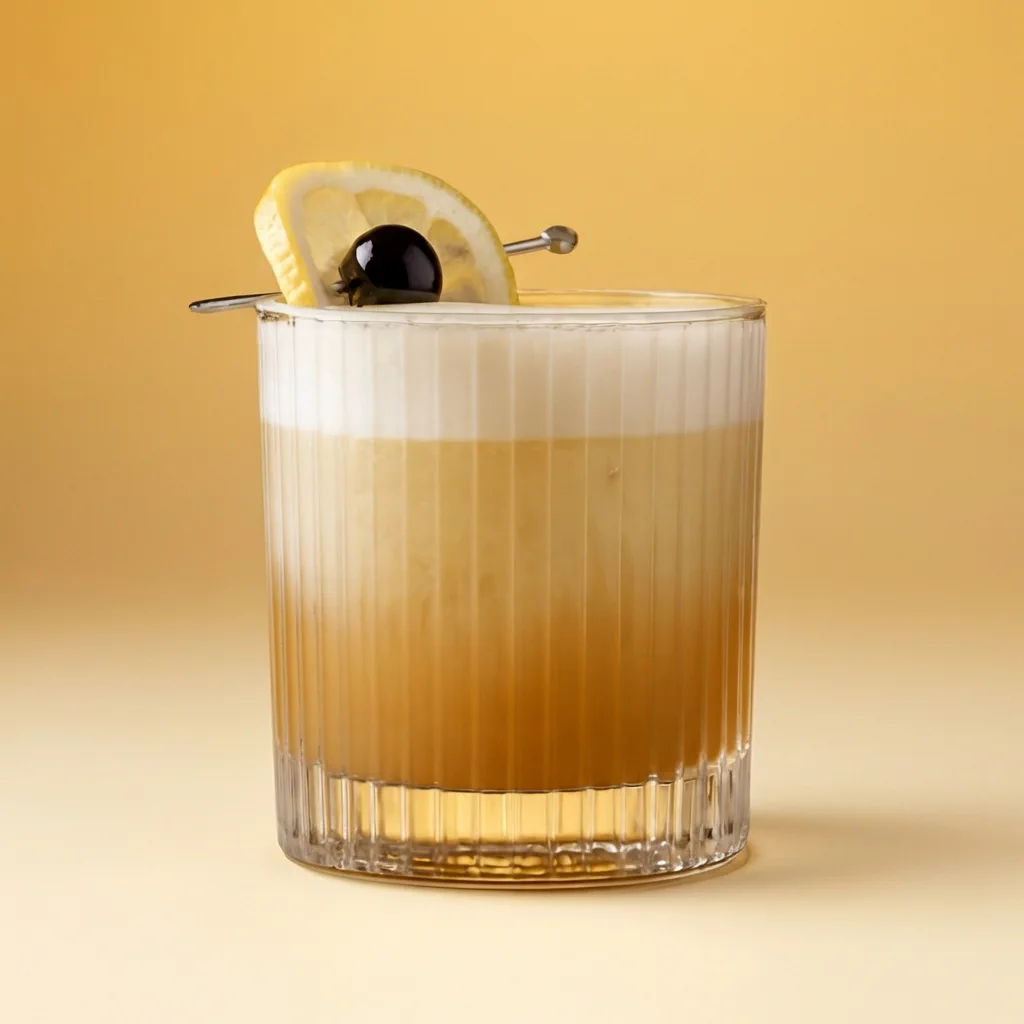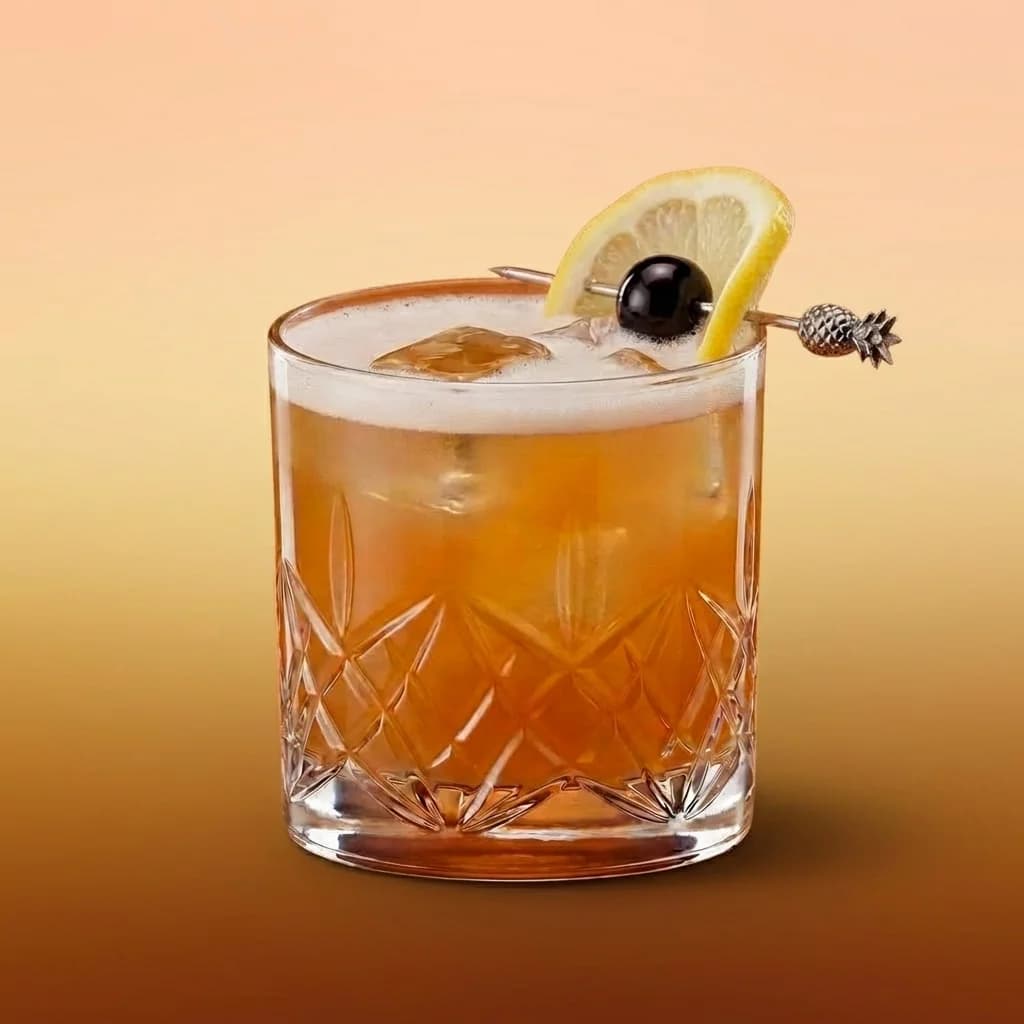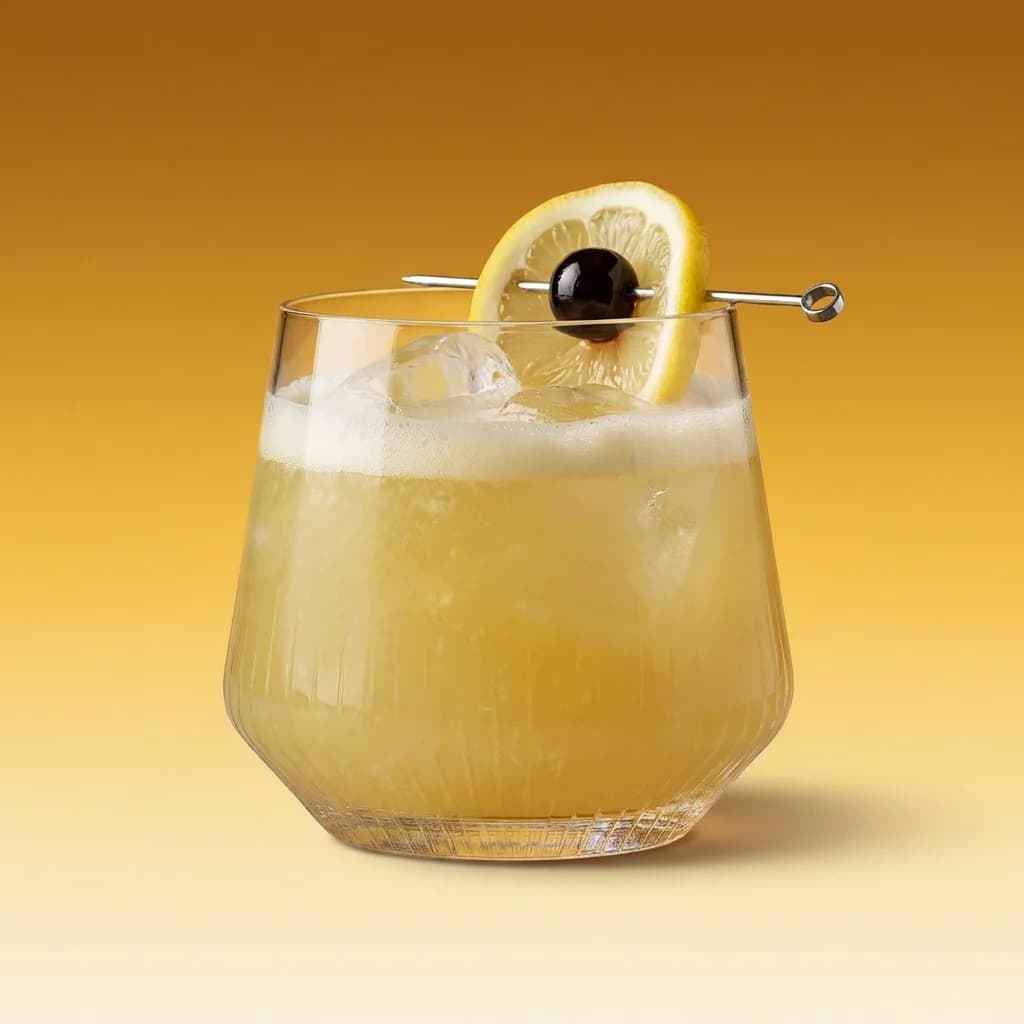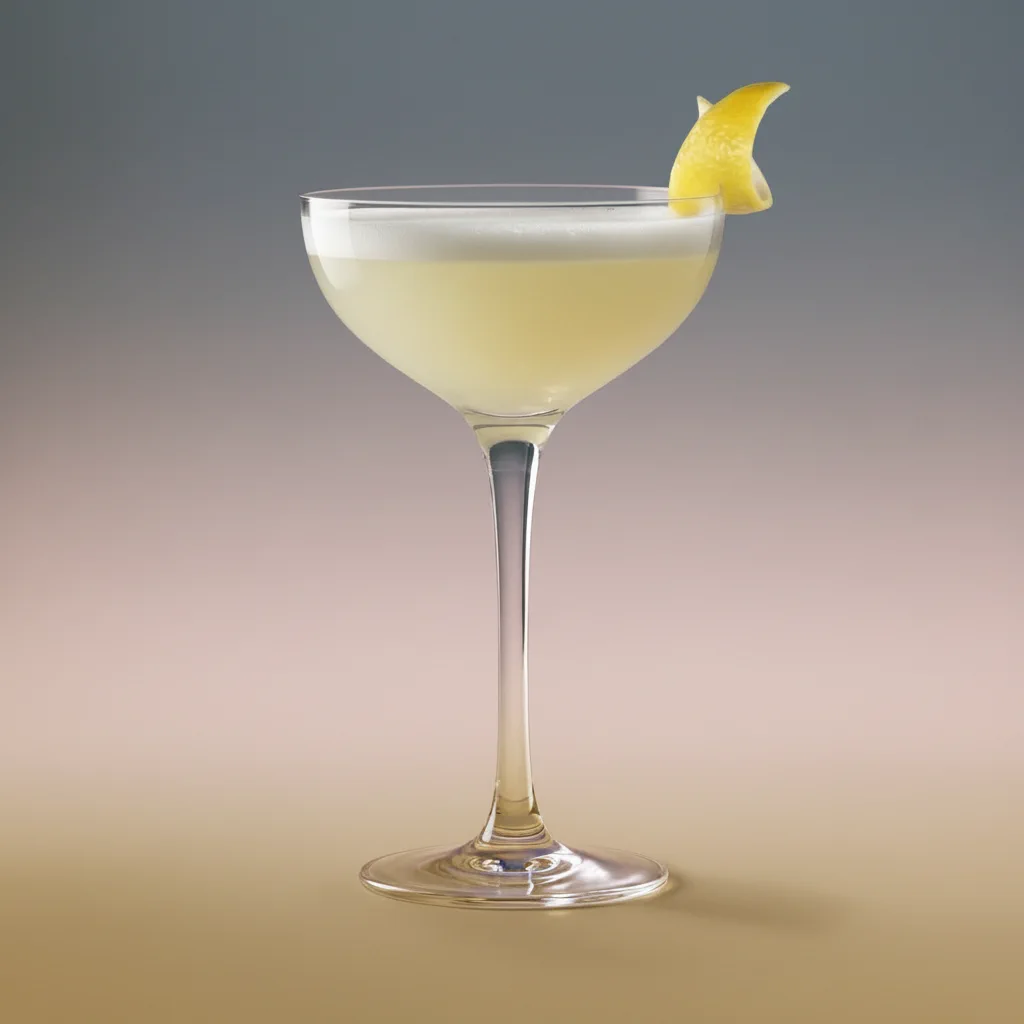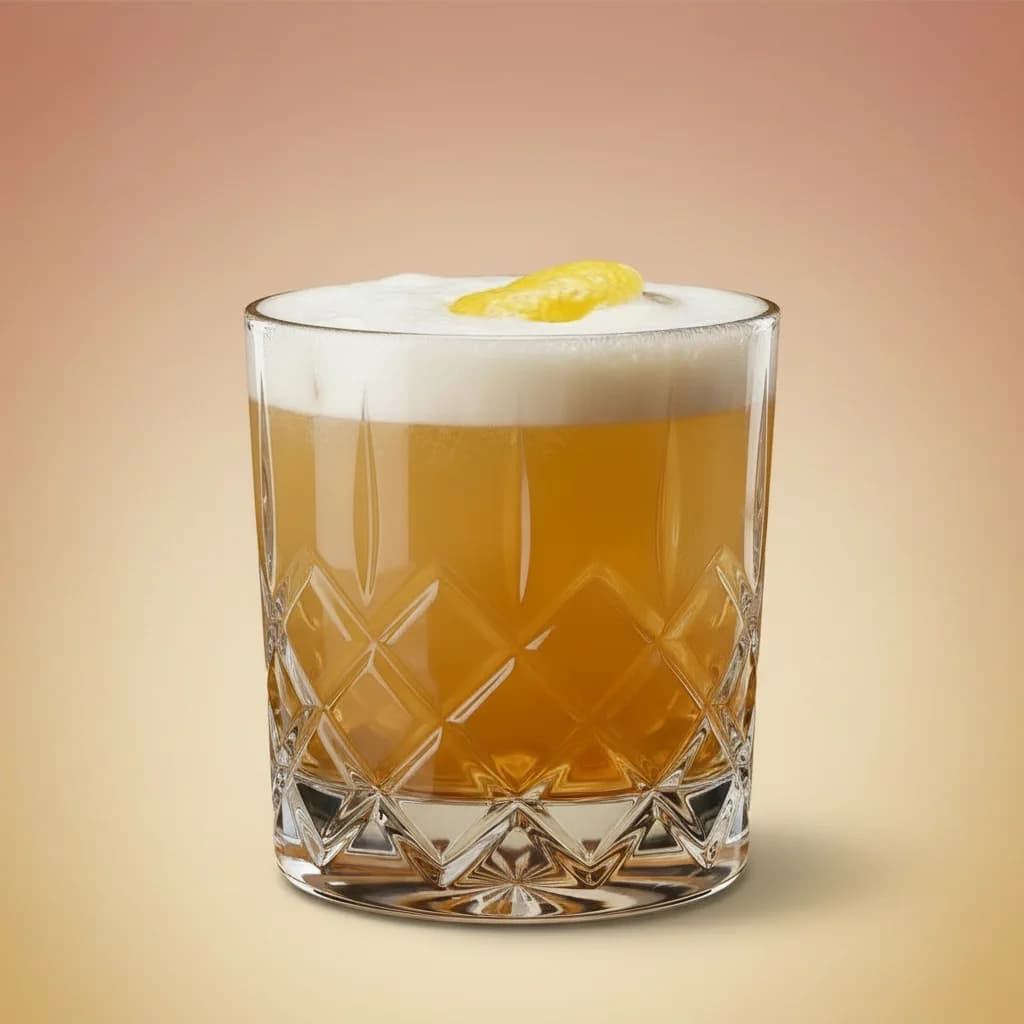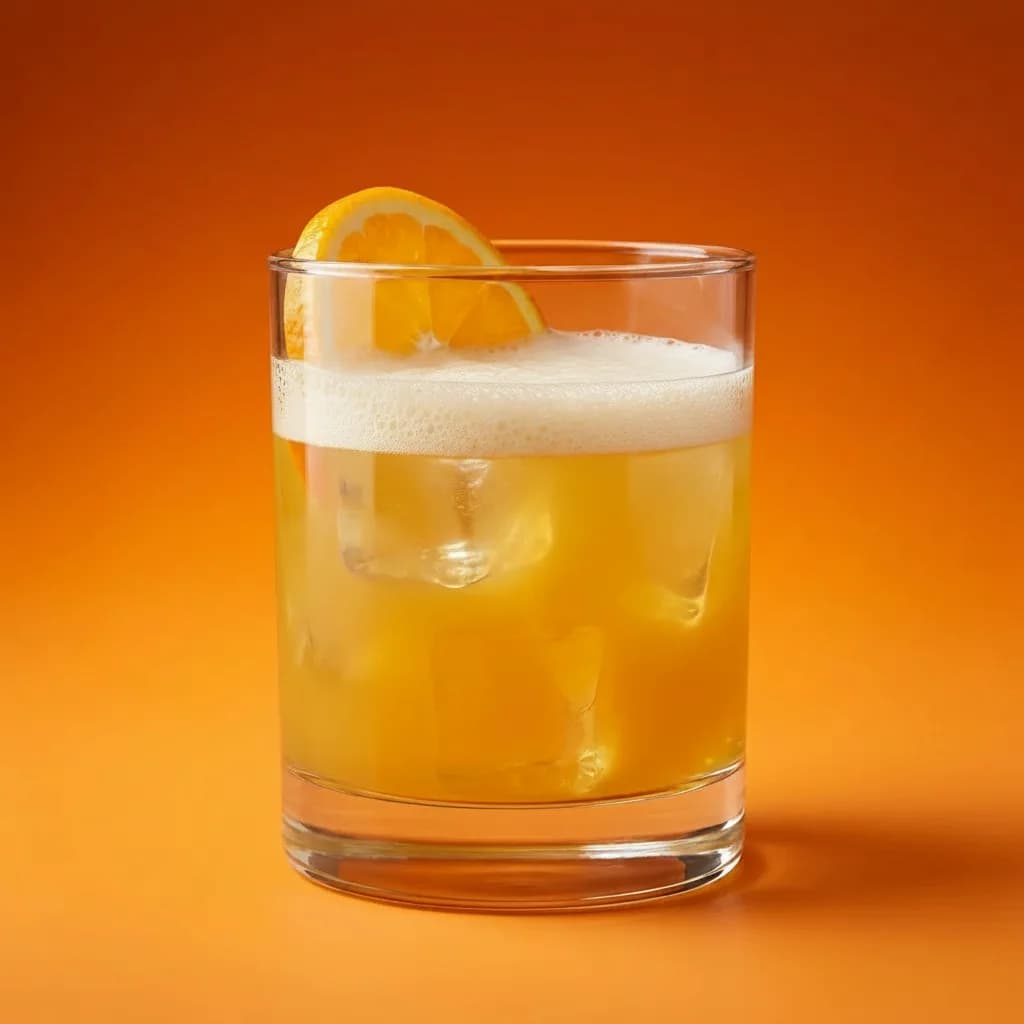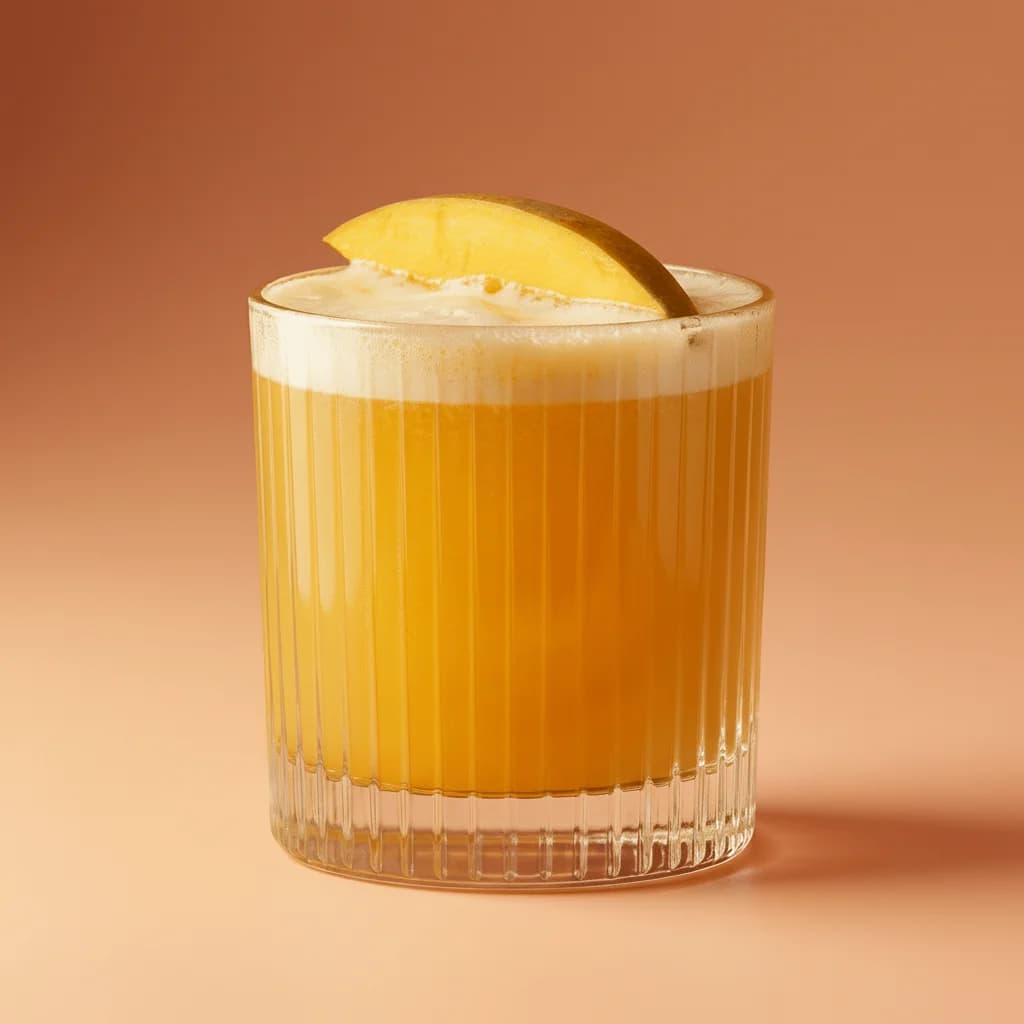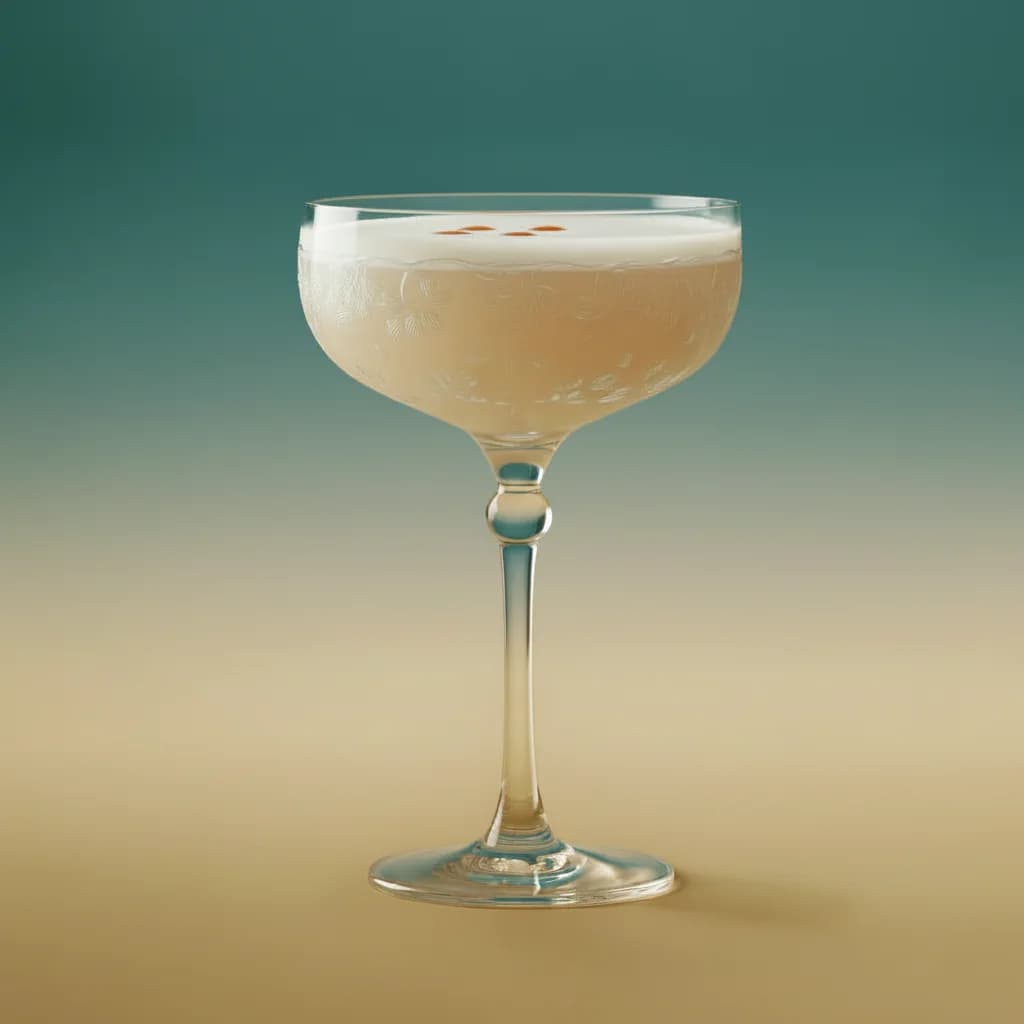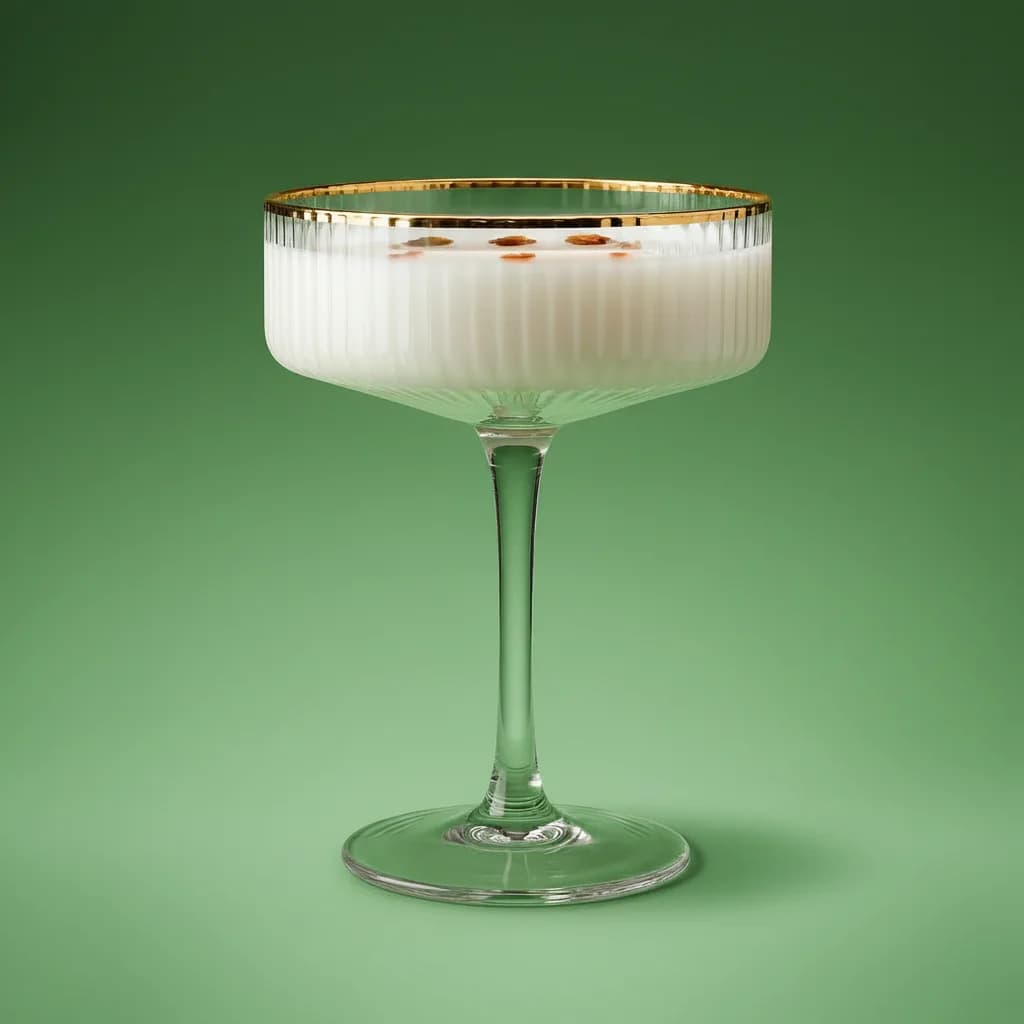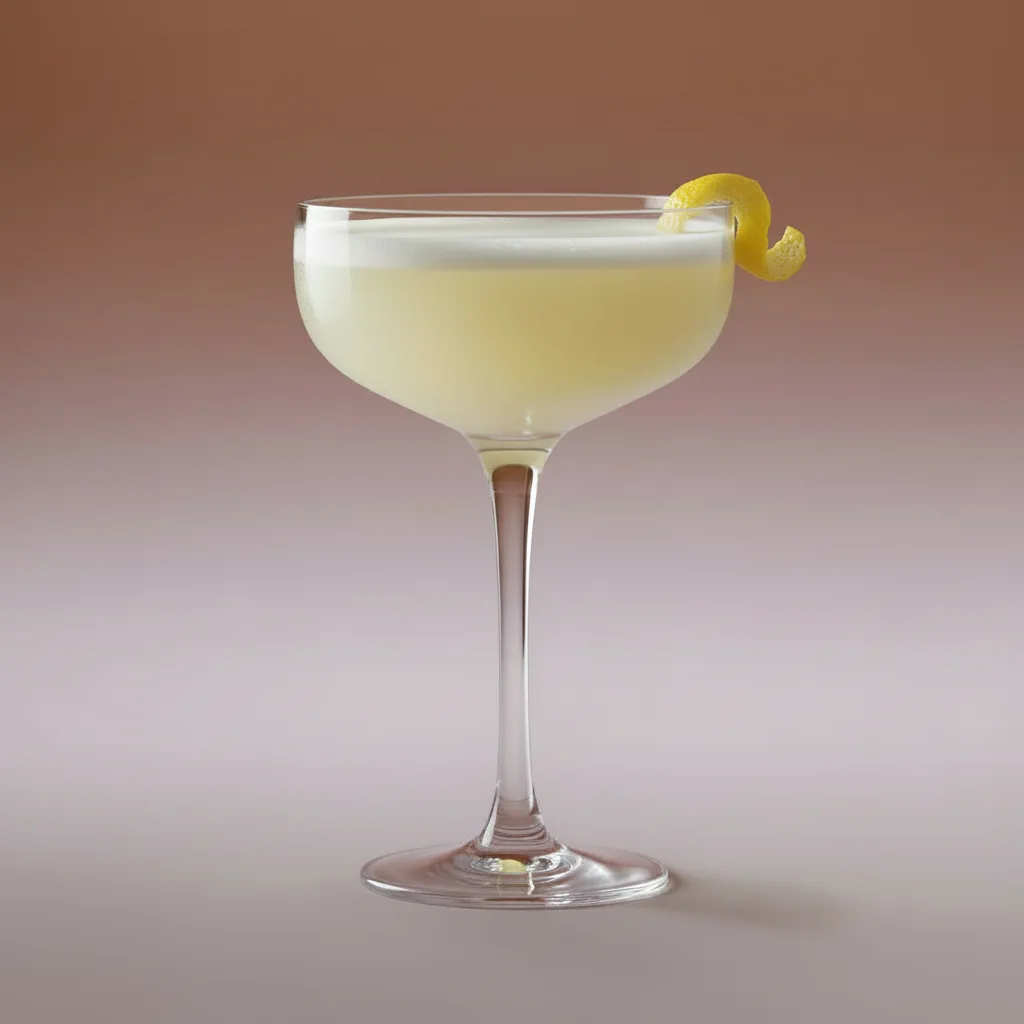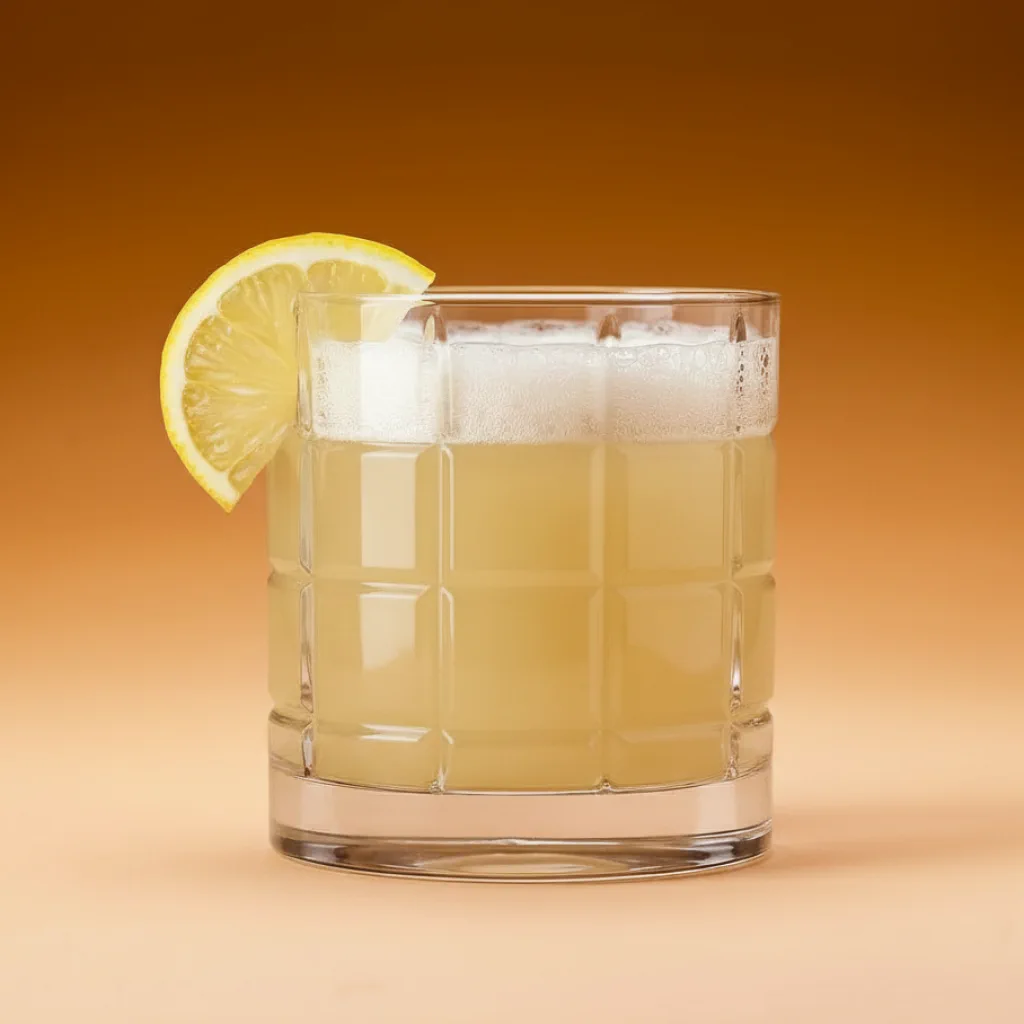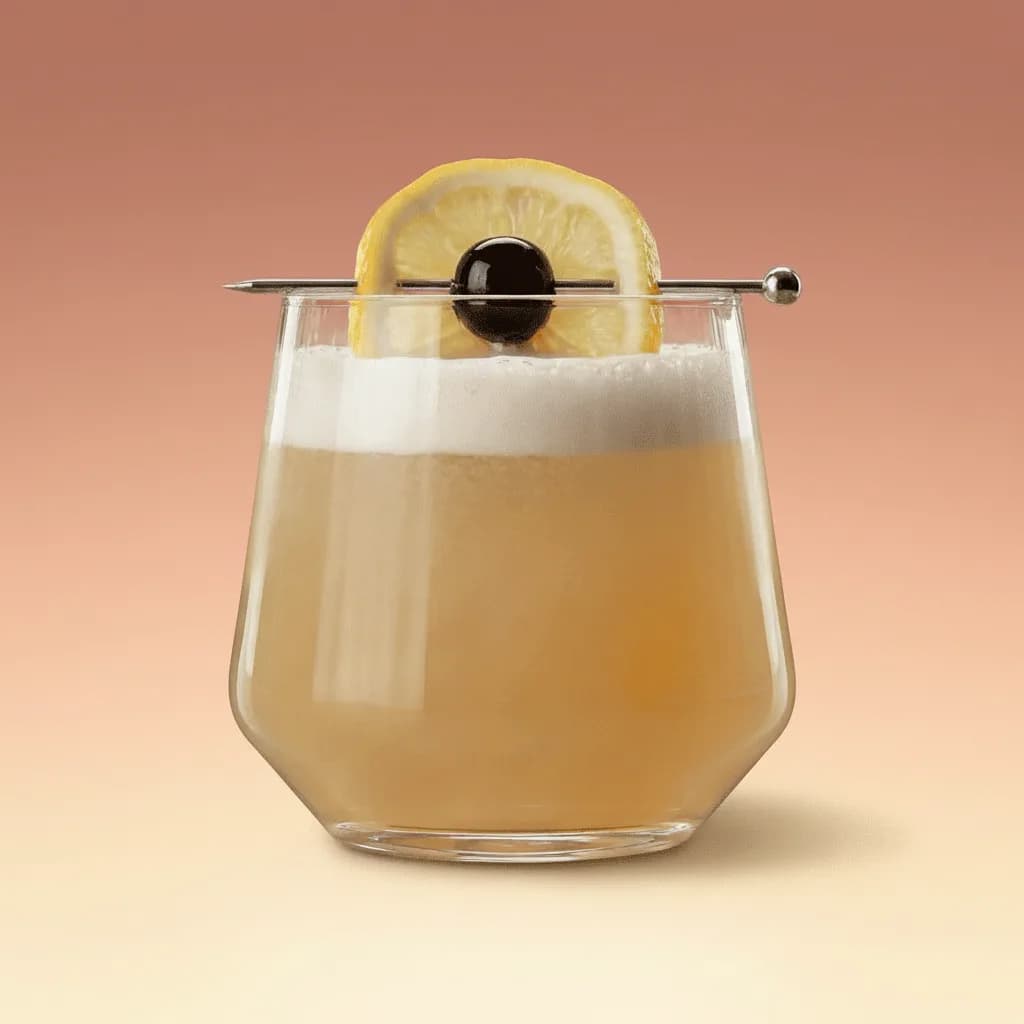
Cocktails with Egg white
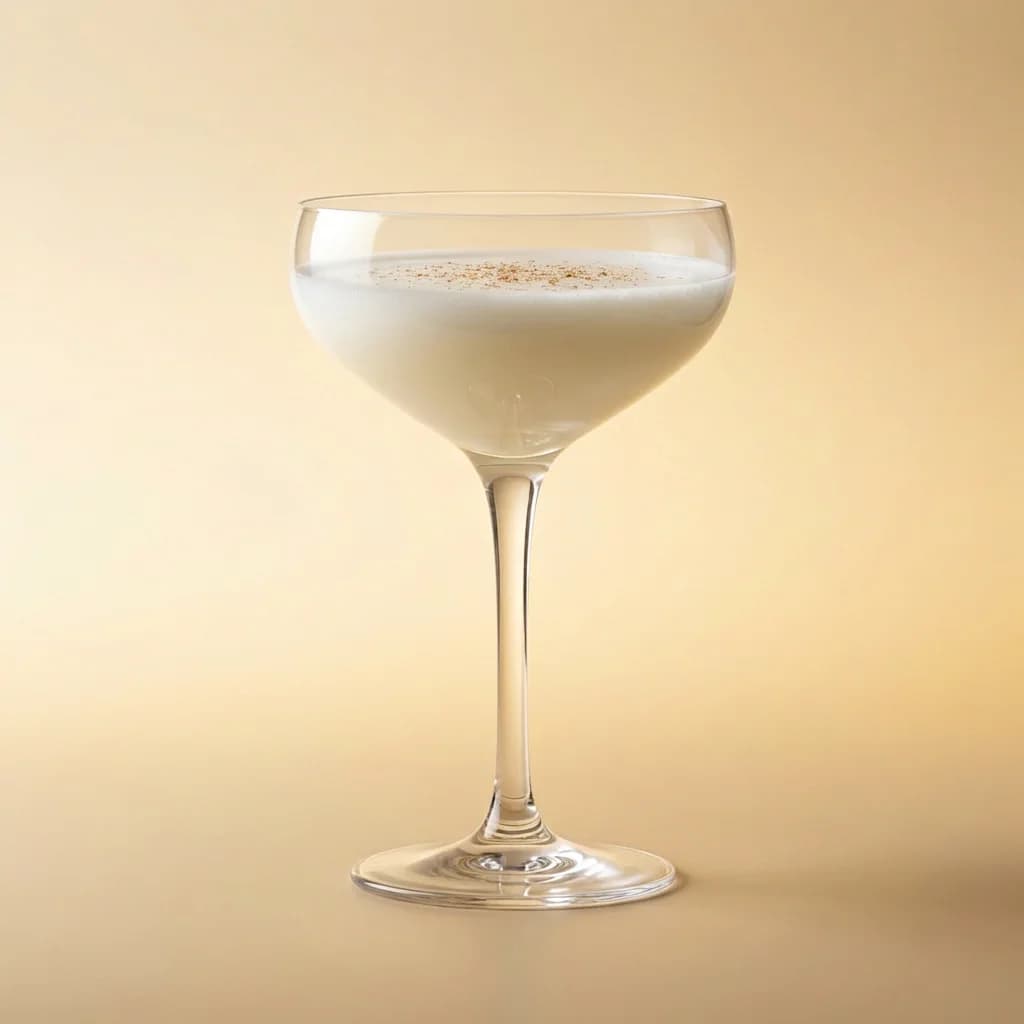
Egg white is the clear liquid protein (albumen) surrounding the yolk, used in cocktails purely to build foam and texture.
How it's used
One white is about 30 ml and gives a sour its foam and a silkier body. Dry-shake without ice first so the protein can build, then shake again with ice to chill and dilute; doing it in one go with ice gives a thin, bubbly head that collapses. Fat kills foam, so a shaker with cream residue in it will not produce one. A few drops of citrus help the foam set.
Substitutes for Egg white
Pasteurized egg white from a carton works almost like fresh, in the same amount (about 30 ml, 1 oz, per white); shake the carton first. Aquafaba, the liquid from a can of chickpeas, also goes in one for one. It foams about as well, but the head fades sooner. A commercial foamer builds a head in a few dashes or drops; follow the label. You can also leave the white out: the drink tastes much the same but feels thinner, with no foam.
Aquafaba
The cooking liquid of chickpeas. It suits vegans and anyone avoiding eggs, though it can carry a faint beany smell.
Foaming bitters and foamers
Ready-made foaming agents, dosed by the dash or drop; Fee Brothers, for one, suggests 4–6 dashes of its Fee Foam per drink.
Storage
Refrigerated and separated to order. A bowl of whites held through a shift is the classic bar food-safety problem: nothing looks wrong with it. Pasteurized whites solve that, but the date on the carton is for the unopened pack: treat an opened one like any other dairy-case liquid and use it within a few days.