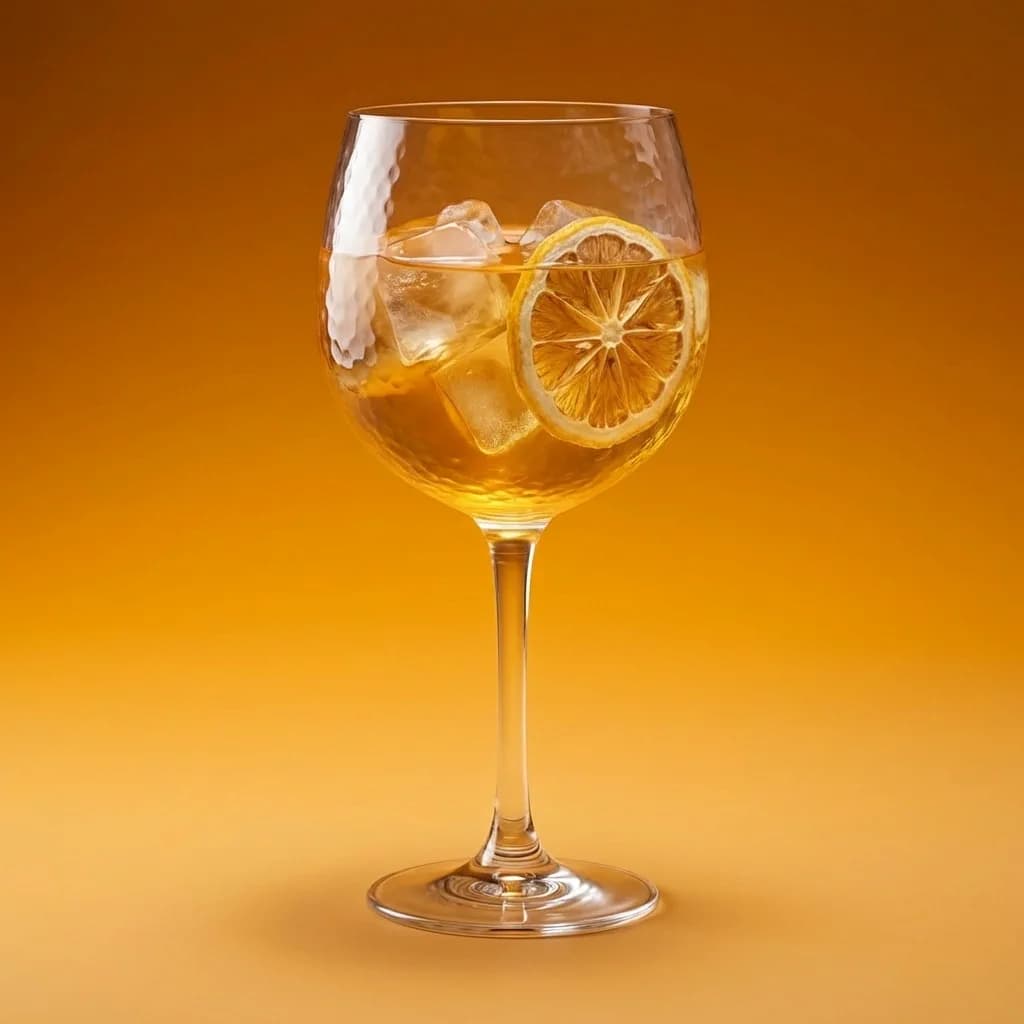
French 75
A refreshing, citrus and bubbly cocktail ∙ Shake ∙ 3 min ∙ 17.3% ABV ∙
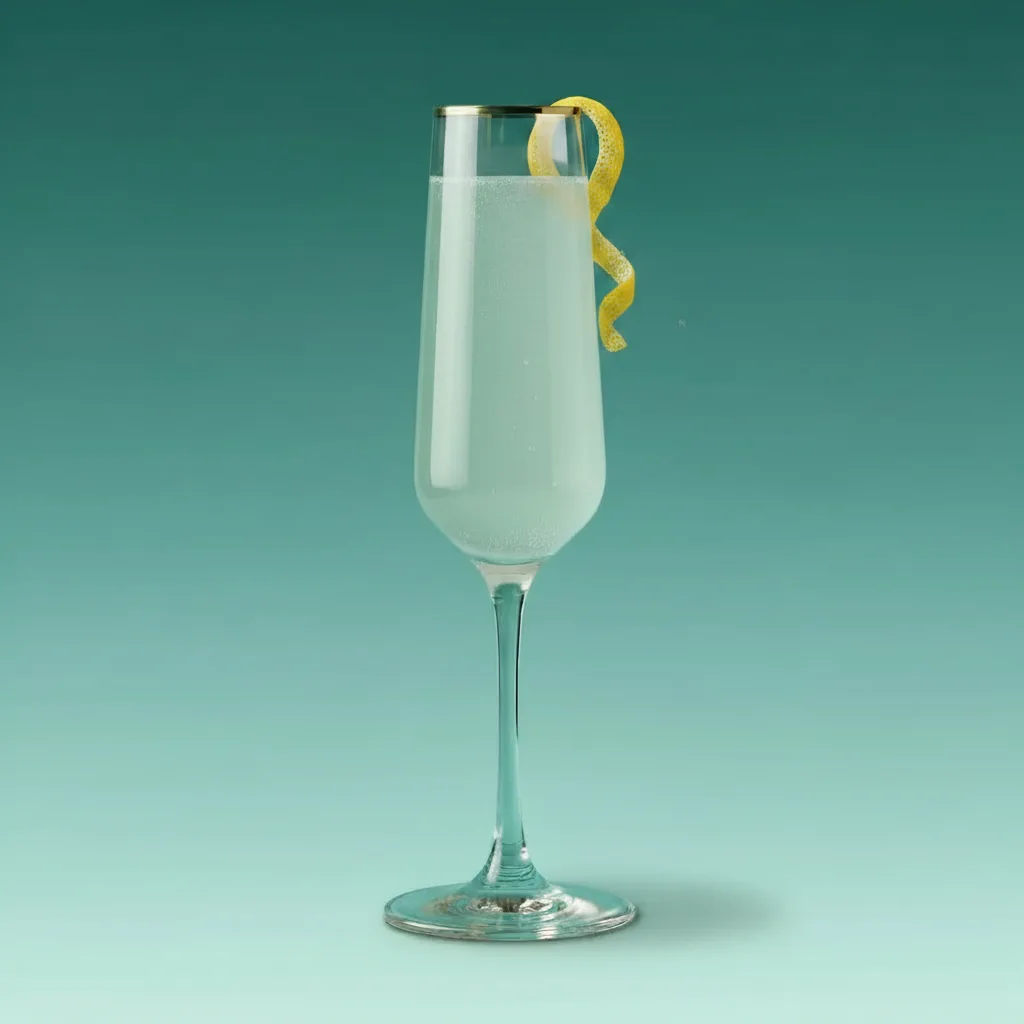
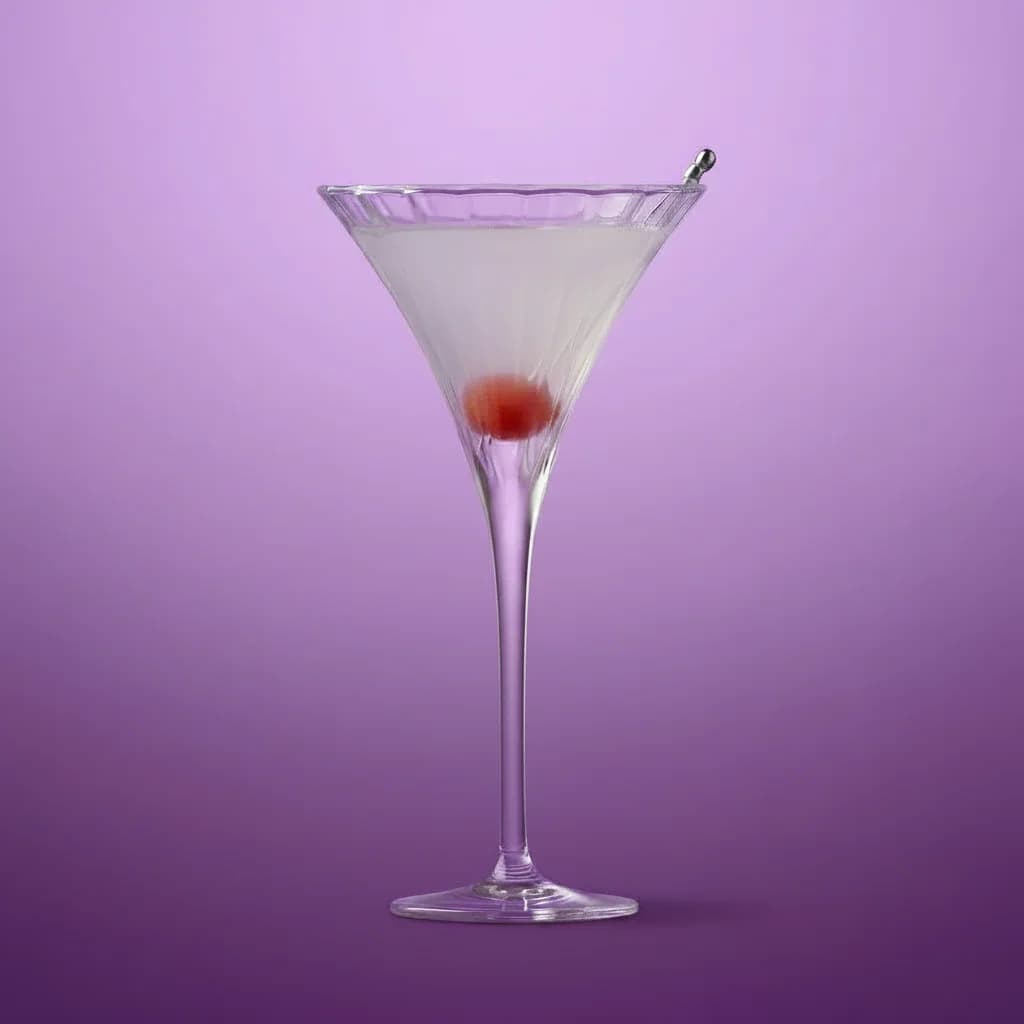
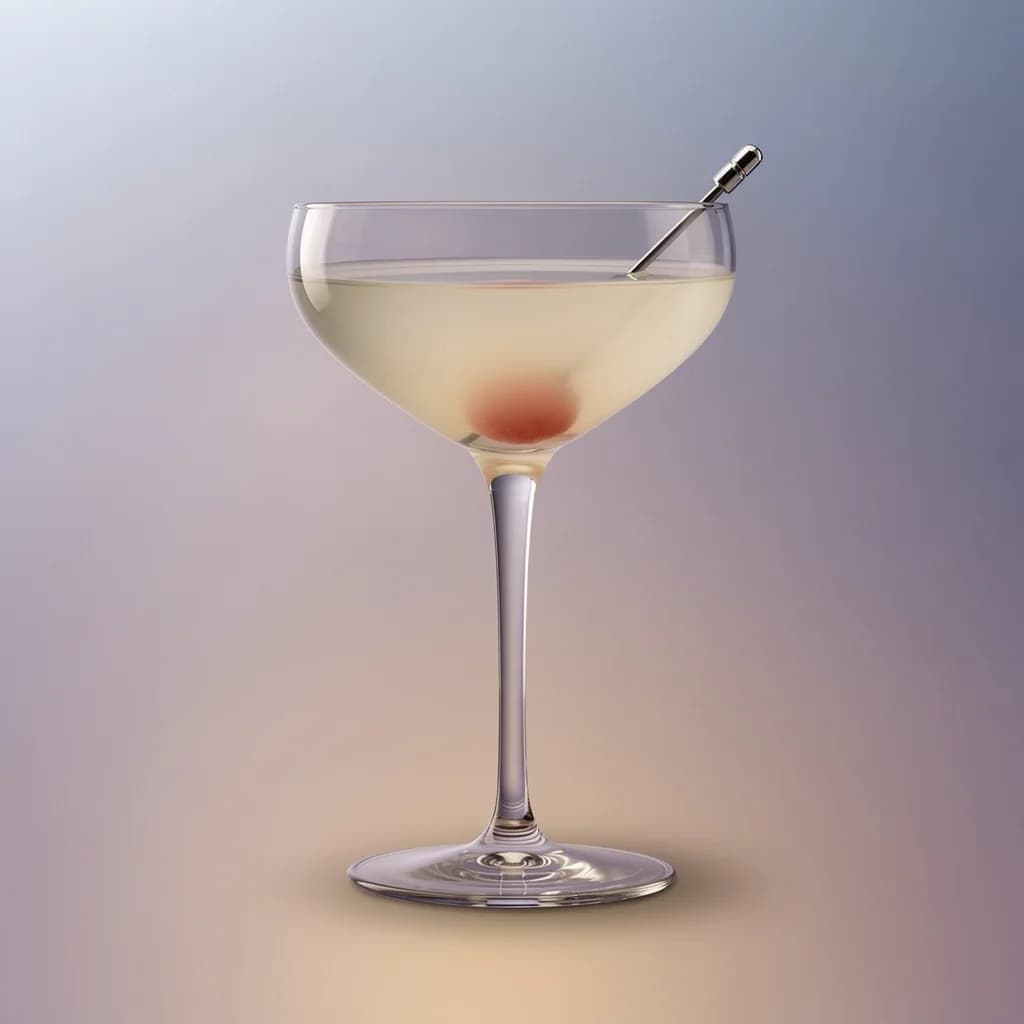
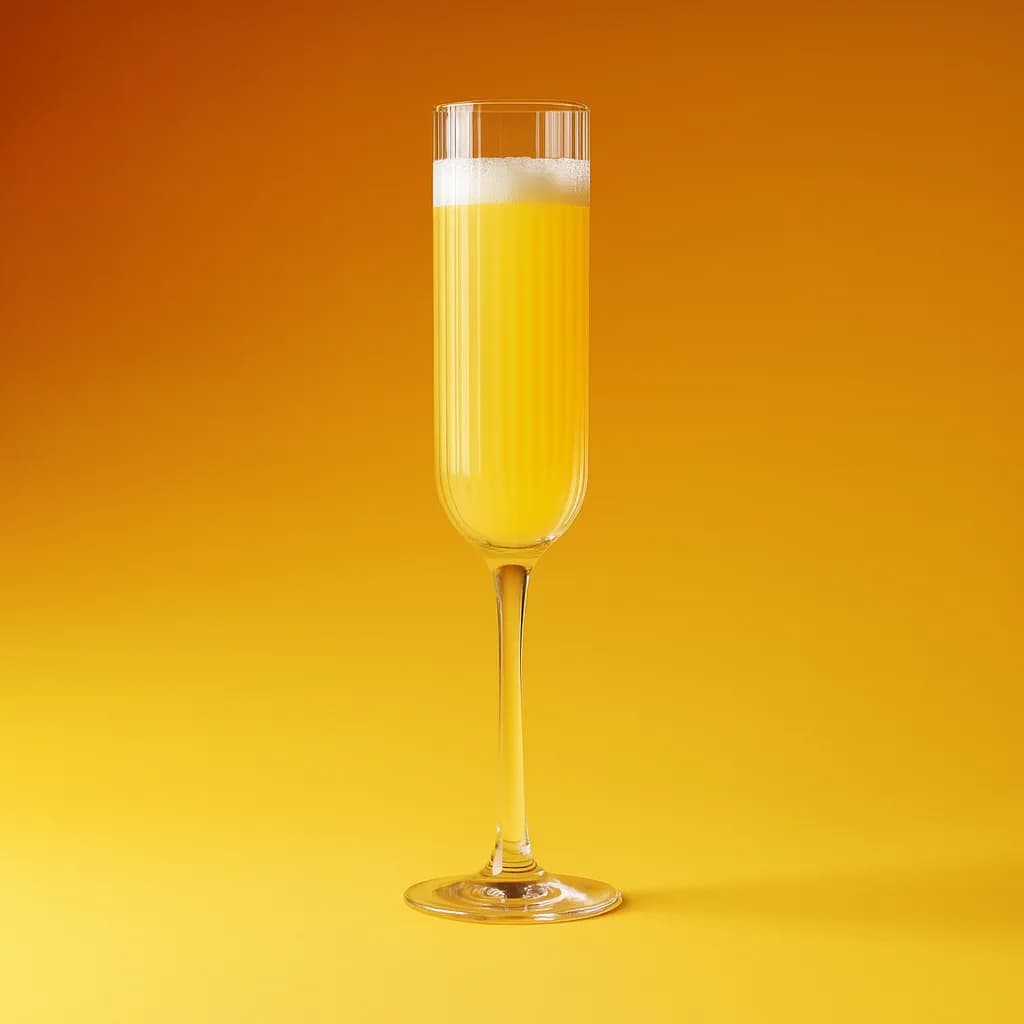
The French 75 is a gin sour lengthened with dry sparkling wine, built with lemon and sugar and finished in a flute. Citrus-forward, the gin's juniper bite meeting a fine sparkling lift before a dry, effervescent finish — a sharp aperitif or celebratory pour.
Ingredients
1
Servings
Garnish

Instructions for 1 serving
- Pre-chill a glass
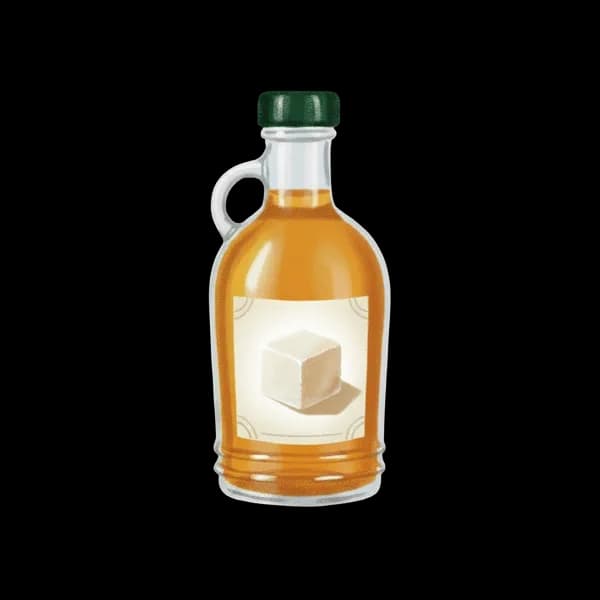
- Shake the first 3 ingredients with ice: London dry gin 45 mlLemon juice 15 mlSugar syrup 10 ml
- Fine strain into the flute glass
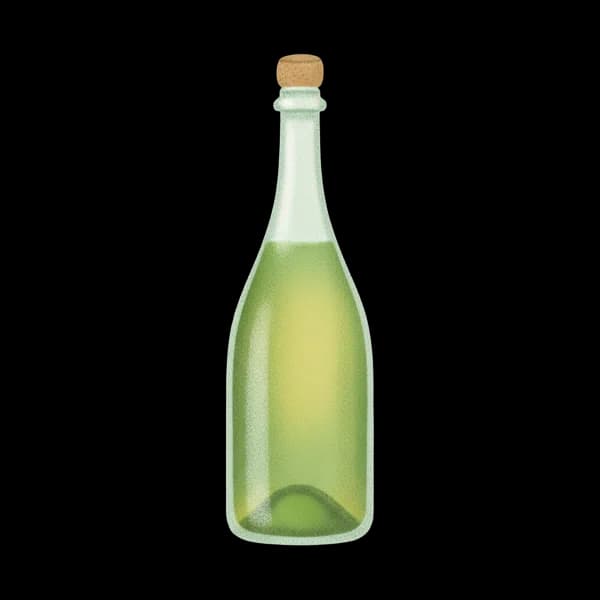
- Top with Dry sparkling wine
- Garnish with a lemon twist
History
The French 75 takes its name from the French 75mm field gun, the rapid-firing artillery piece that was the mainstay of the French army in World War I, though who first mixed the drink and attached that name to it remains disputed. A cocktail called the "75" or "Soixante-Quinze" was circulating among Parisian bars and American expatriates as early as 1915, and it was first recorded in print in Robert Vermeire's 1922 book "Cocktails: How to Mix Them," which credited it to bartender Harry MacElhone; MacElhone had also listed a "75" in his own 1922 "Harry's ABC of Mixing Cocktails." That earliest version, however, was made with gin, Calvados, grenadine, and sometimes absinthe, not the gin-lemon-sugar-Champagne combination known today, and some accounts instead credit Henry Tépé of Henry's Bar in Paris with the original mix.
The drink reached its now-classic recipe and the "French 75" name in "Here's How" by Judge Jr. in 1927, and this version was republished in Harry Craddock's "The Savoy Cocktail Book" in 1930, which helped cement its popularity. It was further popularized in the United States at the Stork Club in New York, while some later books, such as David A. Embury's "The Fine Art of Mixing Drinks," substituted cognac for gin.
FAQ
What does a French 75 consist of?
London dry gin, lemon juice, and sugar syrup, shaken and fine-strained, then topped with dry sparkling wine and finished with a lemon twist. It is served in a flute and comes in at about 17.3% ABV.
What is the difference between a French 75 and a French 76?
A French 76 swaps the gin for vodka or, in some versions, rum, while a French 75 is built on London dry gin. Both share the same lemon, sugar, and sparkling wine top-up; the base spirit is the only real distinction.
Is Champagne or Prosecco better for a French 75?
A dry sparkling wine is what the drink calls for, and either Champagne or a dry Prosecco works as long as it is not sweet. Champagne's higher acidity and finer bubbles hold up best against the gin, but any dry sparkling wine keeps the drink balanced.
Is a French 75 shaken or stirred?
Shaken, but only the gin, lemon juice, and sugar syrup — these are shaken hard with ice, then fine-strained into the glass before the sparkling wine is topped on, unshaken, to keep its bubbles intact.
What glass is a French 75 served in?
A flute glass, garnished with a lemon twist. The narrow flute helps the sparkling wine hold its carbonation longer than a wider glass would.