Piña Colada
Blend ∙ 4 min ∙ 9.3% ABV ∙
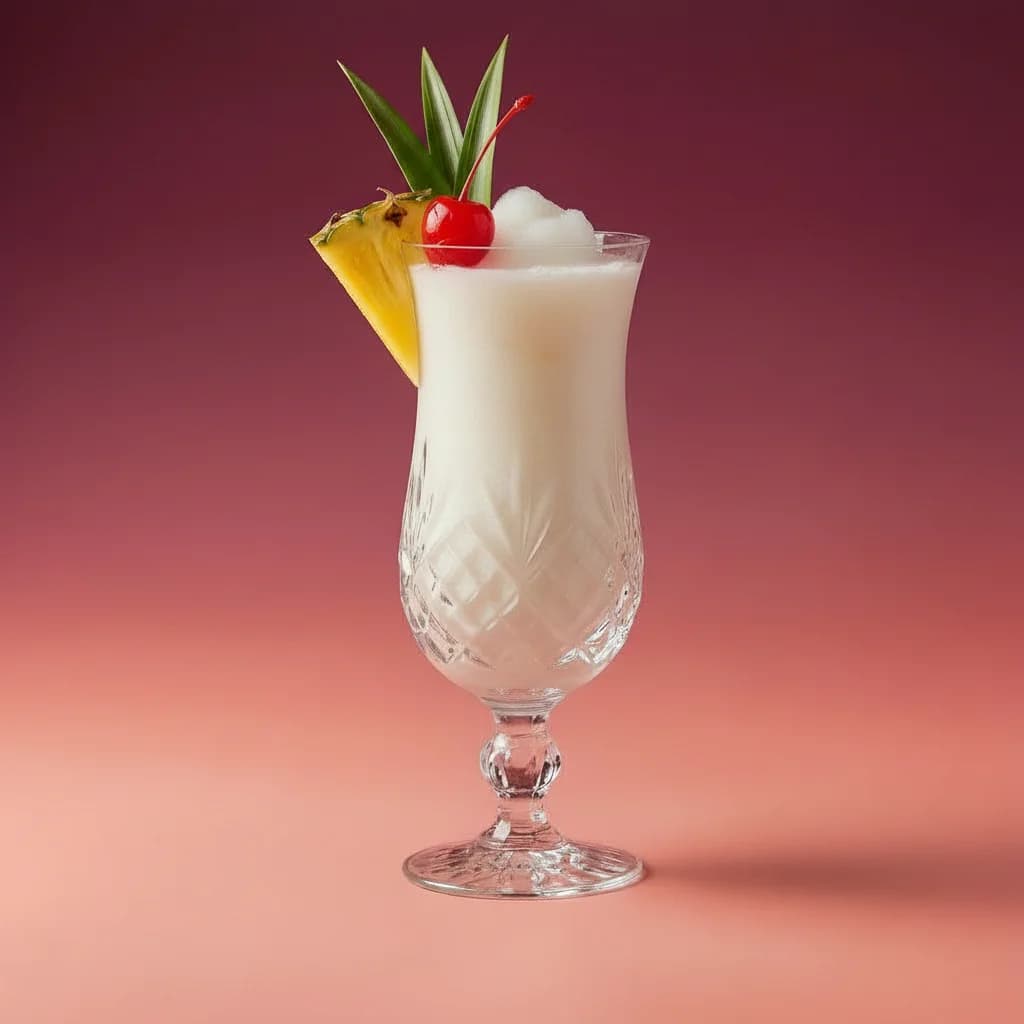
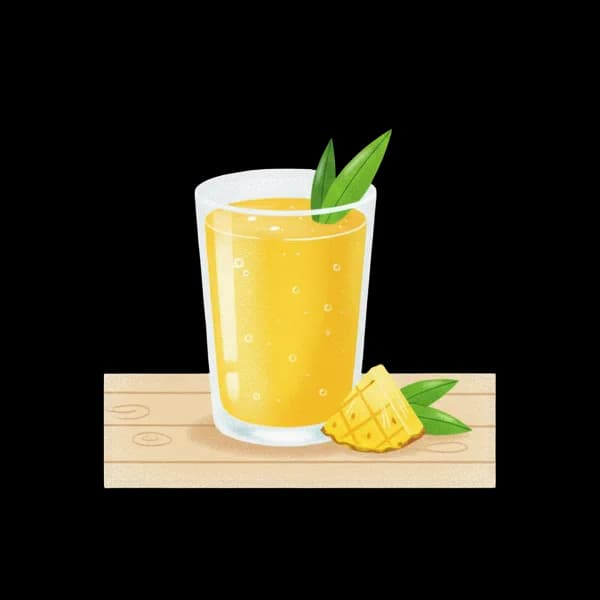
The Piña Colada is Puerto Rico's national cocktail — white rum blended with cream of coconut and fresh pineapple juice until smooth and creamy.
Ingredients
1
Servings

Garnish
Instructions for 1 serving
- Pre-chill a glass
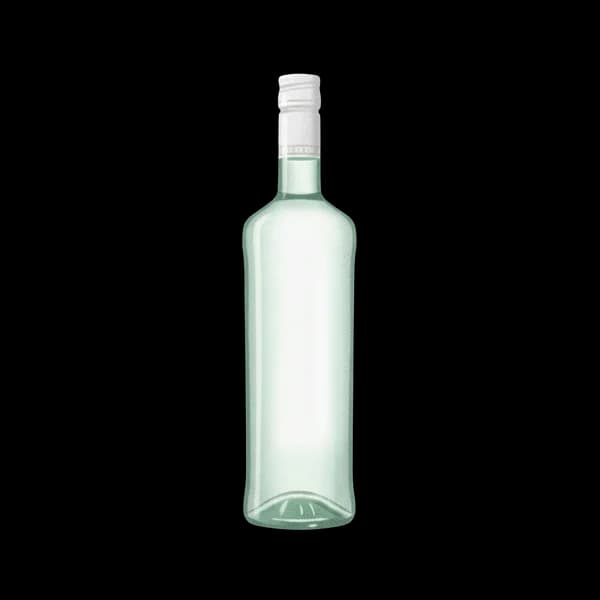
- Blend with ice: White rum 50 mlCream of coconut 30 mlFresh pineapple juice 50 ml
- Pour into a large glass and serve with a straw
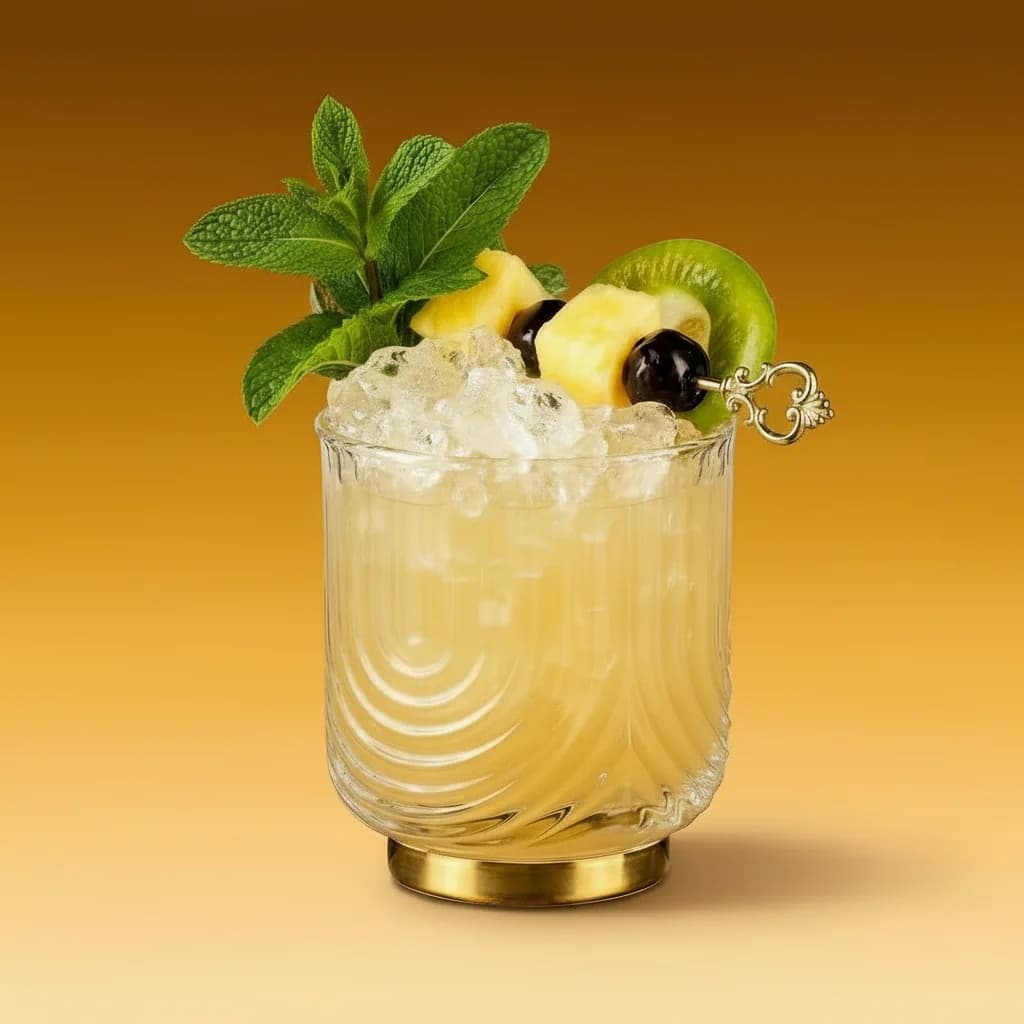
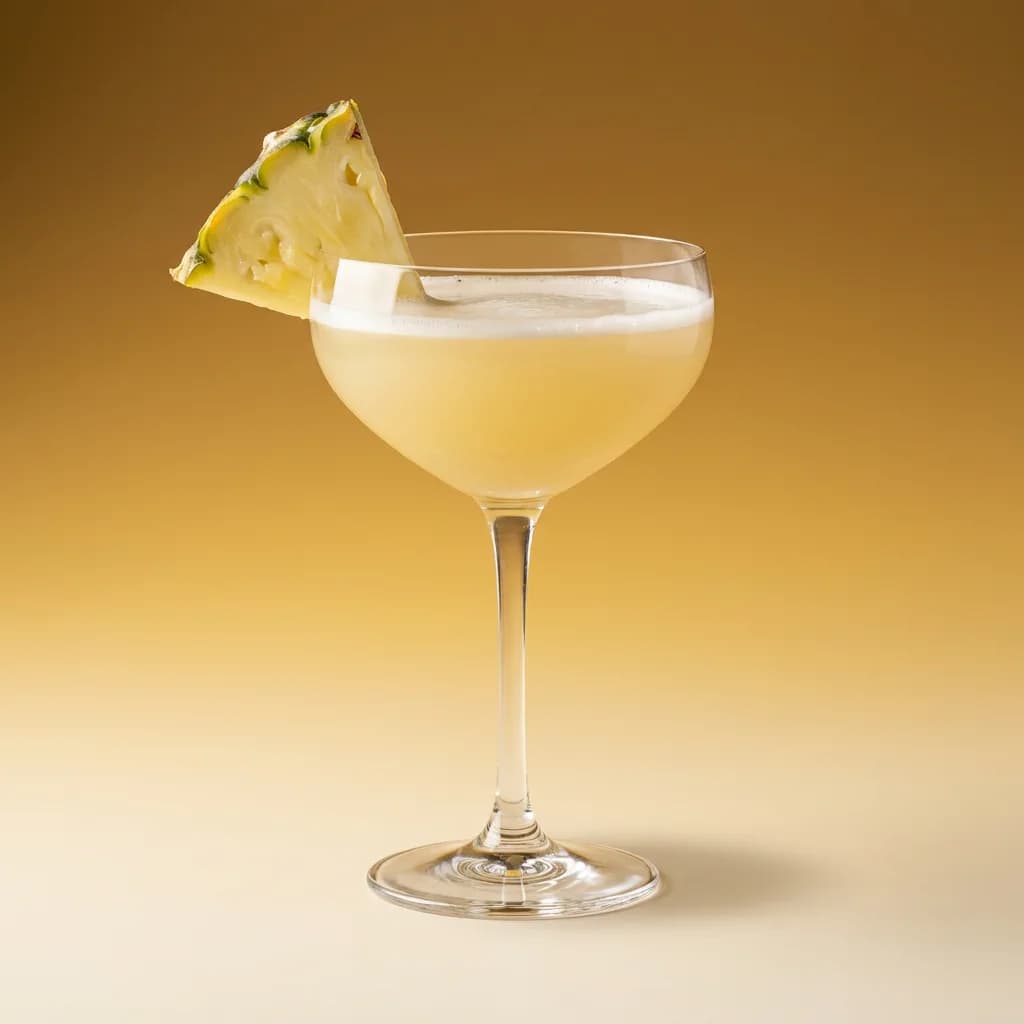
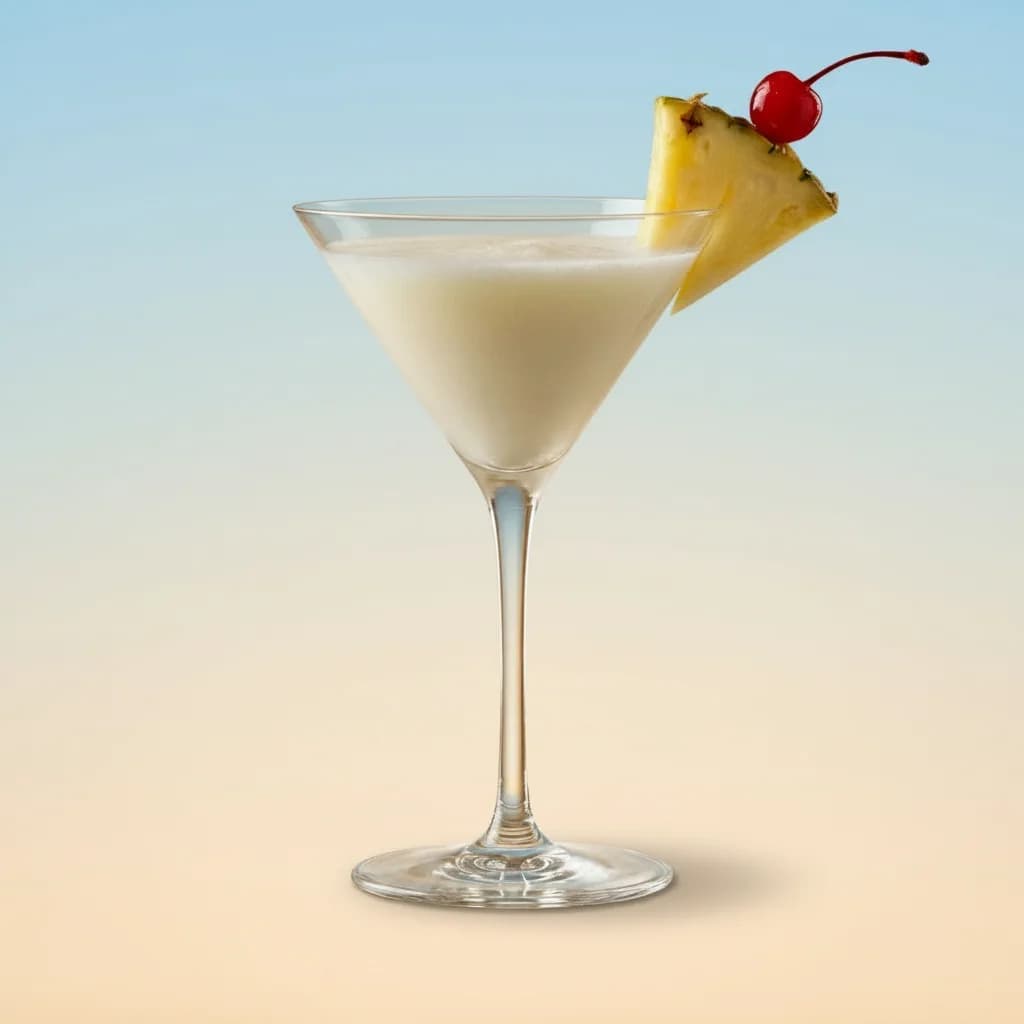
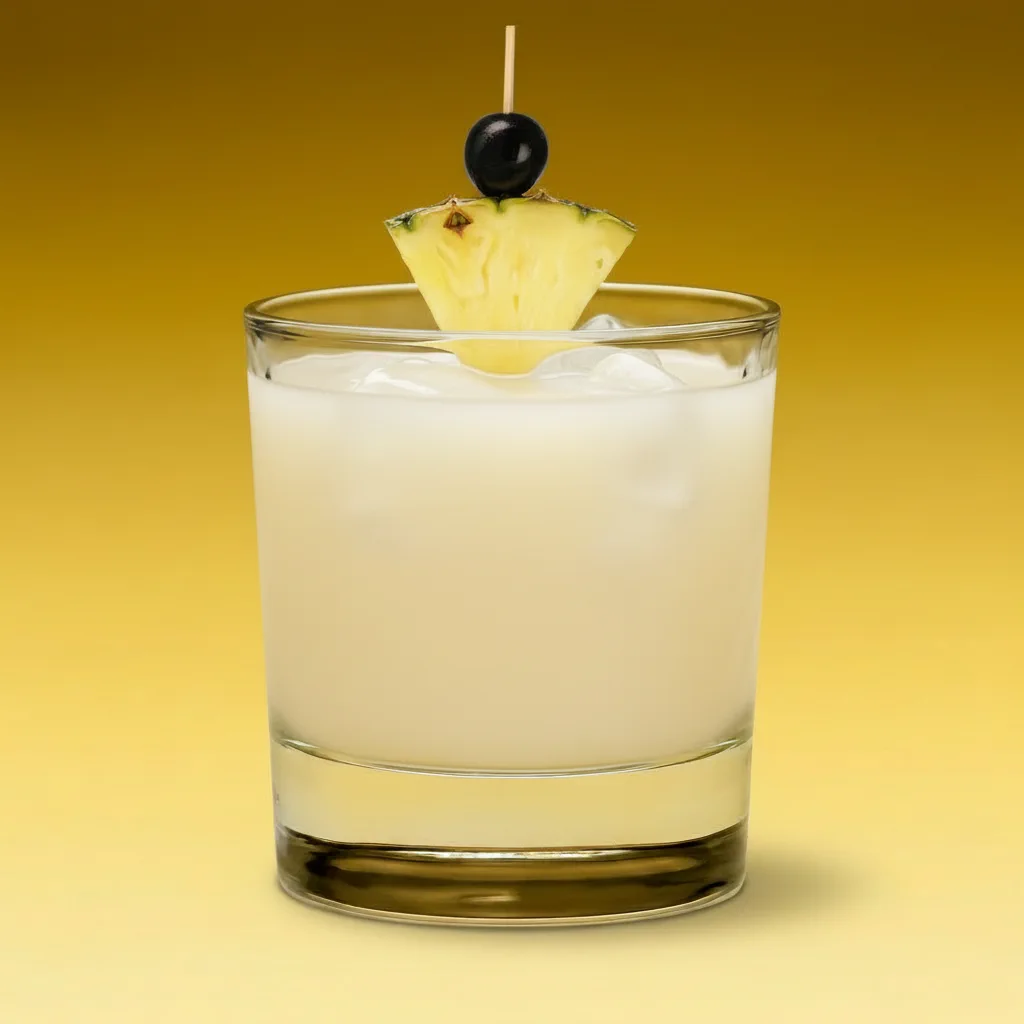
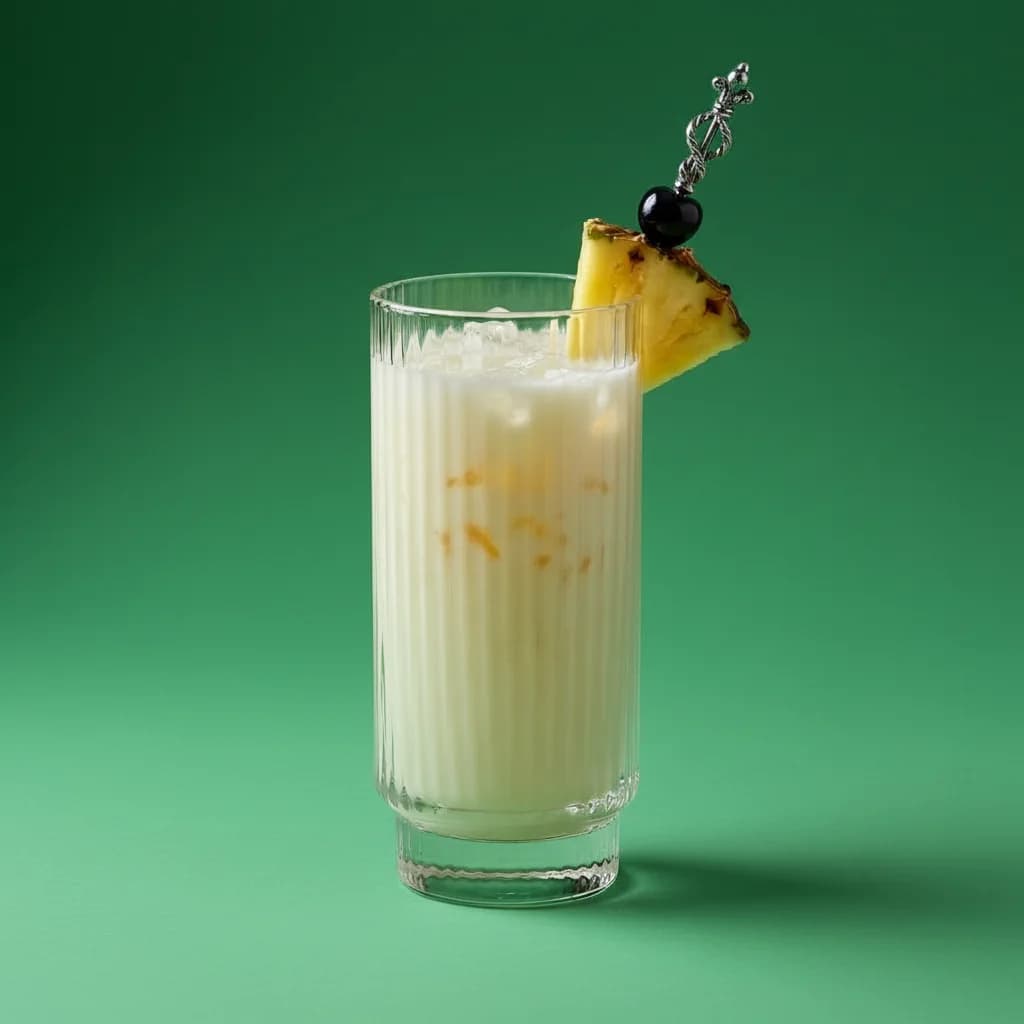
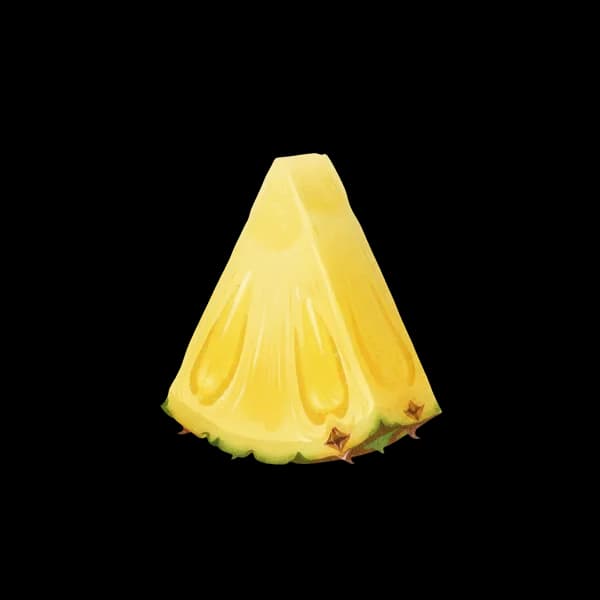
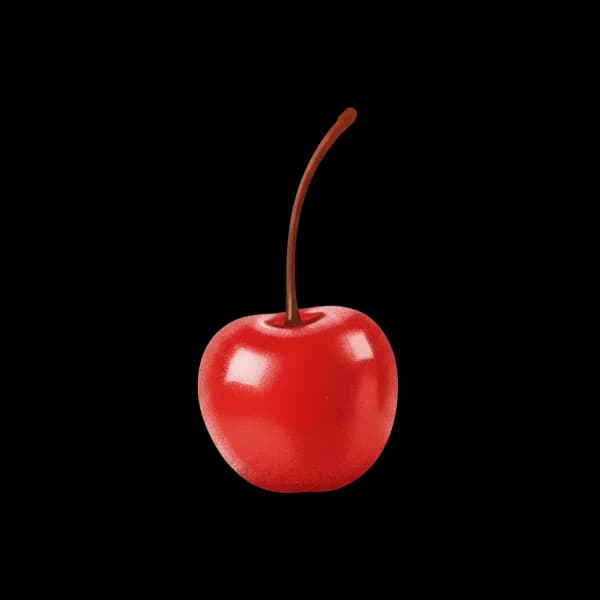
- Garnish with a pineapple wedge and a maraschino cherry
- Note: Historically a few drops of fresh lime juice was added to taste
- 4 slices of fresh pineapple can be used instead of juice
Tips
- Blend with a scoop of crushed ice for 15-20 seconds until smooth and frothy, not watery and thin.
- Canned pineapple juice makes a duller, more cloying drink than fresh, so use fresh.
- Cream of coconut is sweetened; use unsweetened coconut milk by mistake and the drink comes out sharp instead of sweet.
- A few drops of fresh lime juice, added to taste, cut the coconut's sweetness.
History
The Piña Colada originated in Puerto Rico, though its exact author is disputed. A 19th-century folktale credits pirate Roberto Cofresí, whose recipe was said to be lost after his death in 1825. The term itself surfaces in print well before the modern cocktail's accepted origin story: a 1922 issue of Travel magazine described a piña colada of pineapple juice, lime, sugar, ice, and Bacardi rum. In 1924, National Geographic mentioned a pineapple-and-crushed-ice drink known locally as piña fría.
The modern drink is tied to 1954, when University of Puerto Rico professor Ramón López Irizarry invented a new method for coconut cream extraction and created Coco López cream of coconut. The Caribe Hilton Hotel in San Juan claims bartender Ramón "Monchito" Marrero created it at the hotel's Beachcomber Bar in 1954, an anniversary marked by a 2004 governor's proclamation. By another account, Marrero himself dated his first Piña Colada to August 15, 1952. Ricardo García, another Caribe Hilton bartender, claims he created it in 1953, and Barrachina restaurant credits Ramón Portas Mingot in 1963.
Puerto Rico named it the official drink in 1978. Rupert Holmes's 1979 song "Escape (The Piña Colada Song)," from his album Partners in Crime, spread its fame worldwide and became the last U.S. number-one hit of the 1970s.
FAQ
How do you make a Piña Colada with just three ingredients?
Blend white rum, cream of coconut, and fresh pineapple juice with ice until smooth, then pour into a Collins glass. The recipe uses equal parts rum and pineapple juice (50 ml each) to 30 ml of cream of coconut.
Is a Piña Colada blended or shaken?
Blended. The rum, cream of coconut, and pineapple juice go into a blender with ice and are blended until smooth.
What rum is best for a Piña Colada?
White rum is the standard choice for a Piña Colada, giving a clean base that lets the coconut and pineapple lead. Puerto Rican rums are traditional.