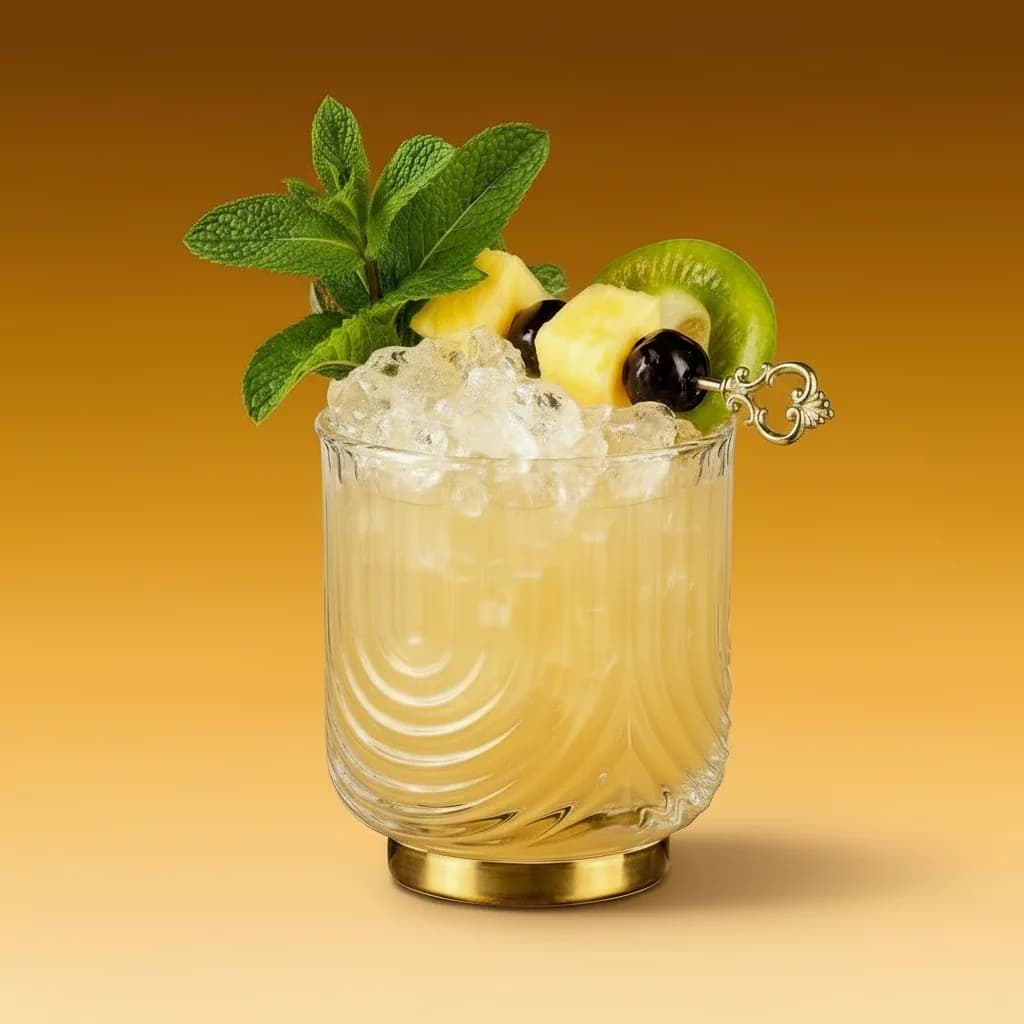
Mai Tai
Shake ∙ 3 min ∙ 18.7% ABV ∙
The Mai Tai is a tiki rum sour built on a blend of rums with orange curaçao, orgeat, and citrus, shaken over crushed ice — a signature of Tiki culture. Layered rum warmth meets nutty orgeat and bright lime, rounded by orange and a touch of tropical fruit, finishing long and semi-dry — a classic evening or party drink.
Ingredients
1
Servings
Garnish
Instructions for 1 serving
- Pre-chill a glass
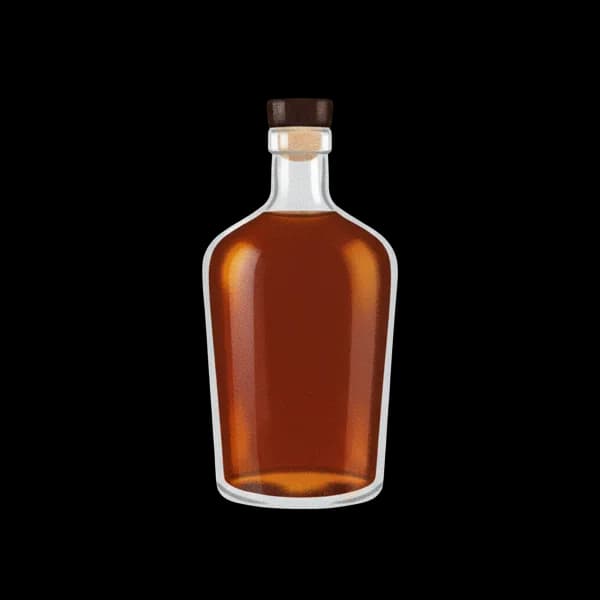
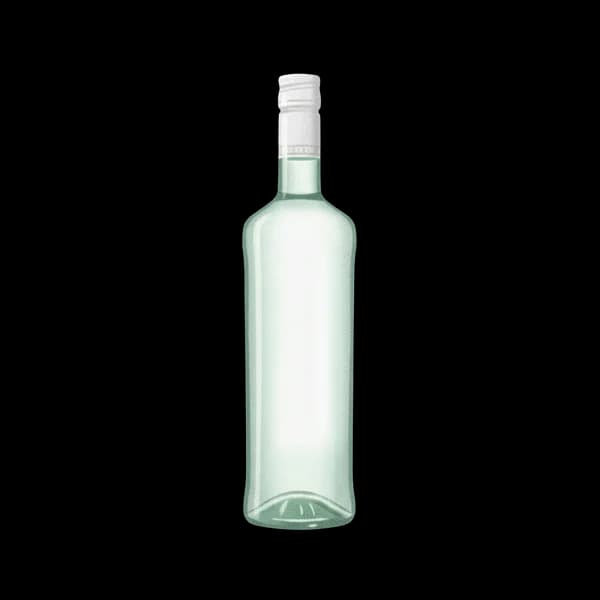
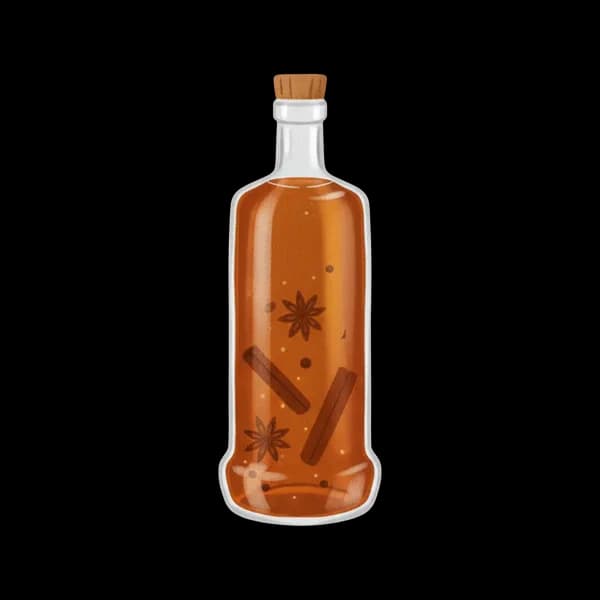
- Shake all ingredients with ice, except the Caribbean aged rum 15 ml: White rum 30 mlSpiced rum 15 mlOrange curaçao liqueur 15 mlAmaretto liqueur 10 mlPineapple purée 20 mlLime juice 15 mlLemon juice 15 mlOrgeat (almond) syrup 10 ml
- Pour into the glass filled 2/3 with ice
- Add a little crushed ice
- Add Caribbean aged rum to form a layer
- Top off the glass with the crushed ice
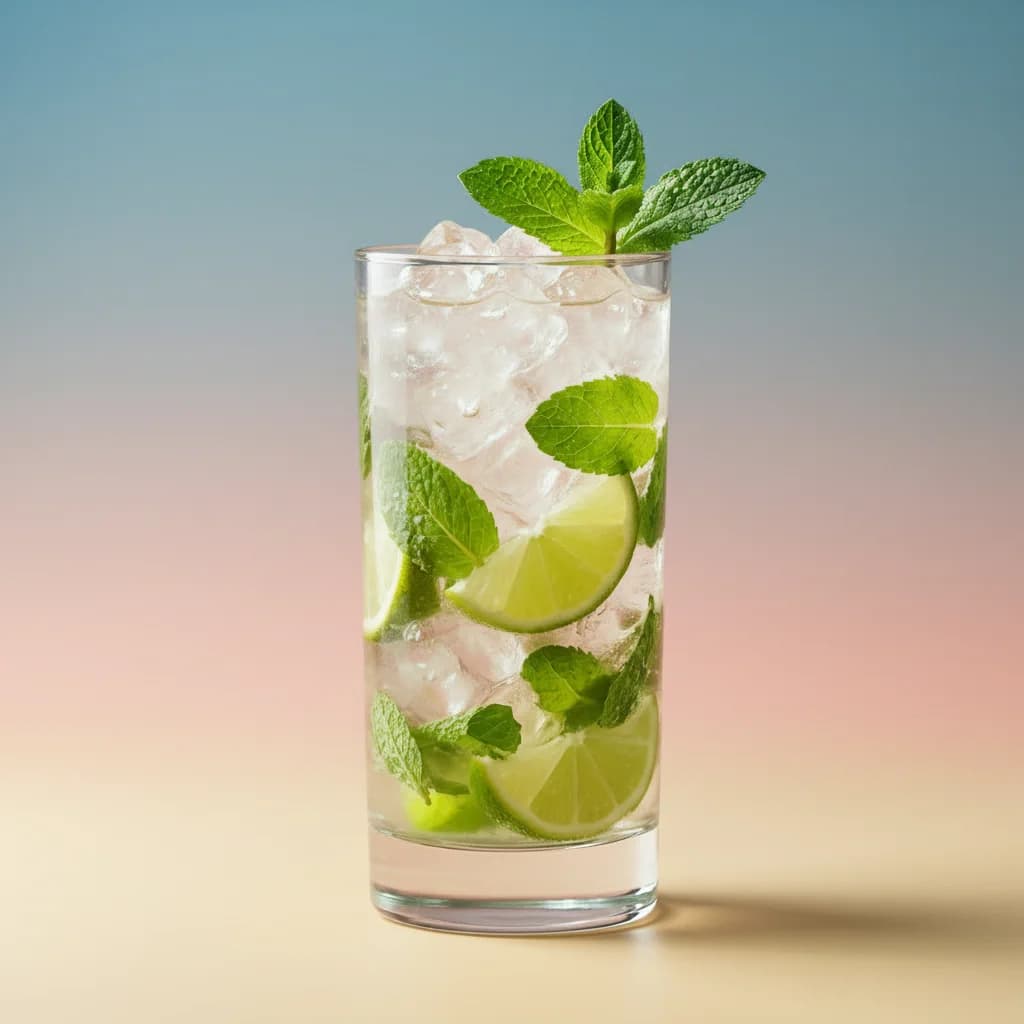
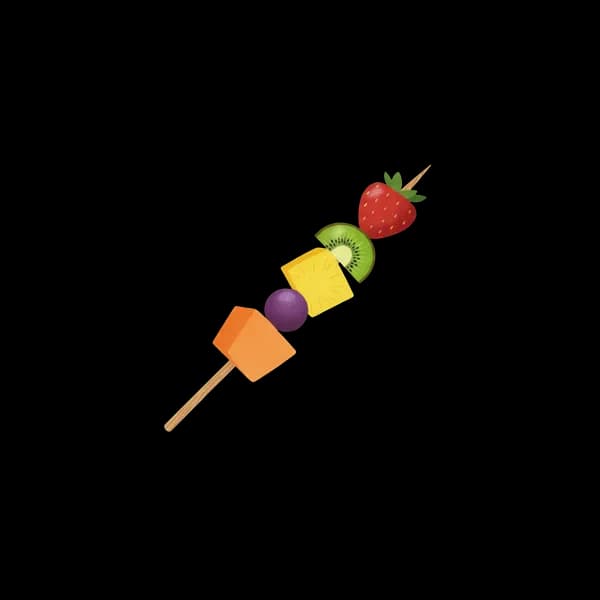
- Garnish with a lime wheel, a bouquet of a mint sprig and a fruit skewer
Tips
- Use crushed or shaved ice and shake hard for about 10 seconds — the dilution is part of the drink, not a flaw.
- Balance is everything: taste and adjust orgeat against the lime so neither the almond nor the sourness dominates.
- Blend the rums rather than relying on one — a mix of white, aged, and spiced gives the layered depth a single rum can't.
History
Victor J. Bergeron claimed to have invented the Mai Tai in 1944 at his restaurant, Trader Vic's, in Oakland, California. A rival claim credits Donn Beach (Don the Beachcomber), who said he first created it in 1933, though a longtime colleague argued Beach was really pointing to his own Q.B. Cooler as the basis. The name is said to come from maitaʻi, the Tahitian word for "good" or "excellence."
Bergeron introduced it to Hawaii in 1953 when he created a cocktail menu for the Matson Company's Royal Hawaiian and Moana hotels, and by 1959 a newspaper dubbed it the "top tourist tantalizer." It later became a defining drink of Tiki culture, and Oakland named it the city's official cocktail.
FAQ
What is a Mai Tai made of?
A Mai Tai is built on rum, orange curaçao, orgeat (almond) syrup, and fresh lime juice. This version blends white, Caribbean aged, and spiced rums, then rounds it out with amaretto, pineapple purée, and a little lemon alongside the classic curaçao, orgeat, and lime.
Is a Mai Tai shaken or stirred?
Shaken. All the ingredients go into a shaker with ice, then get shaken hard and poured over crushed or shaved ice. Shaking chills the drink and adds the dilution that ties the rums, curaçao, orgeat, and citrus together.
What glass is a Mai Tai served in?
A Mai Tai is served in a double old-fashioned glass or tiki glass over crushed ice, garnished here with a lime wedge, a mint sprig, and a fruit skewer. A tall highball glass is a common alternative when the drink is served long.
Is a Mai Tai a strong drink?
Yes, a Mai Tai is a fairly strong cocktail. It is spirit-forward, built almost entirely on a blend of rums with only citrus, curaçao, and orgeat to soften it; this recipe lands around 18.7% ABV, so the sweetness masks a real rum punch.
What is the original Mai Tai?
The original Trader Vic's Mai Tai from 1944 was simpler: aged rum, orange curaçao, orgeat, lime juice, and a touch of syrup, with no fruit juice. The pineapple and orange juice associated with the drink came later, added to Hawaiian versions in the 1950s and after.
What is a substitute for orgeat in a Mai Tai?
The closest substitute for orgeat is almond syrup, or amaretto liqueur for the same nutty note with a little extra sweetness. In a pinch, a small amount of simple syrup with a few drops of almond extract mimics the flavor, though the silky body will be thinner.