John Collins
A citrus and refreshing gin cocktail ∙ Build ∙ 2 min ∙ 10.9% ABV ∙
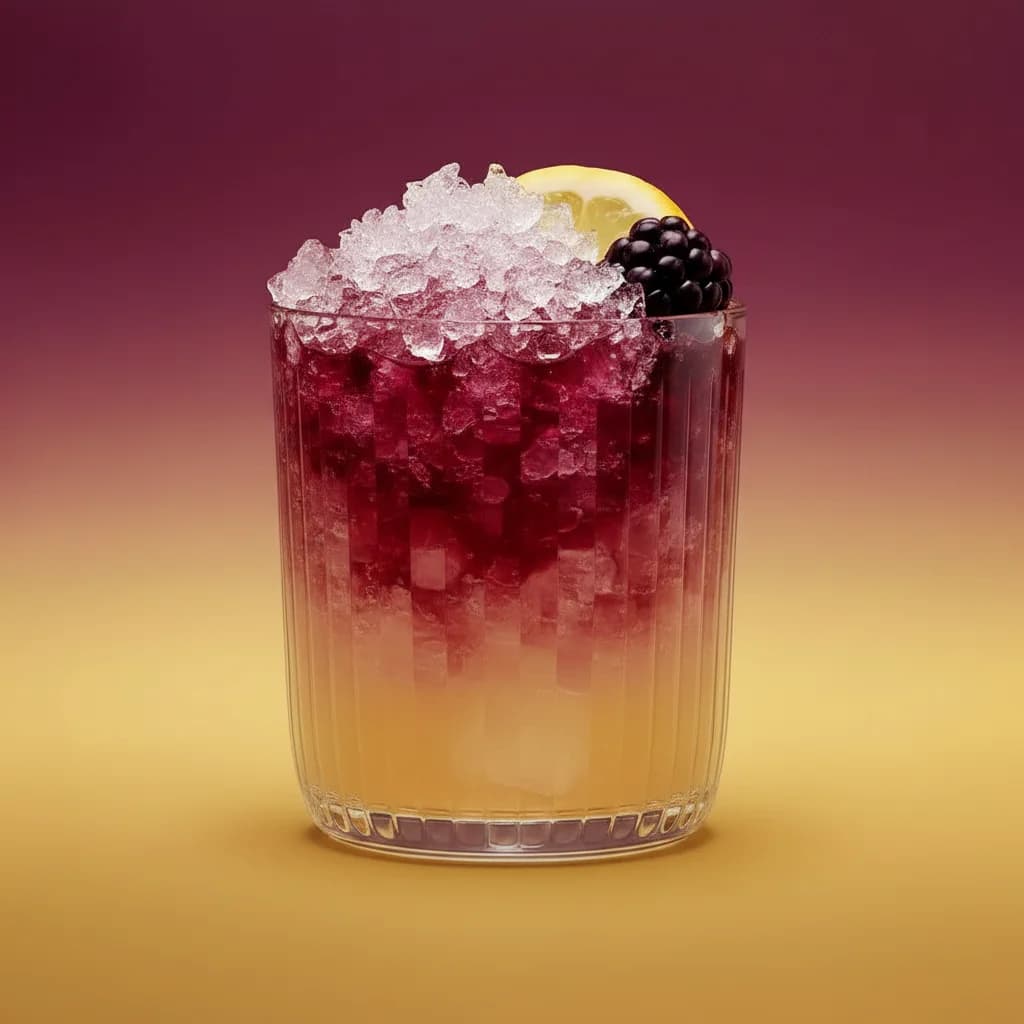
The John Collins is a tall gin highball of London dry gin, lemon juice and sugar syrup, built over ice and topped with soda water.
Ingredients
1
Servings
Garnish

Instructions for 1 serving
- Pre-chill a glass
- Pour directly into the Collins glass filled with ice: London dry gin 45 mlLemon juice 30 mlSugar syrup 15 ml
- Top with Soda water 60 ml
- Stir gently
- Garnish with a lemon wheel and a maraschino cherry
- Note: Use Old Tom gin for Tom Collins
Tips
- Add the soda water last and stir gently, just enough to mix it in without knocking out the bubbles.
History
A drink called the John Collins has existed since at least the 1860s. It is believed to take its name from John Collins, a headwaiter at Limmer's Old House, a London hotel and coffee house on Conduit Street in Mayfair that thrived from around 1790 to 1817. A rhyme of the era memorialized him as the coffee-room waiter famed for filling "brimmers" for the hotel's patrons.
The original mixture is thought to have used genever, the malty Dutch precursor to gin, combined with lemon juice, sugar, and soda water. For decades afterward, published recipes for the John Collins continued to specify genever or Holland gin, even as a separate Old Tom gin version circulated under the name Tom Collins. That cocktail has its own disputed history, tied partly to an 1874 New York hoax.
Only in modern usage did the convention settle into John Collins meaning London dry gin and Tom Collins meaning Old Tom gin, with the genever version now typically called a Dutch or Genever Collins. The John Collins was added to the International Bartenders Association's official cocktail list in 1993, codifying today's London dry gin build as the internationally recognized standard.
FAQ
What is in a John Collins?
45 ml London dry gin, 30 ml fresh lemon juice, 15 ml sugar syrup and 60 ml soda water, over ice.
What is a Collins cocktail?
A tall drink of a spirit, lemon juice and sugar, topped with soda water and served over ice in a Collins glass. The John Collins uses London dry gin.
What's the difference between a Tom Collins and a John Collins?
The gin. A Tom Collins uses Old Tom gin, which is sweeter and softer, while a John Collins uses drier, more juniper-forward London dry gin. Otherwise both are the same lemon, sugar and soda water highball over ice.
What's the difference between a gin Fizz and a John Collins?
The method and the length. A Gin Fizz is shaken with gin, lemon and sugar, strained, topped with soda water and usually served short without ice. A John Collins is built over ice in a tall glass without shaking, so it is longer, more diluted and less aerated.
What kind of gin is best for a John Collins?
London dry gin, whose dry, juniper-forward character keeps the drink crisp against the lemon juice.