Piña Colada (Cuban Style)
Shake ∙ 3 min ∙ 9.8% ABV ∙
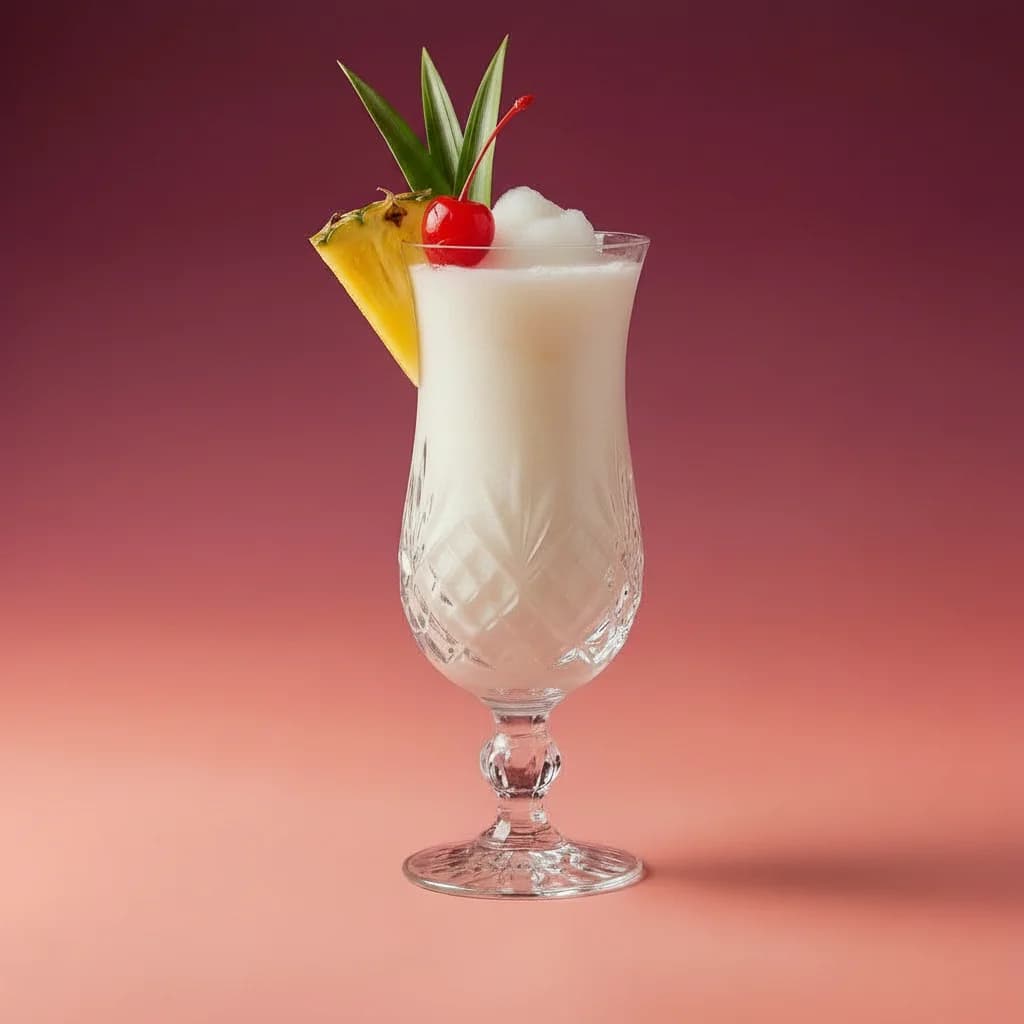
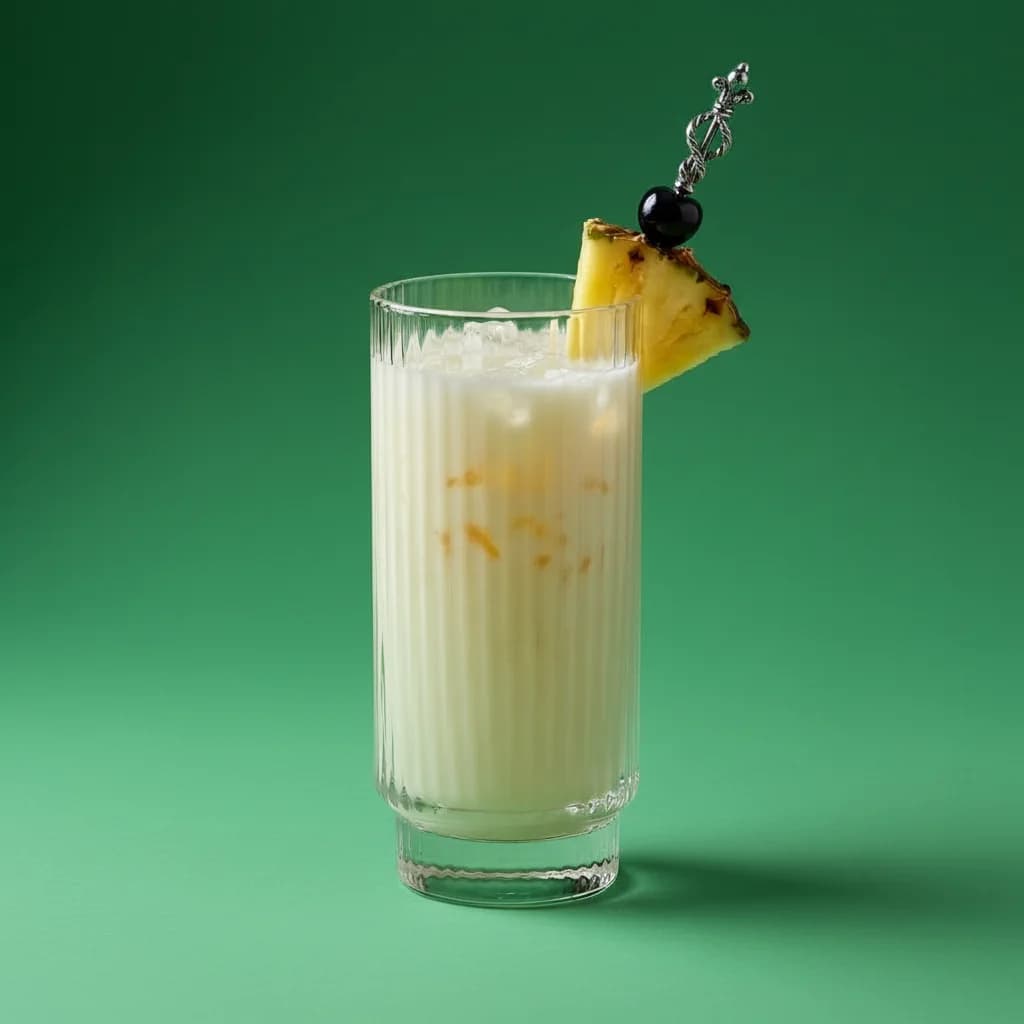
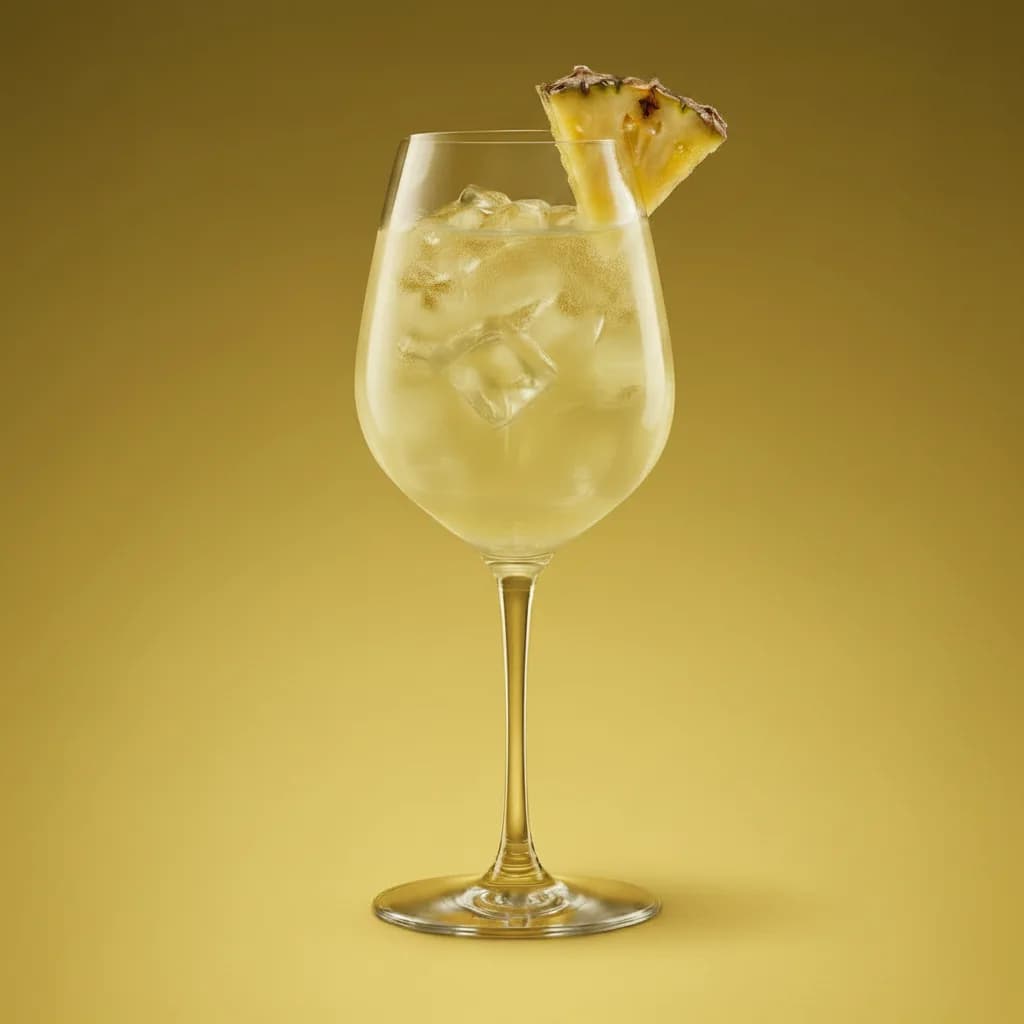
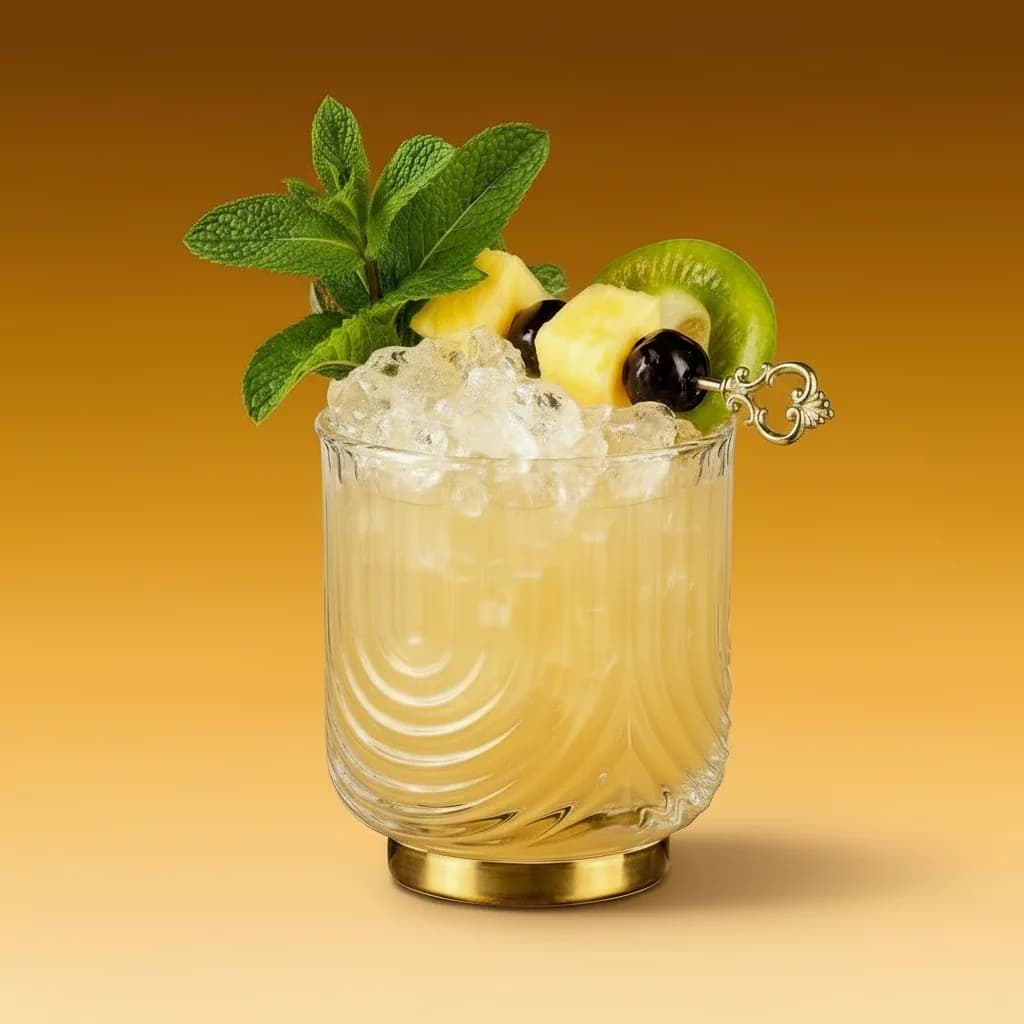
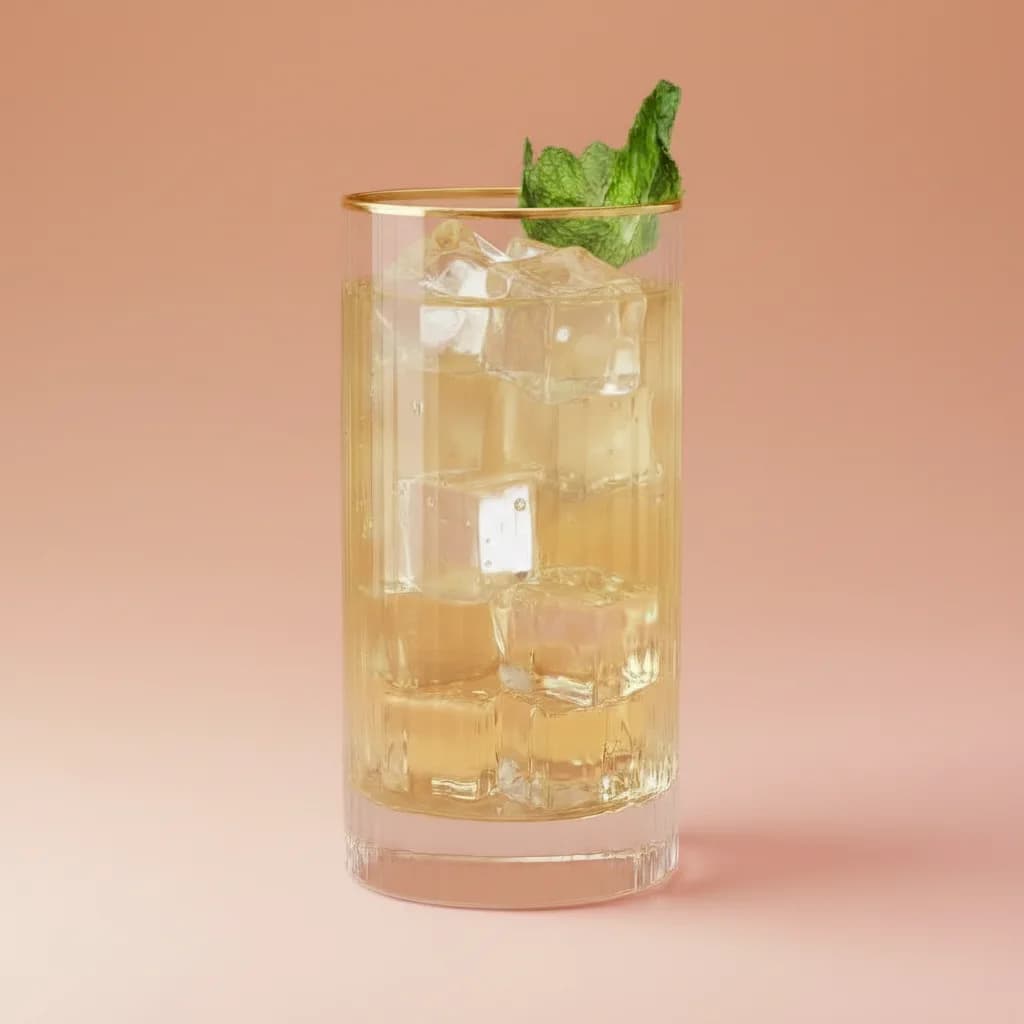
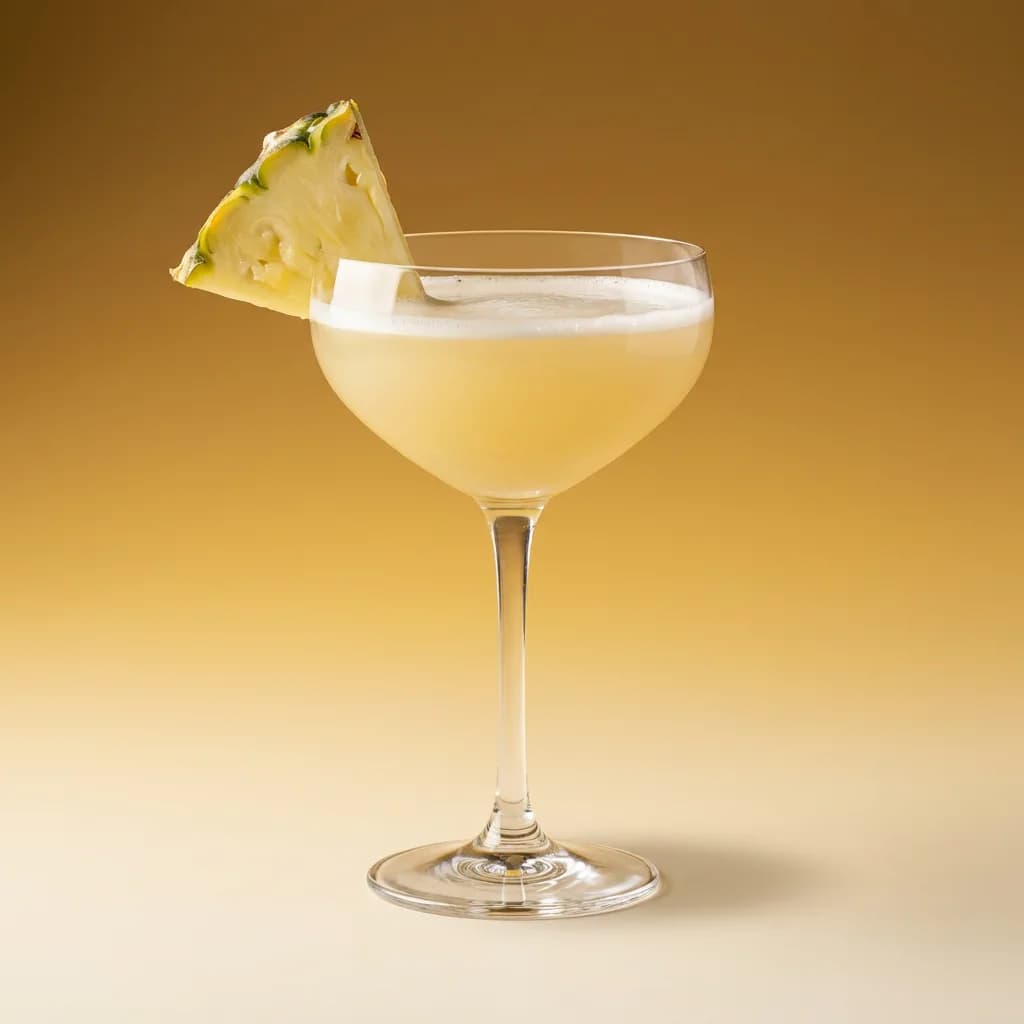
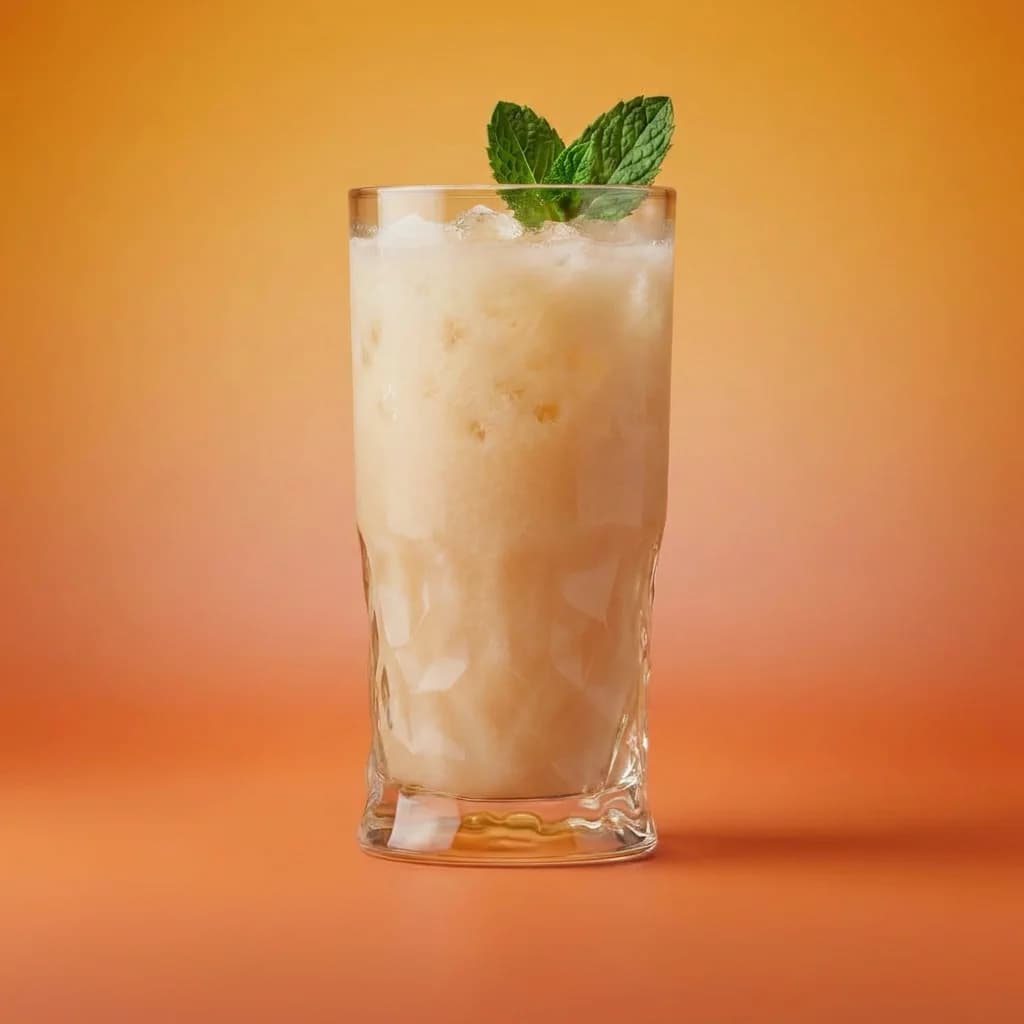
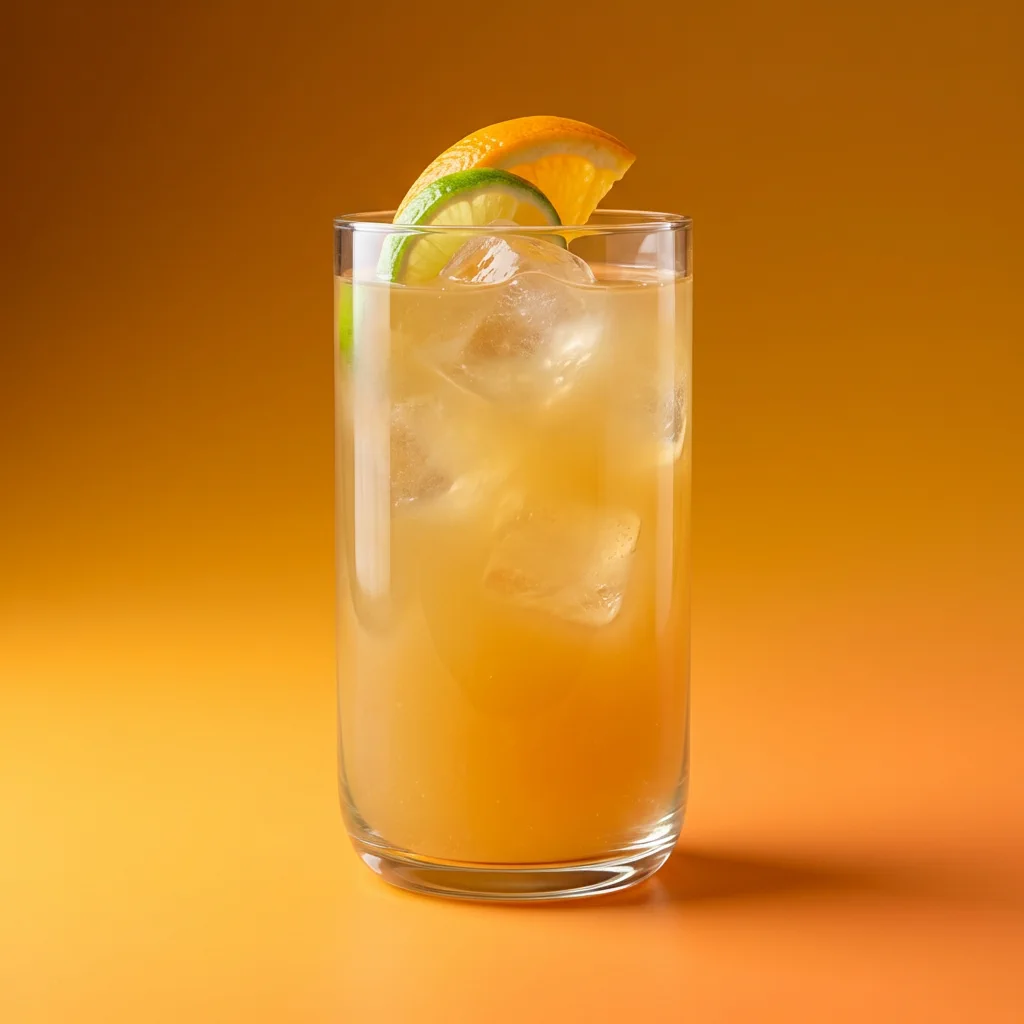
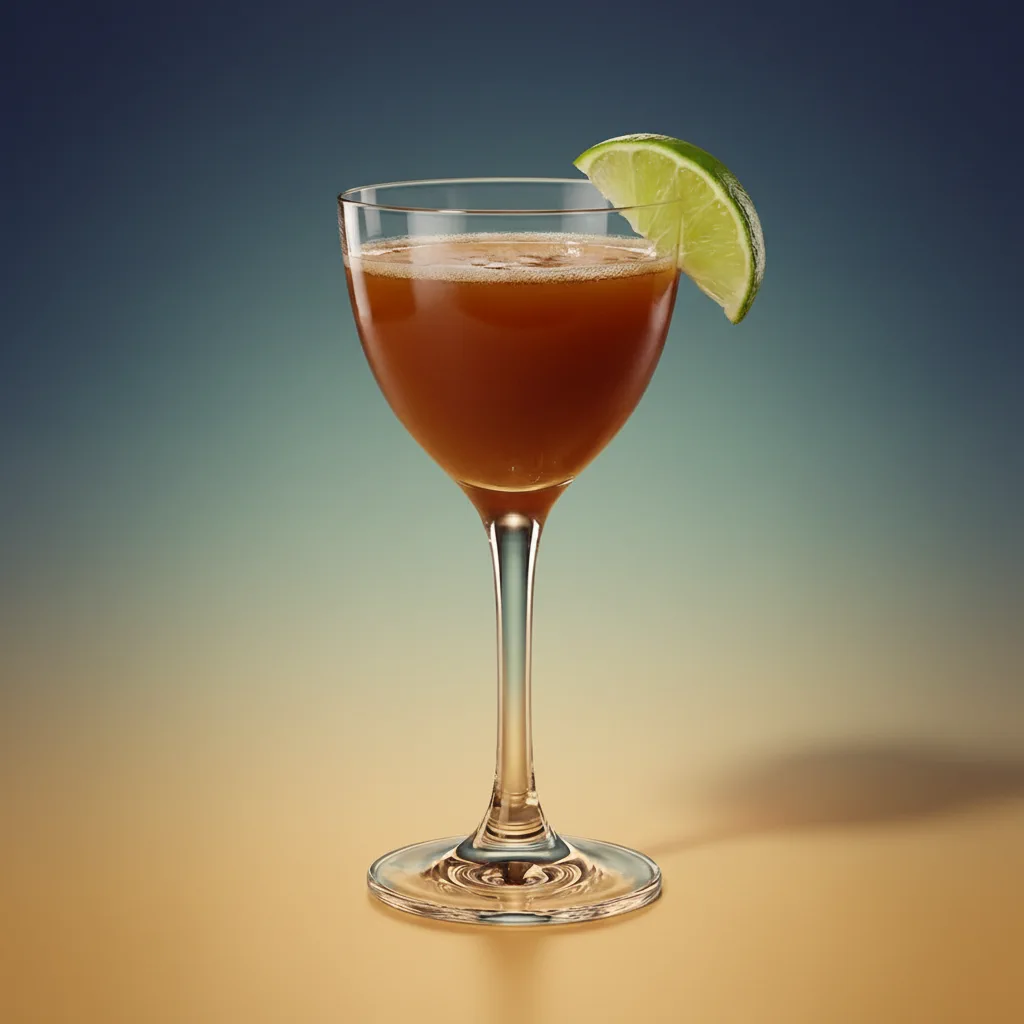
This Cuban-style Piña Colada shakes aged Caribbean rum with pineapple juice and fresh lime, served in a hollowed pineapple — no cream, no blender. Tangy rather than creamy, a light shaken texture over a clean, warming rum finish that lingers longer than the fruit itself.
Ingredients
1
Servings
Garnish
Instructions for 1 serving
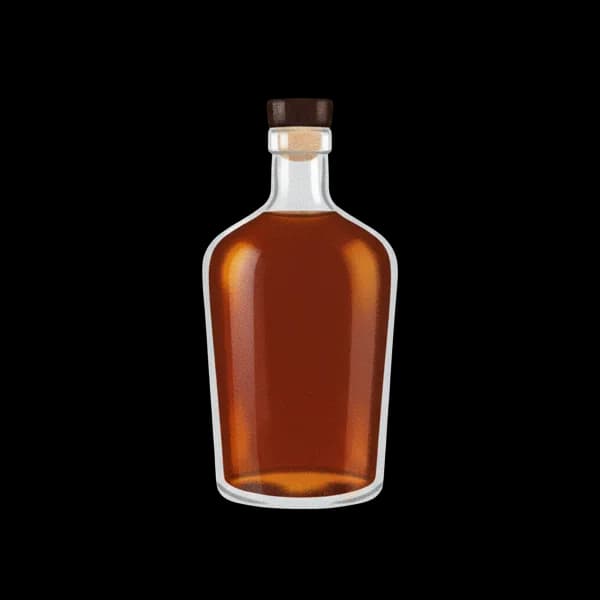
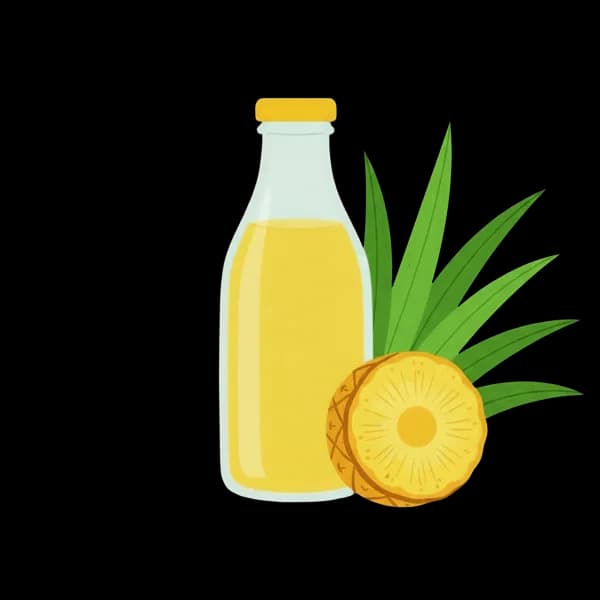
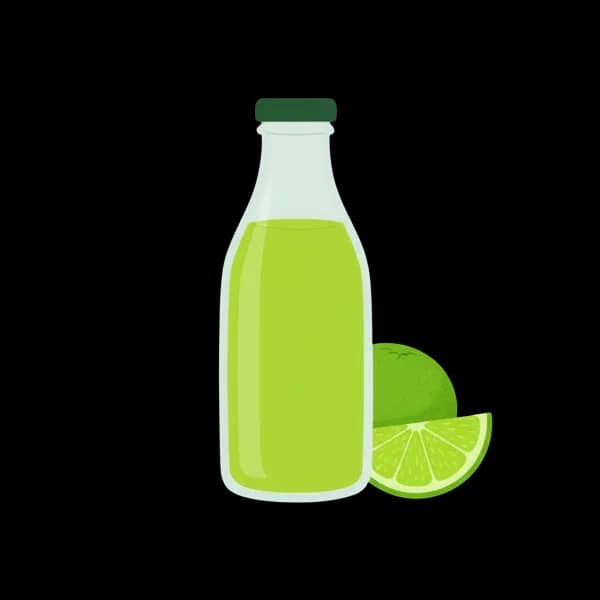
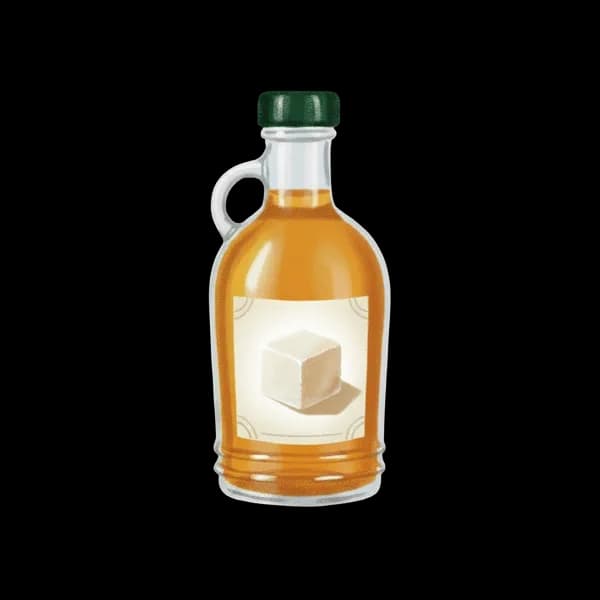
- Shake all ingredients with ice: Caribbean aged rum 60 mlPineapple juice 120 mlLime juice 15 mlSugar syrup 10 ml
- Strain into the ice-filled hollowed pineapple
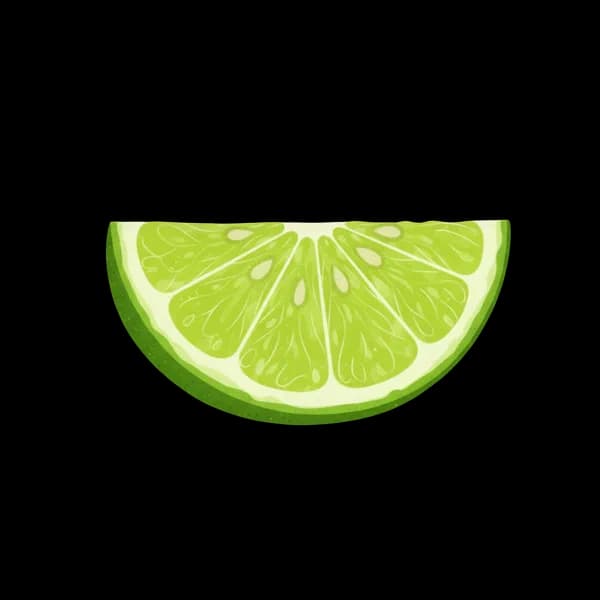
- Garnish with a lime wedge
Tips
- Taste before adding extra sugar syrup; ripe pineapple juice varies in sweetness, so adjust the syrup to match the fruit.
- Use fresh lime juice, not bottled — it is what keeps this version bright rather than cloying.
History
The Cuban-style Piña Colada is essentially the older of the two drinks that share the name: a shaken pineapple Daiquiri built without coconut, made with Bacardi rum, pineapple juice, lime, and sugar. This version traces to the earliest documented use of the name, a description of the drink in the December 1922 issue of Travel magazine, which portrayed it as a Havana specialty of freshly pressed pineapple juice shaken with ice, sugar, lime, and Bacardi rum. It predates by three decades the coconut-laced version that later became internationally famous, and its "strained pineapple" style is closer to the literal meaning of the name Piña Colada than the creamy modern drink most people now expect.
That better-known modern Piña Colada is generally credited to bartender Ramón "Monchito" Marrero at the Caribe Hilton's Beachcomber Bar in San Juan, Puerto Rico, who is said to have added the newly available cream of coconut to a pineapple-and-rum drink around 1954, though rival Puerto Rican bartenders have also claimed credit for the creation. The Cuban-style version simply omits the coconut cream that defines that later drink, keeping instead to the earlier, lighter pineapple-rum-lime formula recorded in 1922.
FAQ
What are the ingredients in a Cuban-style Piña Colada?
Aged Caribbean rum, pineapple juice, fresh lime juice, and sugar syrup, shaken with ice and strained into a hollowed pineapple. This four-ingredient build skips the cream and coconut cream found in the blended classic, leaning instead on the rum and pineapple juice for body.
How do you make a Cuban-style Piña Colada?
Shake the rum, pineapple juice, lime juice, and sugar syrup hard with ice, then strain into an ice-filled hollowed pineapple and garnish with a lime wedge. The shake aerates the juices so they integrate with the rum instead of separating.
Is the Piña Colada a Cuban drink?
The name and fruit-forward style are strongly associated with the Caribbean, and this version leans into that identity by using aged Caribbean rum and serving the drink in a fresh pineapple shell rather than the more familiar blended, creamy style found across the wider region.
What are common Piña Colada mistakes?
The most common mistake is over-diluting the drink by shaking with too little ice or too long, which waters down the rum and pineapple. Using bottled lime juice instead of fresh is another, since it flattens the tartness that balances the pineapple's sweetness. Skipping the taste-check on sugar syrup also throws off the balance, as pineapple juice sweetness varies noticeably batch to batch.