Tango
A citrus and sweet gin cocktail ∙ Shake ∙ 3 min ∙ 19.4% ABV ∙
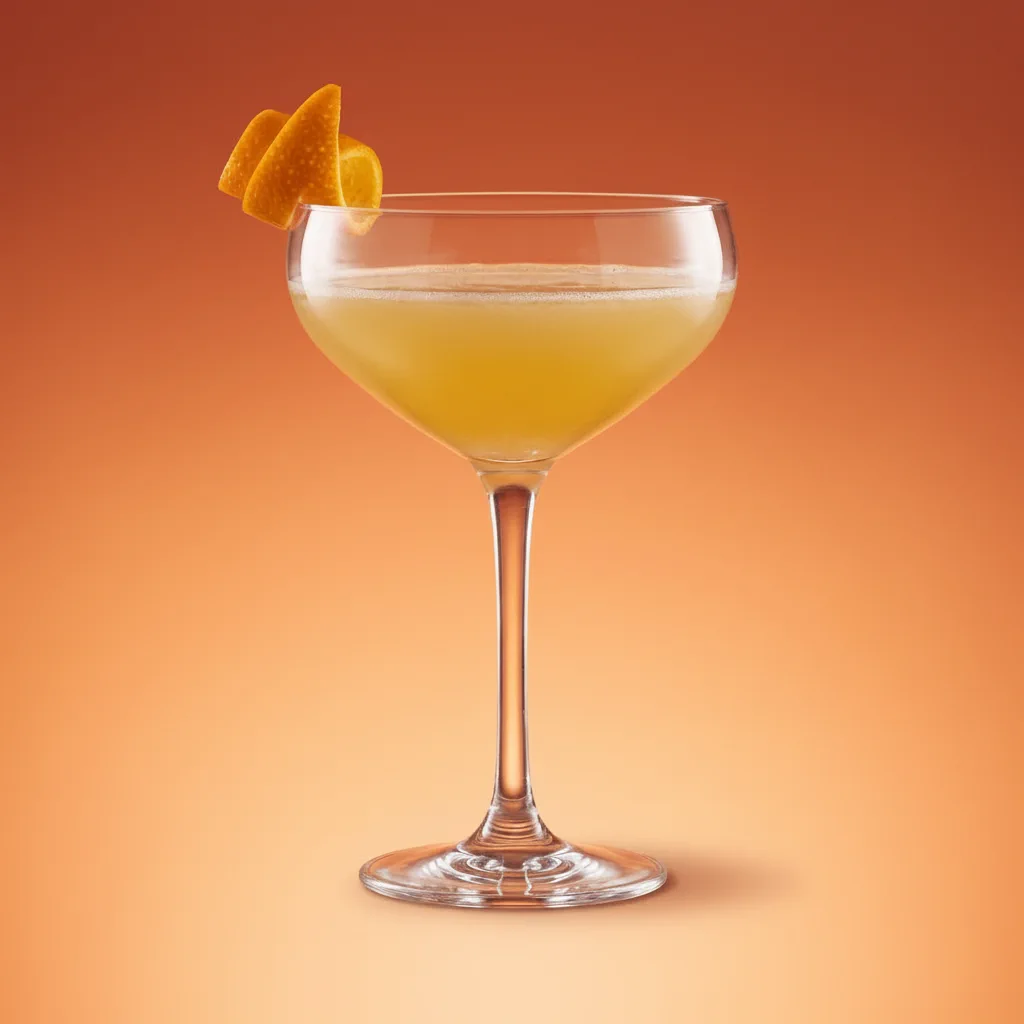
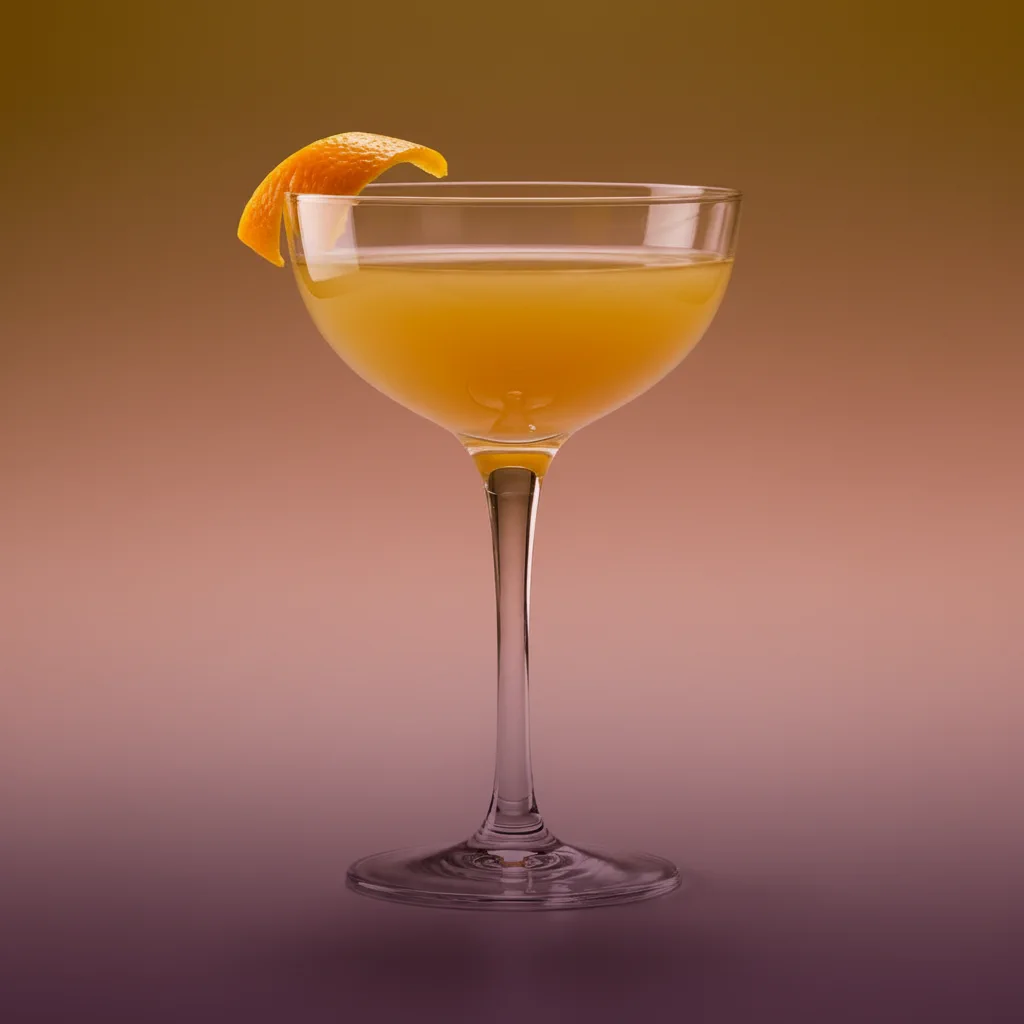
The Tango is a shaken gin cocktail that blends both sweet and dry vermouth with fresh orange juice and a touch of orange curaçao. Gin backbones a citrus-forward sip, the two vermouths adding a wine-like depth while a thin curaçao thread of orange peel lingers into a dry finish.
Ingredients
1
Servings
Garnish

Instructions for 1 serving
- Pre-chill a glass
- Shake all ingredients with ice: London dry gin 30 mlRosso vermouth 15 mlDry vermouth 15 mlOrange juice 25 mlOrange curaçao liqueur 5 ml
- Fine strain into the chilled glass
- Express an orange twist over the cocktail and use as garnish
Tips
- Use freshly squeezed orange juice, not bottled — it keeps the drink bright rather than dull and syrupy.
History
The Tango Cocktail is a gin-and-double-vermouth drink brightened with orange juice and a dash of curaçao, first printed in Harry MacElhone's 1923 book Harry of Ciro's ABC of Mixing Cocktails, which credited the recipe to a bartender named Harry working at the Palermo bar on Rue Fontaine in Paris. MacElhone repeated the same recipe verbatim in his 1927 Barflies and Cocktails. It reached wider English-language circulation when Harry Craddock included it in The Savoy Cocktail Book in 1930, listing equal parts French and Italian vermouth with gin, orange juice, and curaçao.
The drink is essentially identical to the Satan's Whiskers, another gin-and-double-vermouth sour built around orange, and the two names have long been used almost interchangeably by bartenders and writers describing the same combination. The name is unrelated to a separate, unlike drink called the Savoy Tango, a two-ingredient sloe gin and applejack or Calvados cocktail that Craddock's book describes as invented at the Savoy Hotel in London; the shared "Tango" name reflects the popularity of the dance in the era rather than any connection between the two recipes.
FAQ
What are the ingredients in a Tango?
A Tango is made with London dry gin, both rosso and dry vermouth, fresh orange juice, and a small amount of orange curaçao liqueur, shaken and fine-strained into a chilled coupe with an orange twist.
What is a Tango cocktail?
The Tango is a shaken gin cocktail rounded out with both vermouths and brightened by fresh orange juice, served up in a chilled coupe glass. It's vegan and lactose-free, weighing in at about 19.4% ABV and roughly 131 calories per serving.
What flavor is a Tango?
It tastes primarily of orange and juniper, with the two vermouths giving it a wine-like, slightly bitter depth rather than straightforward sweetness. The curaçao adds a concentrated orange note on top of the fresh juice, while the gin keeps the overall profile dry rather than sweet.