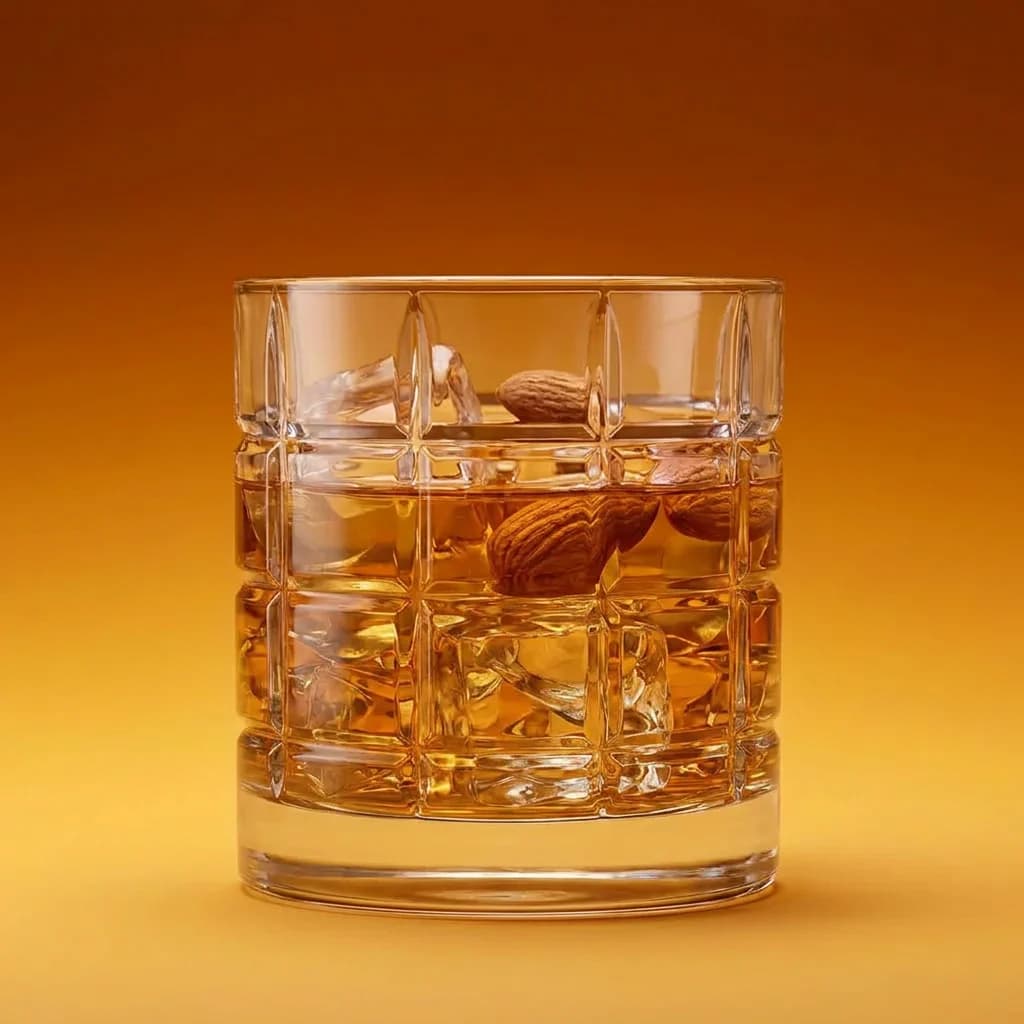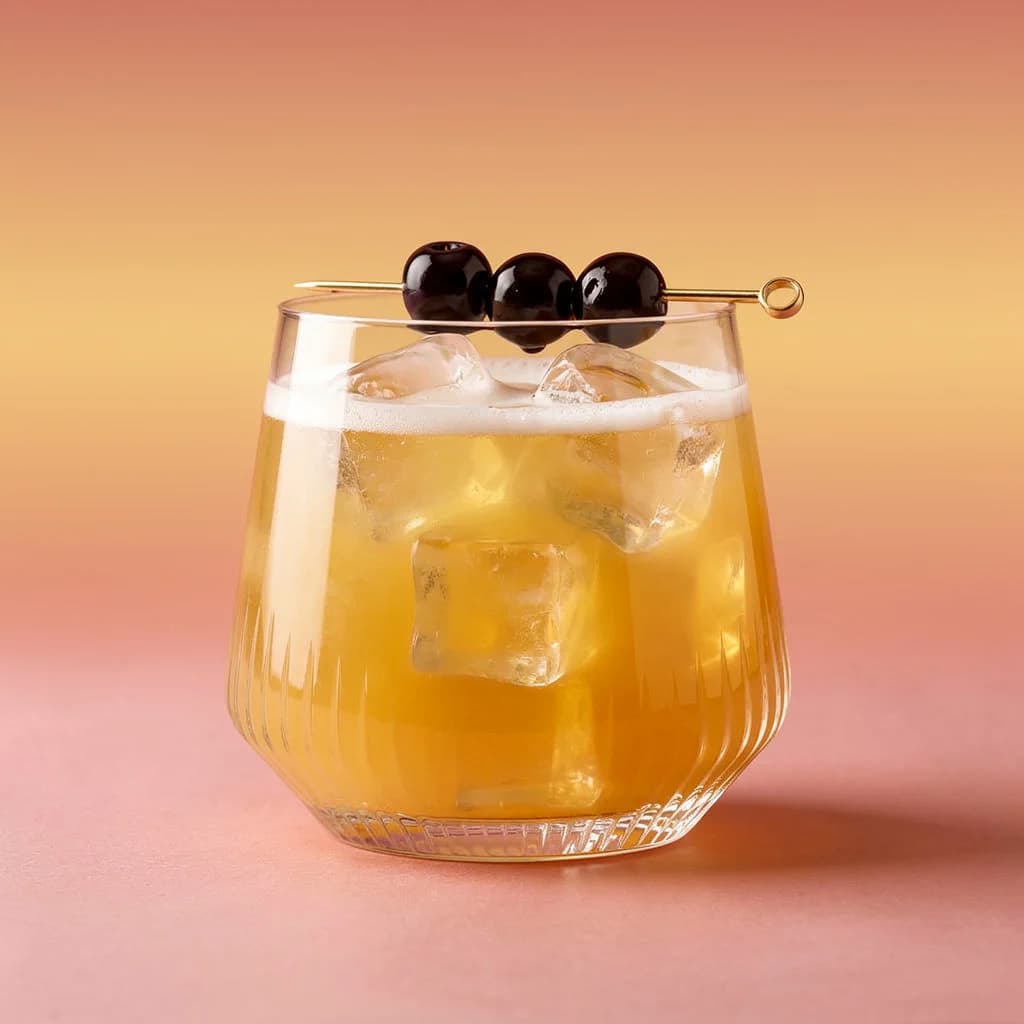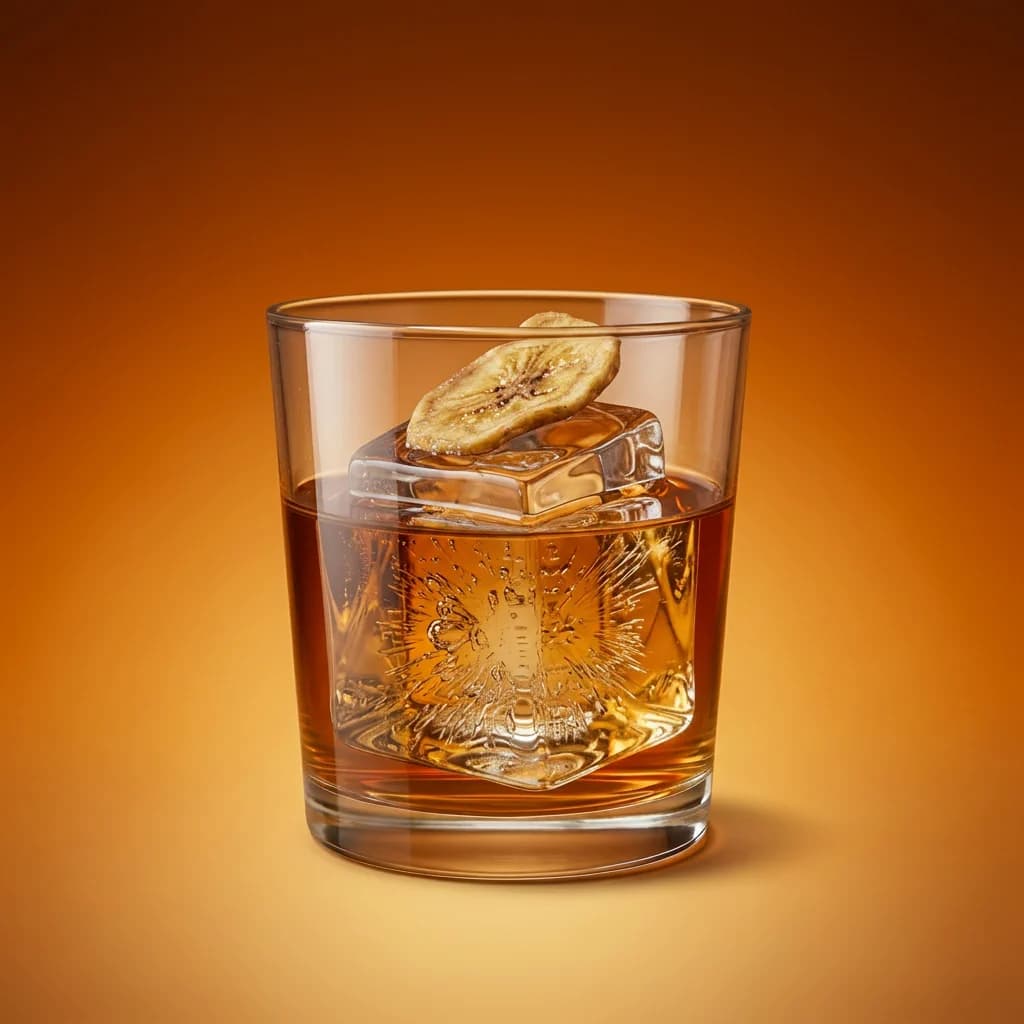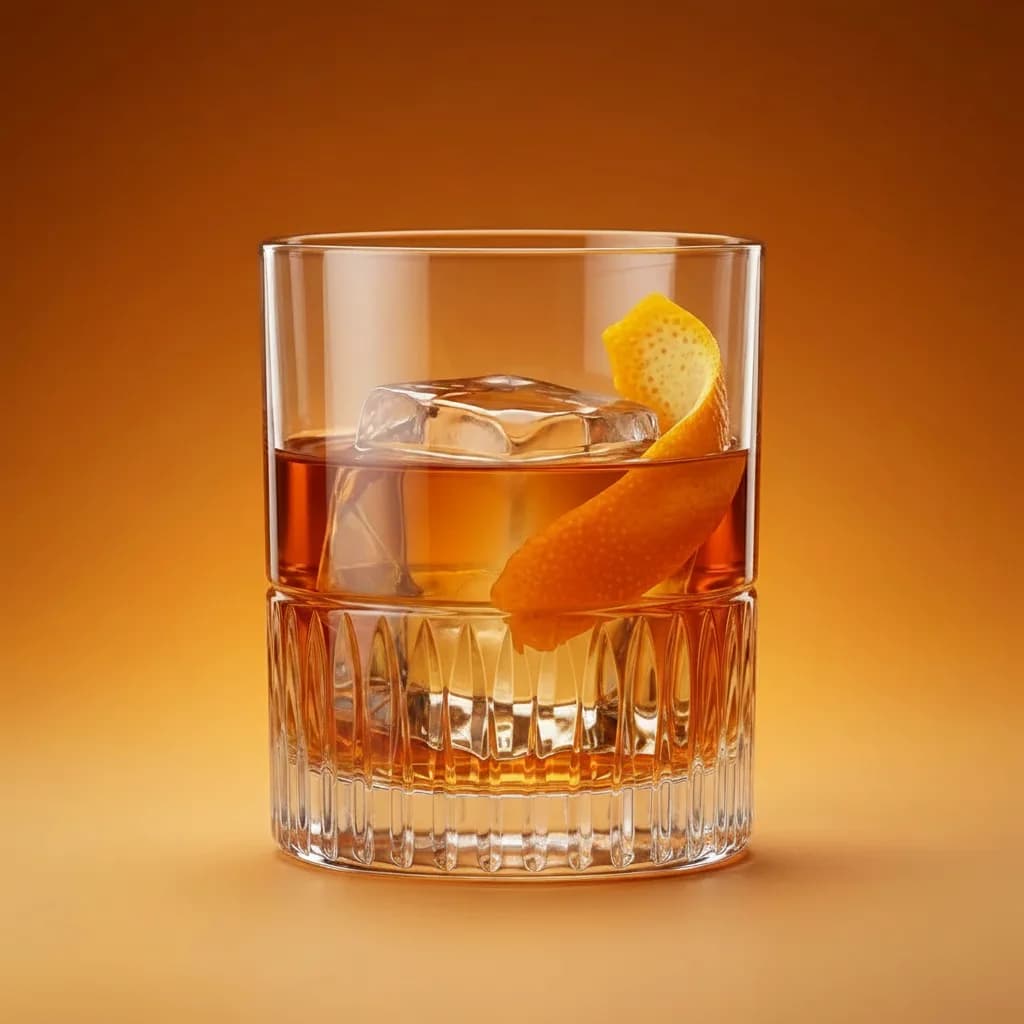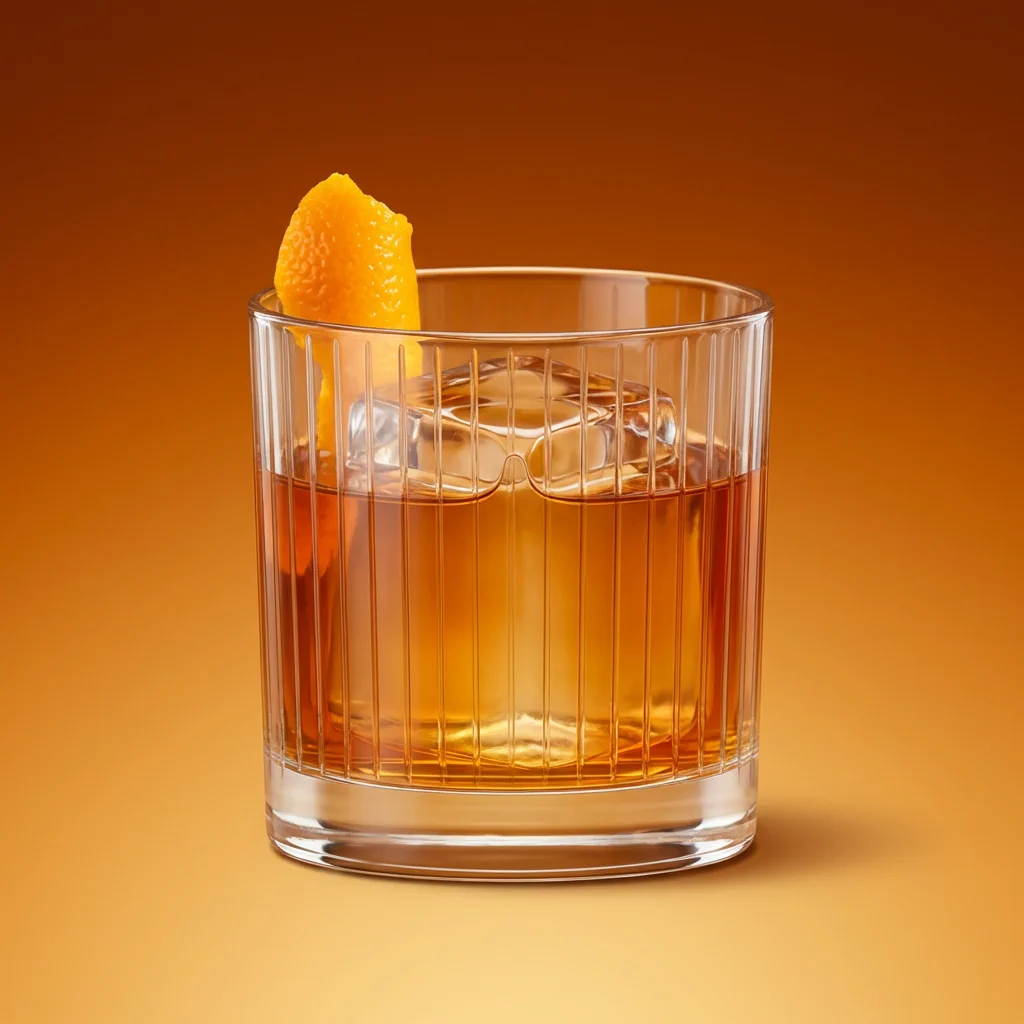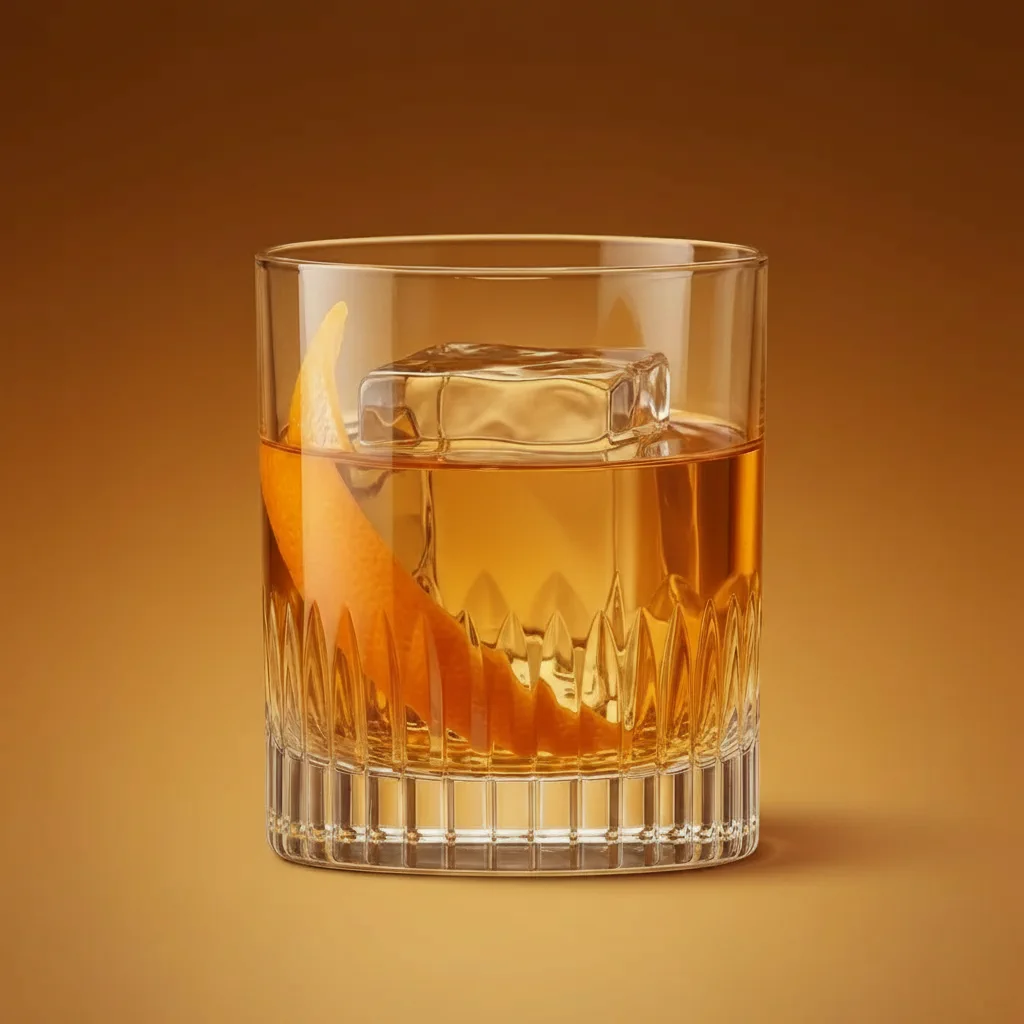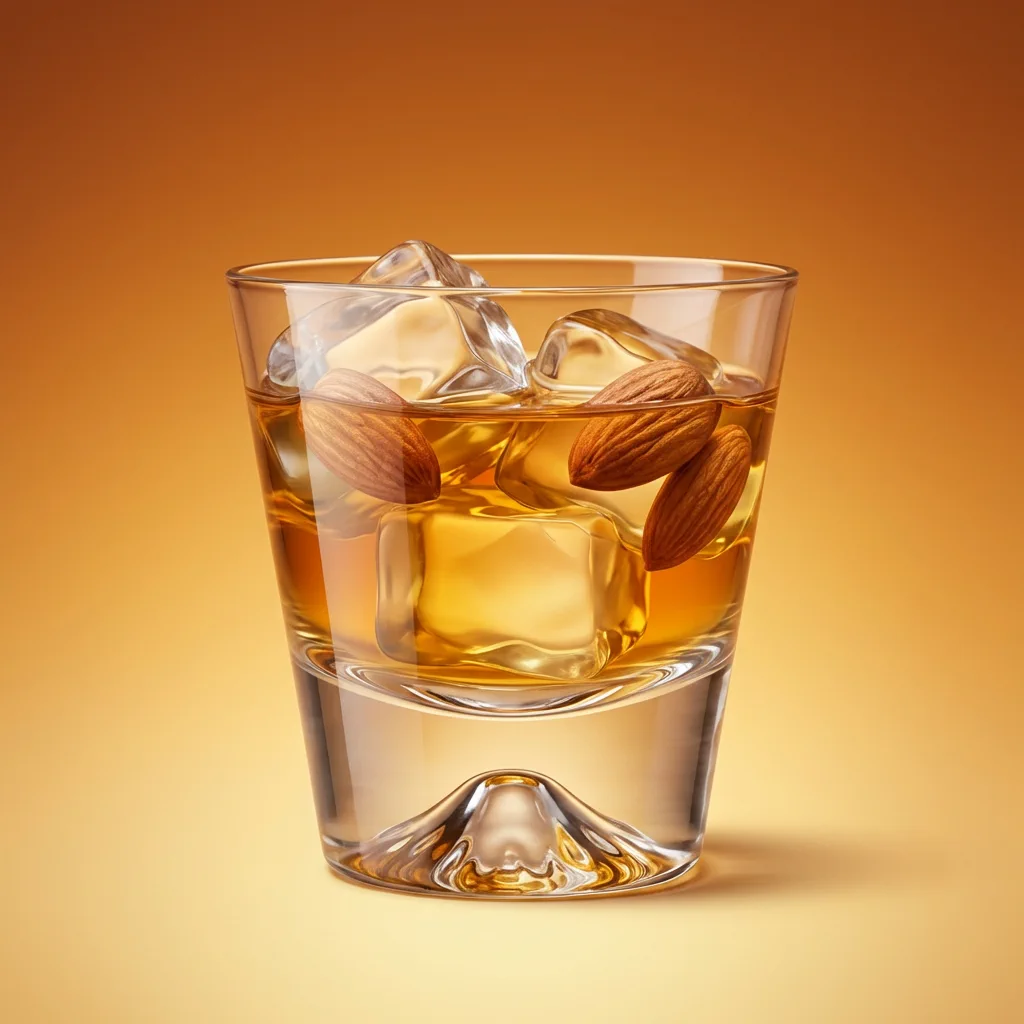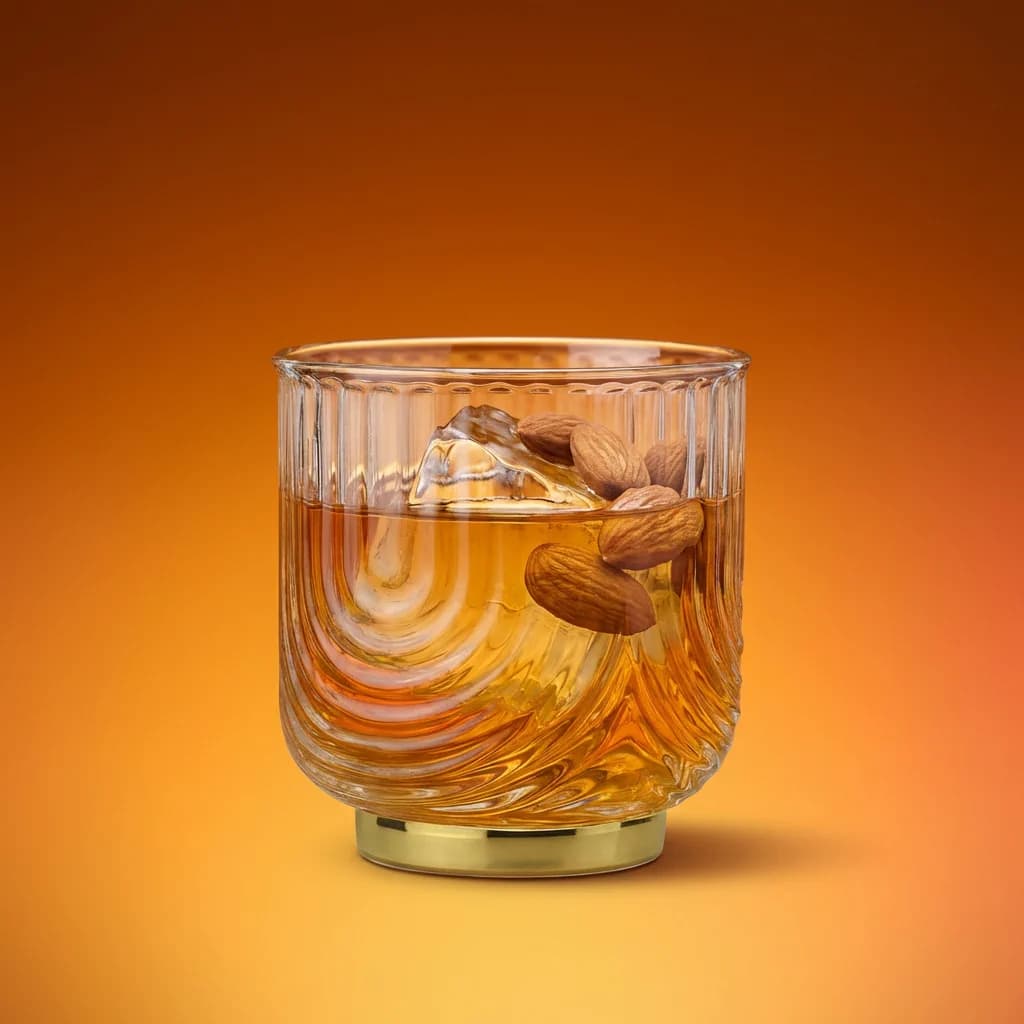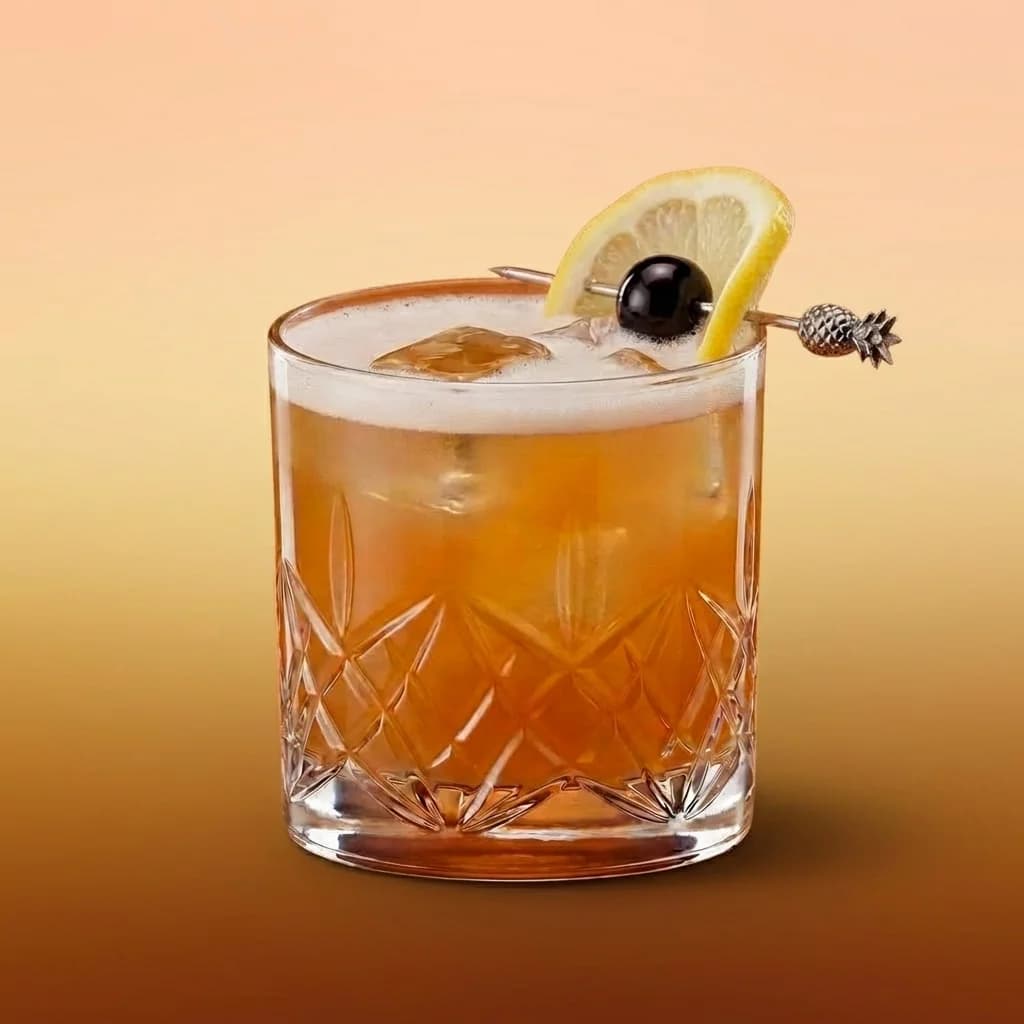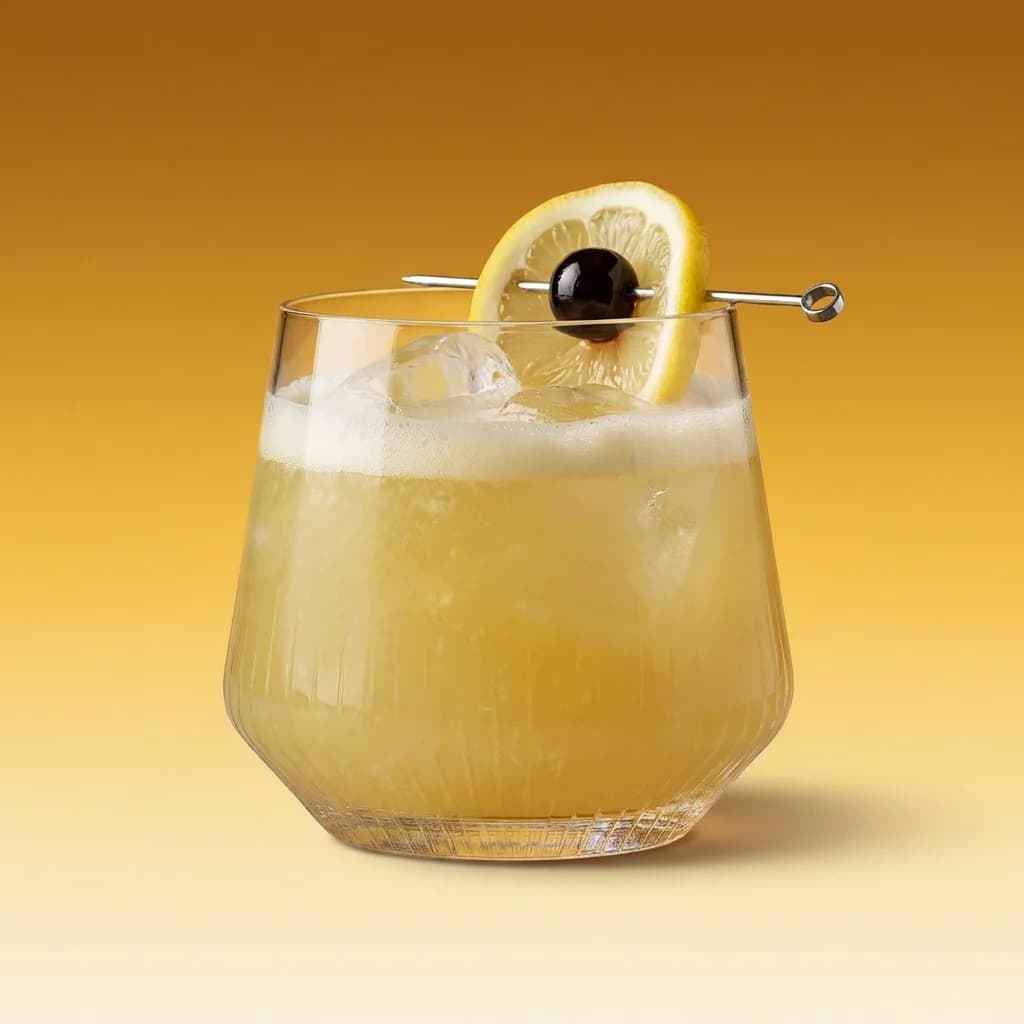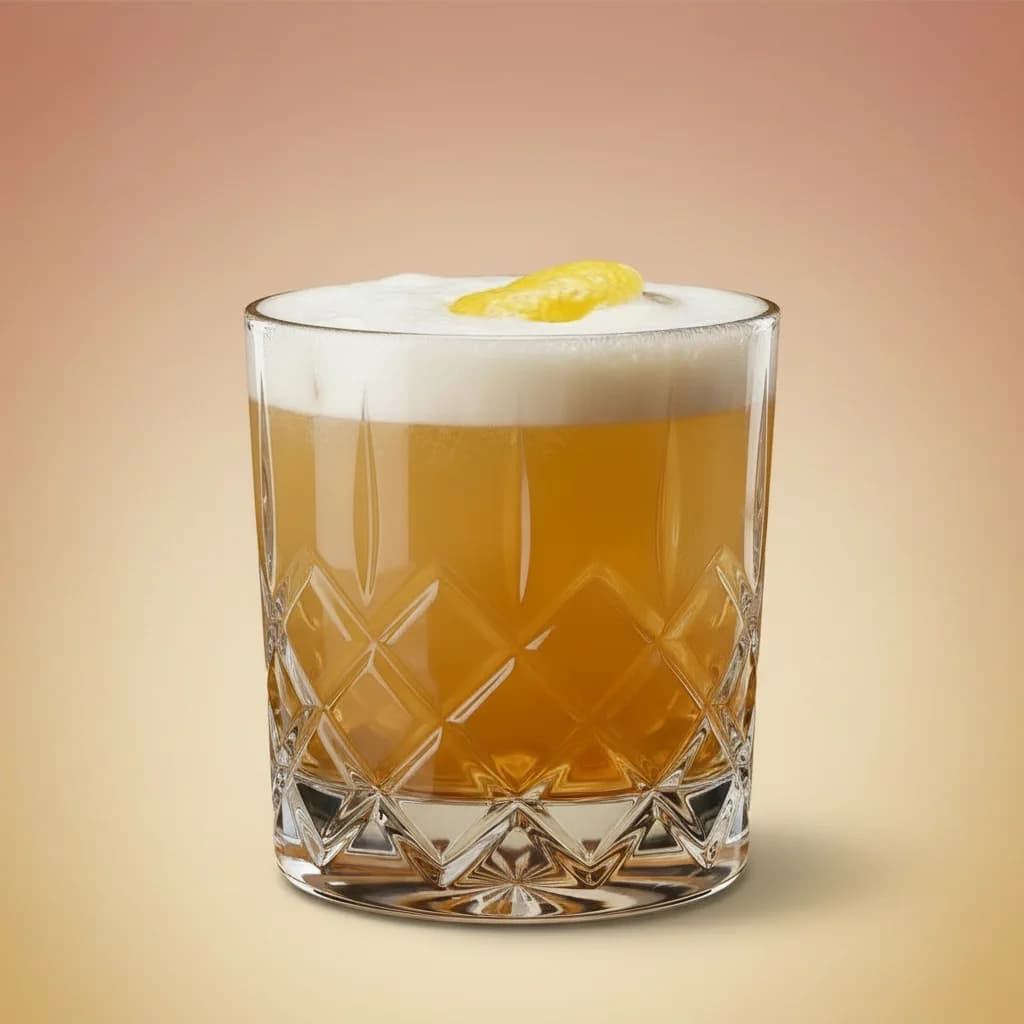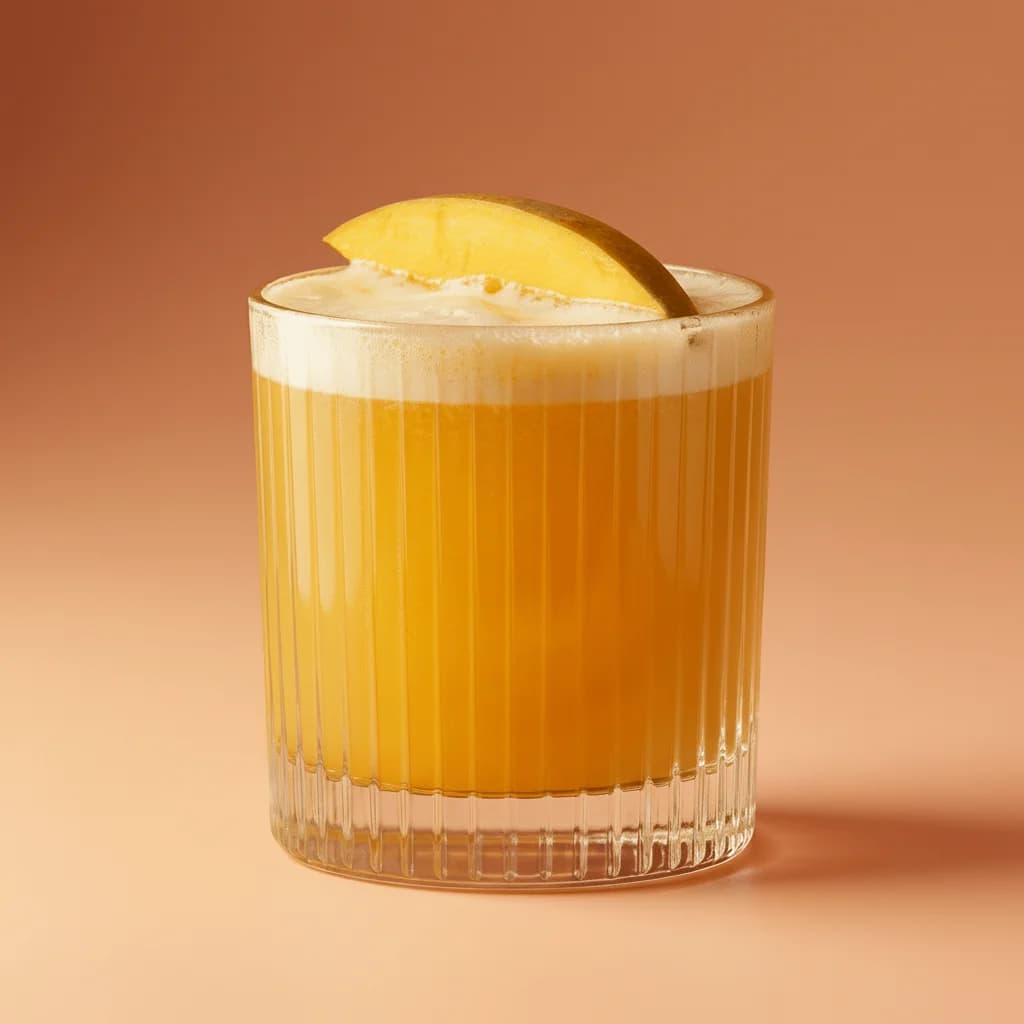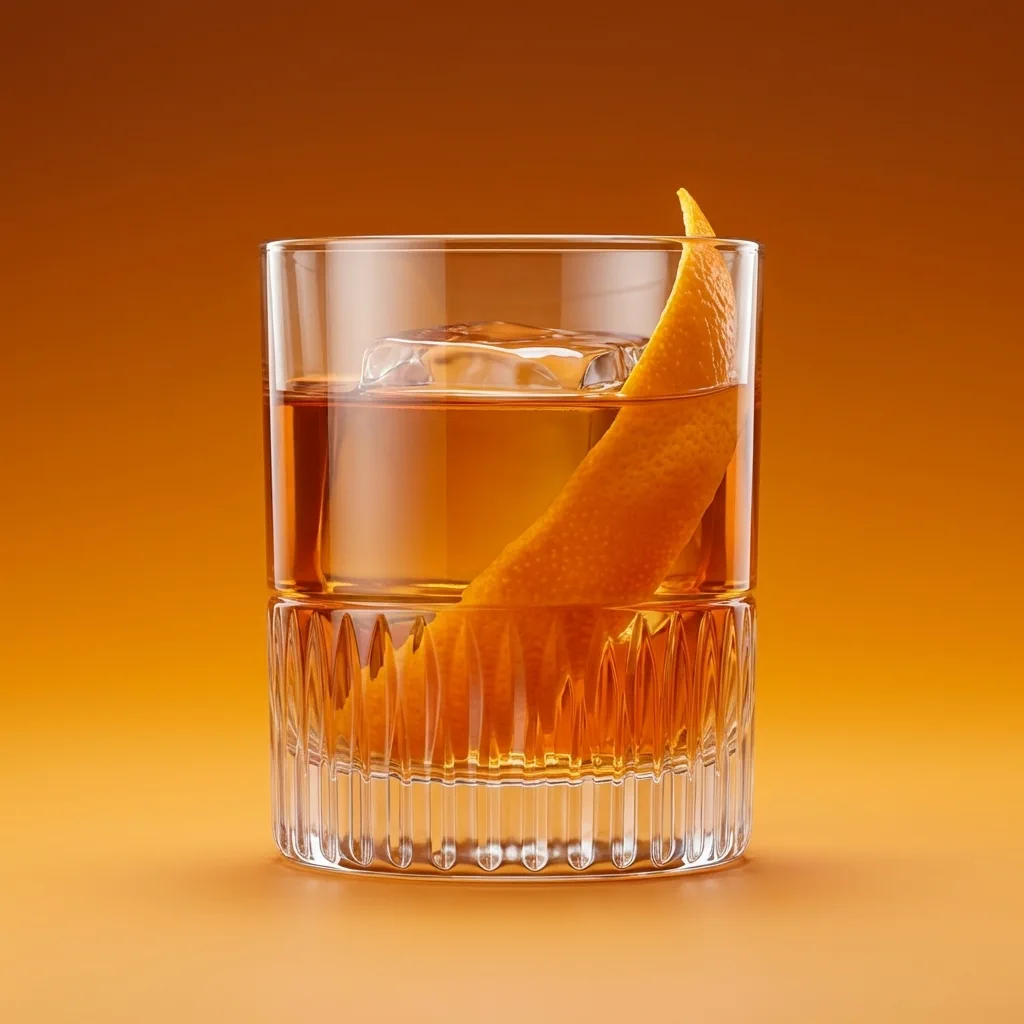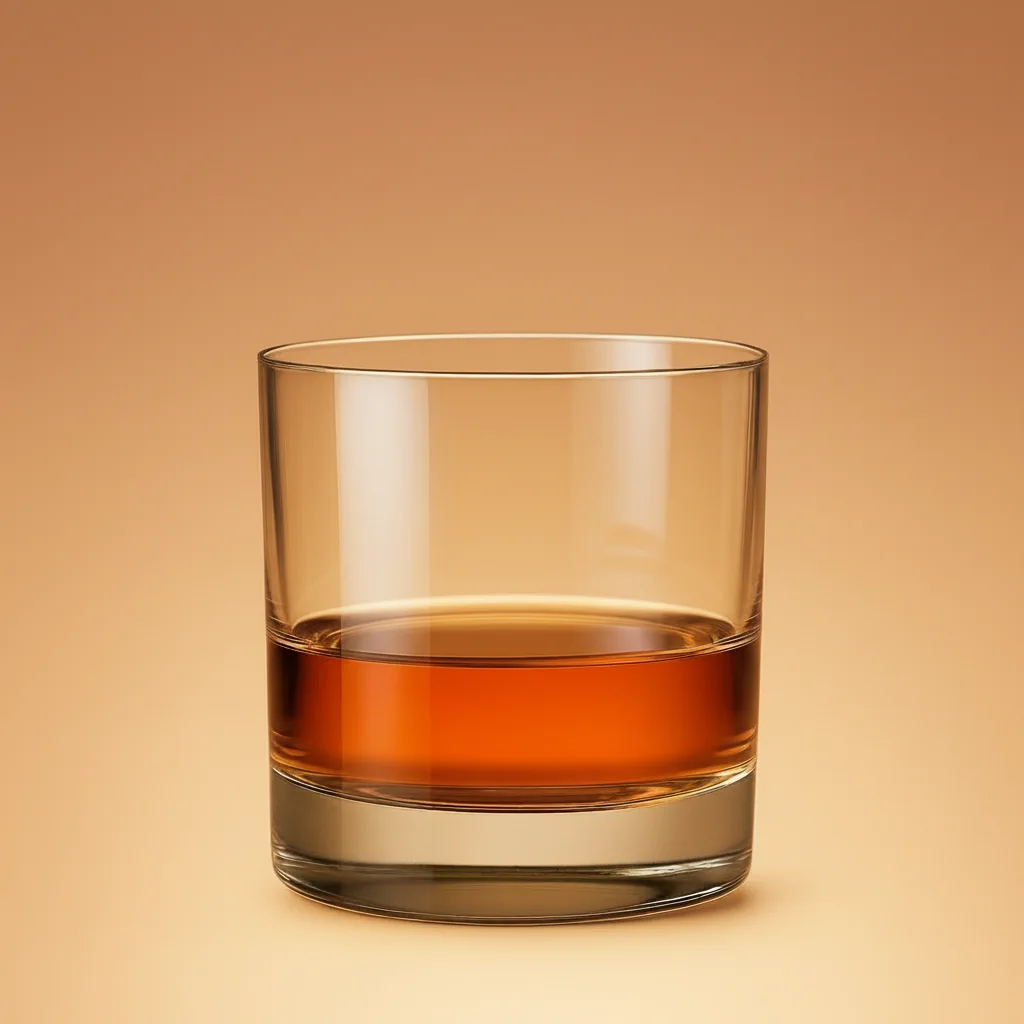
Cocktails with Bourbon
Bourbon is America’s own whiskey: at least 51% corn, aged in new charred oak, and made only in the US. After distilling, nothing goes in but water — no coloring, no flavoring.
ABV40–50%On most bottles, with 40% the legal minimum; barrel-proof runs past 60%.
Substitutes for Bourbon
Every American whiskey near it is drier or spicier, so a swap moves the drink along the sweet-to-spicy line instead of leaving it where it was. Strength matters more than the grain: below about 45% an Old Fashioned goes watery long before it goes wrong.
On the label
- "straight"
- At least two years in new charred oak with nothing added but water; under four years old, the bottle must state its age.
- "bottled-in-bond" / "bonded"
- One distillery, one distilling season, at least four years in a federally supervised warehouse, bottled at exactly 50% ABV — the strictest guarantee on the shelf.
- "barrel proof" / "cask strength"
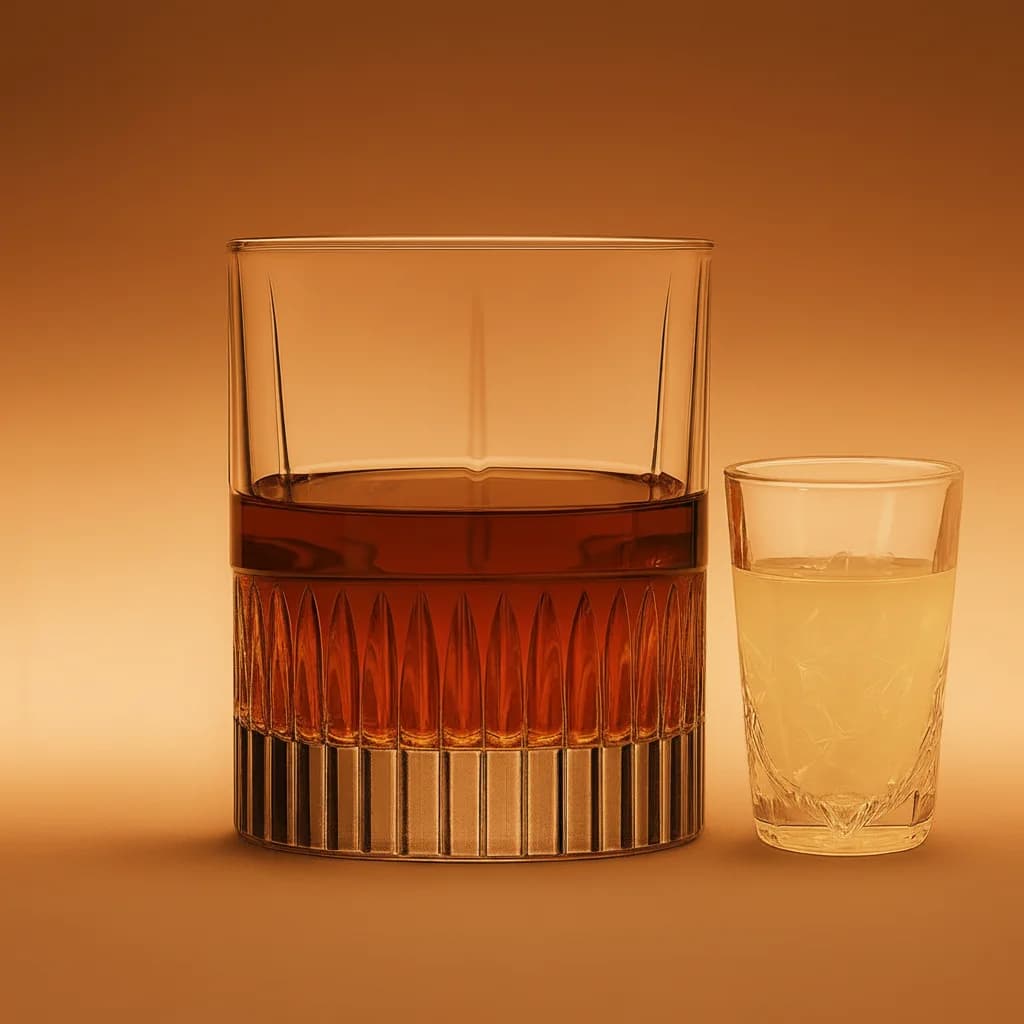
- Bottled undiluted, straight from the barrel (often 55–65% ABV), so it runs stronger than a standard bottling — add water to taste.