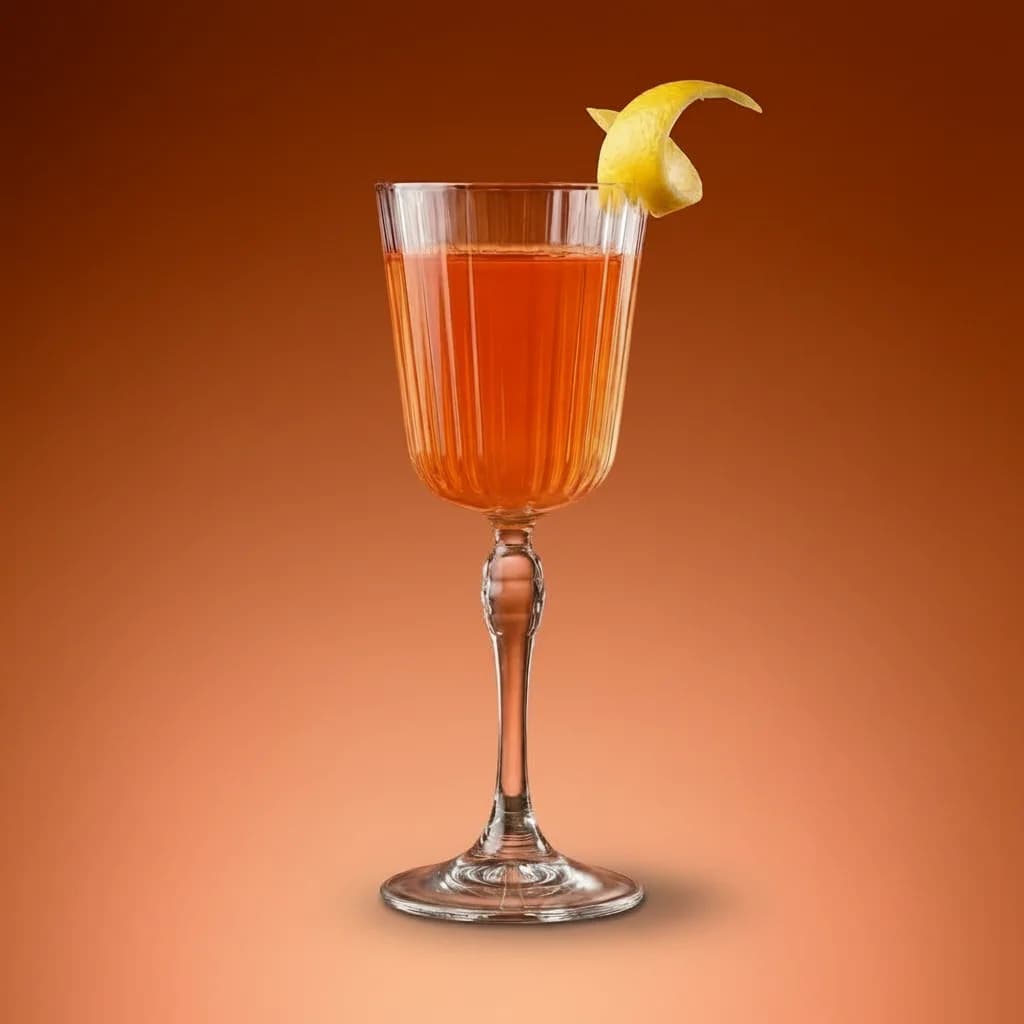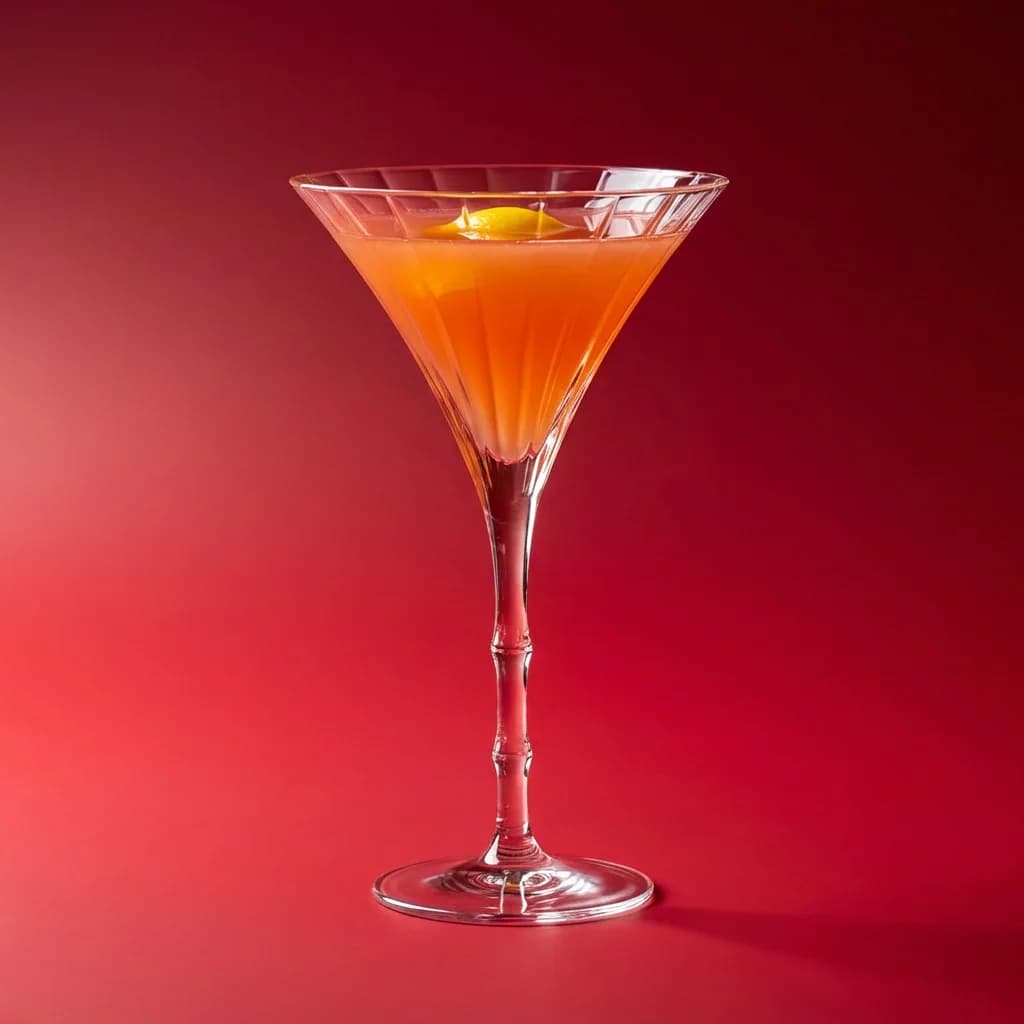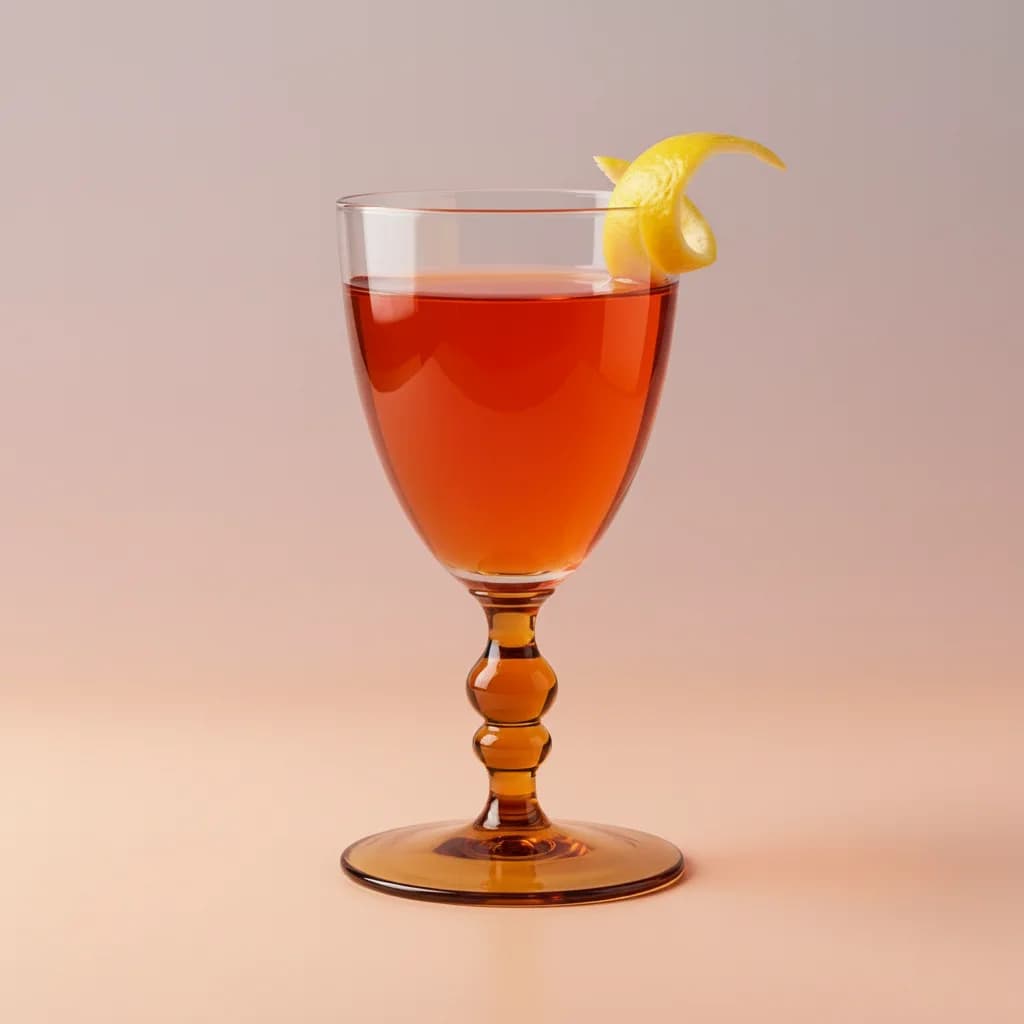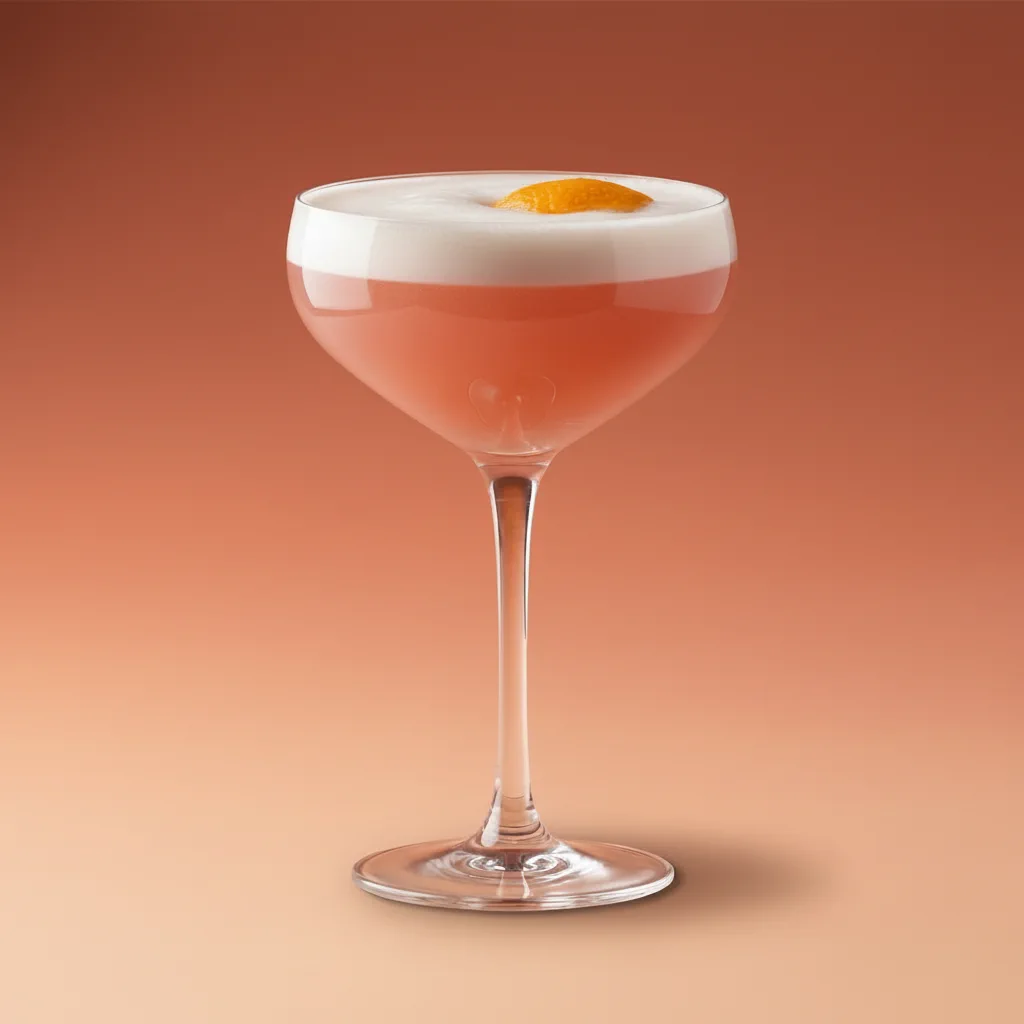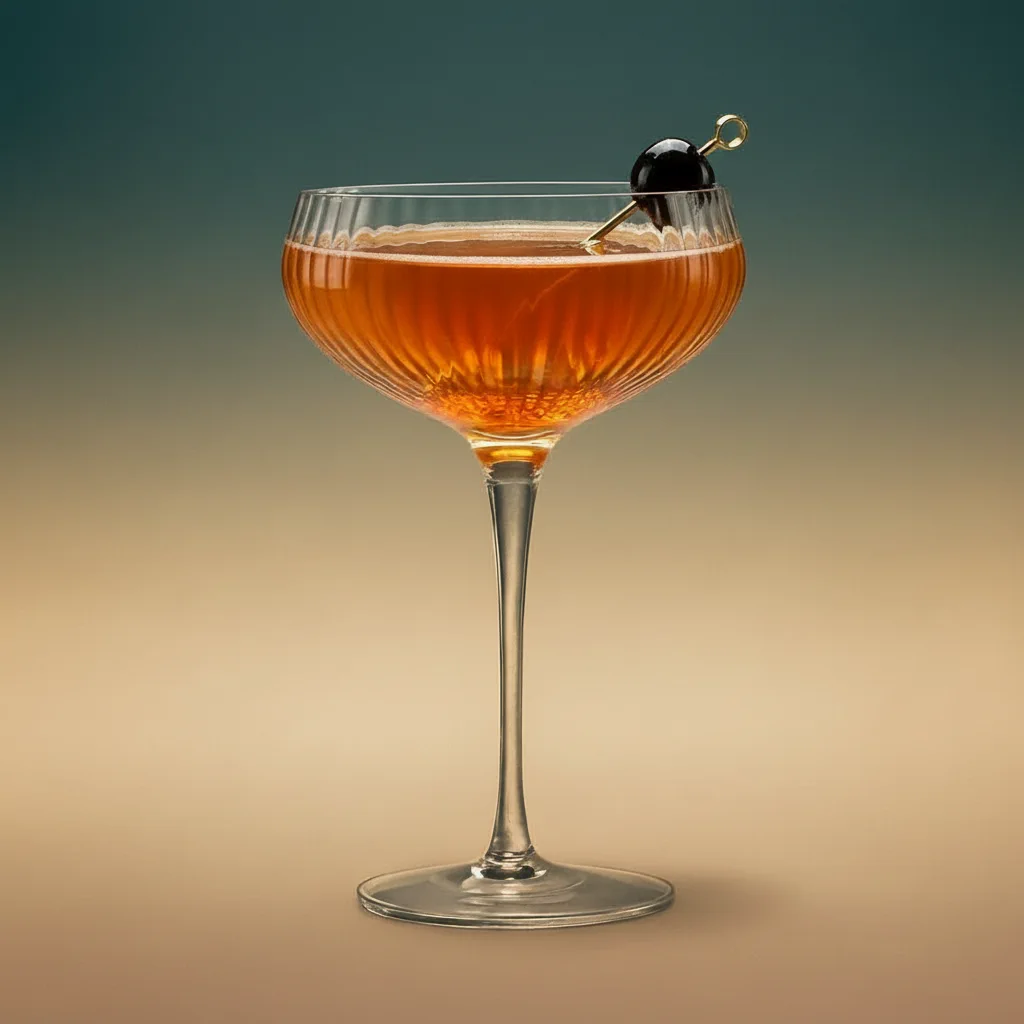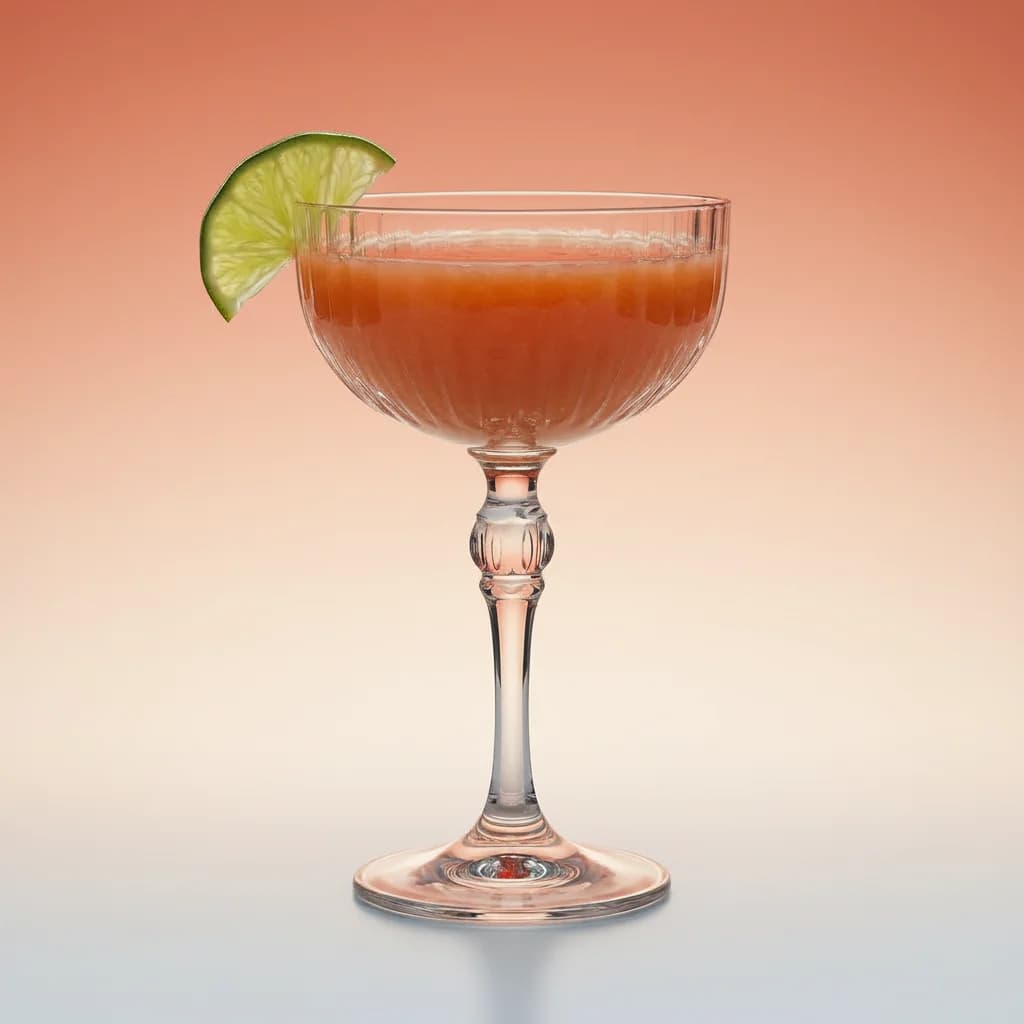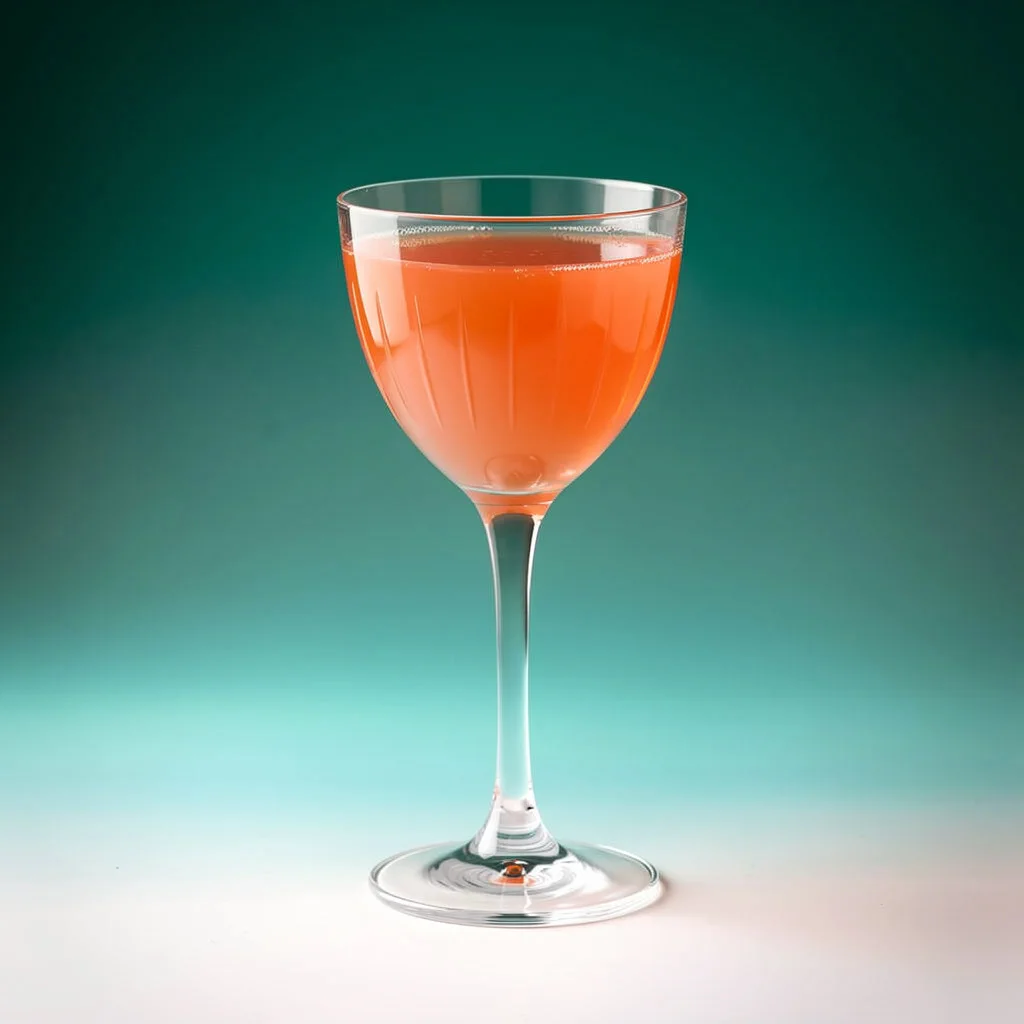
Paper Plane
A bitter and sour cocktail ∙ Shake ∙ 3 min ∙ 17.9% ABV ∙
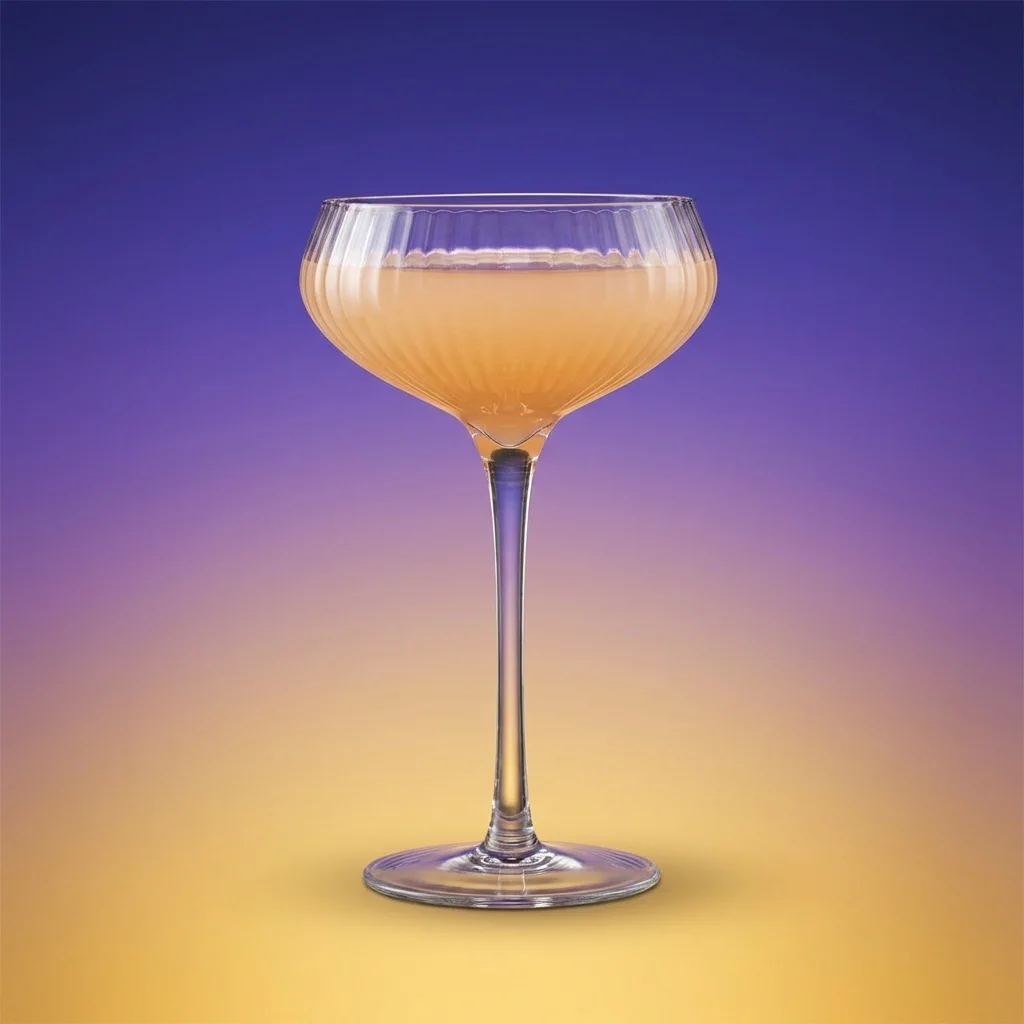
The Paper Plane is an equal-parts modern whiskey sour made with bourbon, Amaro Nonino, an aperitivo bitter, and fresh lemon juice, shaken and served up. Bittersweet depth balanced against a bright citrus snap, with a lingering herbal warmth and a crisp, tart edge.
Ingredients
1
Servings
Instructions for 1 serving
- Pre-chill a glass
- Shake all ingredients with ice: Bourbon 30 mlAmaro Nonino Quintessentia 30 mlAperitivo 30 mlLemon juice 30 ml
- Strain into the chilled cocktail glass
Tips
- Shake hard and for a full 10-12 seconds to fully integrate the amaro and aperitivo with the lemon before straining.
History
The Paper Plane was created in 2008 by Sam Ross and his Milk & Honey mentor, Sasha Petraske, as a favor for former colleague Toby Maloney, who wanted a summer drink for his new Chicago bar, The Violet Hour. They built it as an equal-parts riff on the Last Word, a Prohibition-era gin cocktail recently revived by Seattle bartender Murray Stenson, and named it after the M.I.A. track "Paper Planes," which the two had on repeat while developing the drink. Ross tried rye, applejack, and brandy before settling on bourbon in place of gin, then relayed the recipe to Maloney by voicemail; Maloney misheard it and listed the drink on the menu as the "paper airplane." That first version was built on Campari alongside Amaro Nonino and lemon juice, but two days later Ross found it too bitter and not sweet enough, and swapped in Aperol — the formula that became the standard recipe.
In 2020, the International Bartenders Association added the Paper Plane to its official cocktail list in the New Era Drinks category.
FAQ
What are the ingredients in a Paper Plane cocktail?
A Paper Plane is made of equal parts bourbon, Amaro Nonino, an aperitivo bitter, and fresh lemon juice, shaken and strained into a chilled glass. The four-way equal split is what defines the drink rather than any single dominant spirit.
Is a Paper Plane a strong drink?
It is moderately strong, coming in at about 17.9% ABV, lighter than a straight spirit drink because two of the four equal parts are amaro and lemon juice rather than bourbon. The shake and strain also add some dilution, softening it further.
How do you make a traditional Paper Plane?
Shake equal parts bourbon, Amaro Nonino, an aperitivo bitter, and fresh lemon juice with ice, then strain into a chilled cocktail glass. There's no garnish in the traditional build, keeping the presentation clean and simple.
What can I use instead of Amaro Nonino in a Paper Plane?
The closest substitutes are other rhubarb-forward or lightly sweet amari, such as Amaro Meletti or Braulio, which echo Nonino's balance of bitterness and honeyed sweetness without overwhelming the bourbon and lemon. Avoid a very bitter, heavy amaro, as it will throw off the drink's equal-parts balance.
Can you make a Paper Plane without Amaro Nonino?
You can, but it changes the drink significantly, since Amaro Nonino is one of the four equal-parts components that define this recipe. Dropping it removes the honeyed bitterness that balances the aperitivo's bite and the lemon's acidity, so most bartenders substitute a similar amaro rather than omit it.