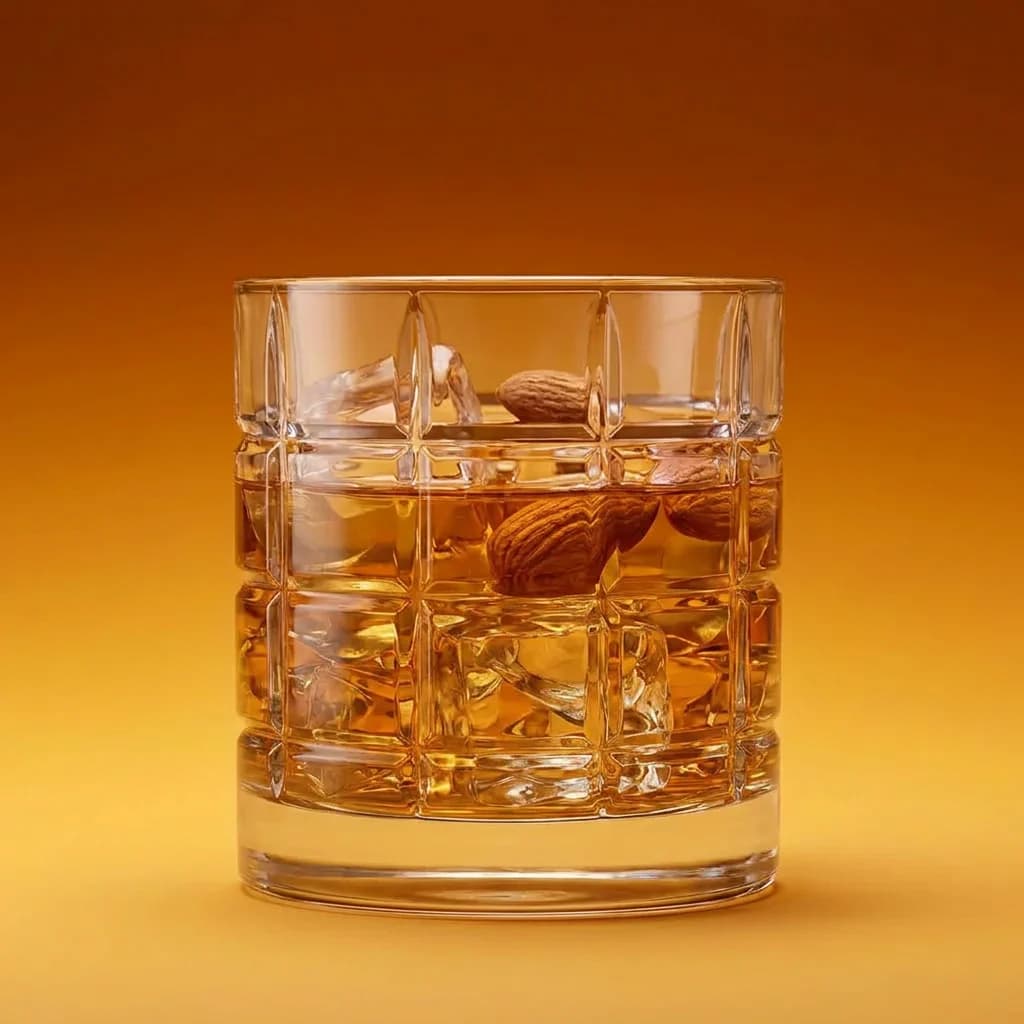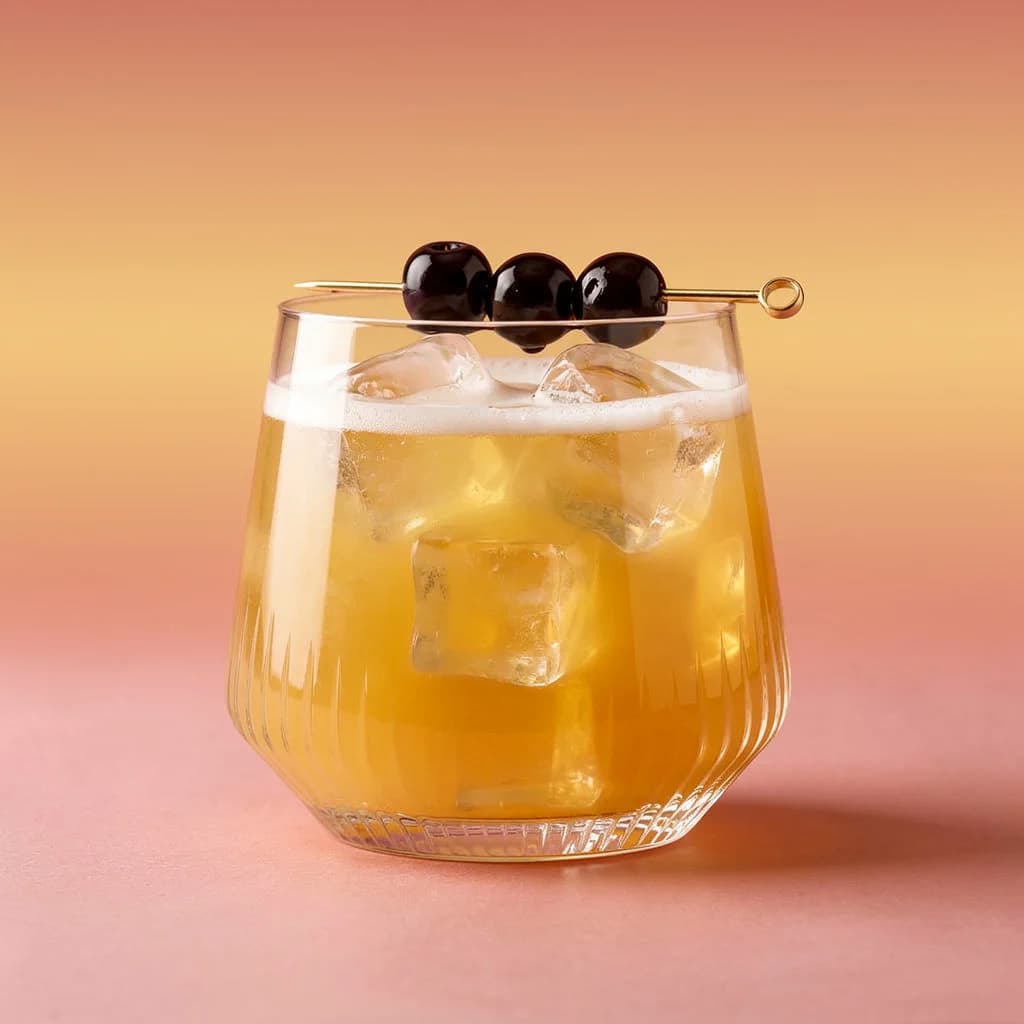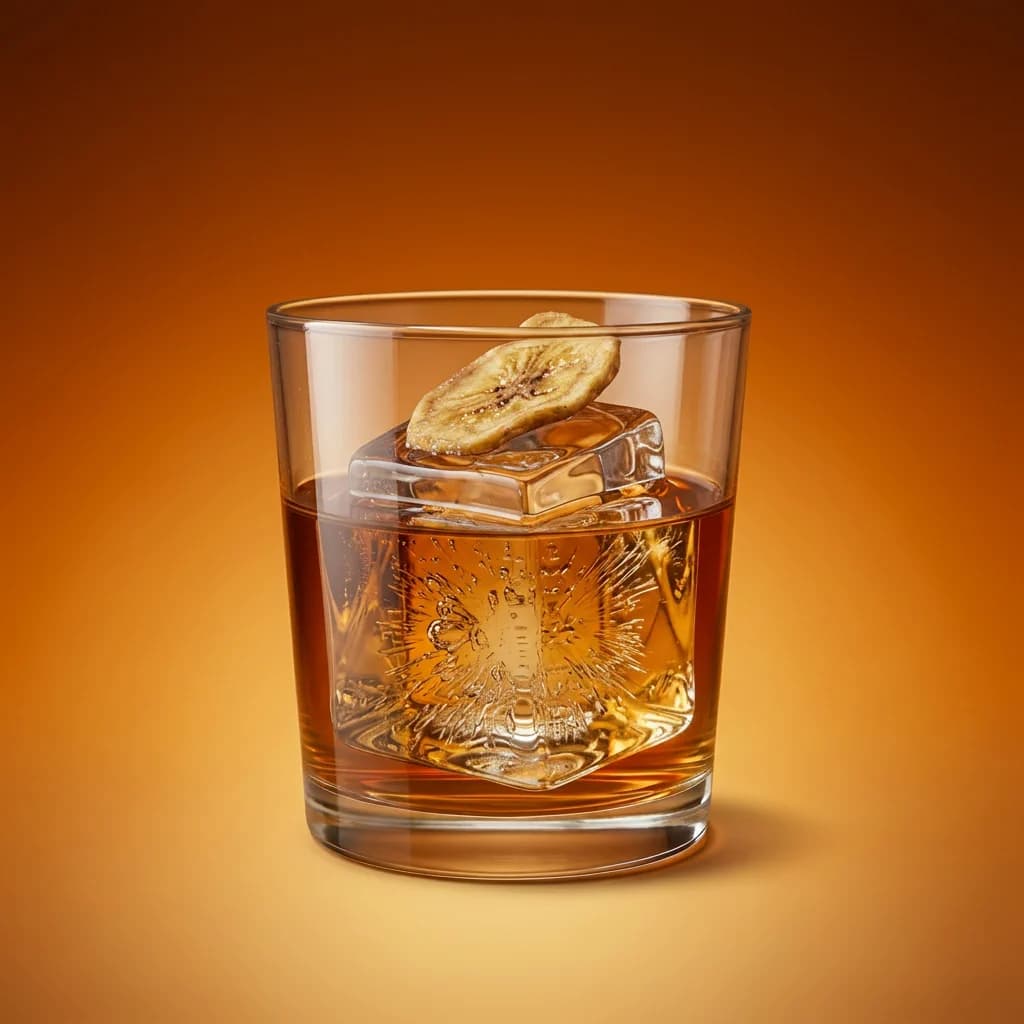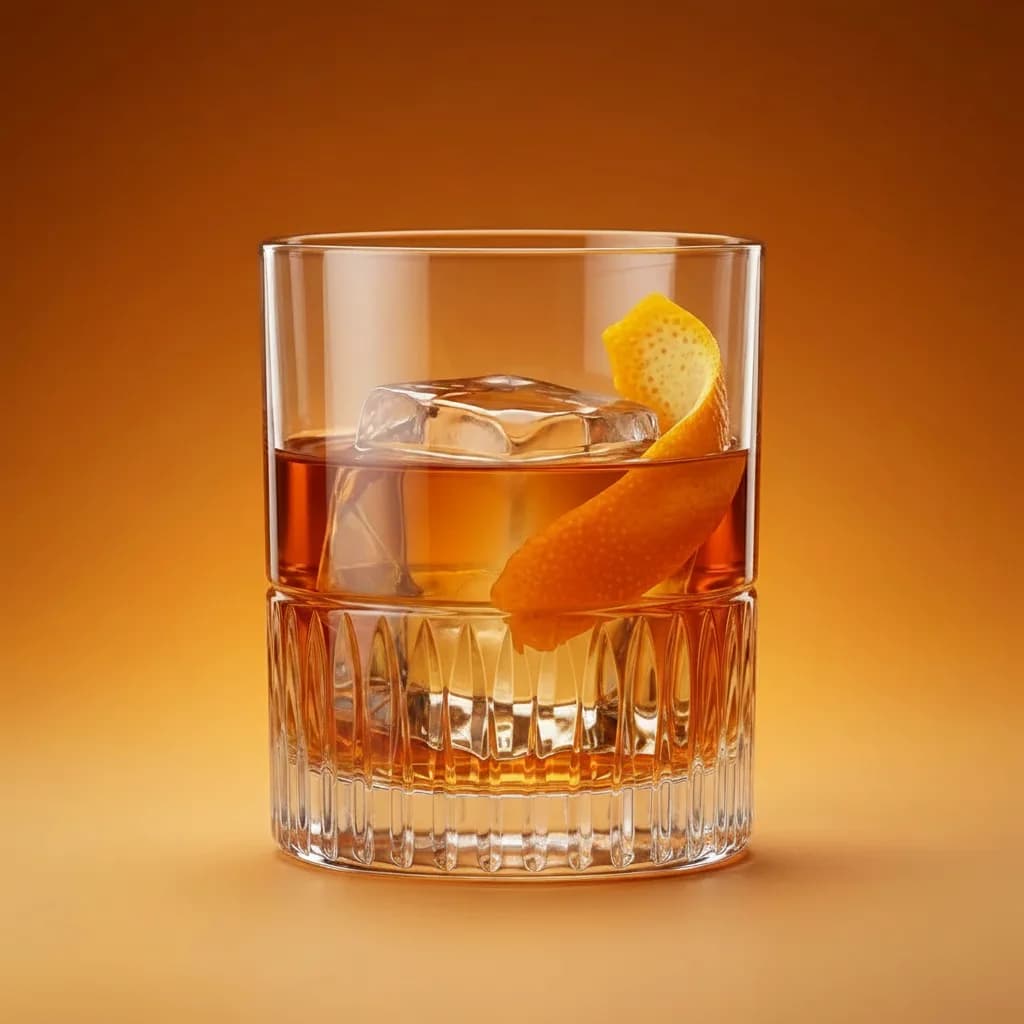
Manhattan (1903 recipe)
A bitter and sweet whiskey cocktail ∙ Stir ∙ 3 min ∙ 24.7% ABV ∙
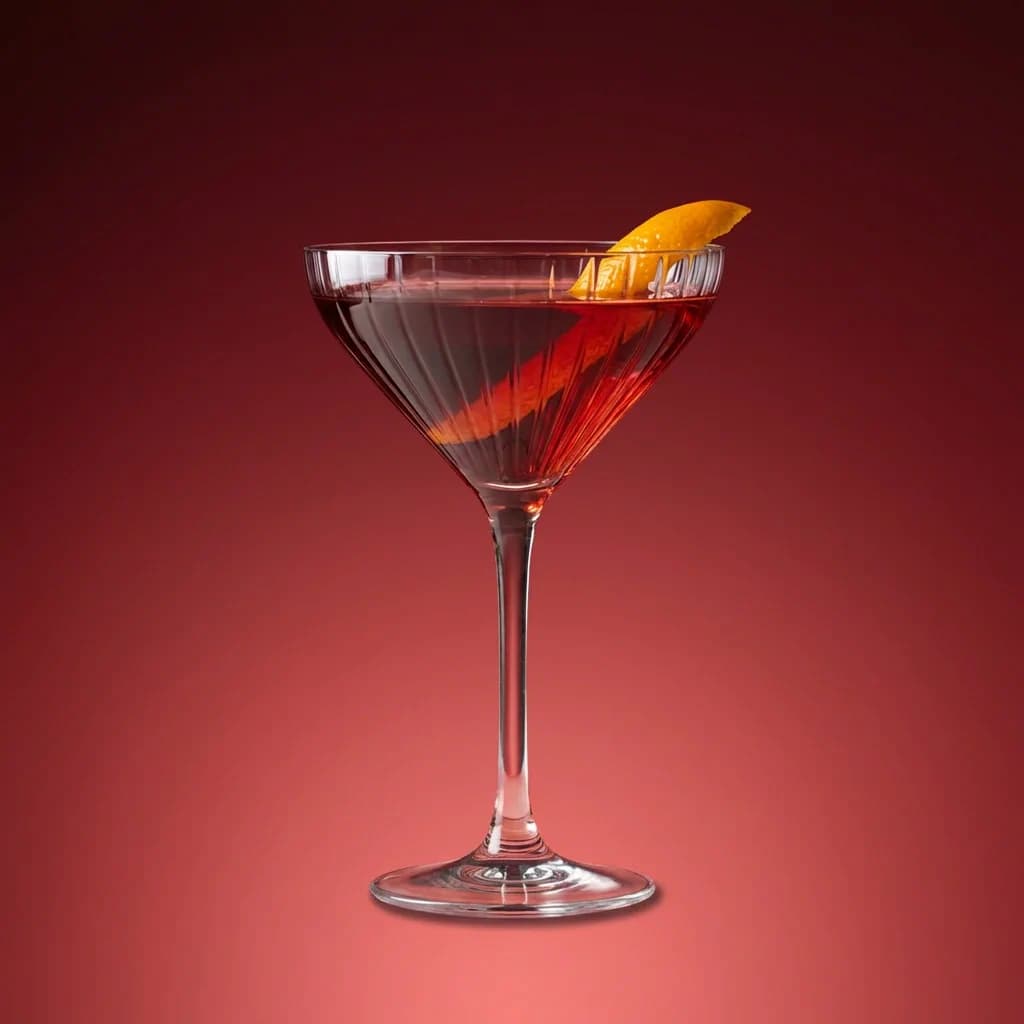
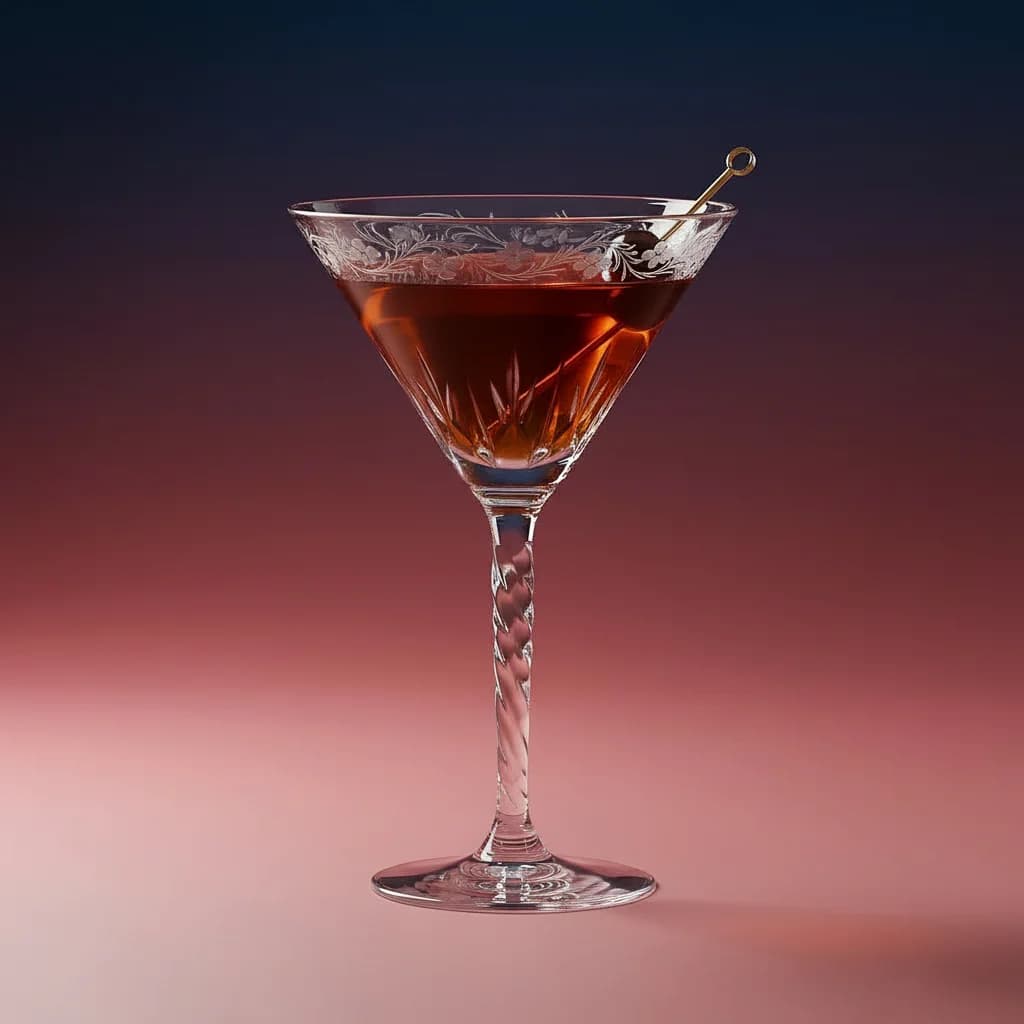
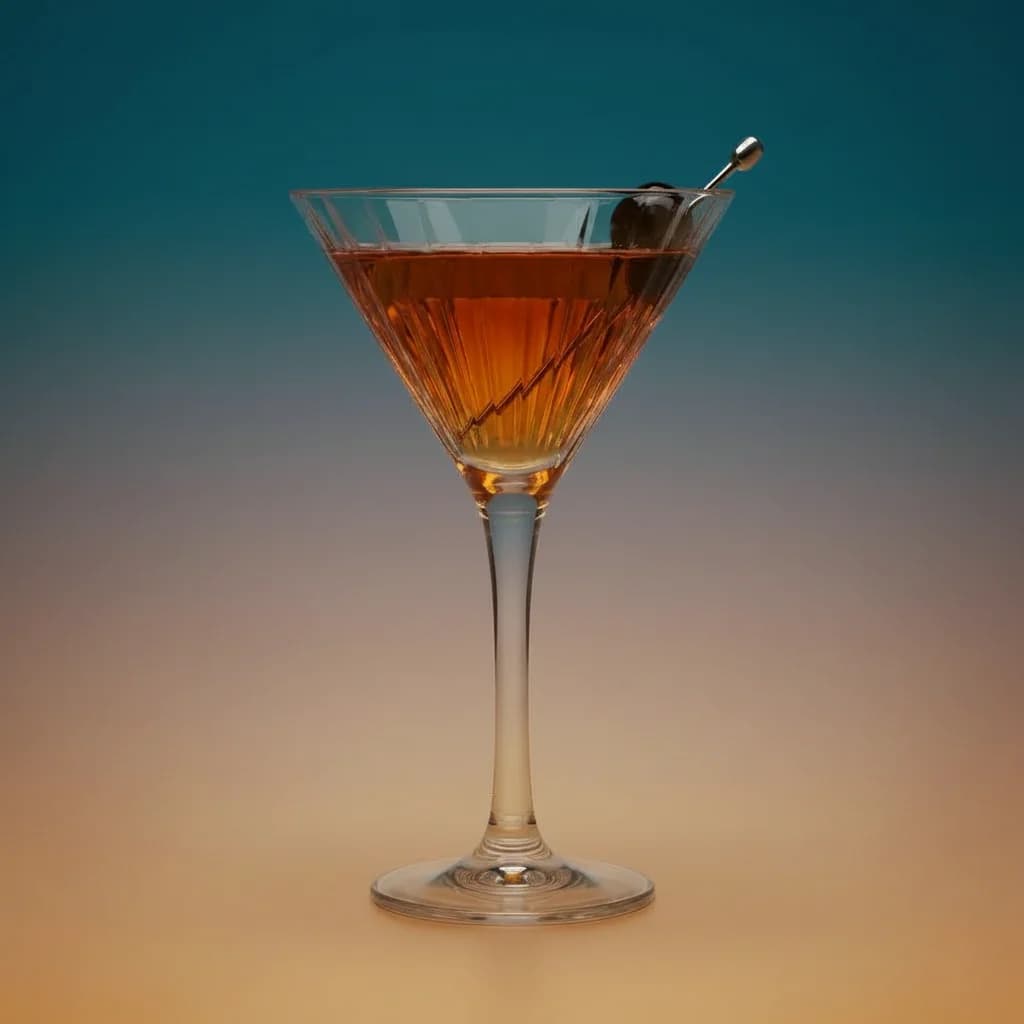
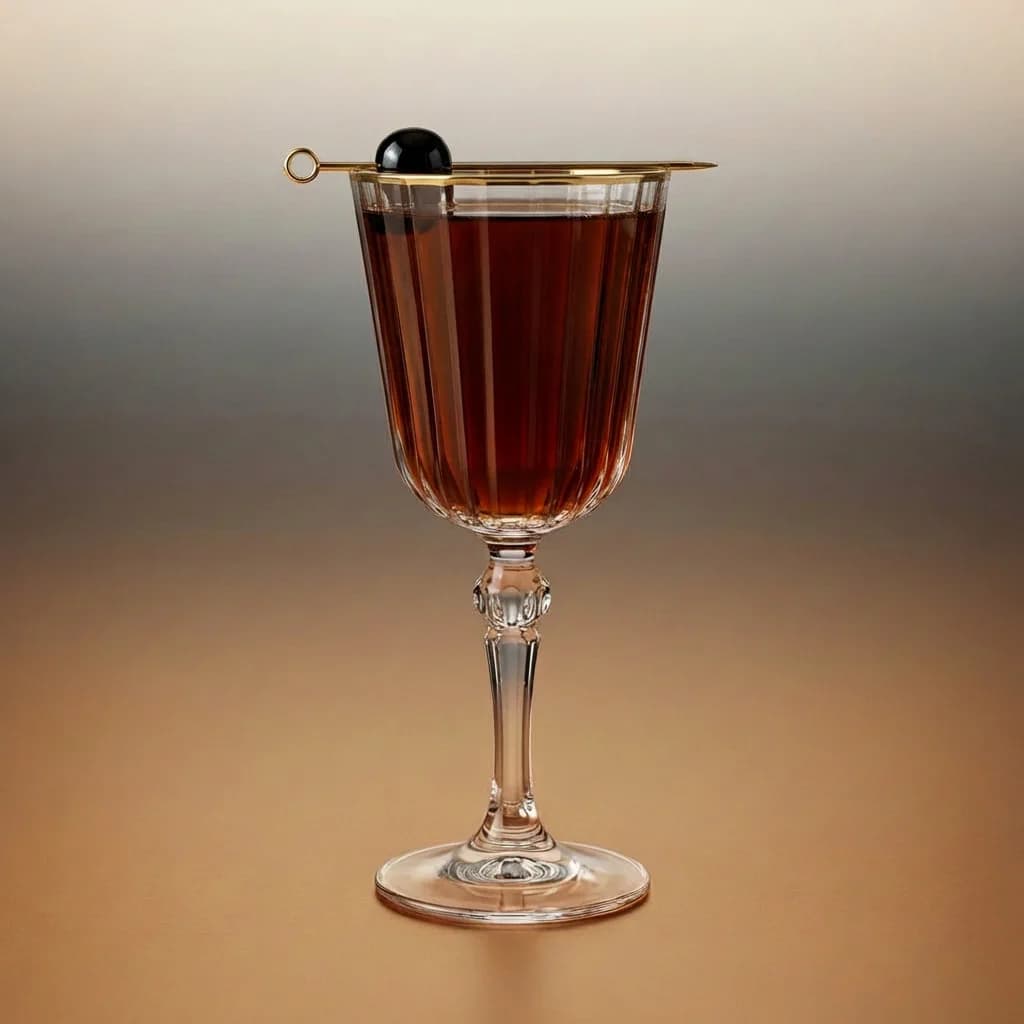
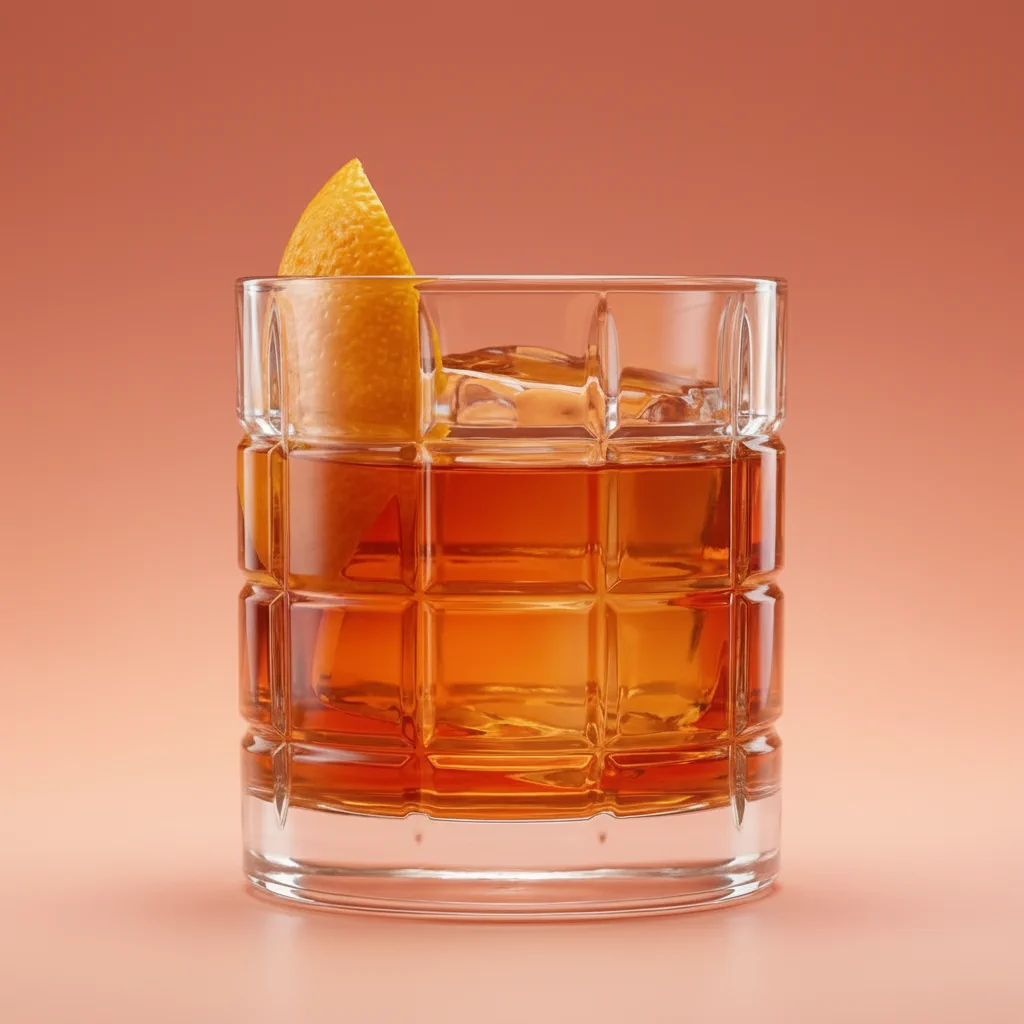
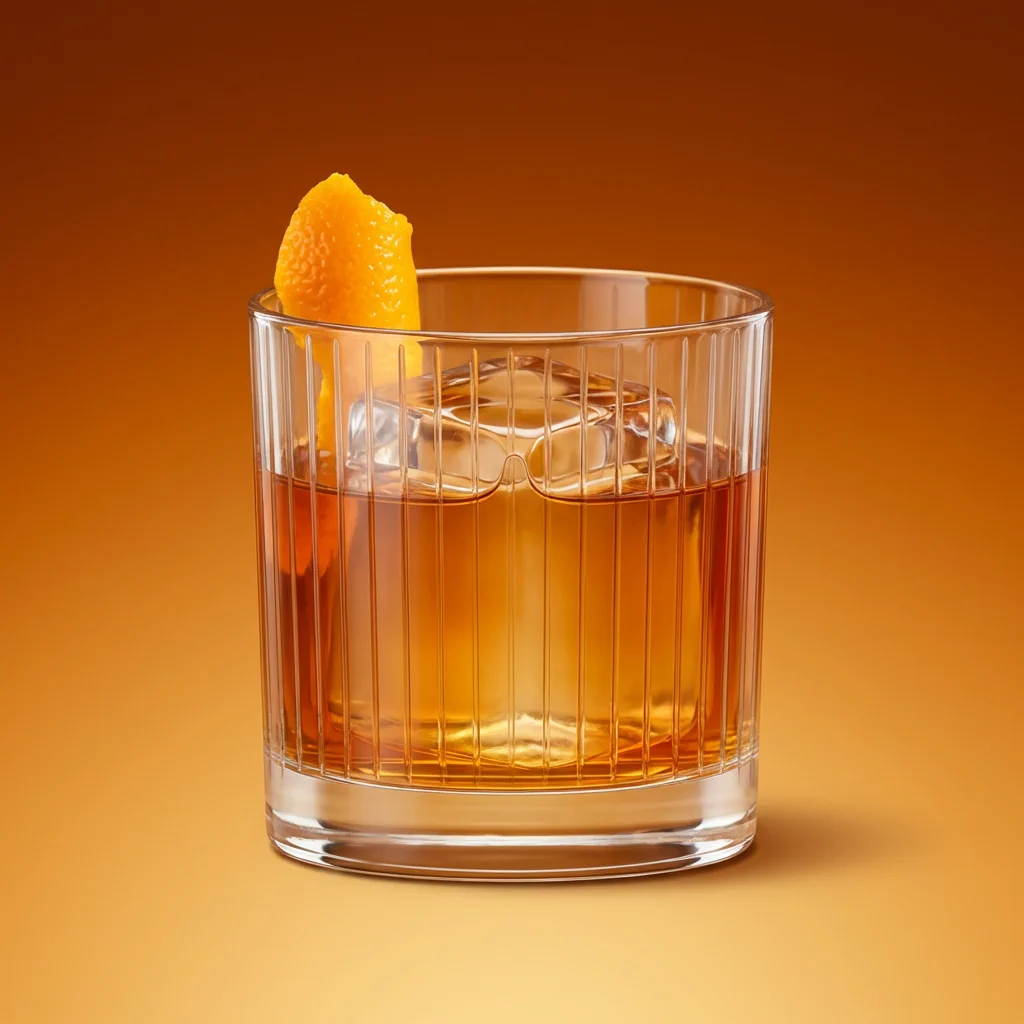
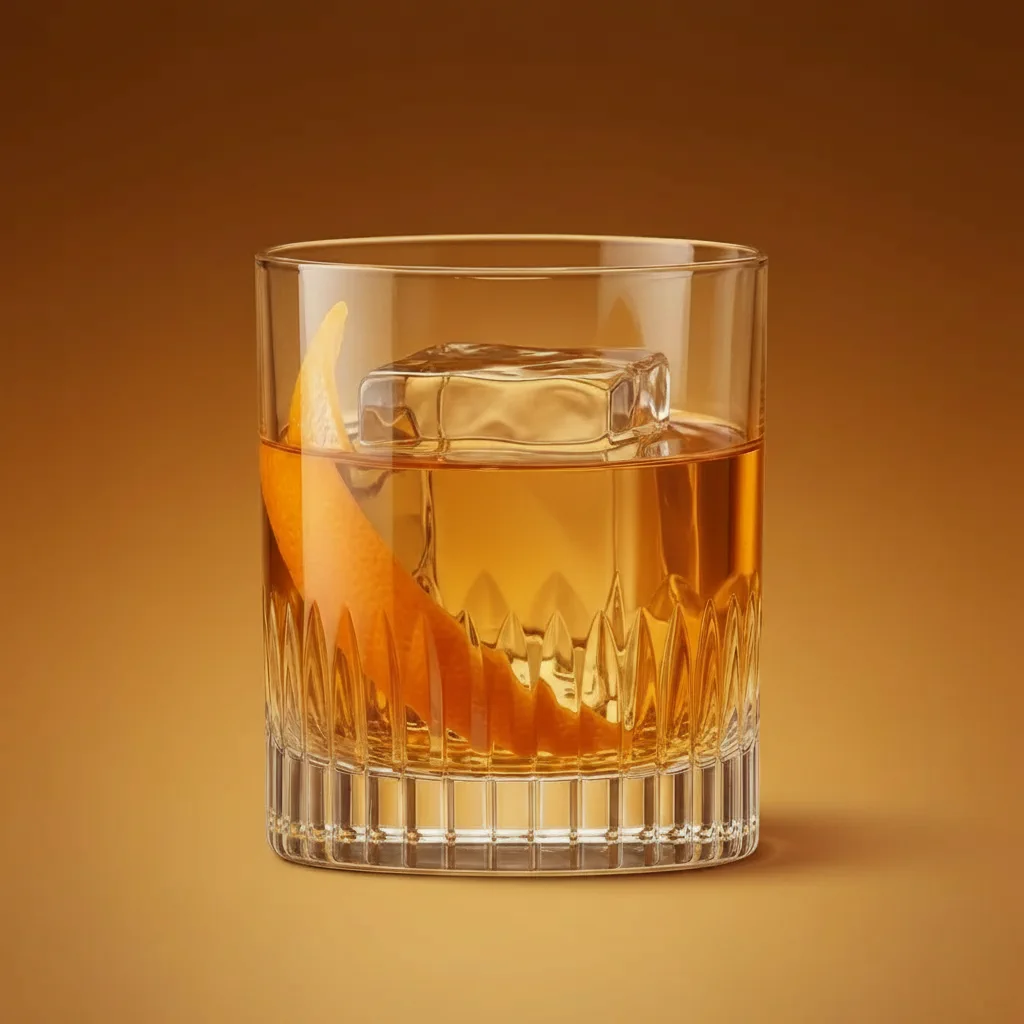
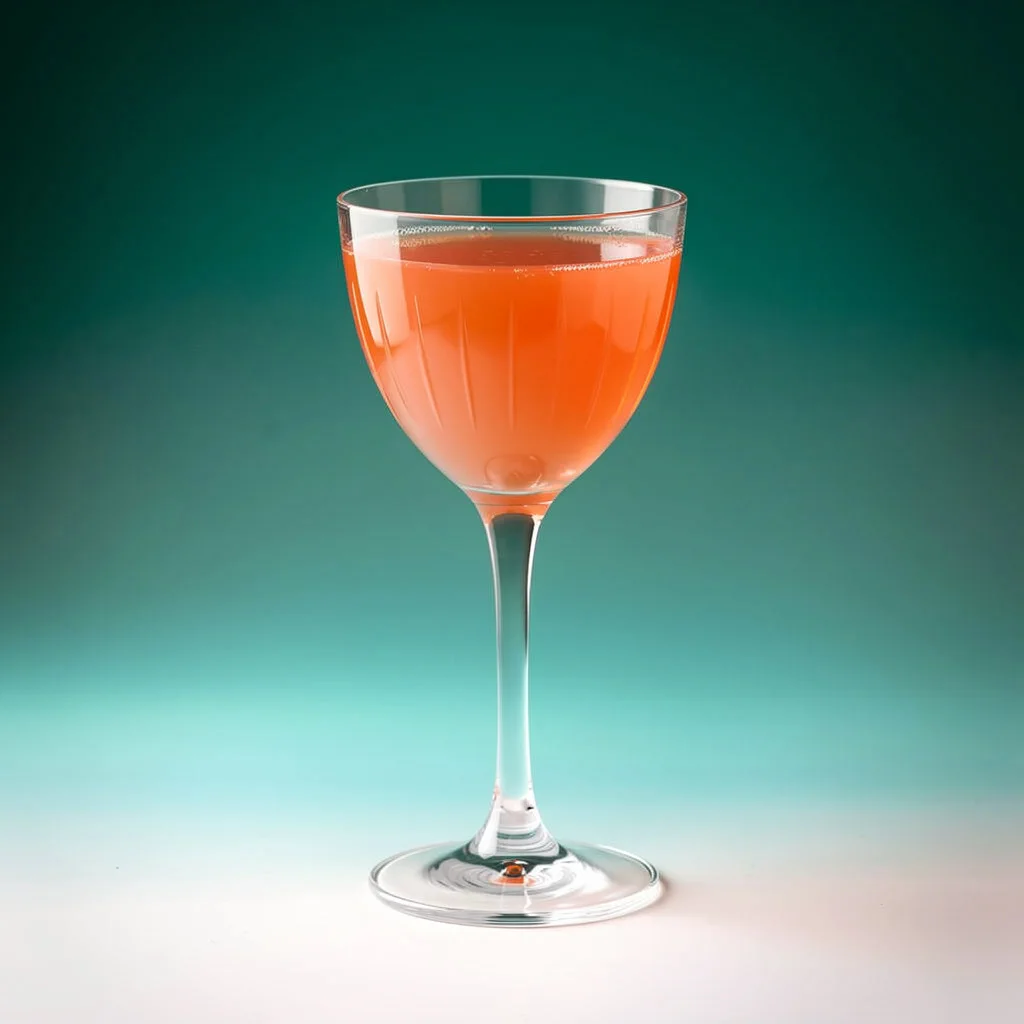
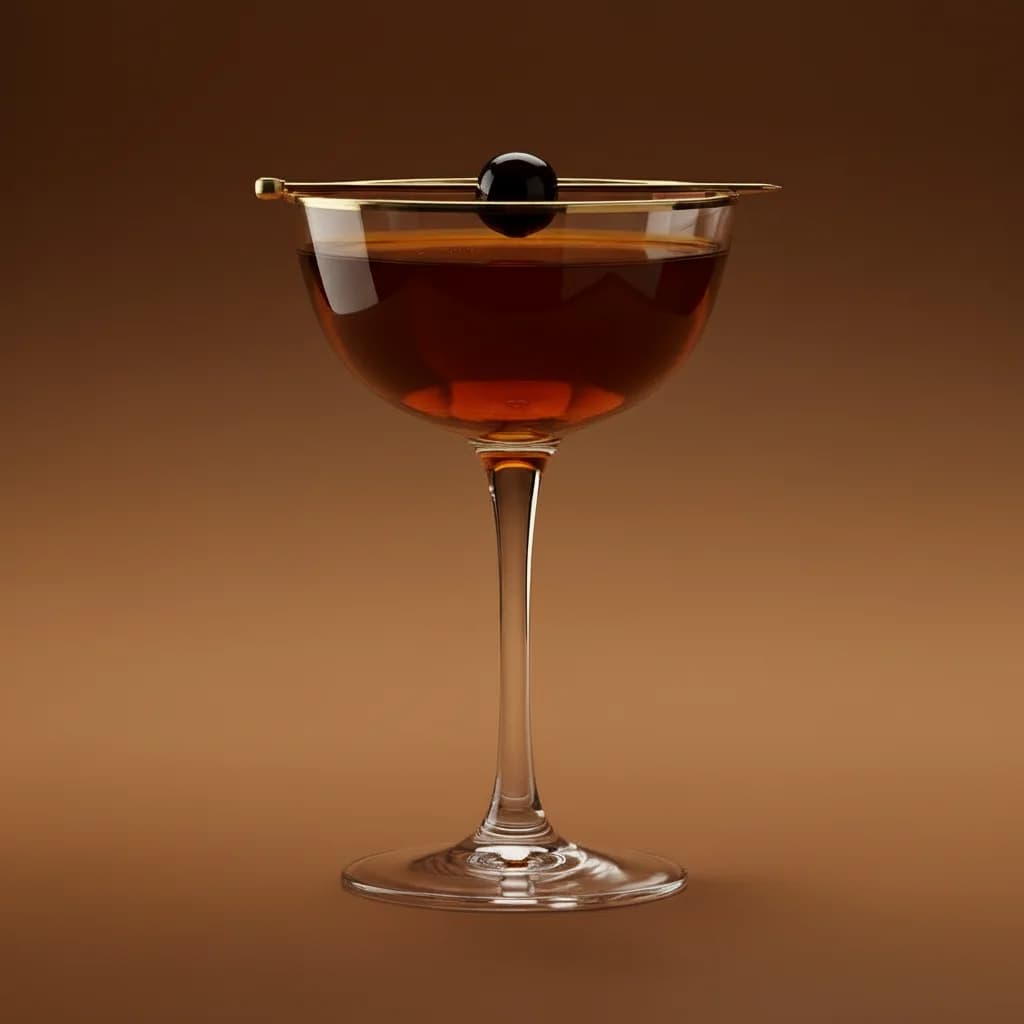
The 1903 Manhattan recipe stirs bourbon and rosso vermouth with a touch of maraschino liqueur and Angostura bitters, served up with an orange twist and cherry. Silky and dense on the tongue, a lift of orange oil brightening the finish before a lingering, faintly sweet warmth settles in.
Ingredients
1
Servings
Garnish

Instructions for 1 serving
- Pre-chill a glass
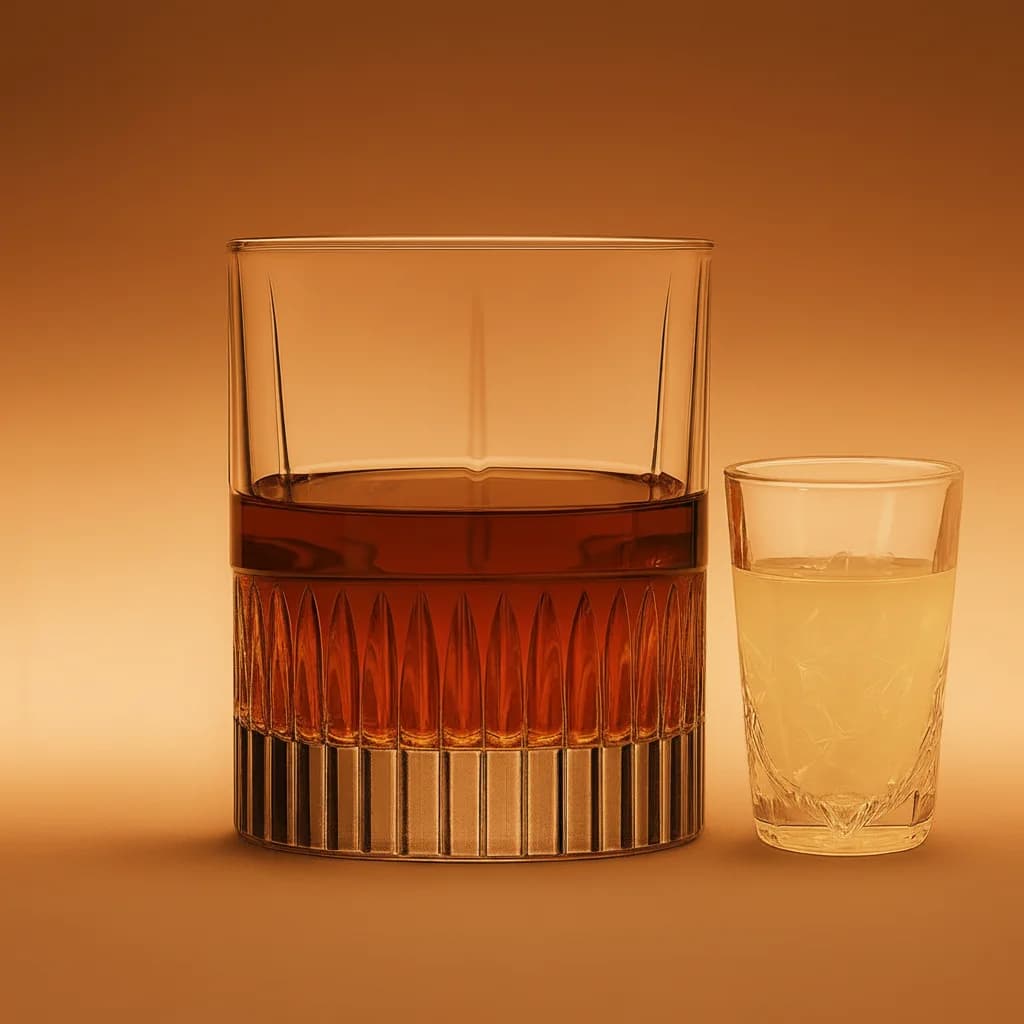
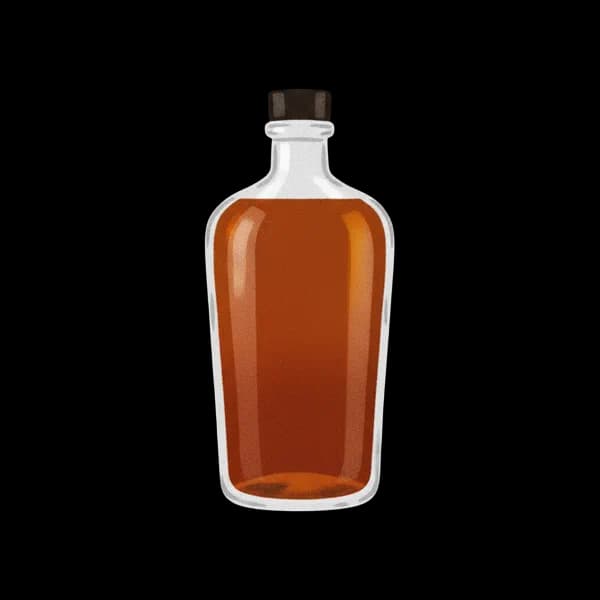
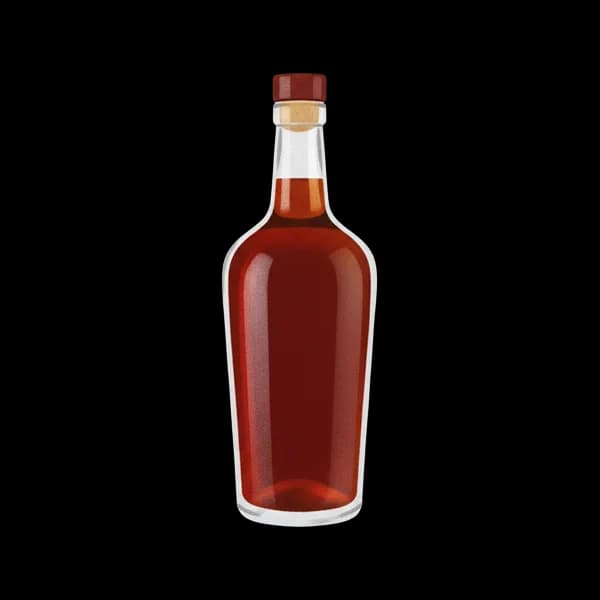
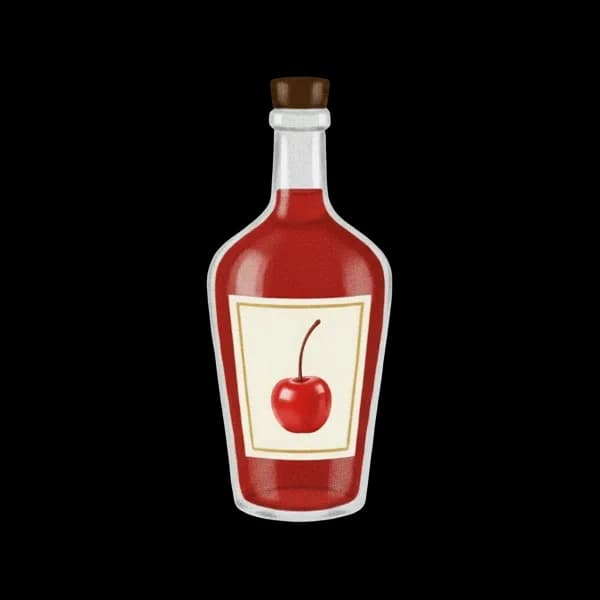
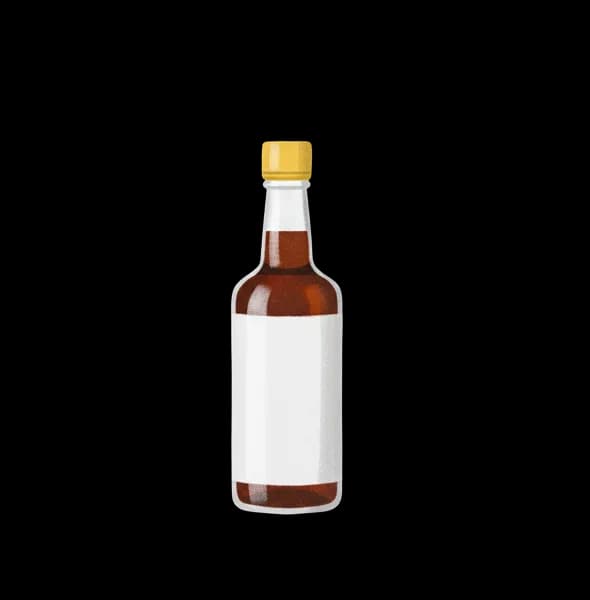
- Stir all ingredients with ice: Bourbon 45 mlRosso vermouth 45 mlMaraschino liqueur 5 mlAngostura aromatic bitters 1 dash
- Strain into the chilled glass
- Express an orange twist over the cocktail and discard
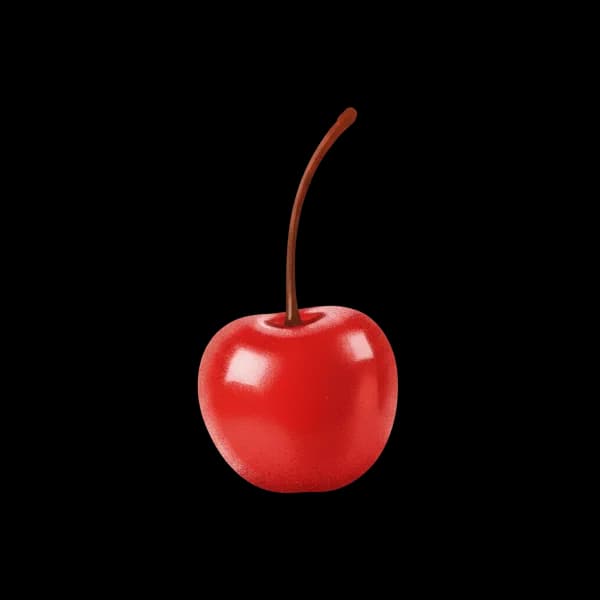
- Garnish with a maraschino cherry
Tips
- Stir for about 30 seconds to reach full dilution — a short stir leaves it thin and hot with alcohol.
History
This version reflects an early-1900s style of the Manhattan, the period when American bar guides commonly added a few dashes of maraschino liqueur alongside the whiskey, sweet vermouth, and bitters, before the drink settled into its now-standard three-ingredient form. Recipes from this era, unlike later 20th-century versions, still carried small extra touches such as maraschino or curaçao, gradually dropped as the cocktail was simplified.
The Manhattan itself is generally traced to New York's Manhattan Club, with most accounts placing its creation around 1880. A long-repeated tale credits a Dr. Iain Marshall with mixing it there for a banquet hosted by Lady Randolph Churchill, Winston Churchill's mother, but this story is considered apocryphal since she was pregnant and in England at the time; a rival account names a bartender called "Black" at a Broadway saloon near Houston Street as the inventor, and the drink's true origin remains disputed among cocktail historians.
FAQ
What is the original Manhattan recipe?
The original, classic Manhattan is whiskey, sweet vermouth, and bitters, stirred with ice and strained up. This 1903 recipe follows that same core build but adds a small amount of maraschino liqueur alongside the bourbon, vermouth, and Angostura bitters, then finishes with an orange twist and a maraschino cherry.
How do you make an old Manhattan?
Stir bourbon, rosso vermouth, maraschino liqueur, and a dash of Angostura bitters with ice, then strain into a chilled cocktail glass. Express an orange twist over the top, discard the peel, and finish with a maraschino cherry.
What's in a dirty Manhattan?
A dirty Manhattan is a different drink; it typically adds a splash of olive brine for a savory edge, similar to how a dirty martini works. This 1903 recipe stays in the sweet style, built from bourbon, rosso vermouth, maraschino liqueur, and Angostura bitters.
What are common mistakes making Manhattans?
The most common mistake is over-pouring the maraschino liqueur, which pushes the drink cloyingly sweet since only a small amount is used here. Shaking instead of stirring is another, clouding the drink and over-diluting it; skipping the glass chill also lets the drink warm too fast once strained.
What is a perfect Manhattan recipe?
A Perfect Manhattan uses equal parts dry and sweet vermouth instead of sweet vermouth alone, giving a drier, less sweet result. This 1903 recipe is not a Perfect Manhattan; it uses rosso vermouth plus a touch of maraschino liqueur for its sweetness.
Which has more sugar, an Old Fashioned or a Manhattan?
A Manhattan generally has more sugar, since it is built on a full pour of sweet vermouth plus, in this recipe, a touch of maraschino liqueur, while an Old Fashioned uses only a small amount of sugar or syrup. Both are spirit-forward, but the Manhattan's vermouth and liqueur give it a rounder, sweeter profile.