Cocktails with Bourbon
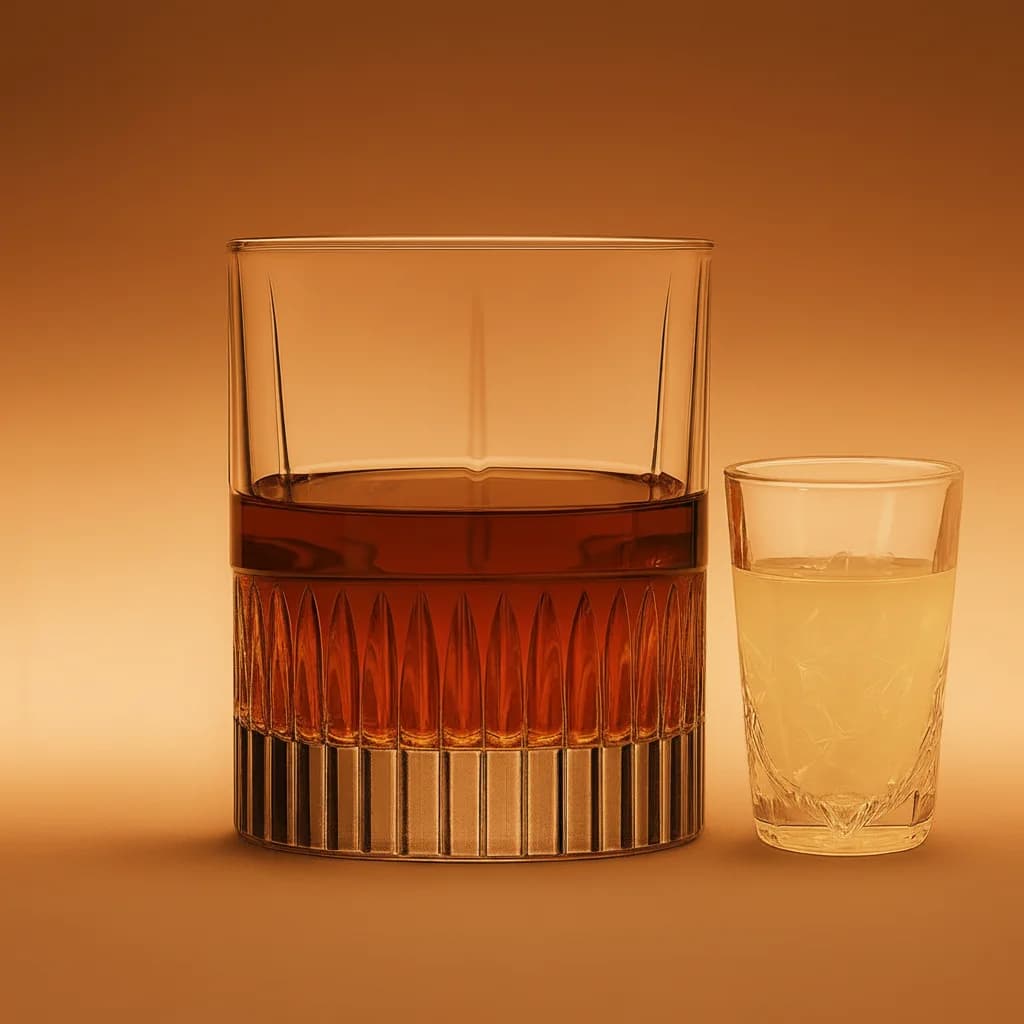
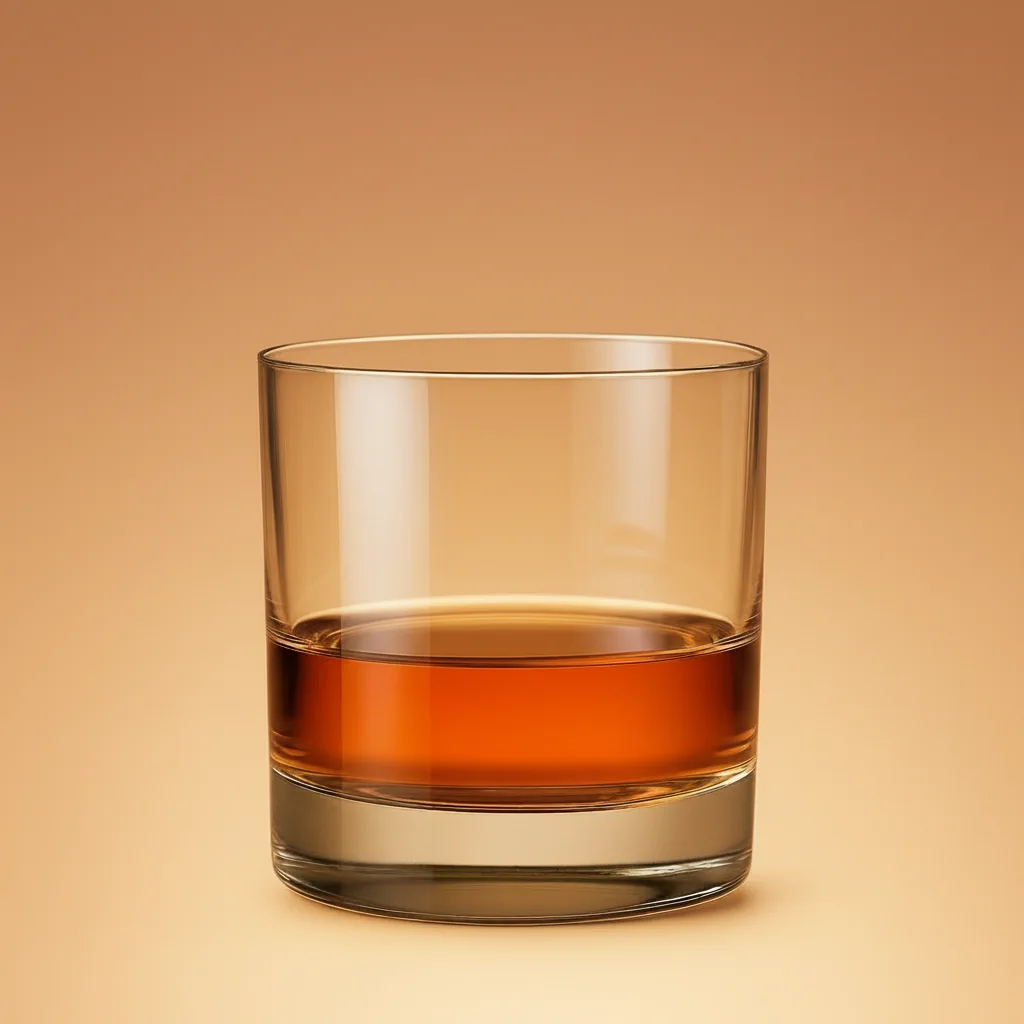
Bourbon is America’s own whiskey: at least 51% corn, aged in new charred oak, and made only in the US. After distilling, nothing goes in but water — no coloring, no flavoring.
ABV40–50%On most bottles, with 40% the legal minimum; barrel-proof runs past 60%.
How it's used
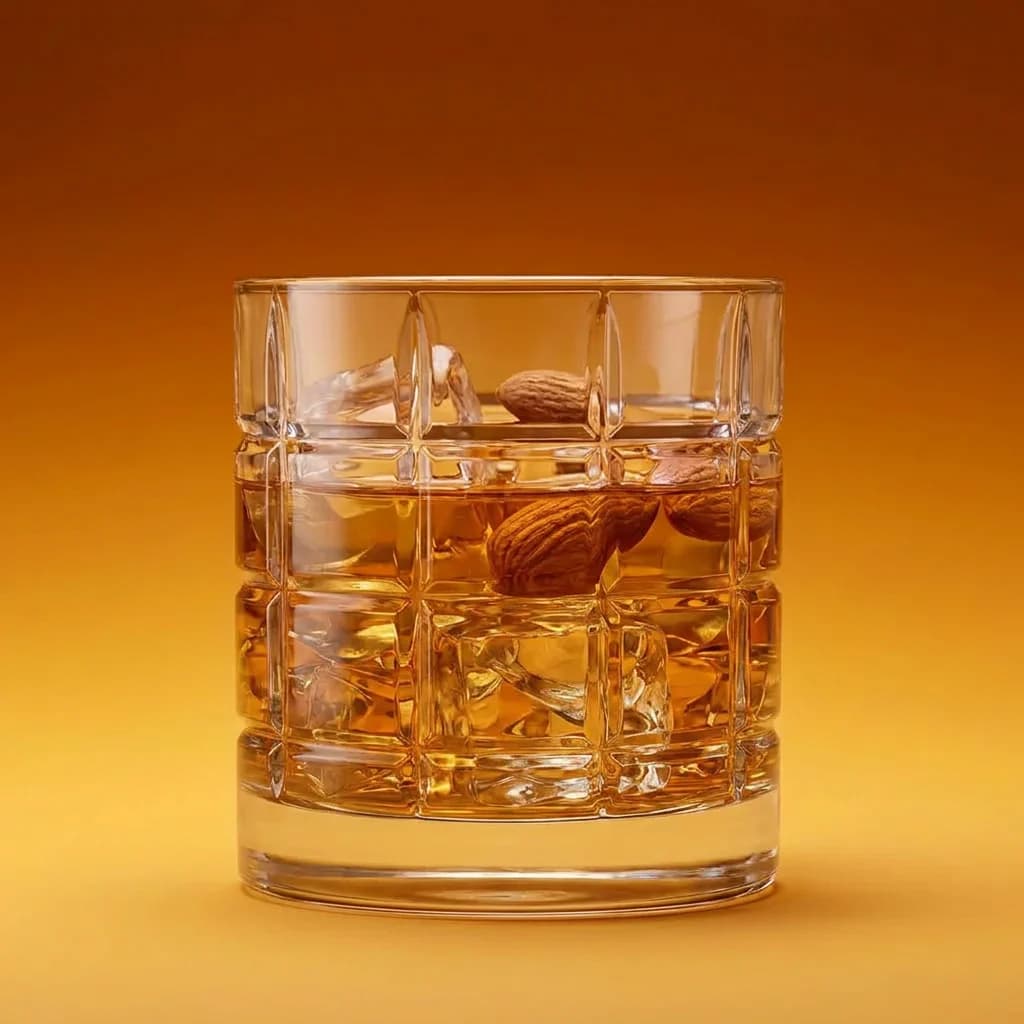
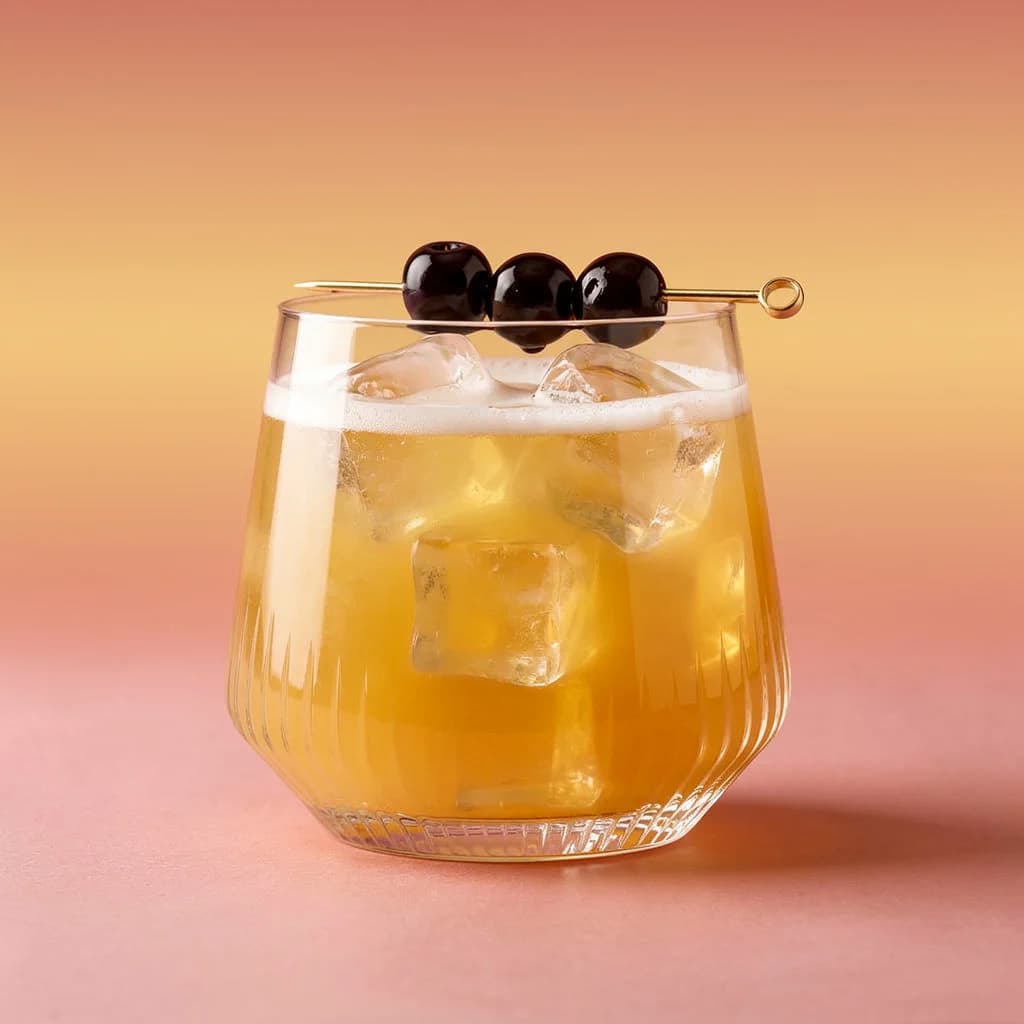
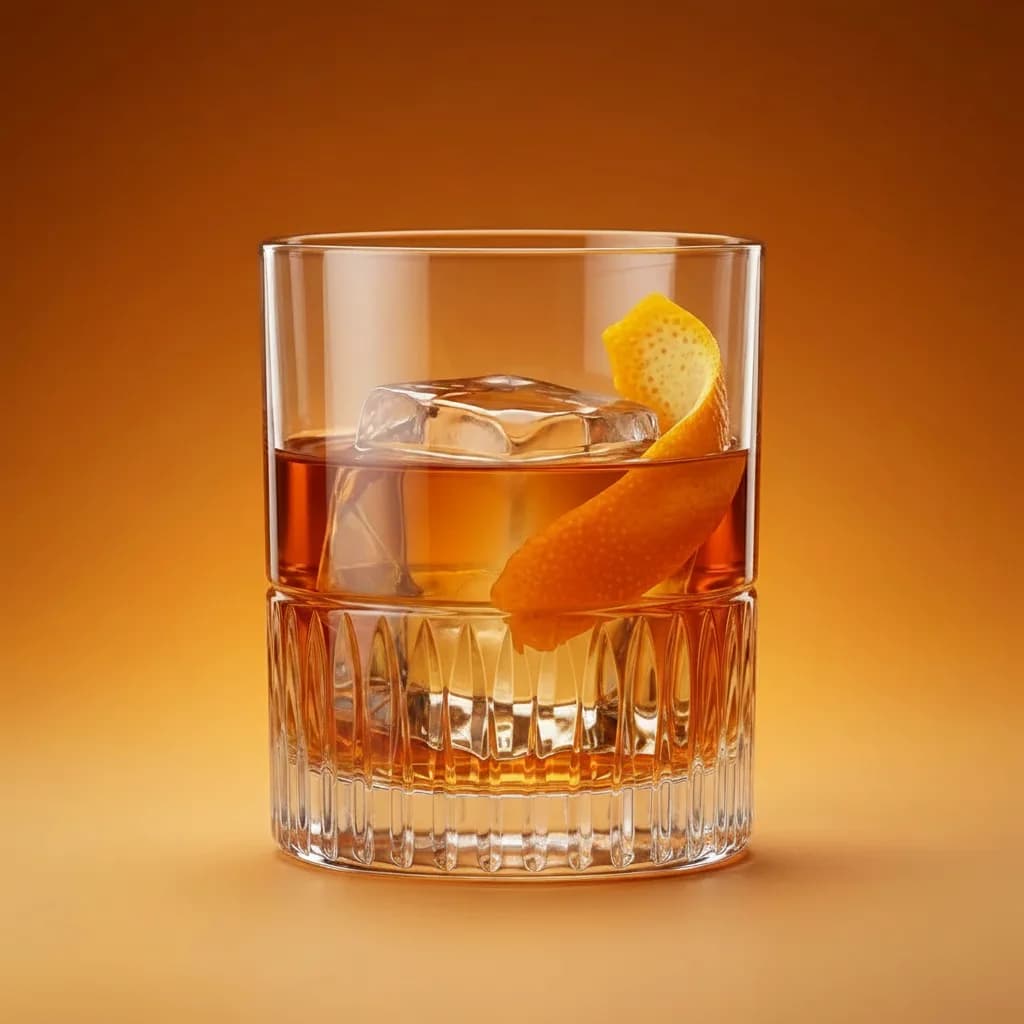
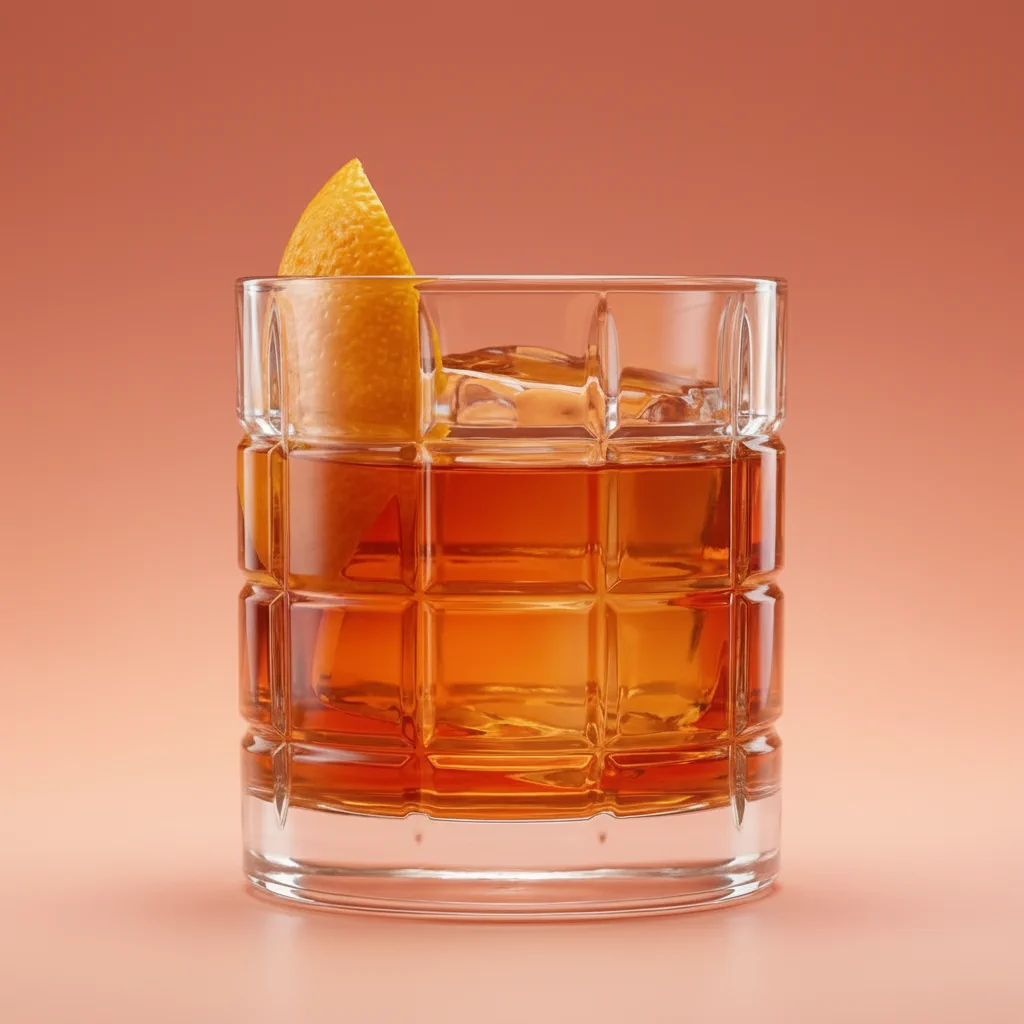
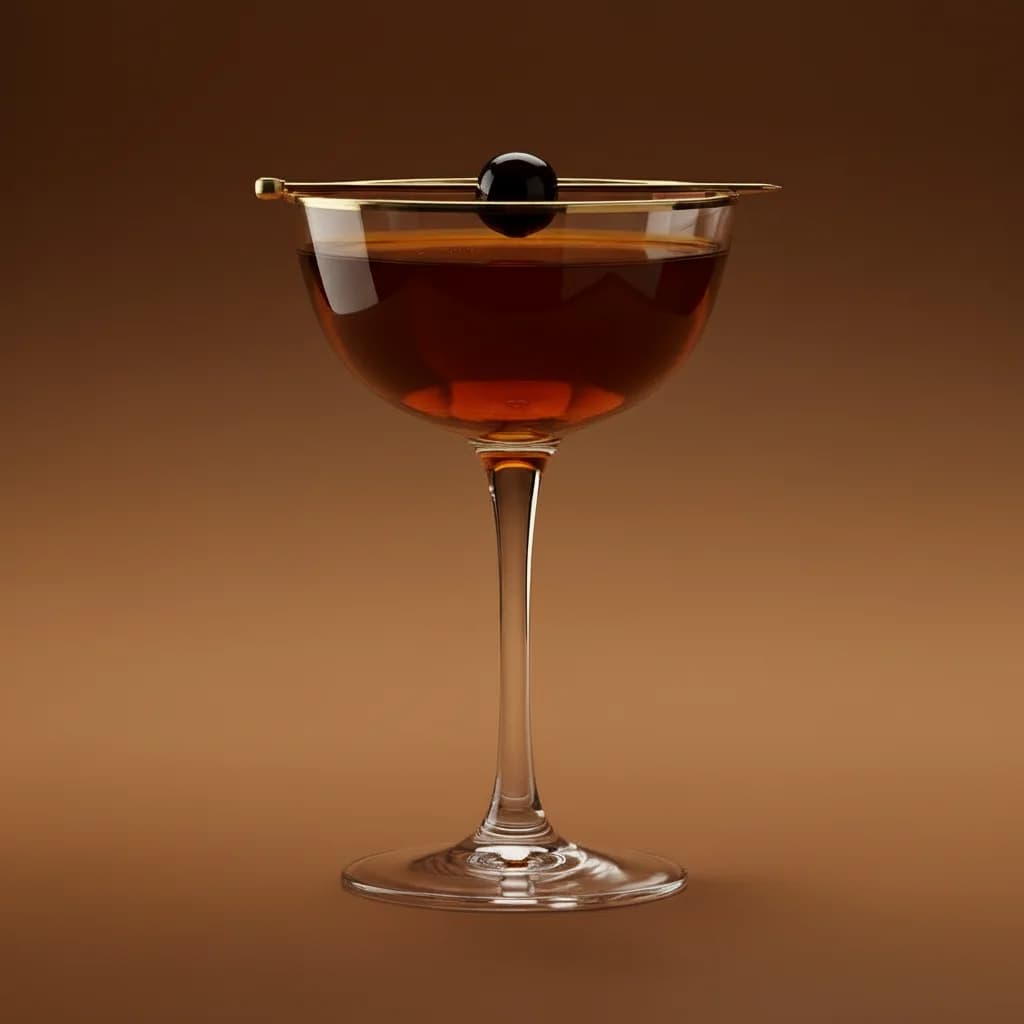
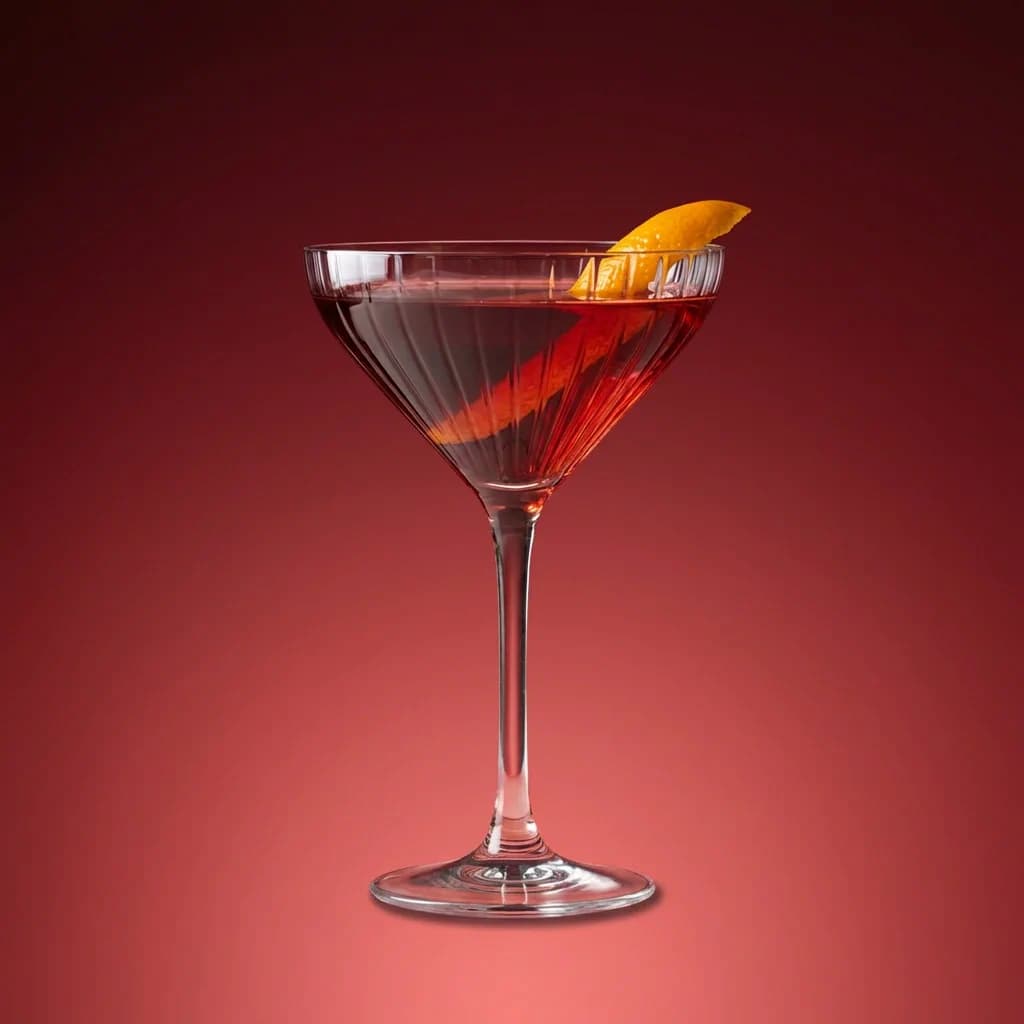
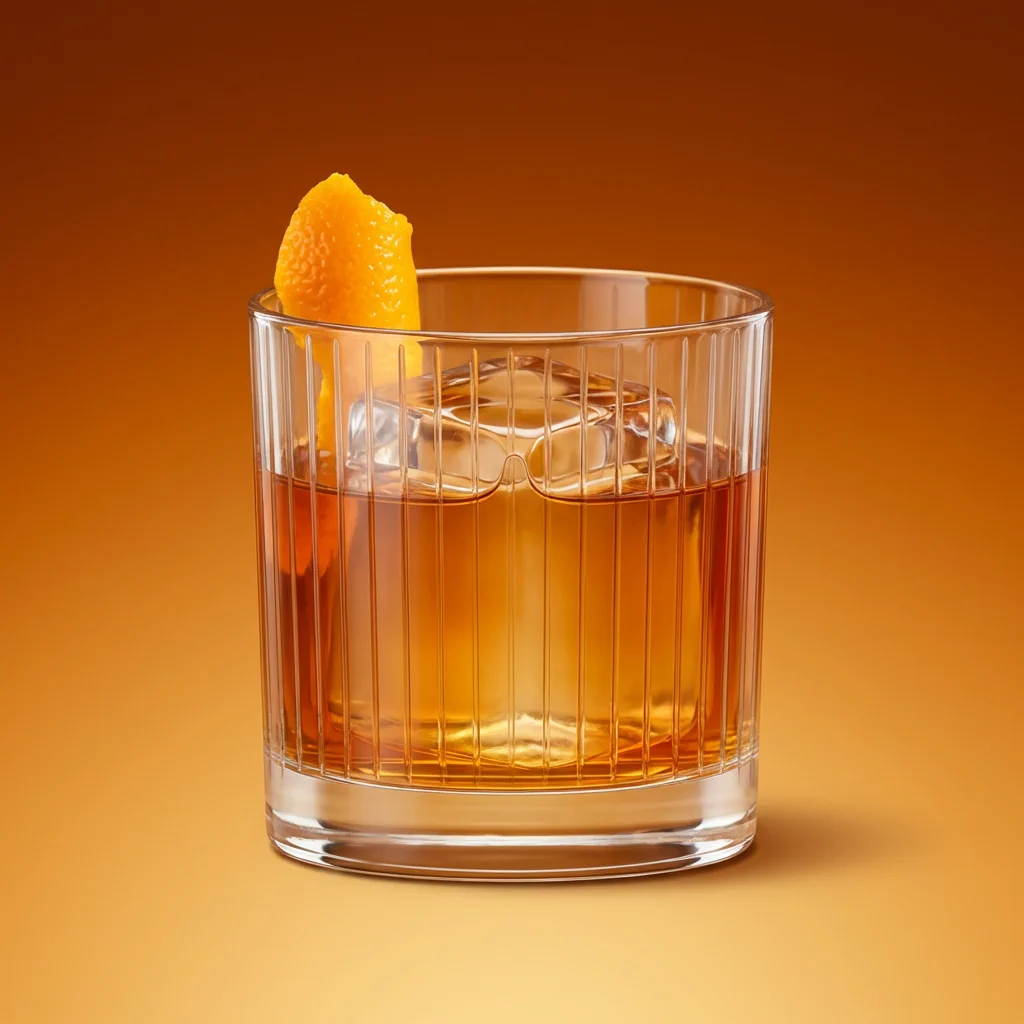
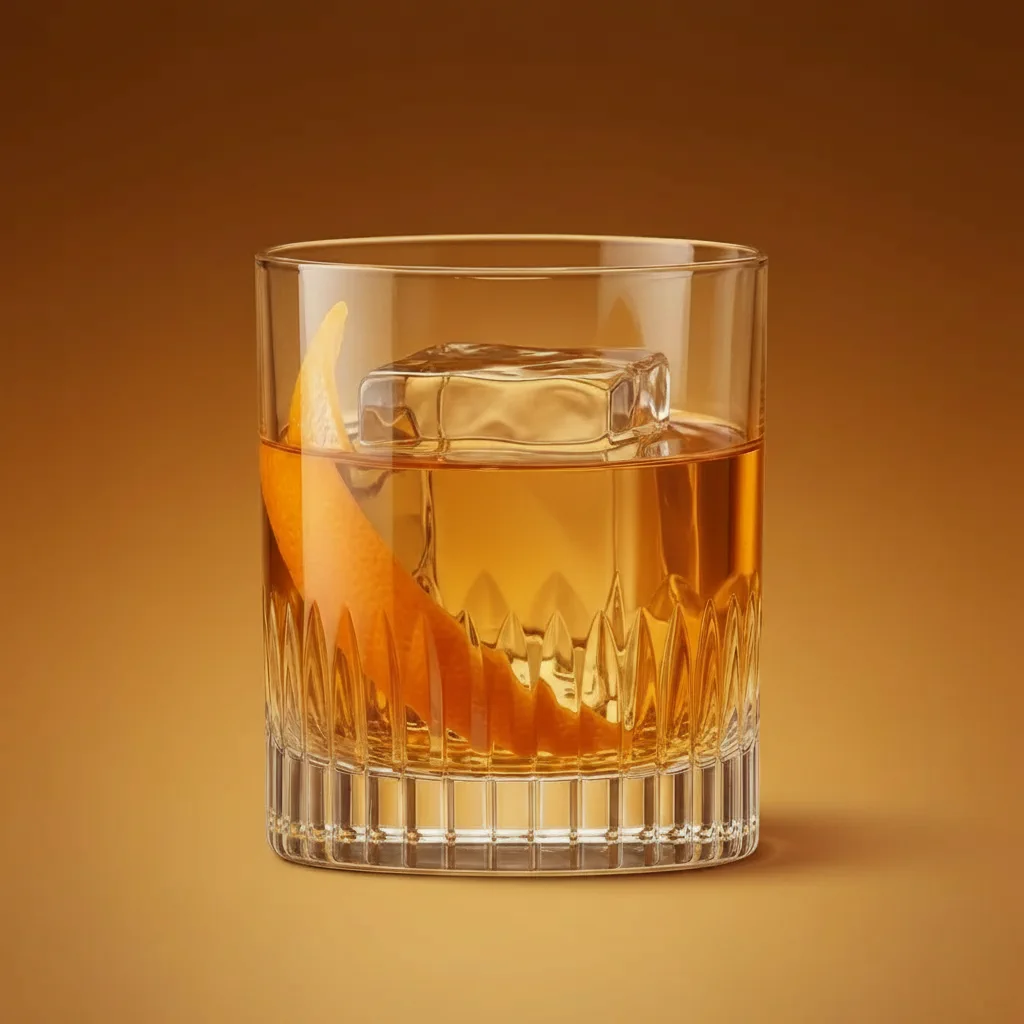
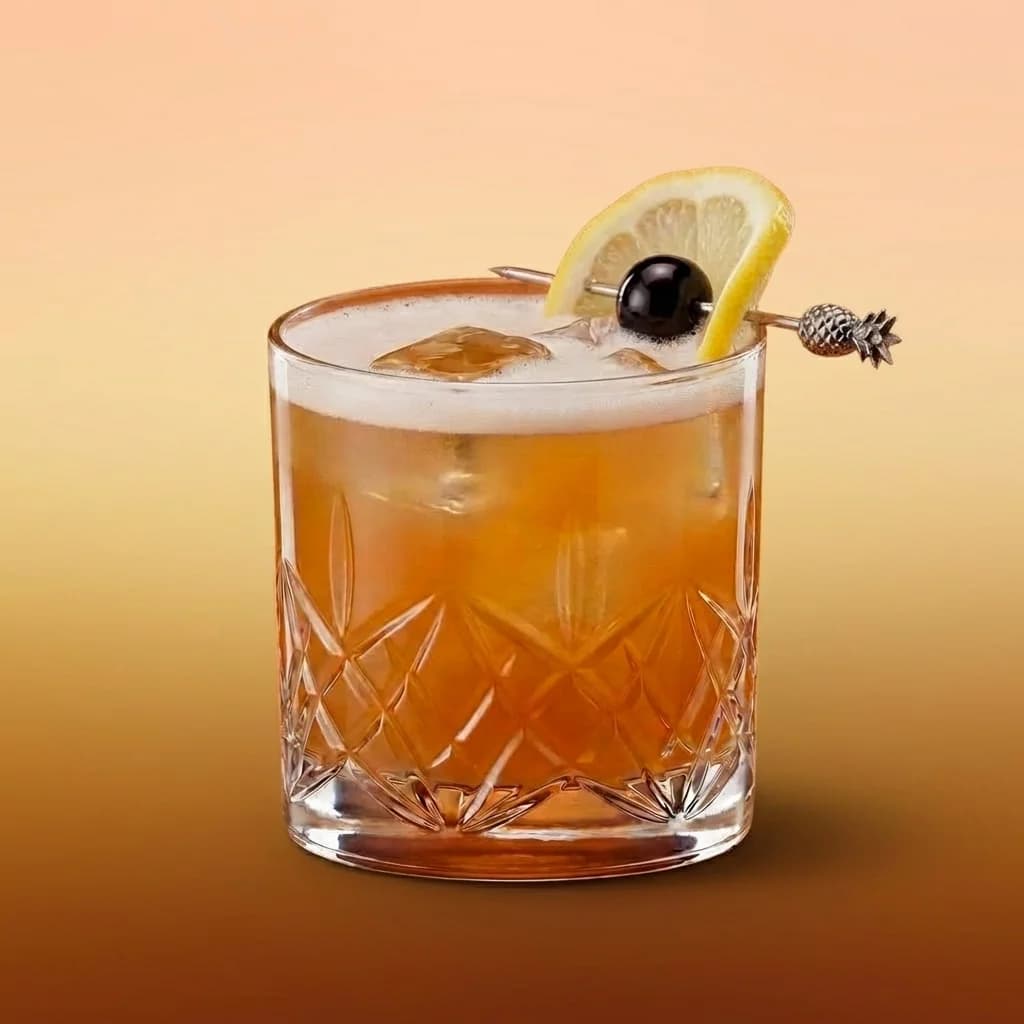
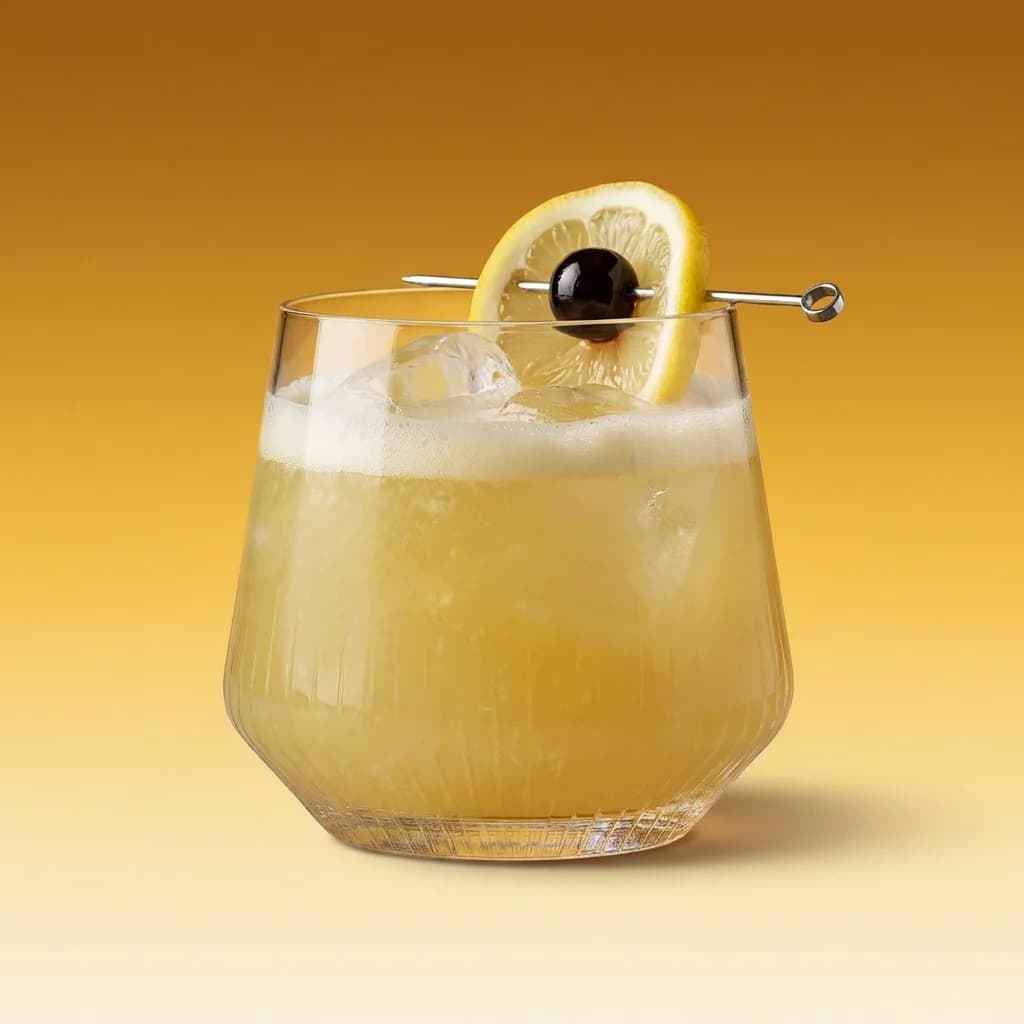
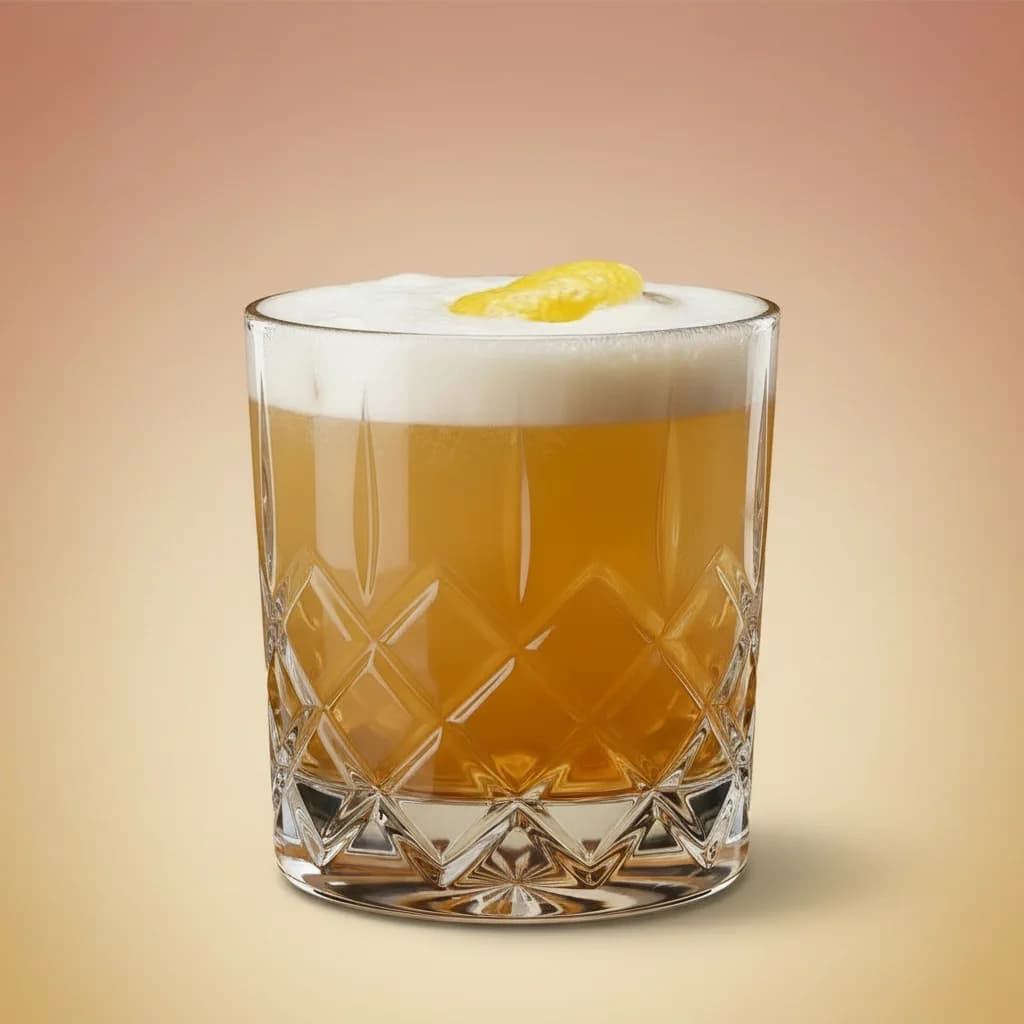
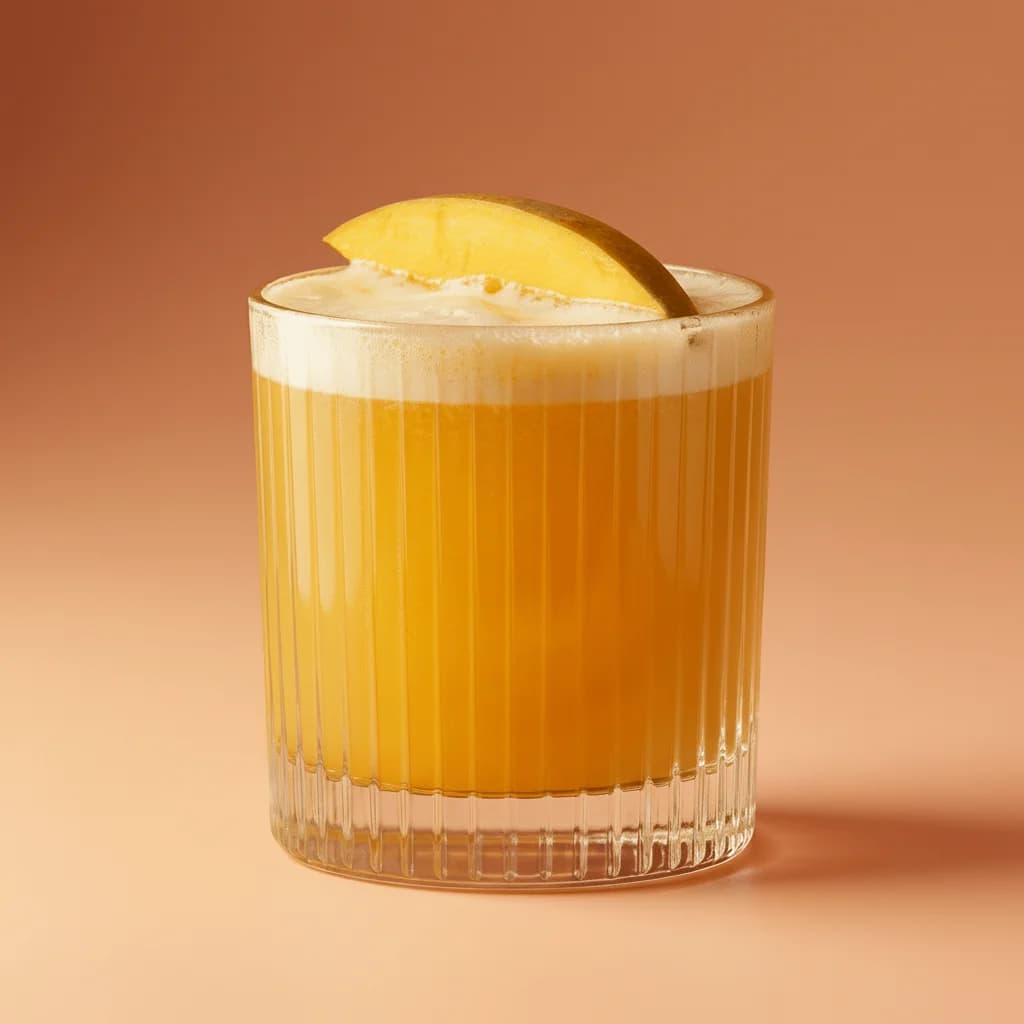
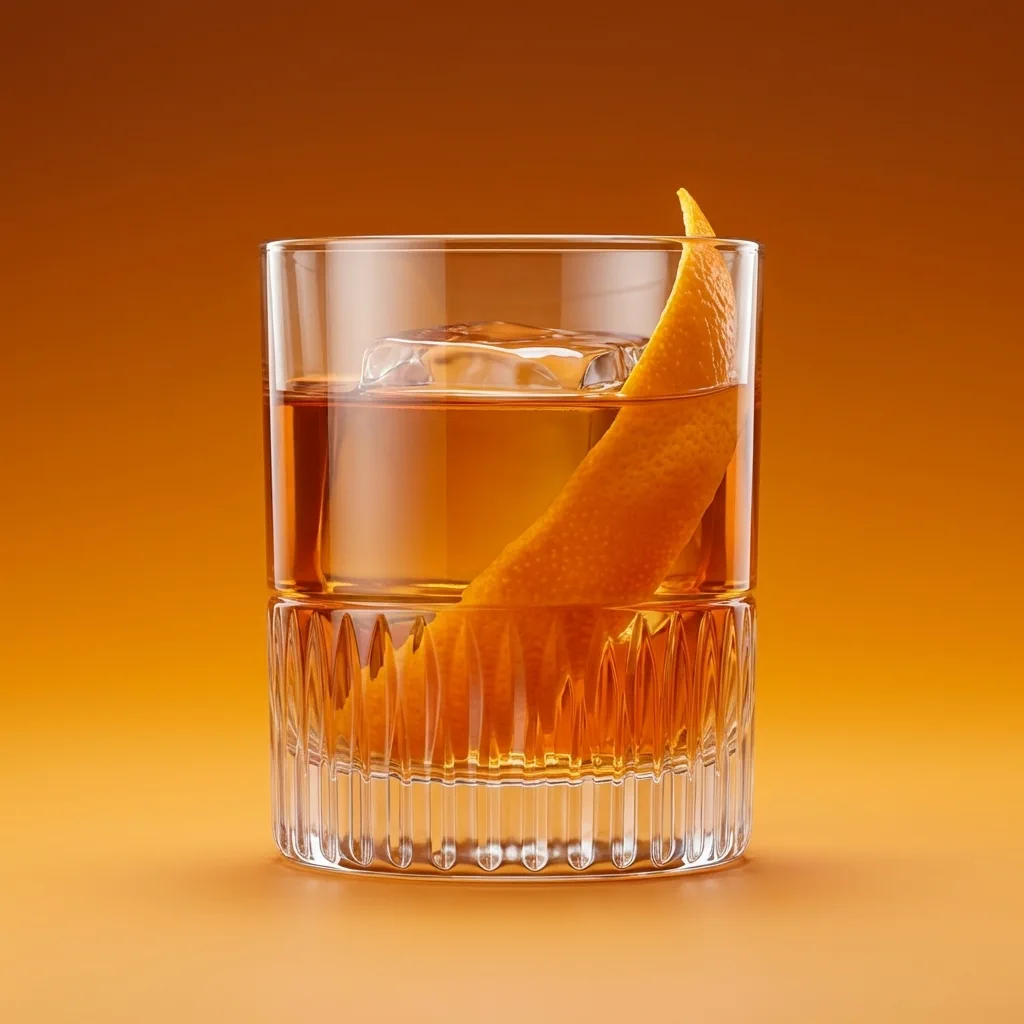
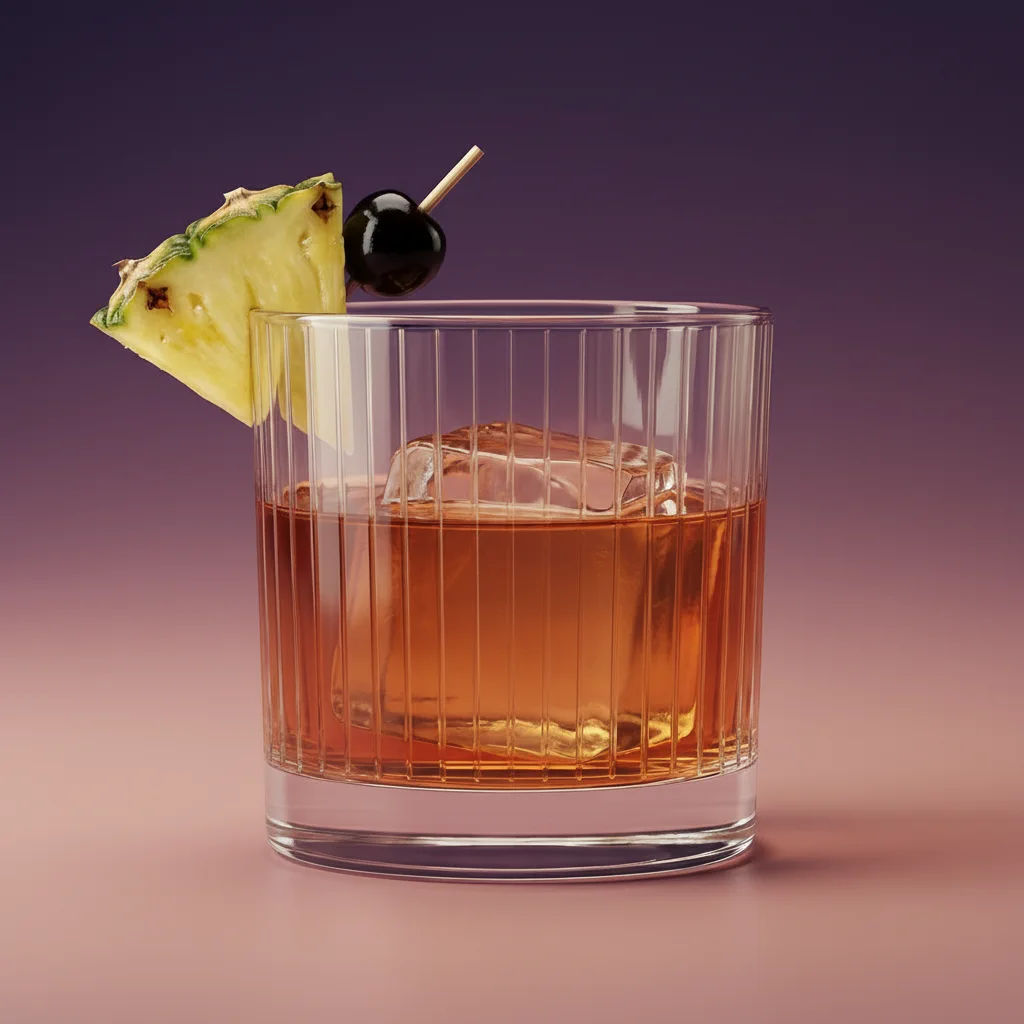
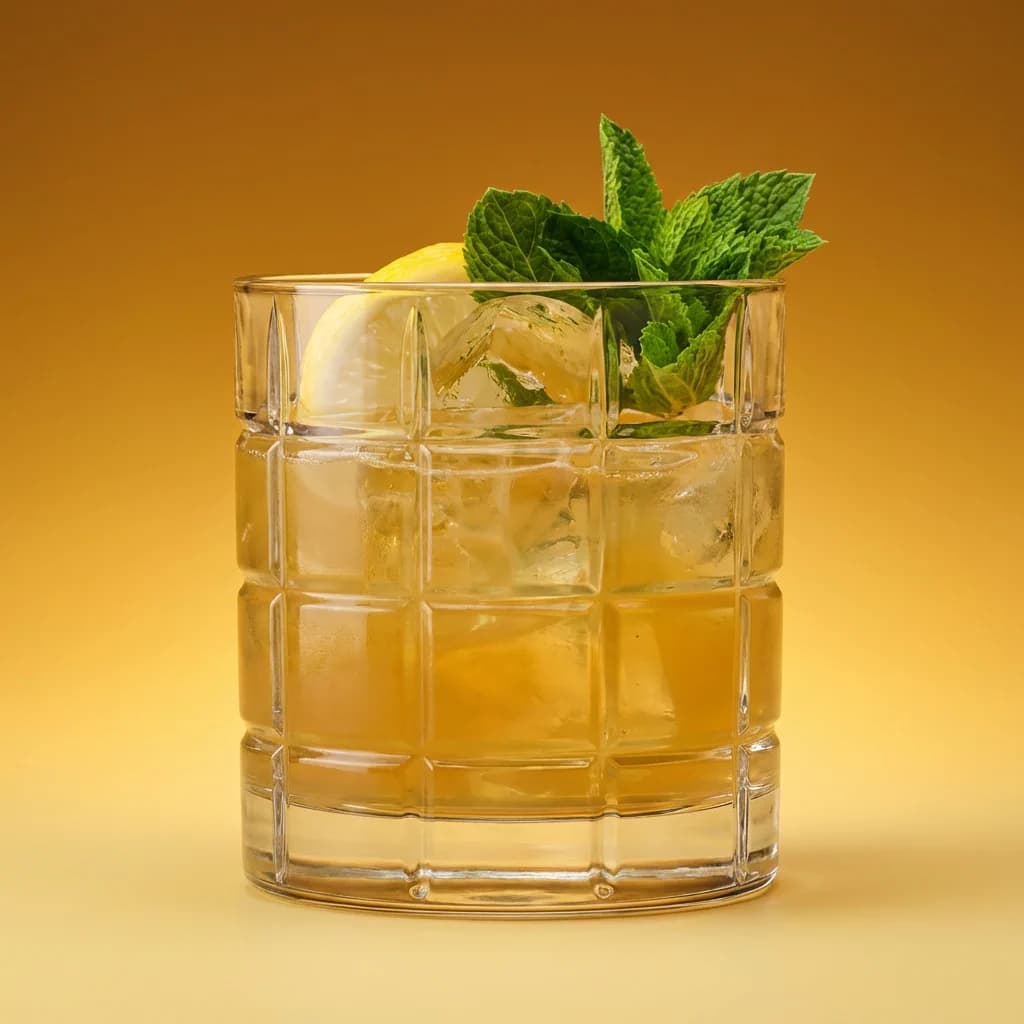
Bourbon is the base for the whiskey classics — Old Fashioned, Manhattan (though that leans rye), Mint Julep, Whiskey Sour, Boulevardier. Strength matters most: at 40% it thins out over ice, so choose 45–50% (bottled-in-bond gives a reliable 50%) for anything stirred or on the rocks. A high-rye bourbon holds up against the sugar and bitters of an Old Fashioned, while a wheated one suits a Whiskey Sour.
Substitutes for Bourbon
Another bourbon swaps one for one. Failing that, Tennessee whiskey is the nearest, in the same amount, and a shade softer. Rye whiskey also swaps one for one and makes the drink drier and spicier. Other whiskies change the drink more: Canadian and Irish are lighter, and a peated Scotch adds smoke that takes over.
Made to the bourbon rules, but filtered through maple charcoal before it goes into the barrel.
At least 51% rye in the mash, where bourbon has at least 51% corn, so it is drier, with a peppery edge.