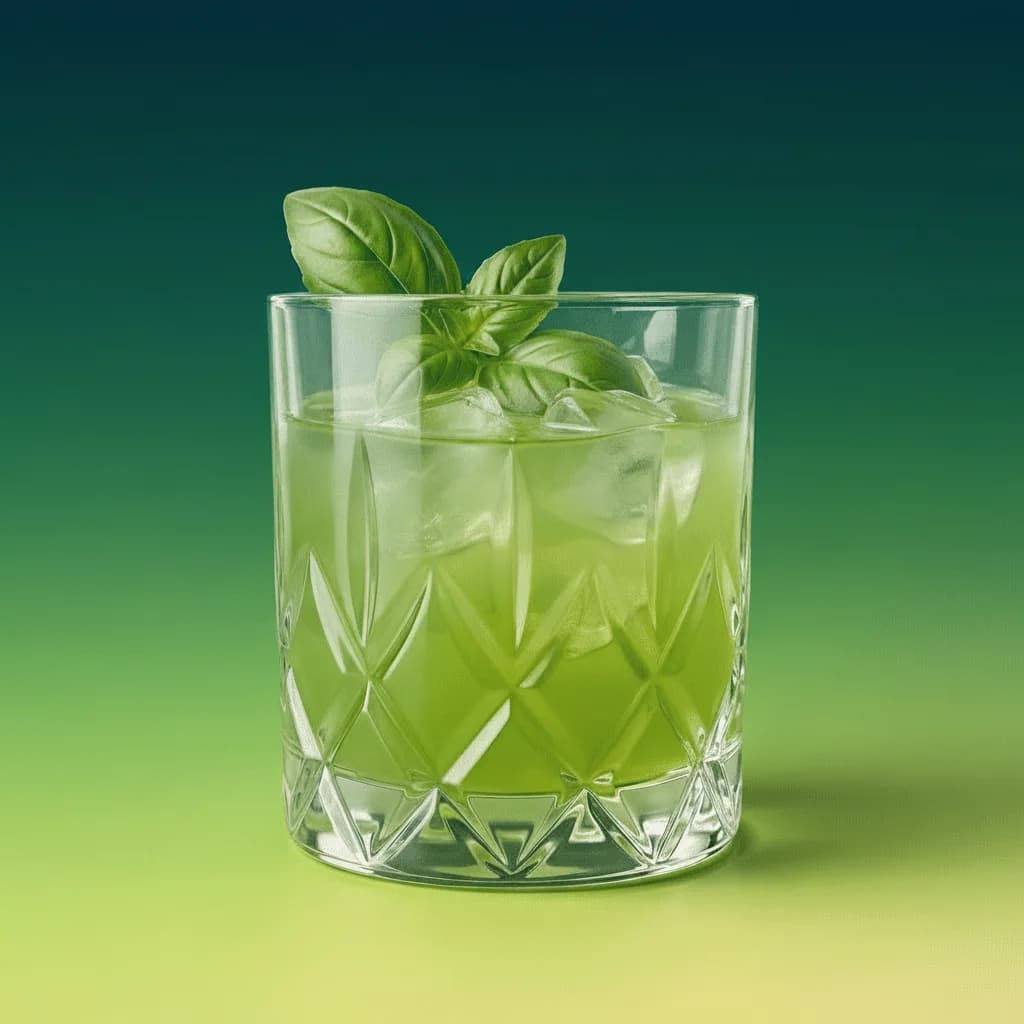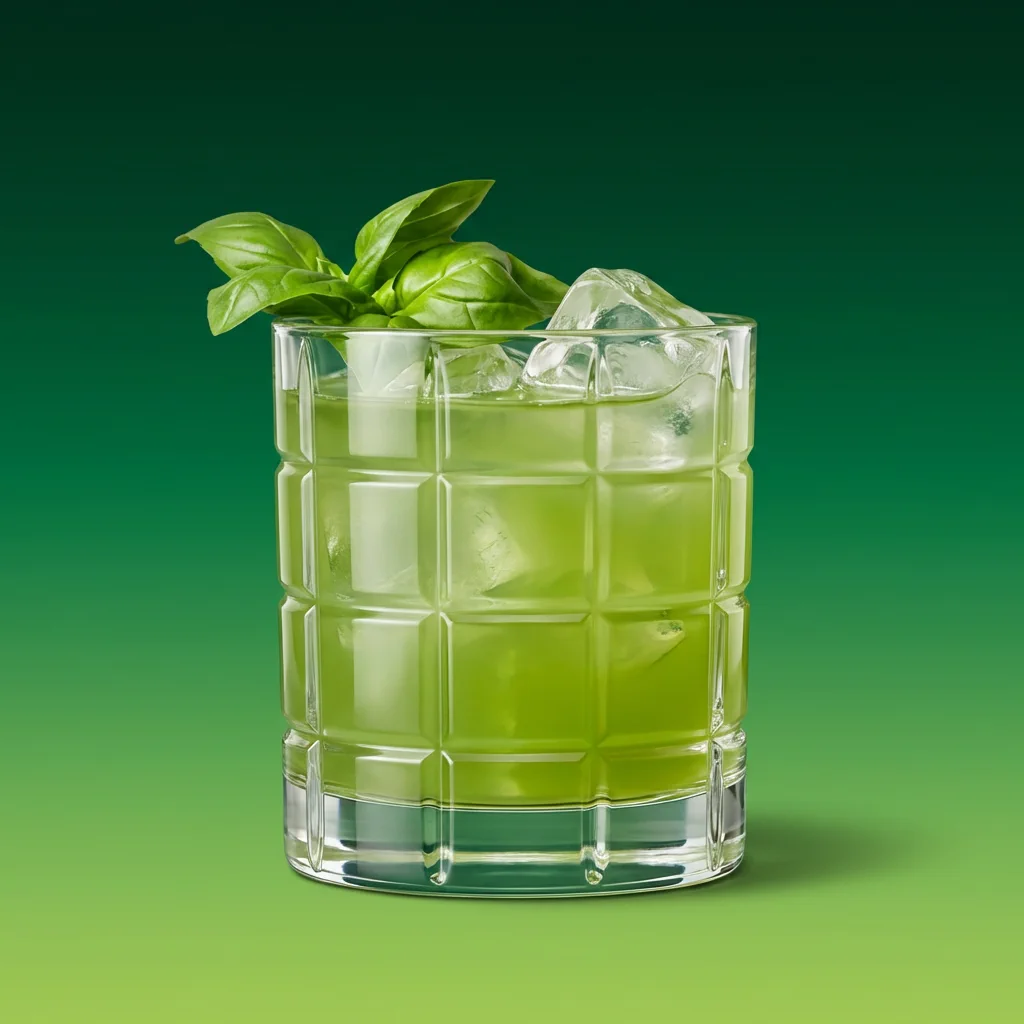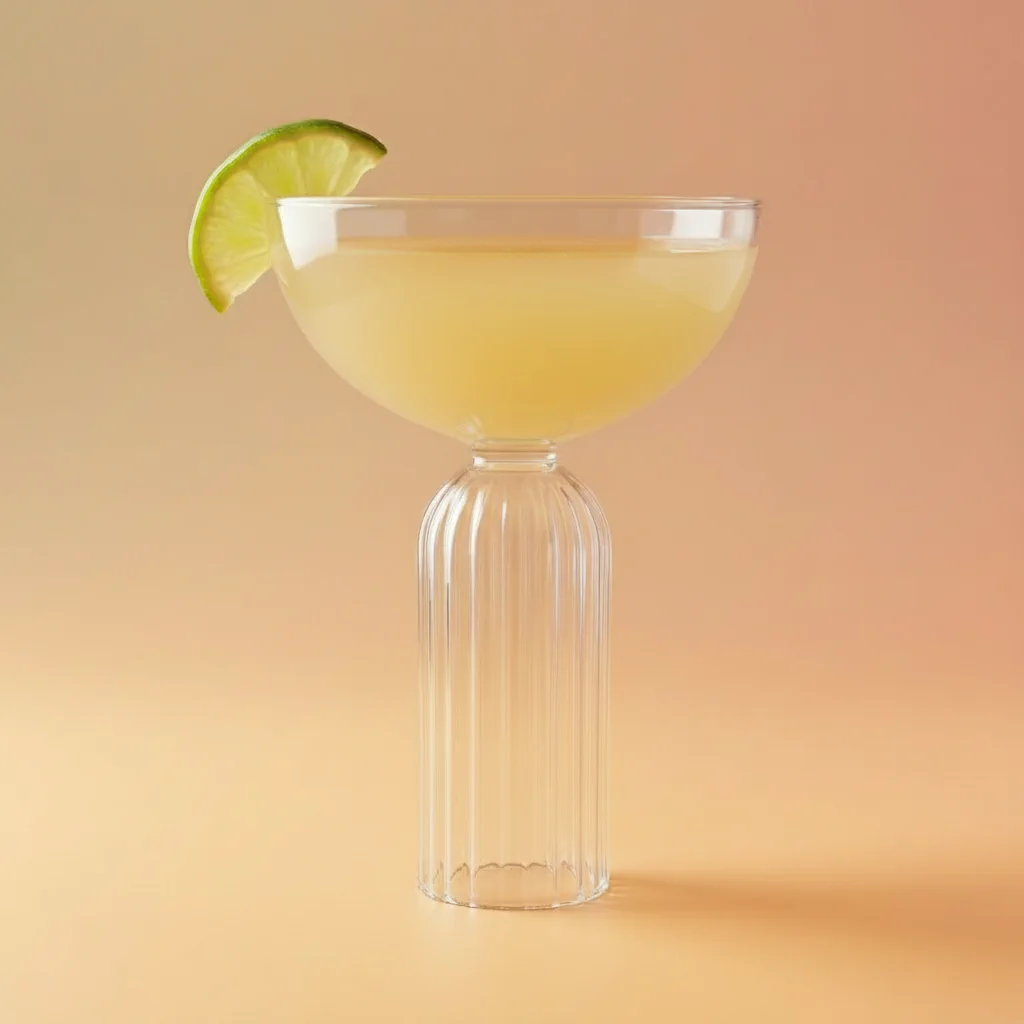
Cocktails with Lemon juice
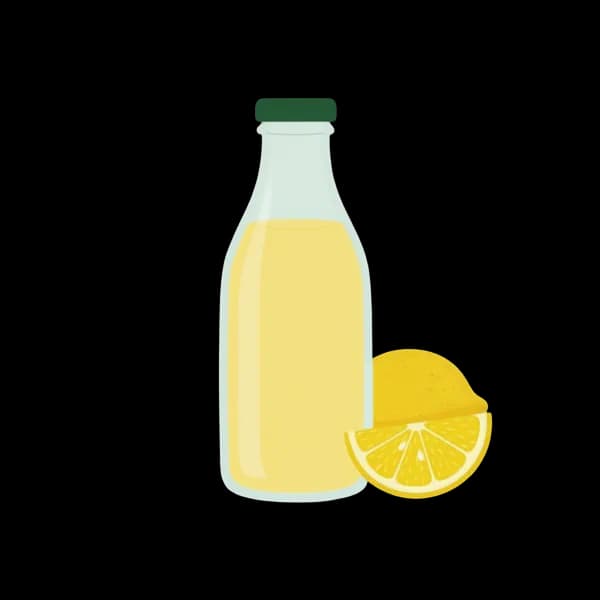
Lemon juice is the fresh-squeezed juice of the lemon, the high-acid citrus that sours most classic cocktails.
How it's used
The default souring agent in a shaken drink, and the most-used ingredient on this site: it appears in more than fifteen hundred recipes here, most often at 15, 25 or 30 ml. One lemon gives 30 to 45 ml depending on size. It is about as acidic as lime, so choosing between them is a choice of aroma rather than of sourness. Squeeze it fresh — the acidity holds for days but the aroma goes within hours, and a day-old sour tastes flat long before it tastes wrong.
Substitutes for Lemon juice
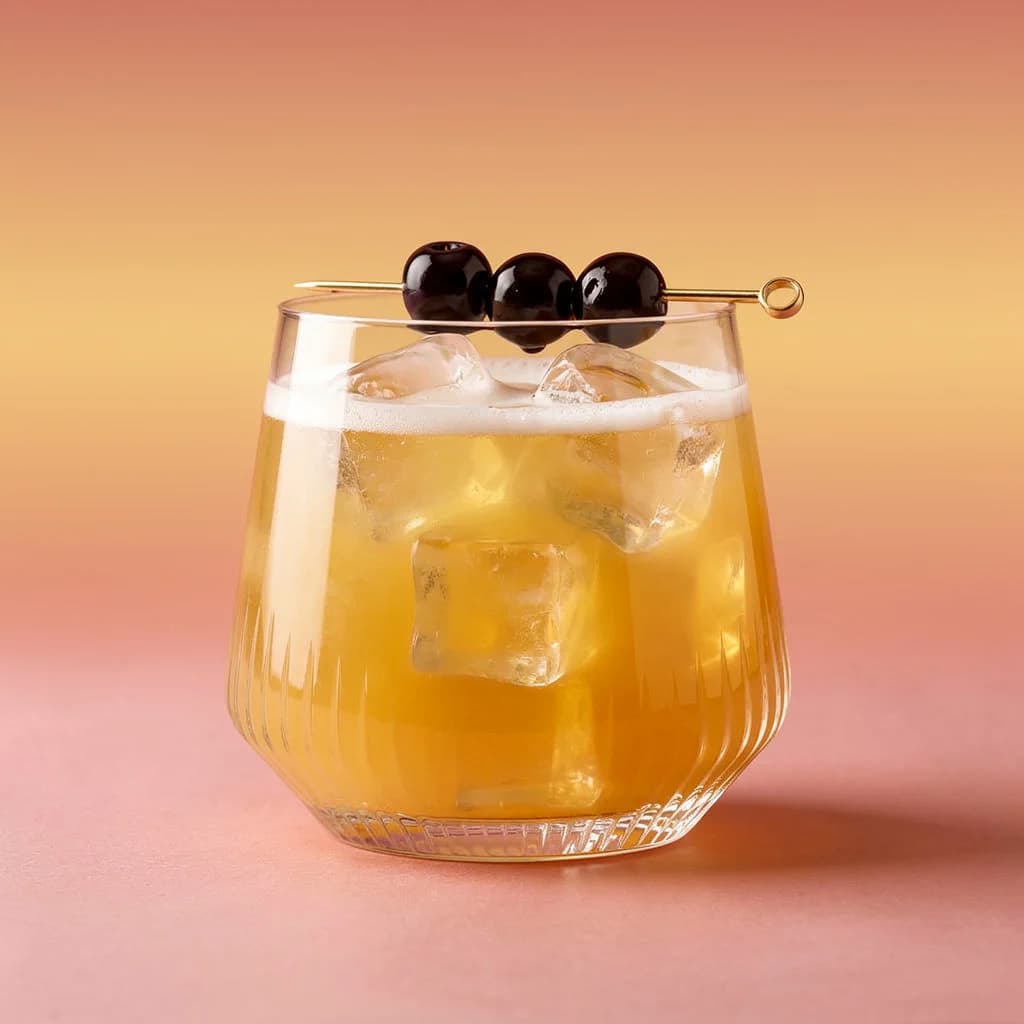
Fresh lime juice is the best substitute, in the same amount. Lime is about as acidic as lemon, so the sugar in the recipe can stay as it is. The drink comes out sharper and a touch more bitter; if it is too tart, add a barspoon of syrup and taste. The difference shows most where lemon is the lead flavor, as in a Whiskey Sour or a Sidecar. In a punch with several juices it barely shows. Unsweetened bottled lemon juice is the fallback, again one for one, though its aroma is flat. Orange and grapefruit juice will not work: grapefruit has about half the acid, orange a fifth or less.
Bottled lemon juice
Pasteurized or chemically preserved: the acid survives, the fresh aroma does not. If the label lists sugar, the juice is sweetened, and the drink will need less syrup.
Lime juice
About as acidic as lemon juice but lower in sugar, so it tastes sharper, with a greener aroma and a faint bitterness.