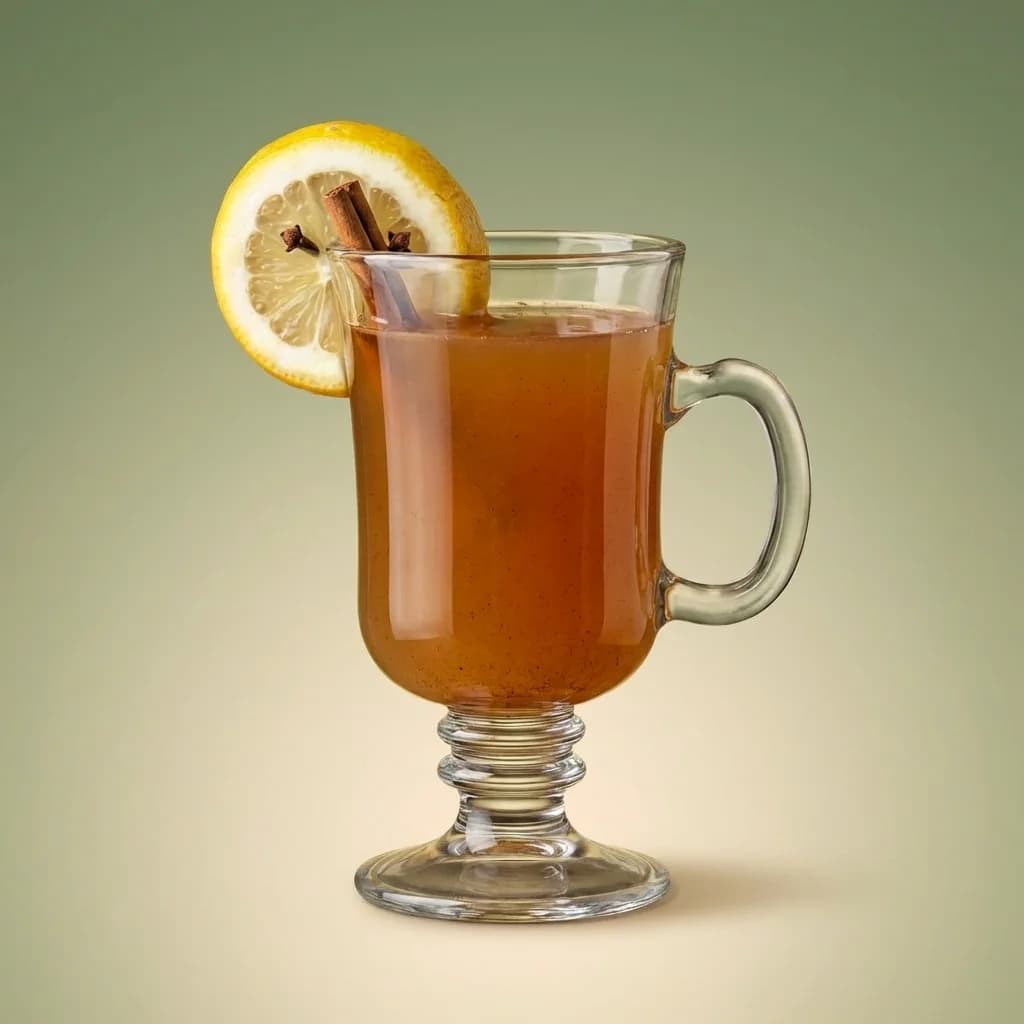
Rum Sour
A citrus and sour rum cocktail ∙ Dry shake ∙ 5 min ∙ 12.8% ABV ∙
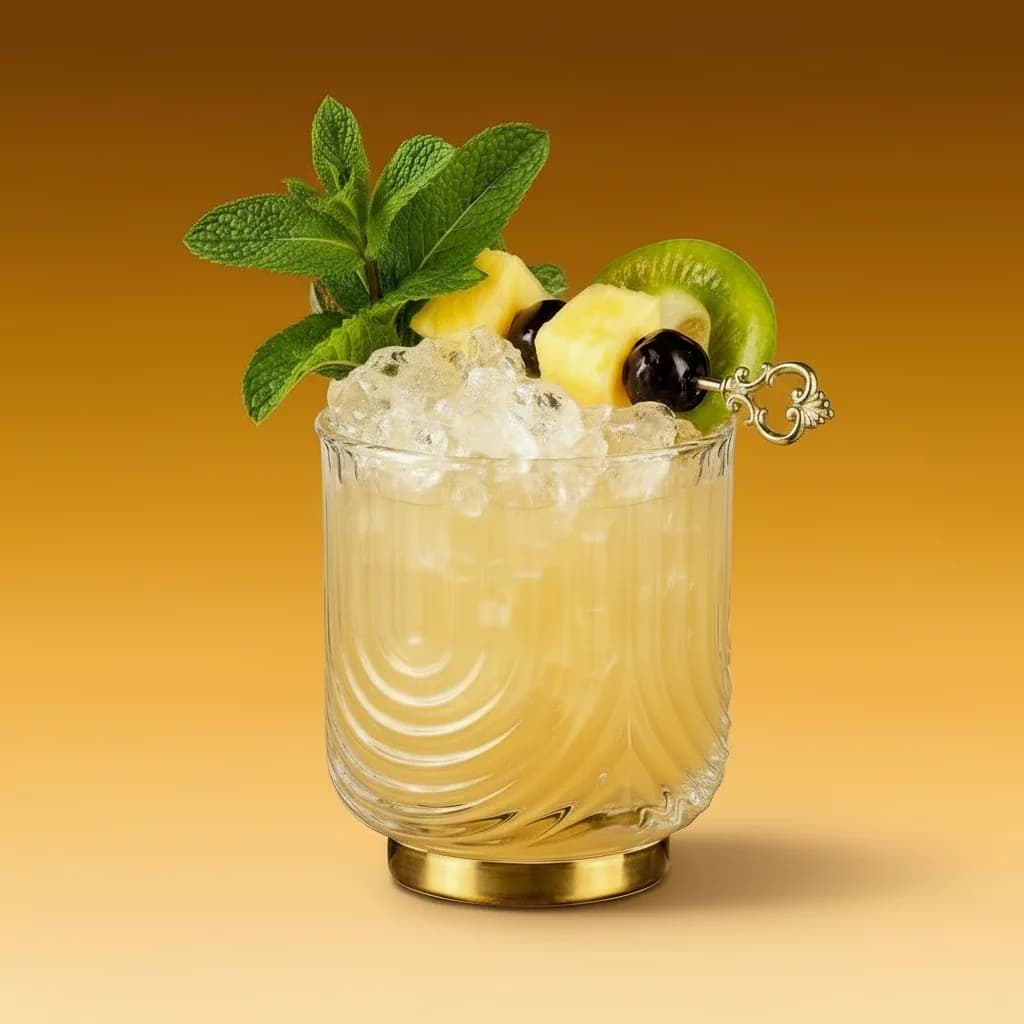
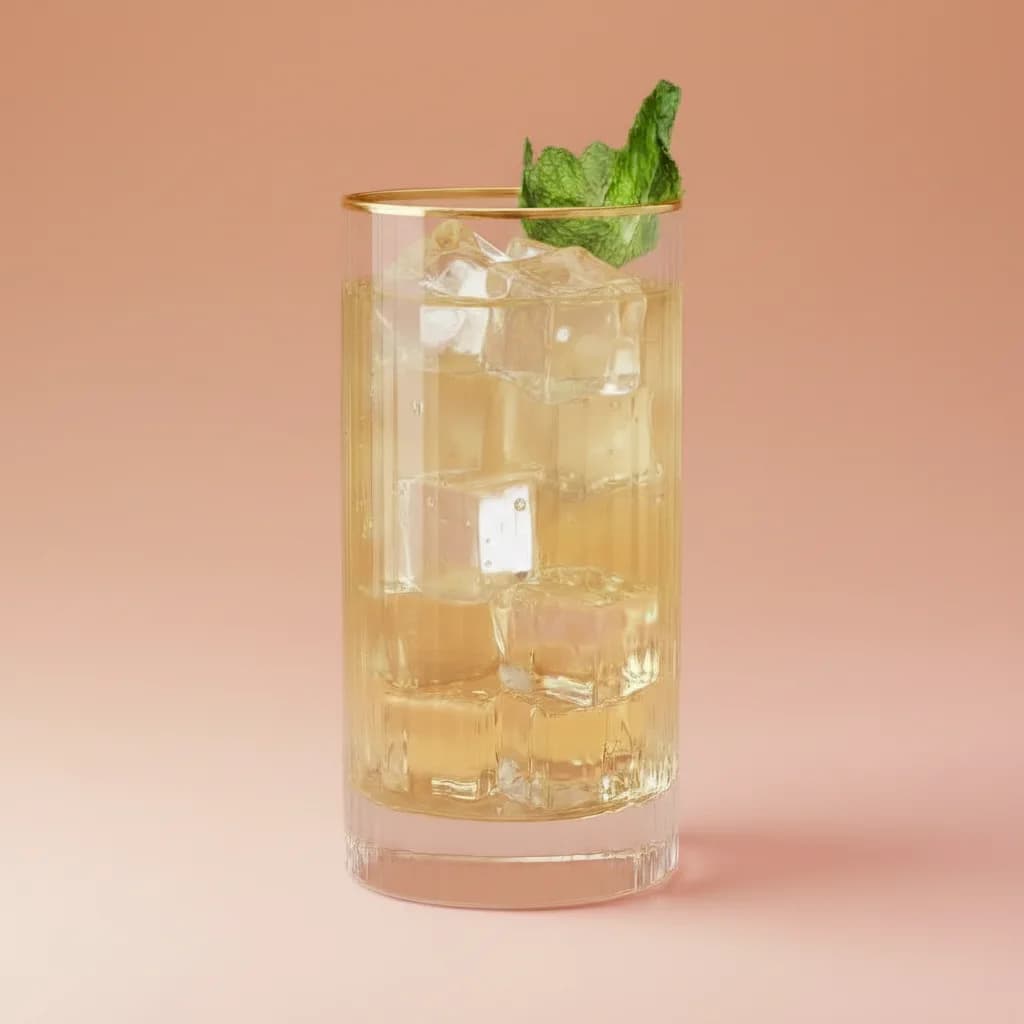
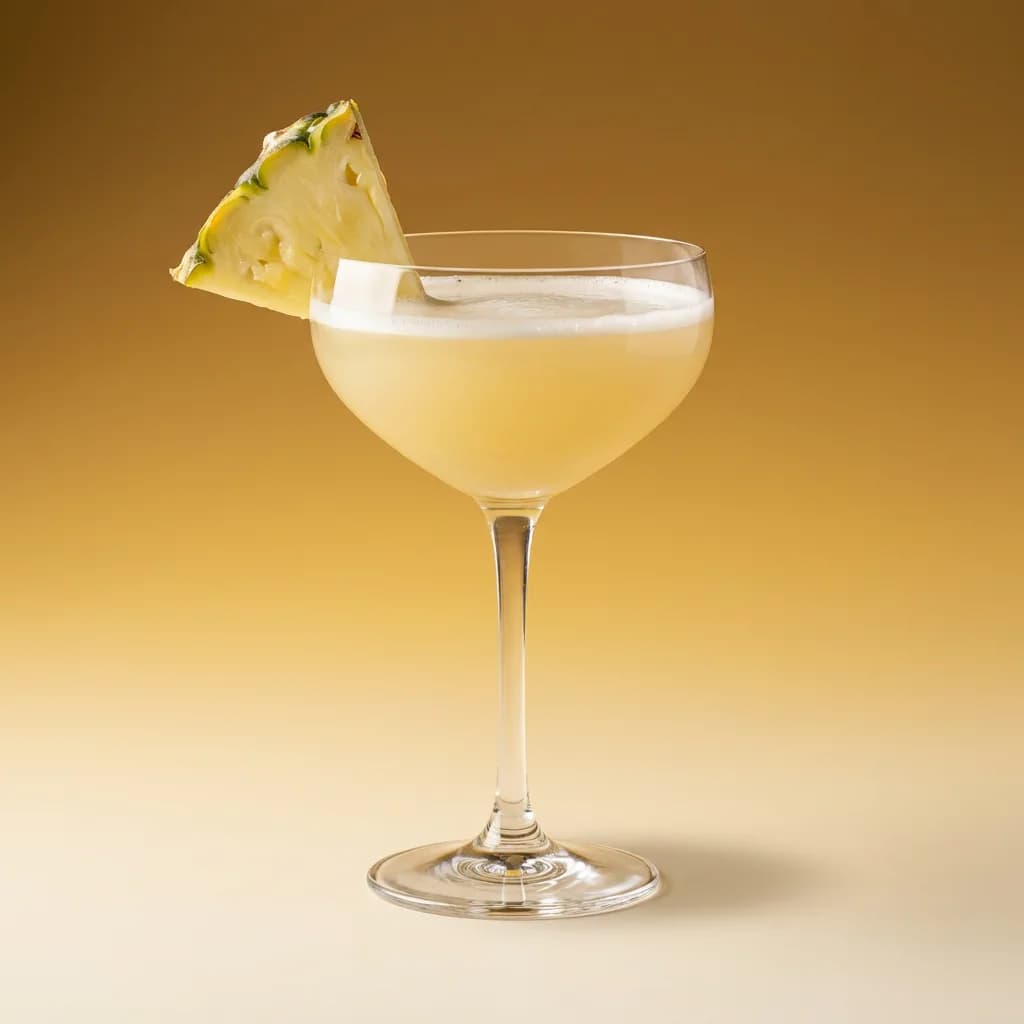
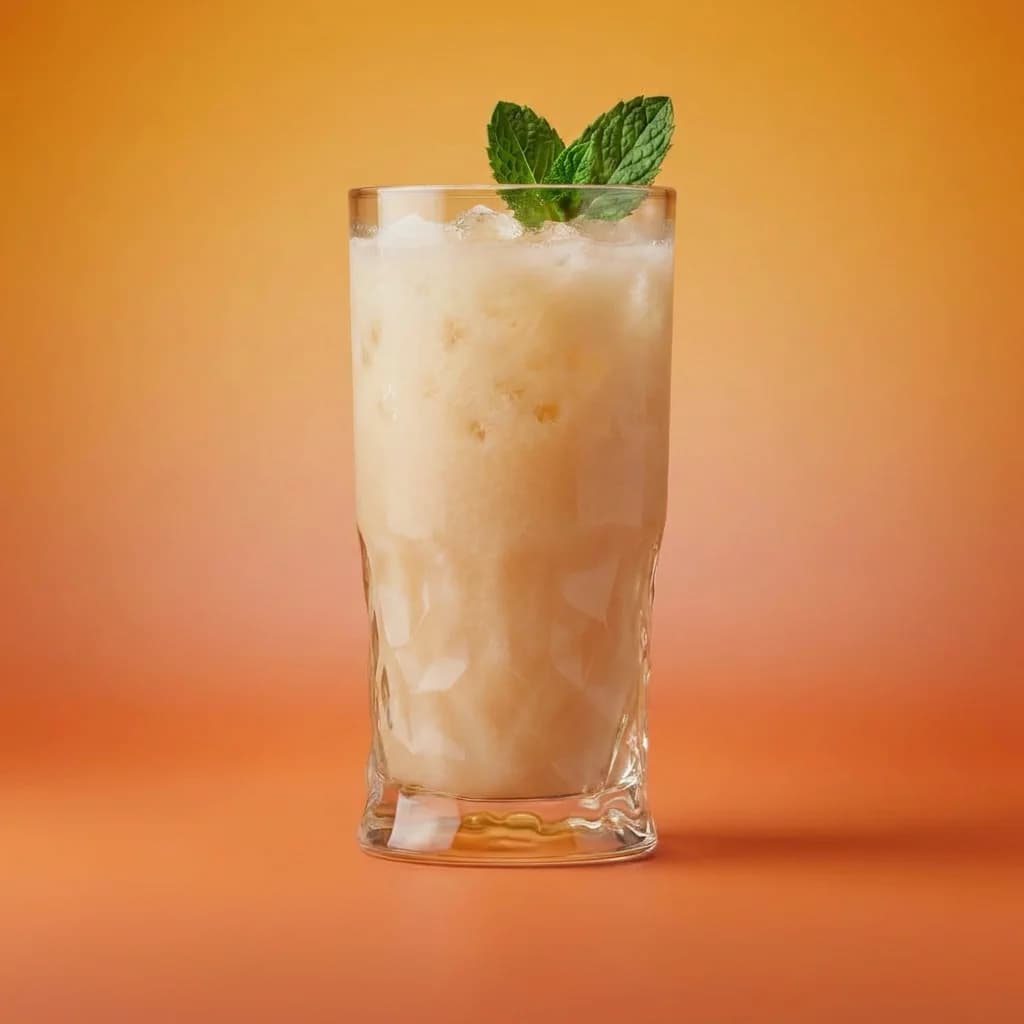
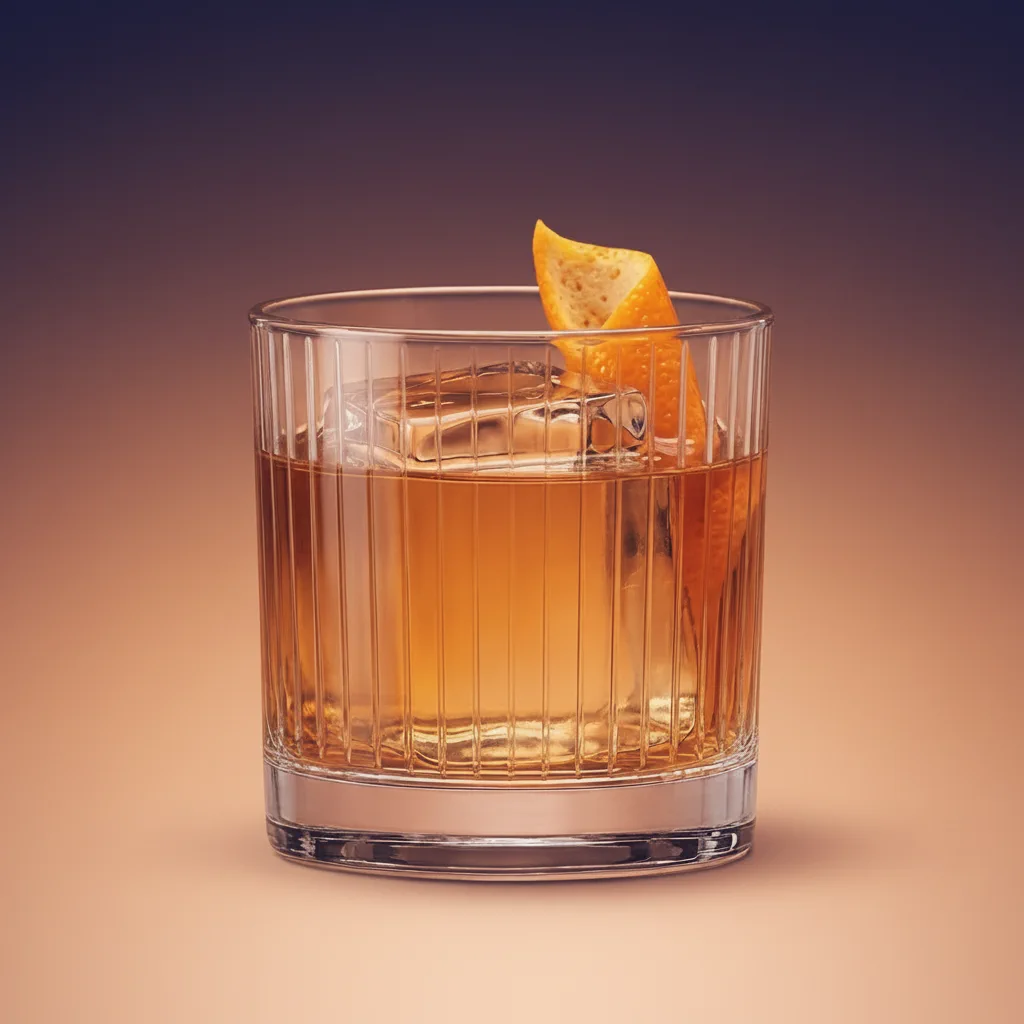
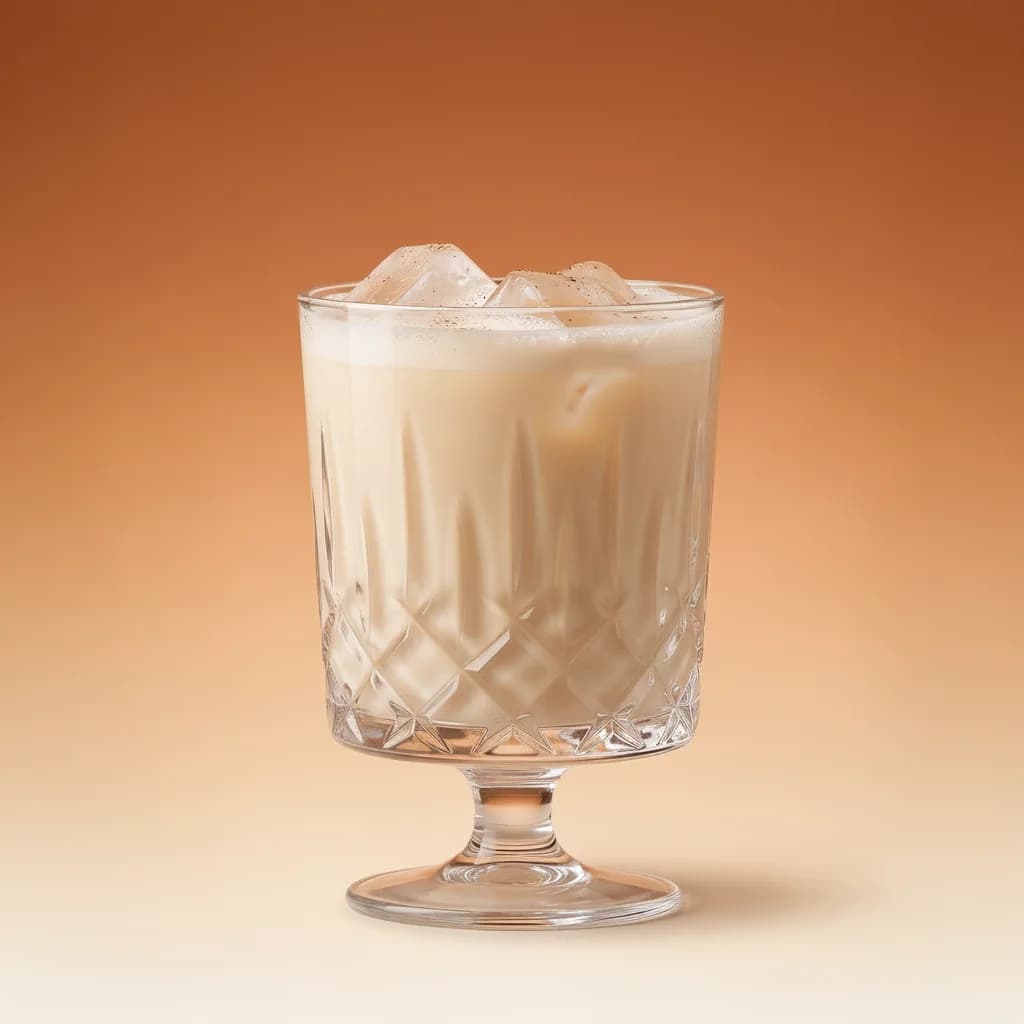
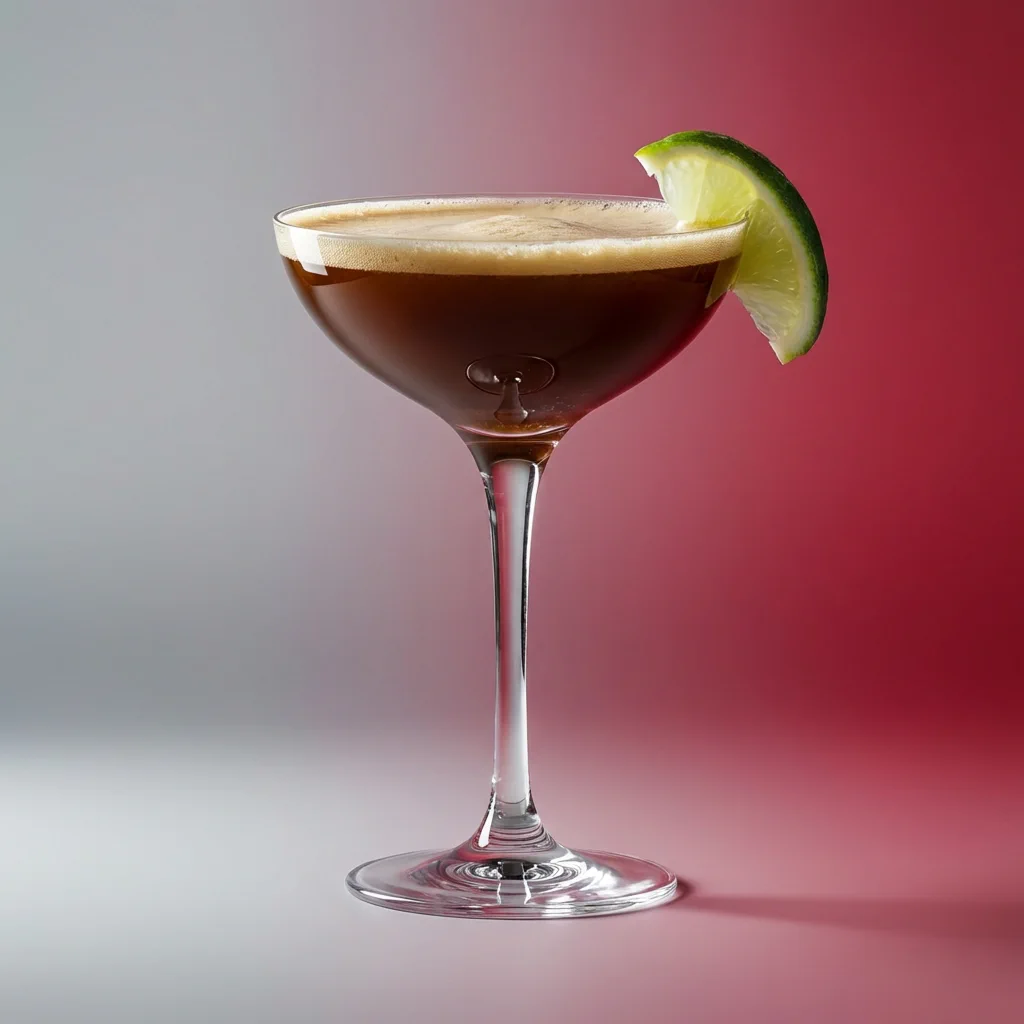
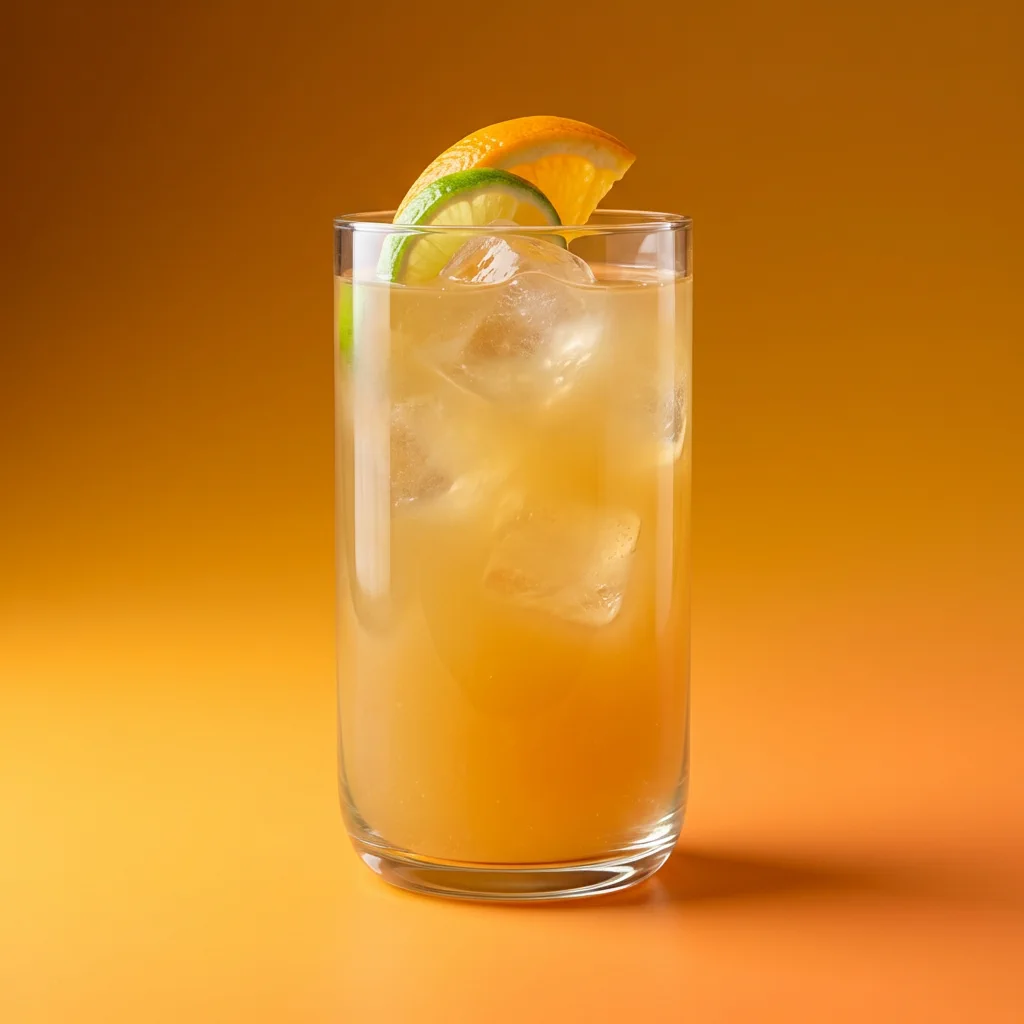
The Rum Sour is a shaken sour built on aged rum, citrus, sugar syrup, and egg white, finished with a foamy cap and an orange twist. Aged rum brings a warm caramel backbone under a bright citrus tang, with a silky, cloud-like foam softening the tart finish.
Ingredients
1
Servings
Garnish

Instructions for 1 serving
- Pre-chill a glass
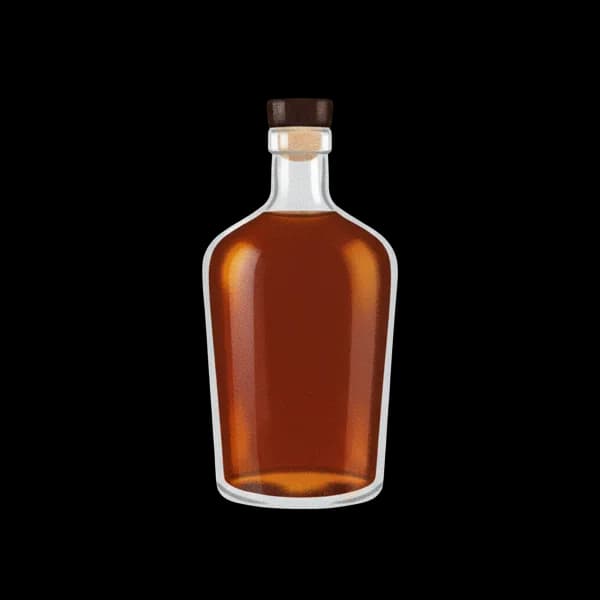
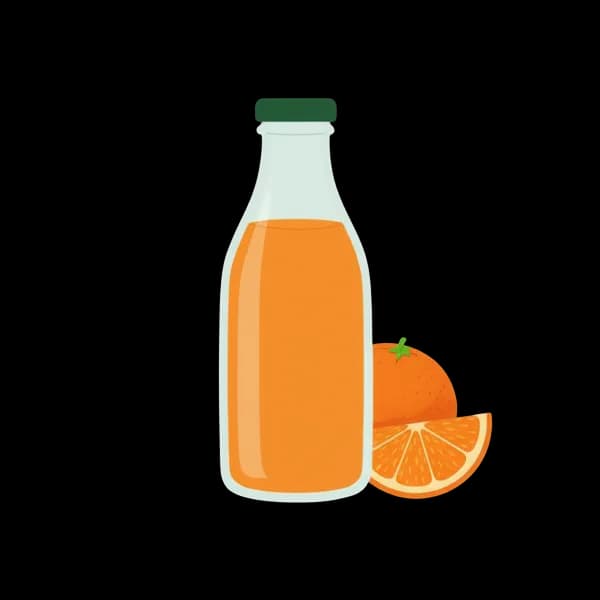
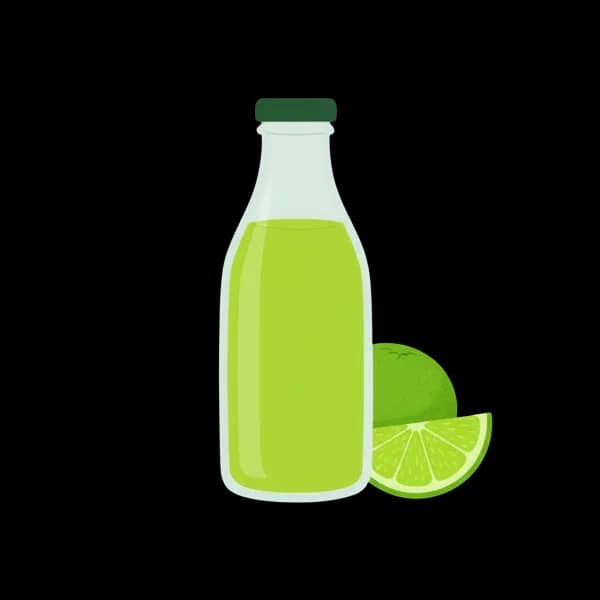
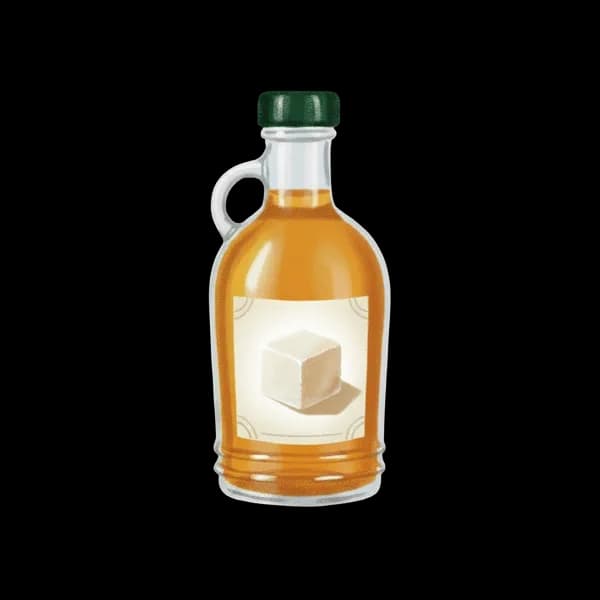
- Shake all ingredients with ice: Caribbean aged rum 50 mlOrange juice 25 mlLime juice 25 mlSugar syrup 15 mlEgg white 15 ml
- Strain back into the shaker
- Dry shake (without ice) to emulsify
- Fine strain into the chilled glass
- Express an orange twist over the cocktail and use as garnish
Tips
- Balance the citrus carefully: this build uses equal parts orange and lime juice, so under- or over-pouring either skews the tartness fast.
History
The Rum Sour belongs to the Sour family of mixed drinks, one of the oldest defined categories of cocktail, built simply from a spirit, citrus juice, and a sweetener. This structure was codified in print by the bartender Jerry Thomas in his 1862 guide How to Mix Drinks, which described the sour style using various base spirits, rum among them, rather than crediting any single named inventor.
Many drinks writers trace the underlying spirit-and-citrus combination further back to the British Navy, where sailors mixed rum with lime or lemon juice to guard against scurvy during long voyages, a practice generally credited with seeding the later Sour family rather than being itself a fixed cocktail recipe. No individual bartender or venue is credited with inventing the Rum Sour specifically; it emerged instead as the rum-based branch of the wider nineteenth-century Sour category alongside its whiskey, gin, and brandy counterparts.
FAQ
Is a Rum Sour a thing?
Yes, the Rum Sour is a well-established member of the classic sour family, built from aged rum, citrus juice, sugar syrup, and egg white. It follows the same structure as a Whiskey Sour or Pisco Sour, just with rum as the base spirit.
How do you make a Rum Sour?
Shake the rum, orange juice, lime juice, sugar syrup, and egg white with ice, then strain the mix back into the shaker and dry shake it without ice to emulsify the foam. Fine-strain into a chilled glass and finish by expressing an orange twist over the top as garnish.
Is a Daiquiri just a Rum Sour?
No, a Daiquiri and a Rum Sour are related but distinct: a Daiquiri skips the egg white, while a Rum Sour includes it for a foamy, silky top that a Daiquiri lacks.
What is the best rum for a Rum Sour?
A Caribbean aged rum works best, as it lends a warm caramel depth that holds up against the citrus and egg white through the double shake.
What's the secret to a perfectly balanced Rum Sour?
The double shake is the key: a full ice shake to chill and dilute, followed by a dry shake without ice to emulsify the egg white into a stable foam. Getting the citrus-to-syrup balance right matters too, and fine-straining removes any ice shards so the foam sits clean on top.