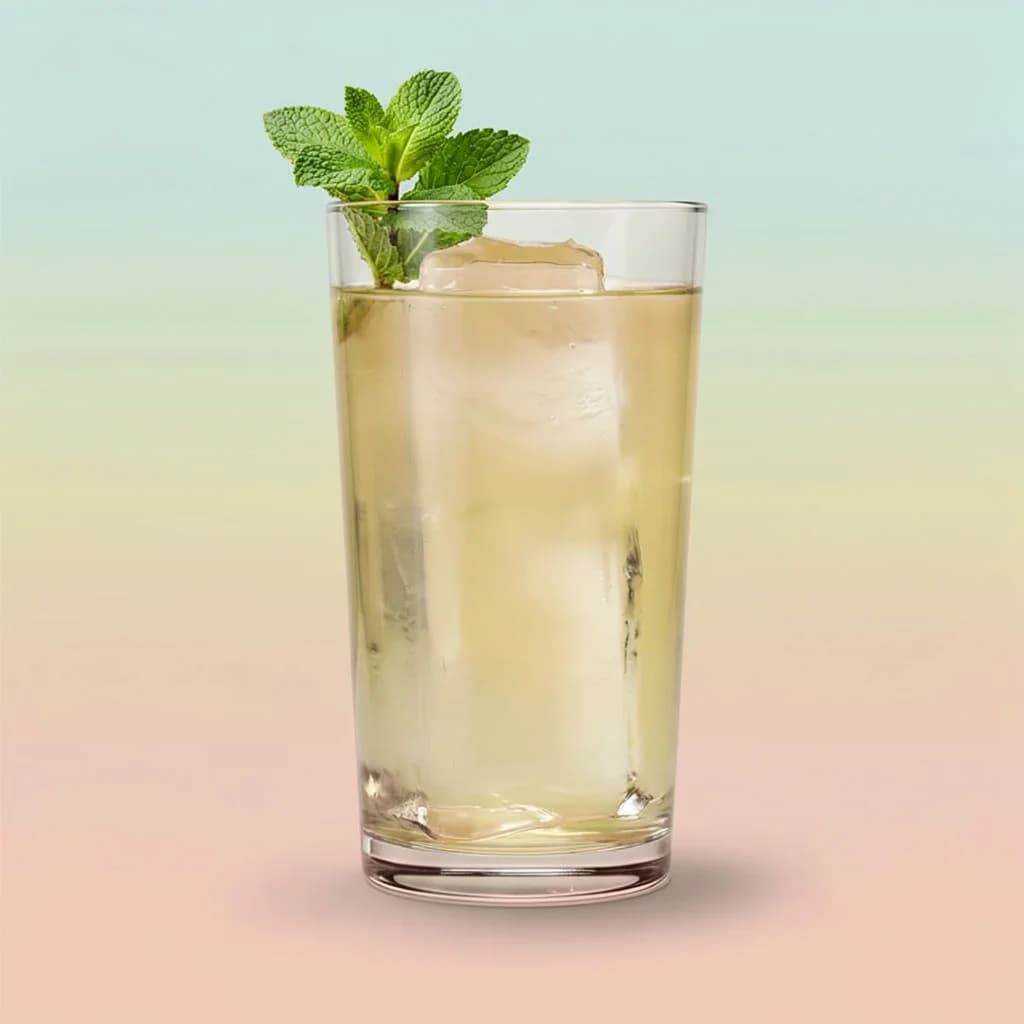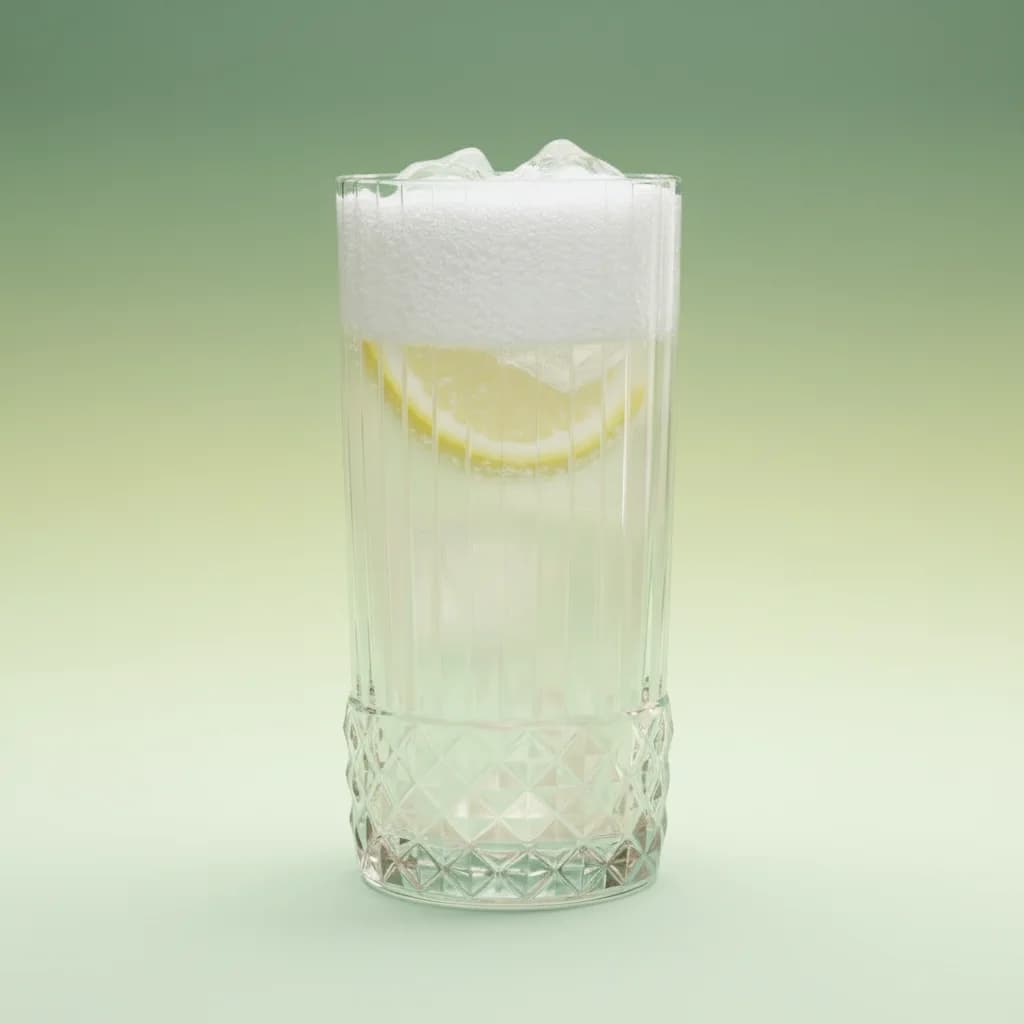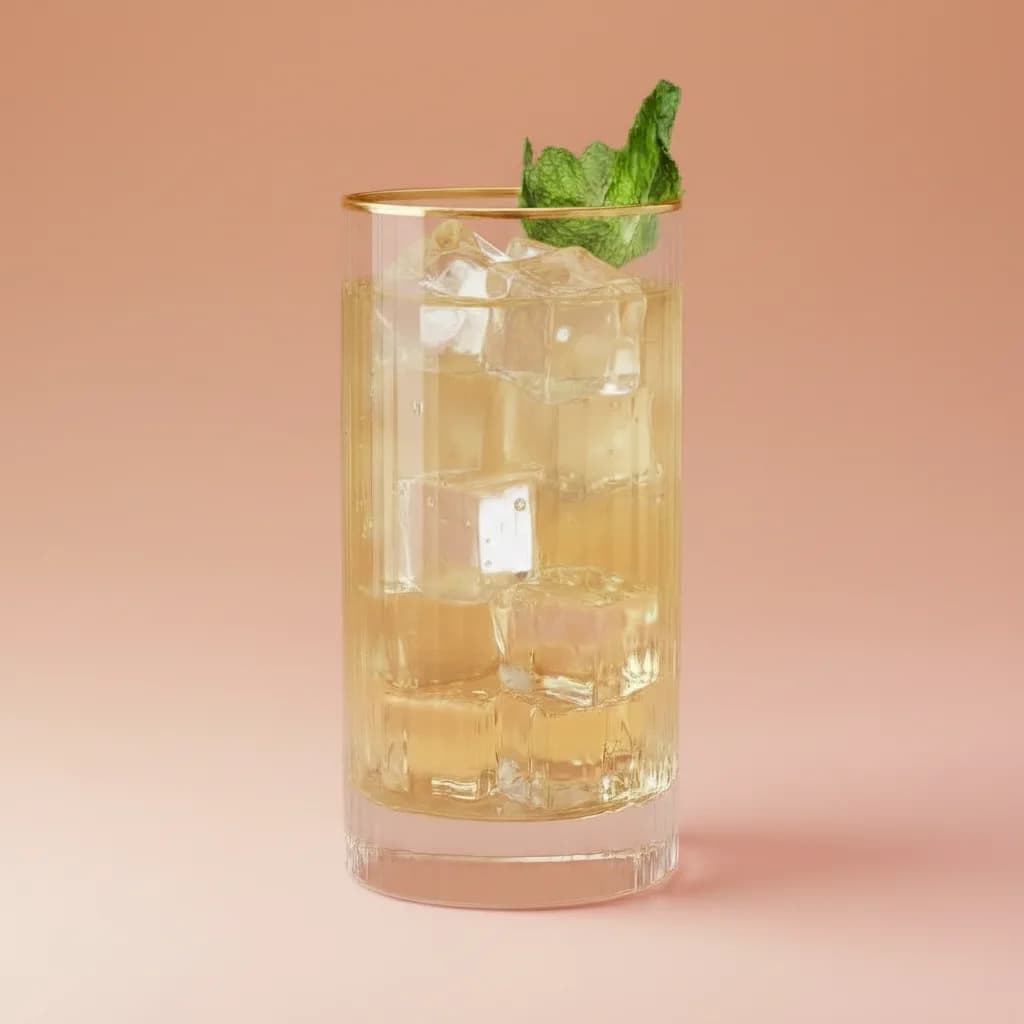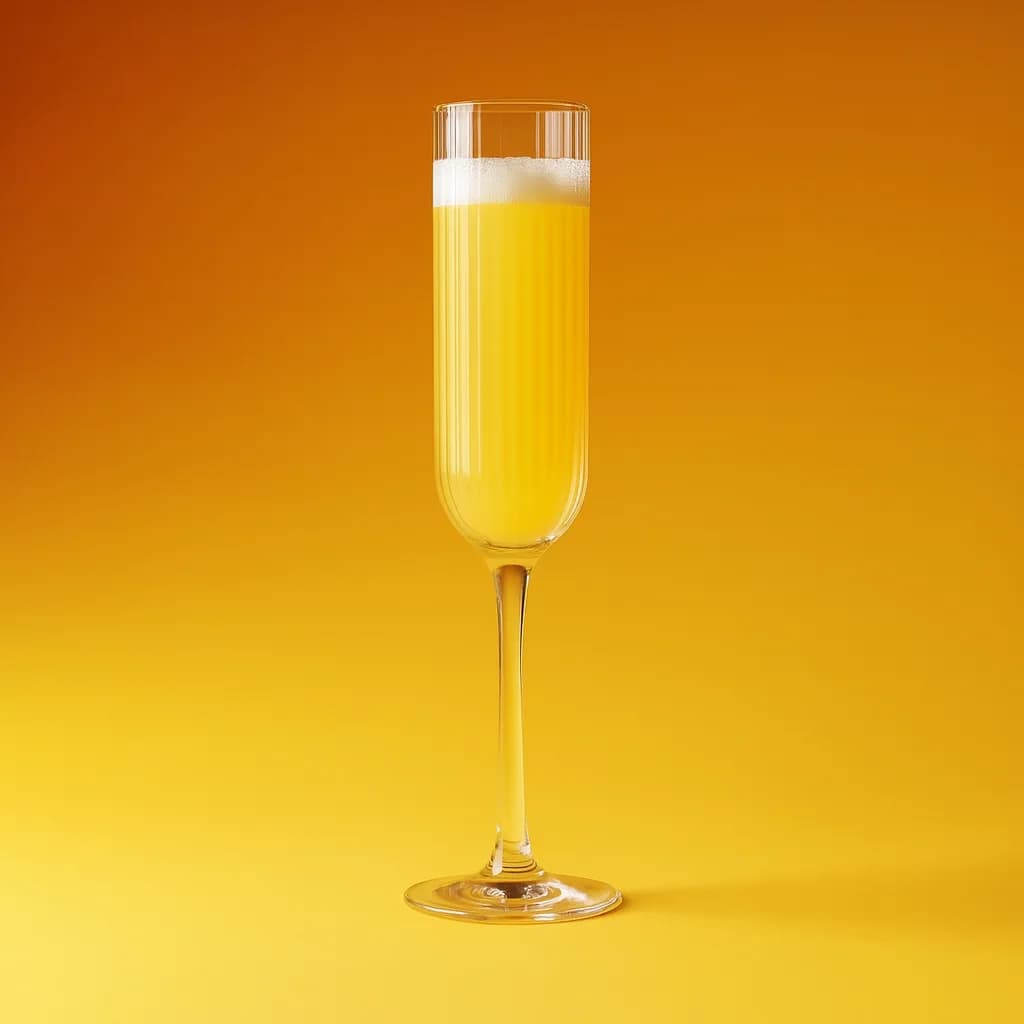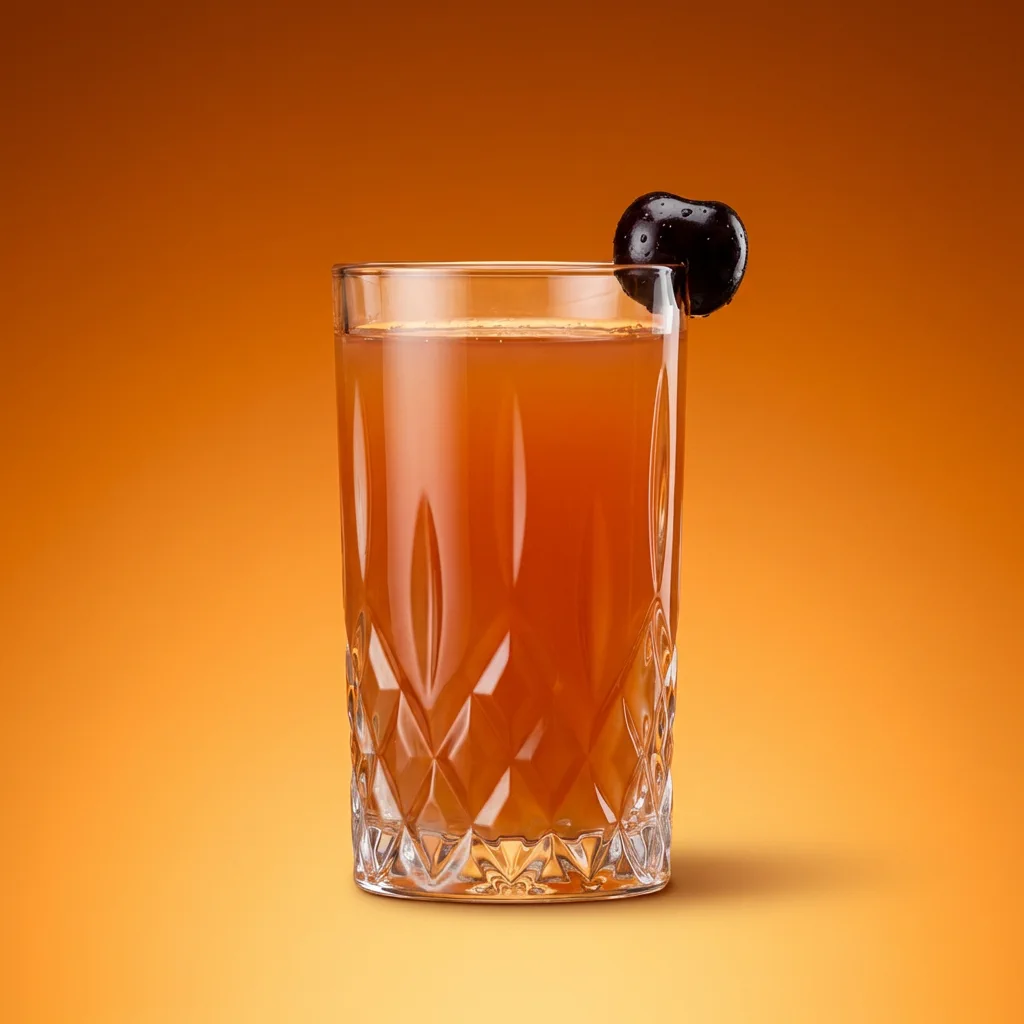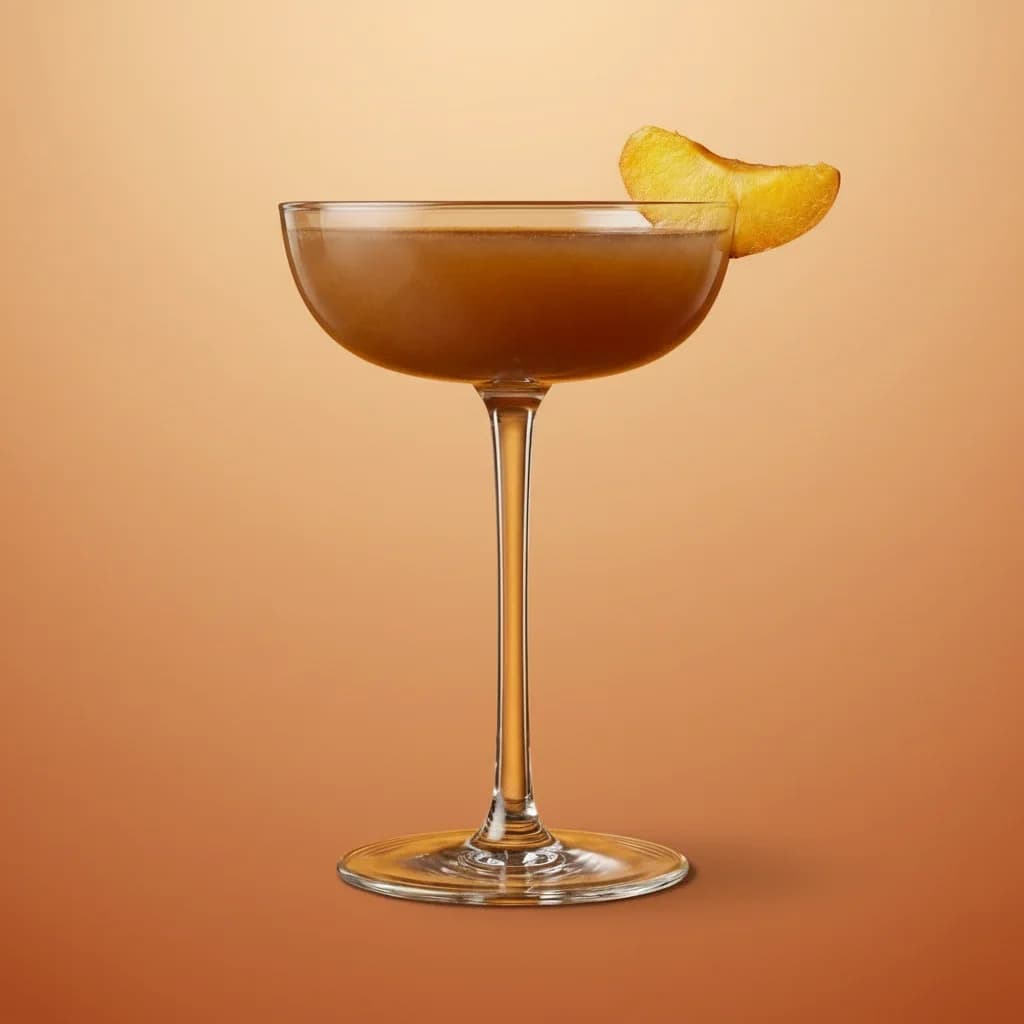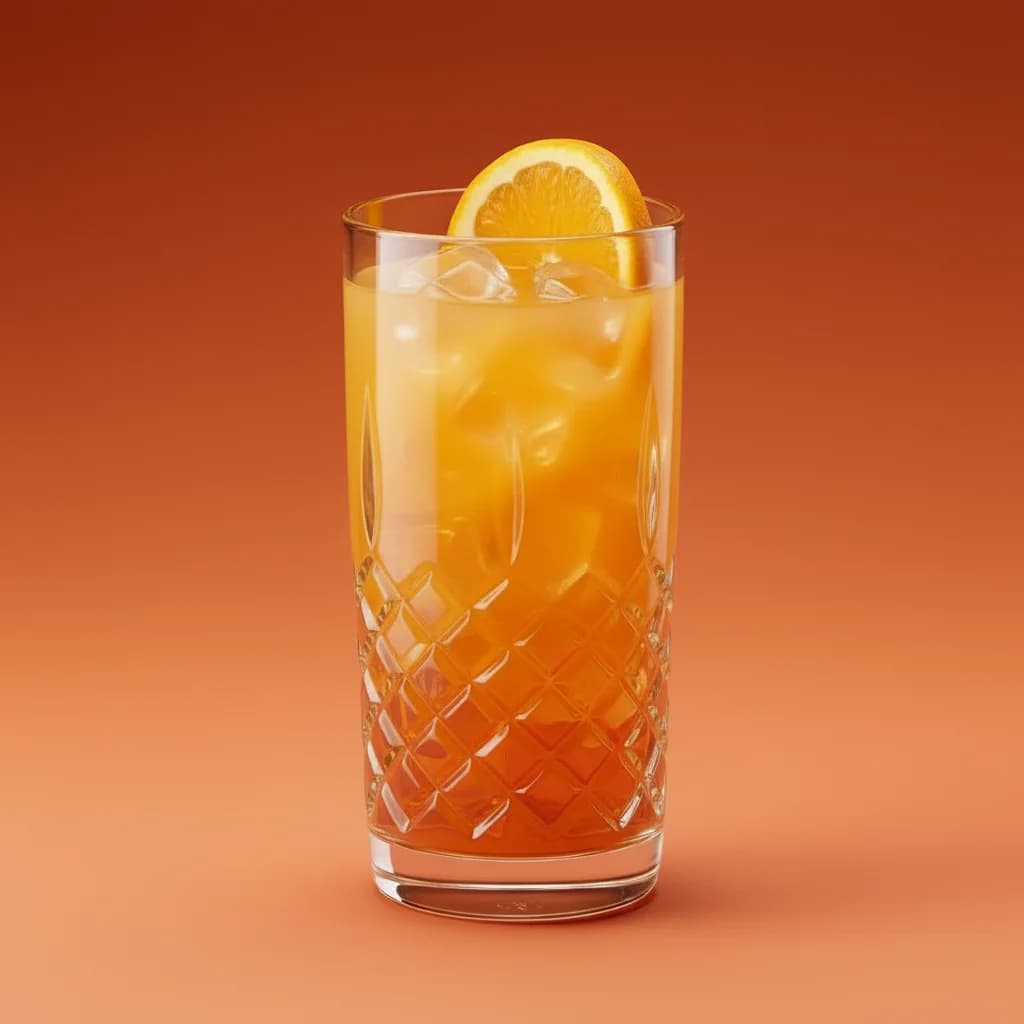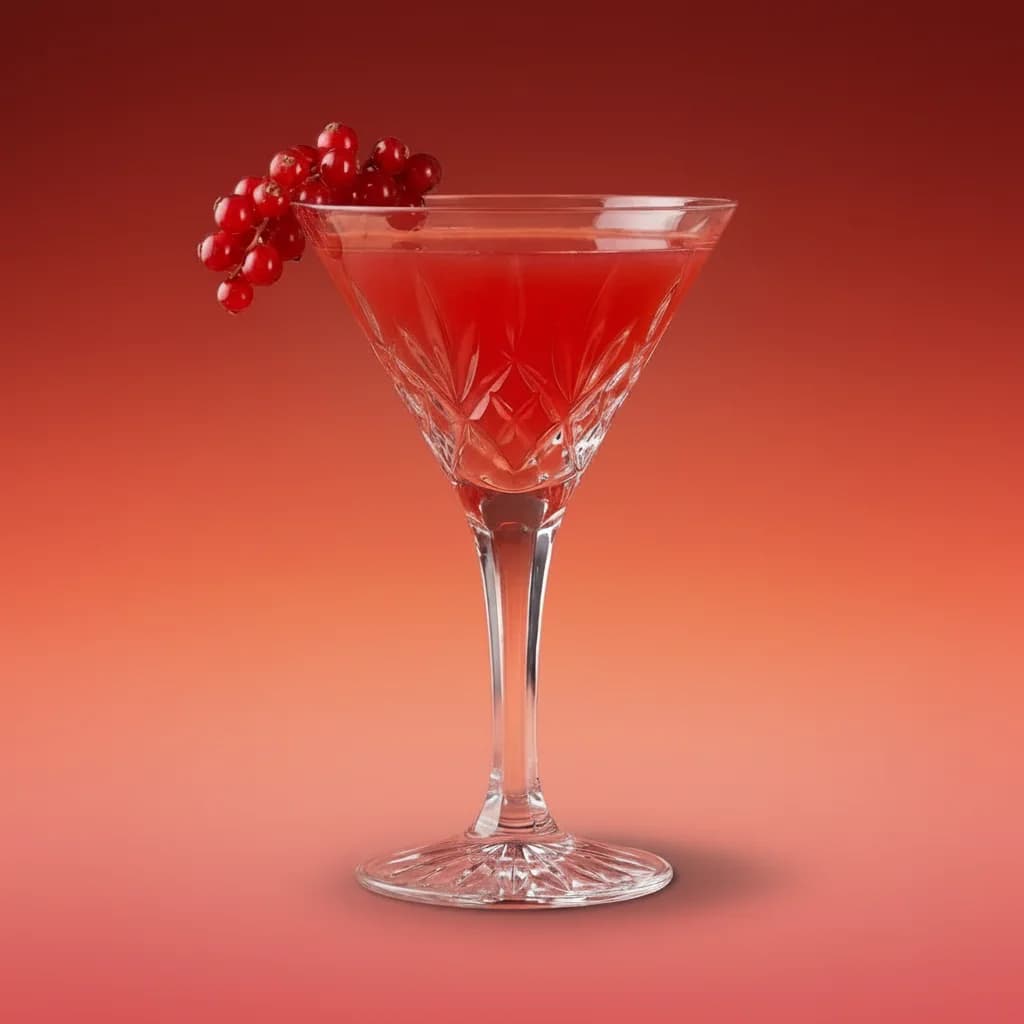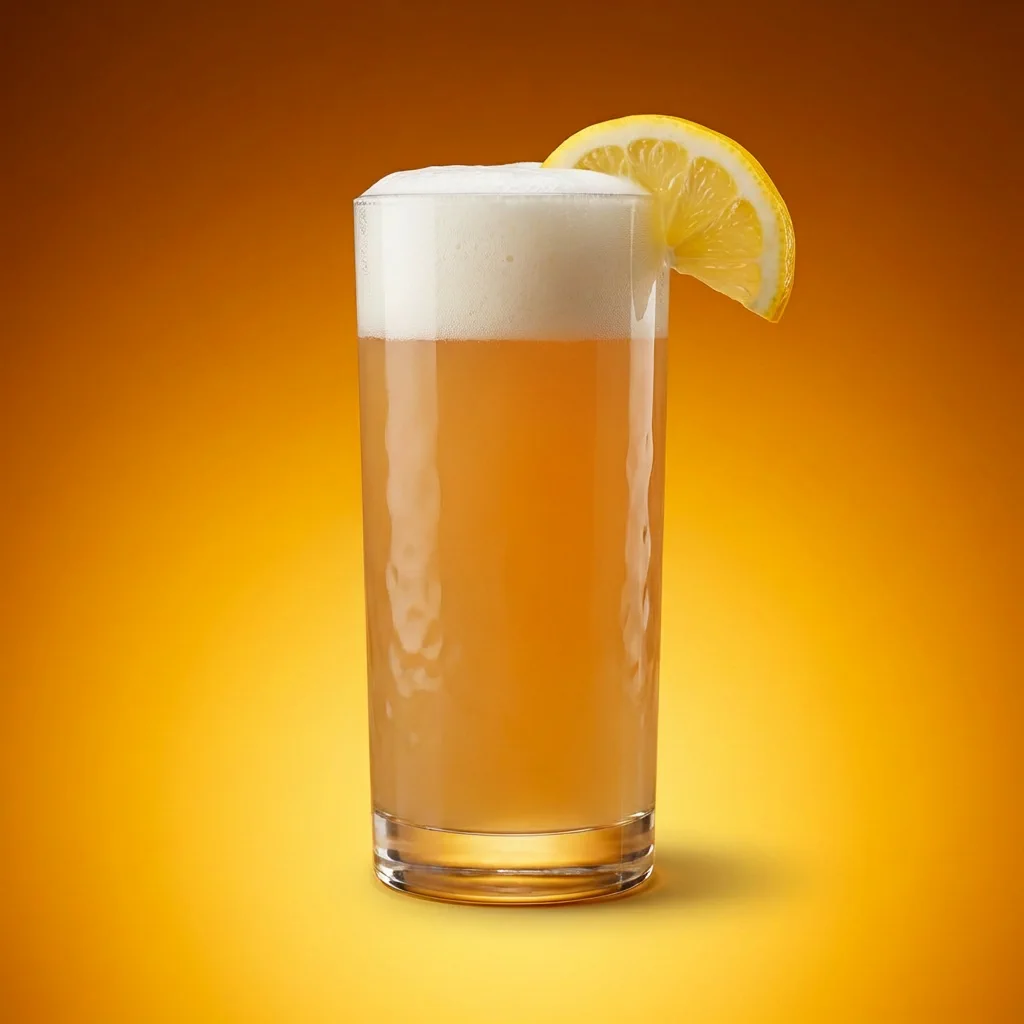
Sloe Gin Fizz
Shake ∙ 3 min ∙ 8.7% ABV ∙
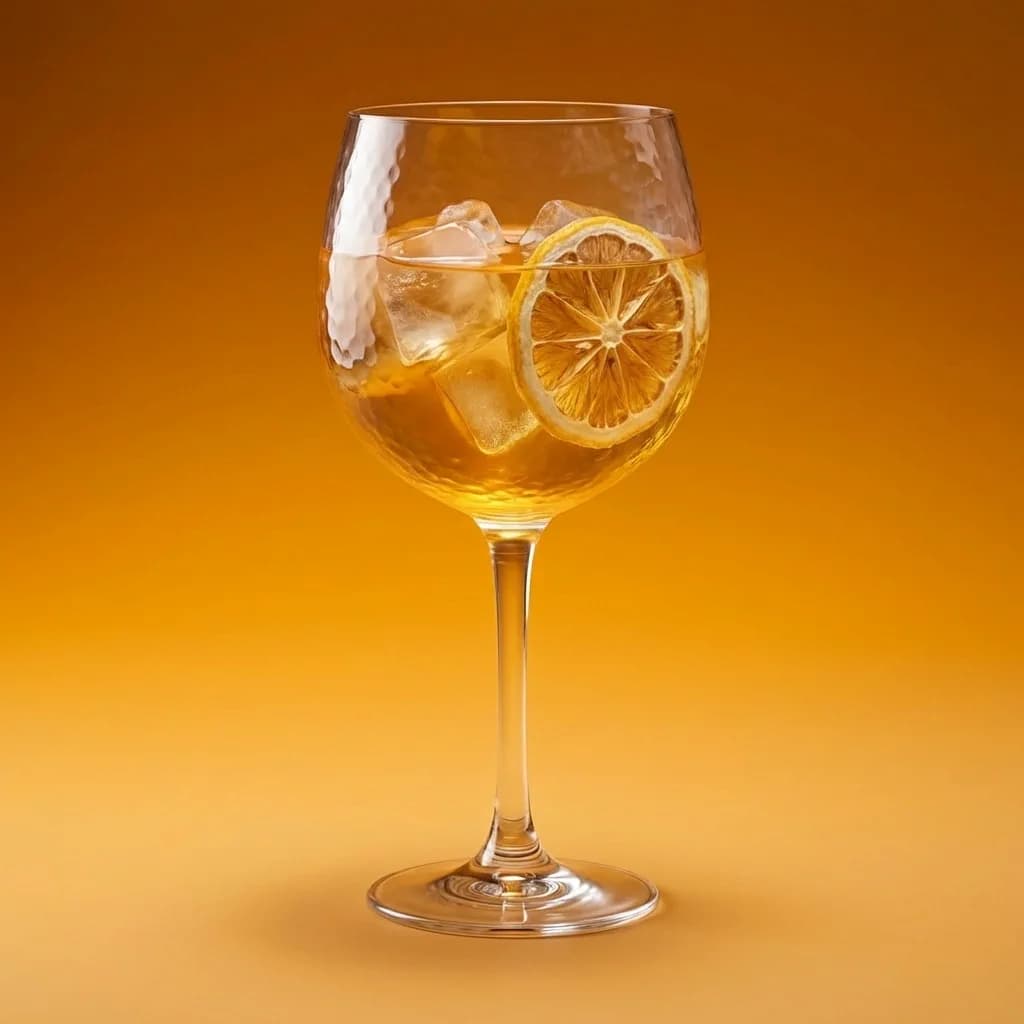
The Sloe Gin Fizz is a fizz of sloe gin, lemon juice and sugar, shaken and topped with dry sparkling wine.
Ingredients
1
Servings
Garnish

Instructions for 1 serving
- Pre-chill a glass
- Shake the first 3 ingredients with ice: Sloe gin 45 mlLemon juice 30 mlPowdered sugar 1 bsp
- Fine strain into the chilled glass
- Top with Dry sparkling wine
- Garnish with a lemon wheel on the rim
Tips
- Shake the sloe gin, lemon juice, and powdered sugar hard so the sugar fully dissolves before the drink is strained.
- Fine-strain into the chilled glass with no ice, then pour the 120 ml of sparkling wine in gently so it keeps its bubbles.
History
The Sloe Gin Fizz emerged in the United States around the turn of the twentieth century, once bartenders got hold of English sloe gin and began mixing it as a fruitier, ruby-colored take on the standard Gin Fizz with citrus, sugar, and soda water. No single bartender or bar is credited with creating it, and sources differ on the earliest printed recipe, with some pointing to a California magazine feature in 1898 and others to fizz recipes appearing in later editions of Jerry Thomas's bartending guide. The drink caught on in American bars through the early twentieth century, faded from fashion in the latter half of the century, and later regained popularity alongside the broader revival of classic sloe gin liqueurs.
Its base, the Gin Fizz, first appeared in print in Jerry Thomas's The Bar-Tender's Guide in 1876, establishing the fizz format of spirit, citrus, sugar, and carbonated water. This Sloe Gin Fizz recipe tops the drink with dry sparkling wine instead of the Gin Fizz's soda.
FAQ
What is a Sloe Gin Fizz made of?
45 ml sloe gin, 30 ml fresh lemon juice, and a barspoon of powdered sugar, shaken and topped with 120 ml of dry sparkling wine.
What is the difference between a Gin Fizz and a Sloe Gin Fizz?
The base. A Gin Fizz uses regular gin, while a Sloe Gin Fizz uses sloe gin, a sweeter, berry-red liqueur made by steeping sloe berries in gin. That makes it fruitier and jammier. A classic Gin Fizz is topped with soda water; this recipe tops it with dry sparkling wine.
Is sloe gin very alcoholic?
Not very. Sloe gin typically runs around 25-30% ABV, lower than regular gin, because it is a sweetened, fruit-steeped liqueur rather than a full-strength spirit. A Sloe Gin Fizz is lighter still, around 8.7% ABV once shaken, diluted, and topped with sparkling wine.
What is sloe gin and prosecco called?
A Sloe Gin Fizz, as it's made here: sloe gin shaken with lemon juice and sugar, then topped with dry sparkling wine, such as a dry prosecco, instead of soda.