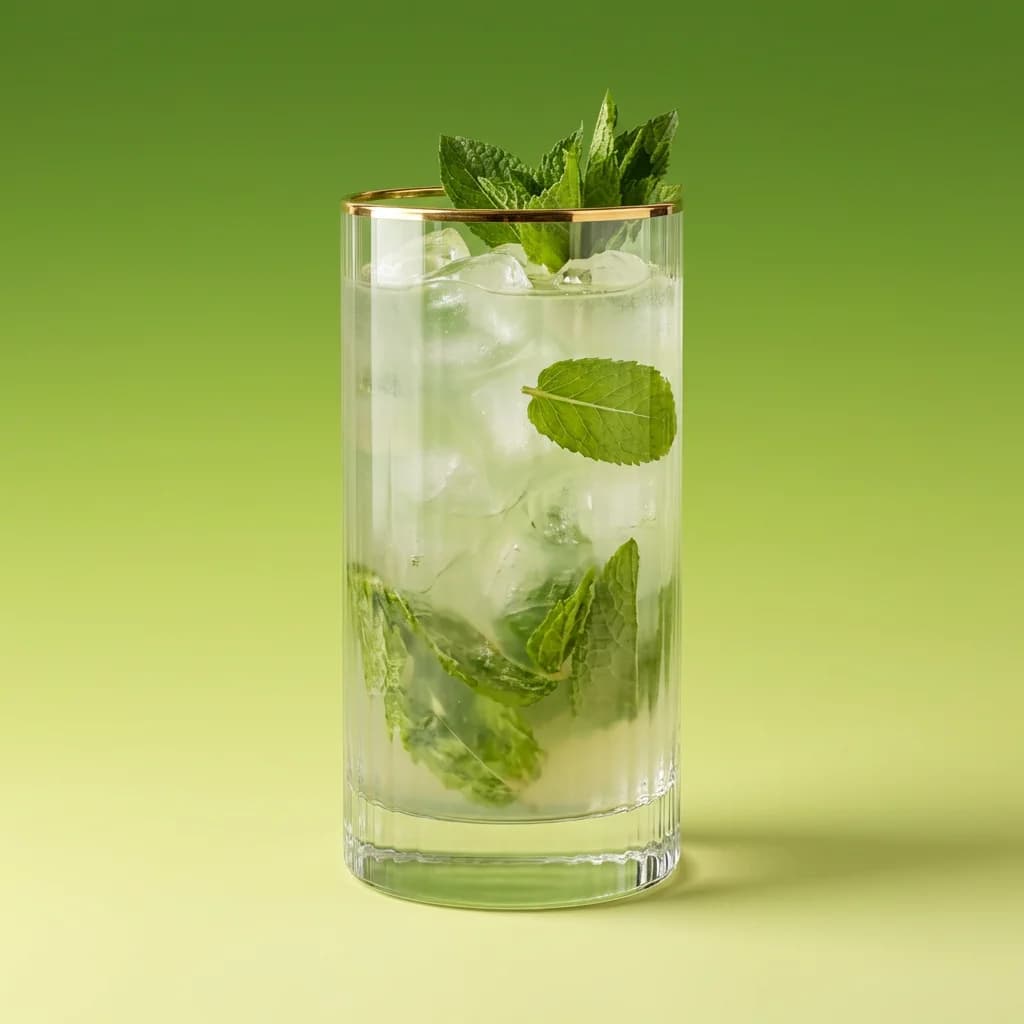
Royal Mojito
A refreshing, citrus and bubbly cocktail ∙ Swizzle ∙ 3 min ∙ 18.6% ABV ∙
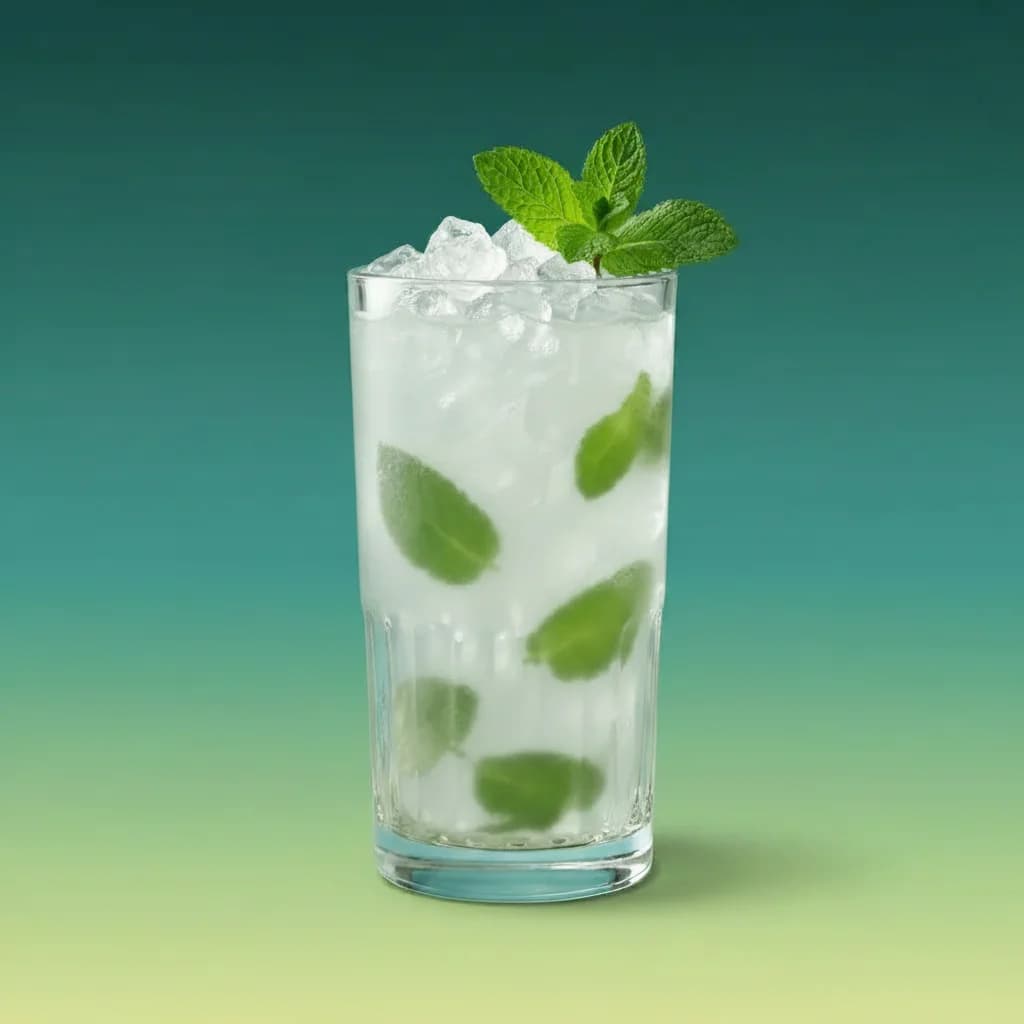
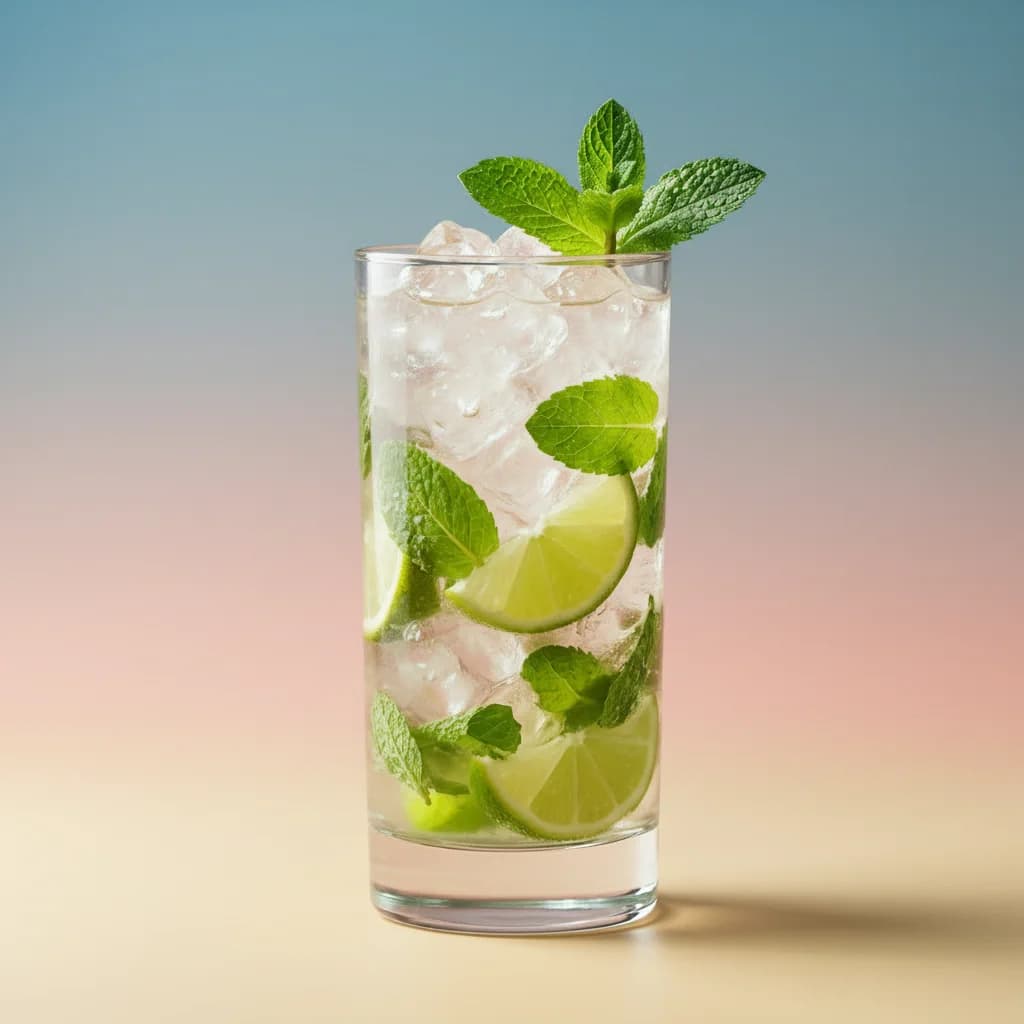
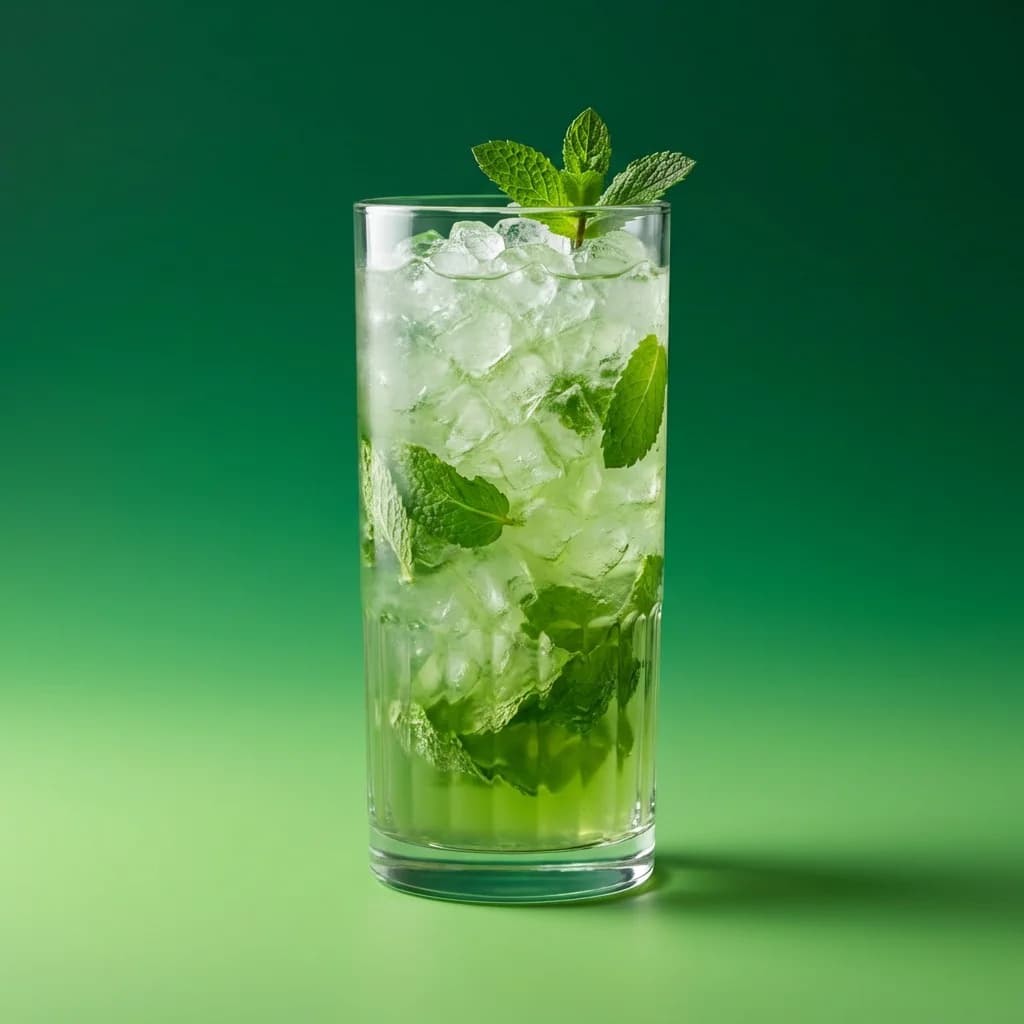
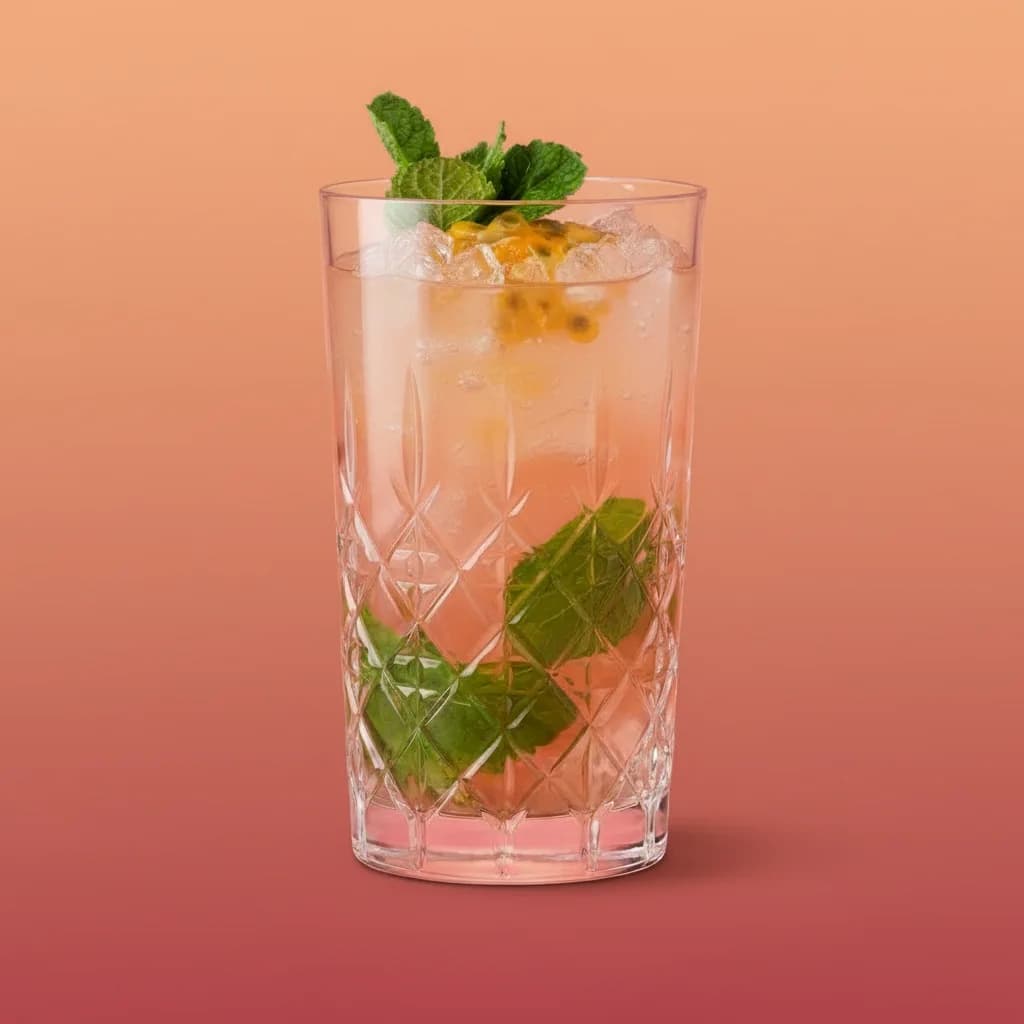
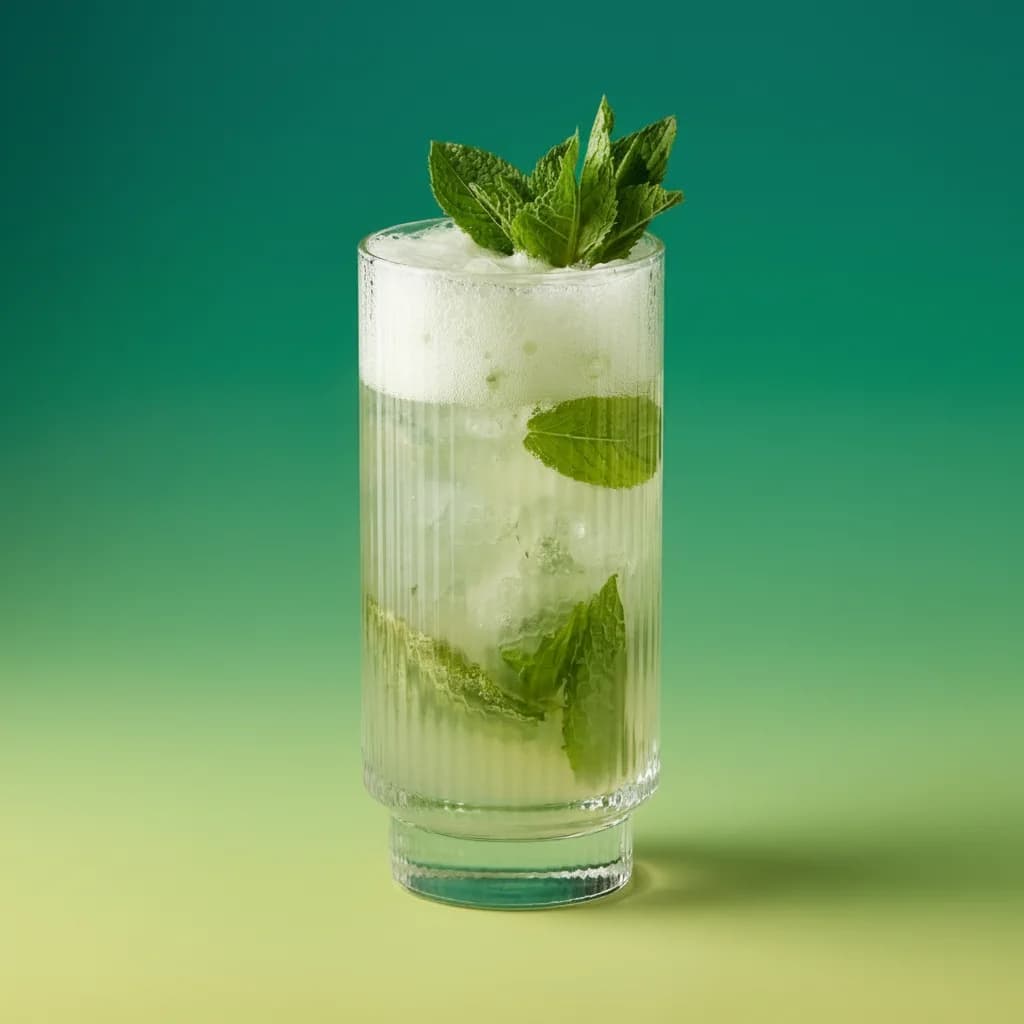
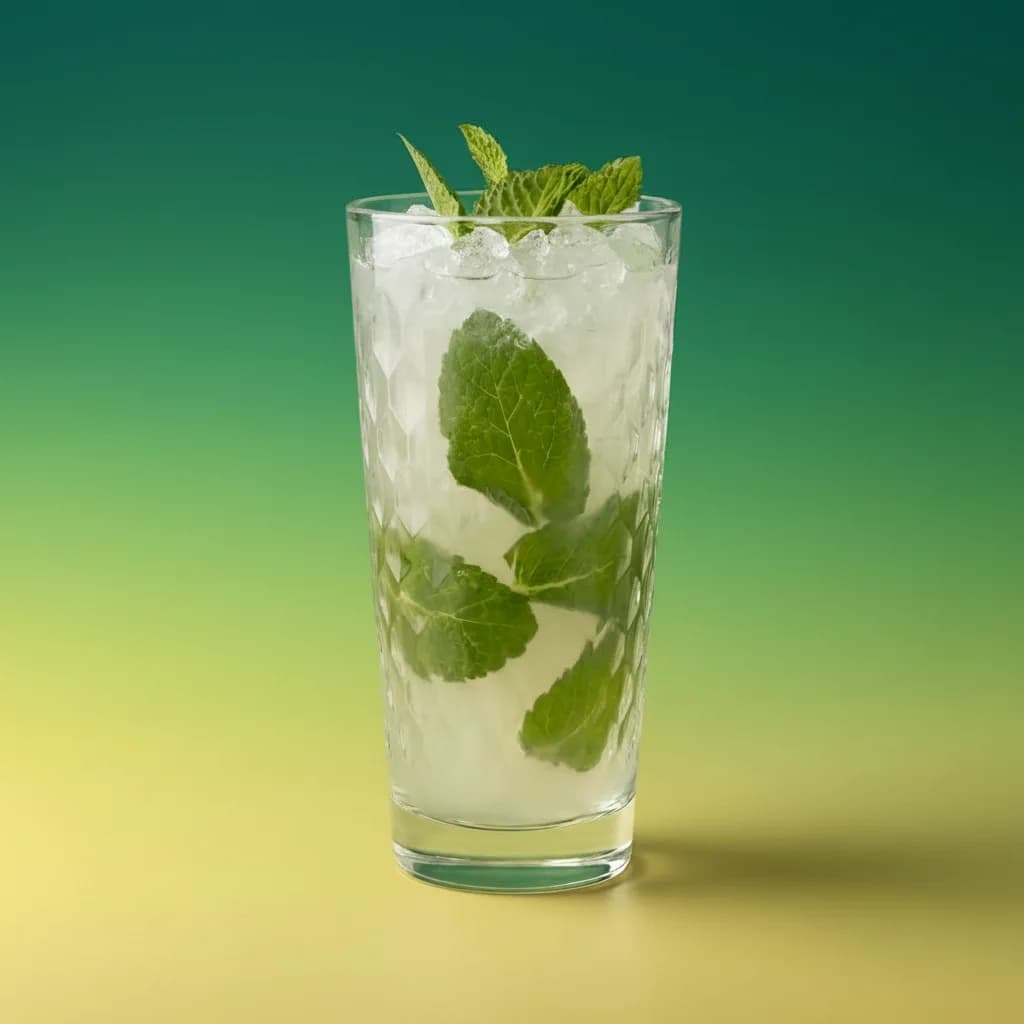
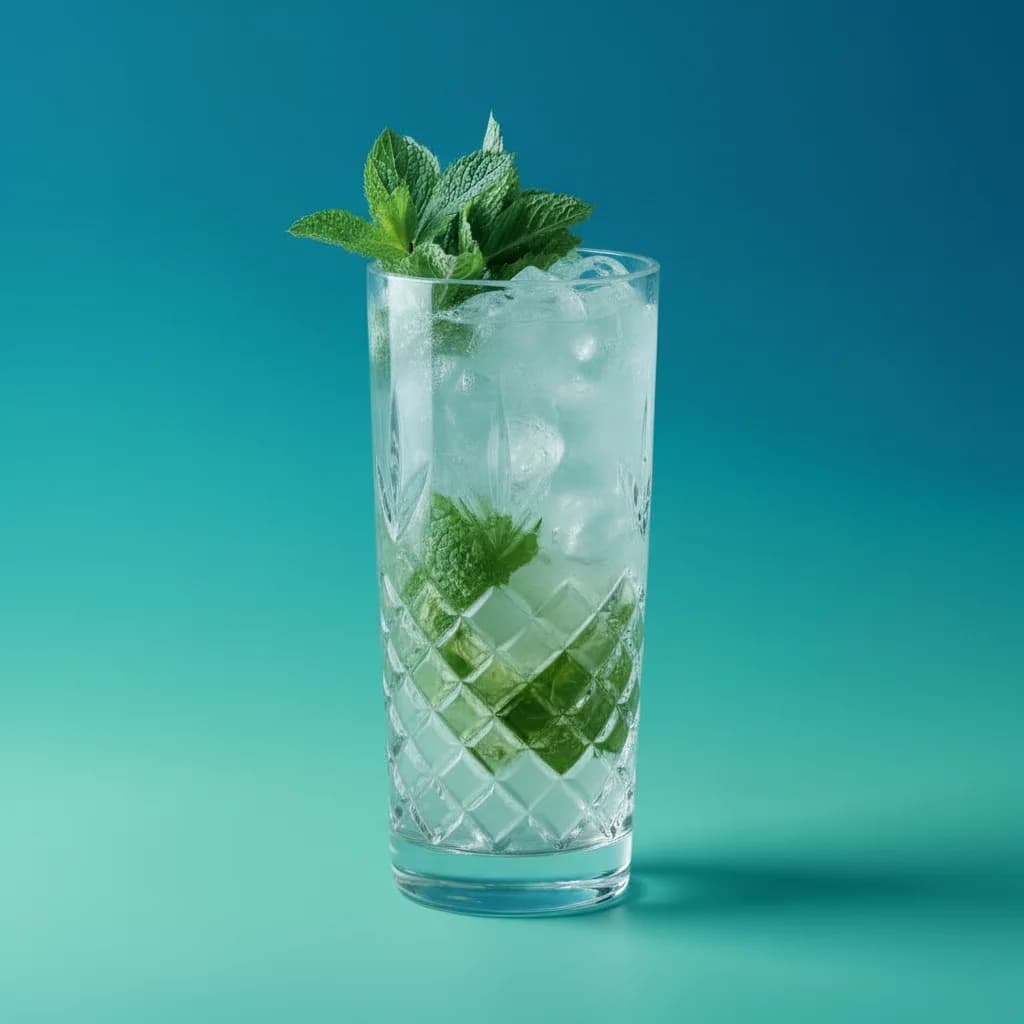
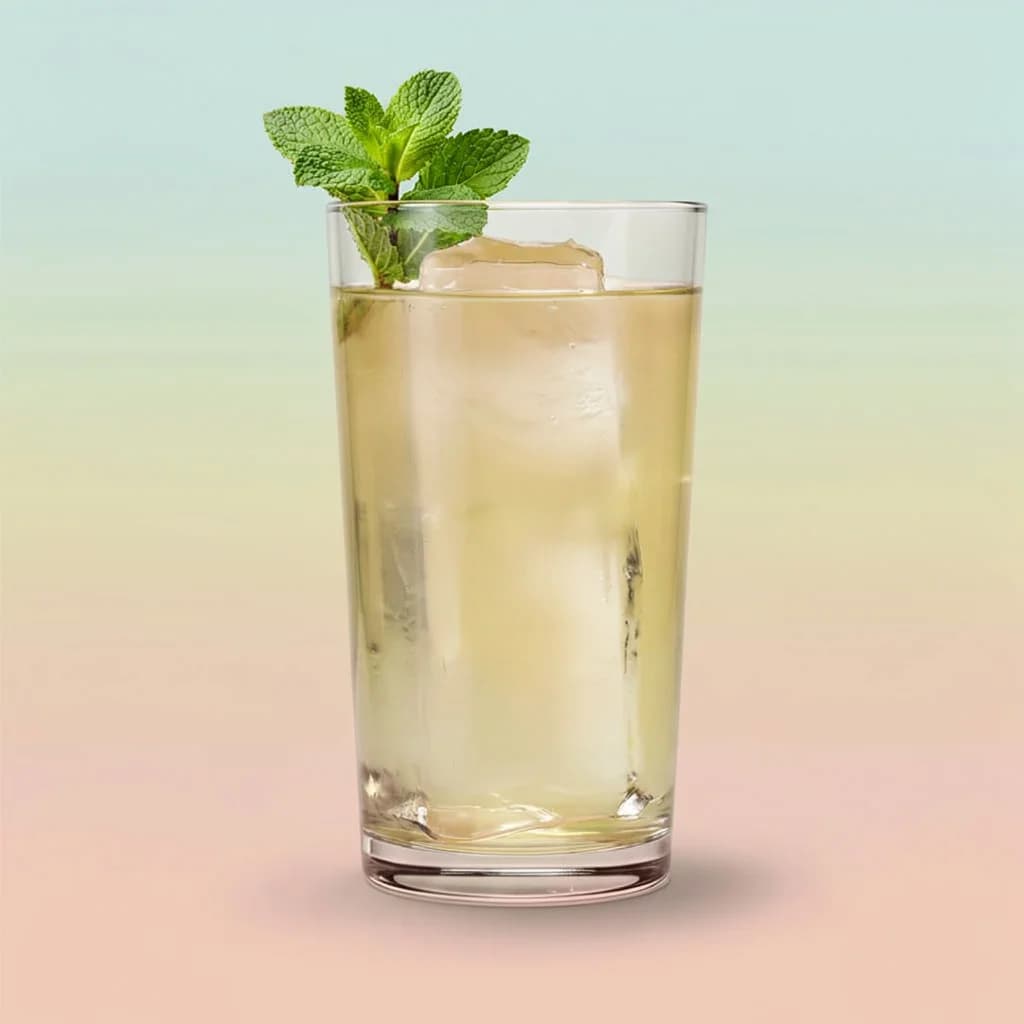
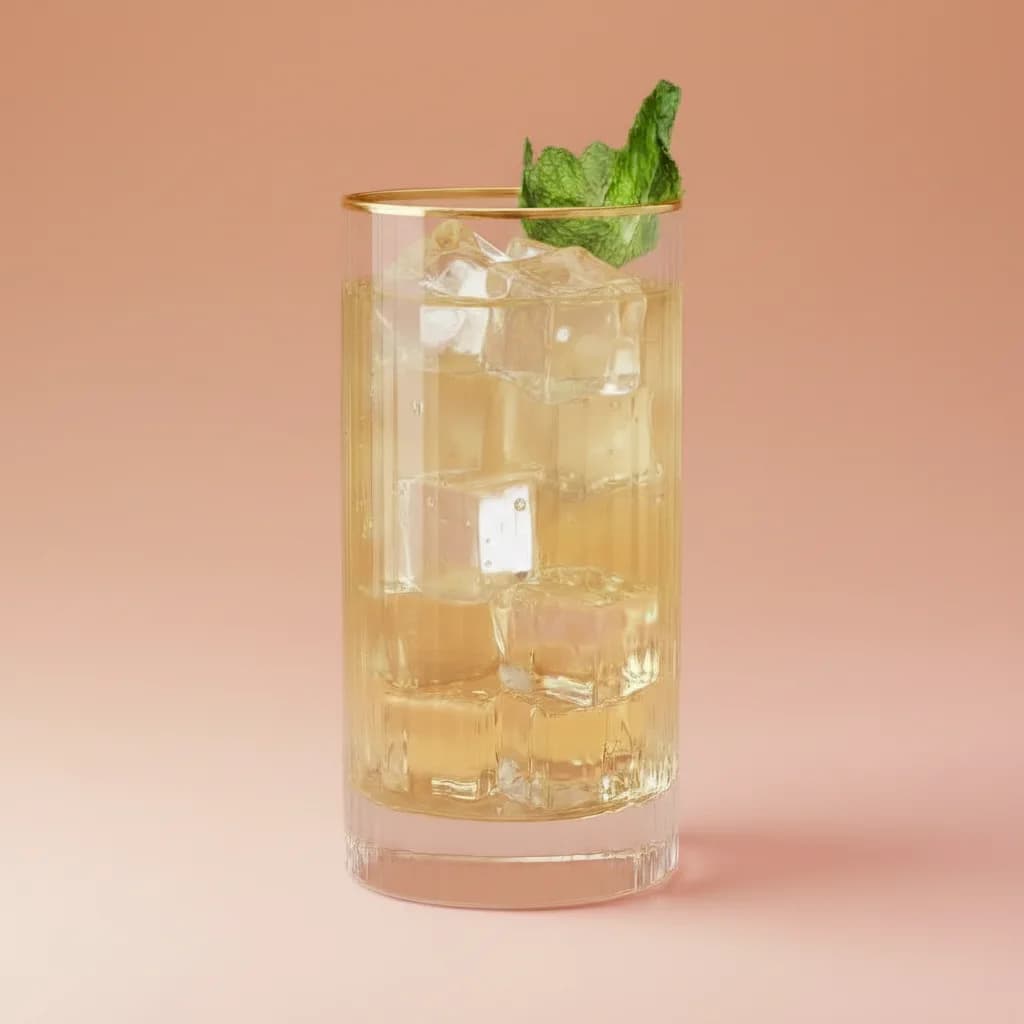
The Royal Mojito swizzles white rum, mint, lime and sugar over crushed ice, then floats dry sparkling wine on top — the Mojito made celebratory. Crushed ice keeps every sip frosty and light, while a bright fizzy lift on top gives way to a crisp, herbaceous finish.
Ingredients
1
Servings

Garnish
Instructions for 1 serving
- Pre-chill a glass
- Add the first 5 ingredients into the glass filled 2/3 full with crushed ice: White rum 60 mlFresh mint leaves 10 pcsLime juice 15 mlSugar syrup 10 mlAngostura aromatic bitters 3 dashes
- Swizzle with a bar spoon
- Fill the glass with more crushed ice
- Top with Dry sparkling wine
- Garnish with a mint sprig
History
The Royal Mojito has no documented inventor, bar, or date of its own: it is a modern bar-menu variant that simply tops a Mojito with sparkling wine or champagne in place of soda water, a swap several cocktail sites describe as the drink's one defining change and the source of its "Royal" name. The Mojito itself is generally traced to Havana, Cuba, with its most-repeated origin story linking it to a 16th-century drink called El Draque, associated with the English privateer Francis Drake, though the exact origins of the name and recipe are not firmly established and are often described as lost to history. The modern Mojito took shape in Havana bars in the 20th century as a rum, lime, mint, sugar, and soda highball before spreading internationally later that century.
FAQ
What is a Royal Mojito?
It is a Mojito-style cocktail swizzled with white rum and mint, then topped with a dry sparkling wine float instead of soda, served in a Collins glass with a mint sprig.
What's in a Royal Mojito?
White rum, fresh mint, lime juice, sugar syrup, and a dash of Angostura bitters, swizzled over crushed ice and topped with dry sparkling wine. It is garnished with a mint sprig and served in a Collins glass.
What's the difference between a Mojito and a Mojito Royale?
A Mojito Royale, or Royal Mojito, adds a topping of dry sparkling wine over the classic rum, mint, lime, and sugar build, giving it a lighter, fizzier finish and a less rum-forward pour than a standard Mojito.
How do you make a fancy Mojito?
One way is a Royal Mojito: swizzle white rum, mint, lime juice, and sugar syrup with a few dashes of Angostura bitters over crushed ice, then top with dry sparkling wine and garnish with a mint sprig. The sparkling wine float turns the everyday Mojito into a fizzier, more festive version.