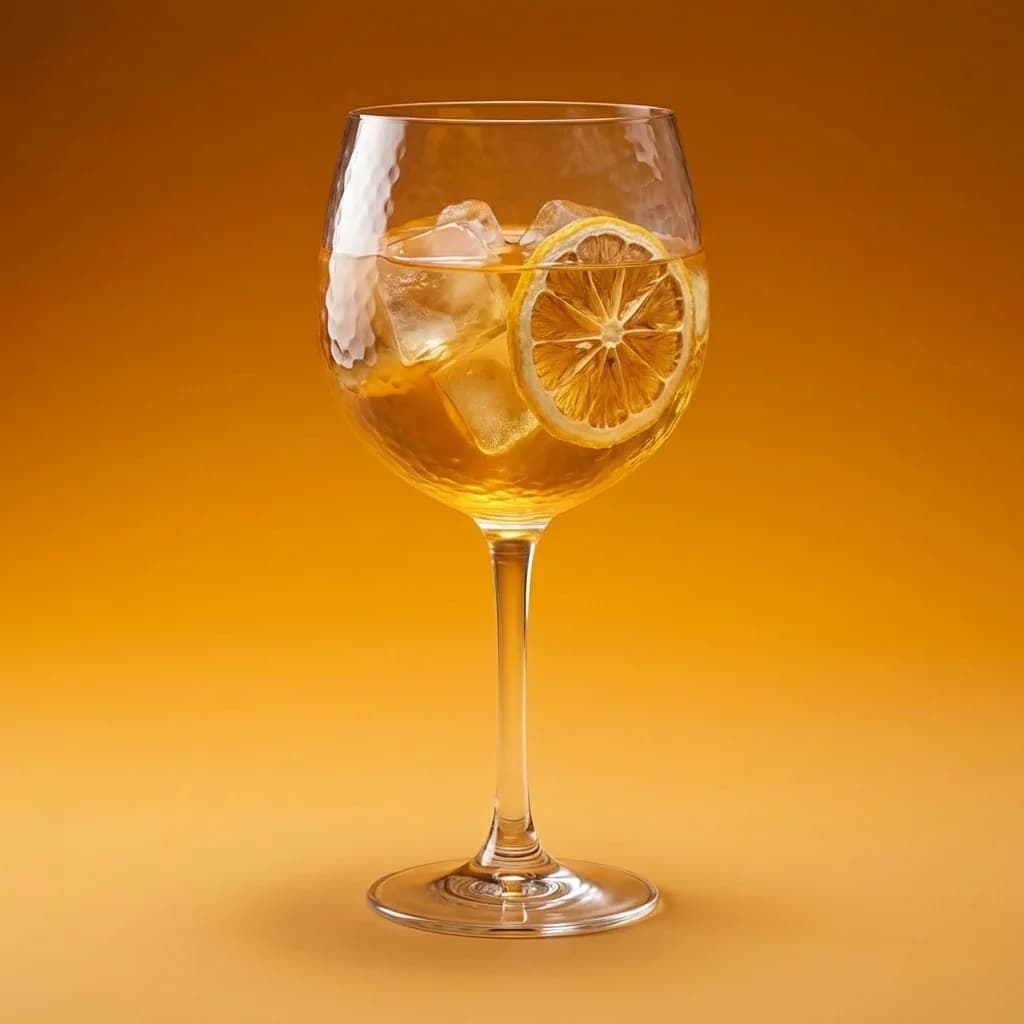
Hugo Spritz
A floral, refreshing and bubbly cocktail ∙ Stir ∙ 3 min ∙ 8.3% ABV ∙
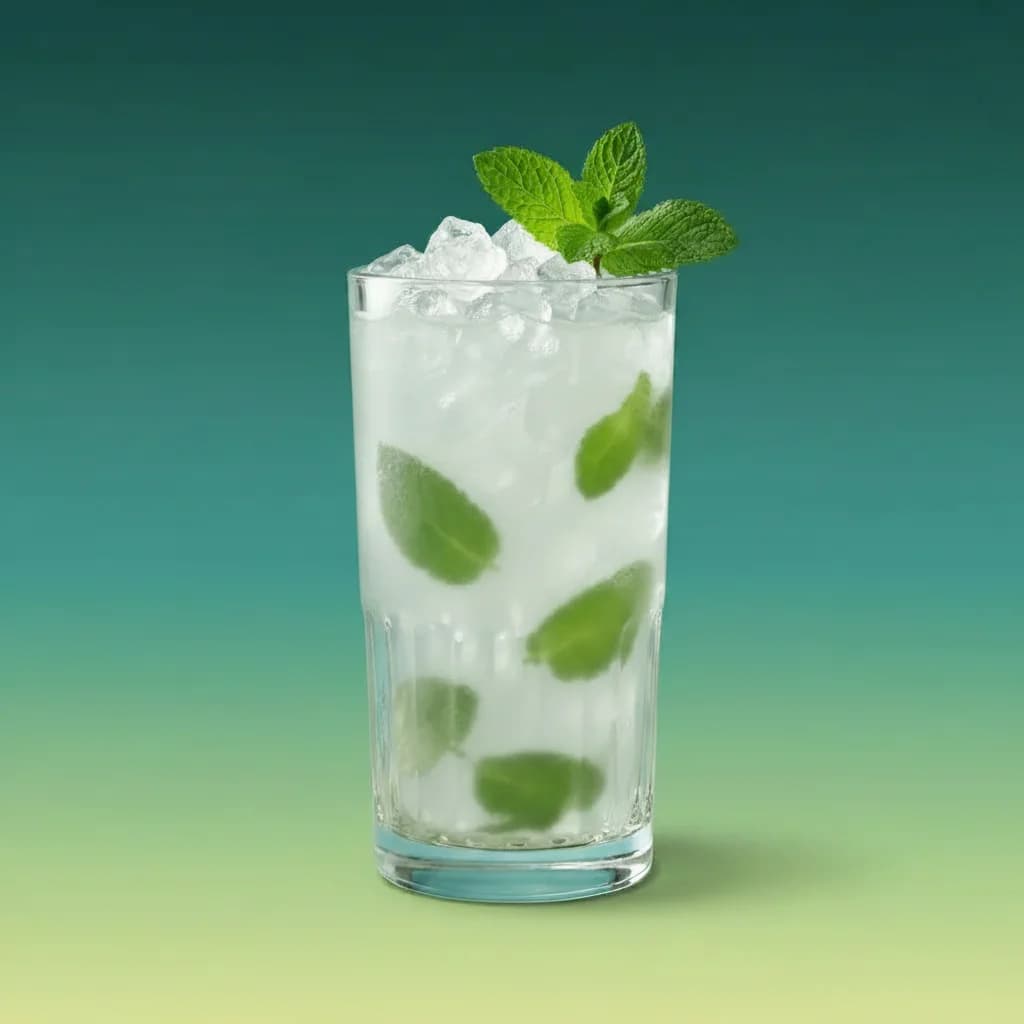
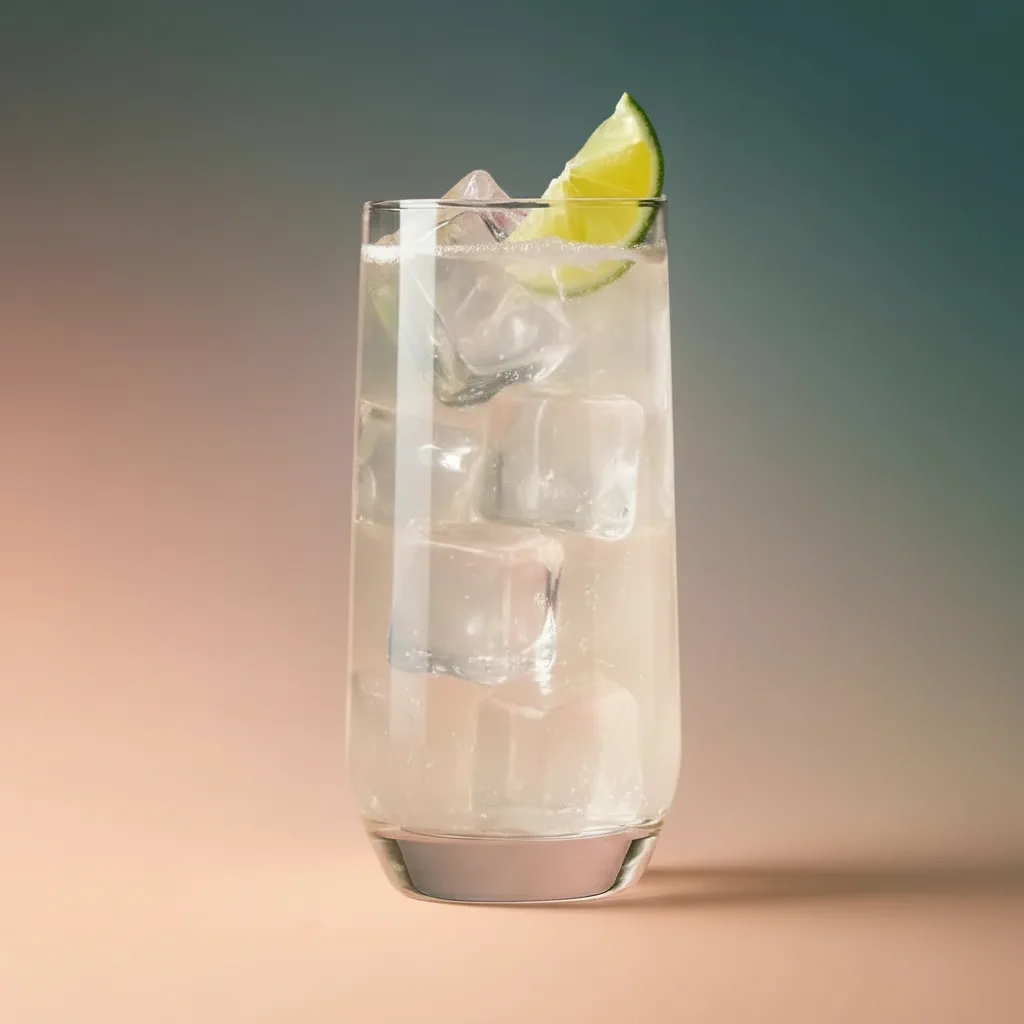
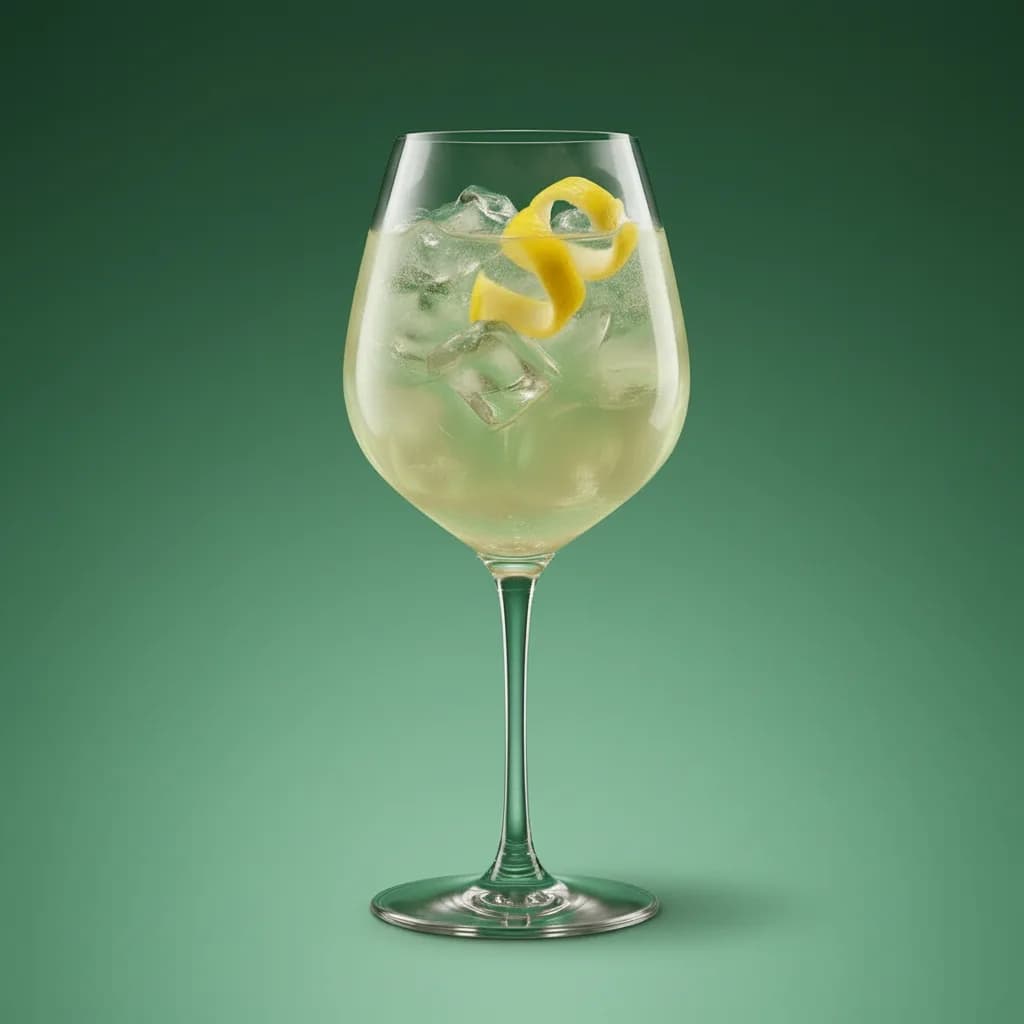
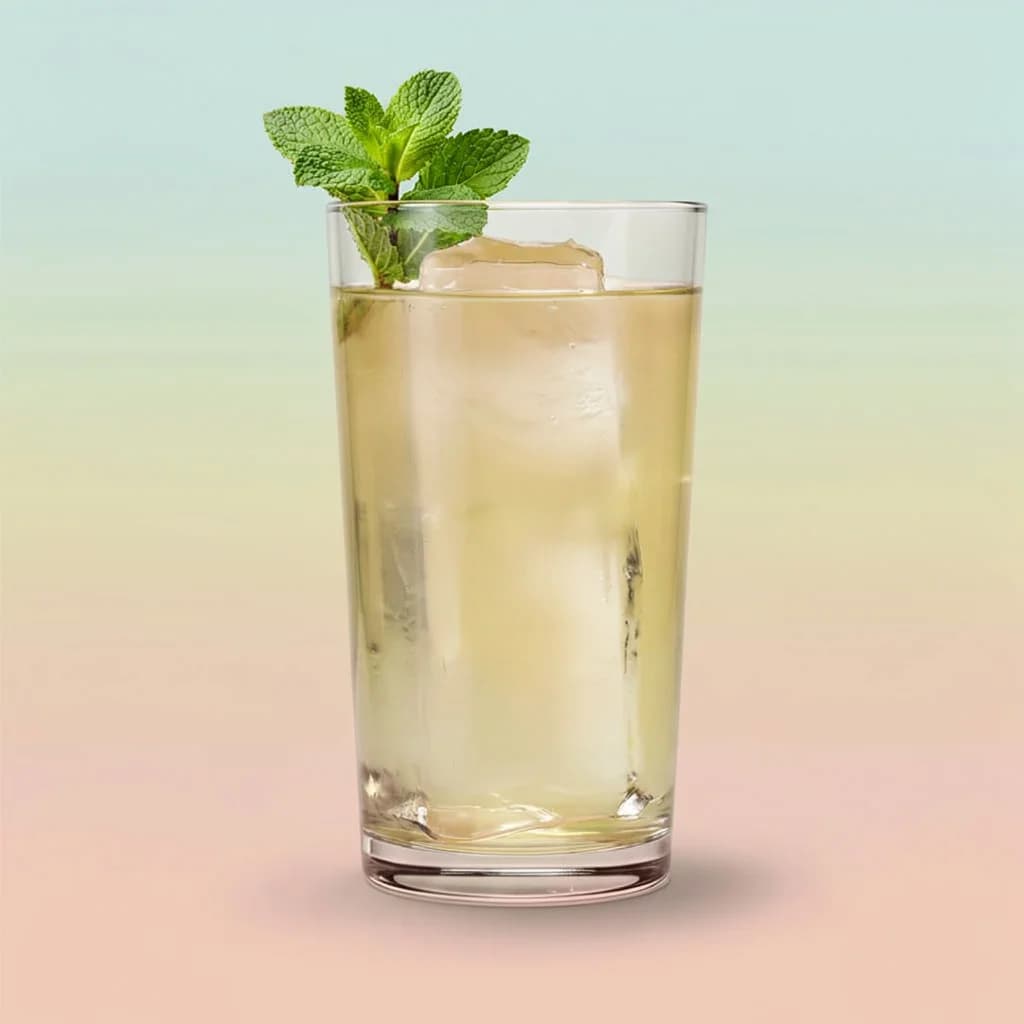
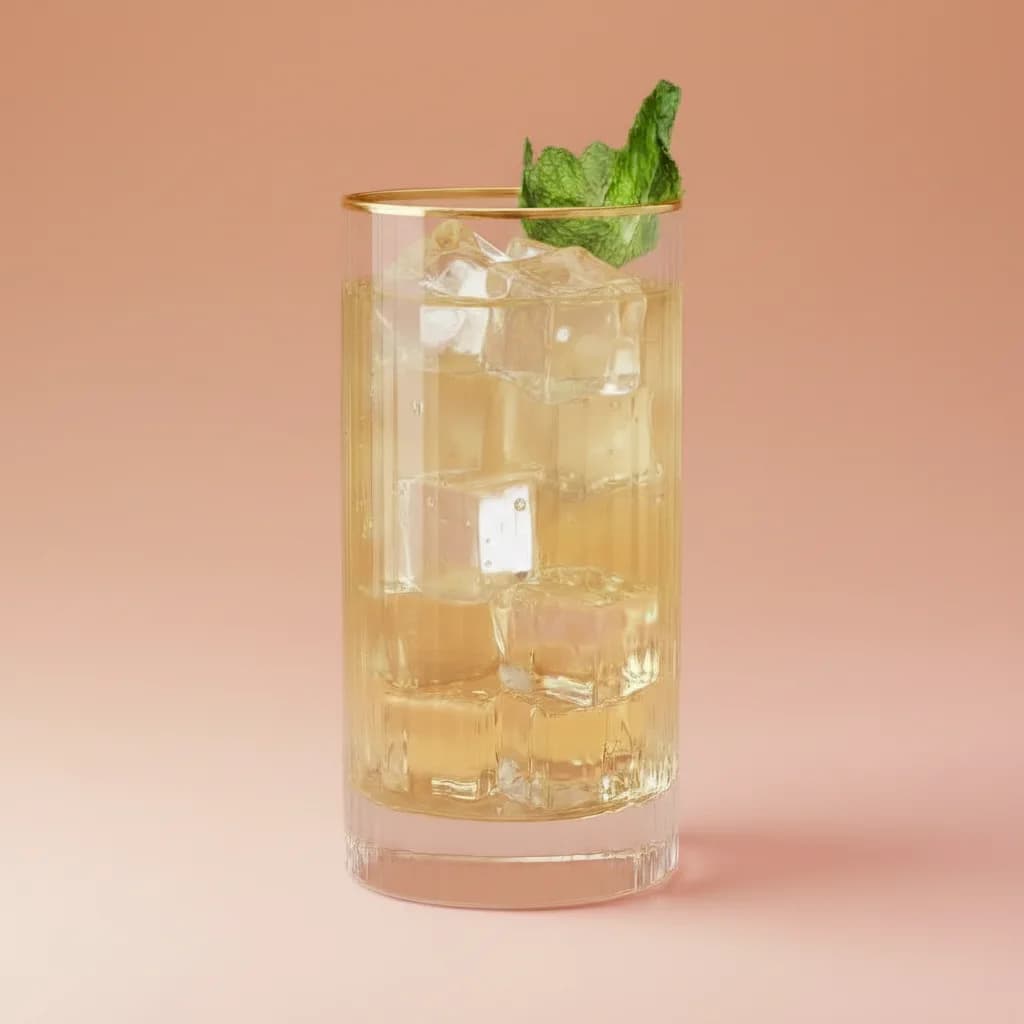
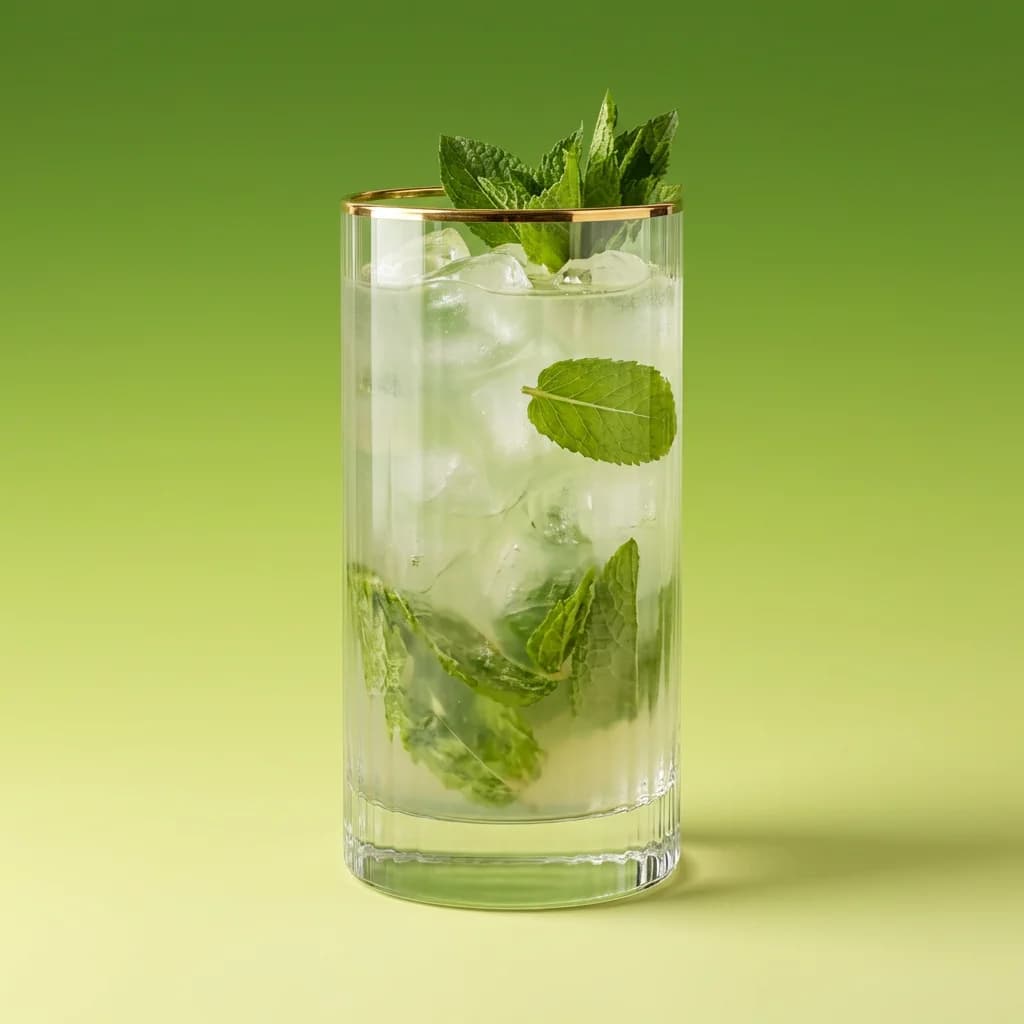
The Hugo Spritz is a low-proof Italian highball of elderflower liqueur, dry sparkling wine, soda water, and fresh mint, built over ice in a wine glass. Light and effervescent with a crisp, airy finish, the bubbles lift a floral sweetness while crushed mint cools every sip.
Ingredients
1
Servings
Garnish
Instructions for 1 serving
- Pre-chill a glass
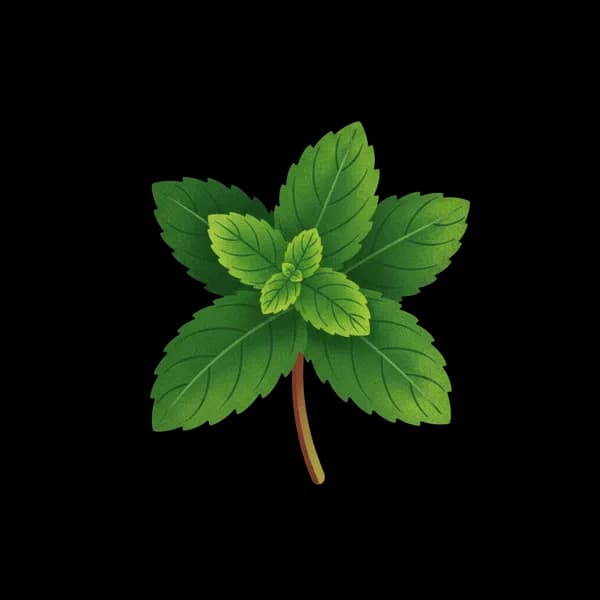
- Add Fresh mint leaves 8 pcs to the chilled glass
- Fill the glass with ice
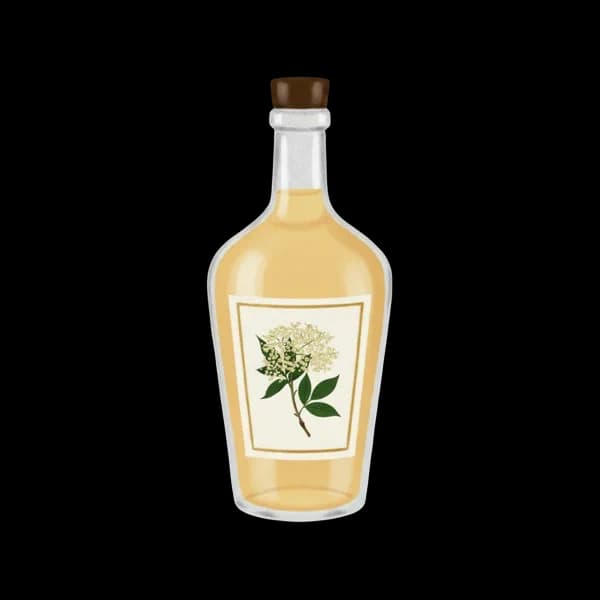
- Add the remaining ingredients: Elderflower liqueur 40 mlSoda water 60 mlDry sparkling wine 60 ml
- Briefly stir
- Garnish with a lime wedge and a mint sprig
Tips
- Add the mint leaves to the glass before the ice so they bruise gently under the cubes rather than being crushed.
History
The Hugo was created in 2005 by bartender Roland Gruber at the San Zeno Bar in Naturno (Naturns), a town in Italy's South Tyrol near the Austrian border, as a lighter alternative to the Aperol Spritz (Spritz Veneziano). Gruber's original version used lemon balm syrup rather than elderflower, but elderflower syrup, being easier to source, soon replaced it in practice and became the drink's defining flavor.
From South Tyrol the drink spread through Triveneto, Austria, Switzerland, and Germany by word of mouth before becoming an international aperitivo staple, with elderflower liqueur eventually becoming a common substitute for the syrup in many modern versions.
FAQ
What is a Hugo Spritz made of?
Elderflower liqueur, dry sparkling wine, soda water, and fresh mint leaves, built over ice in a wine glass and garnished with a lime wedge and mint sprig. It is a low-proof spritz at around 8.3% ABV, closer to a light aperitivo than a strong cocktail.
What is the difference between a Hugo Spritz and an Aperol Spritz?
A Hugo Spritz is built on elderflower liqueur and mint, giving a light, floral drink, while an Aperol Spritz is built on bitter Aperol, giving a bittersweet, citrus-edged one. Both are low-proof sparkling wine highballs topped with soda, but they land in very different flavor territory.
What is the ratio for a Hugo Spritz?
This build uses equal parts soda water and dry sparkling wine, with a smaller measure of elderflower liqueur folded in over ice and mint. That keeps the drink light and fizzy rather than sweet or syrupy.
How do you make the best Hugo Spritz?
Chill the wine glass first, add the fresh mint leaves before the ice so they bruise gently, then fill with ice and pour in the elderflower liqueur, soda water, and dry sparkling wine. Stir briefly to combine without losing carbonation, then garnish with a lime wedge and mint sprig.