Aperol Spritz
A bitter and refreshing cocktail ∙ Build ∙ 2 min ∙ 8.8% ABV ∙
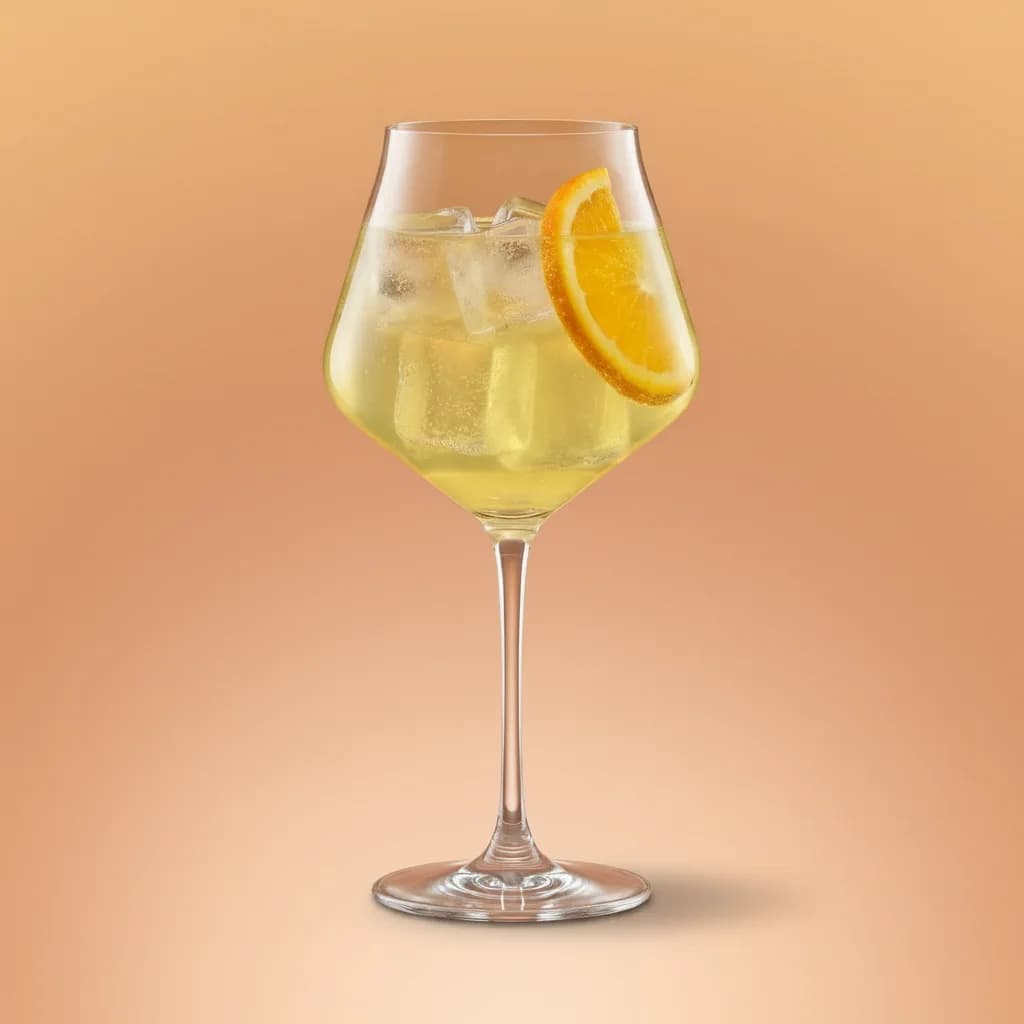
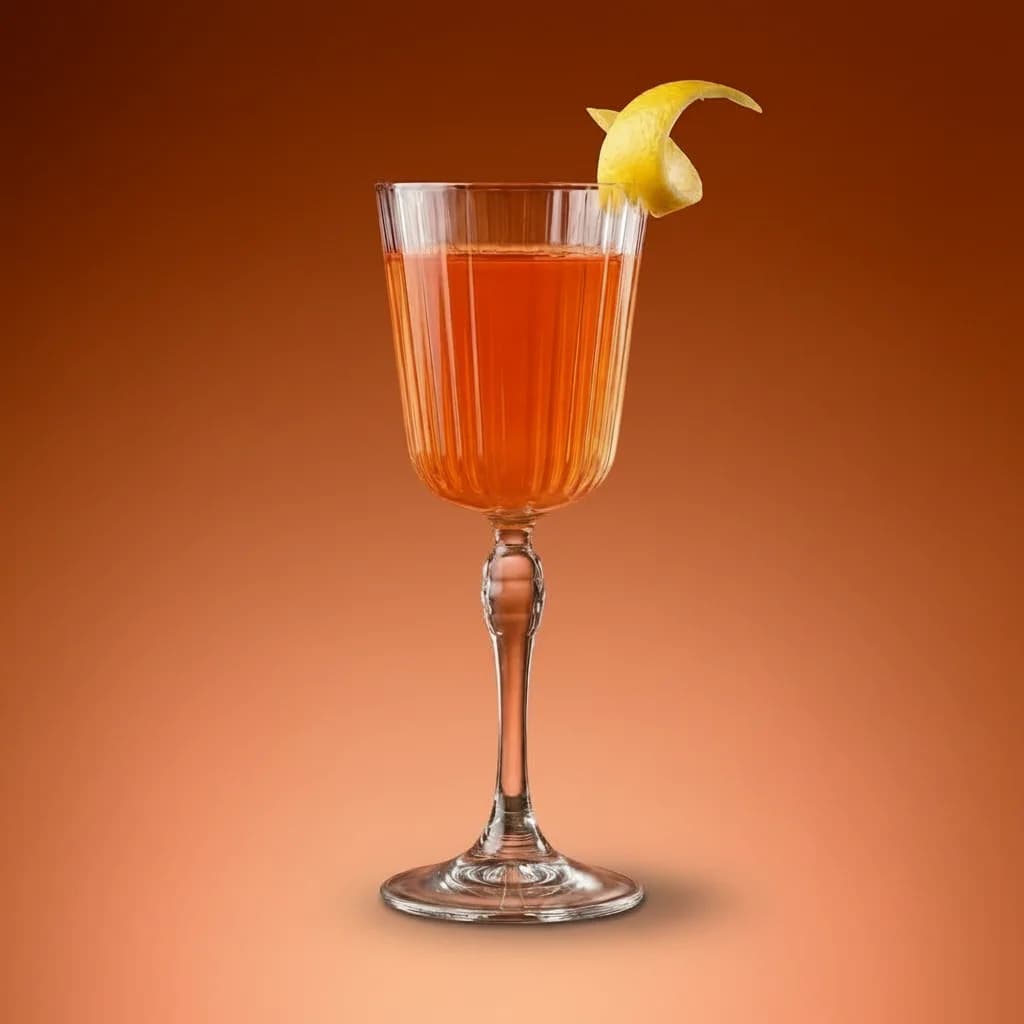
The Aperol Spritz is the official IBA build of the Italian classic: Prosecco, Aperol and a splash of soda water, served over ice in a wine glass. Bittersweet citrus and delicate rhubarb notes float over a crisp, sparkling base, finishing dry and effervescent — an effortless late-afternoon sipper.
Ingredients
1
Servings
Garnish
Instructions for 1 serving
- Pre-chill a glass
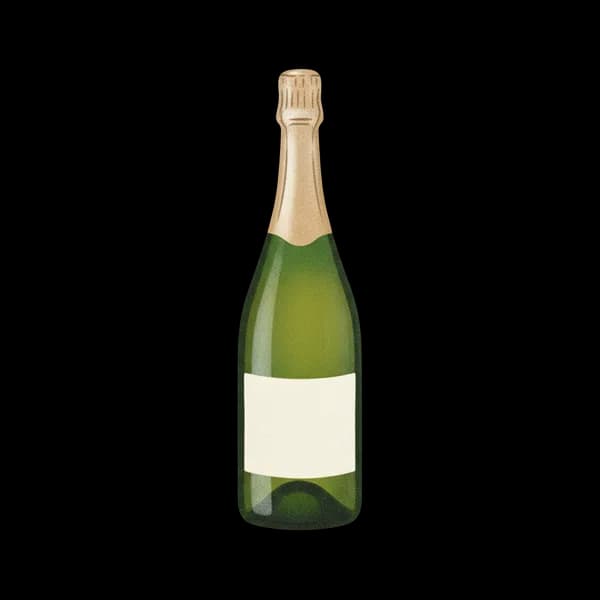
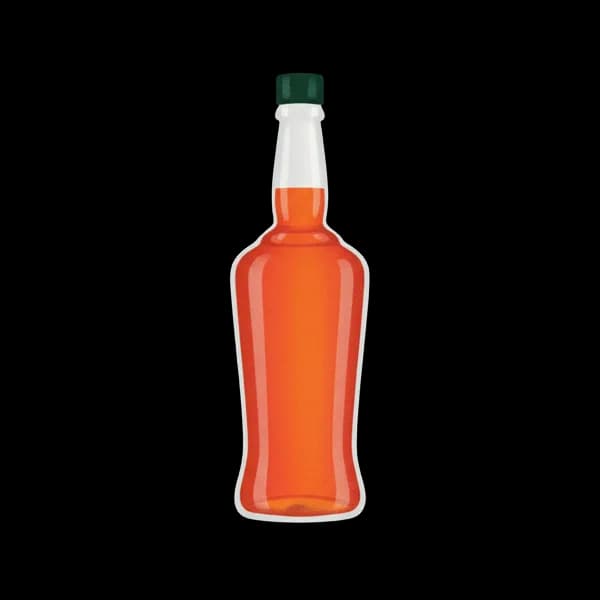
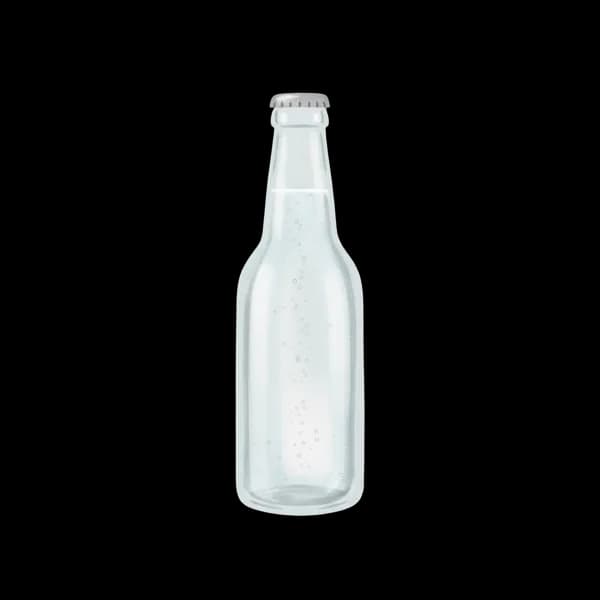
- Build all ingredients into the wine glass filled with ice: Prosecco extra dry 90 mlAperitivo 60 mlSoda water 30 ml
- Stir gently
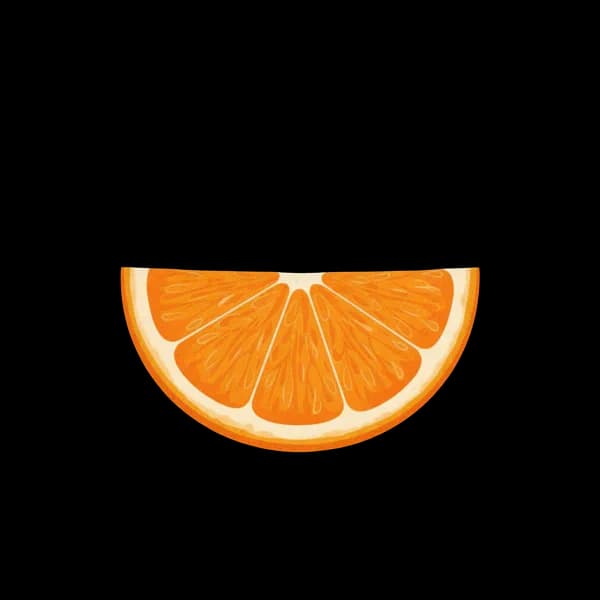
- Garnish with an orange slice
History
The spritz traces back to the 19th century in the Veneto region of northern Italy, then under Austro-Hungarian rule, when soldiers found local still wines too strong and lightened them with a splash of water — a "spritz," from the German "spritzen," to splash. Over the following decades this practice evolved as soda water replaced plain water, and bitter liqueurs were later folded into the wine base.
Aperol itself was created in 1919 in Padua by brothers Luigi and Silvio Barbieri, who took over their father's liqueur business and spent seven years developing the bittersweet, orange-hued aperitivo before debuting it at the Padua International Fair. By the 1950s, a specific Aperol-based spritz recipe had taken shape and become a fixture of aperitivo culture, with Prosecco gradually replacing still wine in the build over subsequent decades.
The drink remained largely a regional specialty until Gruppo Campari acquired Aperol in 2003 and began an international marketing push that turned it into a global phenomenon. A parallel version, the spritz veneziano, built with the aperitivo Select instead of Aperol, was created in Venice in 1920; it became the IBA's official cocktail on December 19, 2011, at the organization's Warsaw congress, initially listed under that name before being simplified to just "spritz".
FAQ
What is the 3-2-1 method for an Aperol Spritz?
The 3-2-1 method is a popular ratio guide of 3 parts Prosecco, 2 parts Aperol-style aperitivo, and 1 part soda water, built over ice. This recipe uses a similar build — Prosecco, aperitivo, and a splash of soda water, in that order — assembled directly in the glass rather than shaken or stirred.
What is in an Aperol Spritz?
Prosecco extra dry, a bitter aperitivo, and soda water, built over ice in a wine glass and finished with an orange slice. It is a low-proof drink at about 9% ABV, made for long, easy sipping rather than a quick knockback.
Is an Aperol Spritz shaken or stirred?
Neither — it is built. The Prosecco, aperitivo, and soda water are poured directly over ice in the serving glass and given a gentle stir, which keeps the carbonation intact.
What glass is an Aperol Spritz served in?
A wine glass, filled with ice and garnished with an orange slice. The wide glass gives the bubbles room and lets the orange garnish perfume the drink as it is sipped.
Is Aperol Spritz very alcoholic, and can it get you drunk?
No, it is a low-alcohol drink, sitting at about 9% ABV in this build, roughly a third the strength of a glass of spirits neat. One glass is unlikely to make anyone drunk, though the bubbles can make the alcohol feel faster-acting, so pacing still matters over an evening of refills.
How do Italians make an Aperol Spritz?
The standard Italian build layers Prosecco, the aperitivo, and a short top of soda water over ice in a large wine glass, finished with an orange slice — the same order and glass used here. It is served as an aperitivo before dinner, not as an after-dinner drink.