Death In The Afternoon
A refreshing, bubbly and dry cocktail ∙ Build ∙ 2 min ∙ 14.3% ABV ∙
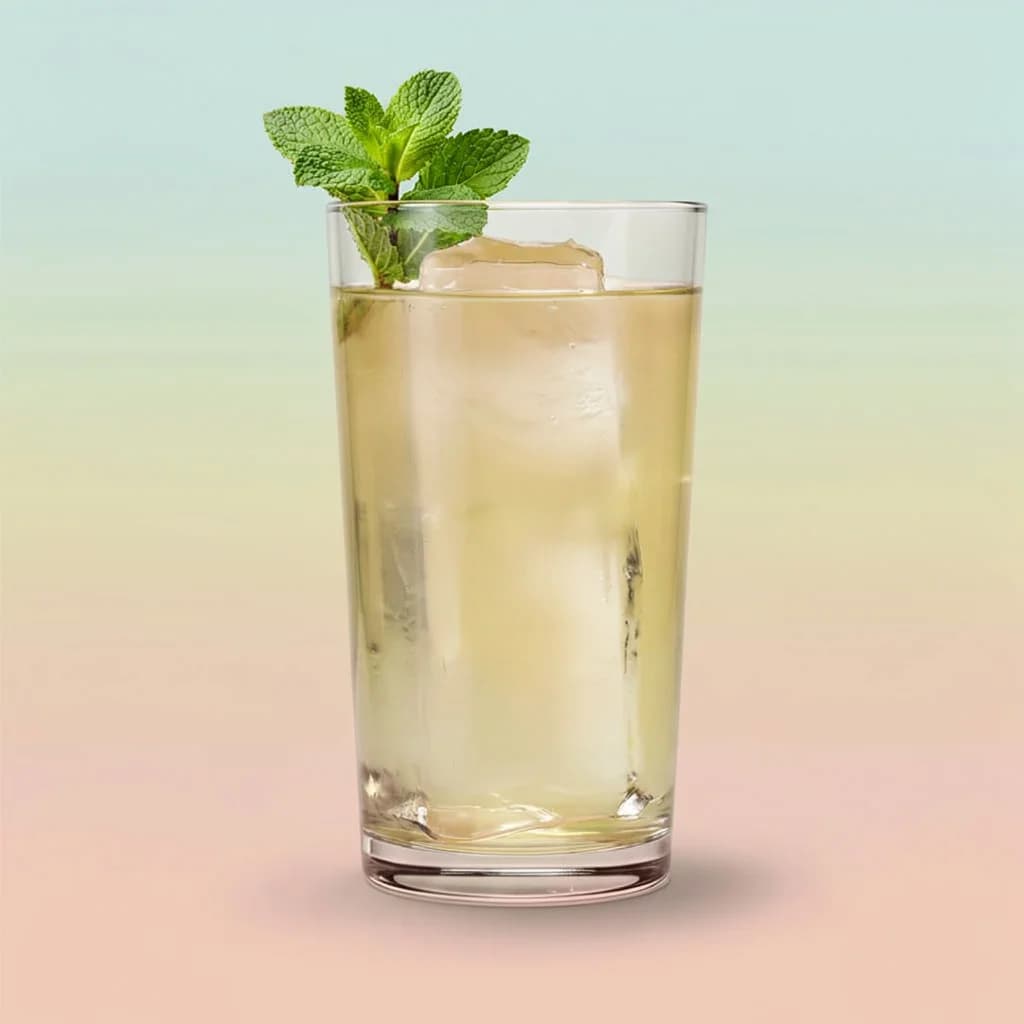
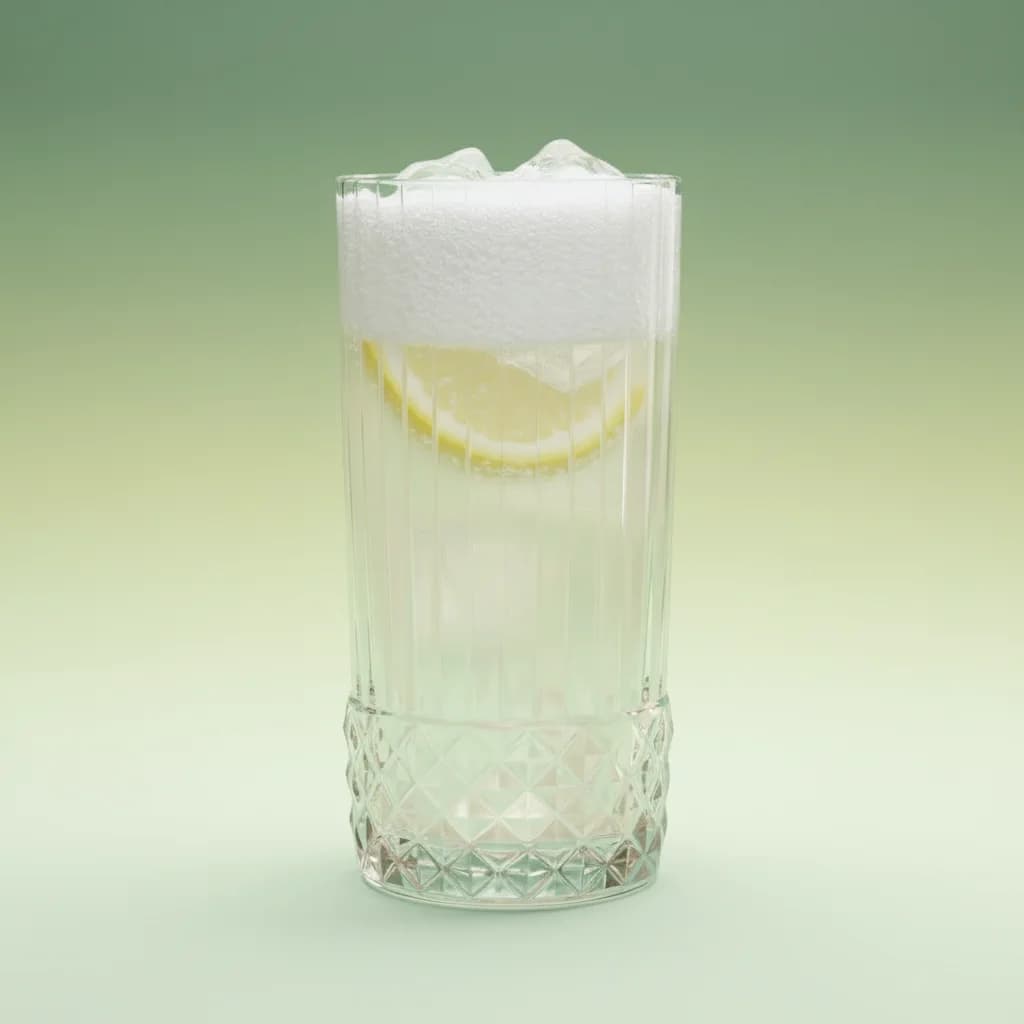
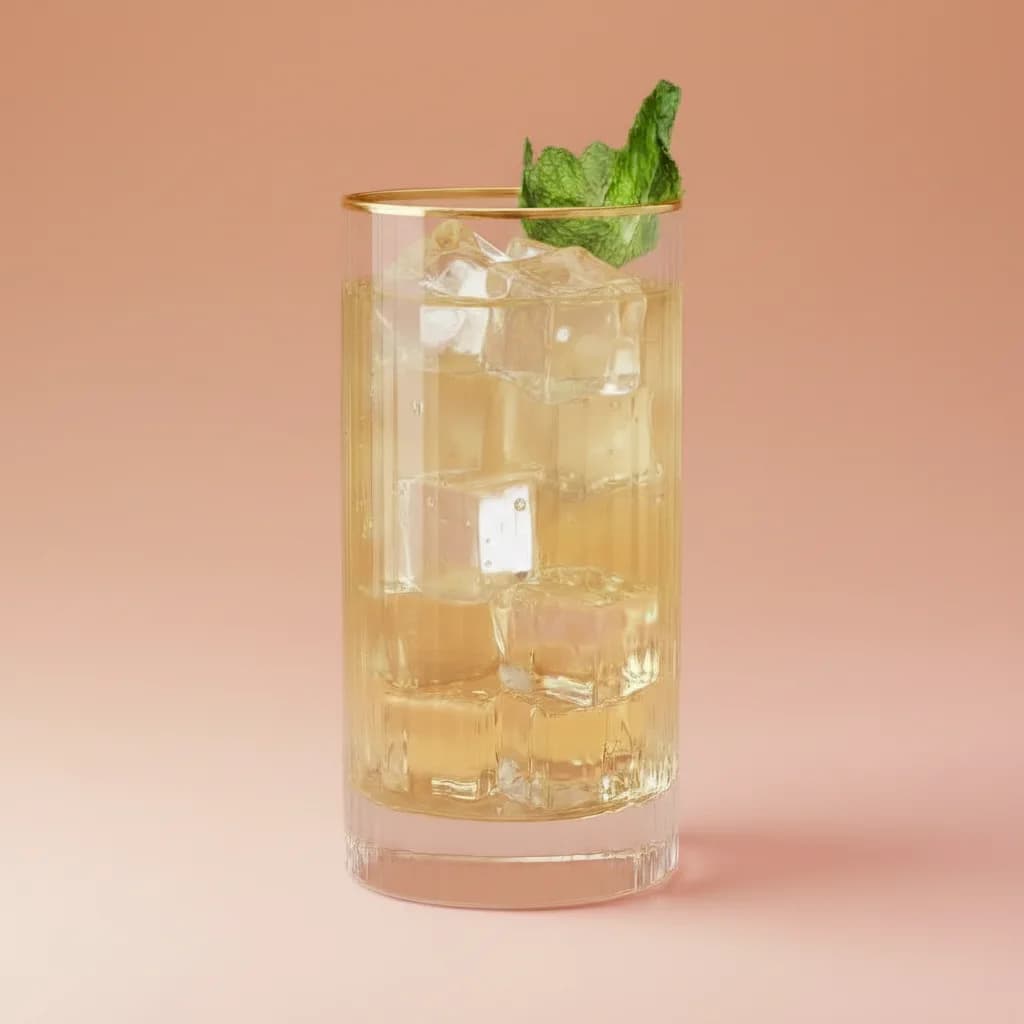
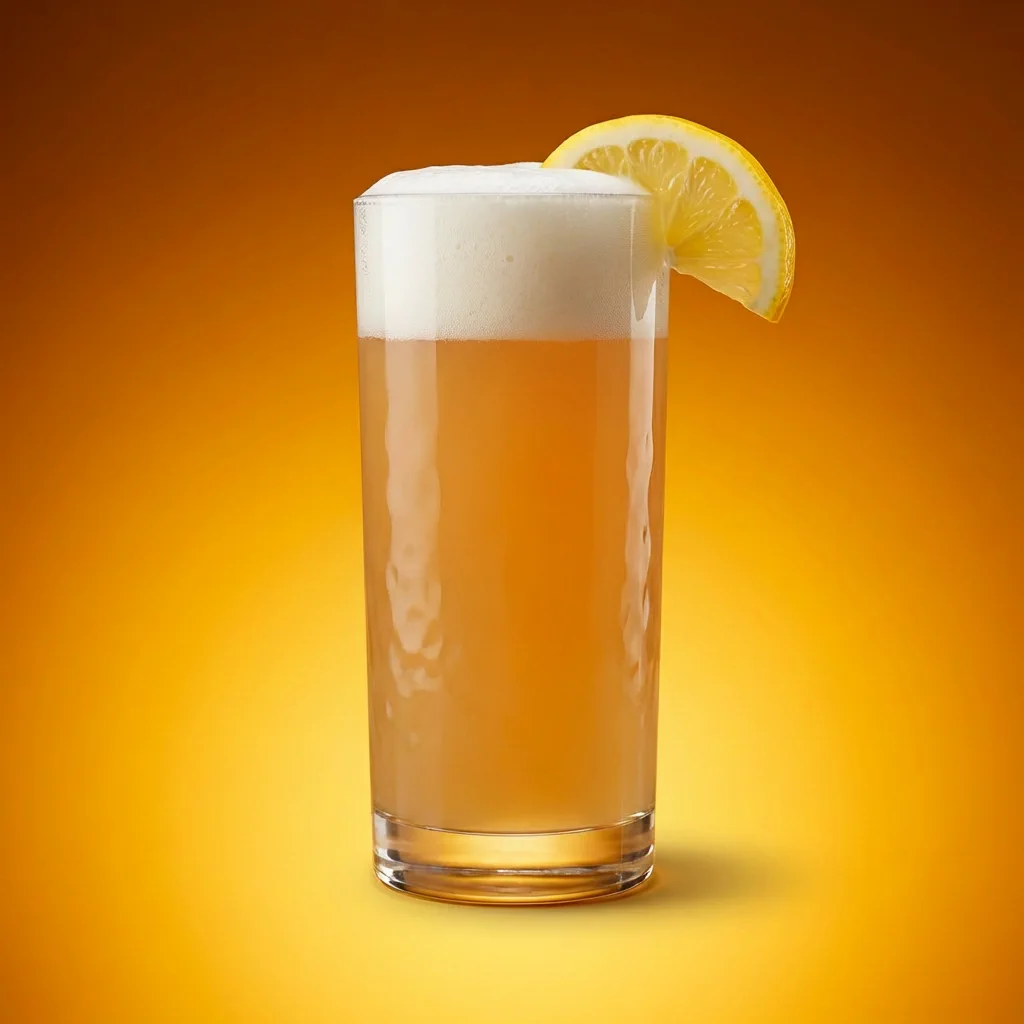
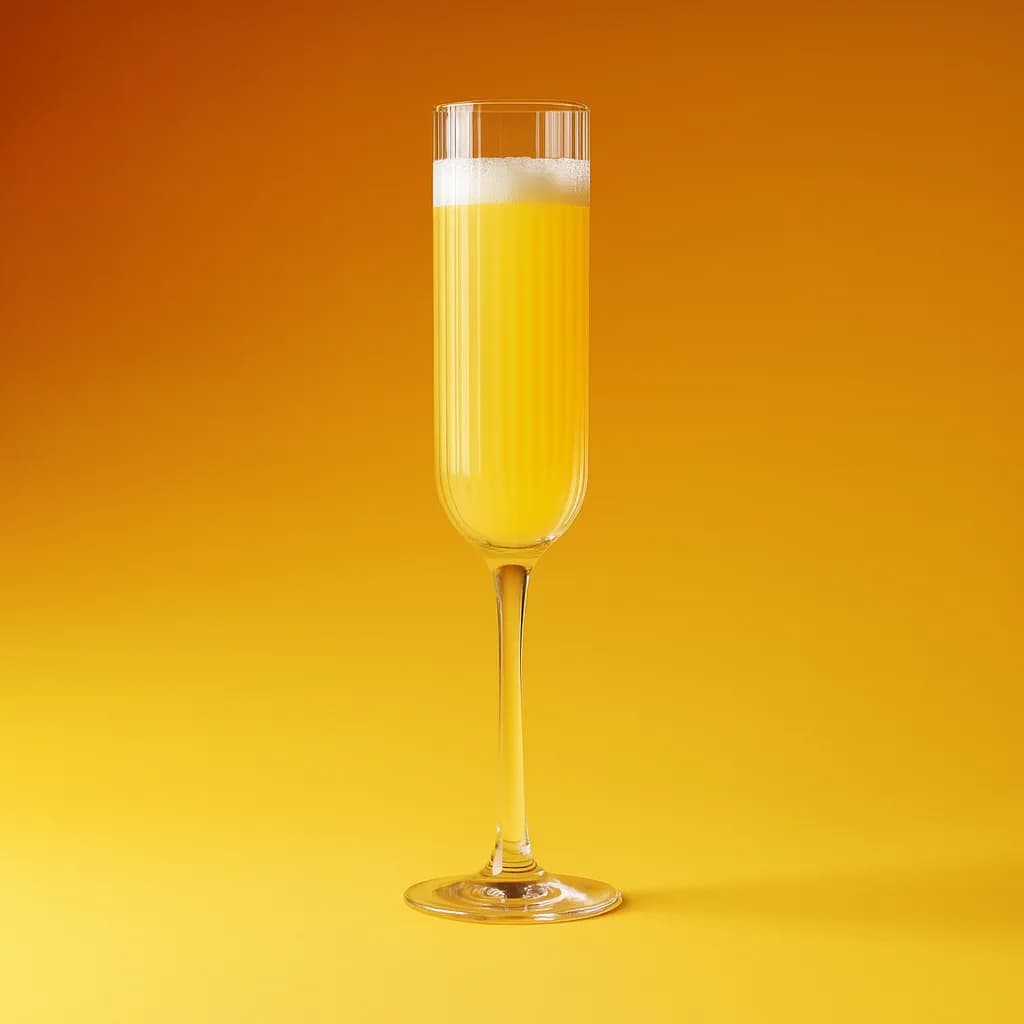
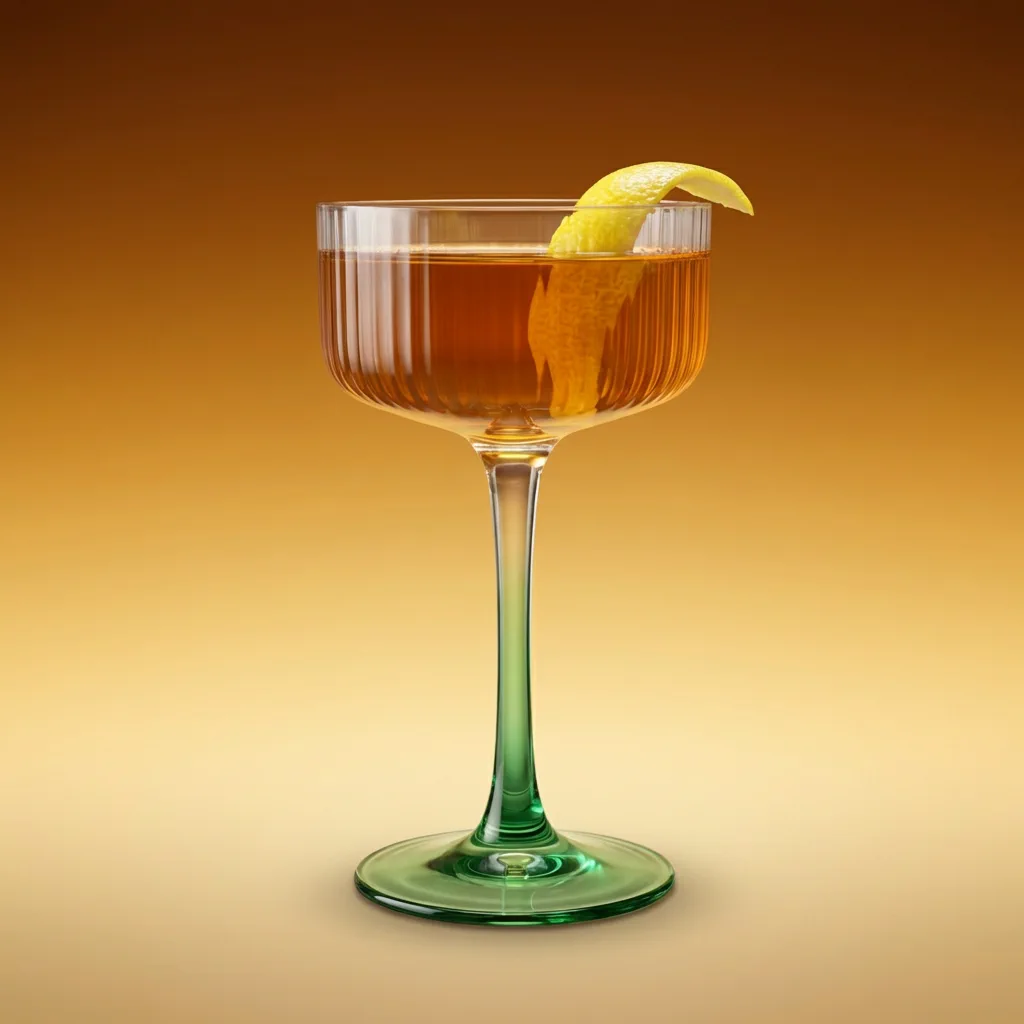
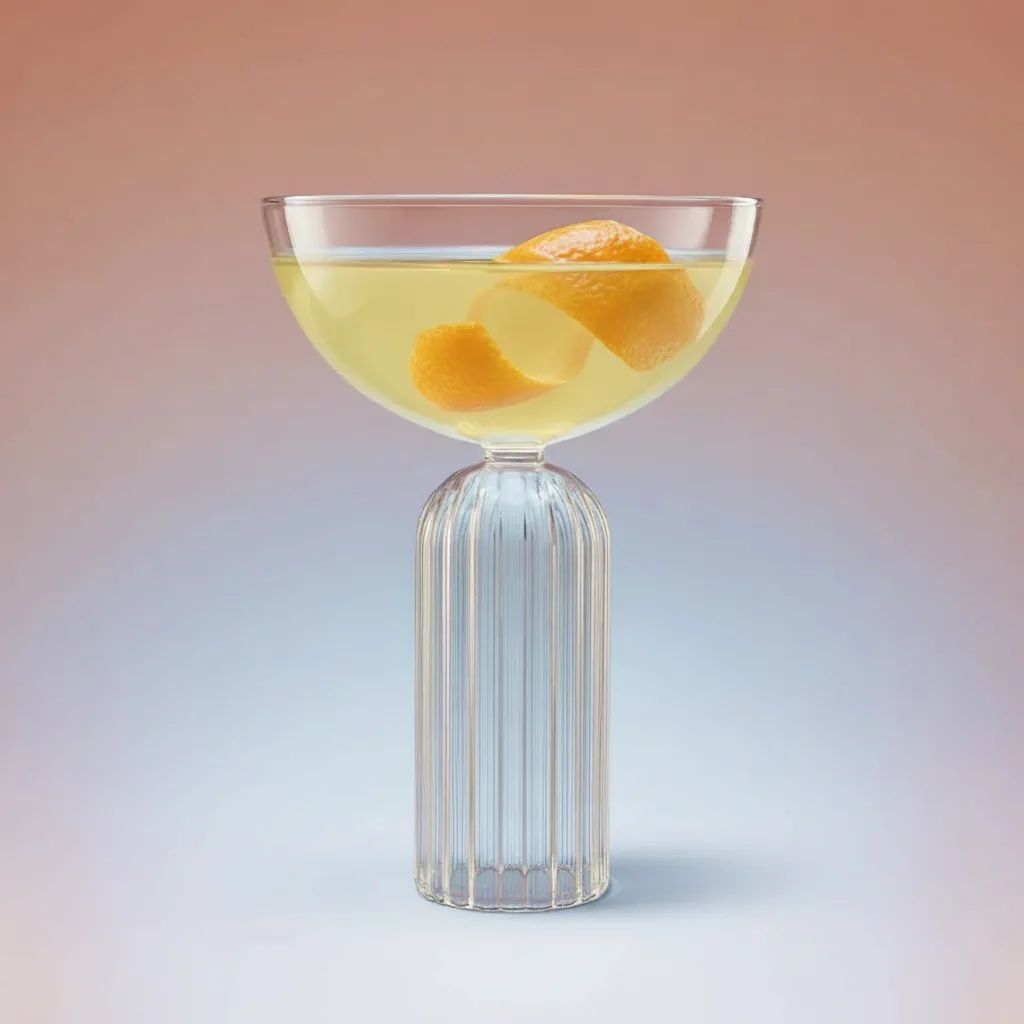
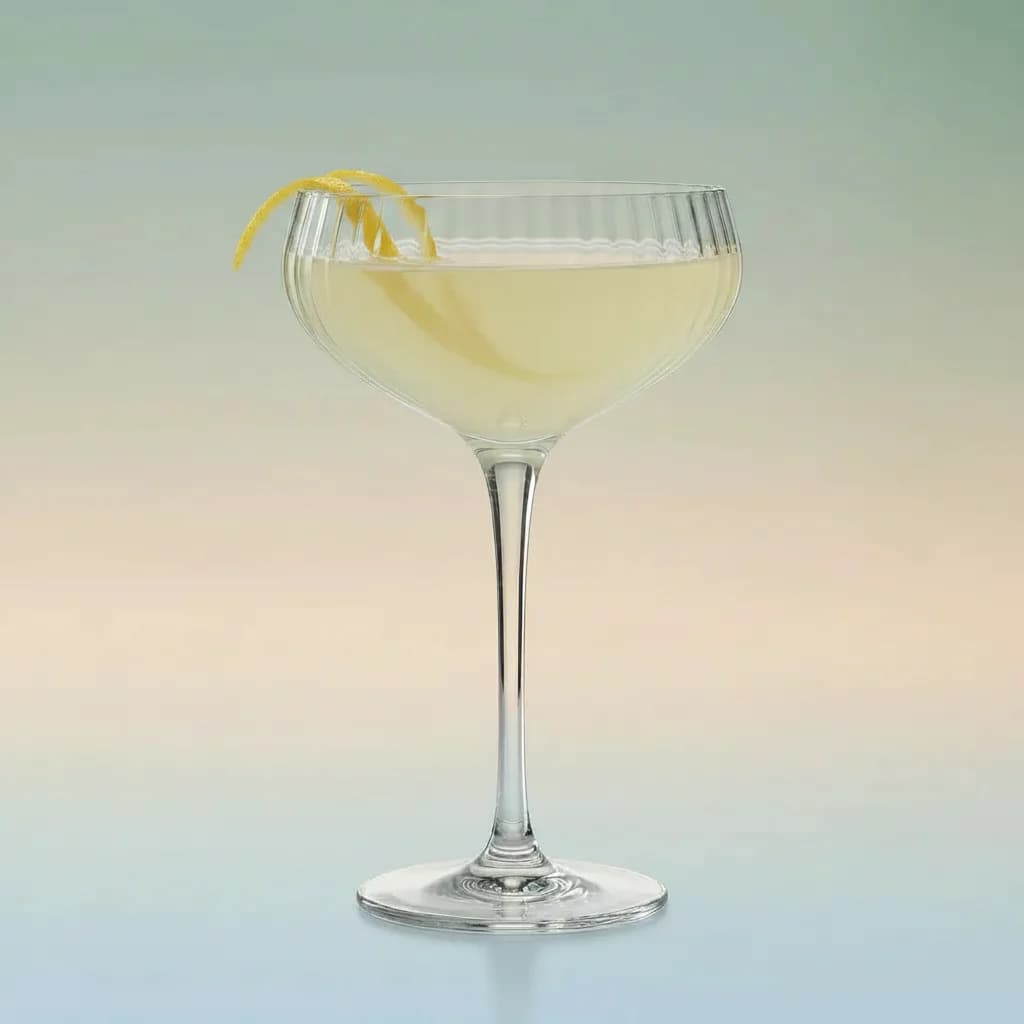
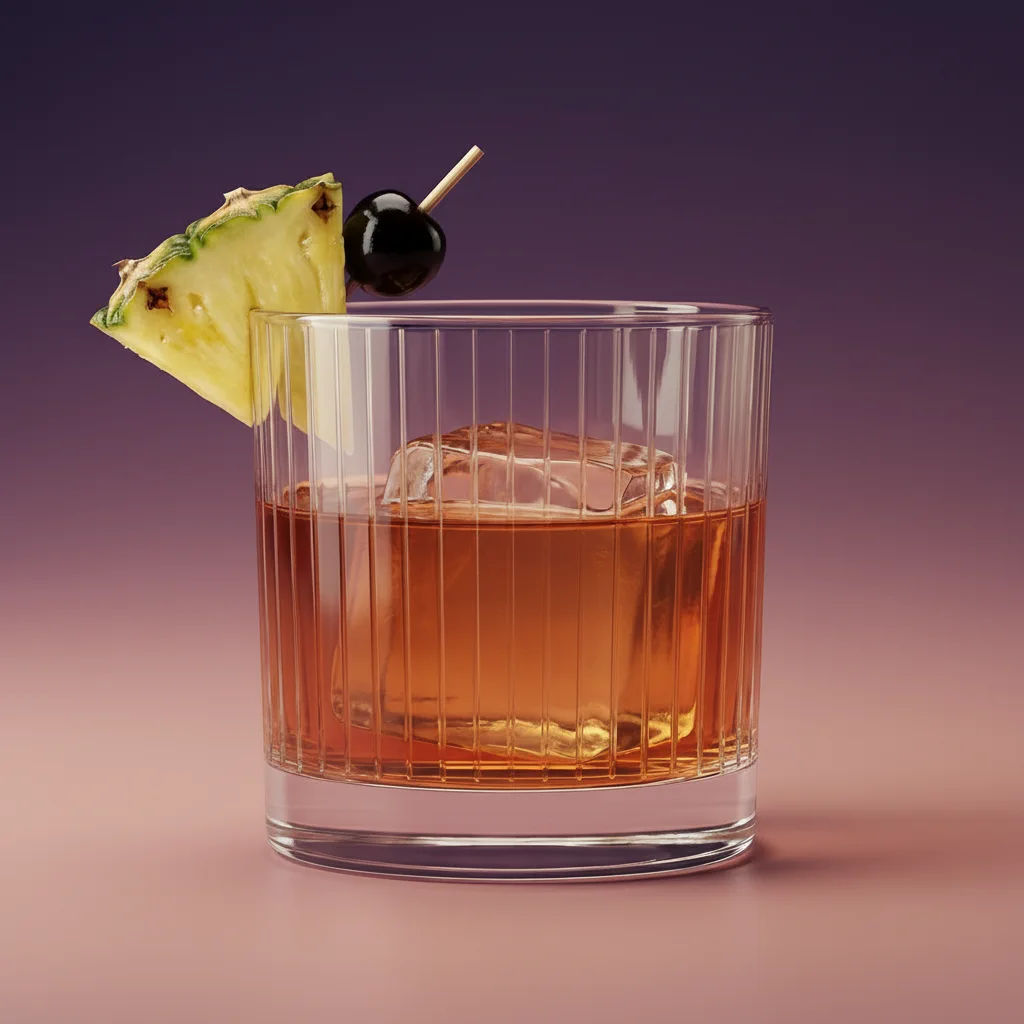
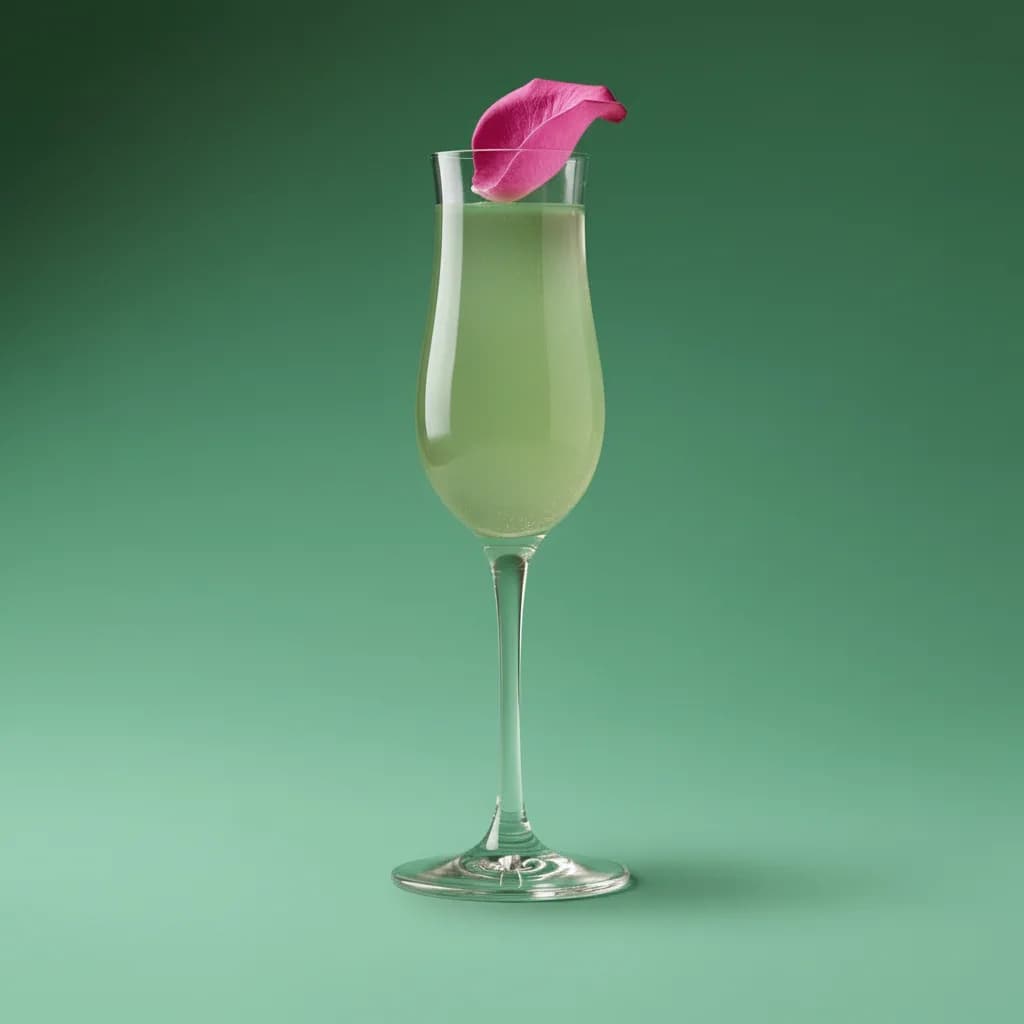
The Death in the Afternoon is a Champagne cocktail built from absinthe, sugar syrup, and dry sparkling wine, topped and served in a flute. Anise and fennel surface first, cut by the wine's dry effervescence, with a faint sweetness underneath that keeps the licorice edge from taking over — a striking aperitif.
Ingredients
1
Servings
Garnish
Instructions for 1 serving
- Pre-chill a glass
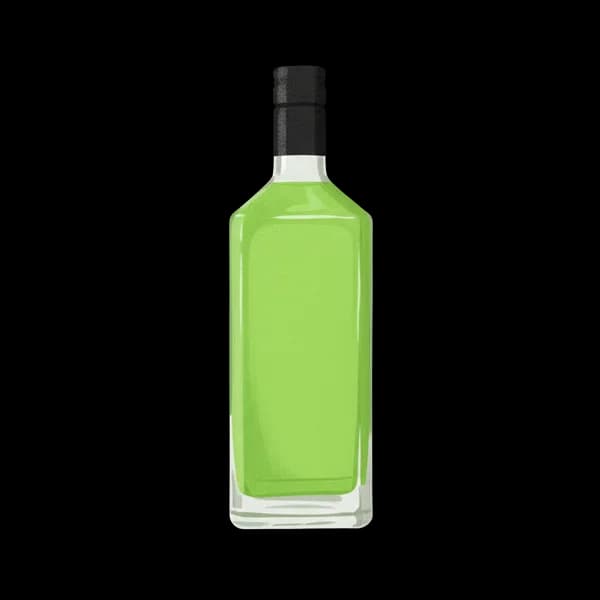
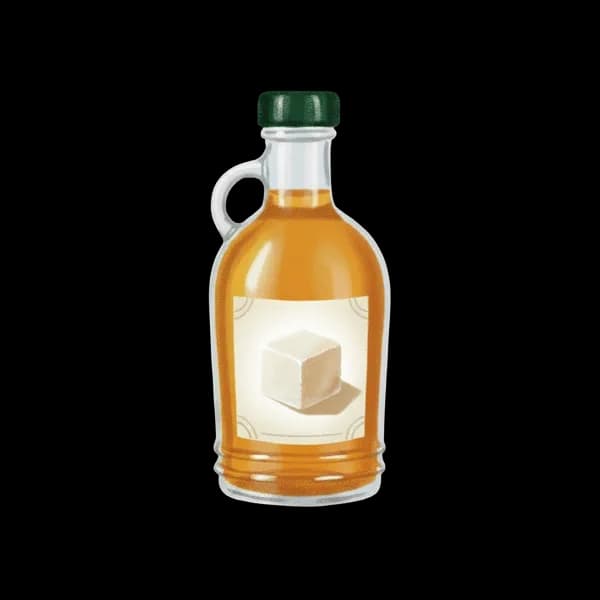
- Pour first 2 ingredients into the chilled glass: Absinthe 10 mlSugar syrup 5 ml
- Briefly stir
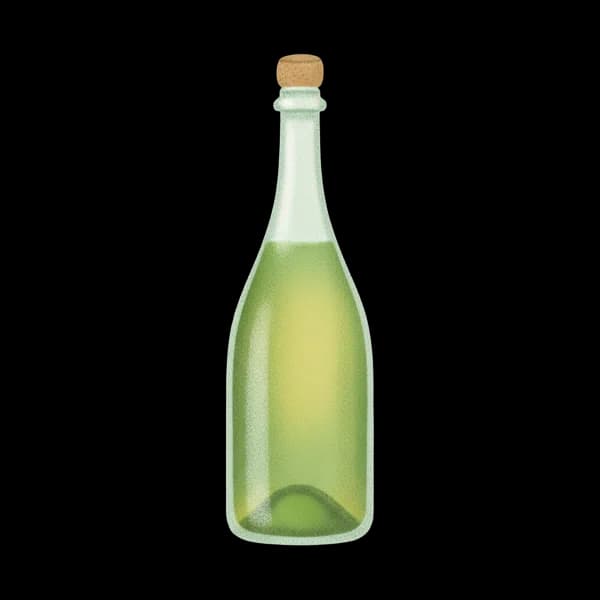
- Top with Dry sparkling wine
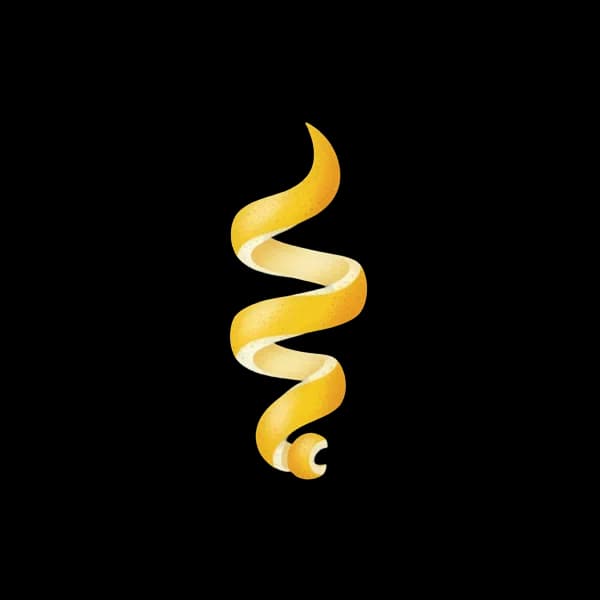
- Express a lemon twist over the cocktail and discard
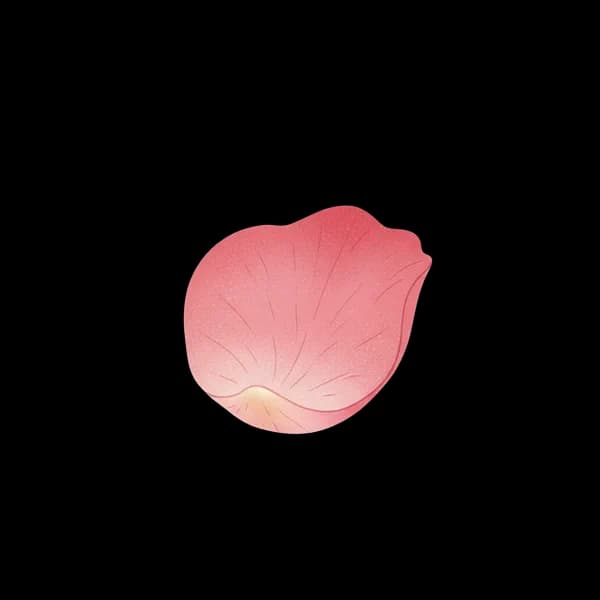
- Float rose petals
Tips
- Chill the sparkling wine and flute beforehand since absinthe's louche effect combined with warm wine causes excessive overflow when building.
History
Death in the Afternoon is credited to Ernest Hemingway, who mixed absinthe with iced Champagne until the drink turned cloudy, instructing that it be drunk three to five times slowly. The recipe first appeared in print in 1935 in So Red the Nose, or Breath in the Afternoon, a compendium in which the publisher Farrar & Rinehart asked thirty writers to invent a cocktail and name it after one of their own works; Hemingway's entry opened the book's cocktail section.
The drink takes its name from Hemingway's 1932 nonfiction book Death in the Afternoon, about Spanish bullfighting. In the book's headnote Hemingway attributed the recipe's creation to himself and three officers of HMS Danae, describing hours spent trying to free a grounded fishing boat belonging to Captain Bra Saunders during a gale, though the account gives no exact date for when the drink itself was devised.
FAQ
What's in a Death in the Afternoon cocktail?
Absinthe, sugar syrup, and dry sparkling wine, built directly in the glass and topped with the wine. It is garnished with a lemon twist and a rose petal, and served in a flute.
How do you make a Death in the Afternoon?
Pour the absinthe and sugar syrup into a chilled flute, then slowly top with dry sparkling wine and stir gently to combine. It is built rather than shaken or stirred in a mixing glass, since the sparkling wine's carbonation does the work.
Is Death in the Afternoon strong?
It runs around 14.3% ABV, stronger than a glass of straight Champagne but lighter than a spirit-forward cocktail. The absinthe adds concentrated anise flavor and alcohol without dominating the volume, since sparkling wine makes up most of the pour.
Is absinthe the strongest alcohol?
No, absinthe is not the strongest spirit; it typically runs 45-74% ABV, similar to many other high-proof spirits like overproof rum or certain whiskies, and there are neutral grain spirits that exceed it. Its reputation for potency comes more from its strong anise flavor and history than from being uniquely alcoholic.
What is Hemingway's Death in the Afternoon about?
Hemingway's 1932 nonfiction book Death in the Afternoon is about Spanish bullfighting, not the cocktail; the drink was named after the book and is separate from its subject matter.
Is Death in the Afternoon a good cocktail?
It is well regarded among absinthe drinkers for its bold, distinctive anise character balanced by dry sparkling wine, though its strong licorice flavor is polarizing rather than universally loved. Fans of anise-forward drinks tend to rate it highly.